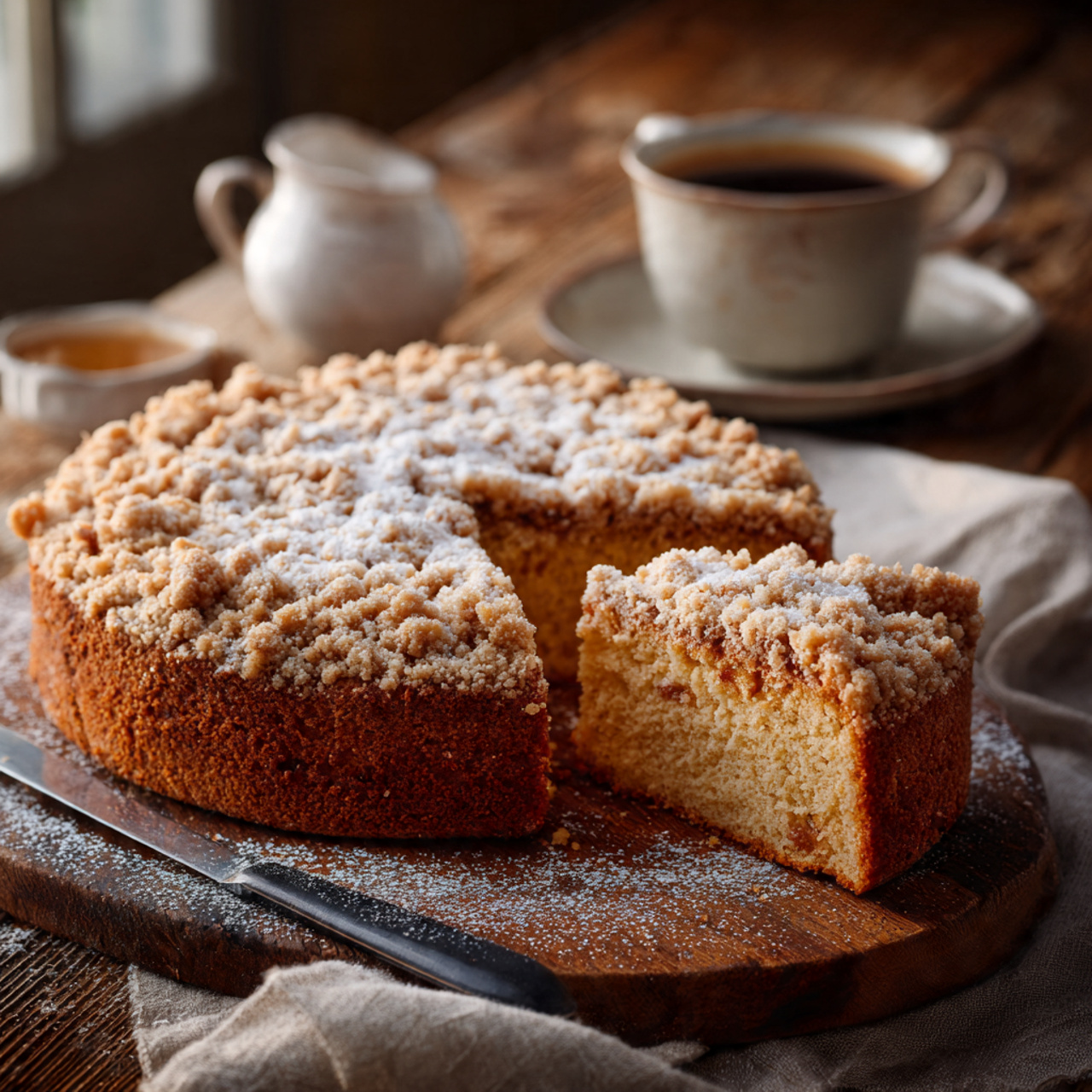
The Softest Homemade Donut Cake with Sweet Vanilla Glaze
Most baked donuts turn out either too dense, too dry, or weirdly rubbery — and the culprit is almost always overmixing the batter or overbaking by just a few minutes. This Donut Cake solves both problems with a foolproof method that gives you that soft, pillowy bakery texture every single time, no fryer required.
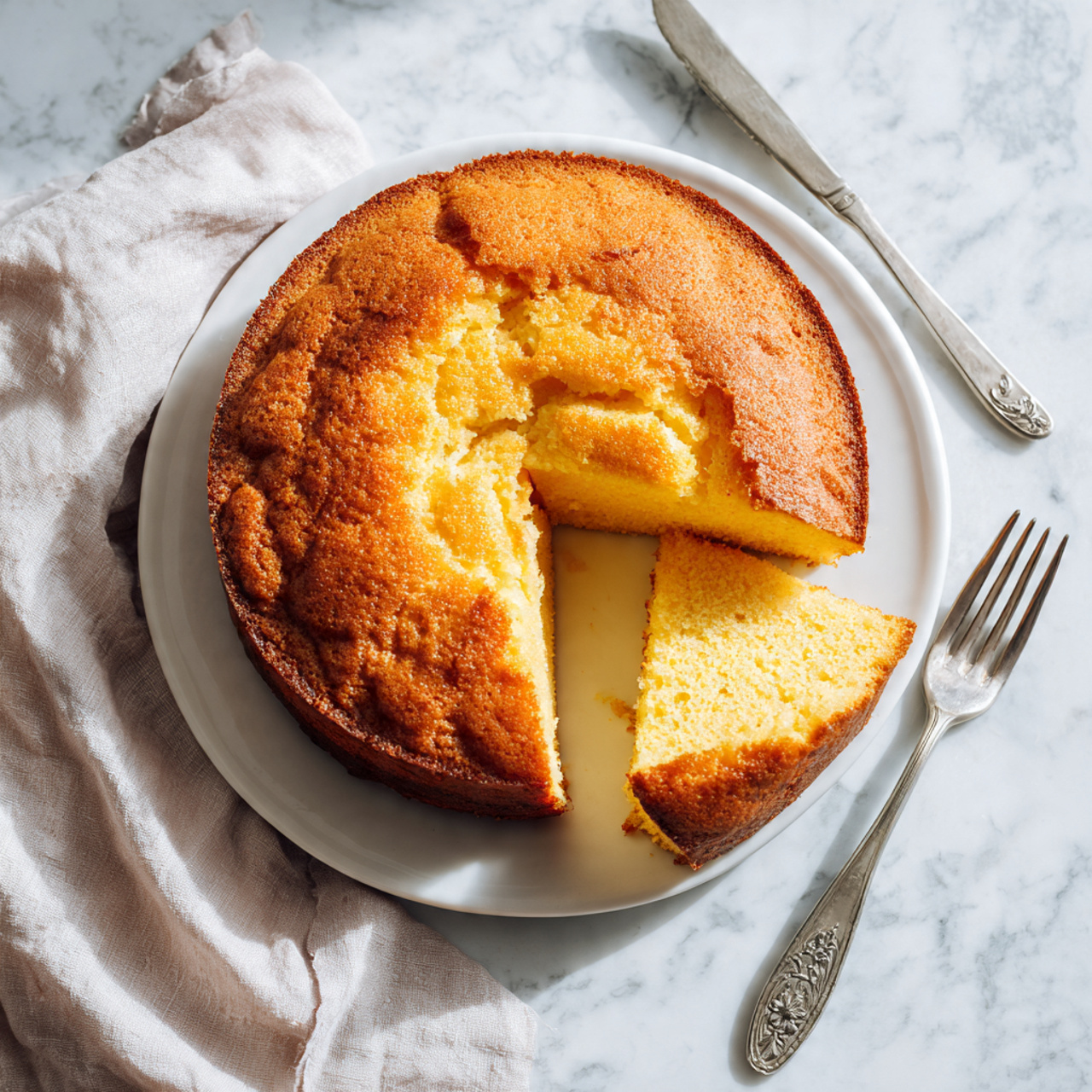
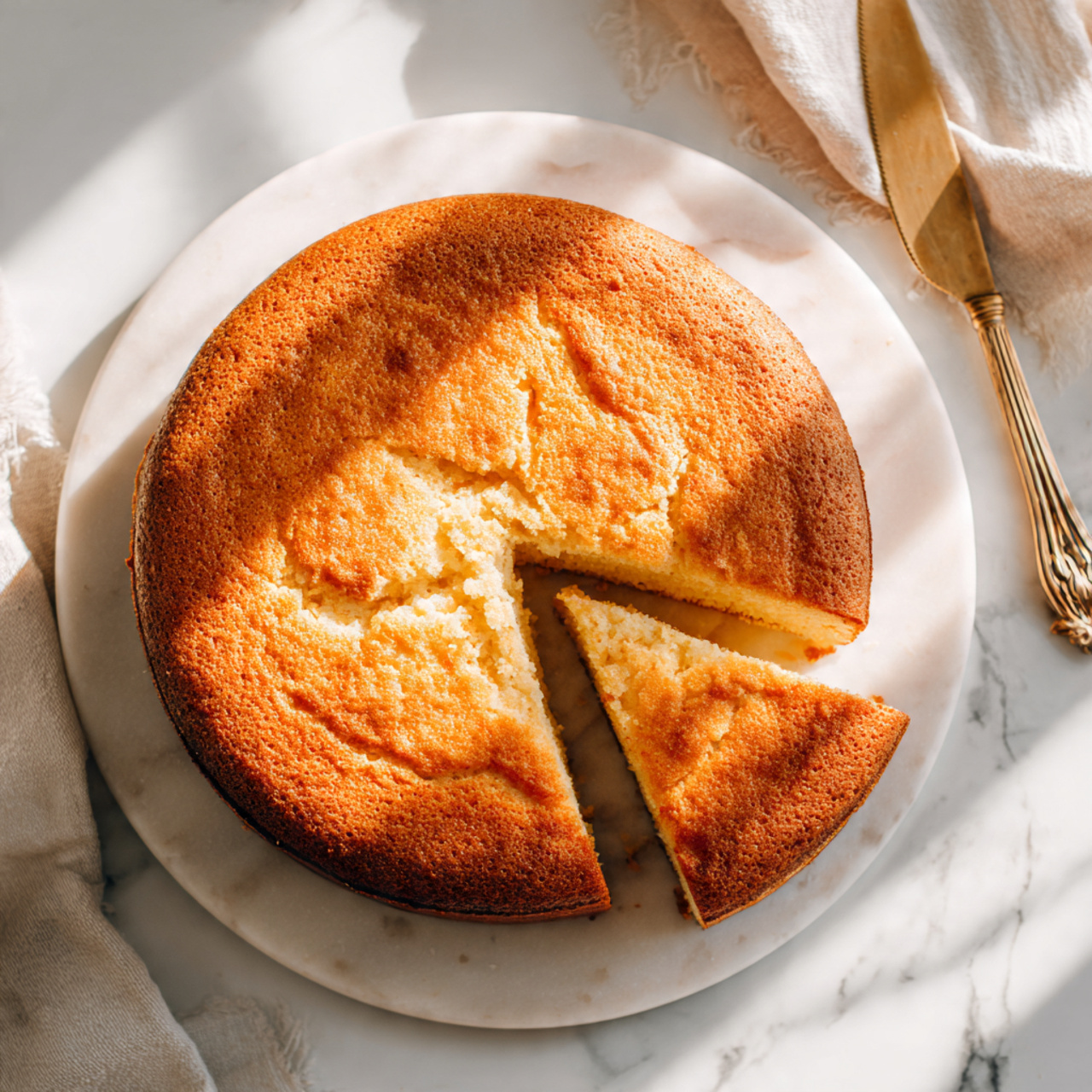
Picture a slice that’s tender all the way through, with a light crumb that practically melts on your tongue. The vanilla glaze sets into a delicate shell on the outside while soaking just slightly into the top, so every bite is sweet without being heavy. There’s a gentle warmth from real butter and vanilla that makes the whole kitchen smell like a proper bakery, and the golden edges have that faint crispness that gives way to something wonderfully soft underneath.
This glazed cake is the kind of recipe you’ll reach for on slow Sunday mornings, small birthday celebrations, afternoon tea spreads, or any weeknight when you want something homemade without spending an hour in the kitchen. It fits right in as a simple baked donut for the kids or an easy homemade cake to bring to a gathering. Once it’s on the table, it disappears fast — so you may want to bake two.
Why You’ll Love This Recipe
It Tastes Like a Bakery Donut Without the Frying
All the flavor and comfort of a classic glazed donut comes through in every slice — without heating a pot of oil or dealing with the mess. The batter is lightly sweetened and enriched with real butter, so the flavor is clean, warm, and genuinely satisfying.
The Texture Is Soft, Moist, and Just Right
This isn’t a dry cake that crumbles at the edges. The balance of eggs, milk, and melted butter keeps the crumb tender and moist for days, which means it’s just as good the next morning with your coffee as it was fresh out of the oven.
You Probably Have Every Ingredient Already
No specialty items, no obscure flours, no trips to a specialty store. Everything in this recipe is a pantry staple — flour, sugar, eggs, milk, butter, and a handful of leaveners. If you bake at all, you likely have everything you need right now.
It’s the Perfect Crowd-Pleaser for Any Occasion
Kids love it, adults ask for seconds, and it looks charming on any table. Whether you’re baking for a birthday, a potluck, or just a cozy family evening, this donut cake fits effortlessly. It’s approachable enough for beginners and reliable enough for experienced bakers.
Easy to Customize Without Breaking the Recipe
The base is wonderfully neutral, which means it takes well to flavor twists — a pinch of cinnamon, a swirl of cocoa, a handful of sprinkles on top. You can dress it up or keep it simple depending on your mood or the occasion.
Ingredients
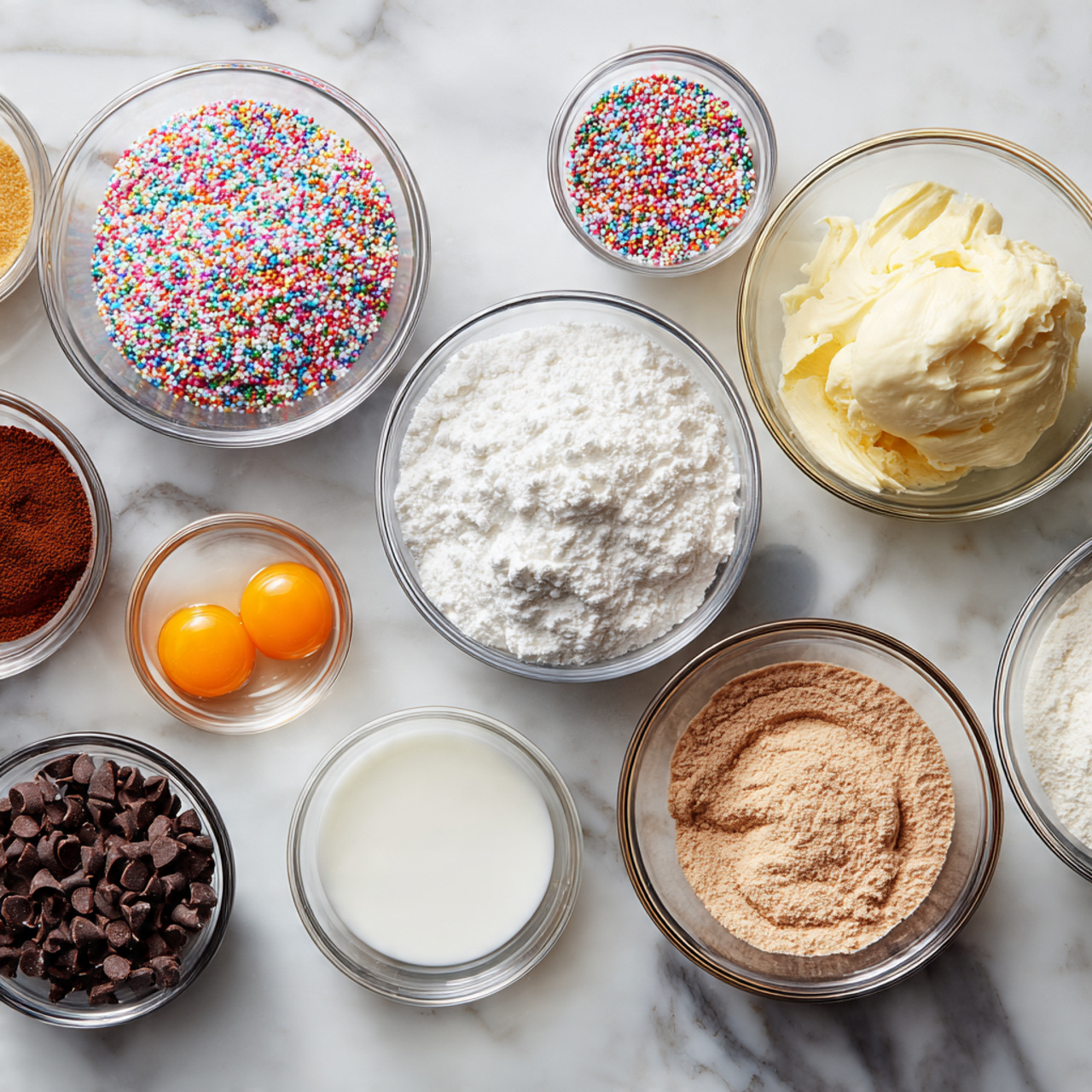
For the Cake Batter
- 2 cups all-purpose flour
- ½ cup granulated sugar
- ½ cup whole milk (plant-based milk works too — same amount)
- ½ cup unsalted butter, melted and slightly cooled
- 2 large eggs, at room temperature
- 1 tsp baking powder
- ½ tsp baking soda
- 1 tsp pure vanilla extract (not imitation — the flavor difference is real)
- ¼ tsp fine salt
For the Vanilla Glaze
- 1 cup powdered sugar, sifted
- 2–3 tbsp whole milk (add gradually for the right consistency)
- ½ tsp pure vanilla extract
The melted butter and vanilla are the heart of this recipe — they give the cake that warm, bakery-style richness that makes a simple bundt cake recipe feel genuinely special. The glaze is light by design; it should coat the top in a thin, sweet layer rather than pool heavily around the edges.
How to Make Donut Cake — Step-by-Step
Step 1: Prepare Your Pan and Oven
Preheat your oven to 180°C (350°F) and generously grease your donut-shaped pan or a standard bundt pan with butter or non-stick spray. Make sure every ridge and corner is coated — this cake has a beautifully shaped exterior, and you want it to release cleanly. Don’t worry if your pan looks over-greased; it’s better to be generous here than to lose half your cake to the pan.
Step 2: Mix the Dry Ingredients
In a medium bowl, whisk together the flour, baking powder, baking soda, and salt until evenly combined. This step only takes a minute, but it matters — evenly distributed leaveners mean the cake rises uniformly without any dense patches.
Step 3: Whisk the Wet Ingredients
In a separate large bowl, whisk the eggs and sugar together until the mixture looks slightly pale and a little fluffy, about 1–2 minutes. Add the melted butter, milk, and vanilla extract and whisk again until everything is smooth and creamy. Don’t worry if it looks slightly separated at first — keep whisking and it will come together into a glossy, uniform mixture.
Step 4: Combine Gently
Pour the dry ingredients into the wet mixture and fold with a spatula using slow, deliberate strokes. Stop the moment you no longer see dry flour streaks — the batter should look smooth and slightly thick, almost like a pourable pancake batter. Overmixing here is the single most common reason this cake turns out dense, so be patient and keep it gentle.
Step 5: Bake Until Golden
Pour the batter into your prepared pan, smoothing the top lightly with a spatula. Bake for 20–25 minutes, until the top is golden and a toothpick inserted into the thickest part comes out clean. The edges will have pulled away very slightly from the pan when it’s ready. Let the cake cool in the pan for 10 full minutes before turning it out — rushing this step risks breaking the shape.
Step 6: Glaze and Serve
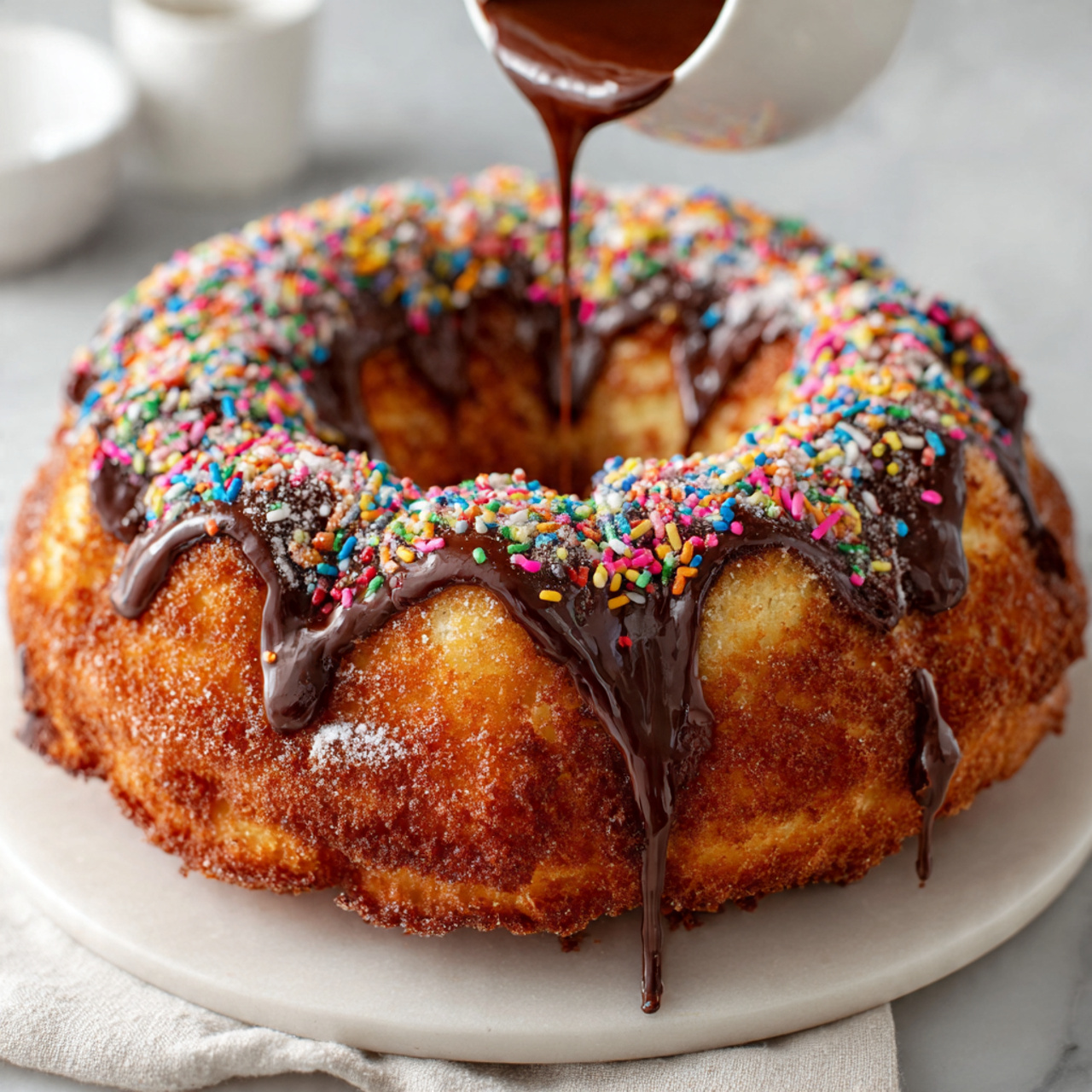
Whisk the powdered sugar, vanilla, and milk together, adding the milk one tablespoon at a time until you have a glaze that drizzles slowly from a spoon — not watery, not paste-thick. Drizzle it over the completely cooled cake in slow circles and let it set for 5 minutes before slicing. The glaze will look glossy and beautiful once it settles.
Perfecting This Recipe
- Use room temperature eggs — cold eggs don’t emulsify as smoothly into the batter and can cause uneven texture
- Melt the butter and let it cool slightly before adding it to the eggs; too-hot butter can scramble the eggs
- Fold, don’t stir — a spatula and a folding motion preserves the air you’ve built into the wet ingredients
- Don’t skip the full 10-minute cooling time in the pan; the structure needs to set before you attempt to unmold
- For the glaze, sifting the powdered sugar removes lumps before you add any liquid, giving you a smoother finish
- If your oven runs hot, start checking at the 18-minute mark — an overbaked donut cake loses its signature softness quickly
Common Mistakes to Avoid
- Overmixing the batter — Once the flour goes in, the gluten develops fast. Mix only until the streaks of flour disappear. A few tiny lumps are fine and far better than a tough, rubbery crumb.
- Skipping pan greasing — A donut or bundt pan has grooves and curves that trap batter. If any spot is under-greased, you’ll lose part of the cake when you flip it. Grease thoroughly, every time.
- Adding too much milk to the glaze at once — A runny glaze slides right off and pools at the base. Add milk one tablespoon at a time, stir, and check the consistency before adding more.
- Cutting before the glaze sets — Give it at least 5 minutes after glazing. Cutting too soon causes the glaze to drag and smear instead of holding its shape on each slice.
- Overbaking by even a few minutes — This cake goes from perfectly done to dry faster than you’d expect. Pull it the moment the toothpick comes out clean and the top is a light, even gold.
Add Your Touch
- Stir ½ tsp ground cinnamon into the batter for a warm spiced version that pairs beautifully with chai or apple cider
- Add 2 tbsp unsweetened cocoa powder to the dry ingredients for a subtle chocolate undertone
- Swap the vanilla glaze for a lemon glaze by replacing milk with fresh lemon juice and adding ½ tsp lemon zest
- Scatter rainbow sprinkles over the glaze before it sets for a birthday-ready look the kids will love
- A pinch of cardamom in the batter gives this easy homemade cake a gently exotic, aromatic quality
- For a richer version, replace the milk in the batter with full-fat sour cream for extra moisture and a slight tang
Visit Also: Black And White Cake
What to Serve With This
Warm tea or black coffee is the classic pairing — the mild sweetness of this cake softens the bitterness beautifully. A scoop of vanilla ice cream alongside a warm slice creates a lovely warm-cold contrast for dessert. Fresh strawberries or sliced bananas on the side balance the sweetness and add a bright, refreshing note. For a brunch spread, serve with a fruit salad and a pot of honey to drizzle over individual slices.
Storing and Serving
Fridge Store the cake in an airtight container or wrapped tightly in plastic wrap. It keeps well in the refrigerator for up to 3 days and stays surprisingly moist throughout.
Freezer Slice the cake before freezing and wrap individual pieces in plastic wrap, then place them in a zip-lock bag. Frozen slices keep well for up to 1 month. Thaw at room temperature for about 30 minutes before eating — don’t microwave from frozen as the glaze can get sticky.
Reheating A 10–12 second burst in the microwave brings a refrigerated slice right back to that just-baked softness. For larger slices, heat in two short intervals rather than one long one to avoid drying the edges.
Make-Ahead Tip Bake the cake up to one day in advance and store it unglazed, wrapped at room temperature. Add the glaze within an hour of serving for the best appearance and texture.
Servings This recipe yields approximately 8 generous slices.
Nutrition (Approximate Per Serving)
- Calories: ~240
- Total Fat: 10g
- Saturated Fat: 6g
- Carbohydrates: 34g
- Sugar: 18g
- Protein: 4g
- Sodium: 160mg
Nutritional values are approximate and may vary based on specific ingredients and brands used.
Chef’s Helpful Tips
- Room temperature eggs incorporate more evenly and give the batter a smoother, more uniform texture — take them out 20 minutes before you start
- Always use pure vanilla extract rather than imitation; in a simple recipe like this one, every flavor note counts
- To get clean, picture-perfect slices, run a sharp knife under hot water, dry it quickly, and cut in one smooth motion
- If your cake comes out slightly domed on the bottom after unmolding, simply slice a thin layer off so it sits flat on the plate
- If the glaze is too thick to drizzle, add milk half a teaspoon at a time — a little goes a long way at this stage
Frequently Asked Questions
Q1. Can I make this donut cake ahead of time? Absolutely. Bake it the day before and let it cool completely, then store it unglazed and covered at room temperature. Glaze it the morning you plan to serve it for the best-looking finish.
Q2. My cake turned out dense — what went wrong? Overmixing is almost always the reason. Once the dry ingredients meet the wet, the gluten in the flour develops quickly. Fold gently and stop the moment no dry streaks remain — a slightly under-mixed batter is far better than an over-worked one.
Q3. Can I use plant-based milk in this recipe? Yes, oat milk and almond milk both work well here in the same quantity. Oat milk gives a slightly richer result and is the closest to whole milk in terms of texture and body.
Q4. Is this recipe suitable for a potluck or party? It’s actually ideal for both. It travels well once glazed and set, looks beautiful on a table, and appeals to almost everyone. You can easily double the recipe and bake it in two pans for a larger crowd.
Q5. Can I freeze it after it’s already glazed? You can, though the glaze does get a little tacky after freezing and thawing. For the cleanest results, freeze unglazed and add fresh glaze after thawing. If it’s already glazed, wrap pieces individually in parchment before plastic wrap to prevent sticking.
Conclusion
There’s a quiet joy in recipes that don’t ask much of you but still deliver something genuinely lovely. This donut cake is exactly that — a soft, warm, glazed beauty that comes together in under an hour with ingredients you already own. It doesn’t need a special occasion to justify baking it, though it fits perfectly into any one you have in mind.
Make it once and it’ll earn a place in your regular rotation. Adjust the glaze, play with the spices, bring it to your next gathering, or keep the whole thing to yourself on a quiet evening — no judgment here. However you serve it, this one’s a keeper.
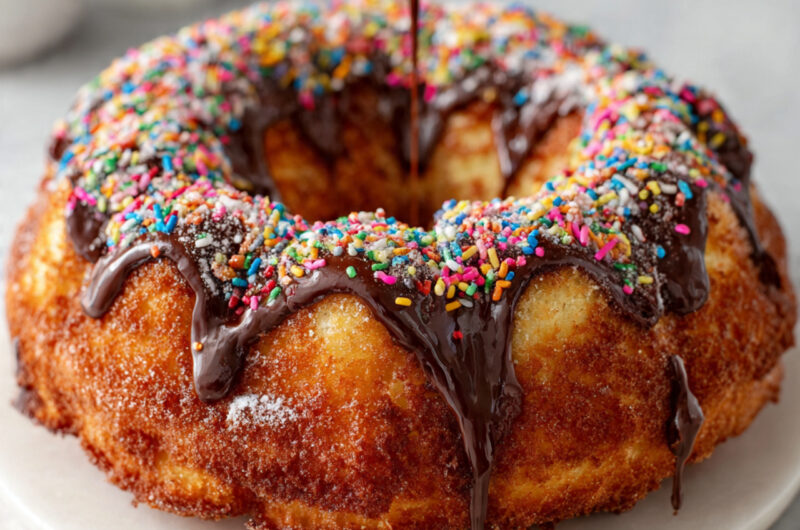
Soft Donut Cake with Vanilla Glaze
Course: Trending Cake4
servings10
minutes25
minutes240
kcal45
minutesA tender, lightly sweet baked cake with a golden crumb and a silky vanilla glaze — all the comfort of a glazed donut without any frying. Perfect for tea time, birthdays, or a simple homemade treat.
Ingredients
For the Cake Batter
2 cups all-purpose flour
½ cup granulated sugar
½ cup whole milk
½ cup unsalted butter, melted and cooled
2 large eggs, room temperature
1 tsp baking powder
½ tsp baking soda
1 tsp pure vanilla extract
¼ tsp fine salt
For the Vanilla Glaze
1 cup powdered sugar, sifted
2–3 tbsp whole milk
½ tsp pure vanilla extract
Directions
- Preheat oven to 180°C (350°F). Grease a donut or bundt pan thoroughly.
- Whisk flour, baking powder, baking soda, and salt in a bowl. Set aside.
- In a large bowl, whisk eggs and sugar until slightly pale. Add melted butter, milk, and vanilla. Whisk until smooth.
- Fold dry ingredients into wet ingredients gently until just combined. Do not overmix.
- Pour batter into prepared pan. Bake 20–25 minutes until golden and a toothpick comes out clean.
- Cool in pan for 10 minutes, then unmold and cool completely.
- Whisk glaze ingredients together, adding milk gradually. Drizzle over cooled cake and let set 5 minutes before slicing.