Soft & Irresistible Snickerdoodle Cookies the Whole Family Will Devour
My grandmother kept a ceramic cookie jar shaped like a rooster on her kitchen counter, and it was almost always filled with snickerdoodles. I’d sneak one before dinner — still slightly warm, the cinnamon sugar coating crackling faintly between my fingers — and somehow she always knew. That smell, buttery and spiced and sweet all at once, is one of the clearest food memories I have.
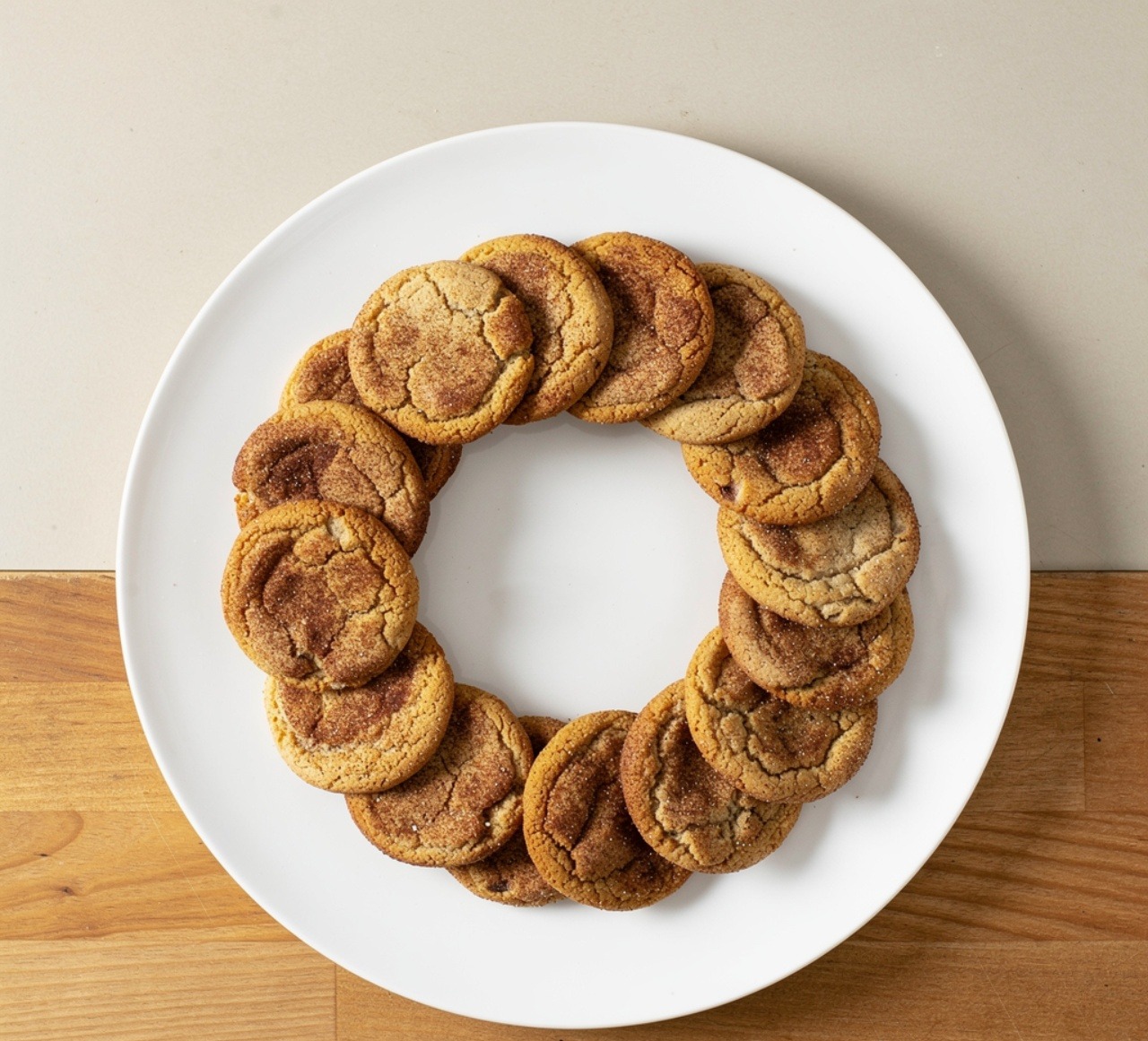
These cookies deliver exactly that. The edges set just enough to hold their shape, while the centers stay pillowy and tender with a slight chew that makes it genuinely difficult to stop at one. The cinnamon sugar crust adds a subtle crunch and a warmth that lingers long after the last bite. There’s no glaze, no frosting, nothing fancy — just pure, honest flavor that speaks entirely for itself.
Whether you’re loading up a tin for a holiday cookie exchange, baking a batch of classic Christmas cookies for the neighbors, or simply craving a no-fuss treat on a Tuesday afternoon, this recipe has you covered. These homemade cookies come together with pantry staples in about 30 minutes flat, and they disappear just as fast. Let’s get into it.
Why You’ll Love This Recipe
They Stay Soft for Days
Unlike cookies that turn rock-hard by the next morning, these snickerdoodle cookies stay genuinely soft thanks to cream of tartar and a careful balance of butter and sugar. The texture on day two is arguably even better than fresh out of the oven.
That Cinnamon Sugar Crust Is Everything
Rolling each ball of dough in cinnamon sugar before baking creates a thin, lightly crispy shell around a soft center — two textures in every single bite. It’s that contrast that makes these so addictive.
So Easy, Even Beginners Will Nail It
No chilling, no special equipment, no tricky techniques. If you can cream butter and sugar together, you can make these. They’re the kind of easy cookie recipe that builds confidence and delivers results every time.
Perfectly Crowd-Pleasing
Kids love them, adults love them, people who claim they don’t like sweets love them. They travel well, stack beautifully in a tin, and require zero explanation — everyone already knows and loves a snickerdoodle.
Classic Flavor With Just the Right Warmth
The cream of tartar gives these cookies their signature tang — subtle but unmistakable, and what truly sets snickerdoodles apart from every other cinnamon sugar cookie out there. It’s that one ingredient that makes all the difference.
Ingredients
For the Cookie Dough
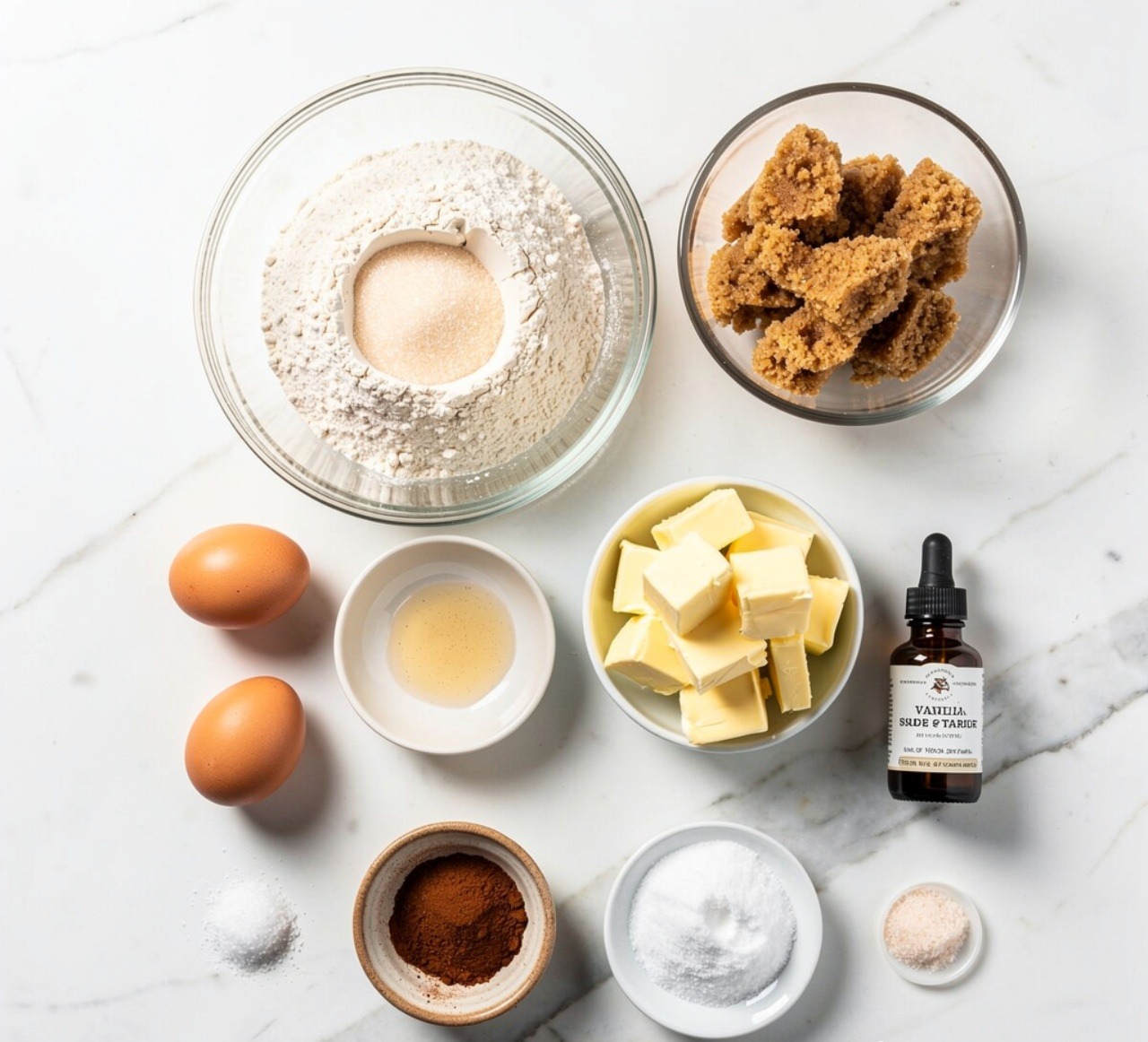
- 2¾ cups all-purpose flour (spooned and leveled, not packed)
- 2 tsp cream of tartar (don’t skip this — it’s what makes a snickerdoodle a snickerdoodle)
- 1 tsp baking soda
- ½ tsp salt
- 1 cup (2 sticks) unsalted butter, softened to room temperature
- 1½ cups granulated white sugar
- 2 large eggs, room temperature
- 2 tsp pure vanilla extract (pure, not imitation, for best flavor)
For the Cinnamon Sugar Coating
- ¼ cup granulated white sugar
- 2 tsp ground cinnamon (use fresh-smelling cinnamon — it makes a real difference)
The tangy cream of tartar in the dough plays beautifully against the sweet cinnamon coating, giving these cookies a complexity that keeps you reaching back into the jar.
How to Make Snickerdoodle Cookies — Step-by-Step
Step 1: Preheat and Prep Your Baking Sheets
Preheat your oven to 375°F (190°C) and line two large baking sheets with parchment paper. Having two sheets ready lets you bake in rotation without the dough sitting out too long. Don’t skip the parchment — it ensures even browning on the bottom and makes cleanup effortless.
Step 2: Whisk the Dry Ingredients
In a medium bowl, whisk together the flour, cream of tartar, baking soda, and salt. Whisking rather than stirring ensures everything is evenly distributed — no pockets of baking soda hiding at the bottom. Set this bowl aside for now.
Step 3: Cream the Butter and Sugar
In a large bowl using a hand mixer or stand mixer fitted with the paddle attachment, beat the softened butter and sugar together on medium-high speed for about 2–3 minutes. You’re looking for a mixture that’s noticeably lighter in color and fluffy in texture — that’s the air being worked in, which gives these cookies their lift. Don’t worry if it looks a little grainy at first; it comes together quickly.
Step 4: Add Eggs and Vanilla, Then Combine With Dry Ingredients
Add the eggs one at a time, beating well after each addition, then mix in the vanilla extract. Reduce the mixer speed to low and slowly add the flour mixture, mixing only until the last streak of flour disappears. The dough will be soft and slightly sticky — that’s exactly right. Don’t worry if it looks a little shaggy before it fully comes together; a few more gentle turns of the mixer will smooth it out.
Step 5: Roll, Coat, and Bake
Mix the cinnamon and sugar for the coating in a small shallow bowl. Scoop the dough into roughly 1.5-tablespoon portions (a cookie scoop works beautifully here), roll into smooth balls, and then roll each ball generously in the cinnamon sugar until fully coated. Place them about 2 inches apart on the prepared baking sheets and bake for 10–12 minutes, until the edges are just set and the tops look slightly underdone. They’ll finish cooking on the hot pan — pull them when they look one minute too early and they’ll be perfect. Let them cool on the baking sheet for 5 minutes before transferring to a wire rack.
Perfecting This Recipe
- Use room temperature butter — not melted, not cold. Press your finger in; it should leave an indent without the butter collapsing. This is the foundation of a properly creamed dough.
- Don’t overmix once the flour goes in. Mix just until combined to keep the cookies tender rather than tough.
- For thicker, puffier cookies, refrigerate the dough for 30 minutes before rolling. Not required, but worth it if you have time.
- Coat the dough balls generously in cinnamon sugar — roll them twice if you want an extra-caramelized crust.
- Always bake on the middle rack for even heat distribution. The top rack browns too fast on the bottom; the lower rack does the same.
- Pull the cookies when the centers still look underdone and slightly puffed. They will set as they cool and become perfectly soft chewy cookies by the time they reach room temperature.
- Let the baking sheet cool between batches. Placing dough on a hot pan causes cookies to spread too quickly and lose their shape.
Common Mistakes to Avoid
- Using cold butter — Cold butter won’t cream properly, leading to dense, flat cookies that don’t spread evenly. Always give yourself 30–60 minutes for it to come to room temperature naturally.
- Skipping the cream of tartar — It might seem like an obscure ingredient, but it’s the entire reason snickerdoodles taste like snickerdoodles. It adds tang, controls browning, and keeps the texture soft. Baking powder is not a substitute.
- Overbaking — This is the number one reason for dry, crumbly cookies. Trust the process and pull them early; they always look a little raw in the center when they come out of the oven, and that’s exactly what you want.
- Packing the flour — Scooping flour directly with your measuring cup compresses it and adds too much, making cookies dense and cakey. Always spoon it into the cup and level off with a straight edge.
- Rolling too lightly in cinnamon sugar — A thin coating bakes off quickly. Roll each ball twice and press gently so the sugar adheres. That’s what creates that beautiful, slightly sparkly crust.
Add Your Touch
- Stir ½ tsp of cardamom or nutmeg into the cinnamon sugar coating for a warm, spiced twist.
- Add 1 tsp of almond extract alongside the vanilla for a subtle floral note.
- Fold in ½ cup of white chocolate chips for a sweeter, slightly indulgent version.
- Swap the cinnamon in the coating for a pumpkin pie spice blend in the fall — incredible.
- Make snickerdoodle sandwich cookies by pressing a small scoop of cream cheese frosting between two cooled cookies.
- Use brown sugar in place of half the white sugar in the dough for a deeper, more caramel-like flavor.
- For a holiday version, add a pinch of cayenne to the cinnamon sugar coating for a subtle, surprising warmth.
Visit Also: Tiramisu Recipe
What to Serve With This
- A cold glass of whole milk — the absolute classic pairing, no further argument needed.
- Hot apple cider for a cozy fall afternoon moment.
- A scoop of vanilla bean ice cream sandwiched between two cookies for a next-level dessert.
- Warm chai tea or a cinnamon latte — the spices echo each other beautifully.
- A cheese board for a holiday party spread — snickerdoodles next to a mild brie are surprisingly wonderful.
Storing and Serving
Fridge:
Store in an airtight container at room temperature for up to 5 days. They actually get softer after the first day as the moisture redistributes. If your kitchen runs warm, the fridge works fine — up to 7 days.
Freezer:
Both baked cookies and unbaked dough balls freeze well. For baked cookies, layer between parchment in a freezer-safe container for up to 3 months. For dough balls, freeze on a sheet pan until solid, then transfer to a zip-lock bag — bake from frozen, adding 2–3 minutes to the bake time.
Reheating:
Warm a cookie in the microwave for 10–12 seconds for that fresh-from-the-oven softness. Or place in a 300°F oven for 5 minutes if warming several at once.
Make-Ahead Tip:
The dough can be made up to 2 days ahead and refrigerated, covered tightly. The cinnamon sugar coating can be mixed and stored separately. Roll and coat just before baking.
Servings:
This recipe yields approximately 36–40 cookies depending on the size of your scoop.
Nutrition (Approximate Per Serving — 1 Cookie)
- Calories: 130
- Total Fat: 6g
- Saturated Fat: 3.5g
- Carbohydrates: 18g
- Sugar: 10g
- Protein: 1.5g
- Sodium: 75mg
Nutritional values are approximate and may vary based on specific ingredients and brands used.
Chef’s Helpful Tips
- Room temperature eggs and butter aren’t optional — they emulsify into the dough smoothly and create a more even, consistent texture. Cold eggs can cause the creamed butter to seize up and look curdled (it bakes out, but starting properly is better).
- For perfectly round cookies, roll the dough balls between your palms firmly before coating. Any cracks in the surface will expand and look rough after baking.
- To get clean, even portions without a cookie scoop, roll the full batch of dough into a log, refrigerate for 30 minutes, then slice into even rounds and roll into balls from there.
- If your cookies are spreading too thin, your butter was likely too warm or slightly melted. Chill the shaped dough balls for 15 minutes before baking and you’ll get more lift.
- For extra sparkle and crunch, use coarse or turbinado sugar mixed with the cinnamon in the coating instead of fine granulated sugar. It gives the exterior a gorgeous, bakery-style finish.
Frequently Asked Questions
Q1. Can I make these without cream of tartar?
You can substitute each teaspoon of cream of tartar with 2 teaspoons of lemon juice or white vinegar, though the flavor won’t be quite as authentically tangy. Honestly, cream of tartar is cheap and lasts forever — it’s worth grabbing a jar and keeping it on hand.
Q2. How do snickerdoodles taste compared to regular sugar cookies?
They’re distinctly different. Sugar cookies are straightforwardly sweet, while snickerdoodles have a slight tang from the cream of tartar that keeps them from being cloying. The cinnamon coating adds warmth, and the texture tends to be softer and chewier than most rolled sugar cookies.
Q3. I’ve never made cookies from scratch before — is this recipe beginner-friendly?
Completely. There’s no special technique here beyond basic mixing, and the dough is forgiving. If you can measure ingredients and set a timer, you’ll come out with great cookies on your first try. Just don’t overbake and you’re golden.
Q4. Can I make these ahead for a party or cookie exchange?
Absolutely — these are one of the best make-ahead options out there. Bake them up to 3 days in advance and store in an airtight container at room temperature. They hold their soft texture beautifully and honestly taste better after a day. They also stack and travel extremely well.
Q5. Can the unbaked dough be frozen?
Yes, and it’s one of the most useful things you can do with this recipe. Roll the dough balls, freeze them on a sheet pan until solid, then store in a zip-lock bag for up to 3 months. When the craving hits, just roll in cinnamon sugar and bake straight from frozen — add a couple of extra minutes and they’ll be perfect.
Conclusion
There’s a reason snickerdoodle cookies have never gone out of style. They’re warm without being fussy, sweet without being overwhelming, and familiar in the way that only the best comfort foods manage to be. Every batch feels a little like coming home — and that’s not something every recipe can say.
So go ahead and preheat that oven. Make a double batch if you’re feeling generous, roll them in extra cinnamon sugar, and enjoy every single one. Share them, gift them, keep them hidden in the back of the cupboard just for yourself — whatever you do, I promise they won’t last long.
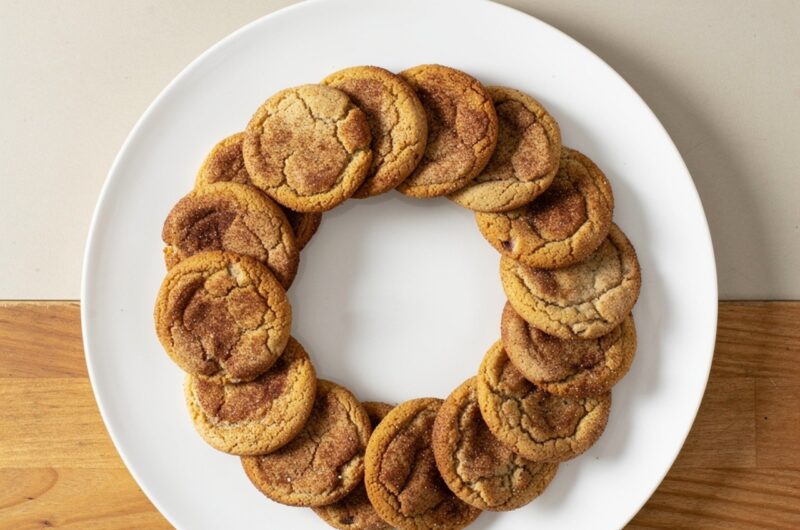
Soft & Chewy Snickerdoodle Cookies
Course: Trending Recipes36–40 cookies
servings15
minutes10
minutes130 per cookie
kcal30
minutesPillowy, tender cookies with a warmly spiced cinnamon sugar crust — perfectly soft in the center with just enough chew. An easy, crowd-pleasing classic that’s ready in under 30 minutes and ideal for any occasion from holiday cookie tins to everyday snacking.
Ingredients
Cookie Dough:
2¾ cups all-purpose flour, spooned and leveled
2 tsp cream of tartar
1 tsp baking soda
½ tsp salt
1 cup (2 sticks) unsalted butter, room temperature
1½ cups granulated sugar
2 large eggs, room temperature
2 tsp pure vanilla extract
Cinnamon Sugar Coating:
¼ cup granulated sugar
2 tsp ground cinnamon
Directions
- Preheat oven to 375°F (190°C). Line two baking sheets with parchment paper.
- Whisk together flour, cream of tartar, baking soda, and salt in a medium bowl. Set aside.
- Beat butter and sugar on medium-high speed for 2–3 minutes until light and fluffy.
- Add eggs one at a time, beating after each. Mix in vanilla.
- Add flour mixture on low speed, mixing until just combined.
- Mix cinnamon and sugar in a small bowl. Scoop dough into 1.5-tbsp balls, roll smooth, then coat fully in cinnamon sugar.
- Place 2 inches apart on prepared sheets. Bake 10–12 minutes until edges are set and centers look slightly underdone.
- Cool on the pan for 5 minutes, then transfer to a wire rack.