Incredibly Fluffy Focaccia Bread That Makes Every Table Feel Like a Feast
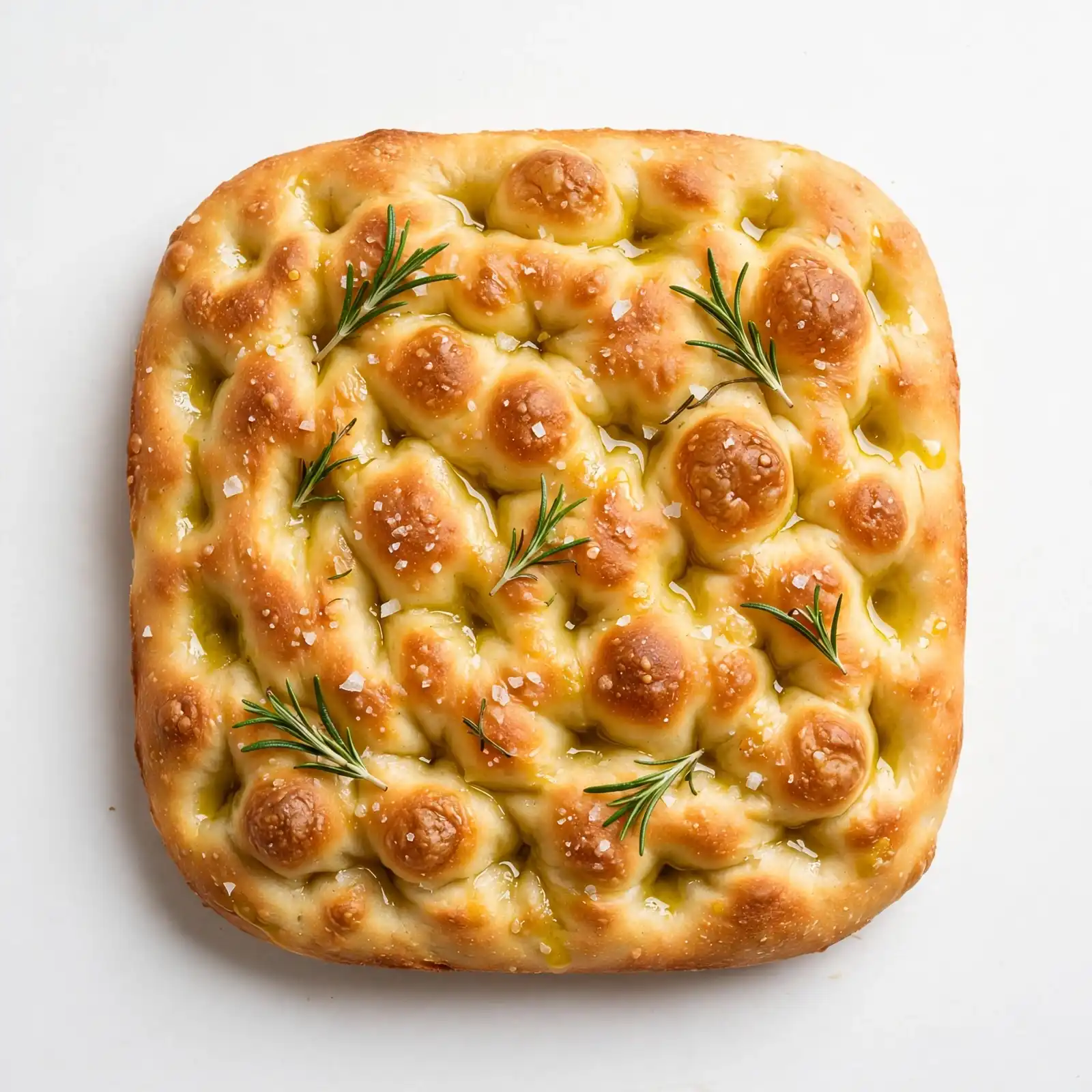
The first time I pulled a pan of focaccia from the oven, I stood at the counter and ate half of it before anyone else made it to the kitchen. That crackling, golden top glistening with olive oil, those dimpled wells catching pools of herb-flecked salt — I didn’t even bother with a plate.
The crust snaps just slightly when you pull a piece free, giving way to a soft, cloud-like interior that’s somehow both chewy and airy at the same time. The olive oil doesn’t just coat the surface — it perfumes the entire bread, mingling with rosemary and flaky sea salt in a way that makes every bite taste like a small celebration. Warm from the oven, it smells the way a good Italian bakery feels: unhurried, generous, and a little bit golden.
This is the kind of bread that earns its place at every occasion — served alongside a big pot of minestrone on a weeknight, passed around a holiday table, or set out at a potluck where it vanishes in minutes. Whether you’re just getting comfortable with herb bread or you’ve been baking your own easy yeast bread for years, this recipe is forgiving, flexible, and deeply satisfying. Let’s get into it.
Why You’ll Love This Recipe
It Tastes Like It Came From a Bakery
The combination of quality olive oil, a patient rise, and generous seasoning creates a depth of flavor that genuinely rivals anything from a specialty bread shop. Nobody will believe you made it at home on a weeknight — and you don’t have to tell them.
The Texture Is Absolutely Irresistible
That signature open, airy crumb comes from a wetter-than-usual dough and a slow, relaxed rise — no stand mixer or fancy equipment required. The bottom crisps beautifully in the pan while the inside stays pillowy soft throughout.
It’s Easier Than You Think
If you’ve never made bread before, focaccia is the perfect place to start. The dough is forgiving, there’s no complicated shaping involved, and the dimpling step is genuinely one of the most satisfying things you’ll do in the kitchen all week.
Perfect for Feeding a Crowd
One pan feeds 8 to 12 people comfortably, making it an ideal choice for holiday spreads, Sunday dinners, or any gathering where you want something impressive without spending hours hovering over a stove.
Endlessly Customizable
The base recipe is a blank canvas ready for whatever you’re in the mood for. Olives, sun-dried tomatoes, caramelized onions, fresh herbs — there’s truly no wrong direction to take it.
Ingredients
For the Dough
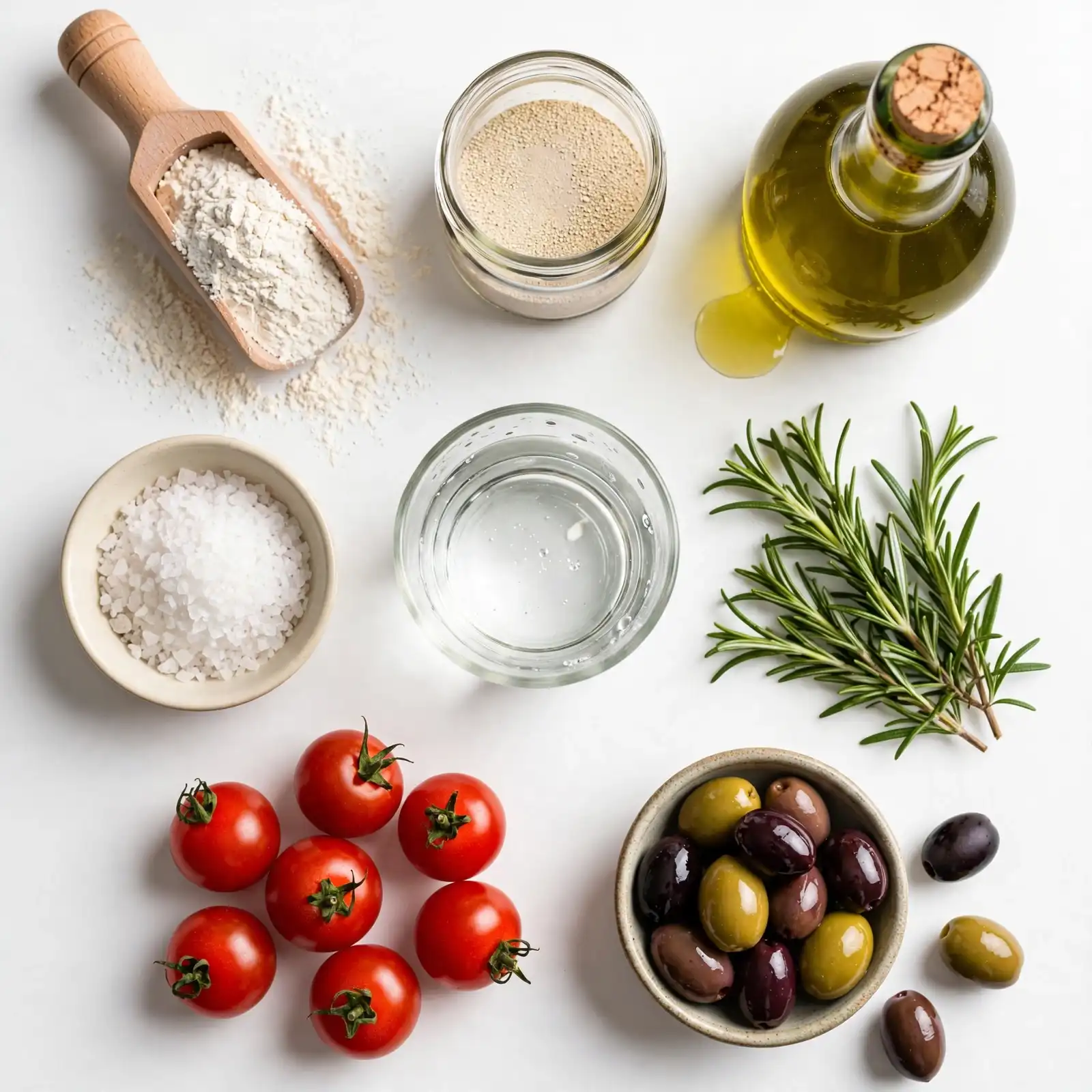
- 4 cups (480g) all-purpose flour (bread flour also works for a slightly chewier texture)
- 2¼ tsp (1 standard packet) instant yeast
- 1½ tsp fine sea salt
- 1¾ cups (415ml) warm water (around 110°F / 43°C — should feel comfortably warm on your wrist, not hot)
- ¼ cup (60ml) extra virgin olive oil, divided (use a good-quality oil — it’s a main flavor here, not just a lubricant)
For the Topping
- 3 tbsp extra virgin olive oil (for coating the pan and finishing the top)
- 1½ tsp flaky sea salt (Maldon or similar — the texture matters more than you’d think)
- 2 tsp fresh rosemary, roughly chopped (dried works in a pinch; use 1 tsp)
- 4–5 garlic cloves, thinly sliced (optional but highly recommended)
- ¼ tsp black pepper or red pepper flakes (optional, for a gentle kick)
The olive oil soaks into the dough as it bakes, creating that signature crispy-on-the-outside, tender-on-the-inside texture that makes focaccia so craveable. Combined with flaky salt and rosemary, every bite delivers something layered, rich, and deeply satisfying.
How to Make Focaccia Bread — Step-by-Step
Step 1: Mix the Dough
In a large bowl, whisk together the flour, yeast, and fine salt. Pour in the warm water and 2 tablespoons of the olive oil, then stir with a wooden spoon or your hand until a shaggy, sticky dough forms — it’ll look rough and a little scraggly, and that’s exactly right. Don’t worry if it seems wetter than a typical bread dough; focaccia dough is supposed to be sticky, and that extra moisture is what gives it that airy, open crumb later on.
Step 2: First Rise
Drizzle 1 tablespoon of olive oil over the dough and turn it gently to coat all sides. Cover the bowl tightly with plastic wrap or a damp kitchen towel and let it rise at room temperature for 1 to 1½ hours. You’ll know it’s ready when the dough has visibly puffed and looks bubbly and alive — it should have roughly doubled in size.
Step 3: Transfer to the Pan and Dimple
Pour the remaining olive oil into a 9×13-inch baking pan, coating the bottom and sides generously. Transfer the dough into the pan and gently stretch it toward the edges — it won’t reach all the way at first, and that’s completely fine. Let it rest uncovered for 20 minutes, then use your fingertips to press deep, dramatic dimples all across the surface. Don’t worry if the dough springs back slightly; just keep pressing until the whole top is covered in those signature wells.
Step 4: Add Toppings and Rest Again
Scatter the rosemary, flaky salt, sliced garlic, and any optional toppings evenly over the dimpled surface. Cover loosely and let the dough rest another 20–30 minutes while your oven preheats to 425°F (220°C). By the time the oven is ready, the dough should look puffy, jiggly, and almost eager to get in there.
Step 5: Bake Until Deeply Golden
Slide the pan into the oven and bake for 20–25 minutes, until the top is a deep, rich golden brown and the edges are pulling away from the sides of the pan. The bread should smell nutty and wonderful, and tapping the bottom should produce a hollow sound. Let it cool in the pan for at least 10 minutes before cutting — pulling it too soon causes the interior to compact and turn gummy.
Step 6: Slice and Serve
Lift the focaccia out of the pan using a wide spatula and transfer it to a cutting board. Cut into generous squares or rectangles and serve warm. Don’t worry if there are leftovers — this bread tastes wonderful at room temperature the next day and even better toasted.
Perfecting This Recipe
- Watch your water temperature. Too hot and you’ll kill the yeast before it even gets started; too cool and the rise drags on forever. Aim for the feeling of a warm bath on your wrist — that gentle warmth is your sweet spot.
- Be genuinely generous with the olive oil. It might look like a lot going into the pan, but that oil is responsible for the crispy bottom, the golden top, and the rich, savory flavor woven through every bite.
- Press your dimples deep and confidently. Shallow dimples fill back in during baking; you want to go nearly all the way to the bottom of the pan so the wells stay put and hold the oil and salt.
- Don’t skip the second rest. Those 20–30 minutes after dimpling allow the dough to relax and puff back up, which directly affects how light the final bread turns out.
- Look for deep color, not just light gold. Pale focaccia often has a doughy interior and misses that satisfying crispy crust. Trust the color and let it go the full baking time.
- A dark metal baking pan conducts heat better and gives you a crispier bottom — use one if you have it.
Common Mistakes to Avoid
Using water that’s too hot — Water above 120°F will kill the yeast outright, and your dough simply won’t rise. Always test the temperature on your wrist before adding it; it should feel warm and comfortable, never scalding.
Skimping on oil in the pan — This is the number one reason focaccia sticks. The pan should be visibly well-coated before the dough goes in — don’t be shy about it.
Skipping the rest after dimpling — Pressing the dough and immediately putting it in the oven doesn’t give it enough time to re-puff. That 20–30 minute rest before baking is doing quiet but important work.
Underbaking for fear of burning — Focaccia needs to be a deep, confident golden brown. Taking it out early almost always means a doughy interior and a soft, disappointing crust. When in doubt, give it another 3–5 minutes.
Piling on too many heavy toppings — Thick vegetable slices or heavy toppings weigh the dough down and prevent an even rise. Keep toppings relatively thin and scattered, not heaped.
Add Your Touch
- Fold halved, pitted olives and sun-dried tomatoes directly into the dough before the first rise for a deeply Mediterranean result.
- Press thin slices of red onion and scatter fresh thyme across the top just before baking — it caramelizes beautifully.
- Swap rosemary for fresh sage in fall, or dot the top with halved cherry tomatoes in summer when they’re sweet and juicy.
- Drizzle with warm honey and crumbled feta right after baking for a sweet-savory version that’s stunning on a charcuterie board.
- Press roasted garlic cloves into the dimples before baking — they turn golden and jammy and add incredible depth.
- For a cheesy twist worthy of homemade flatbread fans, fold shredded parmesan or mozzarella into the dough before the second rise.
Visit Also: Greek Chicken Bowls
What to Serve With This
A bowl of slow-simmered tomato basil soup alongside a thick slab of warm focaccia is one of those combinations that just makes life feel a little better.
Arrange it on a board with marinated olives, roasted peppers, and sliced cured meats for an antipasto spread that requires zero cooking and gets demolished every time.
A simple arugula salad dressed with fresh lemon and shaved parmesan balances the richness of the bread with bright, bitter contrast — a genuinely beautiful pairing.
Pour a glass of chilled Pinot Grigio or a light sparkling water with lemon and call it the easiest, most satisfying Friday evening you’ve had in a while.
Slice leftover pieces the next morning, toast them until golden and slightly crispy, and serve with soft scrambled eggs and a drizzle of hot honey for a breakfast that feels indulgent without any real effort.
Storing and Serving
Fridge: Wrap leftover focaccia tightly in plastic wrap or store in an airtight container. It keeps well in the refrigerator for up to 3 days, though the crust will soften. A quick toast brings it almost entirely back to life.
Freezer: Slice the bread and wrap individual pieces in plastic wrap, then place in a zip-lock freezer bag. It keeps well for up to 2 months and the texture holds up impressively. Thaw at room temperature or reheat directly from frozen in the oven.
Reheating: Warm slices in a 350°F (175°C) oven for 8–10 minutes, or use a toaster oven for an even crispier result. Skip the microwave — it makes the bread dense and chewy in all the wrong ways.
Make-Ahead Tip: Mix the dough the night before and let it rise, covered, in the refrigerator overnight (up to 18 hours). Pull it out 30 minutes before you’re ready to work with it, then continue from Step 3. Cold-fermented dough develops noticeably better flavor — this is actually the preferred method if you have the time.
Servings: One 9×13-inch pan yields approximately 12 generous squares.
Nutrition (Approximate Per Serving)
- Calories: 210
- Total Fat: 8g
- Saturated Fat: 1g
- Carbohydrates: 30g
- Sugar: 0g
- Protein: 5g
- Sodium: 390mg
Nutritional values are approximate and may vary based on specific ingredients and brands used.
Chef’s Helpful Tips
- Use the best extra virgin olive oil you can reasonably find. Since it appears in the dough, the pan, and on top of the bread, its flavor is front and center the entire time — a quality oil is one of the few places here where it genuinely shows.
- If your kitchen runs cold, create a warm proofing environment by turning your oven on for exactly one minute, then switching it off. That residual warmth is ideal for yeast activity without risking overheating.
- For clean, even squares, use a bench scraper or a sharp chef’s knife and cut with one confident downward press rather than sawing. It keeps the airy crumb from compressing.
- If your focaccia turns out denser than expected, check your yeast. A quick test: mix the yeast with warm water and a pinch of sugar; if it doesn’t foam within 10 minutes, the yeast is expired and needs to be replaced before you start over.
- For the absolute crispiest edges — the best bite in the entire pan — make sure the olive oil reaches all the way up the sides of the baking dish before the dough goes in.
Frequently Asked Questions
Q1. Can I use active dry yeast instead of instant yeast? Yes, absolutely — it works just as well. Proof the active dry yeast first by stirring it into the warm water with a small pinch of sugar and letting it sit for about 10 minutes until it’s foamy and fragrant. Then add it to the flour as directed. The rise might take slightly longer, but the final result will be just as beautiful.
Q2. What does focaccia taste like compared to regular sandwich bread? It’s richer, more savory, and has that unmistakable olive-oily depth that plain sliced bread simply can’t match. Think of it as landing somewhere between a pizza base and a fluffy dinner roll — chewy but airy, with a crispy bottom and a salty, aromatic top. Once you’ve had it fresh from the oven, it’s hard to go back.
Q3. Is this recipe beginner-friendly? It genuinely is one of the most approachable yeast breads you can make. There’s no complicated shaping, no precise kneading technique to nail, and the dough is forgiving if you’re a minute or two off on timing. If you’ve been curious about baking bread but felt intimidated, this is your starting point.
Q4. Can I make this ahead of time for a dinner party or potluck? Absolutely — it’s actually a great make-ahead option. Bake it the morning of your gathering, leave it in the pan, and reheat the whole thing at 350°F for about 10 minutes before serving. It arrives warm, smells incredible, and travels perfectly still in the pan.
Q5. Can focaccia bread be frozen? Yes, and it freezes better than most breads. Slice it first so you can grab individual pieces as needed, wrap each one in plastic wrap, and freeze in a bag for up to 2 months. Reheat in a toaster oven or a regular oven and it comes back tasting remarkably close to fresh-baked.
Conclusion
There’s a reason focaccia bread has been made the same simple way for generations — it doesn’t need to be complicated to be extraordinary. It shows up gracefully at a dinner party and feels equally at home on a Tuesday evening beside a bowl of soup. It’s the kind of bread that makes people linger at the table a little longer, reach for just one more piece, and ask for the recipe before they’ve even finished eating.
So go ahead and make it yours. Try a different herb, press in some olives, or keep it beautifully bare with nothing but oil and salt. Once you’ve pulled your first golden, dimpled pan from the oven, you’ll wonder how you ever settled for store-bought. Share it generously, eat it warm, and don’t be surprised when it becomes the most-requested thing you make.
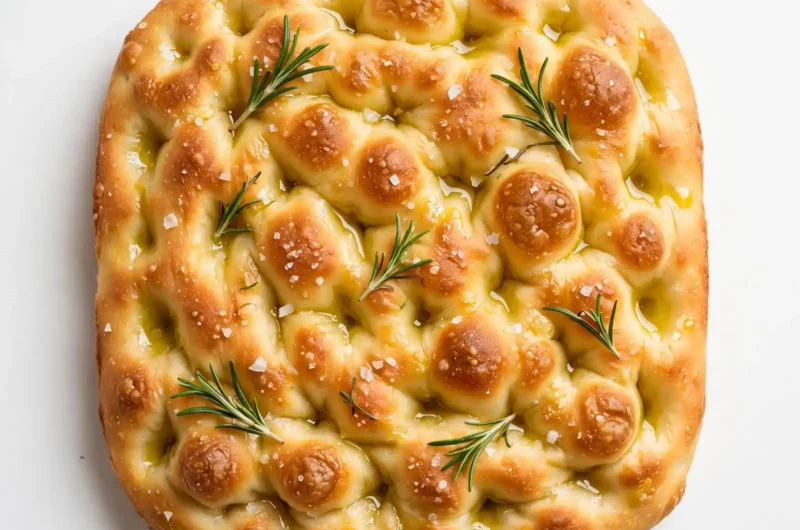
Incredibly Fluffy Focaccia Bread
Course: Trending Recipes12
servings15
minutes20
minutes210
kcal110
minutes2
hours30
minutesA golden, pillowy Italian-style bread with a crispy olive oil crust and a soft, airy interior — perfect for dinner parties, potlucks, or a satisfying weekend baking project that anyone can pull off.
Ingredients
For the Dough:
4 cups (480g) all-purpose flour
2¼ tsp instant yeast
1½ tsp fine sea salt
1¾ cups (415ml) warm water
¼ cup (60ml) extra virgin olive oil, divided
For the Topping:
3 tbsp extra virgin olive oil
1½ tsp flaky sea salt
2 tsp fresh rosemary, roughly chopped
4–5 garlic cloves, thinly sliced (optional)
¼ tsp black pepper or red pepper flakes (optional)
Directions
- Whisk flour, yeast, and fine salt together in a large bowl. Add warm water and 2 tbsp olive oil; stir until a sticky dough forms.
- Drizzle 1 tbsp oil over dough, turn to coat, cover, and rise at room temperature 1–1½ hours until doubled.
- Pour remaining olive oil into a 9×13-inch pan. Transfer dough and stretch toward edges. Rest 20 minutes.
- Dimple dough deeply with fingertips. Top with rosemary, flaky salt, garlic, and any optional toppings.
- Rest, loosely covered, 20–30 minutes. Preheat oven to 425°F (220°C).
- Bake 20–25 minutes until deep golden brown with edges pulling from the pan.
- Cool in pan 10 minutes, lift out, slice, and serve.