The Most Irresistible Chicken Piccata Recipe You’ll Make Again and Again
My grandmother never called it by its Italian name. She just called it “the lemon chicken,” and she’d make it whenever someone in the family needed cheering up. The sizzle of the butter hitting the pan, the sharp citrus bloom rising from the skillet — those sounds and smells meant everything was going to be okay. I didn’t know then that her simple weeknight trick was a classic Italian chicken dinner with a name beloved in kitchens across the world.
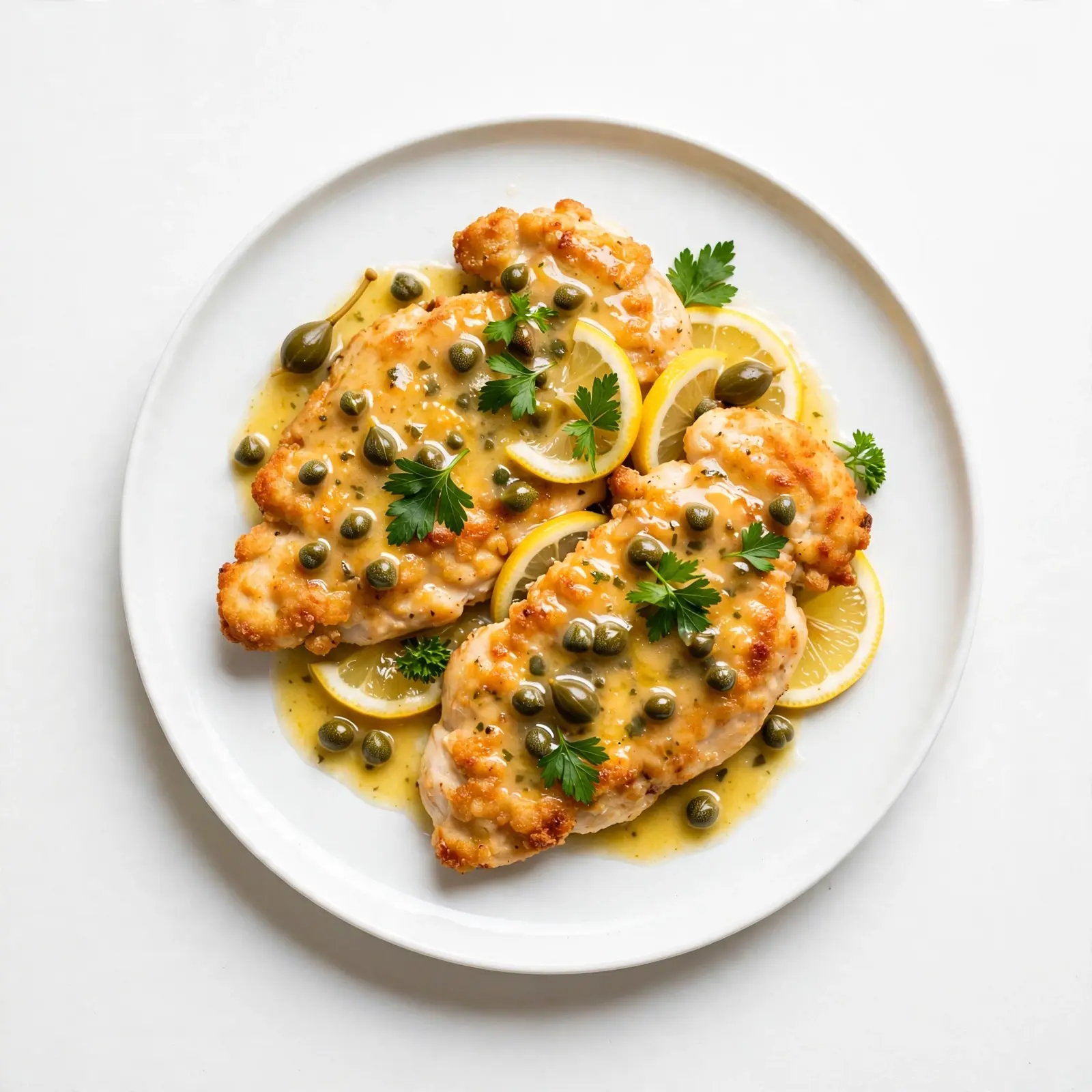
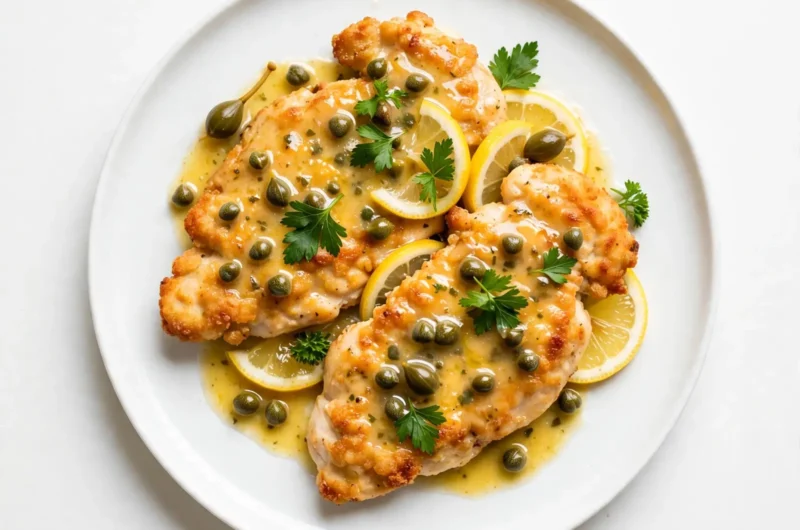
What makes a great Chicken Piccata Recipe so memorable isn’t any single ingredient — it’s the way they collide. Tender, golden-crusted chicken meets a pan sauce that’s silky and bright, with briny capers cutting through the butter’s richness and lemon juice doing exactly what good acid does: waking everything up. Every forkful manages to feel both luxurious and effortless at the same time.
This is the kind of dish that earns you compliments at a dinner party but takes less time to make than the pasta you’re serving it over. Whether it’s a busy weeknight where you need something fast and satisfying, or a Saturday night when you want to impress without spending hours in the kitchen, this easy weeknight chicken delivers every single time. Grab your skillet — let’s get into it.
Why You’ll Love This Recipe
It Comes Together in Under 30 Minutes
The entire dish — including the pan sauce — is done in about 25 minutes from start to finish. There’s no marinating, no roasting, no hour-long simmer. The speed is built into the technique itself, which means you can serve something that tastes deeply satisfying on even the most chaotic evenings.
The Sauce Is Genuinely Restaurant-Quality
That glossy, golden lemon butter sauce isn’t some chef’s secret — it’s made with pantry staples you already own. The magic comes from building flavor right in the pan after searing the chicken, which means every drop of sauce carries the savory depth of the browned fond. It clings to the chicken beautifully and practically begs to be sopped up with crusty bread.
The Texture Contrast Is Everything
The chicken is pounded thin so it cooks quickly and evenly, giving you a delicate, golden crust outside and juicy, tender meat inside. Against the silky pan sauce and the small pop of a caper, every bite has something to say. It’s the kind of textural balance that makes a dish feel complete without adding a single complicated step.
Crowd-Pleasing Without Being Fussy
This recipe is naturally crowd-friendly — it scales up easily, the flavors are universally appealing (bright, buttery, savory, and a little briny), and it pairs with almost anything. Pasta, rice, roasted vegetables, a simple green salad — it plays well with every side dish in your rotation.
A Classic Flavor With a Bright, Modern Feel
Piccata has been a staple of Italian-American cooking for generations, but it never feels dated. The capers and lemon chicken combination has this lively, vivid quality that feels just as at home on a modern dinner table as it did decades ago. It’s familiar enough to be comforting, interesting enough to never bore you.
Ingredients
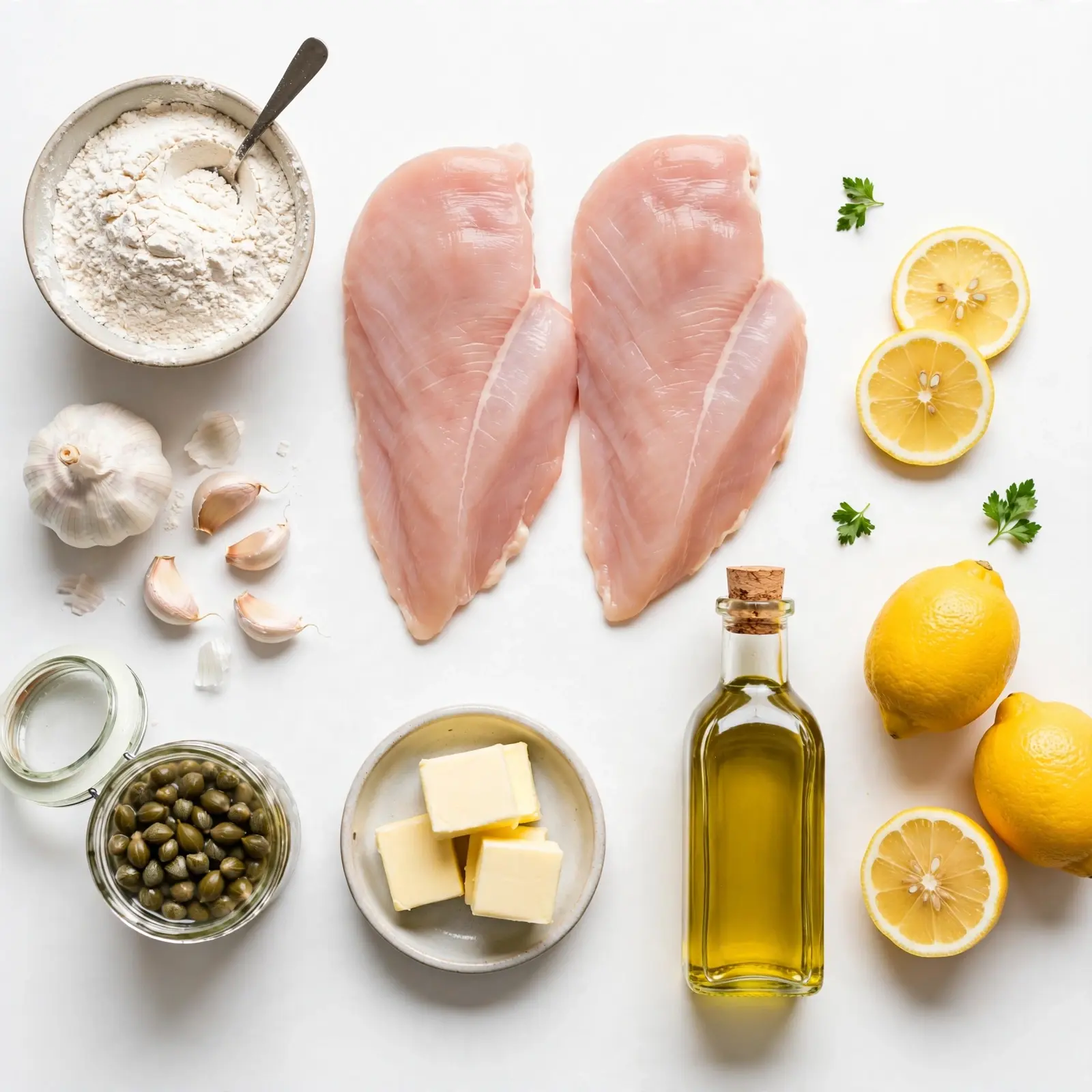
For the Chicken
- 4 boneless, skinless chicken breasts (about 6 oz each)
- 1/2 cup all-purpose flour (for dredging)
- 1 tsp kosher salt
- 1/2 tsp black pepper, freshly ground
- 1/4 tsp garlic powder
- 3 tbsp olive oil
For the Lemon Butter Pan Sauce
- 3 tbsp unsalted butter, divided (cold, cut into pieces)
- 4 cloves garlic, minced
- 1/2 cup dry white wine (a Pinot Grigio or Sauvignon Blanc works beautifully — or substitute with extra chicken broth)
- 3/4 cup low-sodium chicken broth
- 3 tbsp fresh lemon juice (from about 1.5 lemons — please, no bottled juice here)
- 3 tbsp capers, drained and rinsed (the brined variety, not salt-packed)
- 2 tbsp fresh flat-leaf parsley, chopped (for finishing)
- Lemon slices, for garnish (optional but gorgeous)
The lemon, capers, and butter form a sauce that’s simultaneously rich and sharp — the capers’ saltiness balances the butter’s creaminess while the lemon cuts through everything to keep it tasting alive and bright. Together they make a sauce you will want to eat with a spoon directly from the pan.
How to Make Chicken Piccata — Step-by-Step
Step 1: Pound and Season the Chicken
Place each chicken breast between two sheets of plastic wrap or in a zip-lock bag and use a meat mallet or rolling pin to pound to an even 1/2-inch thickness. This is not optional — even thickness means even cooking, and thinner cutlets develop a better crust faster. Season both sides generously with salt, pepper, and garlic powder. Don’t worry if the edges look a little ragged after pounding; they’ll still cook up beautifully and taste incredible.
Step 2: Dredge in Seasoned Flour
Spread the flour in a shallow dish. Working one piece at a time, press each chicken cutlet into the flour, coating both sides and shaking off any excess. You want a light, even coating — not a thick layer. This thin flour crust is what gives the chicken its golden color and helps the sauce cling to every surface. Set the dredged cutlets on a plate and let them rest for 2 to 3 minutes before cooking; this helps the flour adhere.
Step 3: Sear Until Golden
Heat 3 tablespoons of olive oil in a large skillet (stainless steel or cast iron both work wonderfully) over medium-high heat until the oil shimmers. Add the chicken cutlets in a single layer — don’t crowd the pan. Cook for 3 to 4 minutes per side without moving them, until the surface is deep golden brown and the chicken releases easily from the pan. The underside should look like the color of a perfectly toasted piece of bread. Transfer to a plate and tent loosely with foil to keep warm.
Step 4: Build the Pan Sauce
Reduce the heat to medium and add 1 tablespoon of butter to the same pan (all those golden brown bits at the bottom are flavor gold — don’t wipe them away). Add the minced garlic and sauté for about 30 seconds until fragrant but not browned. Pour in the white wine and let it bubble and reduce for 1 to 2 minutes, scraping up those browned bits with a wooden spoon. Add the chicken broth and lemon juice, then stir in the capers. Let the sauce simmer for 3 to 4 minutes until it reduces slightly and thickens just enough to coat the back of a spoon. Don’t worry if it looks a little thin at first — it will come together as the butter is added.
Step 5: Finish With Butter and Return the Chicken
Remove the pan from the heat and add the remaining 2 tablespoons of cold butter, swirling the pan gently or stirring until it melts into the sauce and makes it glossy and rich. Return the chicken to the pan, spooning sauce generously over each cutlet. Let everything rest together in the pan for 1 to 2 minutes — the residual heat will bring the chicken back to temperature beautifully. Scatter fresh parsley over the top and add lemon slices if you like. Serve immediately.
Perfecting This Recipe
- Use a heavy-bottomed pan. Stainless steel or cast iron retains heat evenly and creates the best sear. Non-stick pans don’t develop the fond (those caramelized bits) needed for a flavorful sauce.
- Cold butter is key. Adding cold butter at the very end, off the heat, is what creates that glossy, emulsified restaurant-style sauce. Hot butter goes greasy; cold butter binds.
- Don’t skip pounding the chicken. Even thickness isn’t just about aesthetics — it prevents the thicker center from being undercooked while the edges dry out.
- Taste the sauce before serving. Depending on your capers and broth’s saltiness, you may need just a pinch of salt, or you may need none at all. Trust your palate.
- Let the chicken rest. Even those 1 to 2 minutes of resting in the sauce at the end lets the juices redistribute and allows the flavors to meld together.
- Avoid overcrowding the pan. If you’re making a larger batch, cook the chicken in two rounds rather than crowding it — crowding steams rather than sears.
Common Mistakes to Avoid
- Using bottled lemon juice — Fresh lemon juice has a brightness and complexity that bottled versions simply can’t match. The lemon is one of the two or three most important ingredients in this dish; it deserves to be fresh.
- Skipping the flour dredge — The flour does two things: it creates the golden crust and it thickens the pan sauce just slightly. Leaving it out leaves you with pale chicken and a watery sauce.
- Moving the chicken while searing — Resist the urge to check underneath or shift the cutlets around. Let them sit undisturbed so a proper crust can form. If the chicken sticks when you try to flip it, it’s telling you it’s not ready yet.
- Adding butter over high heat — The butter-finishing step must happen off the heat or over very low heat. High heat breaks the emulsion and the sauce becomes greasy instead of glossy and silky.
- Overcooking the chicken — Because the cutlets are thin, they cook quickly. A minute too long and they go from juicy to dry. Pull them off the heat the moment they’re cooked through (internal temp of 165°F / 74°C).
Add Your Touch
- Artichoke hearts — Add canned or frozen artichoke hearts to the sauce during the simmering stage for a heartier, more substantial dish.
- Swap chicken for fish — This sauce works beautifully over pan-seared sole, tilapia, or salmon for a pescatarian take on the classic.
- Make it dairy-free — Use a high-quality vegan butter to finish the sauce; the result is surprisingly close to the original.
- Add a pinch of red pepper flakes — A little heat in the sauce plays brilliantly against the lemon and capers, giving the dish a gentle kick without overwhelming the brightness.
- Use fresh thyme or tarragon — Stir a few sprigs into the simmering sauce for an herby, slightly floral note that takes the dish in an elegant direction.
- Sun-dried tomato twist — Add two tablespoons of finely chopped sun-dried tomatoes with the garlic for a deeper, more complex sauce with a Mediterranean soul.
Visit Also: Cabbage Soup Recipe
What to Serve With This
- Angel hair pasta or linguine — The delicate pasta is the classic partner; toss it lightly in some of the pan sauce before plating.
- Steamed or roasted asparagus — The grassy, slightly bitter notes of asparagus balance the richness of the lemon butter beautifully.
- Creamy mashed potatoes — For a more indulgent, comforting meal, mashed potatoes soak up the sauce in the best possible way.
- Simple arugula salad with shaved Parmesan — The peppery bitterness of arugula cuts right through the buttery sauce and keeps the meal feeling light.
- Crusty sourdough bread — Because that pan sauce is too good to leave in the pan, and bread is the most honorable way to rescue every last drop of it.
Storing and Serving
Fridge: Store leftovers in an airtight container for up to 3 days. Keep the chicken and sauce together so the meat doesn’t dry out.
Freezer: Chicken Piccata can be frozen, though the butter sauce may separate slightly upon thawing. Freeze in an airtight container for up to 2 months. Thaw overnight in the fridge before reheating.
Reheating: Reheat gently in a covered skillet over low heat, adding a splash of chicken broth to loosen the sauce and restore some of its glossiness. Avoid the microwave if you can — it tends to dry out the chicken.
Make-Ahead Tip: The chicken can be pounded, seasoned, and dredged up to 4 hours in advance. Keep it covered in the refrigerator on a plate until you’re ready to cook. The sauce is best made fresh, but it comes together in under 10 minutes, so this is easy to pull off even when guests are already at the table.
Servings: Makes 4 servings.
Nutrition (Approximate Per Serving)
- Calories: 390
- Total Fat: 22g
- Saturated Fat: 9g
- Carbohydrates: 11g
- Sugar: 1g
- Protein: 38g
- Sodium: 620mg
Nutritional values are approximate and may vary based on specific ingredients and brands used.
Chef’s Helpful Tips
- Room temperature chicken cooks more evenly. Take the chicken out of the fridge about 15 minutes before cooking — straight-from-fridge cold chicken is more likely to sear unevenly.
- A meat thermometer removes all guesswork. Pull the chicken at exactly 165°F (74°C) for perfectly cooked, juicy meat every time.
- Clean slices need a sharp knife and a brief rest. If serving the piccata cut into pieces over pasta, let it rest for a minute before slicing — the juices won’t run and you’ll get cleaner cuts.
- Quality wine = quality sauce. Use a wine you’d actually drink. The wine reduces and concentrates in the sauce, so a wine that tastes thin or harsh going in will taste the same coming out.
- Too thin a sauce? Simmer a little longer. If your sauce isn’t reducing the way you’d like, just let it bubble gently for another minute or two before adding the finishing butter. It will come together.
Frequently Asked Questions
Q1. Can I make this without wine? Absolutely. Simply replace the white wine with an equal amount of additional chicken broth. You can also add an extra squeeze of lemon juice to compensate for some of the acidity the wine provides. The sauce will be slightly less complex but still wonderfully delicious.
Q2. What does Chicken Piccata taste like if you’ve never had it before? Think of it as the most vibrant, bright version of a pan-seared chicken you’ve ever had. The sauce is buttery and rich but cut through with sharp lemon and salty, tangy capers, so it never feels heavy. If you love lemon butter pasta or garlic butter shrimp, you’re going to love this.
Q3. Is this recipe beginner-friendly? Very much so. The steps are simple and the technique — dredge, sear, deglaze, reduce, finish with butter — is one of the most useful foundational techniques in cooking. Once you’ve made this once, you’ll find yourself using the same basic process for all kinds of pan sauces. It’s a great recipe to have in your back pocket.
Q4. Can I make this ahead for a dinner party? You can prep the chicken (pound, season, dredge) several hours ahead and refrigerate. The sauce, however, is best made fresh — fortunately, it takes less than 10 minutes and can be made while guests are settling in. Alternatively, make everything ahead, refrigerate, and gently reheat in a covered skillet over low heat just before serving.
Q5. Can I freeze the leftovers? Yes, though the butter sauce can separate slightly when frozen and thawed. To bring it back together, reheat it gently in a covered skillet with a small splash of broth, stirring occasionally, and the sauce will come together again. The chicken itself freezes well and stays juicy when reheated slowly.
Conclusion
There’s something quietly wonderful about a dish that has stayed beloved for generations without needing to change. This Chicken Piccata Recipe is exactly that — a meal with deep roots in Italian-American cooking that somehow feels just as fresh and exciting the hundredth time as it did the first. It’s the kind of recipe that earns a permanent spot in your rotation, not because it’s trendy, but because it’s genuinely, reliably delicious.
So the next time someone in your life needs cheering up, or you just want to sit down to something that feels like real cooking without the real effort, make this. Squeeze the lemon, swirl in the butter, scatter the capers, and let the kitchen fill with that unmistakable sizzle and citrus bloom. Then sit down, take a bite, and wonder why you’d ever order takeout when something this good can happen in 30 minutes in your own skillet.
Chicken Piccata Recipe
Course: Trending Recipes4
servings10
minutes20
minutes390 per serving
kcal30
minutesGolden pan-seared chicken in a silky lemon butter caper sauce — bright, rich, and on the table in 30 minutes.
Ingredients
For the Chicken:
4 boneless, skinless chicken breasts (about 6 oz each)
1/2 cup all-purpose flour
1 tsp kosher salt
1/2 tsp black pepper, freshly ground
1/4 tsp garlic powder
3 tbsp olive oil
For the Lemon Butter Pan Sauce:
3 tbsp unsalted butter, divided (cold, cut into pieces)
4 cloves garlic, minced
1/2 cup dry white wine
3/4 cup low-sodium chicken broth
3 tbsp fresh lemon juice
3 tbsp capers, drained and rinsed
2 tbsp fresh flat-leaf parsley, chopped
Lemon slices, for garnish (optional)
Directions
- Pound chicken breasts to 1/2-inch thickness between plastic wrap. Season both sides with salt, pepper, and garlic powder.
- Dredge each cutlet in flour, shaking off excess. Let rest 2 minutes.
- Heat olive oil in a large skillet over medium-high until shimmering. Sear chicken 3–4 minutes per side until deep golden. Transfer to a plate and tent with foil.
- Reduce heat to medium. Add 1 tbsp butter and garlic; cook 30 seconds. Add wine and scrape up the browned bits; simmer 2 minutes. Add broth, lemon juice, and capers; simmer 3–4 minutes until slightly reduced.
- Remove from heat. Swirl in remaining 2 tbsp cold butter until sauce is glossy. Return chicken to pan, spoon sauce over top, and rest 1–2 minutes.
- Garnish with parsley and lemon slices. Serve immediately.