The Most Irresistible Red Velvet Cake You’ll Bake from Scratch
Most homemade red velvet cakes come out dense, dry, or pale — and almost every time, it traces back to one of three things: the wrong mixing technique, skipping the buttermilk, or rushing the cooling step before frosting. Those small missteps collapse the crumb before the cake even hits the plate. This red velvet cake recipe is built around fixing all three, without adding a single complicated step to your day.
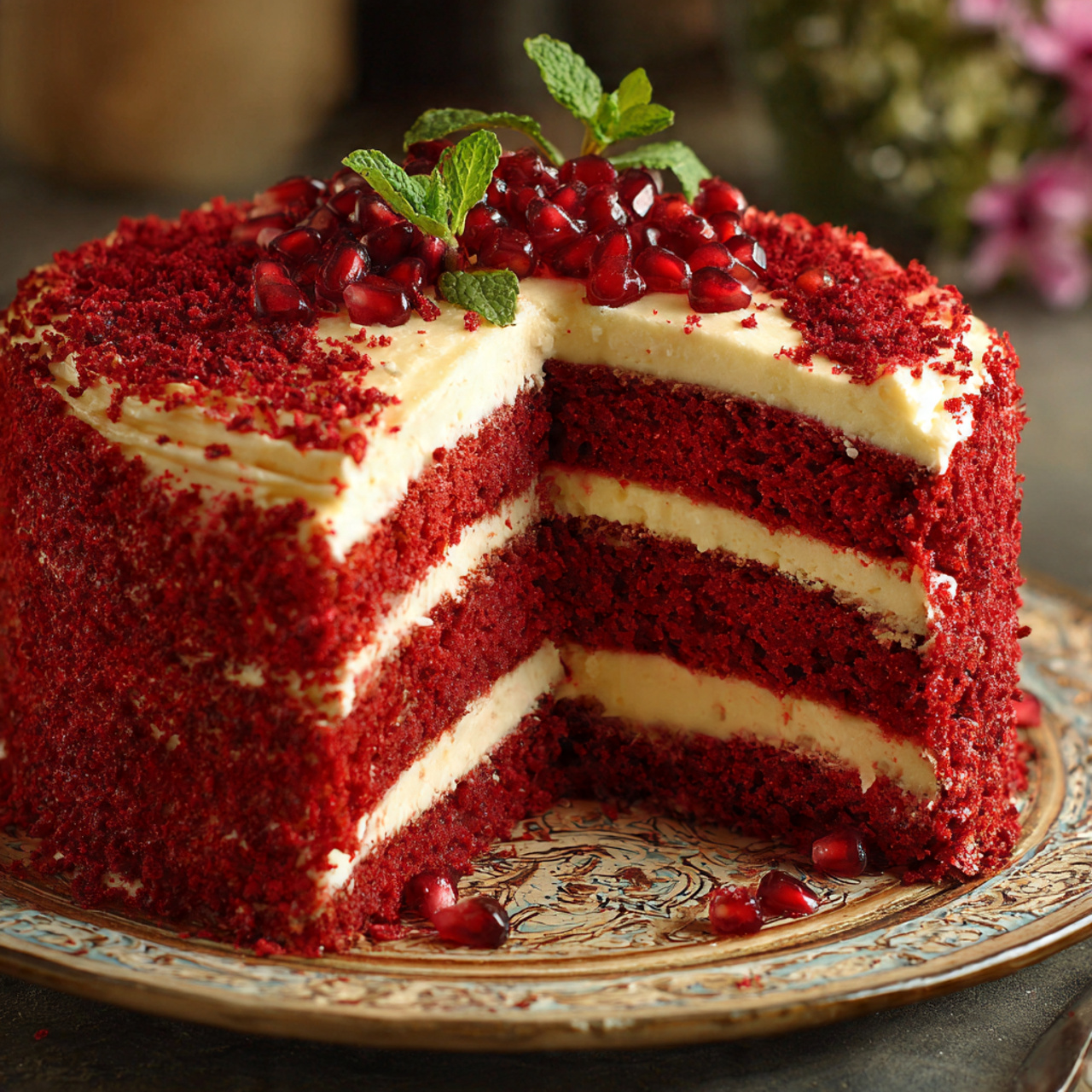
What you get is worth every minute of it — layers that are impossibly soft and tender, a subtle cocoa warmth that deepens with each bite, and a cream cheese frosting so smooth and cool it melts the moment it meets your tongue. The color is that deep, brilliant red that stops people mid-conversation and makes them ask what you made before the cake is even sliced.
This is exactly the kind of cake that fits a family dinner where you want something a little elevated, a small birthday celebration that deserves a showstopper, or a slow Sunday afternoon when the kitchen smells like vanilla and something wonderful is on its way. It works as a cozy homemade dessert for two just as naturally as it does at the center of a full celebration table. Whether you’re a first-time baker or someone who makes cakes regularly, this one earns its place in your permanent rotation.
Why You’ll Love This Recipe
A Soft, Moist Crumb Every Time
The combination of vegetable oil and buttermilk in this batter keeps every layer tender without a single dry or crumbly edge. You get that signature red velvet texture — almost cloud-like in the center — in every single slice.
That Unmistakable Flavor Balance
One teaspoon of cocoa sounds modest, but paired with vanilla and the gentle tang of buttermilk, it creates a flavor that’s warm and layered without being heavy. This isn’t just a chocolate cake in red — it has its own distinct personality.
Simple Pantry Ingredients, No Specialty Equipment
Everything here is something you’ve likely already seen in your kitchen — flour, sugar, oil, eggs, and a splash of food coloring. No stand mixer required, no tricky techniques, and no reason to feel hesitant before you even start.
A Crowd-Pleaser That Travels Beautifully
This cake slices cleanly, holds its shape on a platter, and survives a trip to a gathering without falling apart or losing its look. It earns compliments at every table, every time.
Flexible Enough for Any Occasion
Casual weeknight? Serve it simply with tea. Celebrating something? Dress it up with extra frosting and fresh berries. This homemade red velvet cake moves easily between everyday comfort and genuine celebration with no extra effort.
Ingredients
For the Cake Batter
- 2 cups all-purpose flour
- 1 ½ cups sugar
- 1 teaspoon baking soda
- 1 teaspoon cocoa powder (fresh, good-quality cocoa makes a noticeable difference here)
- 1 teaspoon salt
- 1 ½ cups vegetable oil (neutral flavor; avoid olive oil)
- 1 cup buttermilk (full-fat preferred, but low-fat works)
- 2 eggs (room temperature for smooth blending)
- 1 tablespoon red food coloring (gel-based gives a deeper, more vibrant color)
- 1 teaspoon vanilla extract (pure, not imitation)
- 1 teaspoon vinegar (white or apple cider both work well)
For the Cream Cheese Frosting
- 8 oz (225g) cream cheese, softened
- ½ cup (115g) unsalted butter, softened
- 3 cups powdered sugar, sifted
- 1 teaspoon vanilla extract
The oil keeps the crumb moist long after the cake cools, while the buttermilk and vinegar work together to create a subtle tang that balances the sweetness of the frosting — making every bite feel complete rather than cloying.
How to Make Red Velvet Cake — Step-by-Step
Step 1: Prep Your Pans and Oven
Preheat your oven to 180°C (350°F) and lightly grease two 9-inch round cake pans. If you have parchment paper, cut circles to line the bottoms — it makes removal much cleaner and removes any worry about sticking. Having everything ready before the batter is mixed means you can move quickly once it’s done.
Step 2: Combine Your Dry Ingredients
In a large bowl, whisk together the flour, sugar, baking soda, cocoa powder, and salt until evenly distributed with no cocoa clumps visible. Don’t worry if the dry mixture looks a little pale right now — the red food coloring added in the next step will completely transform it.
Step 3: Whisk Your Wet Ingredients
In a separate bowl, whisk together the vegetable oil, buttermilk, eggs, red food coloring, vanilla extract, and vinegar until the mixture is smooth, uniform, and a deep, glossy red. Don’t worry if you notice a few small bubbles forming — that’s the vinegar reacting with the baking soda, and it’s exactly what gives this cake its soft, airy lift.
Step 4: Bring the Batter Together
Slowly pour the wet mixture into the dry ingredients and stir gently with a spatula or wooden spoon until just combined — stop the moment you no longer see flour streaks. Overmixing at this point is what creates a dense, chewy texture, so resist the urge to keep stirring. Divide the batter evenly between your prepared pans and smooth the tops lightly.
Step 5: Bake and Cool
Bake for 25–30 minutes, until the tops feel soft but spring back when pressed gently in the center and a toothpick inserted in the middle comes out clean. Set the pans on a wire rack and allow the layers to cool completely — at least 30–40 minutes — before removing them or adding frosting. Don’t worry if this feels like a long wait; rushing this step is the most common reason cream cheese frosting melts and slides right off.
Step 6: Make the Frosting and Assemble
Beat the softened cream cheese and butter together until fluffy and smooth, about 2–3 minutes. Add the sifted powdered sugar and vanilla, and continue mixing until the frosting is thick, creamy, and spreadable. Place one cooled cake layer on your serving plate, spread a generous layer of frosting over the top, then set the second layer on top and frost the entire outside evenly. Let the assembled cake rest for about 20 minutes before slicing — this helps everything settle and gives you much cleaner cuts.
Perfecting This Recipe
- Bring eggs and buttermilk to room temperature before starting — cold ingredients resist blending smoothly into oil and can leave the batter looking separated.
- Measure flour by spooning it into the measuring cup and leveling off the top — scooping directly from the bag packs the cup and results in a denser cake.
- Add red food coloring to the wet ingredients before they meet the dry mixture so it distributes completely and no uneven pockets of color remain.
- Gel food coloring delivers a deeper, truer red with less liquid added to the batter — worth using over liquid coloring when possible.
- Don’t open the oven in the first 25 minutes — a sudden temperature drop can cause the layers to sink in the center and not recover.
- Sift the powdered sugar before adding it to the frosting to remove lumps and achieve that perfectly smooth, velvety finish.
- If the frosting feels too soft to spread neatly, refrigerate it for 10–15 minutes to firm up slightly before applying.
Common Mistakes to Avoid
- Skipping buttermilk entirely — Buttermilk activates the baking soda and gives red velvet its signature tangy crumb. If you don’t have it, combine one cup of regular milk with one tablespoon of lemon juice, wait five minutes, and use that instead — but don’t substitute water or plain milk on its own.
- Overmixing the batter — The moment you stop seeing dry flour streaks, stop stirring. Every extra turn of the spoon develops more gluten, and more gluten means a tough, dense cake instead of a tender one.
- Frosting a warm cake — Even when the outside feels cool, the inside can still hold residual heat. Adding frosting too soon causes it to melt, pool, and slide off. Give it the full cooling time and you’ll be rewarded with a clean, professional-looking finish.
- Pouring in all the food coloring at once — Add it gradually and mix as you go. Too much liquid color added quickly can shift the batter’s consistency, and uneven mixing leaves streaky color in the finished layers.
- Skipping the rest time after assembly — The 20-minute rest before slicing lets the frosting firm up slightly and the layers settle, making every cut clean and picture-worthy rather than crumbly.
Add Your Touch
- Stir a small handful of mini chocolate chips into the batter just before pouring for a richer, more indulgent version that still keeps the same soft texture.
- Add a pinch of cinnamon to the dry ingredients — it adds warmth that plays beautifully against the tang of the cream cheese frosting.
- Replace the cream cheese frosting with lightly whipped mascarpone for something less sweet and more delicate in flavor.
- Fold in a small amount of espresso powder with the dry ingredients to deepen the cocoa note without making the cake taste like coffee.
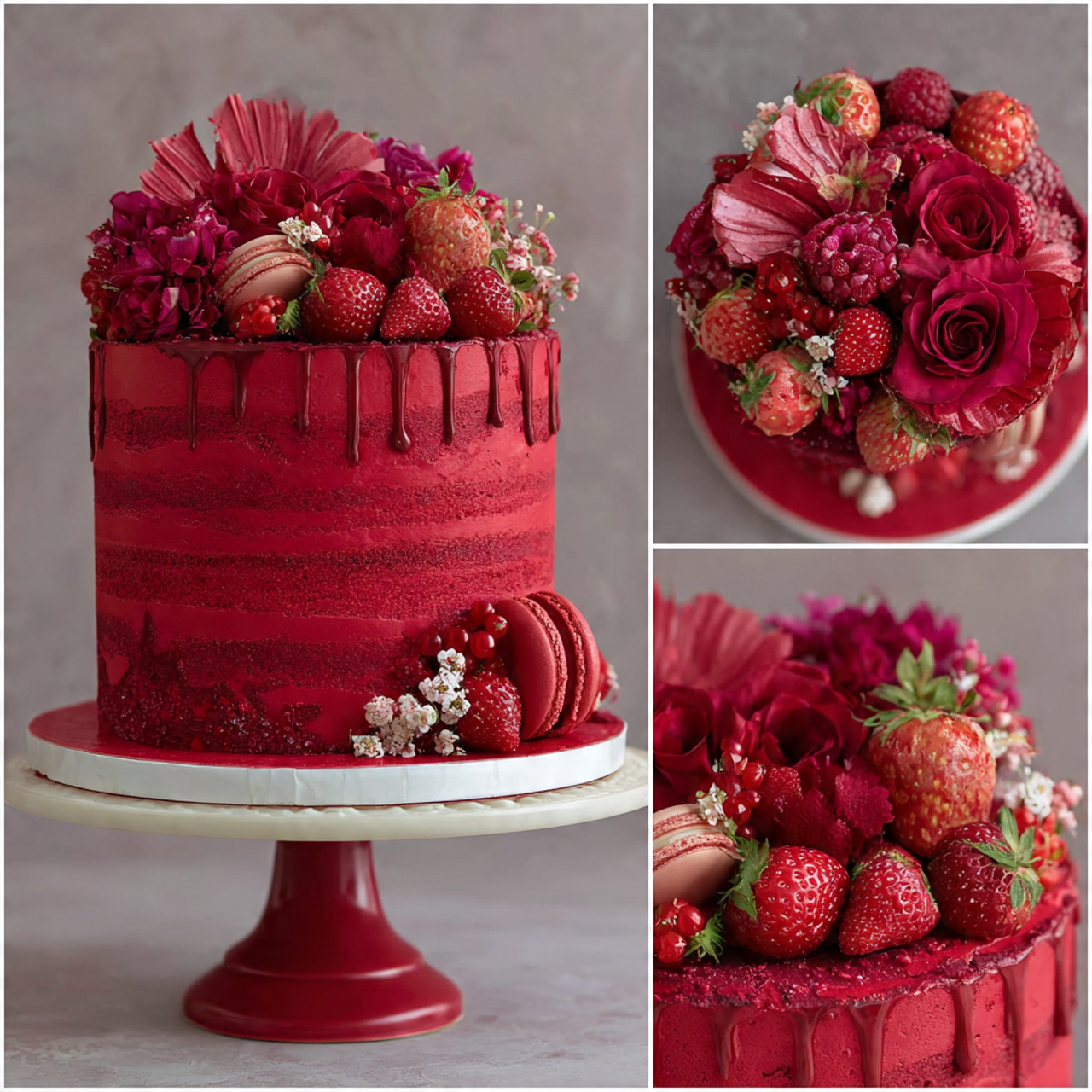
- Top the finished cake with fresh strawberries, raspberries, or pomegranate seeds — the color contrast is striking and the flavors complement each other naturally.
- Turn the batter into cupcakes by dividing it into lined muffin tins and baking for 18–20 minutes for a more portable version of the same recipe.
Visit Also: Bday Cake
What to Serve With This
- A cup of black coffee or lightly sweetened chai balances the richness of the cream cheese frosting and makes each bite feel more intentional.
- Fresh strawberries or raspberries alongside a slice cut through the sweetness with a bright, fruity contrast.
- A small scoop of vanilla bean ice cream turns this into a full dessert moment — the cold creaminess against soft cake is genuinely hard to beat.
- A cold glass of whole milk is the classic pairing — simple, always right, and exactly what this cake seems to ask for.
- For a larger spread, pair with a light fruit salad or simple green salad served before dessert to balance the table beautifully.
Storing and Serving
Fridge Store the frosted cake covered or in an airtight container in the refrigerator for up to 4 days. The frosting firms up nicely when chilled, and the flavors actually deepen a little after the first day.
Freezer Wrap individual unfrosted cake layers tightly in plastic wrap, then in foil, and freeze for up to 2 months. Thaw overnight in the refrigerator before assembling and frosting. Already-frosted slices can also be frozen individually — wrap each piece well and thaw at room temperature for about an hour before serving.
Reheating This cake is best enjoyed at room temperature rather than reheated. If slices have been refrigerated, let them sit out for 20–30 minutes before serving so the crumb softens back up and the frosting relaxes to its ideal texture.
Make-Ahead Tip Bake the cake layers up to one day in advance and store them wrapped at room temperature. Make the frosting fresh on the day you plan to serve, then assemble and refrigerate for at least an hour before slicing. This approach is ideal for celebrations where you want the heavy lifting done early.
Servings This recipe yields approximately 10–12 generous slices from a two-layer, 9-inch cake.
Nutrition (Approximate Per Serving)
- Calories: 420
- Total Fat: 22g
- Saturated Fat: 7g
- Carbohydrates: 54g
- Sugar: 38g
- Protein: 5g
- Sodium: 310mg
Nutritional values are approximate and may vary based on specific ingredients and brands used.
Chef’s Helpful Tips
- Room temperature eggs and buttermilk blend seamlessly into the oil-based batter — cold dairy can cause the mixture to look curdled and uneven before baking.
- To check doneness without guessing, press the center of the cake gently — if it springs back cleanly, it’s ready. A toothpick that comes out with just a few moist crumbs (not wet batter) is equally reliable.
- For clean, professional-looking slices, refrigerate the assembled cake for 30 minutes before cutting and wipe the knife clean between each cut.
- Even though this recipe calls for just one teaspoon, fresh, quality cocoa powder makes a real flavor difference — it’s the layer of depth that separates a one-dimensional result from something truly memorable.
- If your kitchen runs warm and the frosting feels too loose to spread neatly, refrigerate it for 10–15 minutes before applying. It becomes far easier to work with and stays where you put it.
Frequently Asked Questions
Q1. Can I make this red velvet cake ahead of time? Absolutely — this is actually one of the best cakes to make in advance. Bake the layers the day before, wrap them tightly once fully cooled, and store at room temperature overnight. Frost the assembled cake the morning you plan to serve it for the best texture and presentation.
Q2. I don’t have buttermilk — what can I use instead? An easy substitute is one cup of regular milk with one tablespoon of lemon juice or white vinegar stirred in. Let it sit for about five minutes until it curdles slightly — that reaction is exactly what you want. It works seamlessly in this recipe and you won’t notice any difference in the finished cake.
Q3. Is this recipe beginner-friendly? It really is. The batter comes together with simple mixing — no creaming cold butter from scratch, no folding whipped egg whites, no elaborate techniques. If you follow the steps in order and stop mixing the moment the flour disappears, you’ll have a beautiful result on your first try.
Q4. Can I bring this to a potluck or party? This is one of the most crowd-pleasing cakes to carry to a gathering. Assemble and frost it at home, refrigerate until it’s time to leave, and transport it covered. It holds up well at room temperature for a few hours, and that bold red color alone makes it the most talked-about dish on the dessert table.
Q5. Can I freeze the finished cake? Yes — either freeze individual frosted slices or whole unfrosted layers wrapped tightly in plastic and foil. Thaw in the refrigerator overnight and bring to room temperature before serving. The texture holds up remarkably well, and once it’s fully thawed, it tastes just as good as the day it was baked.
Conclusion
There’s a reason red velvet cake never really goes out of style — it sits right at the intersection of comfort and celebration, simplicity and elegance, familiar and special. This recipe makes it approachable enough for a quiet weekday bake while still being impressive enough to set down in front of a table full of people you want to feed well. It asks very little of you and gives a lot back in return.
If you’ve tried it, you already know. And if this is your first time, get ready for it to become one of those recipes you return to without even thinking twice. Make it exactly as written, or make it your own — add a flavor twist, swap the frosting, pile on fresh berries. However it turns out, it will taste like something made with care. That’s always worth sharing.
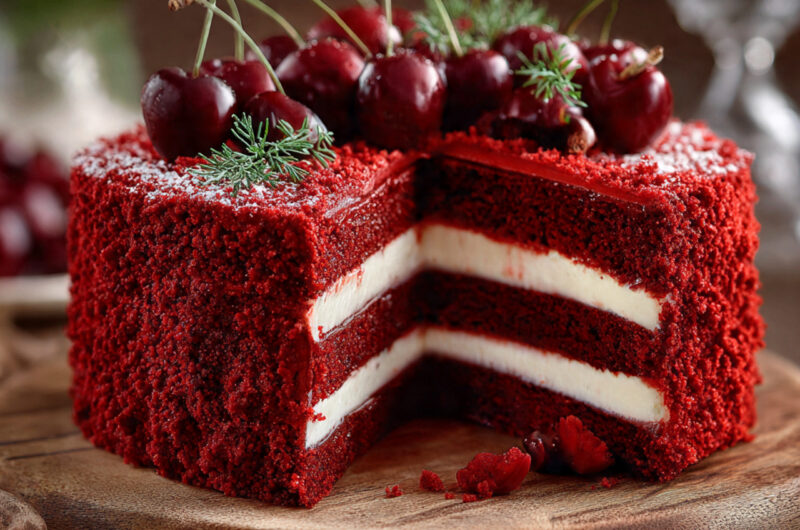
Classic Red Velvet Cake
Course: Uncategorized10–12 slices
servings20
minutes30
minutes420
kcal1
hour30
minutesA beautifully soft, moist two-layer cake with a warm cocoa note and smooth cream cheese frosting — perfect for celebrations, family dinners, or any occasion that deserves something a little special.
Ingredients
Cake Batter:
2 cups all-purpose flour
1 ½ cups sugar
1 teaspoon baking soda
1 teaspoon cocoa powder
1 teaspoon salt
1 ½ cups vegetable oil
1 cup buttermilk
2 eggs
1 tablespoon red food coloring
1 teaspoon vanilla extract
1 teaspoon vinegar
Cream Cheese Frosting:
8 oz cream cheese, softened
½ cup unsalted butter, softened
3 cups powdered sugar, sifted
1 teaspoon vanilla extract
Directions
- Preheat oven to 180°C and grease two 9-inch round cake pans.
- Whisk flour, sugar, baking soda, cocoa powder, and salt in a large bowl.
- In a separate bowl, whisk oil, buttermilk, eggs, food coloring, vanilla, and vinegar until smooth and deeply red.
- Pour wet ingredients into dry ingredients and stir gently until just combined — stop as soon as no flour streaks remain.
- Divide batter evenly between pans and bake 25–30 minutes, until a toothpick comes out clean.
- Cool completely on a wire rack before removing from pans.
- Beat cream cheese and butter until fluffy. Add sifted powdered sugar and vanilla; mix until smooth.
- Frost between layers, then over the top and sides. Rest 20 minutes before slicing.