The Softest Homemade Butter Cake That Keeps Everyone Coming Back for More
Most butter cakes come out of the oven either too dense and heavy or bone dry by the next morning — and the culprit is almost always the same thing: cold butter that never properly creamed. When the butter isn’t genuinely soft before you start, it won’t hold enough air, and no amount of baking time can fix a tight, heavy crumb. This recipe addresses that exact problem from the very first step, so you get a light, tender result every single time.
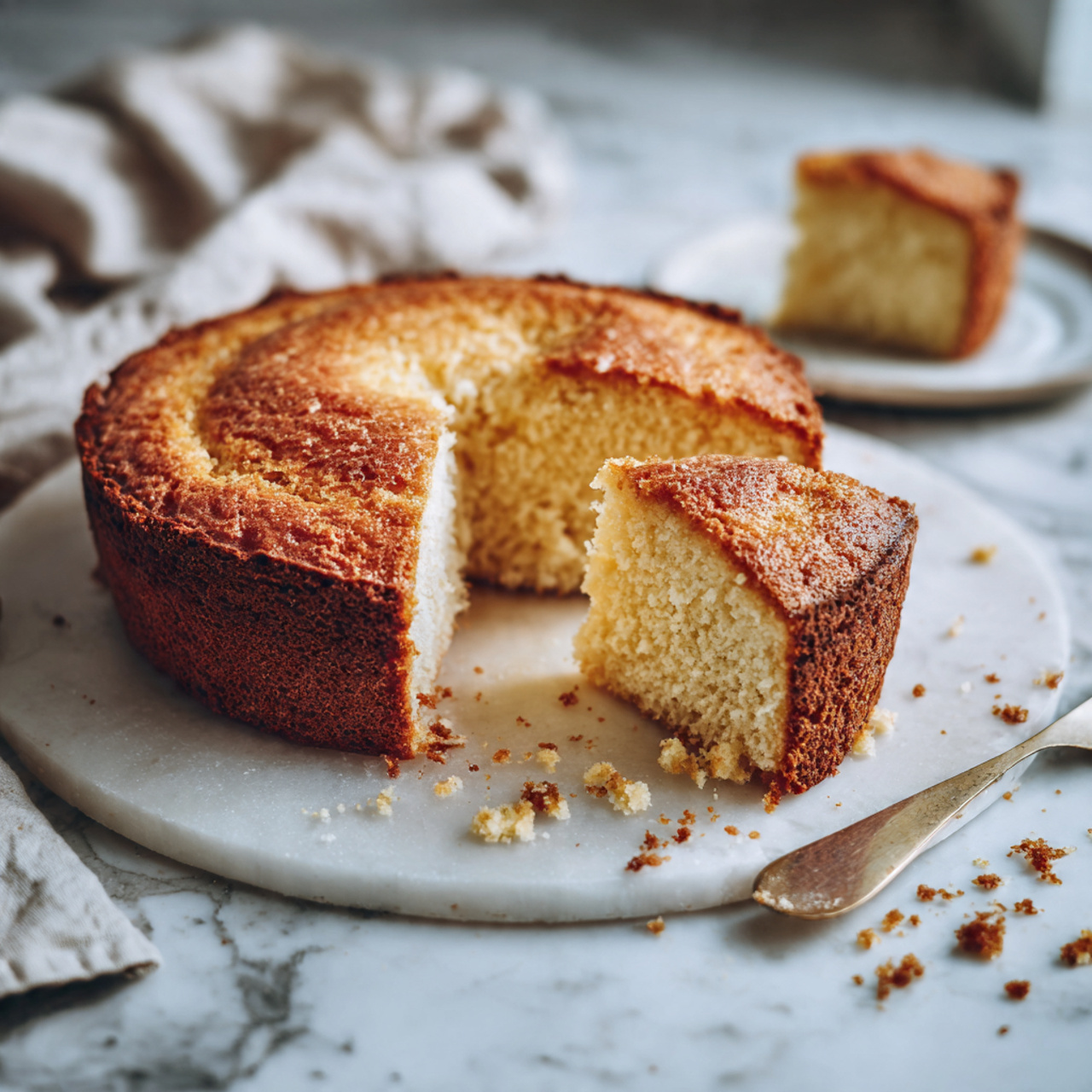
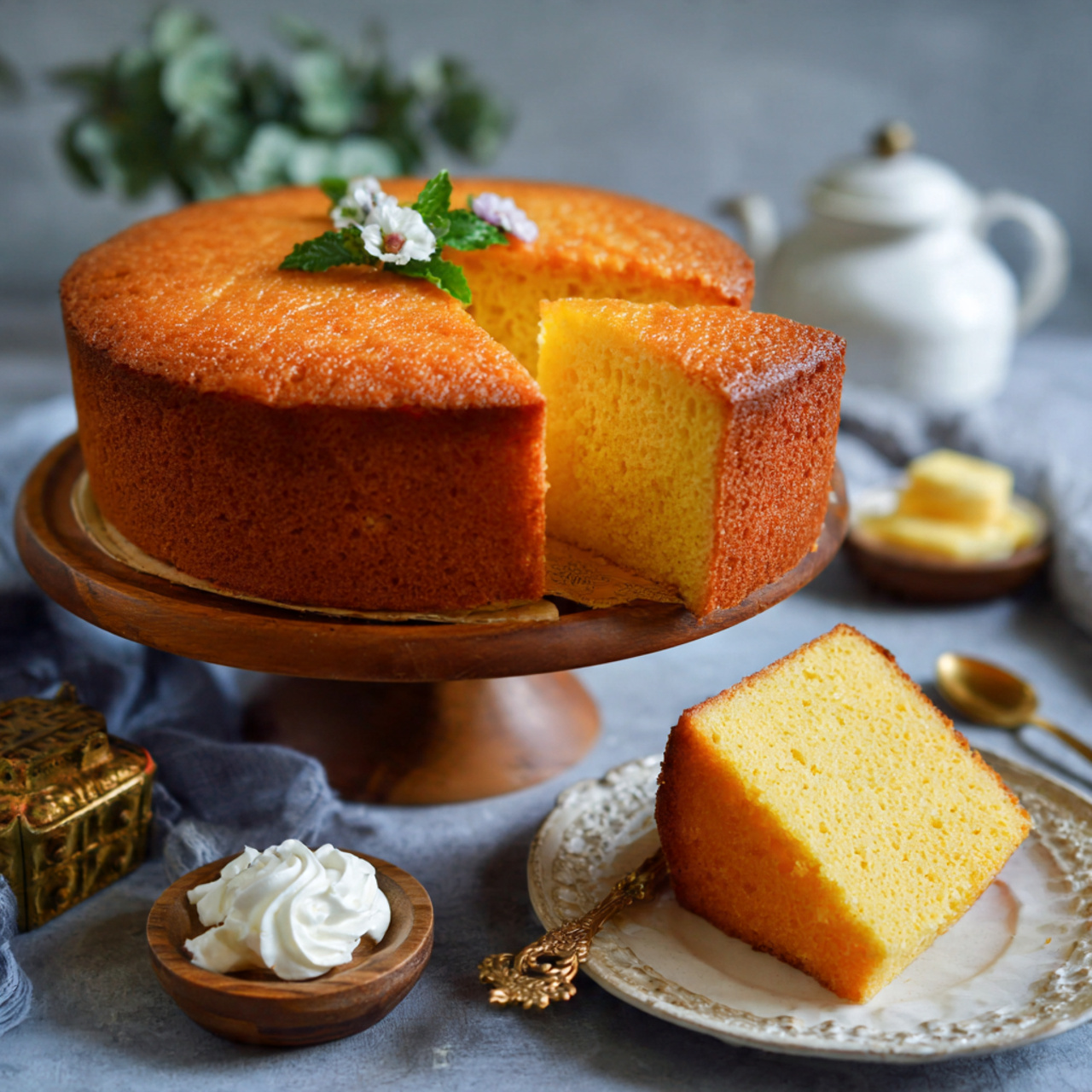
When it’s done right, a slice of butter cake is something close to perfect. The crust is thin and barely golden, giving way to a crumb that’s rich without being heavy, lightly sweet without ever feeling cloying. The smell that fills the kitchen while it bakes — warm, buttery, faintly vanilla — is genuinely half the experience. And that first bite while it’s still slightly warm? It melts in a way that feels entirely unhurried.
This is the kind of cake that fits almost any occasion without demanding much from you. It belongs equally on an afternoon tea table, tucked into a lunchbox as an easy homemade butter cake treat, or served at a small birthday gathering with a dusting of powdered sugar. It pairs beautifully with simple accompaniments or stands completely on its own as a classic simple butter cake that never needs explaining. Once it’s in your rotation, you’ll wonder how you ever managed without it.
Why You’ll Love This Recipe
It Tastes Like the Real Thing
There’s a depth to a properly made butter cake that no packaged mix can replicate. Real butter, whole eggs, and pure vanilla come together to create something that tastes genuinely homemade — warm, rich, and completely satisfying without being over the top.
The Texture Stays Soft for Days
Unlike some cakes that turn dry or crumbly overnight, this one holds its moisture beautifully. The balance of butter, eggs, and milk produces a crumb that’s tender on day one and still pleasant on day three, which means baking once and enjoying all week without regret.
It Comes Together with Pantry Staples
No specialty ingredients, no extra trips to the store. Butter, sugar, eggs, flour, milk, and vanilla — that’s the full list. If you bake at all regularly, everything you need is already sitting in your kitchen waiting to be used.
Completely Beginner-Friendly
There are no tricky techniques here, no candy thermometers, and no temperamental custards. If you’ve never baked a cake before, this is a wonderful place to start. If you’ve baked for years, it’s the kind of reliable classic that earns its spot in your permanent collection.
Flexible Enough to Make Your Own
The base is beautifully neutral, which makes it a canvas for almost anything. Lemon zest, a cinnamon swirl, fresh berries folded through the batter — it takes well to all of it, or none of it. Either way, the butter flavor does exactly what it needs to.
Ingredients
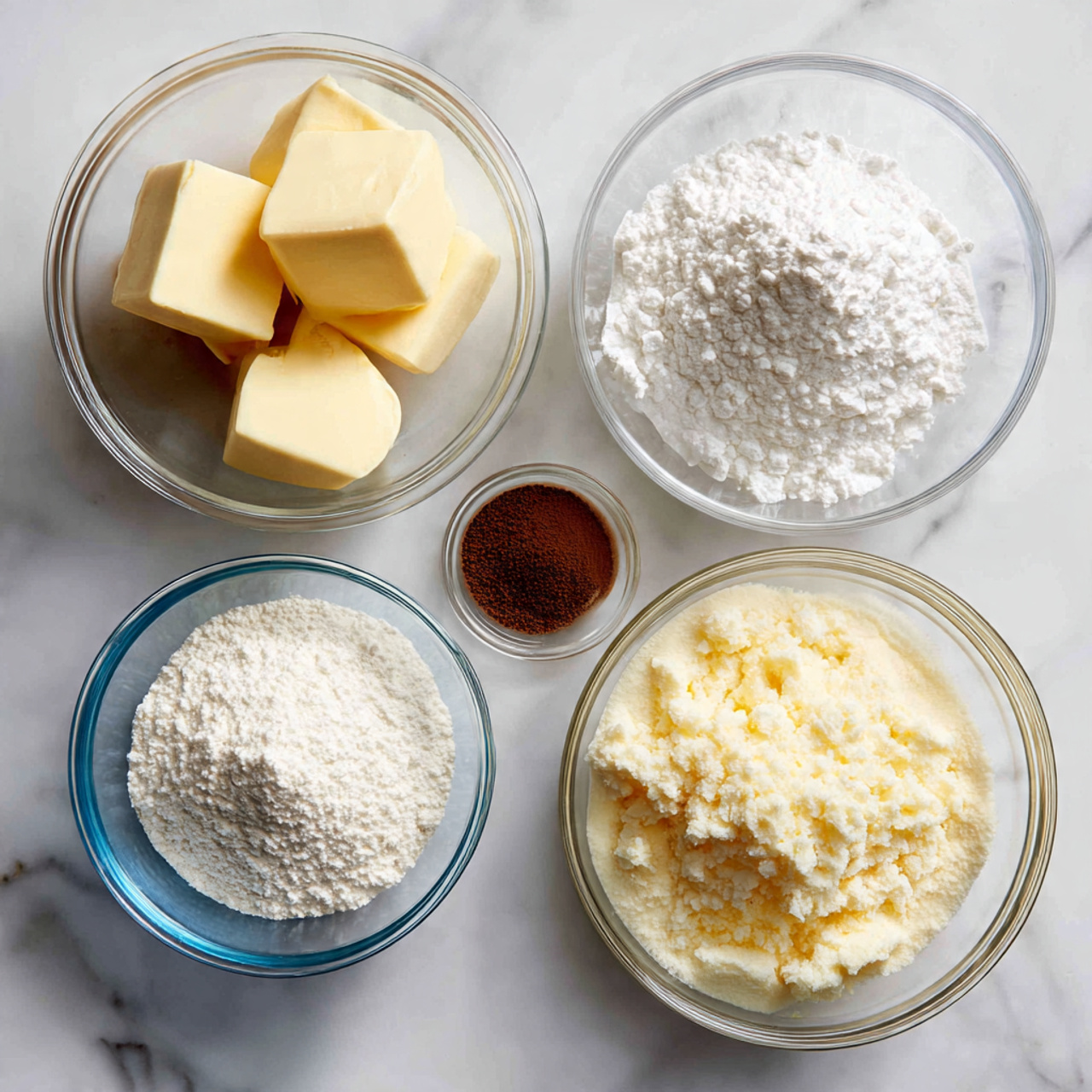
For the Batter
- 1 cup (225g) unsalted butter, softened (must be genuinely room temperature — soft enough to leave an indent when pressed)
- 1 cup (200g) granulated sugar
- 4 large eggs (room temperature)
- 2 cups (250g) all-purpose flour
- 2 tsp baking powder
- ½ cup (120ml) whole milk (full-fat gives the best texture and moisture)
- 1 tsp vanilla extract (pure, not imitation — it makes a noticeable difference in something this simple)
The fat from the butter and eggs keeps the crumb tender and rich while the baking powder provides just enough lift to keep the cake feeling light. The milk loosens the batter at the end and ensures the finished cake stays moist from edge to center.
How to Make Butter Cake — Step by Step
Step 1: Set Yourself Up Before You Mix
Preheat your oven to 180°C (350°F) and grease a 9-inch round cake pan or an 8×8 square pan. Before anything else, confirm that your butter is properly soft — it should yield easily when you press your finger into it. Pull your eggs out of the fridge at the same time if they’re still cold. Measure everything out and line it up in order. Starting organized makes the whole process feel calm and straightforward, especially if this is your first time.
Step 2: Cream the Butter and Sugar Until Pale and Fluffy
Add the softened butter and sugar to a large mixing bowl and beat together on medium speed for a full 3 to 4 minutes. You’re not just combining them — you’re building structure. The mixture should turn noticeably pale and light, almost like fluffy pale cream. Don’t worry if it looks slightly grainy in the first minute or two; it will smooth out as the air works its way in. This is the most important step for getting the lift right.
Step 3: Add the Eggs One at a Time
Crack the eggs in one at a time, mixing briefly on low after each addition before adding the next. The batter may look slightly curdled between eggs — that is completely normal and will pull itself back together once the flour goes in. Don’t worry if it doesn’t look perfectly smooth at this stage; just keep going.
Step 4: Fold In the Flour and Milk
Sift the flour and baking powder together in a separate bowl. Add half the flour to the batter and fold it in gently using a spatula or your mixer on the lowest setting. Add the milk and vanilla extract, then fold in the remaining flour. Mix only until you no longer see dry streaks — the moment the batter looks smooth and even, stop immediately. Every extra stir from this point builds gluten and tightens the crumb.
Step 5: Bake and Let It Rest Before Slicing
Pour the batter into your prepared pan and smooth the top lightly with a spatula. Bake for 35 to 40 minutes, until the top is a deep golden color and a toothpick inserted into the center comes out clean or with just a dry crumb. The edges will pull slightly away from the sides of the pan when it’s ready. Let the cake rest in the pan for 10 minutes, then turn it out onto a wire rack to cool for another 15 to 20 minutes before slicing. Cutting too soon causes the center to compress and lose its lift.
Perfecting This Recipe
- Start with truly soft butter. It should leave an indent easily. Cold butter won’t incorporate air; melted butter makes the batter too loose and the cake will bake flat.
- Don’t rush the creaming step. Three to four minutes feels longer than necessary, but that’s where the structure gets built. A pale, fluffy butter-sugar mixture means a lighter, more open crumb.
- Add eggs one at a time. Adding them all at once can break the emulsion, leading to a denser, slightly wet texture at the bottom of the cake.
- Switch to a spatula when the flour goes in. Folding by hand at this stage gives you much more control over mixing and helps you stop at exactly the right moment.
- Let it cool before slicing. A butter cake cut while it’s still warm loses its structure and flattens. Those extra minutes on the rack make a real difference to how it looks and feels in the slice.
Common Mistakes to Avoid
- Using cold butter — Cold butter won’t cream with sugar the way it needs to, leaving the mixture grainy and producing a cake that bakes up dense and heavy.
- Overmixing after adding flour — Once the flour is in, gluten develops with every additional stir. Mixing beyond just combined makes the crumb tight and slightly chewy instead of tender.
- Opening the oven before 30 minutes — Peeking too early causes a sudden drop in heat that can make the center sink before it has a chance to set.
- Cutting into it while it’s warm — The structure is still soft and needs time to firm up as it cools. Slicing too soon compresses the crumb and flattens the slice.
- Using imitation vanilla — It won’t ruin the cake, but in a recipe this simple where vanilla is a lead flavor, the difference between imitation and pure extract is genuinely noticeable.
Add Your Touch
- Stir the zest of one lemon or orange into the batter for a fresh, citrusy lift that brightens every bite.
- Add a teaspoon of ground cinnamon or a small pinch of cardamom for a warmer, spiced variation.
- Fold in ½ cup of fresh blueberries or raspberries just before pouring into the pan.
- Replace the vanilla extract with almond extract for a slightly nuttier, more bakery-style flavor.
- Swirl a tablespoon of raspberry or strawberry jam into the batter before baking for a marbled effect.
- Drizzle with a simple lemon glaze (powdered sugar and lemon juice) once cooled for a classic finish.
Visit Also: Book Cake
What to Serve With This
- A pot of strong black tea or a milky Earl Grey — this is the pairing this cake was made for.
- Fresh strawberries or sliced peaches on the side balance the richness without competing with it.
- A small scoop of vanilla ice cream alongside a warm slice turns it into an effortless but impressive dessert.
- Lightly whipped cream and a handful of mixed berries for a simple, elegant presentation.
- Serve as part of a weekend brunch spread alongside a fresh fruit salad for a relaxed, crowd-pleasing spread.
Storing and Serving
Fridge Store the cooled cake in an airtight container in the refrigerator for up to 4 days. Individual slices wrapped in plastic wrap stay moist and are easy to grab throughout the week.
Freezer This cake freezes very well. Wrap cooled slices tightly in plastic wrap and place them in a freezer-safe bag for up to 2 months. Thaw overnight in the fridge or at room temperature for about an hour — the texture holds up beautifully.
Reheating Warm individual slices in the microwave for 10 to 15 seconds. For a larger portion, cover loosely with foil and warm in an oven at 150°C (300°F) for about 10 minutes to heat evenly without drying it out.
Make-Ahead Tip This cake is actually a great candidate for baking a full day ahead. Store it covered at room temperature overnight and it will slice more cleanly the next day, once the crumb has fully settled.
Servings Makes approximately 8 to 10 slices depending on how generously you cut.
Nutrition (Approximate Per Serving)
- Calories: 320
- Total Fat: 18g
- Saturated Fat: 11g
- Carbohydrates: 36g
- Sugar: 18g
- Protein: 4g
- Sodium: 130mg
Nutritional values are approximate and may vary based on specific ingredients and brands used.
Chef’s Helpful Tips
- Room temperature really matters. Cold eggs added to creamed butter can cause the mixture to look curdled. Pull them from the fridge at least 30 minutes before you start — or place them in a bowl of warm water for 5 minutes if you’re short on time.
- Weigh your flour instead of scooping it. Spooning flour into a measuring cup compacts it, often adding 20–30% more than the recipe needs. Weighing at 250g is always more accurate and keeps the crumb from turning dry.
- Start checking at 32 minutes. Ovens vary more than we expect. A toothpick is more reliable than the timer — use it as your real indicator of doneness.
- For clean, even slices, use a sharp knife wiped clean between cuts, and always let the cake cool fully first. Warm cake compresses under the knife and loses its shape.
- If the center sinks slightly, it’s almost always a sign it was underbaked or the oven was opened too early. The toothpick test — not the color of the top — is your most reliable guide.
Frequently Asked Questions
Q1. Can I make this butter cake ahead of time? Absolutely — it often tastes even better the next day once the crumb has had time to settle and the flavors have deepened a little. Bake it the night before, let it cool completely, and store it covered at room temperature or in the fridge until you’re ready to serve.
Q2. Can I substitute the butter with oil? You can, but the flavor will be noticeably different. Butter is what gives this cake its richness and that unmistakable homemade character. If you need to use oil, choose a neutral variety like sunflower or light vegetable oil and use about ¾ cup in place of the full cup of butter. The texture will be slightly more moist but much less flavorful.
Q3. Is this a good recipe for beginner bakers? It really is. There are no complicated steps, no special equipment requirements, and no delicate timing windows to worry about. As long as your butter is soft and you don’t overmix once the flour goes in, you’ll get a great result — even on your very first attempt.
Q4. Can I bring this to a potluck or make it in advance for a gathering? This is genuinely one of the better potluck cakes you can bring. It travels well, slices cleanly, and suits a wide range of tastes and ages. Bake it the day before the event, store it airtight, and dust with powdered sugar just before serving so it looks freshly made.
Q5. Can I freeze this cake? Yes, and it holds up really well in the freezer. Wrap individual slices tightly in plastic wrap, place in a freezer-safe bag, and freeze for up to 2 months. Thaw at room temperature for about an hour or overnight in the fridge. The texture and flavor come back beautifully.
Conclusion
There’s a reason recipes this simple stay in families for generations. A classic butter cake doesn’t need decoration or technique to earn its place at the table — it does it through flavor, reliability, and the kind of everyday warmth that makes a kitchen feel like home. Whether you keep it completely plain, fold in fruit, or serve it dressed up with a drizzle of glaze, the result is always something people are genuinely glad to eat.
Try it once and see where it lands in your routine. Share it with someone who could use a good slice, or keep it to yourself and enjoy it quietly over the course of a few days with your morning tea. Either way, you made something worth making — and that’s exactly the point.r add your own twist, depending on your mood. Once you try it, it often becomes one of those recipes you return to again and again. Whether it’s for a quiet evening or a small gathering, this cake fits right in and always feels just right.
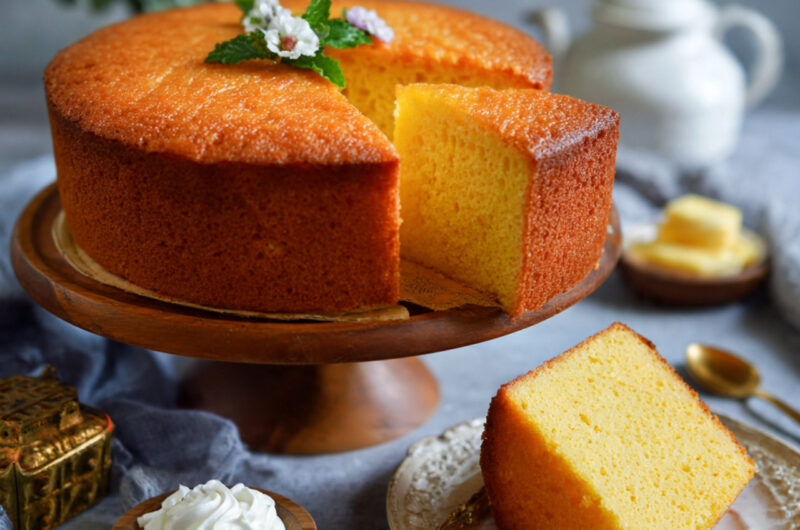
Butter Cake
Course: Cake4
servings15
minutes40
minutes320
kcal1
hour15
minutesA tender, golden butter cake made with simple pantry staples. Rich in flavor, light in texture, and perfectly suited to afternoon tea, casual celebrations, or a quiet weeknight at home.
Ingredients
For the Batter:
1 cup (225g) unsalted butter, softened
1 cup (200g) granulated sugar
4 large eggs
2 cups (250g) all-purpose flour
2 tsp baking powder
½ cup (120ml) whole milk
1 tsp vanilla extract
Directions
- Preheat oven to 180°C (350°F). Grease a 9-inch round or 8×8 square cake pan.
- Beat softened butter and sugar together on medium speed for 3 to 4 minutes until pale and fluffy.
- Add eggs one at a time, mixing briefly on low between each addition.
- Sift flour and baking powder together. Fold half into the batter, then add milk and vanilla, then fold in the remaining flour. Mix until just combined — stop as soon as no dry streaks remain.
- Pour batter into the prepared pan and smooth the top.
- Bake for 35 to 40 minutes, until golden on top and a toothpick inserted in the center comes out clean.
- Cool in the pan for 10 minutes, then transfer to a wire rack and cool for a further 15 to 20 minutes before slicing.