The Silkiest Cream Cheese Frosting That Makes Every Cake Better
My grandmother kept a handwritten index card tucked inside her baking tin that said exactly two things: real butter and don’t rush it. She wrote that about her cream cheese frosting, and the first time I watched her make it — ribbon after ribbon of ivory cream curling off the beaters — I understood what she meant. It wasn’t just a topping. It was the whole point.
There is nothing quite like a frosting that manages to be rich and light at the same time. This one clings to a cake like a cloud — impossibly smooth, with that signature gentle tang cutting right through the sweetness. The aroma alone, faintly vanilla with that fresh, milky sourness, will have people wandering into the kitchen before the cake even hits the table.
Whether you’re frosting a towering carrot cake for Easter, piping swirls onto red velvet cupcakes for a birthday, or simply slathering it over a humble banana snack cake on a Tuesday night, this homemade frosting pulls double duty with ease. It’s the kind of recipe that becomes a reflex — you’ll find yourself reaching for it every time. A dollop of tangy frosting on the right cake is worth more than any fancy decoration.
Why You’ll Love This Recipe
It’s Perfectly Balanced Between Sweet and Tangy
Most store-bought frostings tip so far into sugar territory that the flavor becomes one-note and cloying. This one keeps its character — the natural tang of cream cheese plays against the powdered sugar in a way that keeps every bite interesting and never overwhelming.
The Texture Is Pure Velvet
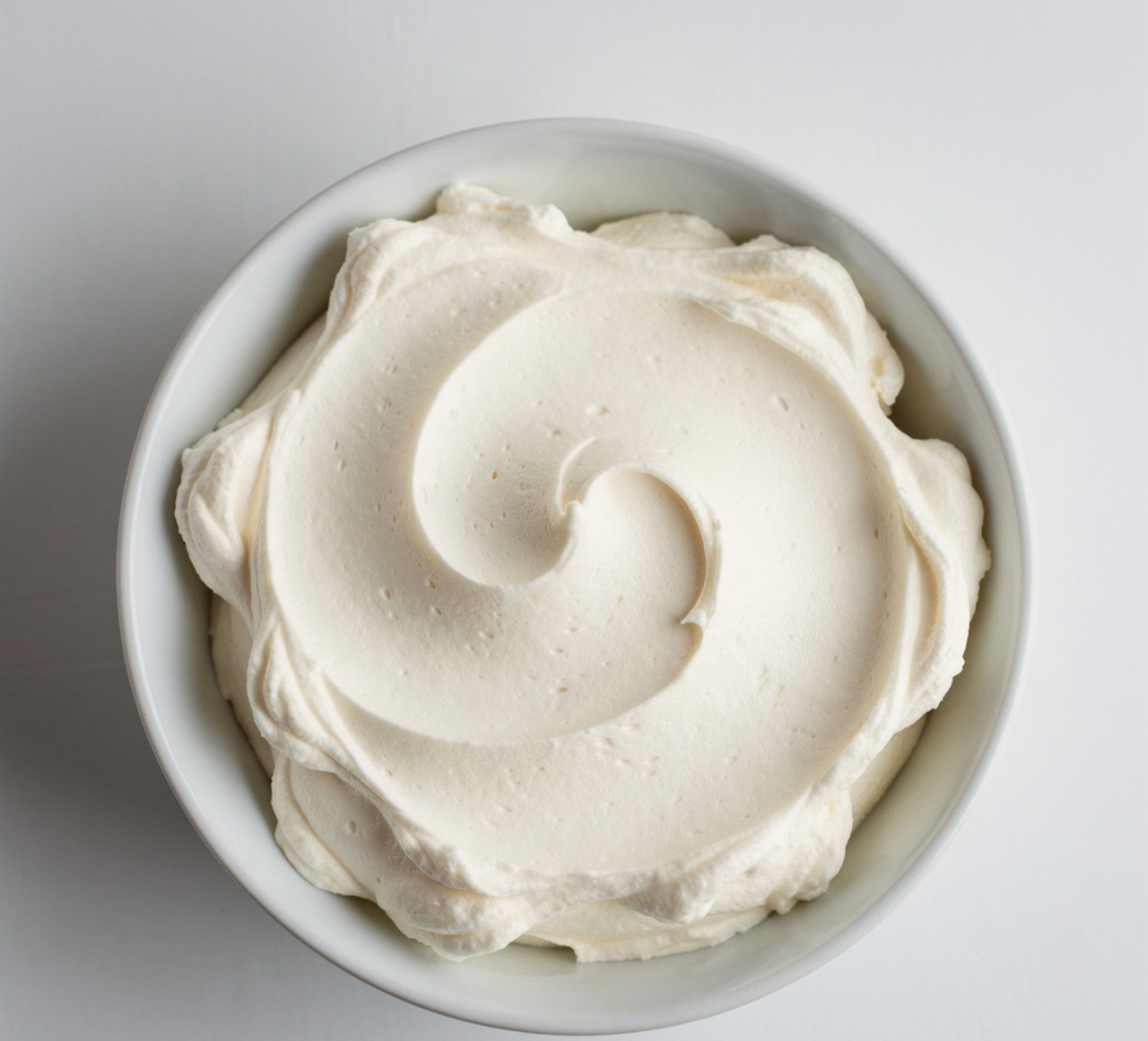
When made right, this cream cheese icing is pillowy and smooth, spreadable but stable enough to pipe. It holds a swirl on a cupcake without collapsing and glides over a layered cake without tearing the crumb.
It Comes Together in Under 10 Minutes
No double boiler, no candy thermometer, no complicated technique. You need a hand mixer or stand mixer, four ingredients, and about eight minutes. Even on a busy weeknight, this frosting is genuinely achievable.
It Works on Practically Everything
Carrot cake, red velvet, cinnamon rolls, lemon cake, banana bread — this frosting doesn’t play favorites. It has enough personality to hold its own but enough versatility to pair with almost any flavor.
It Tastes Like Something Made With Love
There’s a warmth to homemade cream cheese frosting that no tub from the store ever replicates. Something about the freshness of the ingredients, the way it smells, the way it looks freshly spread — it just reads made from scratch, and people notice.
Ingredients
For the Frosting Base
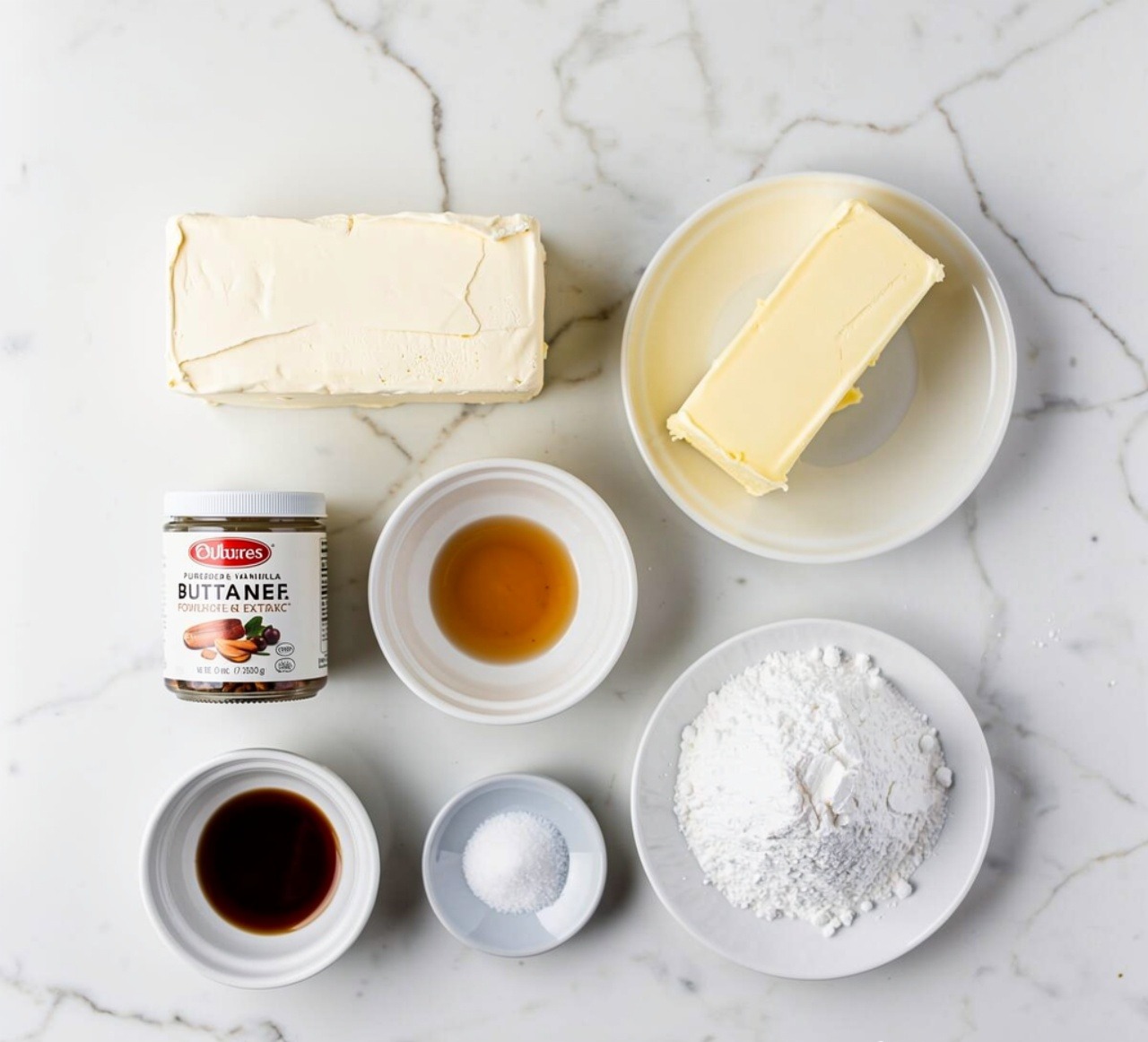
- 8 oz (225g) full-fat block cream cheese, softened to room temperature
- ½ cup (115g) unsalted butter, softened to room temperature
- 3 cups (360g) powdered sugar, sifted (sifting prevents lumps)
- 1½ tsp pure vanilla extract (not imitation — it makes a real difference here)
- Pinch of fine sea salt (balances and brightens every flavor)
Optional for Consistency Adjustment
- 1–2 tbsp heavy cream or whole milk (only if you need a looser consistency for drizzling or thin spreading)
The magic of this recipe is in how few ingredients are involved. The cream cheese delivers body and tang, the butter gives richness and that melt-in-your-mouth quality, the sifted powdered sugar sweetens without graininess, and vanilla ties it all together. Salt might seem like a small thing, but skip it and the frosting tastes flat — add it and everything pops.
How to Make Cream Cheese Frosting — Step-by-Step
Step 1: Bring Your Ingredients to Room Temperature
Take the cream cheese and butter out of the fridge at least 45 minutes before you start. Cold cream cheese will lump and fight the mixer instead of whipping smooth. You’ll know they’re ready when you can press a finger gently into the butter and leave an indent without forcing it.
Step 2: Beat the Cream Cheese Until Smooth
Place the softened cream cheese in the bowl of your stand mixer (or a large bowl if using a hand mixer) and beat on medium speed for about 90 seconds, until it looks completely lump-free and slightly fluffy. Don’t worry if it looks a little sticky at this stage — once the butter goes in, everything smooths out beautifully.
Step 3: Add the Butter and Beat Together
Add the softened butter to the cream cheese and beat on medium-high for 2 full minutes. The mixture will turn noticeably lighter in color and look almost whipped — that’s exactly what you want. Scrape down the sides of the bowl halfway through so nothing gets left behind.
Step 4: Add Powdered Sugar Gradually
With the mixer on low speed, add the sifted powdered sugar one cup at a time. Adding it all at once creates a powdered sugar cloud in your kitchen and can overwork the frosting. Once all the sugar is incorporated, increase speed to medium and beat for another minute until fluffy. Don’t worry if it looks a touch stiff — the vanilla and salt go in next and bring it together.
Step 5: Add Vanilla, Salt, and Adjust Consistency
Add the vanilla extract and pinch of salt, then beat on medium for 30 seconds. Taste it. It should be silky, tangy, and sweet with a clean finish. If you need it slightly looser for spreading or drizzling, add heavy cream one tablespoon at a time and mix briefly. The finished frosting should be creamy, glossy, and hold a soft peak.
Perfecting This Recipe
- Use full-fat block cream cheese, not the kind in a tub. Spreadable cream cheese contains more moisture and will make the frosting runny and unstable.
- Both cream cheese and butter must be genuinely soft — not melted, not cold. Unevenly tempered ingredients are the number one reason frosting turns out lumpy.
- Always sift your powdered sugar. It takes 30 extra seconds and saves you from a grainy texture.
- Don’t overbeat once the sugar is added. Overbeating incorporates too much air and can make the frosting slightly gummy and unstable on a warm cake.
- If your kitchen is warm and the frosting feels too soft after making, pop it in the fridge for 15–20 minutes before spreading or piping.
- Beat the cream cheese alone first, before adding butter. This one extra step guarantees a lump-free finish every single time.
Common Mistakes to Avoid
- Using cold cream cheese — This is the top culprit for lumpy frosting. No amount of beating will fully smooth out cold, dense cream cheese once you’ve added the sugar. Always give it time to come to room temperature.
- Using tub-style cream cheese — It’s tempting because it’s already soft, but tub cream cheese has a looser consistency and higher water content that will make your frosting weep and slide off the cake.
- Adding all the sugar at once — Dumping in three cups of sugar in one go makes it nearly impossible to control texture. Add it gradually on low speed to keep things smooth and lump-free.
- Overbeating the finished frosting — Once everything is combined, beat just until fluffy and stop. Prolonged mixing on high speed can cause the frosting to soften, especially if your kitchen is warm.
- Frosting a warm cake — This will melt your frosting into a glossy puddle. Always let cakes cool completely — and for layered cakes, a 30-minute fridge chill before frosting makes a dramatic difference.
Add Your Touch
- Stir in 1 tsp lemon or orange zest for a citrus-kissed version that pairs beautifully with poppy seed or blueberry cake.
- Add 2 tbsp unsweetened cocoa powder along with the sugar for a chocolate cream cheese frosting.
- Mix in ½ tsp cinnamon and a pinch of nutmeg for a spiced version that’s perfect on carrot or apple cake.
- Fold in 2 tbsp seedless raspberry jam after the frosting is made for a berry-swirled version — stunning on a vanilla or lemon layer cake.
- For a less sweet, more tangy frosting, reduce powdered sugar by ½ cup and increase cream cheese by 2 oz.
- A teaspoon of espresso powder deepens the flavor in a subtle, grown-up way — especially good on chocolate or banana cake.
Visit Also: Sloppy Joe Recipe
What to Serve With This
- Classic carrot cake — The standard bearer; cream cheese frosting was made for it.
- Red velvet layer cake — The mild cocoa and buttermilk in red velvet are the perfect canvas for that frosting tang.
- Cinnamon rolls — Drizzle it slightly warmer and looser over fresh rolls straight from the oven.
- Banana bread or banana snack cake — The frosting’s tang contrasts the sweetness of the banana in the best possible way.
- Lemon pound cake — Citrusy, dense, and buttery with that cool, creamy frosting on top is a summer showstopper.
- A glass of cold milk or a hot cup of coffee — Simple and right every single time.
Storing and Serving
Fridge:
Transfer frosted items or leftover frosting to an airtight container and refrigerate for up to 5 days. The frosting firms up when cold, so bring frosted cakes to room temperature for 30 minutes before serving for the best texture.
Freezer:
Cream cheese frosting freezes surprisingly well. Store in an airtight freezer-safe container for up to 3 months. Thaw overnight in the refrigerator, then re-whip briefly with a hand mixer to restore its fluffy texture.
Reheating:
This frosting is not reheated, but if it comes out of the fridge too stiff to spread, let it sit at room temperature for 20–30 minutes and give it a quick stir or a brief beat with a mixer.
Make-Ahead Tip:
You can make this frosting up to 3 days in advance. Store it in an airtight container in the refrigerator, then let it soften at room temperature and re-whip for one minute before using.
Servings:
This recipe makes enough to generously frost a 9×13 sheet cake, a two-layer 8-inch round cake, or 24 standard cupcakes with a piped swirl.
Nutrition (Approximate Per Serving)
Based on 24 servings (cupcake portion)
- Calories: 145
- Total Fat: 9g
- Saturated Fat: 5.5g
- Carbohydrates: 15g
- Sugar: 14g
- Protein: 1g
- Sodium: 65mg
Nutritional values are approximate and may vary based on specific ingredients and brands used.
Chef’s Helpful Tips
- Room temperature ingredients aren’t just a suggestion — they’re the entire reason this frosting turns out smooth. Set a timer when you pull them from the fridge so you don’t forget.
- If you’re piping onto cupcakes, chill the finished frosting for 20 minutes first. Cold frosting holds a piped edge much more crisply and won’t slump in warm conditions.
- For clean cake slices, dip your knife in hot water and wipe dry between each cut. The frosting will release cleanly instead of dragging.
- Quality vanilla extract genuinely changes the flavor. A small bottle of good pure vanilla costs very little and makes the whole frosting taste more complex and rounded.
- If your frosting tastes too sweet, add an extra small pinch of salt and a squeeze of fresh lemon juice — both cut through sweetness without changing the flavor profile dramatically.
Frequently Asked Questions
Q1. Can I make cream cheese frosting without a stand mixer?
Absolutely — a hand mixer works just as well and is actually what most home bakers use. Just make sure your cream cheese and butter are very soft so the hand mixer doesn’t struggle. A whisk and some elbow grease can work too, but the result won’t be quite as fluffy.
Q2. How is this different from regular buttercream?
Buttercream is purely butter and sugar, which makes it very sweet and rich. Cream cheese frosting has that same richness but adds a mild, pleasant tang that balances the sweetness. Most people find it less cloying and more interesting than a standard American buttercream.
Q3. Can a beginner make this successfully?
This is honestly one of the most beginner-friendly frostings there is — four ingredients, one bowl, no special technique beyond making sure your ingredients are soft. If you’ve ever made frosting before, this will feel completely natural. If you haven’t, this is a great place to start.
Q4. Can I make this ahead for a party or potluck?
Yes, and it actually works beautifully for it. Make the frosting up to three days ahead, store it in the fridge, then let it come to room temperature and give it a quick re-whip before spreading. Frosted cakes can also be refrigerated a day ahead — just take them out 30 minutes before serving.
Q5. Can I freeze a frosted cake?
You can! Freeze the frosted cake uncovered for one hour to firm up the frosting, then wrap tightly in plastic wrap followed by foil. It keeps well for up to 2 months. Thaw overnight in the refrigerator, unwrap, and bring to room temperature before slicing.
Conclusion
Some recipes are techniques. Some are traditions. This cream cheese frosting is both — the kind of thing you make once and then never stop making, the thing you bring to every birthday and bake sale until people start requesting it by name. It’s humble in its ingredient list and quietly extraordinary in what it does to whatever it touches.
If you try this recipe, I genuinely hope it earns a spot in your regular rotation the way it has in mine. Spread it thickly, pipe it beautifully, or eat a spoonful straight from the bowl — no judgment here. Make it your own, share it with people you love, and don’t forget what my grandmother wrote on that little index card: real butter, and don’t rush it.
Classic Cream Cheese Frosting
Course: Trending Recipes24 cupcakes
servings5
minutes145
kcal8
15–20
10
minutesSilky, tangy, and perfectly sweet — this foolproof cream cheese frosting comes together in under 10 minutes and makes every cake it touches taste like a celebration.
Ingredients
Frosting Base:
8 oz (225g) full-fat block cream cheese, softened
½ cup (115g) unsalted butter, softened
3 cups (360g) powdered sugar, sifted
1½ tsp pure vanilla extract
Pinch of fine sea salt
Optional:
1–2 tbsp heavy cream or whole milk (for looser consistency)
Directions
- Beat softened cream cheese on medium speed for 90 seconds until completely smooth and lump-free.
- Add softened butter and beat on medium-high for 2 minutes until light and fluffy. Scrape down the bowl.
- With mixer on low, add sifted powdered sugar one cup at a time. Once incorporated, beat on medium for 1 minute.
- Add vanilla extract and salt. Beat 30 seconds. Add cream one tablespoon at a time if a looser texture is needed.
- Use immediately or refrigerate until ready to frost.