The Softest, Fluffiest Girl Cake Recipe for Birthdays and Sweet Celebrations
There’s one reason most homemade vanilla cakes turn out dense, dry, or disappointingly flat — and it almost always comes down to cold butter and a batter that was rushed through mixing. When the fat doesn’t cream properly, the entire structure breaks down before the cake ever reaches the oven. This Girl Cake recipe takes that frustration completely off the table, walking you through the exact steps that keep every slice light, even, and genuinely worth showing off.
Picture cutting into a pale golden layer with a fine, tender crumb that yields gently at the fork. The flavor is softly sweet and clean — vanilla doing exactly what it should without competing with anything else. There’s a warm buttery richness woven through every bite, and the whipped frosting on top adds just enough creaminess to feel celebratory without ever feeling heavy. Your kitchen fills with that proper bakery warmth the moment it hits the oven, and when you lift the first clean slice and everything holds perfectly together, you’ll understand why this one keeps getting requested.
This easy homemade cake fits just as naturally into a birthday party spread as it does a relaxed Sunday afternoon with tea. It’s the kind of fluffy vanilla cake that scales beautifully for small families and big gatherings alike, decorates however your mood takes you, and tastes just as good the next morning as it did the night before. Whether you’re celebrating something big or simply want something cheerful on the table, let’s get baking.
Why You’ll Love This Recipe
It Has a Tender Crumb That Stays Soft for Days
This cake doesn’t dry out by morning. The balance of butter, eggs, and whole milk keeps the crumb moist and springy even after refrigerating overnight. Each bite has that gentle give that signals a properly made cake — not a dense sponge, not a dry block.
Every Ingredient Is Already in Your Pantry
No specialty flours, no unusual extracts, no trips to a gourmet shop. This recipe is built entirely from the basics — flour, sugar, butter, eggs, and milk — so you can decide to make it on a whim and actually pull it off without a shopping run.
Decorating Is Half the Experience
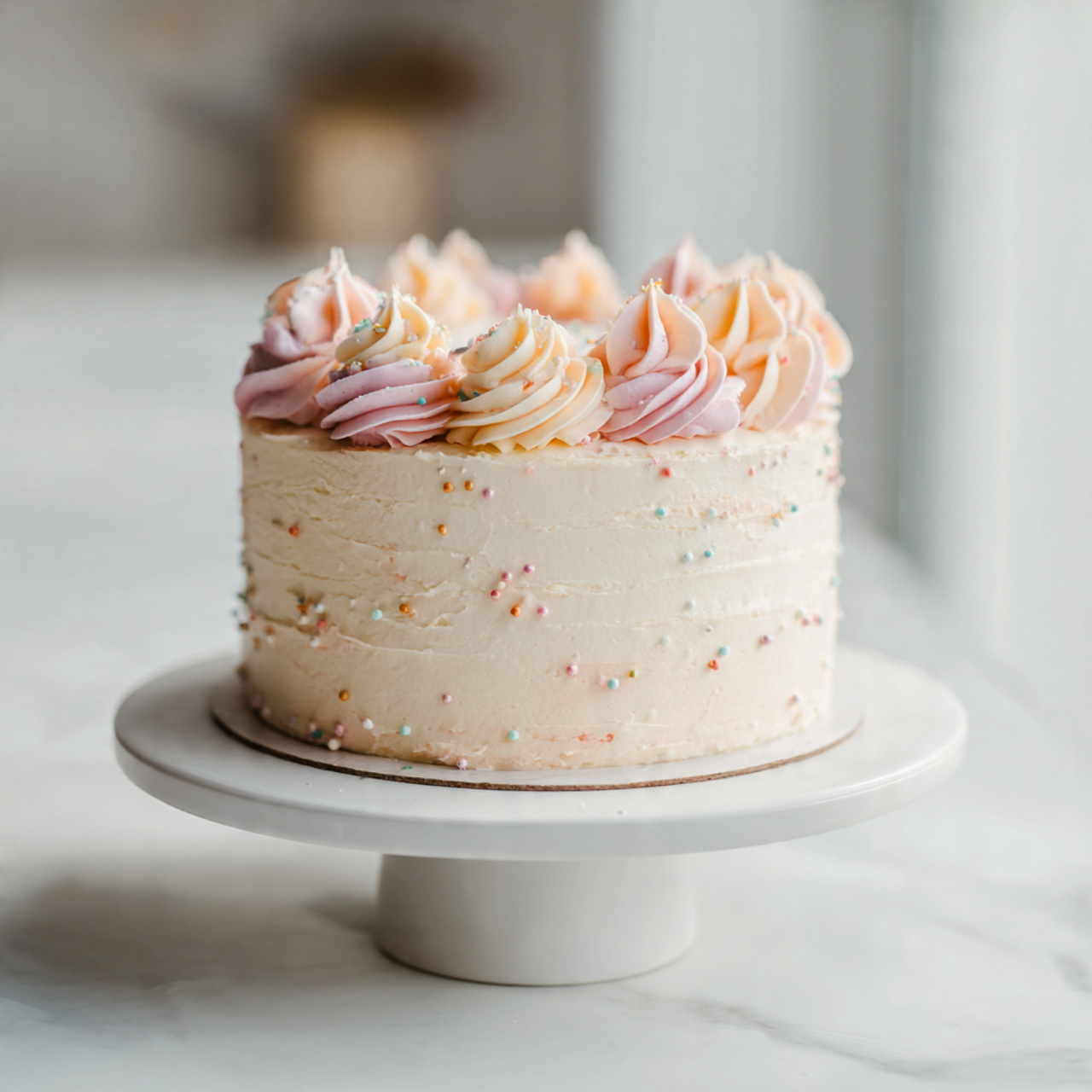
One of the best things about this Girl Cake is the blank canvas it gives you. The neutral vanilla base pairs with any frosting color, any flavor combination, and any decoration style from simple swirls to rainbow sprinkles. It invites creativity without demanding it.
It Scales Without Any Fuss
Whether you’re baking one small round for a quiet birthday or doubling up for a full party dessert table, this recipe handles it easily. The batter stays consistent at larger quantities, and the bake time scales predictably so you’re never left guessing.
It Feels Special Without Being Complicated
You don’t need piping bags, a stand mixer, or three free hours. The process is relaxed enough for a complete beginner and satisfying enough for someone who bakes regularly. It hits that sweet spot between effort and outcome that makes it worth coming back to.
Ingredients
For the Cake Batter
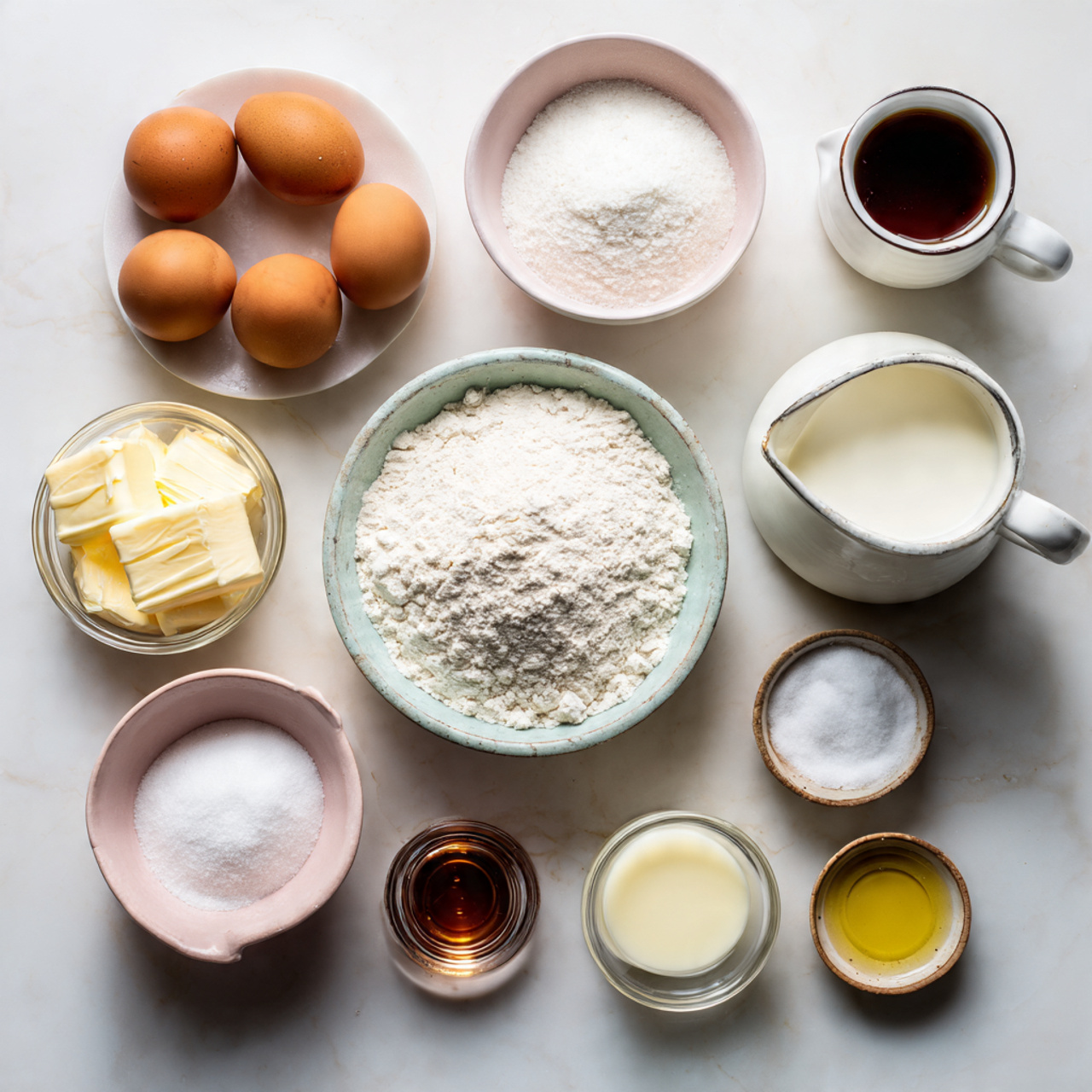
- 2 cups all-purpose flour (spooned and leveled — never scooped directly from the bag)
- 1 cup granulated sugar
- ½ cup unsalted butter, softened (leave at room temperature for at least 30 minutes before mixing)
- 2 large eggs, room temperature
- 1 cup whole milk, room temperature (full-fat gives the best texture)
- 1 tablespoon baking powder
- 1 teaspoon pure vanilla extract (pure, not imitation — the depth of flavor is noticeably different)
- Pinch of fine salt
For the Frosting and Decoration
- 1 cup whipped cream or buttercream frosting (store-bought works beautifully, or whip your own)
- Food coloring, optional (gel-based gives the most vivid, even color without thinning the frosting)
The butter and eggs build the structure and richness here, while the milk loosens the batter just enough for that open, soft crumb. The vanilla ties it all together — simple ingredients doing exactly what they’re meant to do.
How to Make Girl Cake — Step-by-Step
Step 1: Set Up Your Oven and Pans
Preheat your oven to 180°C (350°F) and grease your cake pan thoroughly, then dust it lightly with flour or line the base with parchment paper. Getting this right means the cake releases cleanly later — no torn edges, no stuck bottoms. Don’t worry if a little flour clings to the sides; that’s exactly what you want.
Step 2: Cream the Butter and Sugar Properly
In a large bowl, beat the softened butter and sugar together for 2–3 full minutes until the mixture is pale, noticeably fluffy, and lighter in color. This is the step most people skip through too quickly, and it’s the one that matters most for lift. The mixture should look almost whipped and smell faintly like shortbread. Don’t worry if it takes a little longer with a hand mixer — just keep going until you see that color change.
Step 3: Add the Eggs and Liquid
Crack in the eggs one at a time, mixing well after each addition before adding the next. Pour in the milk and vanilla extract and stir gently to combine. The batter may look slightly curdled at this stage — that’s completely normal and sorts itself out once the flour goes in. Just keep mixing slowly and trust the process.
Step 4: Fold in the Dry Ingredients
In a separate bowl, whisk together the flour, baking powder, and salt. Add the dry ingredients to the wet mixture in two additions, folding gently with a spatula or mixing on low speed until just combined. You’re looking for a smooth, slightly thick batter with no dry streaks. Stop mixing the moment it comes together — overmixing is the single biggest enemy of a soft, tender crumb.
Step 5: Bake, Cool, and Decorate
Pour the batter into your prepared pan, smooth the top with a spatula, and give the pan a light tap on the counter to release any air bubbles. Bake for 28–32 minutes until the top is a gentle golden color, the edges have pulled slightly away from the pan, and a toothpick inserted in the center comes out completely clean. Let the cake cool in the pan for 10 minutes, then transfer to a wire rack and cool fully before frosting. Adding cream to a warm cake will melt everything — this is the one place where patience really pays off.
Perfecting This Recipe
- Don’t rush the creaming step. Two to three minutes of beating butter and sugar isn’t excessive — it’s the foundation. Pale and fluffy means air has been worked in, and that air is what lifts the cake.
- Room temperature ingredients matter more than people think. Cold eggs and cold milk can cause the batter to split or bake unevenly. Pull everything out 30 minutes before you start.
- Measure flour accurately. Spoon it into the measuring cup and level off the top — never scoop directly from the bag, which packs in extra flour and leads to a dense, dry result.
- Watch the last five minutes. Ovens vary, and 30 minutes is a guide, not a guarantee. Start checking at the 28-minute mark with a toothpick. A clean pull means it’s done.
- Let it rest before slicing. Even after it’s been frosted, 20 minutes in the fridge before cutting makes for cleaner slices and a more set crumb.
- Use the right pan size. A pan that’s too large spreads the batter thin and bakes dry; one that’s too small leaves the center underdone. An 8-inch round or a comparable square pan works well with this amount of batter.
Common Mistakes to Avoid
- Using butter straight from the fridge — Cold butter won’t cream with sugar properly, and you’ll end up with a lumpy mixture that never develops the right light texture. Softened butter should leave a slight indent when pressed but feel neither greasy nor melted.
- Adding all the flour at once — Dumping the dry ingredients in a single go makes it almost impossible to avoid overmixing. Add in two stages and fold gently for a much lighter, airier result.
- Opening the oven too early — Peeking before the 25-minute mark causes the center to sink. Wait until you can smell the cake before opening the door.
- Frosting a warm cake — This is the fastest way to end up with sliding, melted frosting and a soggy top layer. The cake must be completely cool — not slightly warm, completely cool — before any frosting goes on.
- Skipping the toothpick test — A golden top doesn’t guarantee a baked center. A toothpick inserted in the middle should come out completely clean before you pull the pan from the oven.
Add Your Touch
- Swap vanilla extract for strawberry essence, almond extract, or a drop of rose water for a completely different flavor direction.
- Fold a handful of rainbow sprinkles directly into the batter before baking for a surprise confetti effect inside the cake.
- Add a thin layer of strawberry jam or raspberry preserve between layers before frosting for a fruity, jammy middle.
- Tint the batter itself with a small amount of pink or lavender gel food coloring so cutting the cake reveals a pastel surprise.
- Top with fresh sliced strawberries, edible flowers, or crushed freeze-dried raspberries for decoration that looks stunning with zero extra skill.
- Replace the whole milk with coconut milk and pair with a coconut-flavored frosting for a tropical twist on the same base.
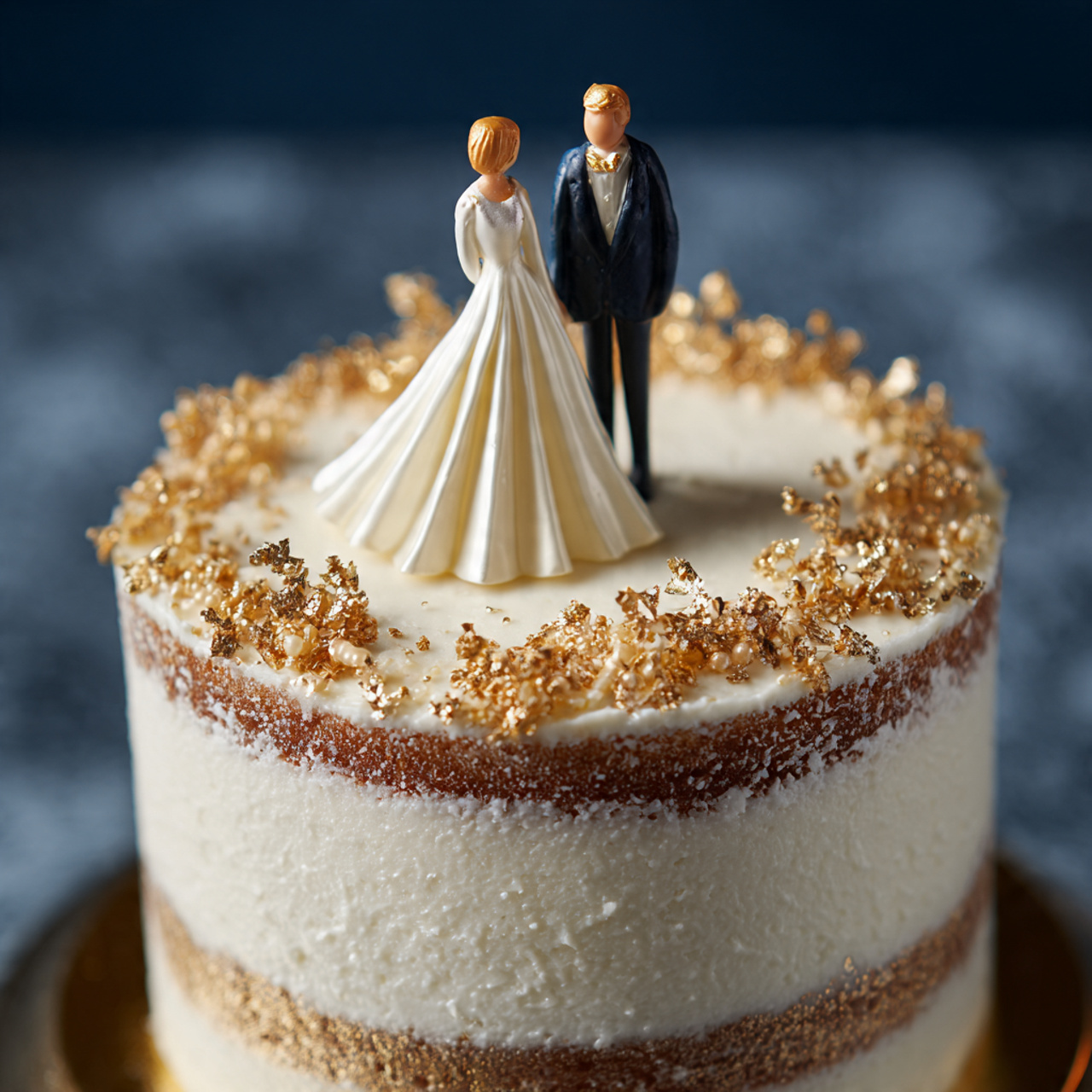
Visit Also: Two Tier Wedding Cake
What to Serve With This
A slice of this celebration cake pairs beautifully with a cold glass of vanilla milk or a strong cup of black tea — the contrast in sweetness and temperature works really well together. Fresh strawberries or raspberries on the side add a tartness that balances the frosting without competing with the cake. For a full dessert table, set it alongside a simple fruit salad and a plate of shortbread cookies for something that feels generous without being overwhelming. A scoop of vanilla or strawberry ice cream alongside each slice turns it into an event all on its own.
Storing and Serving
Fridge Once frosted, cover the cake loosely with plastic wrap or store in an airtight container. It keeps well in the refrigerator for up to 3 days without much loss of quality — the crumb holds up beautifully and the frosting stays set and even.
Freezer Unfrosted cake layers freeze very well. Wrap each layer tightly in plastic wrap, then a layer of foil, and freeze for up to one month. Thaw overnight in the refrigerator and frost once fully defrosted. Frosted slices can also be frozen individually — the frosting texture may soften slightly after thawing, but the sponge stays good.
Reheating This cake is best enjoyed at room temperature or slightly chilled — no oven reheating needed. If it’s been refrigerated, pull it out 20–30 minutes before serving to take the chill off. A quick 10–12 seconds in the microwave per slice works if you prefer a slightly warmer bite.
Make-Ahead Tip Bake the cake layers up to one day ahead and store tightly wrapped at room temperature. The frosting can also be made and refrigerated separately. Assemble and decorate on the day of serving for the freshest result.
Servings This recipe yields approximately 8 generous slices from a single round cake. Double the recipe for a two-layer stacked celebration cake.
Nutrition (Approximate Per Serving)
- Calories: ~370
- Total Fat: ~16g
- Saturated Fat: ~9g
- Carbohydrates: ~51g
- Sugar: ~27g
- Protein: ~5g
- Sodium: ~210mg
Nutritional values are approximate and may vary based on specific ingredients and brands used.
Chef’s Helpful Tips
- Soften butter the right way. Leave it on the counter for 30 minutes — don’t microwave it. Melted butter behaves completely differently from softened butter and will throw off the crumb texture.
- Don’t open the oven door before 25 minutes. Every time the door opens, heat escapes and the center can collapse. Set a timer and let the cake do its thing undisturbed.
- Get clean slices every time. Run a sharp knife under hot water, wipe it dry, then cut. Repeat between each slice for neat, professional-looking portions.
- Invest in good vanilla extract. In a recipe this simple, the vanilla is doing a lot of heavy lifting. Pure extract costs a little more and gives the whole cake a warmth and depth that imitation extract simply can’t replicate.
- If your cake domes in the center, gently press the top down with a clean folded kitchen towel immediately after it comes out of the oven while still warm. It will level out and stack cleanly for a layered version.
Frequently Asked Questions
Q1. Can I replace the eggs in this recipe? Yes — substitute each egg with 3 tablespoons of plain yogurt or ¼ cup of mashed ripe banana. The yogurt version stays closest to the original texture, while banana adds a subtle sweetness and a slightly denser crumb. Either option bakes up soft and holds together well.
Q2. How far in advance can I make this for a birthday? The cake layers can be baked one full day ahead and stored tightly wrapped at room temperature. Fully assembled and frosted cakes keep well in the fridge for up to 2 days. Bring it to room temperature for 20–30 minutes before serving and it will taste as fresh as the day it was made.
Q3. Is this recipe beginner-friendly? Completely. The steps are straightforward and every ingredient is familiar. As long as you give the butter time to soften, don’t rush the creaming step, and resist the urge to open the oven early, this cake will come out well even on the very first try.
Q4. How does this compare to a store-bought birthday cake? Honestly, it’s better — and not by a small margin. Store-bought cakes rely on shortening-based frosting and artificial flavoring. This one uses real butter, real vanilla, and whole milk, which gives it a warmth and depth you can actually taste. The texture is noticeably softer and less dense than most grocery store options.
Q5. Can I freeze the finished cake? Unfrosted layers freeze with excellent results — up to one month, tightly wrapped. For frosted slices, freeze them flat on a tray first until solid, then wrap each piece individually. The sponge holds up well to freezing and the flavor stays true after thawing.
Conclusion
Some recipes are just good — reliable, unfussy, and genuinely enjoyable to eat every single time. This Girl Cake is one of those. It doesn’t ask for specialized skills or hard-to-find ingredients, and it doesn’t pretend to be more complicated than it is. What it gives you in return is a slice of something soft, sweet, and genuinely homemade — the kind of thing people reach for seconds of without needing to be asked. The simplicity is entirely the point, and the warmth it creates around a table is the whole reward.
Whether you make it exactly as written or use it as a jumping-off point for something uniquely yours, this recipe has a way of becoming a regular. Try it once for a birthday, decorate it however feels right, and see where it goes. The best part about a cake this flexible is that it’s never really the same twice — and that’s exactly what keeps it interesting.
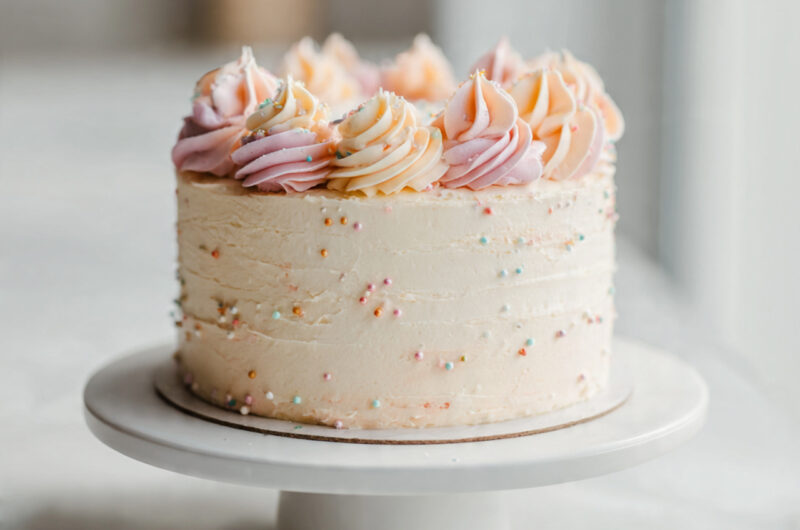
Soft and Fluffy Girl Cake
Course: Cake4
servings15
minutes32
minutes370
kcal1
hour15
minutesA light, golden vanilla cake with a tender crumb and whipped frosting — made for birthdays, family celebrations, or any moment that calls for something cheerful and homemade on the table.
Ingredients
For the Cake Batter:
2 cups all-purpose flour
1 cup granulated sugar
½ cup unsalted butter, softened
2 large eggs, room temperature
1 cup whole milk, room temperature
1 tablespoon baking powder
1 teaspoon pure vanilla extract
Pinch of fine salt
For the Frosting and Decoration:
1 cup whipped cream or buttercream frosting
Food coloring, optional
Directions
- Preheat oven to 180°C (350°F). Grease and lightly flour an 8-inch round cake pan.
- Whisk flour, baking powder, and salt together in a bowl. Set aside.
- Beat softened butter and sugar on medium speed for 2–3 minutes until pale and fluffy.
- Add eggs one at a time, mixing well after each. Stir in milk and vanilla extract.
- Add dry ingredients in two additions, folding gently until just combined. Do not overmix.
- Pour batter into prepared pan, smooth the top, and tap the pan lightly on the counter.
- Bake 28–32 minutes until golden and a toothpick inserted in the center comes out clean.
- Cool in the pan for 10 minutes, then transfer to a wire rack and cool completely.
- Frost with whipped cream or buttercream, decorate as desired, and serve.