The Softest, Creamiest Graduation Cake That Makes Every Milestone Feel Unforgettable
Most homemade layer cakes bake up dense, dry, or crumbly — and they fall apart the moment you try to stack and frost them. This Graduation Cake is built differently. With a buttery vanilla sponge that stays impossibly moist and layers that hold together cleanly every single time, this is the recipe that finally gets a celebration cake right.
Close your eyes and picture it: a fork gliding through two cloud-soft layers of golden vanilla cake, the frosting cool and silky in between. Every bite is tender and buttery, with a deep warmth from real vanilla that fills the kitchen the moment it hits the oven. The crumb is fine and even, the frosting melts gently on your tongue, and the whole thing smells like something you’d find behind the glass at a real bakery.
Whether you’re hosting a backyard graduation party, putting together a small family dinner, or trying to fit some baking into a genuinely packed celebration week, this graduation cake recipe rises to every occasion. It’s the kind of easy homemade cake that photographs beautifully, earns real compliments, and somehow looks far more impressive than the effort it actually takes. Ready to see how simple it really is?
Why You’ll Love This Recipe
Tender, Moist Layers That Hold Together Beautifully
The ratio of butter, eggs, and whole milk in this batter creates a crumb that stays soft and springy for days — no dry edges, no crumbling slices. The alternating method of adding dry and wet ingredients is what keeps the texture perfectly even from the center all the way out.
Pure Vanilla Flavor That Does All the Work
This cake doesn’t need fillings, soaks, or tricks to taste genuinely amazing. One full tablespoon of pure vanilla extract delivers a warm, fragrant depth that pairs with any frosting you love and makes every single bite feel like a real celebration.
Beginner-Friendly from the Very First Step
No stand mixer required, no specialty equipment, no intimidating techniques. If you can cream butter and sugar and pour batter into a pan, you can absolutely nail this recipe. The steps are forgiving, the timing is straightforward, and the results consistently look more impressive than the effort involved.
A Blank Canvas for Any Theme or Color
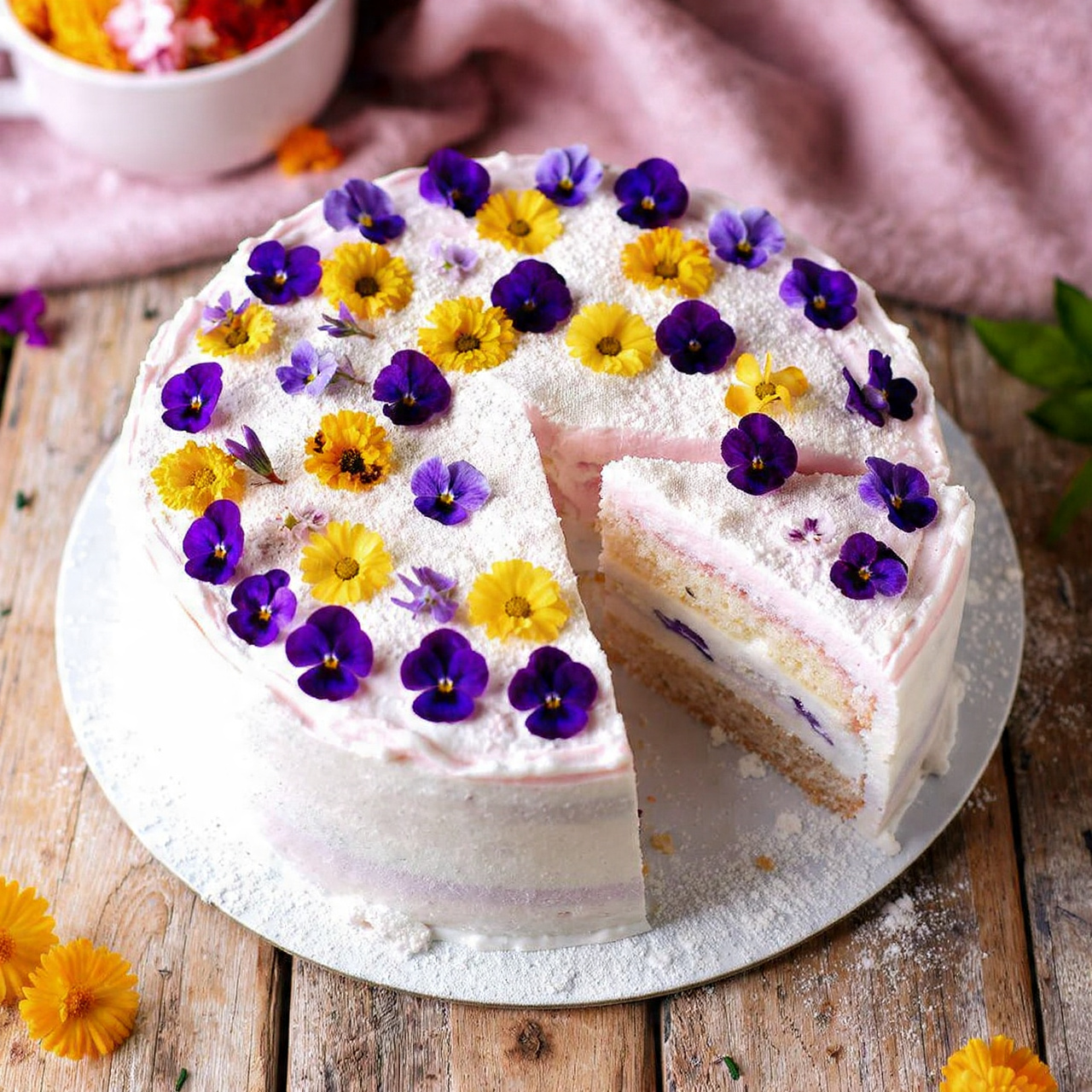
School colors, piped names, fresh flowers, rainbow sprinkles — this cake welcomes all of it. The neutral vanilla base works with any frosting flavor or decoration style, making it just as stunning dressed up for a big graduation party as it is kept simple and classic for a small family dinner.
Genuinely Perfect for Making Ahead
Graduation week rarely leaves time for last-minute baking, and this cake works beautifully in advance. Bake the layers a day or two early, wrap them up, and frost the morning of your celebration. It actually tastes better after a rest.
Ingredients
For the Cake Layers
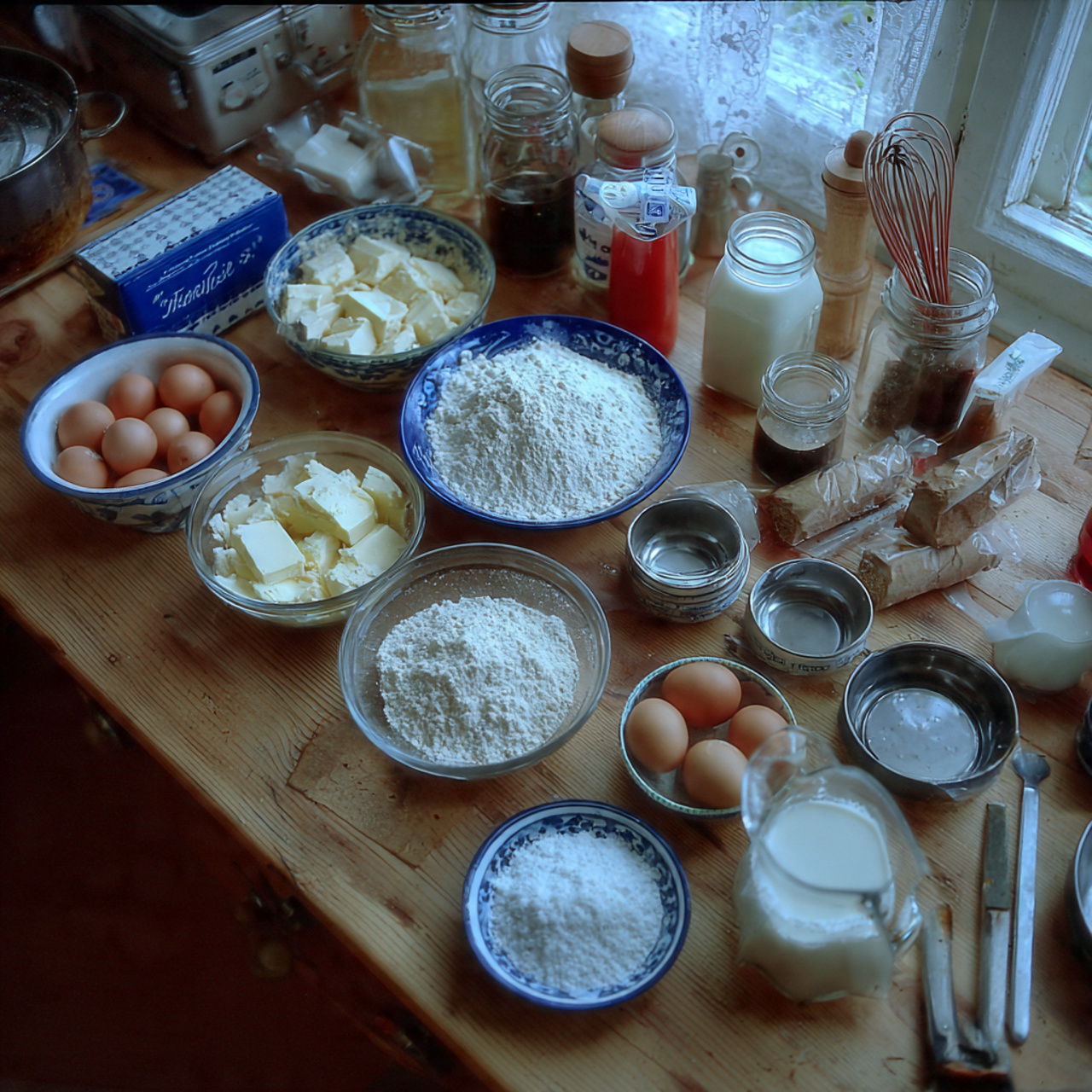
- 2 ½ cups all-purpose flour
- 2 ½ teaspoons baking powder
- ½ teaspoon salt
- 1 cup unsalted butter, softened (at room temperature — this is essential for a fluffy, airy crumb)
- 1 ¾ cups granulated sugar
- 4 large eggs
- 1 tablespoon pure vanilla extract (use pure, not imitation, for the deepest flavor)
- 1 cup whole milk (full-fat gives the richest, most tender texture)
For the Vanilla Frosting
- 3 cups powdered sugar, sifted (sifting prevents lumps and gives you a silky finish)
- ½ cup unsalted butter, softened
- 2–3 tablespoons whole milk (add one tablespoon at a time to control consistency)
- Food coloring or sprinkles, optional for decoration
Together, the buttery sponge and smooth frosting strike a balance that’s rich without being heavy — sweet enough to feel like a proper celebration dessert, and tender enough to keep everyone reaching for a second slice.
How to Make Graduation Cake — Step-by-Step
Step 1: Prep Your Pans and Oven
Preheat your oven to 350°F (175°C) and generously grease two 8-inch round cake pans. Line the bottom of each with a circle of parchment paper — this single step makes unmolding the layers so much cleaner and easier. Don’t worry if your parchment circles aren’t perfectly cut; a little imprecision here has absolutely no effect on how the cake turns out.
Step 2: Whisk the Dry Ingredients
In a medium bowl, whisk together the flour, baking powder, and salt until fully combined. Setting these aside now means you can add them to the batter quickly when the time comes, which helps you avoid overmixing later. The mixture should look uniform and light, with no visible pockets of salt or baking powder.
Step 3: Cream the Butter, Sugar, and Eggs
In a large bowl, beat the softened butter and granulated sugar together on medium speed for about 3 minutes, until the mixture looks pale, fluffy, and noticeably increased in volume. Add the eggs one at a time, beating well after each addition, then stir in the vanilla. The batter should look smooth, glossy, and wonderfully fragrant at this stage. Don’t worry if it looks slightly curdled right after the eggs go in — that’s completely normal and smooths out the moment the flour is added.
Step 4: Bring the Batter Together
Add the dry ingredient mixture in three additions, alternating with the milk, starting and ending with the dry ingredients. After each addition, stir gently just until you no longer see streaks of flour — the key word here is gently. The finished batter should be smooth, slightly thick, and smell absolutely incredible. Don’t worry if a few small lumps remain; they’ll bake out beautifully.
Step 5: Bake Until Golden
Divide the batter evenly between the two prepared pans and smooth the tops lightly with a spatula. Bake for 25–30 minutes, until the tops are a soft golden color and a toothpick inserted in the center comes out clean. The edges will just begin to pull away from the sides of the pan when they’re done. Let the layers cool in their pans for 10 minutes before turning them out onto a wire rack to cool completely.
Step 6: Frost and Decorate
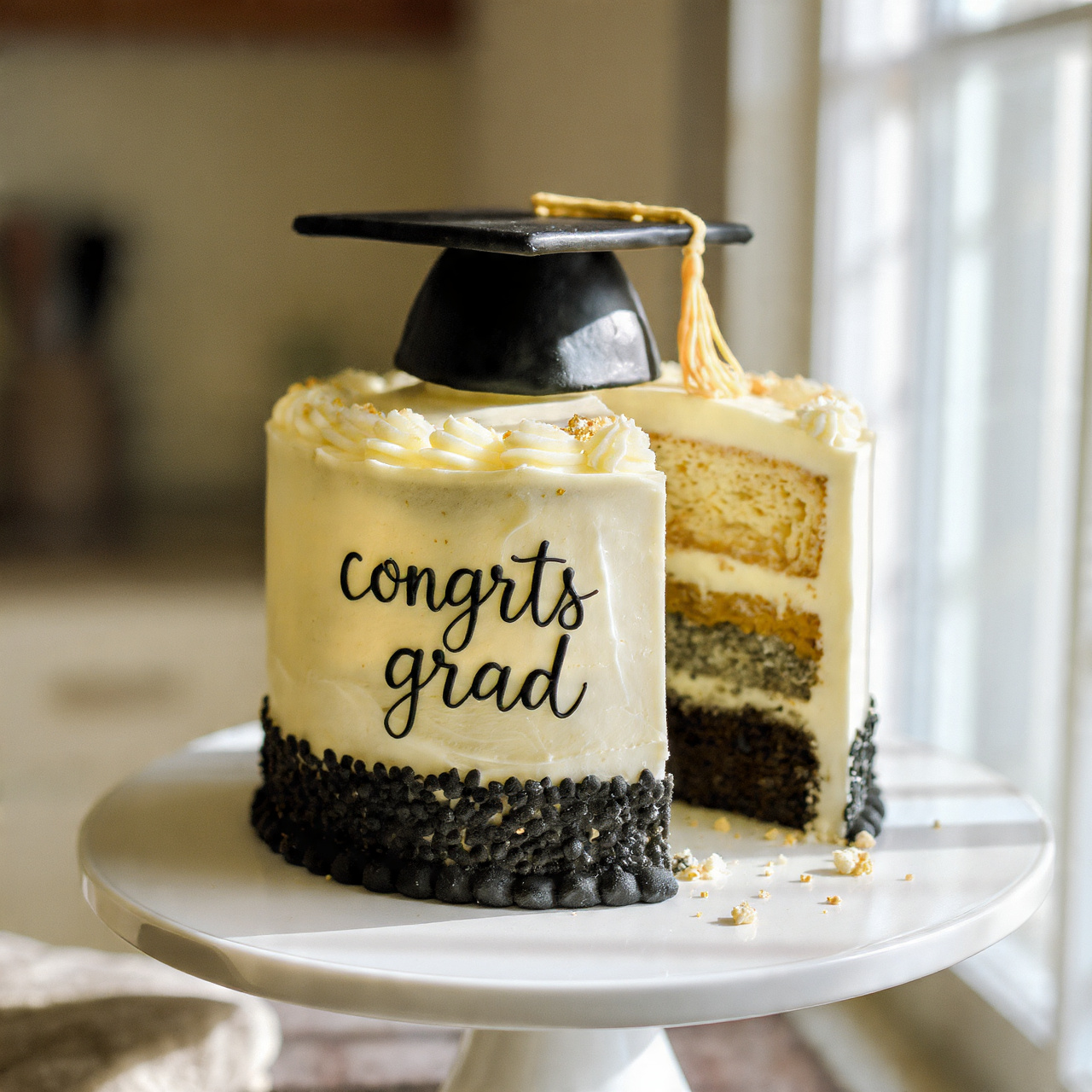
Beat the softened butter until light and fluffy, then gradually add the sifted powdered sugar and milk — one tablespoon of milk at a time — until the frosting is smooth and easily spreadable. Place the first cooled layer on your serving plate, spread a generous layer of frosting across the top, then set the second layer on and frost the top and sides. Decorate with school colors, sprinkles, or a simple handwritten “Congrats” in frosting. Allow the finished cake to rest for 20 minutes before slicing so everything sets into clean, beautiful layers.
Perfecting This Recipe
- Always bring butter, eggs, and milk to room temperature before you begin — cold ingredients don’t incorporate evenly and can result in a denser, less tender crumb
- Alternate dry and wet ingredients starting and ending with the flour mixture; this method keeps the batter balanced throughout and prevents it from becoming too loose or too stiff
- Stop mixing the moment the last trace of flour disappears into the batter — continued stirring develops gluten and turns a tender cake tough
- Level the tops of cooled cake layers with a serrated knife before stacking; even layers frost far more cleanly and hold together without sliding
- Cool the layers fully — completely — before applying frosting; even slight warmth will cause buttercream to melt and slide
- Add milk to the frosting one tablespoon at a time; it’s always easier to loosen frosting that’s too thick than to rescue frosting that’s too runny
Common Mistakes to Avoid
- Using butter straight from the fridge: Cold butter won’t cream properly with the sugar, and the resulting batter will be dense and unevenly mixed from the start. Set it out at least an hour before baking so it’s genuinely soft all the way through.
- Overmixing once the flour goes in: The moment the dry ingredients hit the batter, the mixing job is almost done. Continuing past that point develops gluten and makes the cake noticeably tough — a gentle hand from step four onward makes all the difference.
- Skipping the parchment liner: Greasing alone sometimes isn’t enough, especially with a butter-rich batter. A round of parchment on the bottom of each pan guarantees your layers release cleanly and land on the plate in one beautiful, intact piece.
- Rushing the cooling step: Frosting a warm cake is the fastest way to end up with a melted, sliding mess. A fully cooled layer is non-negotiable for clean, smooth results.
- Not sifting the powdered sugar: Lumpy frosting is almost always the result of unsifted sugar. A quick pass through a fine mesh sieve takes thirty seconds and gives you a silky, professional finish every time.
Add Your Touch
- Swap vanilla extract for almond extract to give the sponge a subtle, bakery-style depth of flavor
- Spread a thin layer of strawberry or raspberry jam between the cake layers before frosting for a fruity, elegant twist
- Add lemon zest to the batter for a bright, citrusy graduation cake that feels fresh and perfect for a summer celebration
- Tint the frosting in the graduate’s school colors using gel food coloring for a personalized, festive look that photographs beautifully
- Fold a handful of rainbow sprinkles into the batter before baking for a confetti-style celebration cake that’s pure joy from the inside out
- Try cream cheese frosting instead of classic buttercream for a slightly tangy, richer finish that pairs wonderfully with the vanilla sponge
Visit Also: Cake Designs Birthday
What to Serve With This
Fresh strawberries or raspberries on the side add a pop of color and a fruity brightness that balances the richness of the frosting perfectly. A scoop of vanilla or strawberry ice cream alongside a slice turns it into a full, indulgent dessert moment that everyone will love. For drinks, cold sparkling lemonade or a simple iced tea pairs beautifully with the sweetness of a vanilla layer cake. A fresh fruit salad on the side keeps the spread light and refreshing if you’re serving a larger group. And for a cozy indoor celebration with close family, a fresh pot of coffee next to this cake is genuinely unbeatable.
Storing and Serving
Fridge Store the frosted cake covered or in an airtight container in the refrigerator for up to 4 days. Individual slices can be wrapped tightly in plastic wrap for easy, grab-and-go portions throughout the week.
Freezer Unfrosted cake layers freeze beautifully for up to 2 months. Wrap each layer tightly in plastic wrap, then in a layer of foil, and store flat. Thaw overnight in the refrigerator before frosting and serving. Frosted layers can also be frozen, though the texture of the buttercream may shift slightly after thawing.
Reheating This cake is best enjoyed at room temperature. Remove slices from the fridge about 20–30 minutes before serving so the crumb softens and the frosting returns to its creamiest consistency. Microwaving frosted slices isn’t recommended, as it melts the buttercream quickly and unevenly.
Make-Ahead Tip The cake layers can be baked up to 2 days ahead and stored wrapped at room temperature, or up to a week ahead if frozen. The frosting can also be made a day in advance and refrigerated in an airtight container — just give it a quick re-whip before spreading to bring it back to a smooth, fluffy consistency.
Servings This recipe yields approximately 10–12 slices from a finished two-layer 8-inch round cake.
Nutrition (Approximate Per Serving)
- Calories: 420
- Total Fat: 20g
- Saturated Fat: 12g
- Carbohydrates: 58g
- Sugar: 42g
- Protein: 4g
- Sodium: 185mg
Nutritional values are approximate and may vary based on specific ingredients and brands used.
Chef’s Helpful Tips
- Make sure your butter is genuinely soft before you start — it should leave a clean indent when pressed but feel neither cold nor greasy. Properly softened butter is the single biggest factor in a light, airy crumb.
- Resist the urge to open the oven door in the first 20 minutes of baking. A sudden draft of cold air can cause the center to sink before it has set properly.
- For bakery-clean slices, dip your knife in hot water and wipe it dry between each cut — the frosting won’t drag and every slice will look picture-perfect.
- Use pure vanilla extract rather than imitation flavoring; in a simple, unfussy cake like this one, the quality of that single ingredient is genuinely noticeable in the final flavor.
- If your frosting looks slightly lumpy after adding the powdered sugar, keep beating it on medium speed for another minute or two — most of the time, continued mixing smooths everything out without needing extra liquid.
Frequently Asked Questions
Q1. Can I make this Graduation Cake the day before my celebration? Absolutely, and honestly, it tastes even better after an overnight rest once the flavors have had time to settle. Bake the layers the day before, wrap them in plastic wrap, and keep them at room temperature. Frost and decorate the morning of the celebration for the freshest, most polished result.
Q2. My cake came out dense — what went wrong? Overmixing after the flour goes in is almost always the cause. Once the dry ingredients enter the batter, you’re stirring just until the streaks disappear and no longer. A few gentle folds rather than vigorous mixing makes a very noticeable difference in texture.
Q3. Can I substitute the butter with oil? Yes — replace the butter in the cake batter with an equal amount of neutral vegetable oil. The crumb will stay moist and turn out slightly softer, though you’ll lose some of that rich, buttery flavor. For the frosting, stick with butter — it gives you a much better consistency and taste than any oil-based alternative.
Q4. Is this recipe suitable for a first-time baker? This is one of the most approachable layer cakes you’ll find. The ingredients are all pantry staples, the steps are clear and forgiving, and there’s very little that can go wrong if you follow the mixing and cooling instructions. First-time bakers get genuinely great results with this recipe.
Q5. Can I freeze this cake ahead of a graduation party? Yes — the unfrosted layers freeze perfectly for up to 2 months. Wrap each one tightly in plastic wrap, then foil, and store them flat. Thaw overnight in the fridge, then frost on the day of the party and it will taste as though it came straight from the oven.
Conclusion
There’s a reason a beautiful homemade Graduation Cake has become such a beloved celebration tradition — it’s not just about the flavor, it’s about the gesture. Baking something from scratch for someone you’re genuinely proud of carries a warmth that no store-bought dessert can replicate. This recipe makes that gesture simple, approachable, and truly delicious, whether you’re feeding four people around a kitchen table or a crowd filling your backyard.
Now it’s your turn. Bake the layers, pile on the frosting, scatter some sprinkles, and make it yours. Write a name across the top, dress it in school colors, or keep it understated and classic — either way, it’s going to be the kind of thing people bring up long after the plates are cleared. Save this one, share it with someone who has a milestone coming up, and pull it back out every time there’s something worth celebrating.
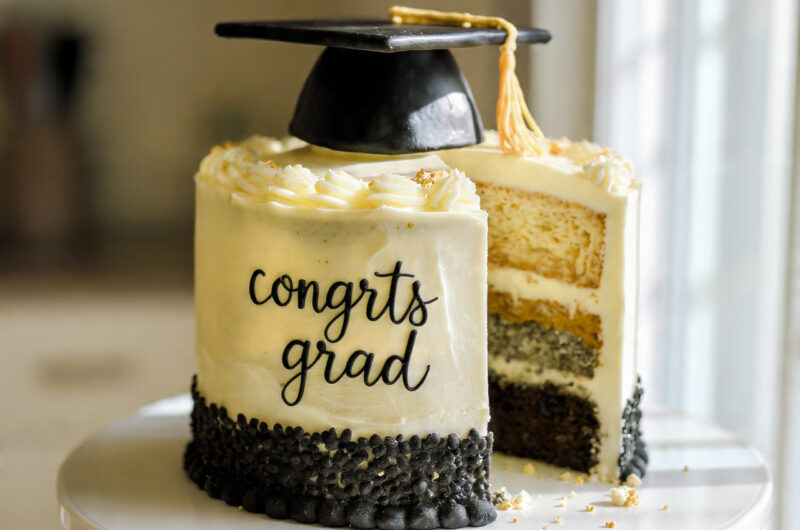
Graduation Cake
Course: Cake, Trending Cake10–12 slices
servings20
minutes25
minutes420
kcal1
hour15
minutesA tender, buttery two-layer vanilla cake with silky homemade frosting — simple enough for a busy week, beautiful enough for proud family photos, and perfect for every graduation celebration big or small.
Ingredients
For the Cake Layers:
2 ½ cups all-purpose flour
2 ½ teaspoons baking powder
½ teaspoon salt
1 cup unsalted butter, softened
1 ¾ cups granulated sugar
4 large eggs
1 tablespoon pure vanilla extract
1 cup whole milk
For the Vanilla Frosting:
3 cups powdered sugar, sifted
½ cup unsalted butter, softened
2–3 tablespoons whole milk
Food coloring or sprinkles (optional)
Directions
- Preheat oven to 350°F (175°C). Grease two 8-inch round cake pans and line the bottoms with parchment paper.
- Whisk flour, baking powder, and salt in a bowl. Set aside.
- Beat softened butter and sugar on medium speed for 3 minutes until pale and fluffy. Add eggs one at a time, then stir in vanilla.
- Add the dry mixture in three additions, alternating with milk. Stir gently just until combined after each addition — do not overmix.
- Divide batter evenly between prepared pans. Bake 25–30 minutes until golden and a toothpick inserted in the center comes out clean.
- Cool in pans for 10 minutes, then turn out onto a wire rack. Cool completely before frosting.
- Beat butter until fluffy. Add sifted powdered sugar and milk one tablespoon at a time, beating until smooth and spreadable.
- Frost the top of the first layer, stack the second layer, then frost the top and sides. Decorate as desired. Rest 20 minutes before slicing.