The Most Irresistible Mini Cake Recipe for Every Small Celebration
Most homemade mini cakes come out dry in the center, sink after cooling, or refuse to release from the pan — and it nearly always comes down to a few small, completely avoidable mistakes. This mini cake recipe walks you through each of those tricky moments with clear guidance, so your cakes come out soft, tall, and perfectly set every single time.
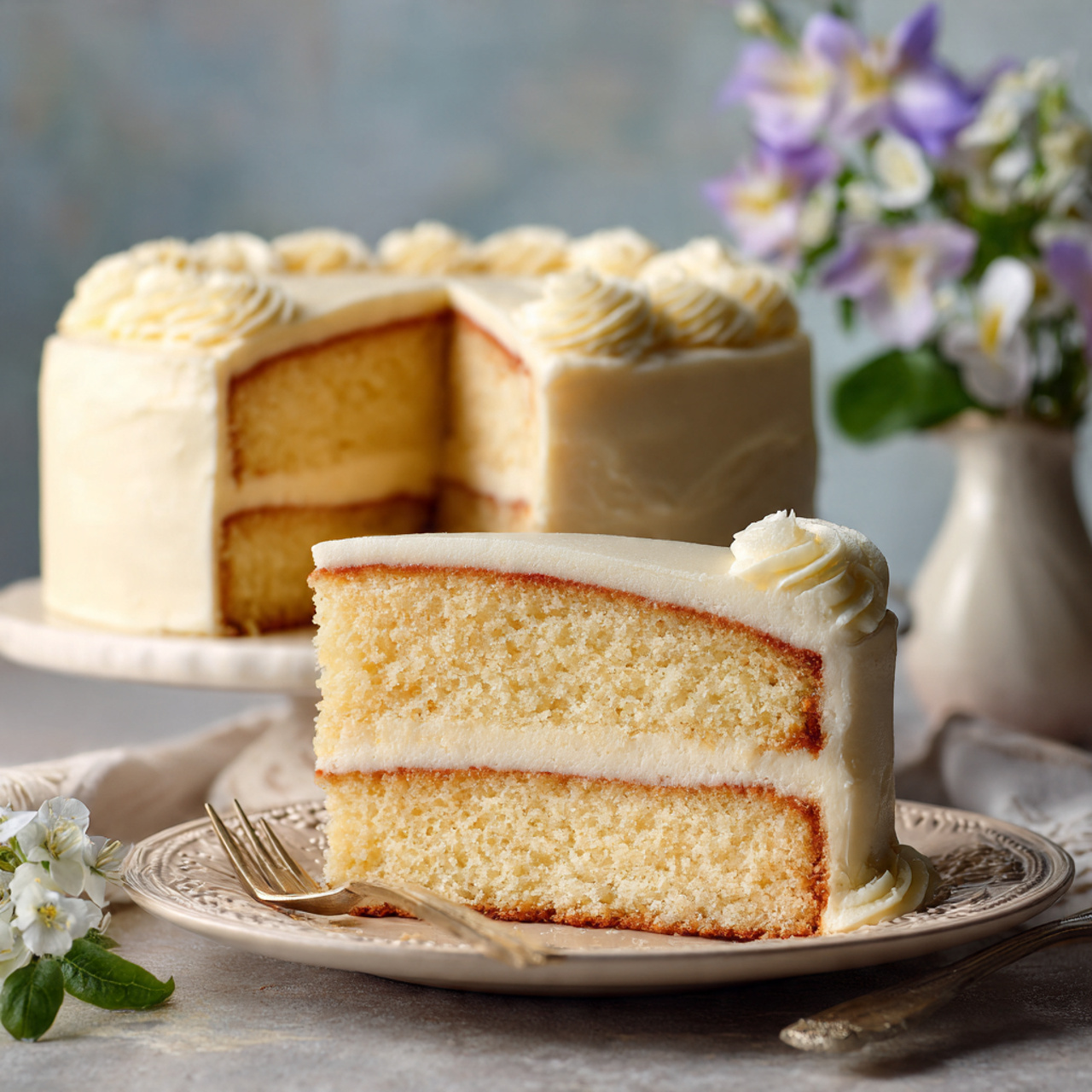
Picture a tiny cake with a pillowy, golden crumb that springs back gently when you press it. The inside is moist and buttery, with just the right sweetness — not cloying, just comforting. A swirl of silky vanilla buttercream sits on top, soft enough to melt on your tongue but firm enough to hold its shape beautifully. Add a few fresh berries or a drizzle of chocolate, and suddenly this little thing looks like it belongs in a bakery window.
These individual mini cakes are exactly what you reach for when a full-sized cake feels like too much but a cupcake just doesn’t feel like enough. They’re ideal for intimate birthday celebrations, a cozy afternoon tea, a romantic date night at home, or a small weekend gathering where you want something that feels genuinely special without the effort of a tiered cake. If you’ve been looking for a small batch cake recipe that truly delivers on both flavor and presentation, this one earns a permanent spot in your rotation.
Why You’ll Love This Recipe
A Soft, Moist Crumb That Holds Together Beautifully
These little cakes have a light, tender crumb that stays moist even a day after baking. The balance of butter, eggs, and whole milk creates a texture that’s rich without being heavy — satisfying in the very best way.
Elegant Presentation Without the Extra Effort
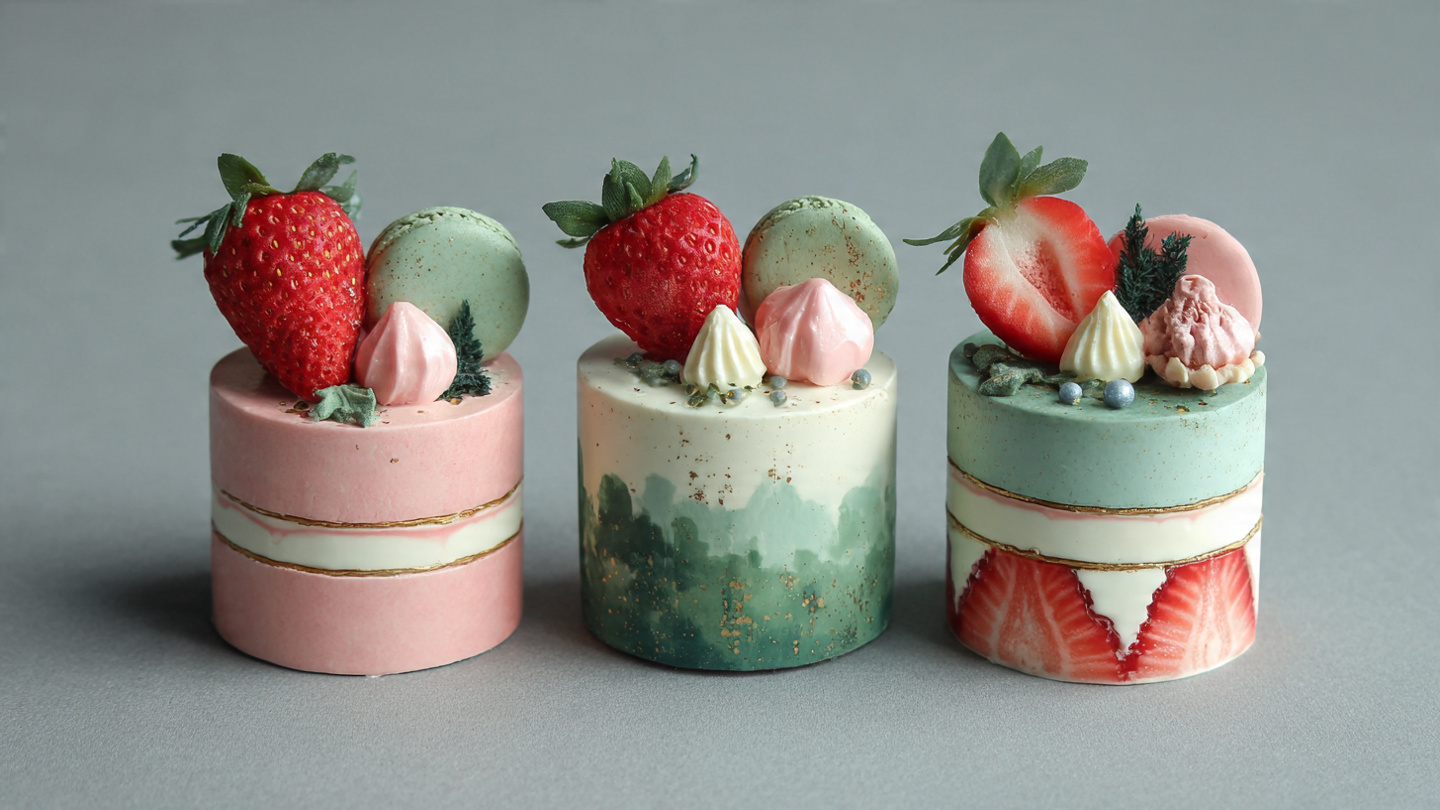
Mini cakes look stunning with minimal decoration. A swirl of frosting and a few fresh berries transforms each one into something that looks genuinely bakery-made, even if you’re just getting started with baking.
Ready in About an Hour, Start to Finish
Because of their smaller size, these cakes bake in just 15 to 20 minutes, which means you get the full experience of a homemade cake without spending your entire afternoon in the kitchen. From prep to frosted and ready to serve, you’re looking at roughly an hour.
Endlessly Customizable for Any Flavor or Occasion
The base recipe is a wonderful blank canvas. Swap in cocoa powder for a chocolate version, add fresh lemon zest for something bright and citrusy, or stack two mini cakes together with a layer of jam or frosting for a charming layered effect.
Perfectly Portioned for Small Gatherings
No awkward slicing, no leftover half-cake lingering in the fridge for days. Each person gets their very own little cake — which makes this recipe just as practical as it is impressive.
Ingredients
For the Mini Cakes
- 1½ cups all-purpose flour (spooned and leveled, not packed)
- 1½ tsp baking powder
- ¼ tsp salt
- ½ cup unsalted butter, softened (room temperature is essential — cold butter won’t cream properly)
- ¾ cup granulated sugar
- 2 large eggs (room temperature, for even mixing and a smoother batter)
- 1 tsp vanilla extract (pure, not imitation — the flavor difference is noticeable)
- ½ cup whole milk (whole milk gives a richer, more tender crumb than lower-fat alternatives)
For the Frosting
- ½ cup unsalted butter, softened
- 1½–2 cups powdered sugar (sifted to avoid lumps in your buttercream)
- 1–2 tbsp heavy cream or milk (add one tablespoon at a time until you reach a smooth, spreadable consistency)
- ½ tsp vanilla extract
Optional Toppings
- Fresh berries
- Sprinkles
- Chocolate drizzle
- Edible flowers
The butter-forward batter gives these cakes their rich, comforting flavor, while the gentle mixing technique keeps every bite cloud-soft. Paired with a silky buttercream, each mini cake becomes a tiny celebration in its own right.
How to Make Mini Cake Recipe — Step-by-Step
Step 1: Prep Your Pans and Oven
Preheat your oven to 350°F (175°C). Grease your mini cake pans or ramekins thoroughly, then line the bottom of each with a small circle of parchment paper — you’ll thank yourself at the unmolding stage when your cakes slide out cleanly and neatly. If you’re using a standard cupcake pan, grease and flour each cup generously. Don’t worry if your pans vary slightly in size — just start checking the smaller ones a minute or two earlier.
Step 2: Mix Your Dry Ingredients
In a medium bowl, whisk together the flour, baking powder, and salt until everything is evenly distributed. This only takes about 30 seconds, but it’s an important step — it ensures the leavening is spread uniformly through the batter so your cakes rise evenly and avoid those dreaded sunken centers.
Step 3: Cream the Butter and Sugar
In a large mixing bowl, beat the softened butter and granulated sugar together on medium speed for a full 3 minutes, until the mixture looks noticeably pale, fluffy, and increased in volume. Add the eggs one at a time, mixing well after each addition, then stir in the vanilla extract. Don’t worry if the batter looks slightly curdled or grainy at this point — once you add the flour and milk, everything smooths out beautifully.
Step 4: Combine and Fill the Pans
With your mixer on low, alternate adding the dry ingredients and the milk — beginning and ending with the dry mixture. Mix only until you can no longer see streaks of flour and the batter smells buttery and smooth. Overmixing is one of the most common reasons mini cakes turn out dense, so stop the moment it comes together. Divide the batter evenly among your prepared pans, filling each about two-thirds full, and place them in the oven.
Step 5: Bake, Cool, and Frost
Bake for 15 to 20 minutes, checking at the 14-minute mark. The tops should look golden and spring back lightly when touched in the center, and a toothpick inserted in the middle should come out clean or with just a dry crumb. Let the cakes cool in their pans for 10 minutes, then turn them out onto a wire rack and allow them to cool completely — at least 30 minutes — before any frosting goes on. Once cooled, beat the softened butter, powdered sugar, cream, and vanilla together until silky smooth, then frost the tops generously with a spatula or pipe on a swirl. For the cleanest results, chill the frosted cakes for 15 minutes before serving.
Perfecting This Recipe
- Cream the butter long enough. A full 3 minutes at medium speed builds the air structure that gives these cakes their lift. Under-creamed butter leads to a flatter, denser result.
- Alternate wet and dry ingredients. This method prevents overworking the batter and develops just the right amount of structure for a tender, even crumb.
- Always use parchment. Greasing alone can sometimes stick, especially in smaller molds. A parchment circle at the base of each pan guarantees a clean, frustration-free release.
- Rotate your pans halfway through. If your oven runs unevenly, a gentle turn at the 8-minute mark keeps the baking consistent.
- Cool completely before frosting. Thirty minutes at room temperature is the minimum — an hour is better. Frosting warm cakes always ends in melted, sliding buttercream.
- Chill before decorating. If you’re stacking layers or want sharp frosting swirls, 10 to 15 minutes in the fridge after frosting firms everything up for a polished finish.
Common Mistakes to Avoid
- Using cold butter: Butter that hasn’t fully softened won’t cream with the sugar, which means far less air in your batter and a heavy, tight finished cake. Pull it out at least an hour before you plan to start.
- Overmixing once the flour goes in: The moment you add the flour, mix only until just combined. Overworking the batter builds too much gluten and turns your cakes dense and tough rather than light and pillowy.
- Skipping the parchment liner: Greasing is a good start, but smaller pans sometimes need the extra help. A parchment circle at the base removes all the guesswork and saves you from broken, stuck cakes.
- Opening the oven door too early: Checking before the 12-minute mark drops the oven temperature just enough to cause the centers to sink. Trust the process and wait for your timer.
- Frosting before the cakes are fully cool: Even a slightly warm cake will melt your buttercream on contact. Patience here pays off — cool cakes completely and your frosting will look and taste exactly as it should.
Visit Also: Hear Me Out Cake
Add Your Touch
- Go chocolate: Replace ¼ cup of the all-purpose flour with unsweetened cocoa powder for a rich, fudgy chocolate version.
- Brighten it with citrus: Stir a tablespoon of fresh lemon or orange zest into the batter for a fragrant, vibrant twist.
- Build a mini layer cake: Slice each cooled cake horizontally and sandwich the halves with jam, fruit compote, or an extra swirl of frosting for a charming stacked presentation.
- Color your frosting: A small amount of gel food coloring transforms the buttercream to match any celebration theme beautifully.
- Make it dairy-free: Coconut milk or oat milk works well in place of whole milk in the batter, adding a subtle flavor of its own.
- Lighten the texture: Substitute half the butter with plain Greek yogurt for a slightly lighter cake with a gentle tang.
- Try cream cheese frosting: Swap the buttercream for a tangy cream cheese frosting — especially wonderful with the lemon or chocolate variations.
What to Serve With This
A dollop of fresh whipped cream and a handful of seasonal berries alongside each cake makes for a simple but stunning dessert plate. A hot cup of Earl Grey or a lightly sweetened latte pairs beautifully with the buttery vanilla base. For something more indulgent, a small scoop of vanilla or strawberry ice cream beside the cake is always a crowd-pleaser — the contrast of tender cake and cold ice cream is hard to beat. At a brunch spread, mini cakes arranged on a tiered stand alongside fruit and scones look gorgeous and require almost no extra effort. And for a birthday, a single lit candle tucked into the frosting makes every guest feel like the guest of honor.
Storing and Serving
Fridge Store frosted mini cakes in an airtight container in the refrigerator for up to 4 days. Bring to room temperature for 20 to 30 minutes before serving to restore the best texture and flavor.
Freezer Unfrosted mini cakes freeze well for up to 1 month. Wrap each one individually in plastic wrap, then place in a freezer-safe bag. Thaw overnight in the refrigerator, then frost and serve as usual.
Reheating These cakes are best enjoyed at room temperature rather than warm. If they’ve been refrigerated, simply let them sit out for 20 to 30 minutes — no microwave needed.
Make-Ahead Tip Bake the cakes up to a day in advance and store them unfrosted, wrapped at room temperature. Prepare the frosting fresh on the day you plan to serve, or refrigerate it separately and let it soften to room temperature before using.
Servings This recipe makes approximately 6 individual mini cakes, depending on the size of your pans.
Nutrition (Approximate Per Serving)
- Calories: 320
- Total Fat: 16g
- Saturated Fat: 10g
- Carbohydrates: 40g
- Sugar: 28g
- Protein: 4g
- Sodium: 120mg
Nutritional values are approximate and may vary based on specific ingredients and brands used.
Chef’s Helpful Tips
- Room temperature ingredients matter more than you’d think. Both your butter and eggs should be fully at room temperature before you start — this helps everything emulsify smoothly and gives you a more uniform, tender crumb.
- Use a kitchen scale for batter portioning. Dividing by weight ensures every mini cake bakes evenly and comes out the same height — no lopsided little cakes.
- Always sift your powdered sugar. This one small step keeps your frosting completely smooth and lump-free so your buttercream swirls look as good as they taste.
- Start checking for doneness at 14 minutes. Mini cakes bake quickly, and a few extra minutes is all it takes to go from perfectly moist to dry and crumbly. Start early and check often.
- Chill cakes briefly before piping. Ten minutes in the fridge before you pipe the frosting gives you a firmer surface to work with, and your swirls will hold their shape much more crisply.
Frequently Asked Questions
Q1. Can I make this mini cake recipe ahead of time? Yes — it actually works really well as a make-ahead treat. Bake the cakes the day before, wrap them tightly once fully cooled, and store at room temperature overnight. Prepare the frosting fresh on the day you plan to serve, or refrigerate it separately and allow it to soften before using. The cakes taste just as fresh the next day.
Q2. Can I use this batter to make cupcakes instead? Absolutely. The batter translates perfectly to a standard cupcake pan — just line the cups with paper liners and bake at the same temperature for 15 to 18 minutes. Check with a toothpick to confirm doneness before pulling them out.
Q3. Is this recipe suitable for beginner bakers? Very much so. The steps are clear and straightforward, and there’s nothing technically demanding about the process. Keep your butter and eggs at room temperature, avoid overmixing once the flour goes in, and let the cakes cool completely before frosting — those three things will carry you most of the way.
Q4. Can I double the recipe for a larger group? Yes, easily. Simply double all the ingredients and bake in batches if you don’t have enough pans. The batter holds well at room temperature for up to 20 minutes while your first batch is in the oven, so there’s no rush.
Q5. Can I freeze these mini cakes? You can, and they freeze beautifully when unfrosted. Wrap each cooled cake individually in plastic wrap, place them in a freezer-safe bag, and freeze for up to one month. Thaw overnight in the refrigerator, bring to room temperature, then frost and serve as you normally would.
Conclusion
There’s something quietly lovely about a perfectly made mini cake — the way it feels personal and special, the way it looks like it took far more effort than it actually did, and the way it turns an ordinary afternoon into something worth celebrating. This recipe gives you all of that without the pressure or the planning of a full-sized bake. Whether you serve them simply frosted, dressed up with fresh fruit and edible flowers, or stacked into beautiful little layer cakes for a birthday, these small batch cakes are as versatile as they are reliably delicious.
Go ahead and bake a batch this weekend — or tuck this recipe away for the next birthday, brunch, or sweet craving that comes around. Add your own flavor twist, make it your own signature, and share it with the people you love. There’s really no wrong time to make something that looks this good and tastes even better.
Mini Cake Recipe
Course: Trending Cake6
servings20
minutes20
minutes320
kcal1
hourSoft, buttery individual mini cakes crowned with silky vanilla buttercream — perfectly portioned for birthdays, afternoon tea, or any small celebration that deserves something a little special.
Ingredients
For the Mini Cakes:
1½ cups all-purpose flour
1½ tsp baking powder
¼ tsp salt
½ cup unsalted butter, softened
¾ cup granulated sugar
2 large eggs
1 tsp vanilla extract
½ cup whole milk
For the Frosting:
½ cup unsalted butter, softened
1½–2 cups powdered sugar, sifted
1–2 tbsp heavy cream or milk
½ tsp vanilla extract
Optional Toppings: Fresh berries, sprinkles, chocolate drizzle, edible flowers
Directions
- Preheat oven to 350°F (175°C). Grease mini cake pans and line each with a parchment circle.
- Whisk flour, baking powder, and salt in a medium bowl. Set aside.
- Beat butter and sugar on medium speed for 3 minutes until pale and fluffy. Add eggs one at a time, then mix in vanilla.
- Alternate adding dry ingredients and milk, beginning and ending with dry. Mix until just combined — do not overmix.
- Divide batter evenly into prepared pans, filling each two-thirds full.
- Bake 15–20 minutes until golden and a toothpick comes out clean. Cool in pans 10 minutes, then turn out onto a rack and cool completely.
- Beat frosting ingredients until smooth. Frost cooled cakes and decorate as desired. Chill 15 minutes before serving.