Irresistible Homemade Moon Cake with Silky Lotus Paste Filling
Most people assume moon cake is too fussy to make at home — a recipe reserved for specialty bakeries or patient grandmothers with decades of practice. The truth is, the dough comes together in minutes, and the shaping is easier than it looks. What actually trips people up is skipping the resting time, which causes the dough to crack and the cakes to lose that smooth, polished exterior. This recipe walks you through every step so your first batch comes out beautifully — and your second one, even better.
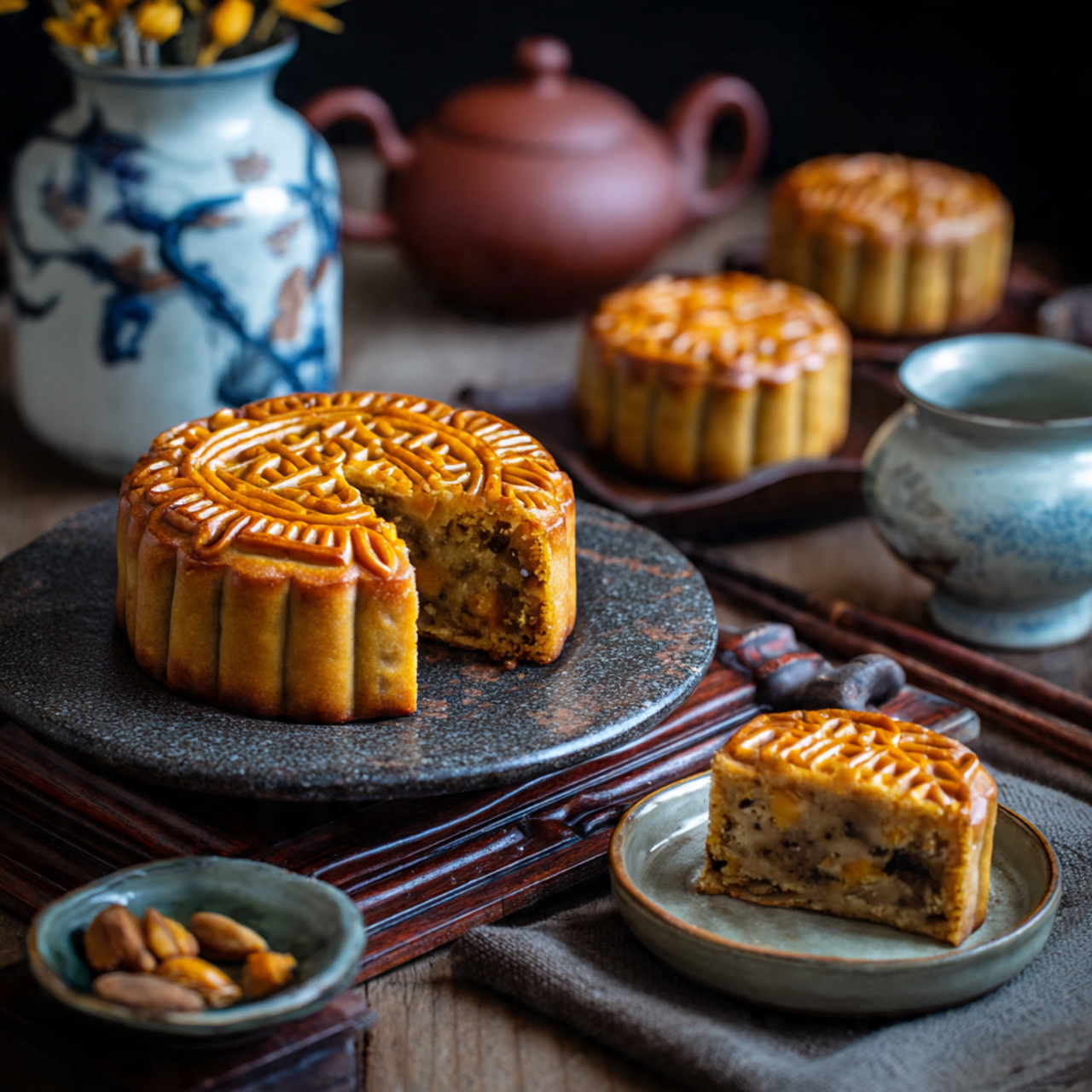
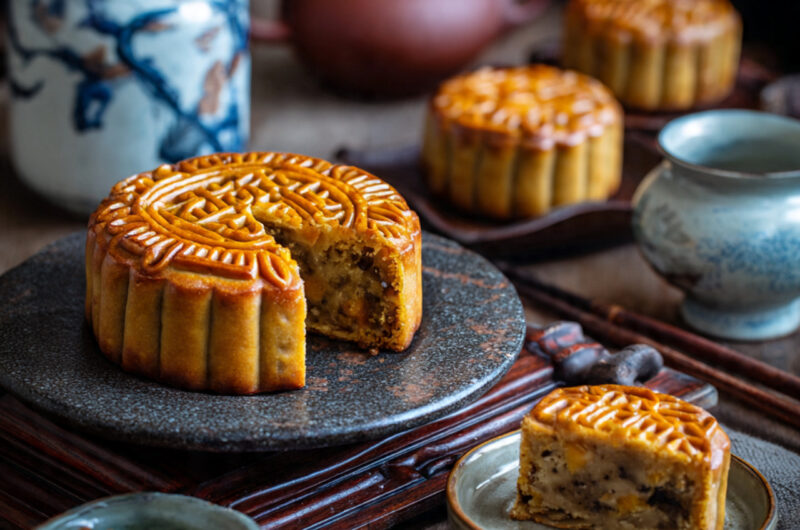
Picture pressing a warm cake from its mold: a golden-brown shell with a faint sheen from the egg wash, giving way to a dense, fragrant center of lotus paste — smooth as silk, lightly sweet, and faintly floral. The dough itself has a tender chew that holds its shape without being tough. There’s a faint caramel warmth from the golden syrup, and everything about the aroma makes the kitchen feel like a celebration.
This moon cake recipe is perfect for the Mid-Autumn Festival, holiday gift-giving, or any time you want something homemade that looks like it came from a bakery. It pairs beautifully with tea, works wonderfully as part of a dessert spread, and travels well — making it a crowd-pleasing addition to any gathering. Whether you’re making these for the first time or bringing a personal touch to a tradition you love, this recipe is one you’ll come back to again and again.
Why You’ll Love This Recipe
The Filling Is Deeply Satisfying
Lotus seed paste has a uniquely smooth, mellow sweetness that feels luxurious without being cloying. It melts into the dough as you bite through, creating that balance of textures that makes a great moon cake so memorable. Red bean paste works just as well if that’s what you have — both deliver that classic, comforting richness.
The Dough Is Surprisingly Beginner-Friendly
The moon cake dough comes together with just four ingredients and no mixer required. It’s soft, pliable, and forgiving — perfect if you’re new to working with pastry doughs. The main trick is resting, and once you let it sit, it handles like a dream.
It’s a Make-Ahead Dream
These cakes actually improve after a day in the fridge, as the crust softens and the flavors meld together — a process bakers call “回油” (returning oil). You can bake the whole batch ahead of time and simply pull them out when you’re ready to serve.
They Look Stunning for How Little Effort They Take
A good moon cake mold does most of the visual work for you. The pressed pattern comes out clean and professional-looking every time, which means these are as impressive to give as they are to eat.
Easy to Scale and Customize
The recipe scales up or down without any formula adjustments — just divide or multiply the ingredients evenly. The filling can also be swapped, mixed with egg yolks for richness, or flavored with vanilla or nuts for a creative twist.
Ingredients
For the Dough
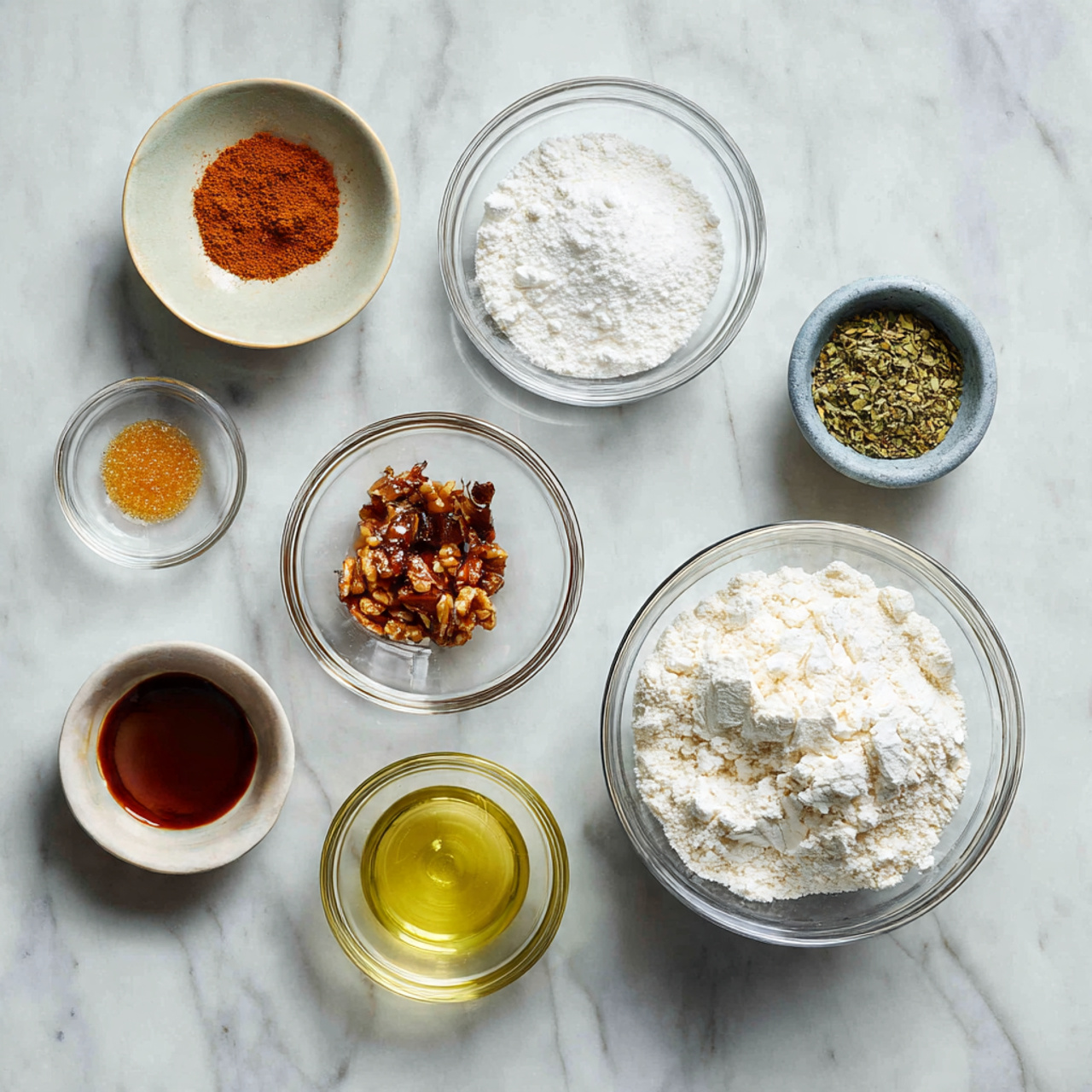
- 2 cups all-purpose flour
- ½ cup golden syrup (thick and dark works best; lyle’s or homemade both work)
- ¼ cup vegetable oil (neutral-flavored, such as sunflower or canola)
- 1 teaspoon alkaline water (or substitute: ¼ tsp baking soda dissolved in 1 tsp water)
For the Filling
- 1½ cups lotus seed paste (or red bean paste — smooth variety, not chunky)
- 2 egg yolks, halved (optional; one half-yolk per cake adds a salted-egg richness)
For the Egg Wash
- 1 whole egg (lightly beaten; a thin coat is all you need)
Together, the buttery-sweet dough and the dense, fragrant filling create a balance that’s rich but not heavy — which is exactly what makes this homemade moon cake so easy to reach for, time after time.
How to Make Moon Cake — Step-by-Step
Step 1: Mix and Rest the Dough
Stir together the flour, golden syrup, vegetable oil, and alkaline water in a large bowl until a soft, unified dough forms. It should feel smooth and slightly tacky — not dry, not sticky. Wrap it tightly in plastic wrap and let it rest at room temperature for at least 30 minutes. This rest is non-negotiable; it relaxes the gluten and makes the dough pliable enough to wrap without cracking.
Don’t worry if the dough looks a little rough right after mixing — it smooths out completely during the rest.
Step 2: Divide and Portion
Once the dough has rested, divide it into equal portions — roughly 30g of dough and 50g of filling per cake works well for a standard 80g mold. Roll the filling into smooth balls first, then flatten each piece of dough into a thin round disc using your palm.
Don’t worry if your disc isn’t perfectly even — as long as it covers the filling when you fold it up, it’ll look beautiful once molded.
Step 3: Wrap the Filling
Place a ball of filling in the center of a flattened dough disc. Use both hands to gently stretch and gather the dough up around the filling, pinching the seam closed at the top. Roll it lightly between your palms until smooth. The dough should fully encase the filling with no visible gaps or thin spots.
Step 4: Press in the Mold
Lightly dust your moon cake mold with flour and tap out the excess. Press each filled dough ball firmly but evenly into the mold cavity. Tap the mold firmly on a flat surface to release — the cake should slide out cleanly with a sharp, defined pattern. Place cakes on a parchment-lined baking tray.
Step 5: Bake, Brush, and Finish
Bake at 180°C (350°F) for 10 minutes — just until the surface is set and slightly matte. Remove from the oven, let the cakes cool for 5 minutes, then brush a thin, even layer of egg wash over each one. Return to the oven for another 10–15 minutes, until the tops are deep golden-brown and glossy. The aroma at this point is extraordinary — warm, caramel-sweet, and just faintly toasty.
Let the cakes cool completely on a rack. They’ll feel firm now but will soften beautifully within 24 hours as the oils redistribute.
Perfecting This Recipe
- Rest the dough fully. Thirty minutes is the minimum — 45 is even better. Skipping this step leads to a crumbly dough that cracks when shaped.
- Keep filling portions consistent. Weigh them if you can. Uneven filling sizes lead to uneven baking and thin spots in the dough wall.
- Dust the mold lightly. Too much flour and the pattern won’t be crisp; too little and the cake sticks. A quick tap to remove excess is all you need.
- Don’t skip the two-stage bake. The initial bake sets the structure; the egg wash and second bake give you that signature golden finish. Brushing too early causes uneven browning.
- Let them “return oil.” Freshly baked moon cakes taste good but look matte. After one day at room temperature or in the fridge, the skin becomes glossy and the texture softens considerably — this is the version you want to serve.
- Don’t overbake. The cakes continue cooking on the tray after the oven. Pull them when golden, not dark brown.
Common Mistakes to Avoid
- Skipping the dough rest — The rest isn’t just for convenience; it changes the dough’s structure. An under-rested dough will crack when you try to stretch it around the filling, leaving splits on the surface.
- Overfilling the cakes — It’s tempting to add extra paste, but too much filling causes the dough to tear at the seam and can split the sides during baking. Stick to the ratios.
- Applying egg wash too thickly — A heavy coat creates streaks and blotchy browning. Use a pastry brush and work in light, even strokes for a uniform, glossy finish.
- Serving them too soon — Moon cakes fresh from the oven are firmer and less flavorful than they will be after resting. Give them at least overnight before judging the result.
- Using chunky filling — Chunky red bean paste or filling with large pieces can create air pockets and tear the dough from the inside. Always use smooth paste for this recipe.
Add Your Touch
- Salted egg yolk center — Press one half of a cooked, salted egg yolk into the middle of your filling ball before wrapping. It adds a rich, briny contrast to the sweet paste.
- Pandan lotus paste — Mix a few drops of pandan extract into lotus seed paste for a fragrant, green-tinted filling with a subtle grassy sweetness.
- Sweet potato filling — Replace lotus paste with smooth mashed sweet potato mixed with a little butter and sugar. It’s naturally creamy and works beautifully.
- Crushed nuts — Fold finely chopped toasted walnuts or pistachios into the filling for texture and added aroma.
- Honey instead of golden syrup — A 1:1 swap with honey works well and adds a slightly floral, lighter sweetness to the crust.
- Matcha dough — Mix 1 teaspoon of matcha powder into the flour for a subtle earthy flavor and a distinctive green hue.
Visit Also: Beer Cake
What to Serve With This
Chinese Jasmine Tea — The floral, slightly grassy notes of jasmine tea cut through the richness of the lotus filling perfectly. A classic pairing.
Pu-erh or Oolong Tea — Earthy, aged pu-erh or a lightly roasted oolong brings out the caramel notes in the crust. Ideal for a more contemplative, ceremonial feel.
Fresh Fruit — Sliced mandarin oranges, pomelo segments, or figs placed alongside create a light, bright contrast to the dense pastry.
A Cheese and Charcuterie Board — For a modern dessert spread, moon cake holds its own alongside mild brie, honeycomb, and dried fruits.
Vanilla Ice Cream — A small scoop of vanilla alongside a warm moon cake slice turns this into a seriously indulgent dessert course.
Storing and Serving
Fridge Store in an airtight container for up to 5 days. Place a small piece of parchment between cakes if stacking to prevent the patterns from pressing into each other.
Freezer Wrap each cake individually in plastic wrap, then place in a freezer-safe bag. Freeze for up to 1 month. The texture holds well and the filling doesn’t become icy or grainy.
Reheating Reheat in a 160°C oven for 5–8 minutes, or microwave for 20–30 seconds per cake. Best served just warmed through — not hot. Avoid reheating more than once.
Make-Ahead Tip The dough and filling can both be prepared a day in advance and refrigerated separately. Bring the dough to room temperature for 15–20 minutes before shaping. Fully baked cakes can be made 2–3 days ahead; they’re actually at their peak on day two.
Servings This recipe yields approximately 8–10 moon cakes, depending on mold size.
Nutrition (Approximate Per Serving)
- Calories: 280–310 kcal
- Total Fat: 9g
- Saturated Fat: 1.5g
- Carbohydrates: 46g
- Sugar: 22g
- Protein: 5g
- Sodium: 85mg
Nutritional values are approximate and may vary based on specific ingredients and brands used.
Chef’s Helpful Tips
- Use room temperature ingredients. Cold oil or syrup can make the dough stiff and harder to bring together smoothly. If your kitchen is cool, warm the syrup briefly.
- Weigh your portions. A kitchen scale makes a real difference here. Consistent dough and filling portions mean every cake bakes evenly and looks uniform — especially important if you’re gifting them.
- Don’t skip the two-bake method. The pre-bake sets the shape; the egg wash and second bake create the finish. Combining them into one bake results in over-browning or uneven color.
- For clean release from the mold, press firmly but don’t jam the dough in. A single smooth press and a firm tap is all it takes. If the cake sticks, the mold likely needs a bit more flour dusting.
- If the dough tears when wrapping, it may not have rested long enough, or the filling portion is too large. Rest for another 10 minutes and reduce filling slightly.
Frequently Asked Questions
Q1. Can I make moon cake ahead of time? Absolutely — and in fact, you should. Moon cakes taste better after a day or two as the skin softens and becomes glossy. Bake them 2–3 days before your event, store in an airtight container at room temperature or in the fridge, and they’ll be at their best when it’s time to serve.
Q2. What can I use instead of golden syrup? The closest substitute is dark corn syrup or a thick honey. You can also make a quick homemade invert syrup by simmering sugar, water, and a squeeze of lemon until amber. The flavor will be slightly different, but the texture and binding properties will be similar.
Q3. Is this recipe beginner-friendly? Yes — this is genuinely one of the more approachable pastry projects for home bakers. The dough doesn’t require rolling pins or precise cuts, and the mold does the decorative work for you. The most important thing to get right is the resting time, and that’s completely hands-off.
Q4. Can I freeze moon cakes? Yes, they freeze exceptionally well. Wrap each one individually in plastic wrap and freeze for up to a month. Thaw overnight in the fridge and let them come to room temperature before serving. The texture returns almost completely to fresh-baked quality.
Q5. Where can I find moon cake molds? Most Asian grocery stores carry them seasonally, and they’re widely available online. Plastic push-molds with interchangeable pattern discs are the most beginner-friendly — they release the cakes cleanly with one firm tap and come in many beautiful designs.
Conclusion
There’s something quietly wonderful about making moon cake at home — the dough coming together in your hands, the rhythm of shaping and pressing, and the way the kitchen smells when they come out of the oven. This isn’t just a recipe; it’s a tradition you can make your own. Whether you’re celebrating a festival, packing a gift for someone you love, or just baking because a quiet afternoon called for it, this homemade moon cake delivers every single time.
Give it a try, adjust the filling to your preference, and don’t stress the first batch — it’ll be better than you expect. If you make it your own with a twist on the filling or a new mold pattern, share it. This recipe is meant to be passed around, adapted, and enjoyed. Happy baking.
Homemade Moon Cake with Lotus Paste
Course: Cake4
servings30
minutes25
minutes280–310
kcal1
hour25
minutesA soft, sweet pastry with a smooth filling, perfect for cozy evenings or sharing with family. Simple to make and easy to store for later.
Ingredients
Dough
2 cups all-purpose flour
½ cup golden syrup
¼ cup vegetable oil
1 tsp alkaline water (or ¼ tsp baking soda in 1 tsp water)
Filling
1½ cups lotus seed paste (or red bean paste, smooth)
2 egg yolks, halved (optional)
Egg Wash
1 egg, lightly beaten
Directions
- Combine flour, golden syrup, oil, and alkaline water. Mix until a smooth dough forms. Wrap and rest 30 minutes.
- Divide dough into ~30g portions and filling into ~50g balls. Flatten dough into thin discs.
- Wrap a filling ball in each dough disc, sealing the seam tightly. Roll smooth between palms.
- Dust mold lightly with flour. Press each ball into mold firmly. Tap to release onto a lined baking tray.
- Bake at 180°C (350°F) for 10 minutes. Cool 5 minutes.
- Brush a thin layer of egg wash over each cake. Bake another 10–15 minutes until deep golden.
- Cool completely on a rack. Rest at least overnight before serving for best texture and appearance.