The Chewiest Sourdough Pizza Dough Your Homemade Pizza Night Deserves
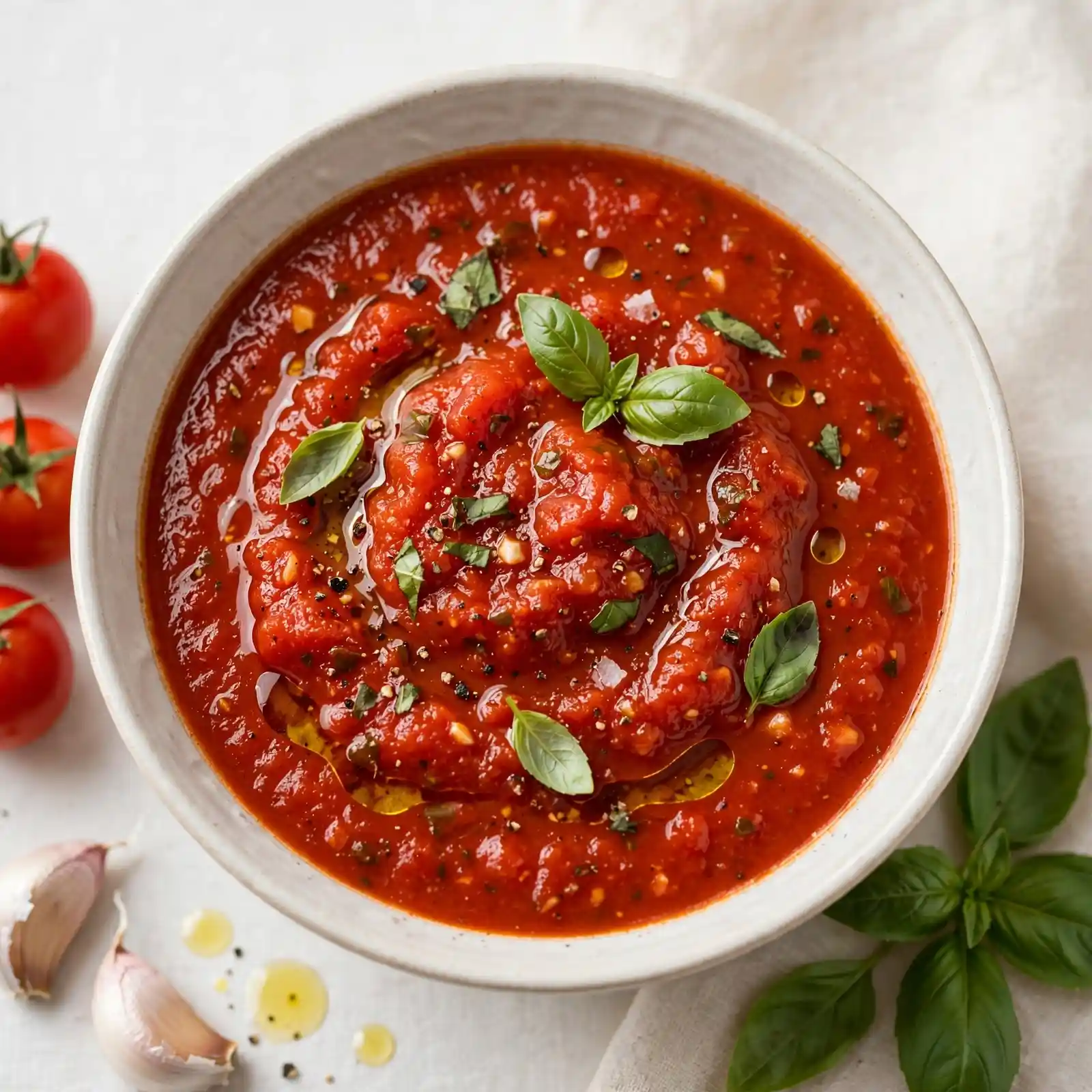
The first time I pulled a pizza from the oven with a crust that actually crackled under my fingers, blistered in all the right places, and smelled faintly tangy and toasty — I stood over the pan for a solid thirty seconds just breathing it in. No delivery box, no frozen dough — just flour, water, salt, and a thriving jar of sourdough starter that had been sitting on my counter quietly doing its thing.
There is genuinely nothing like the texture of a well-fermented crust. It’s chewy where it should be chewy, crispy where it needs to be crispy, and has a depth of flavor that store-bought dough simply cannot touch. The tang is subtle — not overwhelming — with a complexity that comes from time and live fermentation working together. Drag a slice away and the crumb stretches in long, satisfying pulls.
This recipe is made for Friday nights when the whole family piles into the kitchen, for Sunday meal prep when you want to get ahead, and for any occasion where you want to serve something that genuinely impresses without spending all day on it. Whether you’re building a classic margherita or a loaded veggie artisan pizza, this sourdough pizza dough is the foundation that makes everything better. Let’s get into it.
Why You’ll Love This Recipe
Better Flavor Than Any Store-Bought Dough
The long fermentation process develops organic acids in the dough that give it that signature gentle tang. It’s layered, nuanced flavor — the kind you taste on the back of your palate — and it makes even a simple cheese pizza feel special.
The Texture Is Absolutely Unbeatable
You get the best of both worlds: a crust that is crisp and slightly charred on the outside, while staying airy and chewy in the middle. That open crumb structure comes from the wild yeast in your sourdough starter working its magic during the overnight rise.
Surprisingly Easy to Make
There’s no kneading required in the traditional sense — just a series of simple stretch-and-folds over a couple of hours, then a long rest in the fridge. The fermented dough does most of the heavy lifting while you go about your day.
Perfect for Feeding a Crowd
This recipe yields enough dough for three medium pizzas, making it ideal for a family pizza night or a casual dinner gathering. Divide it up, let everyone top their own, and watch the kitchen turn into the best spot in the house.
A Timeless Classic With Artisan Character
There’s a reason professional pizzaiolos have been fermenting their dough for centuries. This homemade pizza recipe brings that same old-world approach into your kitchen — no fancy equipment, just patience and a good starter.
Ingredients
For the Dough
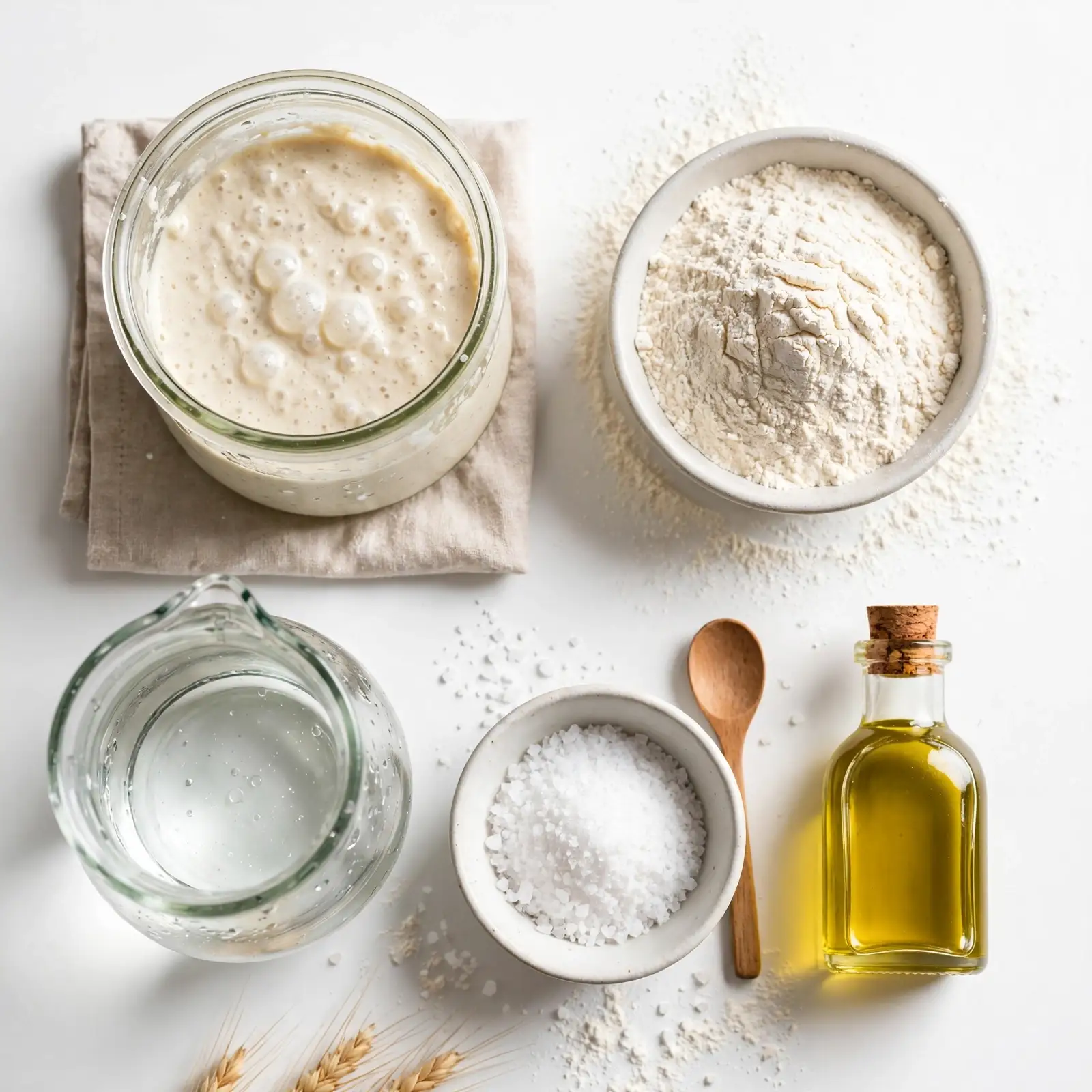
- 500g (about 4 cups) bread flour, plus more for dusting
- 350g (1½ cups) lukewarm water (around 75–80°F / 24–27°C)
- 100g (a generous ⅓ cup) active sourdough starter (fed and bubbly — see note)
- 10g (1¾ tsp) fine sea salt
- 10g (2 tsp) olive oil (plus extra for the bowl)
For Shaping and Baking
- 2 tbsp semolina flour or fine cornmeal (for dusting the peel or pan — prevents sticking)
- 1 tbsp olive oil (for drizzling before toppings)
The bread flour brings structure and strength to the gluten network, while the long ferment with your sourdough starter creates a dough that’s extensible, flavor-packed, and wonderfully easy to stretch without tearing.
How to Make Sourdough Pizza Dough — Step-by-Step
Step 1: Mix the Dough
In a large bowl, combine the lukewarm water and active sourdough starter, stirring until the starter is fully dissolved into the water — it should look a little milky and slightly frothy. Add the bread flour and mix with your hand or a stiff spatula until no dry flour remains. Cover the bowl with a damp towel or plastic wrap and let it rest for 30 minutes. This initial rest is called the autolyse, and it gives the gluten time to develop before you add the salt.
Don’t worry if the dough looks rough and shaggy at this stage — that’s completely normal. It will smooth out beautifully with each fold.
Step 2: Add Salt and Olive Oil
After the 30-minute rest, sprinkle the salt over the dough and drizzle in the olive oil. Use your fingers to pinch and fold the salt and oil into the dough until fully incorporated. You’ll feel the texture change slightly as the gluten tightens — that’s a great sign. Cover again and begin the bulk fermentation.
Step 3: Stretch and Fold
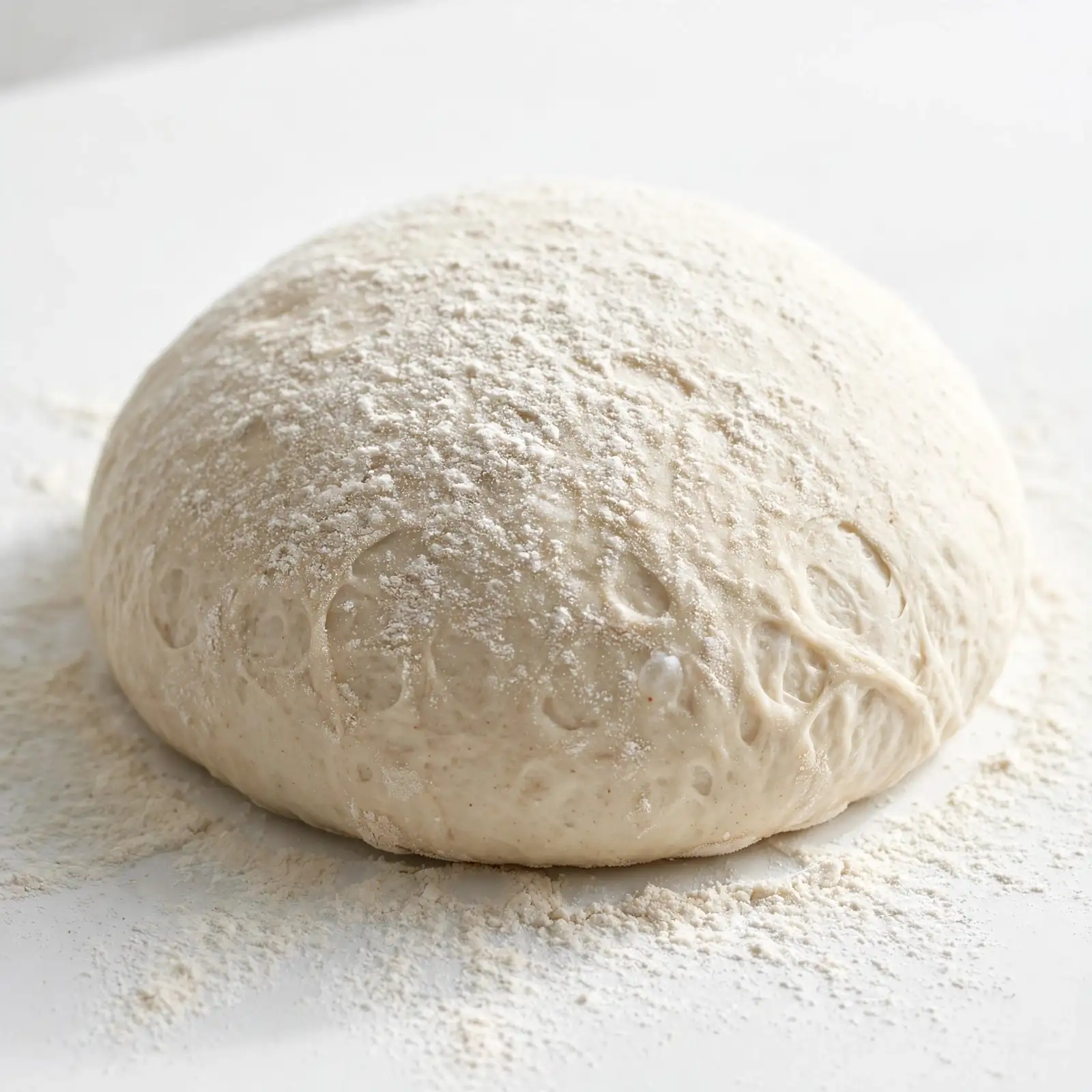
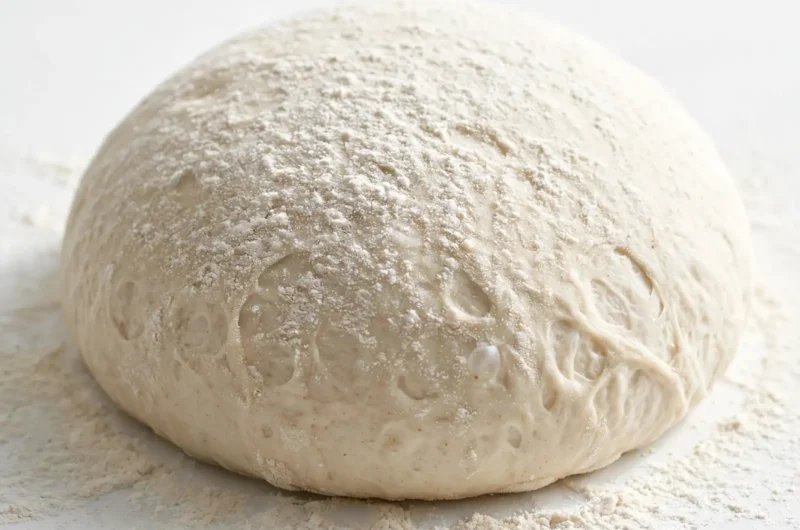
Over the next 2–3 hours, perform 4 sets of stretch-and-folds, spaced about 30–45 minutes apart. To do one set, wet your hand, grab the dough from one side, stretch it up as high as it will go without tearing, and fold it over the center. Rotate the bowl a quarter turn and repeat three more times. The dough will feel stiffer and more elastic with each round. By the fourth fold, it should be smooth, supple, and hold its shape. After the final fold, cover the bowl and let the dough rest until it has grown by about 50–75% and looks puffy with bubbles just beneath the surface.
Don’t worry if your kitchen is cool and the rise takes a bit longer — fermented dough is forgiving, and a slower rise actually improves flavor.
Step 4: Divide and Cold Ferment
Gently turn the dough out onto a lightly floured surface. Using a bench scraper or knife, divide it into 3 equal pieces (roughly 320g each). Shape each piece into a smooth, tight ball by folding the edges under itself and rotating it against the counter. Place each ball in a lightly oiled container with a lid, or cover tightly with plastic wrap. Transfer to the refrigerator and let the dough cold ferment for at least 12 hours, and up to 72 hours. The longer it rests, the more complex the flavor becomes.
Step 5: Shape, Top, and Bake
When you’re ready to bake, remove the dough balls from the fridge about 1–2 hours before you plan to cook — they need to come to room temperature so they stretch easily. Preheat your oven as high as it will go (ideally 500–550°F / 260–290°C) with a pizza stone, baking steel, or heavy upside-down baking sheet inside for at least 45 minutes. Dust your work surface with semolina and gently press the dough into a round using your fingertips, working outward from the center and leaving a thick edge for the crust.
Transfer to a dusted peel or parchment, add your toppings, and slide onto the preheated surface. Bake for 7–10 minutes until the crust is deeply golden and spotting with char, the cheese is bubbling and slightly browned, and the bottom sounds hollow when tapped. Let it rest for 2 minutes before slicing — you’ll hear it crackle, which means you’ve done everything right.
Perfecting This Recipe
- Use a starter at peak activity — it should be bubbly, domed, and roughly doubled since its last feeding. A sluggish starter means a sluggish rise.
- Keep your water temperature in the 75–80°F range. Too cold slows fermentation; too hot can damage the wild yeast.
- Wet your hand before stretch-and-folds to prevent sticking without adding extra flour.
- Cold fermentation is where the magic happens. Even 24 hours in the fridge transforms a decent dough into an exceptional one.
- Don’t rush the oven preheat. A fully heated stone or steel is non-negotiable for a crispy bottom — give it at least 45 minutes.
- When stretching, work gently and let gravity help. Never use a rolling pin, which presses out all the air bubbles you spent hours building.
- Resting the shaped dough at room temperature before baking is important — cold dough springs back and resists stretching.
Common Mistakes to Avoid
- Using an inactive starter — If your starter hasn’t been fed in several days and isn’t actively bubbling, the dough won’t rise properly. Feed it 4–8 hours before you plan to mix, and wait until it’s at or near its peak.
- Adding too much flour when shaping — It’s tempting to keep flouring a sticky dough, but too much surface flour prevents the crust from crisping properly and can make it taste dry. Use just enough to keep it from sticking.
- Skipping the cold ferment — A same-day dough made with sourdough starter is technically possible, but you’ll miss the flavor development that comes from an overnight or multi-day cold rest. The tang, the complexity, the open crumb — all of that comes from time.
- Baking on a cold surface — A preheated surface is critical. Sliding your pizza onto a cold pan or unheated stone leads to a soft, pale, undercooked bottom no matter how well the top looks.
- Pressing the dough too aggressively — Rough handling deflates the gas pockets formed during fermentation, resulting in a dense, flat crust. Be patient and gentle, especially when shaping.
Add Your Touch
- Swap a portion of bread flour (up to 20%) for whole wheat flour for a nuttier, more rustic flavor.
- Add 1 tsp of dried Italian herbs — oregano, rosemary, or garlic powder — directly into the dough at the mixing stage.
- Try a longer ferment of 48–72 hours for a more pronounced tang and even better texture.
- For a slightly richer crust, increase the olive oil to 20g and add a small drizzle of honey (5g) to balance the acidity.
- Make it gluten-free adjacent by using a high-quality 1:1 gluten-free bread flour blend (results will vary — the texture won’t be quite the same, but it works in a pinch).
- Top with burrata instead of mozzarella for a creamy, indulgent finish.
- Brush the crust edge with garlic butter straight from the oven for extra richness.
Visit Also: Homemade Biscuits
What to Serve With This
A simple dressed arugula salad with lemon and shaved parmesan cuts through the richness of a cheese-heavy pizza beautifully. A cold glass of sparkling water with lemon, or a light Italian red wine like Chianti, is the natural companion here. Roasted cherry tomatoes on the vine make a stunning side that also doubles as a topping option at the table. If you’re doing a full pizza night spread, a charcuterie board with cured meats, olives, and pickled vegetables gives guests something to graze on while the first pizzas bake. And for dessert, something easy and creamy — tiramisu cups or a scoop of good vanilla gelato — keeps the Italian spirit going to the end.
Storing and Serving
Fridge: Shaped, unbaked dough balls keep well in the fridge for up to 4 days in airtight containers. The flavor actually improves the longer they sit. Baked leftover pizza can be stored wrapped in the fridge for up to 3 days.
Freezer: After shaping the dough balls, place them on a parchment-lined tray and freeze until solid (about 2 hours), then transfer to zip-lock bags. Frozen dough keeps for up to 3 months. Thaw overnight in the fridge before using.
Reheating: Reheat leftover pizza slices in a dry skillet over medium heat with the lid on for 3–4 minutes — this restores the crispy bottom without drying out the toppings. A 375°F oven for 8 minutes also works well. Microwaving is not recommended, as it makes the crust rubbery.
Make-Ahead Tip: Mix and bulk ferment the dough up to 3 days in advance. Shaped dough balls can go directly into the fridge after shaping and held there until needed. This makes pizza night virtually effortless — just pull, rest, stretch, and bake.
Servings: This recipe makes 3 medium pizza crusts (approximately 10–12 inches each), serving about 2–3 people per pizza.
Nutrition (Approximate Per Serving — ⅙ of the full recipe, crust only)
- Calories: 210
- Total Fat: 3g
- Saturated Fat: 0.5g
- Carbohydrates: 40g
- Sugar: 0g
- Protein: 7g
- Sodium: 390mg
Nutritional values are approximate and may vary based on specific ingredients and brands used.
Chef’s Helpful Tips
- Room temperature ingredients matter. Cold water slows yeast activity significantly. Aim for 75–80°F water at the mixing stage for a predictable, reliable fermentation.
- Don’t judge your starter by the clock alone. A starter that looks domed, smells pleasantly tangy-yeasty, and floats in water is ready. One that’s flat or smells overly acidic needs another feeding.
- For clean, even slices, let the pizza rest 2 minutes after coming out of the oven. The cheese sets slightly and the crumb firms up, making it much easier to cut without everything sliding off.
- If your dough keeps snapping back when you try to stretch it, it means the gluten is too tight. Cover it and let it rest another 10 minutes before trying again — patience wins every time.
- For the crispiest bottom possible, sprinkle the pizza peel or pan with semolina, not flour. Semolina acts like little ball bearings and creates a superior crispy texture underneath the crust.
Frequently Asked Questions
Q1. Can I make this without a sourdough starter? You can substitute the sourdough starter with a small amount of commercial yeast — about ¼ tsp instant yeast dissolved in the water will work. Keep in mind you’ll lose the tang and complex flavor that makes sourdough pizza dough so special, but the texture will still be good.
Q2. How does sourdough pizza crust compare to regular pizza dough? Think of regular pizza dough as the reliable everyday option — consistent and familiar. Sourdough pizza dough is like that but turned up: more flavor, a better chew, and a crust that has genuine personality. The fermented dough also tends to be more digestible for many people because the long fermentation breaks down some of the gluten and starches.
Q3. I’m a beginner — is this recipe too advanced for me? Not at all. The technique sounds involved, but each step is genuinely simple. The stretch-and-fold method requires no special skills, and the dough is quite forgiving. The biggest thing to get right is having an active starter, and the rest mostly takes care of itself with time.
Q4. Can I make this ahead for a party? Absolutely — this is actually ideal for entertaining. Mix the dough up to 3 days ahead, keep the balls in the fridge, and pull them out 1–2 hours before your guests arrive. You can have multiple pizzas ready to go in quick succession once your oven is hot.
Q5. Can I freeze the dough? Yes, and it freezes beautifully. Shape the dough into balls, freeze them individually on a tray, then transfer to freezer bags. When you’re ready to use them, thaw in the fridge overnight and then let them come to room temperature for 1–2 hours before stretching and baking.
Conclusion
There’s something quietly satisfying about building a meal from the ground up — starting with nothing more than flour, water, salt, and a living culture that you’ve been tending yourself. This sourdough pizza dough brings all of that together into something you can share around a table, topped with whatever your family loves most, on any night that calls for something a little more intentional than the usual.
However you top it — classic margherita, caramelized onion and goat cheese, spicy soppressata, or just olive oil and garlic — the crust underneath is going to be worth talking about. Make it your own, feed the people you love, and don’t be surprised when they start asking you to make it every week. Once you go homemade sourdough, it’s genuinely hard to go back.
The Chewiest Sourdough Pizza Dough
Course: Trending Recipes3 medium pizzas (serves 6–9)
servings20
minutes7
minutes210
kcal2–3 hours
hours12–72 hours
hours35
minutesThis tangy, airy, crispy-bottomed sourdough pizza dough is made with a live sourdough starter and cold-fermented overnight for incredible depth of flavor. Perfect for family pizza nights, dinner parties, or any time you want a crust that genuinely impresses.
Ingredients
Dough:
500g bread flour
350g lukewarm water (75–80°F)
100g active sourdough starter (fed and bubbly)
10g fine sea salt
10g olive oil
For Shaping and Baking:
2 tbsp semolina flour (for dusting)
1 tbsp olive oil (for drizzling)
Directions
- Combine water and starter in a large bowl; stir until dissolved. Add flour and mix until no dry bits remain. Rest covered for 30 minutes.
- Add salt and olive oil; pinch and fold into dough until fully incorporated.
- Perform 4 sets of stretch-and-folds over 2–3 hours, spaced 30–45 minutes apart. After the last fold, rest until dough is 50–75% larger and bubbly.
- Turn dough onto a floured surface, divide into 3 equal pieces (~320g each), and shape into tight balls. Place in oiled, covered containers.
- Refrigerate for 12–72 hours (longer = more flavor).
- Remove dough 1–2 hours before baking. Preheat oven to 500–550°F with a stone or steel inside for 45 minutes.
- Stretch dough on a semolina-dusted surface, add toppings, and bake 7–10 minutes until golden and blistered on top. Rest 2 minutes before slicing.