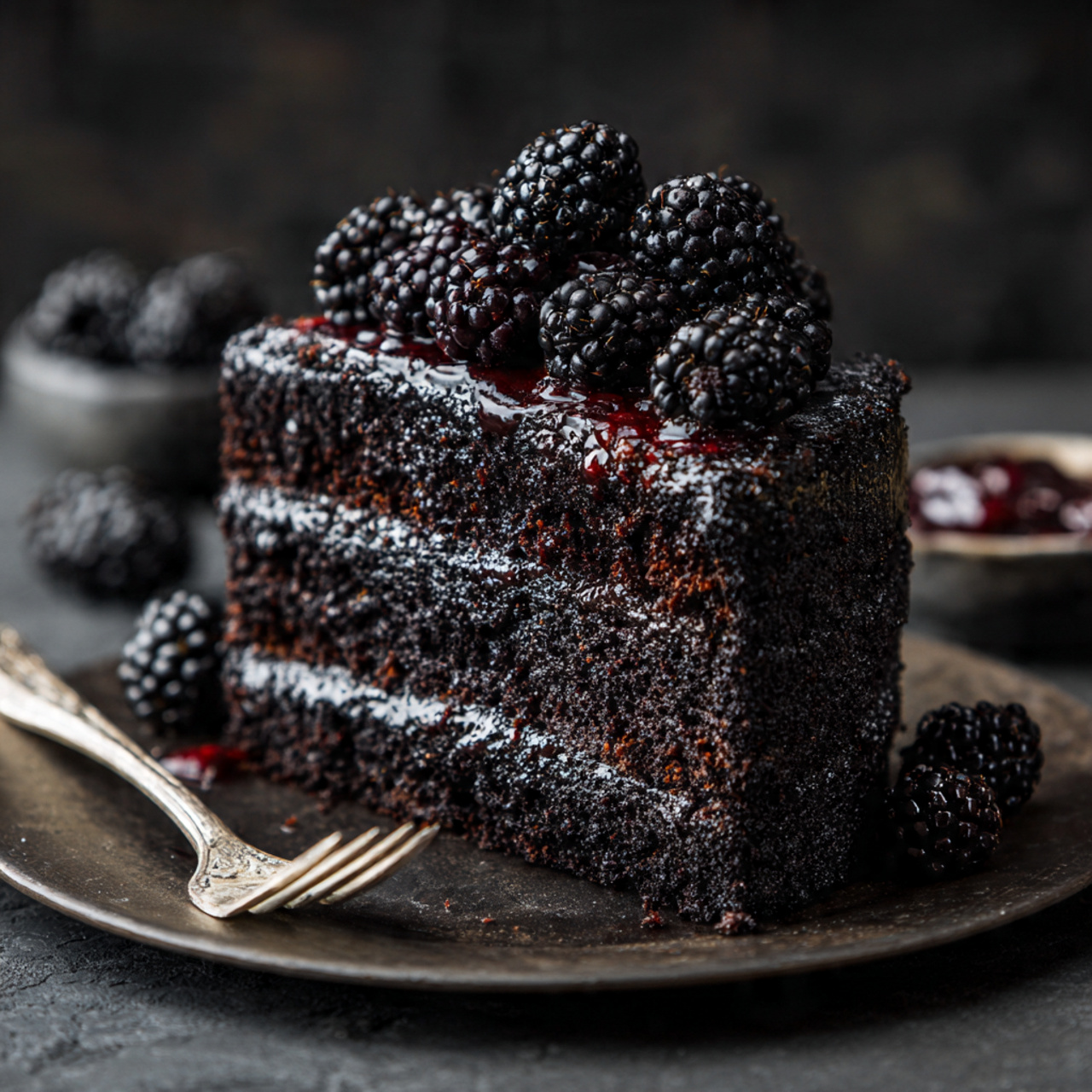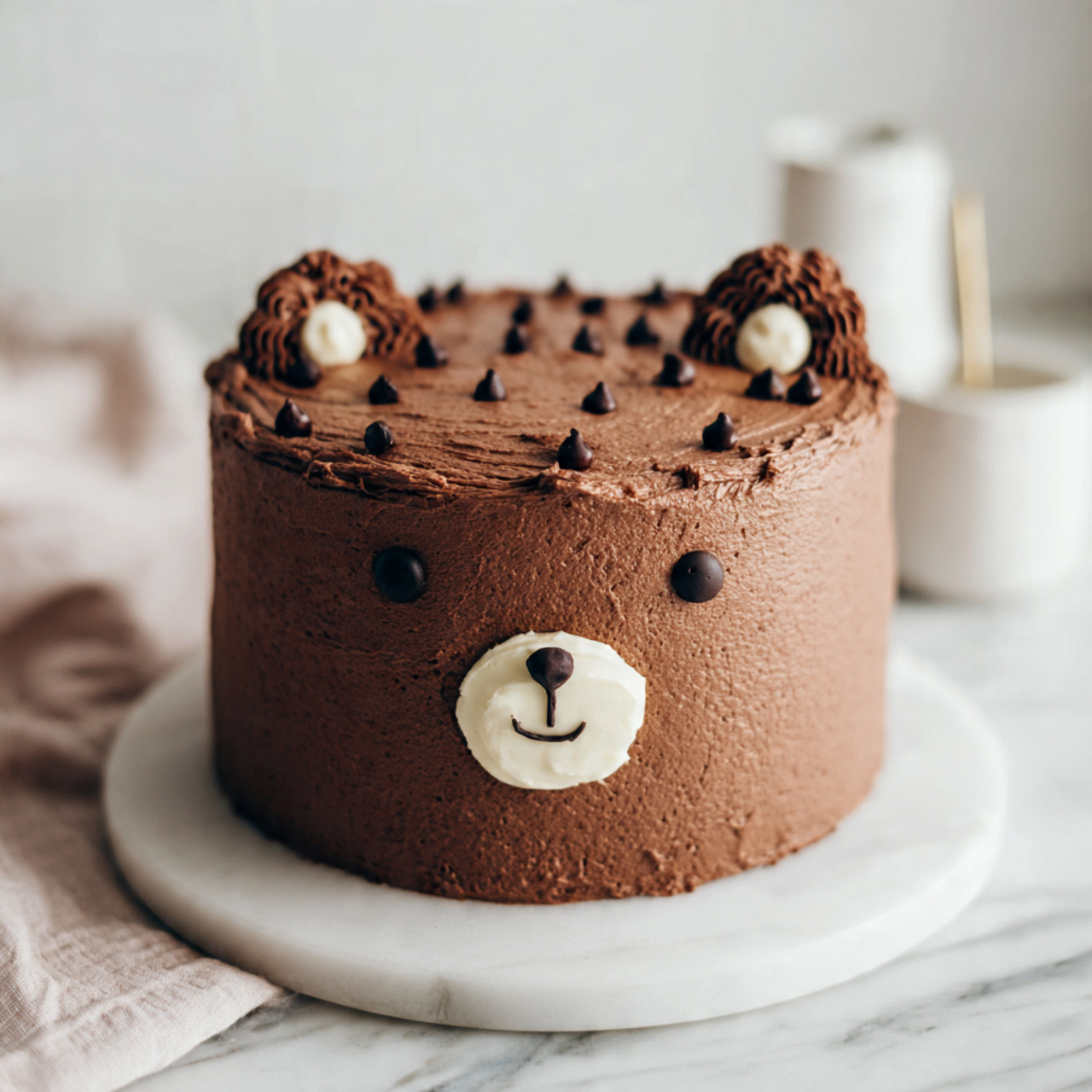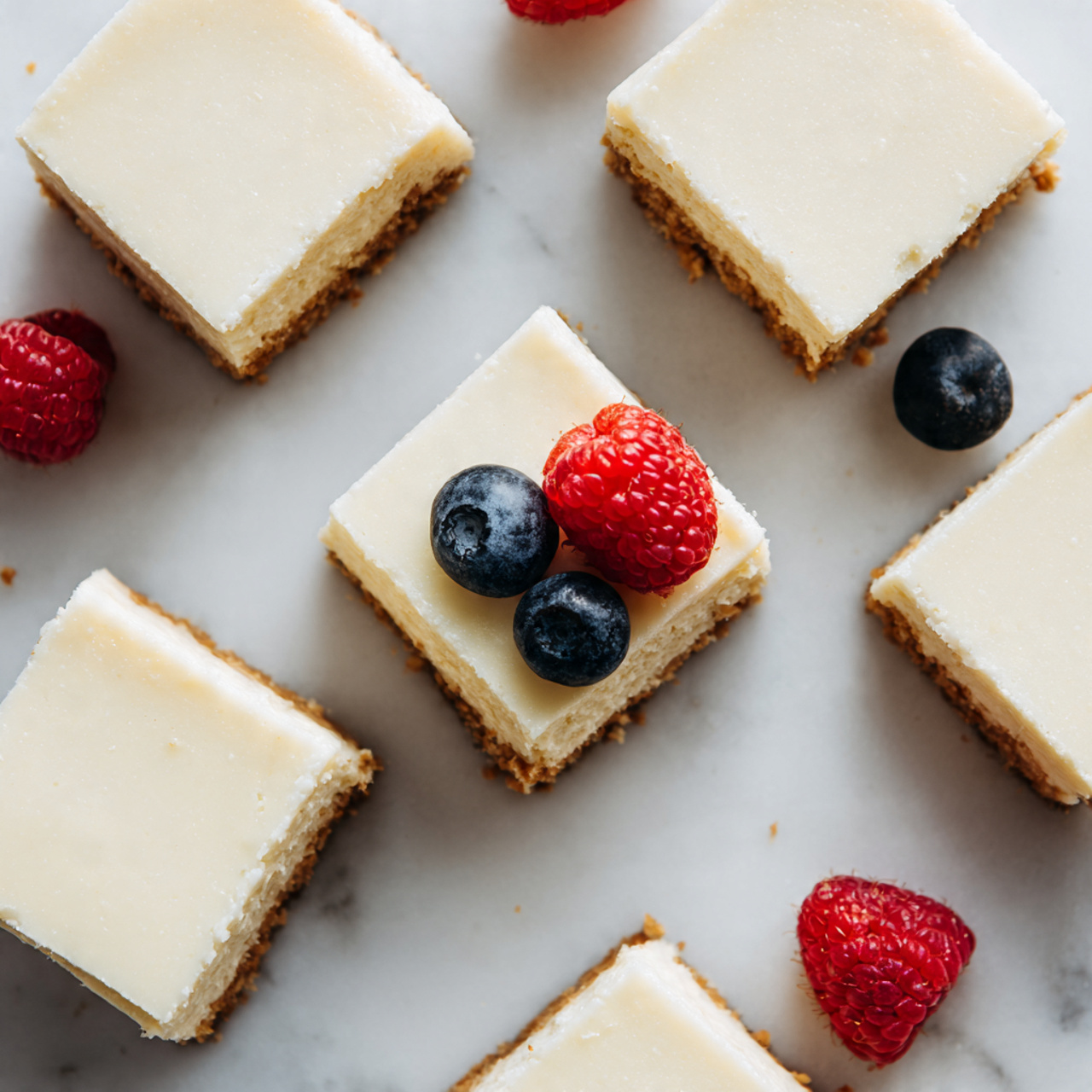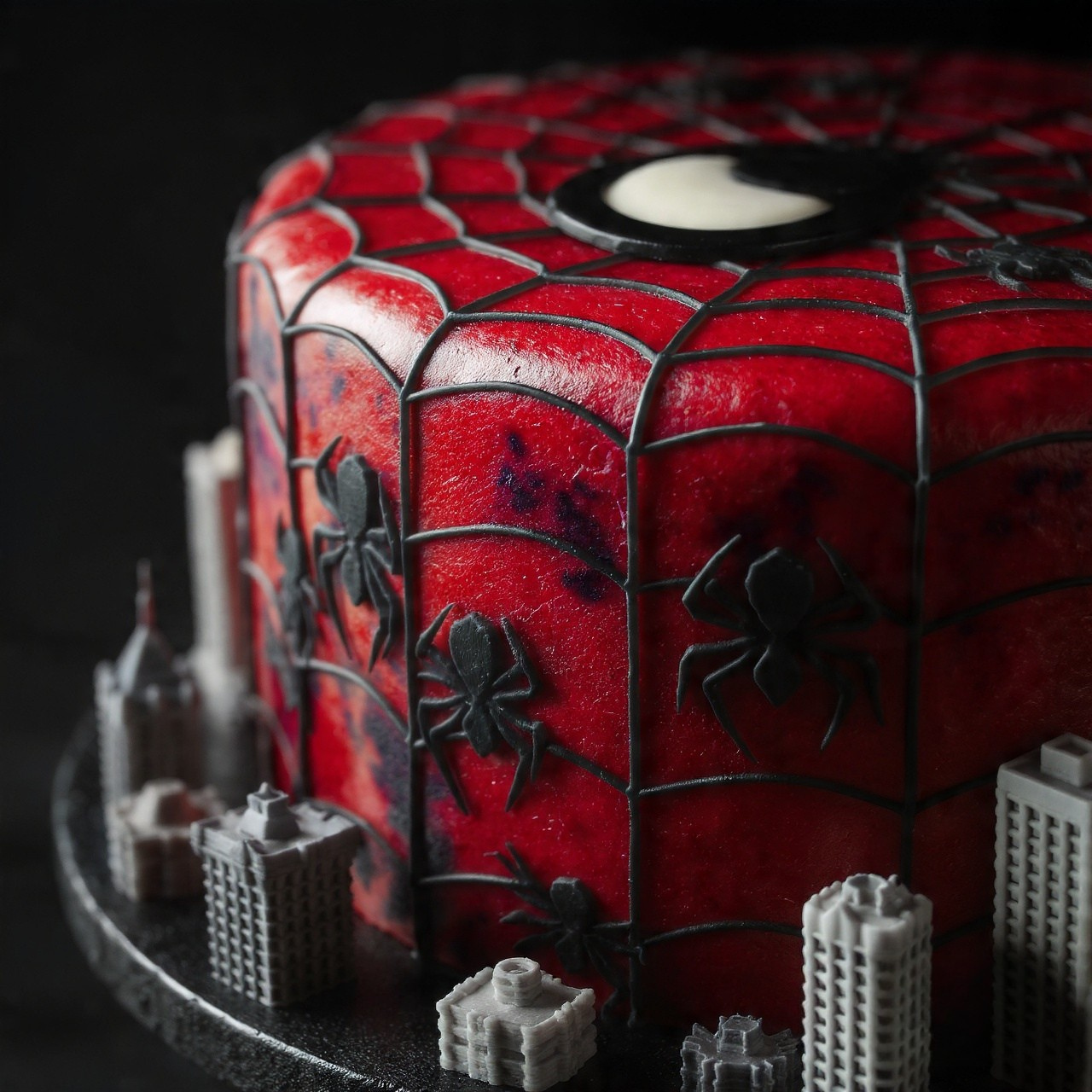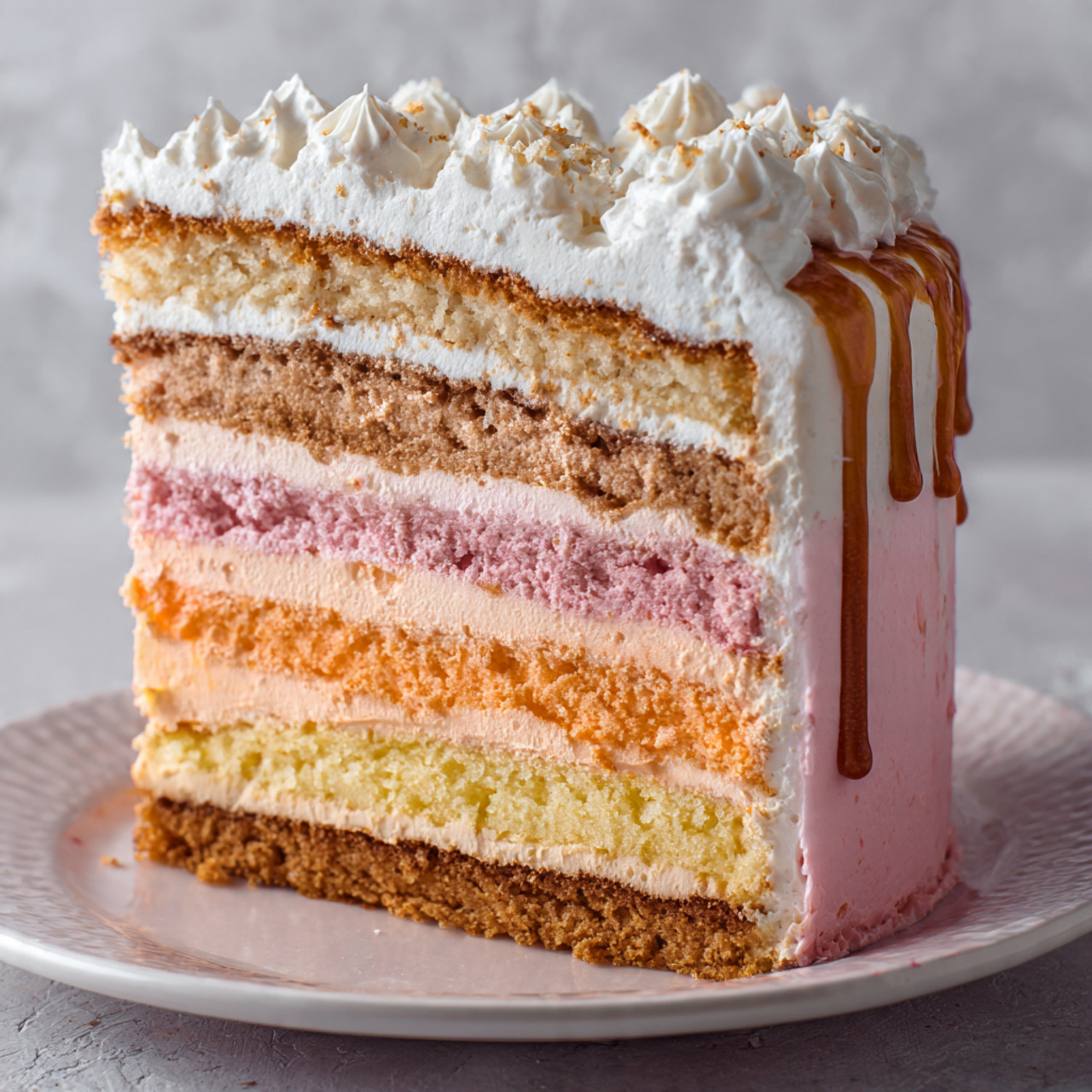
The Softest Homemade Cake Slice You’ll Want to Make Every Week
Most homemade cakes come out dense, dry, or flat — and it’s almost always caused by one of two things: butter that’s too cold to cream properly, or a batter that’s been mixed one too many times. This cake slice recipe is built to fix both problems before they happen, so what comes out of your oven is genuinely tender, golden, and soft from edge to center.
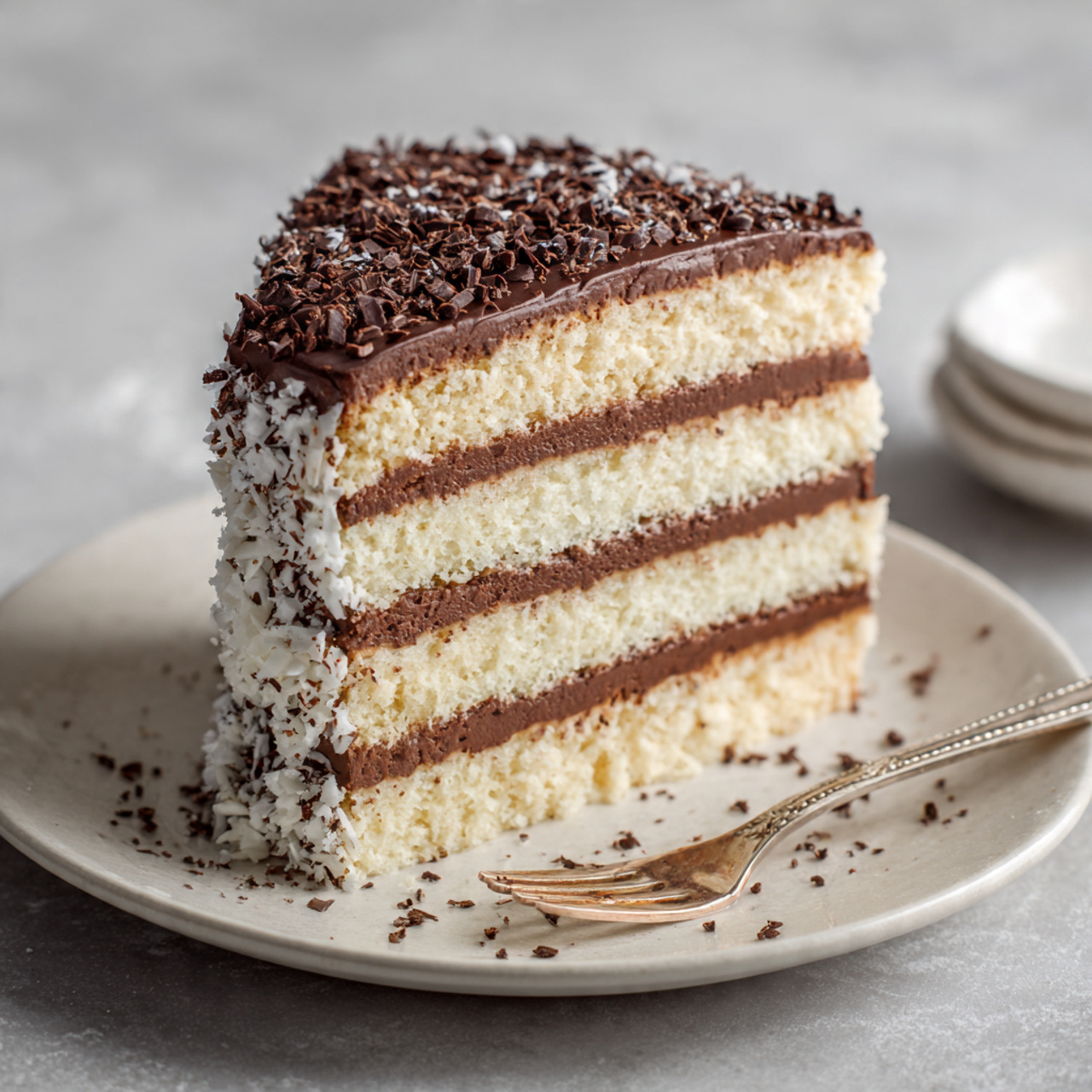
Picture a slice that holds its shape on the plate but gives way the moment your fork presses in. The crumb is fine and slightly buttery, with a delicate sweetness that doesn’t overwhelm. There’s a whisper of vanilla in every bite, a barely-there golden crust on top, and that warm, comforting scent that fills the kitchen around the 20-minute mark — the kind that makes everyone wander in from the next room.
This easy cake recipe is the kind of thing you reach for on a quiet weeknight when tea needs a companion, on a lazy Sunday when you want something homemade without a big production, or when last-minute guests arrive and you need something that looks considered without the stress. It’s also a reliable choice for school lunchboxes, small family gatherings, or anytime that cozy dessert mood strikes without warning. Once you try it, you’ll see why it earns a permanent place in your baking rotation.
Why You’ll Love This Recipe
It Comes Together With Almost No Effort
From mixing bowl to oven, this recipe takes about 10 minutes of actual hands-on time. There’s no layering, no frosting, no chilling between steps — just a simple batter that behaves exactly as it should. Even if you’ve never baked from scratch before, this one is genuinely forgiving.
The Texture Is Light Without Being Airy
Unlike heavier pound cakes, this cake slice has a tender, fine crumb that feels soft in the mouth without being too delicate to handle. It slices cleanly, holds together on the plate, and reheats beautifully the next day without drying out.
It Uses Only Pantry Staples
Every ingredient here is something most kitchens already have — flour, butter, eggs, milk, vanilla, sugar, baking powder, salt. No specialty ingredients, no trips to a specialty store, no substitutions required.
It Scales Easily for Any Occasion
Making it for two? Halve the recipe. Feeding a crowd? Double it and use a larger pan. The batter is proportional and consistent, which means the results stay reliable no matter what size you’re baking for.
You Can Dress It Up or Keep It Plain
Served as-is, it’s simple and satisfying. Add lemon zest, chocolate chips, or a dusting of powdered sugar and it transforms into something that feels a little more special. It’s one of those flexible, reliable recipes that fits the mood, not the other way around.
Ingredients
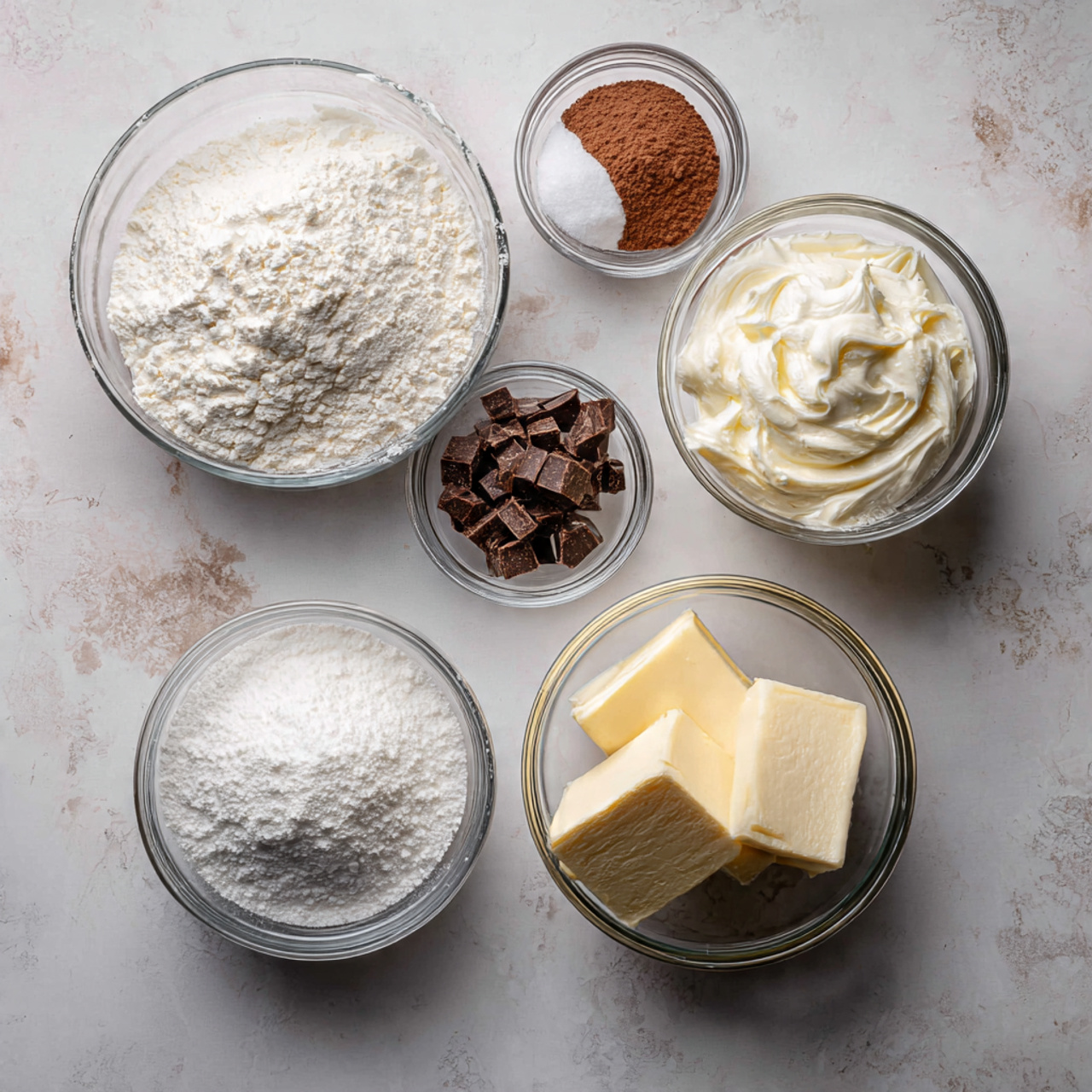
For the Batter
- 1 cup all-purpose flour
- 1/2 cup sugar
- 1/2 cup butter, softened (not melted — room temperature makes a real difference here)
- 2 eggs
- 1/4 cup milk (whole milk preferred for richness, but any milk works)
- 1 tsp vanilla extract (pure, not imitation, for the best flavor)
- 1 tsp baking powder
- Pinch of salt
The butter and sugar form the foundation of the batter’s texture, while the eggs give it structure and lift. The baking powder ensures a gentle, even rise — and the vanilla ties everything together into something that smells as good as it tastes.
How to Make Cake Slice — Step-by-Step
Step 1: Prep Your Pan and Preheat
Preheat your oven to 180°C (350°F) and lightly grease a small baking pan — an 8×8 inch square or a loaf pan both work well here. A quick swipe of butter or a spray of cooking oil is all you need. Don’t skip this step, or your cake will stick around the edges and tear when you slice it.
Step 2: Cream the Butter and Sugar
Add the softened butter and sugar to a mixing bowl and beat them together until the mixture turns pale, smooth, and slightly fluffy — about 2 to 3 minutes by hand or 1 minute with an electric mixer. This step is where the texture of your cake slice is decided. Don’t worry if it doesn’t look perfectly uniform at first; keep going and it will come together into a smooth, creamy base.
Step 3: Add the Eggs
Crack in the eggs one at a time, mixing gently after each addition until fully incorporated before adding the next. The batter might look slightly curdled at this stage — that’s completely normal and nothing to worry about. It will smooth out once the flour goes in.
Step 4: Fold in the Dry Ingredients and Milk
Sift the flour, baking powder, and salt into a separate bowl, then add them to the wet mixture in two additions, alternating with the milk. Stir in the vanilla extract and fold everything together until just combined — the batter should look smooth and slightly glossy, with no visible streaks of flour. Stop mixing the moment it comes together. Overmixing is the quickest way to end up with a dense, rubbery slice.
Step 5: Bake and Cool
Pour the batter into your prepared pan and give it a gentle tap on the counter to release any air pockets. Bake for 25 to 30 minutes, until the top is golden and a toothpick inserted into the center comes out clean. The edges will begin to pull away from the sides of the pan — that’s a reliable sign it’s done. Let the cake cool in the pan for at least 10 minutes before slicing. Don’t worry if it deflates slightly as it cools; that’s completely normal and doesn’t affect the texture.
Perfecting This Recipe
- Use butter that’s genuinely room temperature, not softened in the microwave. It should leave an indent when pressed but not feel greasy or melted.
- Measure flour by spooning it into the measuring cup and leveling off — scooping directly from the bag packs in too much flour and leads to a denser bake.
- Fold the batter gently. A spatula works better than a whisk at this stage, and a few folds are always better than one too many.
- Allow the cake to cool before slicing. Cutting too soon compresses the crumb and makes slices look collapsed even if the bake was perfect.
- If your oven runs hot, start checking at the 22-minute mark. Every oven is different, and the toothpick test is far more reliable than the timer alone.
- Warm eggs and milk (brought to room temperature with the butter) help the batter emulsify more smoothly and produce a finer crumb.
Common Mistakes to Avoid
Using cold butter — Cold butter won’t cream with the sugar properly. The mixture stays chunky, and you end up with an uneven, heavy texture. Softened butter is non-negotiable here.
Overmixing the batter — Once the flour goes in, every extra stir develops more gluten, and more gluten means a tougher, denser result. Mix until the batter is just smooth and stop.
Skipping the cooling time — Slicing into a warm cake compresses the structure. The interior needs time to set, or your slices will look squashed and fall apart at the edges.
Using a pan that’s too large — A pan that’s too big spreads the batter too thin, leading to a flat, over-baked slice instead of a thick, properly risen one. Stick to the recommended size or adjust accordingly.
Eyeballing measurements — This is a baking recipe, which means ratios matter. Using slightly too much flour or too little butter changes the entire result. A set of measuring cups and spoons will make this recipe consistently reliable every time.
Add Your Touch
- Fold in a handful of chocolate chips before pouring into the pan for a sweet, melty surprise in every slice.
- Add the zest of one lemon or orange to the batter for a bright citrus note that cuts through the richness.
- A pinch of cinnamon or cardamom mixed into the dry ingredients adds warmth without overpowering the vanilla.
- Top with thinly sliced banana or a few fresh berries pressed lightly into the batter before baking for a fruity variation.
- Dust the cooled cake with powdered sugar or drizzle a simple glaze of icing sugar and milk over the top for a slightly more dressed-up look.
- Swap half the all-purpose flour for almond flour for a slightly denser, nuttier slice with a more rustic texture.
Visit Also: Boy Cake
What to Serve With This
Hot tea or coffee — The classic pairing. The slight bitterness of tea or coffee balances the sweetness of the cake beautifully, making this a genuinely satisfying afternoon break.
Fresh berries or sliced banana — A handful of strawberries or a few banana slices on the side adds color, freshness, and a contrast in texture that makes the plate feel a little more complete.
A small scoop of vanilla ice cream — For an easy dessert that feels a bit more indulgent, a scoop alongside a warm slice is hard to beat.
Whipped cream — Light, simple, and just rich enough to complement the cake without competing with it.
A glass of cold milk — Old-fashioned but perfect, especially for serving to kids or when you want something uncomplicated.
Storing and Serving
Fridge Store leftover slices in an airtight container in the refrigerator for up to 3 days. Place a sheet of parchment between layers if you’re stacking them to prevent sticking.
Freezer Wrap individual slices tightly in plastic wrap or foil, then place in a freezer-safe bag. Freeze for up to one month. The texture holds up well — just thaw at room temperature for about 30 minutes before serving.
Reheating Microwave individual slices for 10 to 15 seconds to bring back that fresh-baked softness. Avoid overheating, as the cake dries out quickly. If reheating multiple slices, do them one at a time for the best result.
Make-Ahead Tip The batter can be prepared up to a few hours in advance and kept covered in the fridge before baking. Alternatively, bake the entire cake earlier in the day, let it cool fully, and store it covered at room temperature until you’re ready to slice and serve.
Servings This recipe yields approximately 8 slices, depending on how thickly you cut them.
Nutrition (Approximate Per Serving)
- Calories: ~230
- Total Fat: 12g
- Saturated Fat: 7g
- Carbohydrates: 28g
- Sugar: 13g
- Protein: 3g
- Sodium: 120mg
Nutritional values are approximate and may vary based on specific ingredients and brands used.
Chef’s Helpful Tips
- Always bring your butter, eggs, and milk to room temperature before starting. Cold ingredients don’t blend smoothly and cause the batter to split.
- Start checking the cake at 22 minutes, especially if your oven tends to run warm. An overbaked cake slice turns dry and crumbly fast.
- For the cleanest slices, use a sharp knife and wipe the blade between cuts. A warm, clean knife glides through without tearing the crumb.
- If you want a slightly more golden top, brush the surface lightly with a little milk before baking.
- If your cake comes out too dense, the most likely cause is overmixing or cold butter. Both are easy to correct on the next round — and the result improves noticeably.
Frequently Asked Questions
Q1. Can I replace the milk with something else? Yes — plant-based milk such as oat, almond, or soy all work without noticeably changing the texture or flavor. Plain water can be used in a pinch, though the crumb will be very slightly less rich. Keep the quantity exactly the same.
Q2. How does this compare to a regular sponge cake? It’s similar to a classic vanilla sponge but a little denser and more compact, which is actually what makes it so easy to slice, pack, and store. Think of it as a sponge with more structure — softer than a pound cake but sturdier than a traditional layer cake.
Q3. Is this recipe beginner-friendly? Completely. There’s no special equipment needed, no complex techniques, and no timing that requires precision. If you can stir a batter and set a timer, this recipe is within reach.
Q4. Can I make this ahead for a gathering? Yes, and it actually travels and holds up well. Bake it the day before, let it cool completely, and store it covered at room temperature or in the fridge. Slice just before serving for the neatest presentation.
Q5. Can I freeze the whole cake instead of individual slices? You can, though individual slices are more convenient since you can thaw only what you need. If freezing whole, wrap it tightly in two layers of cling film and place it in a freezer bag. Thaw overnight in the fridge or for a few hours at room temperature before slicing.
Conclusion
There’s something quietly satisfying about having a recipe this reliable in your back pocket — one that doesn’t demand much, never disappoints, and fits into almost any moment. This homemade cake slice is exactly that kind of recipe. Whether you’re baking it for yourself on a slow evening or making a batch to share with family, it brings that warm, from-scratch feeling without any of the stress that usually comes with it.
Try it plain first, then make it your own. Add citrus zest if you’re feeling bright, chocolate if you’re craving something richer, or keep it just as it is — simple, soft, and genuinely good. However you make it, there’s a strong chance this becomes one of those recipes you stop searching for, because you already know it works.in or try new flavors depending on your mood. Once you try it, it naturally becomes part of your regular baking routine, ready whenever you need a quick and cozy treat.
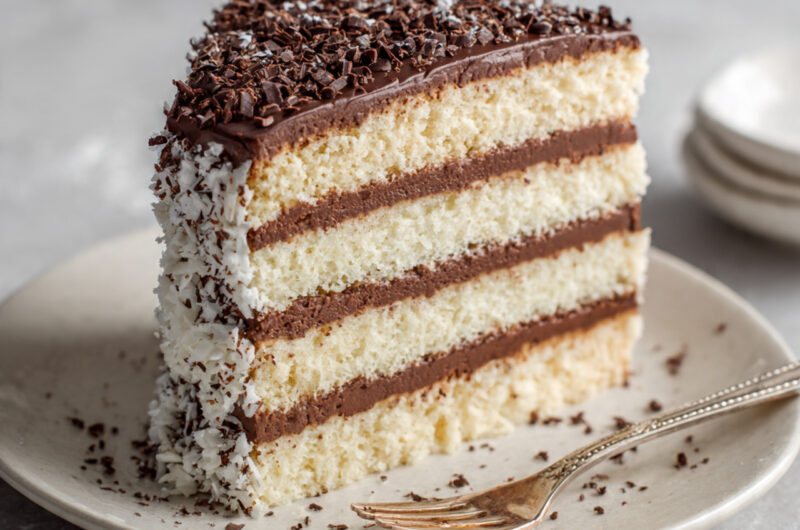
The Softest Homemade Cake Slice
Course: Cake4
servings10
minutes30
minutes230
kcal50
minutesA tender, lightly sweet baked cake slice with a fine, buttery crumb and golden top. Ready in under an hour with simple pantry staples — perfect for weeknights, small gatherings, or whenever a cozy dessert is needed.
Ingredients
For the Batter:
1 cup all-purpose flour
1/2 cup sugar
1/2 cup butter, softened
2 eggs
1/4 cup milk
1 tsp vanilla extract
1 tsp baking powder
Pinch of salt
Directions
- Preheat oven to 180°C (350°F). Grease a small baking pan.
- Beat softened butter and sugar until pale and fluffy, about 2–3 minutes.
- Add eggs one at a time, mixing well after each addition.
- Sift flour, baking powder, and salt into the bowl. Fold in gently, alternating with the milk.
- Stir in vanilla extract until just combined — do not overmix.
- Pour batter into the prepared pan and tap lightly on the counter.
- Bake for 25–30 minutes until the top is golden and a toothpick comes out clean.
- Cool in the pan for 10 minutes before slicing.