The Richest German Chocolate Cake Frosting That Turns Every Slice Into Something Special
German Chocolate Cake Frosting sounds simple enough — until you’re standing over a pot watching the eggs scramble into stringy, uneven clumps while the whole mixture separates. That curdled, grainy result is the number one reason home bakers give up on making this frosting from scratch. This recipe shows you exactly how to avoid it, keeping the base smooth, glossy, and silky from start to finish — every single time.
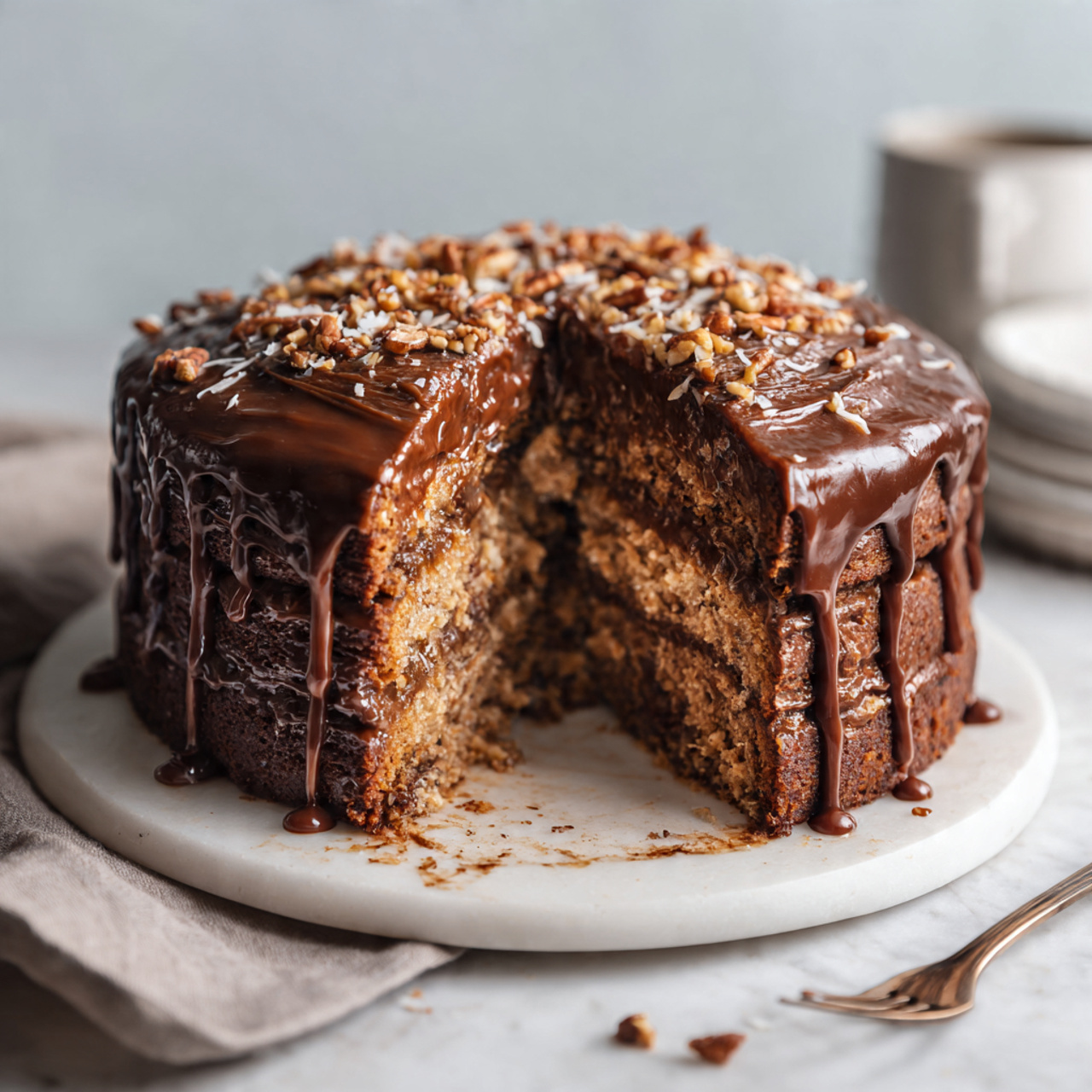
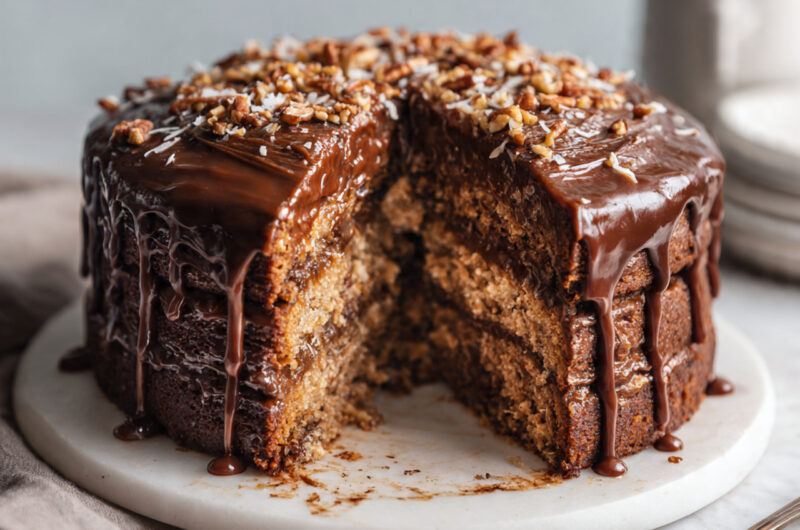
Picture a golden, caramel-scented frosting that clings to the back of a spoon with just the right weight. Every spoonful is loaded with tender shreds of coconut and clusters of buttery, toasted-tasting pecans. The base has a deep, almost toffee-like sweetness from the brown sugar and egg yolks, tempered by a warm lift of vanilla. It’s thick enough to pile generously between cake layers, yet soft enough to spread without tearing. The first bite is warm, nutty, slightly chewy, and completely satisfying.
This is the kind of frosting that earns a place at the family dinner table, a potluck dessert spread, a birthday celebration, or a quiet weekend afternoon when you simply want something genuinely homemade. It’s the classic coconut pecan frosting that makes even a modest sheet cake feel like it came from a real bakery. Whether this is your very first batch or your fiftieth, this recipe will find a permanent place in your baking rotation.
Why You’ll Love This Recipe
It’s Made From Real, Simple Ingredients
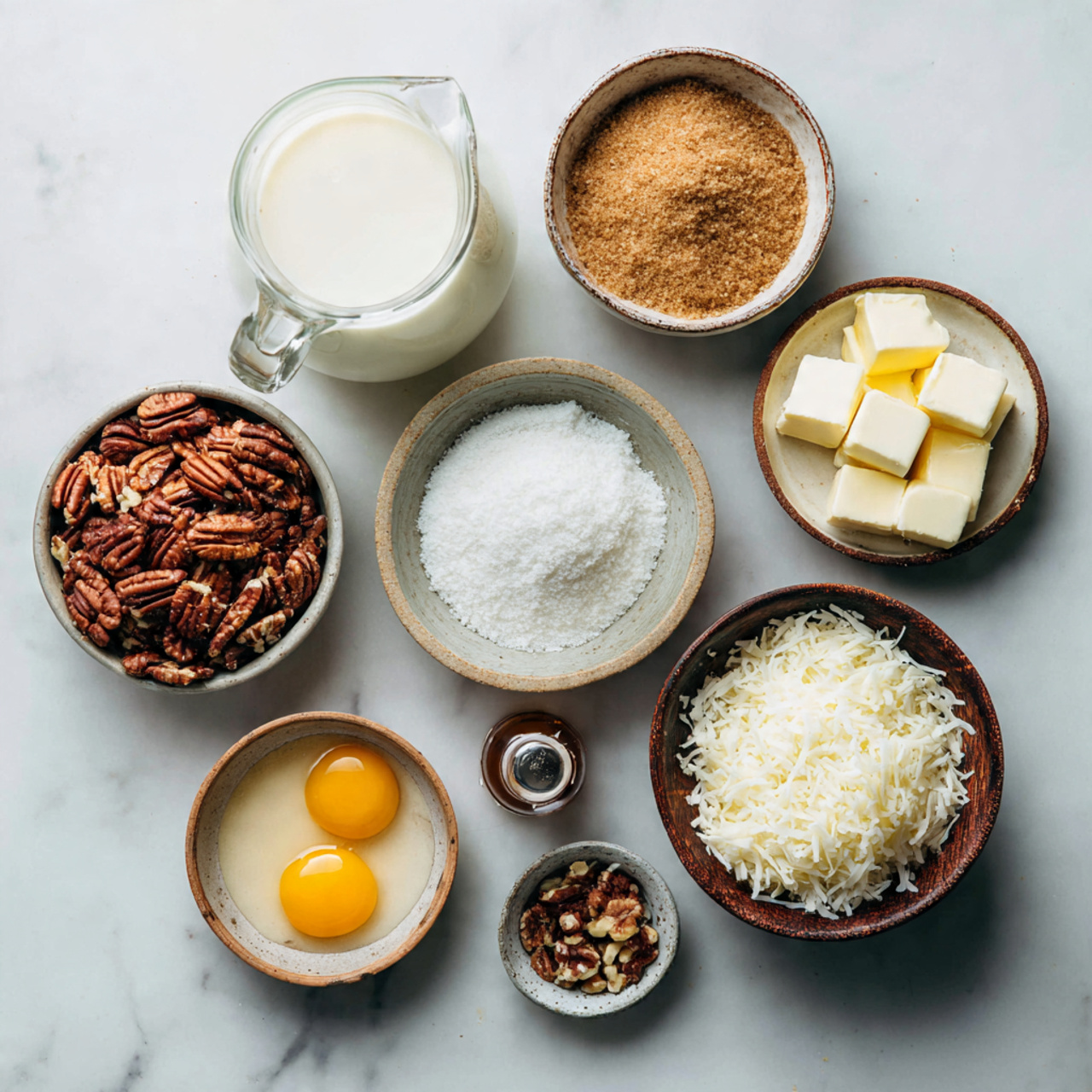
No powdered mixes or artificial shortcuts here — just seven pantry staples that come together into something far more special than the ingredient list suggests. Evaporated milk, brown sugar, butter, egg yolks, coconut, and pecans are all you need.
The Flavor Balance Is Absolutely Right
This isn’t cloying or one-dimensional. The brown sugar brings a gentle molasses warmth, the butter adds richness, and the pecans cut through with a slightly earthy, satisfying crunch. Every bite hits multiple flavor notes at once without any single one overwhelming the rest.
The Texture Is Pure Comfort
Thick but not stiff, chunky but not clumpy — the texture of this frosting is genuinely one of its best qualities. The coconut stays soft and chewy while the pecans add crunch, and the glossy base ties everything together in a fudge-like consistency that’s deeply satisfying.
It’s Beginner-Friendly and Comes Together Fast
One saucepan, a wooden spoon, and about 25 minutes of active time. No stand mixer, no candy thermometer, no special equipment. It’s as approachable as a frosting gets, and forgiving enough for first-timers to nail on the very first try.
It Works for Far More Than Just Cake
Spread it on a classic layer cake, spoon it over warm brownies, or dollop it onto cupcakes for a rustic, crowd-pleasing finish. This easy frosting recipe is versatile enough to become your go-to topping all baking season long.
Ingredients
For the Frosting Base
- 1 cup evaporated milk
- 3/4 cup brown sugar (packed, for deeper caramel flavor)
- 3 egg yolks (lightly beaten before adding to the pan)
- 1/2 cup unsalted butter (cut into pieces for even melting)
- 1 teaspoon vanilla extract (pure, not imitation)
For the Mix-Ins
- 1 cup shredded coconut (sweetened or unsweetened — unsweetened gives a more balanced, less sweet result)
- 3/4 cup chopped pecans (roughly chopped for good texture; finely chopped if you prefer a smoother spread)
The combination of coconut and pecans folded into that silky, egg-yolk-enriched base is what makes homemade frosting like this completely unmistakable — rich, texturally layered, and deeply satisfying in a way no store-bought version can replicate.
How to Make German Chocolate Cake Frosting — Step-by-Step
Step 1: Prep Everything Before You Start
Before you turn on the stove, get everything measured and within arm’s reach. Lightly whisk the egg yolks in a small bowl, chop the pecans into even pieces, and have your coconut and vanilla nearby. Once this frosting starts cooking, the process moves quickly — having everything prepped means you won’t have to scramble.
Step 2: Combine the Base in the Pan
In a medium saucepan over medium heat, combine the evaporated milk, brown sugar, beaten egg yolks, and butter. Stir gently but continuously as everything melts together. Don’t worry if the mixture looks a little uneven at first — once the butter fully melts and the heat works through evenly, it will smooth out into a uniform, pale golden liquid.
Step 3: Cook Until the Mixture Thickens
Keep stirring over medium heat for 10 to 12 minutes, until the mixture noticeably thickens and deepens in color. You’ll know it’s ready when it coats the back of a spoon and holds a clean line when you drag your finger across it — that’s the sign your egg yolks have set properly and the base is stable. Don’t worry if it doesn’t look as thick as you expected while still on the heat; it firms up considerably as it cools.
Step 4: Add the Coconut, Pecans, and Vanilla
Remove the pan from the heat the moment it reaches that spoon-coating consistency. Add the vanilla extract, shredded coconut, and chopped pecans all at once and stir until evenly combined. The frosting will look glossy, chunky, and beautifully golden — exactly as it should be.
Step 5: Cool Before Spreading
Let the frosting rest at room temperature for 10 to 15 minutes before using it. It will thicken considerably during this time, transforming from a pourable sauce into a proper, spreadable frosting. Don’t worry if it seems loose right after cooking — the cooling period is doing exactly what it should.
Perfecting This Recipe
- Whisk the egg yolks lightly before they go into the pan. Dropping them in whole creates uneven cooking and streaks.
- Keep the heat firmly at medium — not medium-high. Rushing with higher heat is the primary reason frostings curdle.
- Stir constantly and don’t walk away. Even 30 seconds of neglect can cause the eggs to set unevenly along the bottom of the pan.
- Let the cooling time do its job. Spreading too early results in a runny frosting that slides right off the cake.
- For a richer, deeper pecan flavor, toast the chopped pecans in a dry skillet for 2 to 3 minutes before adding them. The difference in depth is immediately noticeable.
- Use fresh, good-quality shredded coconut. Pre-packaged coconut that’s been on the shelf for months tends to taste dry and a little stale — fresh coconut makes a real difference here.
Common Mistakes to Avoid
- Cooking over too high a heat — High heat is the top reason German Chocolate Cake Frosting turns grainy or curdled. The eggs need low, steady warmth to set smoothly, not a sudden blast.
- Adding the mix-ins while still on the stove — Always remove the pan from the heat first. Continuing to cook after adding coconut and pecans can make the coconut go rubbery and leave the pecans tasting bitter.
- Skipping the constant stirring — Even a brief pause can cause the eggs to set unevenly along the bottom. Keep that spoon moving the entire time the pan is on the heat.
- Spreading before it’s cooled enough — A too-warm frosting will run off the cake and pool at the base. Wait until it’s visibly thickened and spreadable before you start.
- Using sweetened coconut without adjusting the sugar — Sweetened coconut adds significant extra sugar to an already sweet base. If using it, consider reducing the brown sugar slightly to keep the balance right.
Add Your Touch
- Swap pecans for walnuts or toasted almonds for a slightly different crunch and flavor profile.
- Add a pinch of cinnamon or a tiny drop of almond extract for a warm, spiced twist.
- Stir in a tablespoon of dark rum or bourbon after removing from the heat for a grown-up version that pairs beautifully with rich chocolate cake.
- Use unsweetened coconut for a more nuanced, less sweet frosting — especially nice if the cake layers themselves are very rich.
- Fold in a handful of mini chocolate chips after the frosting has cooled slightly for a coconut-chocolate mashup that’s completely irresistible.
Visit Also: King Cake
What to Serve With This
- Spread generously over a classic German chocolate layer cake for the most traditional and timeless pairing.
- Spoon over warm brownies straight from the pan for an easy, indulgent weeknight dessert.
- Use as a filling between vanilla cake layers for a fun, unexpected flavor contrast.
- Serve alongside a scoop of vanilla bean ice cream for an effortless but impressive dessert bowl.
- Dollop onto chocolate cupcakes instead of traditional buttercream for a rustic, bakery-style finish.
Storing and Serving
Fridge Transfer any leftover frosting to an airtight container and refrigerate for up to 4 days. Press a piece of plastic wrap directly onto the surface before sealing to prevent a skin from forming on top.
Freezer This frosting freezes well for up to 2 months. Spoon it into a freezer-safe airtight container, seal tightly, and thaw overnight in the refrigerator before using.
Reheating Warm refrigerated frosting gently in a small saucepan over low heat while stirring, or microwave in 15-second bursts, stirring between each. Don’t rush it — gentle heat is what keeps the texture smooth.
Make-Ahead Tip The frosting can be made up to 2 days in advance and stored in the fridge. Bring it to room temperature for about 20 minutes and give it a good stir before spreading. It tastes even better after the flavors have had time to settle.
Servings This recipe makes enough frosting to generously cover one 9-inch two-layer cake, or frost approximately 12 standard cupcakes.
Nutrition (Approximate Per Serving)
- Calories: ~225
- Total Fat: 15g
- Saturated Fat: 8g
- Carbohydrates: 22g
- Sugar: 19g
- Protein: 3g
- Sodium: 35mg
Nutritional values are approximate and may vary based on specific ingredients and brands used.
Chef’s Helpful Tips
- Use room temperature egg yolks whenever possible — they incorporate more smoothly into the warm base and significantly reduce the risk of scrambling.
- Pull the pan from the heat the moment the frosting reaches that spoon-coating stage. Overcooking even slightly can cause it to seize up and become too thick to spread comfortably.
- For clean, even frosting between cake layers, use an offset spatula and work from the center outward in slow, steady strokes.
- Refrigerated shredded coconut gives a noticeably more tender texture and cleaner flavor than the shelf-stable packaged variety — worth the extra trip to the produce aisle.
- If your frosting sets firmer than expected before you’ve finished spreading, stir in a teaspoon of warm evaporated milk at a time until it loosens to just the right consistency.
Frequently Asked Questions
Q1. Can I make this frosting ahead of time? Absolutely — it’s actually a great make-ahead option. Prepare it up to two days before you need it, store it in an airtight container in the fridge, and let it come to room temperature for about 20 minutes before spreading. A good stir will bring it right back to its original glossy consistency.
Q2. My frosting came out runny. What went wrong? It almost certainly needed more time on the heat. The mixture needs to reach a thick, spoon-coating consistency before you remove it from the stove. Next time, keep stirring for a few extra minutes and wait until that clean-line test works — the frosting will firm up significantly as it cools.
Q3. Can I substitute the pecans for something else? Easily. Walnuts are the most natural swap and give a similar earthy, slightly rich flavor with a softer bite. Toasted almonds work well too, especially if you want a lighter, crunchier finish. Keep the same quantity either way.
Q4. Is this frosting beginner-friendly? Very much so. The only technique involved is stirring constantly over medium heat — there’s no tempering, no sugar thermometer, and no stand mixer required. As long as you keep the heat moderate and don’t rush it, you’ll get a great result on the first try.
Q5. Can I freeze this frosting? Yes, it freezes beautifully for up to two months. Spoon it into a freezer-safe airtight container, thaw overnight in the fridge, and warm gently before spreading. The texture holds up remarkably well after thawing.
Conclusion
German Chocolate Cake Frosting is one of those recipes that feels like a small act of love every time you make it. The moment that glossy, coconut-and-pecan-studded base hits the cake, something shifts — it stops being just dessert and starts being something people genuinely remember. It carries warmth and intention in every spoonful, and once you’ve made it from scratch, you’ll understand why it’s been a beloved classic across so many family kitchens for generations.
Whether you pile it thick between chocolate cake layers, spoon it over a pan of warm brownies, or quietly eat a spoonful straight from the pot — that last part is non-negotiable — this is a frosting worth making your own. Adjust the sweetness, add a splash of bourbon, fold in a handful of chocolate chips, or keep it exactly as written. Every version is worth it.
German Chocolate Cake Frosting
Course: Trending Cake4
servings10
minutes15
minutes225
kcal35
minutesRich, golden, and loaded with shredded coconut and toasted pecans, this stovetop frosting comes together in one pan with simple pantry ingredients. It’s the ideal classic topping for layer cakes, cupcakes, or any dessert that deserves something a little extra special.
Ingredients
Frosting Base:
1 cup evaporated milk
3/4 cup brown sugar, packed
3 egg yolks, lightly beaten
1/2 cup unsalted butter, cut into pieces
1 teaspoon pure vanilla extract
Mix-Ins:
1 cup shredded coconut
3/4 cup chopped pecans
Directions
- Measure and prep all ingredients before starting. Lightly beat the egg yolks and chop the pecans into even pieces.
- Combine evaporated milk, brown sugar, beaten egg yolks, and butter in a medium saucepan over medium heat.
- Stir constantly for 10–12 minutes until the mixture thickens and coats the back of a spoon, turning a deeper golden color.
- Remove from heat immediately. Stir in vanilla extract, shredded coconut, and chopped pecans until fully combined.
- Cool at room temperature for 10–15 minutes until thickened and spreadable before using.