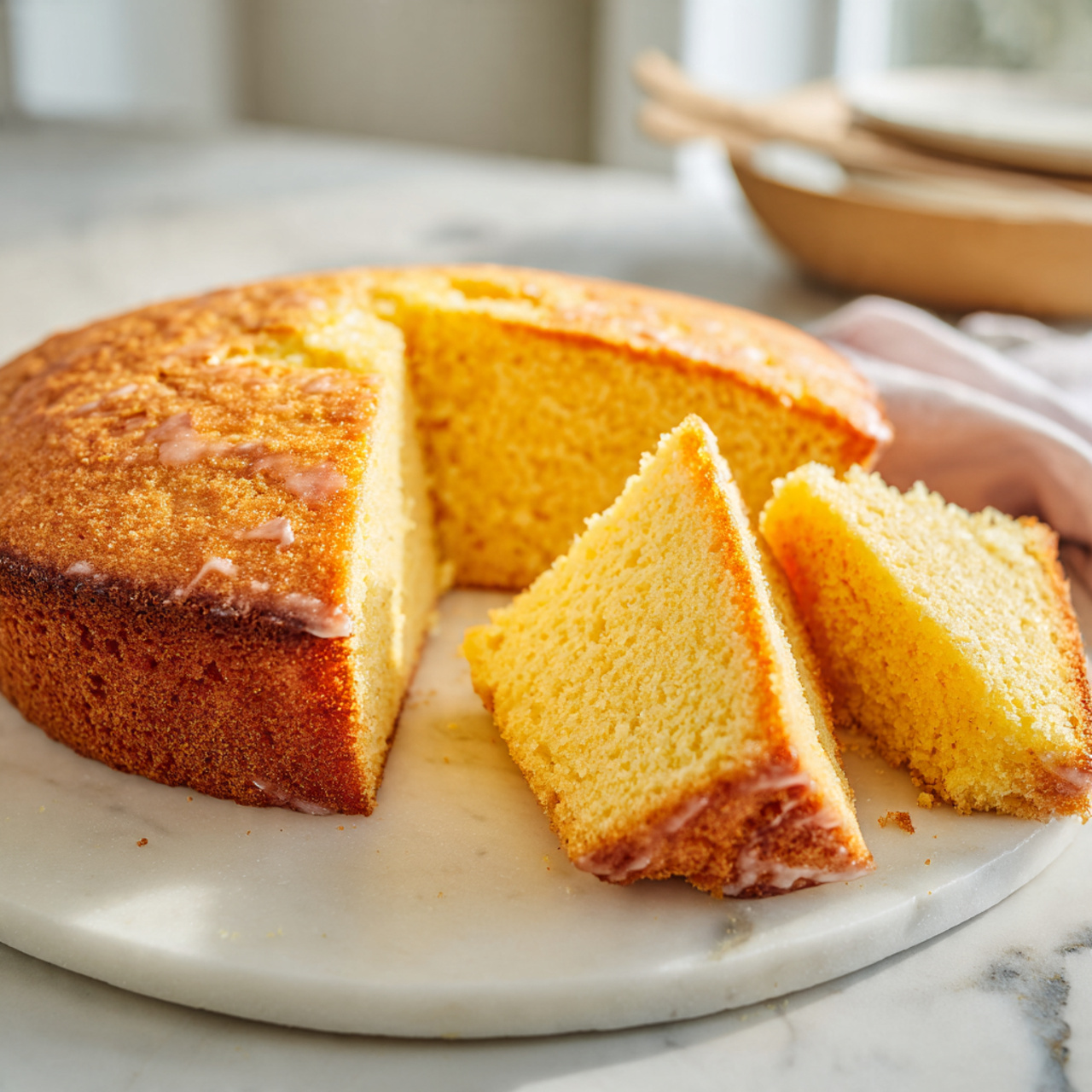
The Softest Mango Cake You’ll Make All Season Long
Most homemade fruit cakes come out dense, gummy in the middle, or so sweet they drown out the actual fruit — and mango cake is no exception. The culprit is almost always too much liquid or an unbalanced batter that can’t carry the weight of the puree. This recipe is built differently, and it shows in every single slice.
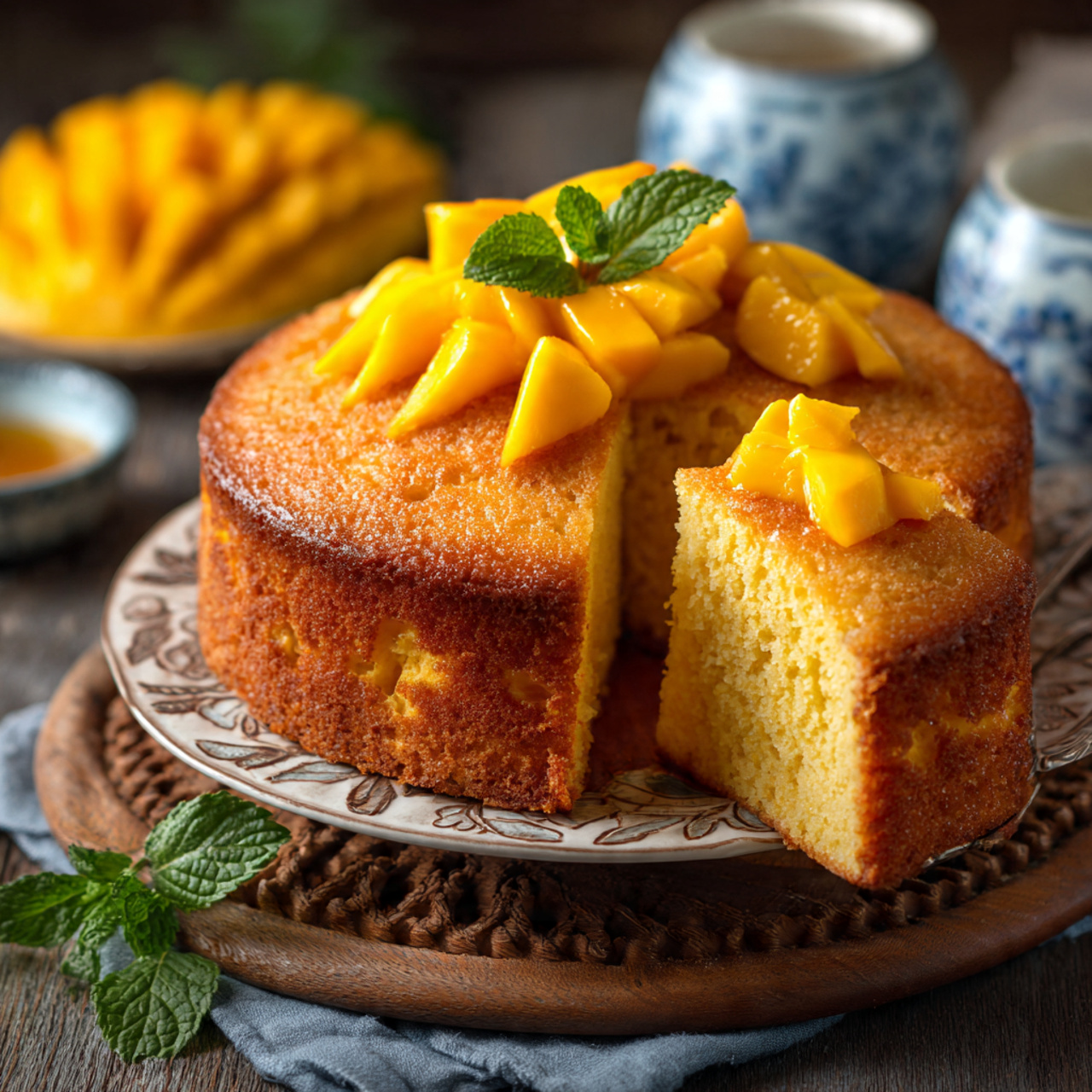
Imagine pulling a golden cake from the oven and catching that warm, tropical aroma before you’ve even set it on the rack. The crumb is tender and springy, not heavy — each bite carries a natural mango sweetness that’s fruity without being sugary, with a soft, almost velvety texture that holds together beautifully whether it’s fresh out of the oven or a day later. It’s the kind of cake you slice through and immediately want a second piece of.
This homemade mango cake is exactly what you need for a relaxed weeknight treat, an easy mango dessert at a family gathering, or a weekend bake when you want something special without the stress. It also travels well to potlucks and works as a casual celebration cake with very little fuss. Whether you’re baking it for the first time or making it your go-to mango sponge cake every season, it’s going to earn a permanent place in your recipe box.
Why You’ll Love This Recipe
It Tastes Like Real Mango — Not Artificial Flavoring
The flavor here comes entirely from fresh mango puree, and that makes all the difference. You get a clean, natural fruitiness in every bite without anything artificial competing for attention. It’s the kind of taste that makes people ask what you put in it.
The Texture Stays Soft the Next Day
Unlike a lot of fruit-based cakes that go dry or rubbery overnight, this one holds its moisture beautifully. The combination of oil and mango puree keeps the crumb tender, so leftovers are just as enjoyable as the first slice — no reheating required.
Simple Ingredients, Zero Fuss
Everything in this recipe is something you likely already have in your kitchen, with the exception of the mangoes themselves. There are no specialty flours, no unusual equipment, and no tricky techniques. It’s a genuinely easy mango cake that rewards beginners and experienced bakers equally.
Perfect for Sharing
The yield is generous, the cake slices cleanly, and it pairs well with tea, coffee, or a simple whipped cream topping. It’s crowd-friendly without requiring any decorating skills — it looks inviting just as it is.
A Classic Bake With a Tropical Twist
If you love a simple vanilla sponge, this takes that same familiar comfort and adds the brightness of fresh mango. It’s not exotic or complicated — it’s just really, really good.
Ingredients
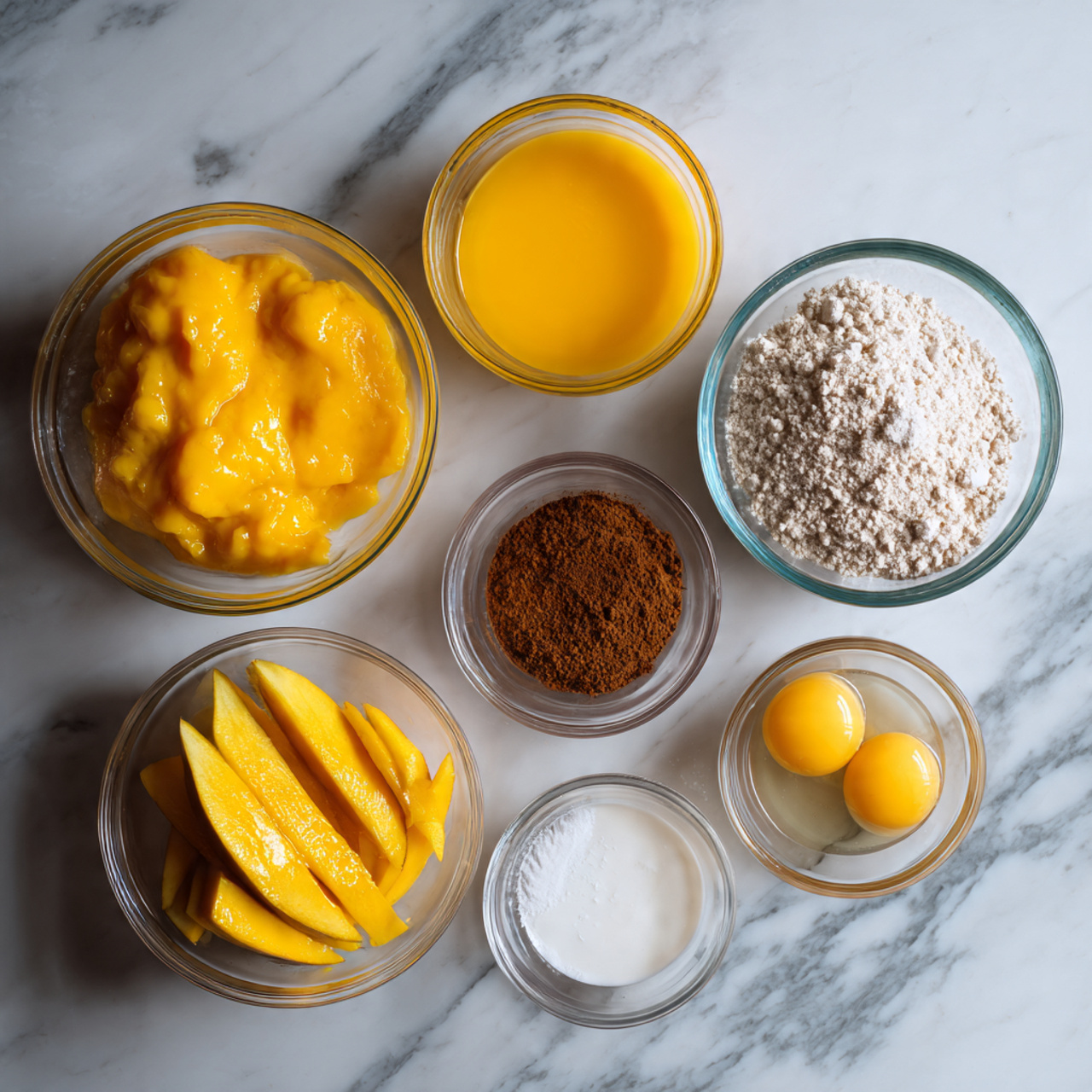
For the Batter
- 2 cups all-purpose flour
- 1 cup sugar
- 2 tsp baking powder
- 3 eggs (room temperature works best)
- 1/2 cup oil (neutral oil like sunflower or vegetable)
- 1/2 cup milk
- 1 tsp vanilla extract (pure, not imitation)
For the Mango Puree
- 2 cups mango puree (blended from 3–4 ripe, sweet mangoes — fully ripe ones give the deepest flavor)
The mango puree does double duty here: it adds moisture and acts as the primary flavor, so the quality of your mangoes genuinely matters. Ripe mangoes with deep color and a strong fragrance will give you a cake that tastes vibrant and fresh, while under-ripe ones tend to make the batter taste flat.
How to Make Mango Cake — Step-by-Step
Step 1: Prep Your Pan and Oven
Preheat your oven to 180°C (350°F) and lightly grease your baking pan, then dust it with a little flour to prevent sticking. If your mangoes aren’t already pureed, blend them now until completely smooth — no chunks. Having everything measured and ready before you start mixing makes the process much calmer and more enjoyable.
Step 2: Beat the Eggs and Sugar
In a large mixing bowl, beat the eggs and sugar together until the mixture looks slightly pale and a little fluffy, about 2 minutes by hand or 1 minute with an electric mixer. Don’t worry if it doesn’t look dramatically voluminous — you’re not making a meringue. You just want the sugar starting to dissolve and the eggs to look airy.
Step 3: Add the Wet Ingredients
Pour in the oil, milk, and vanilla extract, and stir gently until everything is combined into a smooth, even mixture. Then slowly fold in the mango puree. The batter will turn a beautiful warm golden color and smell lightly fragrant — that’s your sign things are going well. Don’t worry if it looks a little thin at this stage; the flour will bring it together.
Step 4: Fold in the Dry Ingredients
Sift the flour and baking powder together directly into the wet mixture. Using a spatula, fold everything together with slow, deliberate strokes until the batter is smooth and no dry flour pockets remain. Stop as soon as it looks combined — overmixing from this point on is what causes a dense, tight crumb, so resist the urge to keep going.
Step 5: Bake and Cool
Pour the batter into your prepared pan and smooth the top gently. Bake for 30–35 minutes, until the top is golden and a toothpick inserted into the center comes out clean or with just a few dry crumbs attached. Let the cake cool in the pan for about 10 minutes before turning it out onto a wire rack. Slicing too early will cause the cake to crumble, so give it the full cooling time.
Perfecting This Recipe
- Use fully ripe mangoes with deep orange flesh — the more fragrant, the better the flavor payoff in the finished cake
- Measure your flour correctly: spoon it into the measuring cup and level it off rather than scooping directly, which packs in too much flour and leads to a dry cake
- Oil keeps this cake moist longer than butter would, so stick with it even if you’re tempted to swap
- Fold, don’t stir — once the flour goes in, switch to a folding motion to keep the crumb light and even
- The toothpick test is your most reliable guide: pull the cake at 30 minutes and test it; if the toothpick comes out with wet batter, give it 5 more minutes and test again
- Cooling fully before slicing isn’t optional — the crumb needs time to set, and cutting too early makes a mess even if the cake is perfectly baked
Common Mistakes to Avoid
- Using under-ripe mangoes — Under-ripe fruit produces a muted, slightly sour flavor that no amount of sugar can fully mask. If your mangoes don’t smell sweet and fragrant, wait a day or two before using them.
- Overmixing after adding flour — This develops gluten and tightens the crumb, turning what should be a tender cake into something dense and chewy. Once the flour is in, mix just until smooth.
- Skipping the pan prep — A lightly greased and floured pan is essential. Skipping this step almost guarantees sticking, and trying to pry out a stuck cake always ends in frustration.
- Opening the oven door too early — Checking the cake before the 25-minute mark can cause the center to sink. Let it bake undisturbed for at least the first 25 minutes before you peek.
- Cutting before it cools — The cake needs that 10-minute rest in the pan plus additional cooling on the rack. A warm cake crumbles; a properly cooled cake slices clean.
Add Your Touch
- Stir a pinch of ground cardamom into the batter for a warm, aromatic depth that pairs beautifully with mango
- Add a teaspoon of fresh lime or lemon zest to brighten the flavor and cut through the richness
- Fold in a small handful of shredded coconut for a tropical texture twist
- Replace eggs with 1/4 cup of plain yogurt per egg for a softer, slightly tangier version that works well for vegetarian households
- Use canned mango pulp when fresh mangoes aren’t in season — just reduce the sugar by 2–3 tablespoons since pulp tends to be sweeter than fresh fruit
- Spoon a light layer of whipped cream over the cooled cake and decorate with fresh mango slices for a simple but impressive presentation
Visit Also: 1st Birthday Cake
What to Serve With This
This cake pairs naturally with a cup of chai or plain black tea — the warmth of the drink complements the fruity sweetness without competing. A small scoop of vanilla ice cream alongside a warm slice creates a lovely contrast of temperatures and textures. Fresh mint leaves and a few extra mango slices make a simple garnish if you’re serving guests. For an afternoon spread, it fits right in next to a plate of biscuits or other light bakes. If you want something a little richer, a dollop of lightly sweetened whipped cream on the side does the job perfectly.
Storing and Serving
Fridge Store the completely cooled cake in an airtight container in the refrigerator for up to 3 days. Pre-slicing makes it easier to grab a piece without disturbing the whole cake.
Freezer Wrap individual slices tightly in plastic wrap, then place them in a freezer-safe bag or container. The cake freezes well for up to 1 month. Thaw slices at room temperature for about 30–45 minutes before serving.
Reheating A brief 10–15 seconds in the microwave brings a refrigerated slice back to something close to freshly baked. Don’t overheat, as the texture can turn rubbery if it gets too hot.
Make-Ahead Tip This cake actually improves with a little time. Baking it the day before serving allows the mango flavor to settle deeper into the crumb, making it even more fragrant and satisfying the next day.
Servings Makes approximately 8 generous slices.
Nutrition (Approximate Per Serving)
- Calories: 245
- Total Fat: 8g
- Saturated Fat: 1g
- Carbohydrates: 40g
- Sugar: 22g
- Protein: 5g
- Sodium: 115mg
Nutritional values are approximate and may vary based on specific ingredients and brands used.
Chef’s Helpful Tips
- Room temperature eggs blend more smoothly into the batter than cold ones straight from the fridge — take them out 15–20 minutes before you start
- Don’t skip sifting the flour and baking powder together; it eliminates lumps and distributes the leavening evenly, which gives you a more consistent rise
- To get clean slices, let the cake cool completely, then use a sharp serrated knife and wipe the blade between cuts
- If the top of your cake starts to brown too quickly before the center is done, loosely tent it with a piece of aluminum foil for the remaining bake time
- If your finished cake tastes flat, the issue is almost always the mangoes — under-ripe or low-quality fruit can’t carry the flavor. Always taste your puree before adding it to the batter and adjust sugar accordingly
Frequently Asked Questions
Q1. Can I make this mango cake ahead of time? Yes, and it’s actually better the next day. Bake it the evening before, let it cool completely, and store it in an airtight container in the fridge. The flavors deepen overnight and the texture holds up really well.
Q2. Why did my cake come out dense? The most common reason is overmixing after the flour was added. Once you start folding in the dry ingredients, use a gentle hand and stop as soon as the batter looks smooth. Mixing too vigorously builds gluten and gives you a tight, heavy crumb.
Q3. Can I use canned mango pulp instead of fresh mangoes? Absolutely — canned pulp works well and is a great option when fresh mangoes aren’t available. Just reduce the sugar in the recipe by about 2–3 tablespoons, since most commercial pulp is already quite sweet.
Q4. Is this a beginner-friendly recipe? Very much so. There’s no creaming of butter, no complicated folding techniques, and no temperature-sensitive steps beyond the bake itself. If you can stir a batter and operate an oven, you can make this cake successfully.
Q5. Can I freeze this cake? Yes, it freezes well. Wrap individual slices in plastic wrap and place them in a freezer bag. They’ll keep well for up to a month. Thaw at room temperature and enjoy — the texture stays surprisingly good after freezing.
Conclusion
There’s a reason this mango cake becomes a repeat bake for anyone who tries it: it delivers real flavor, a genuinely soft texture, and the kind of uncomplicated satisfaction that makes you want to make it again as soon as the season rolls around. It’s not trying to be fancy, and that’s exactly what makes it special. It’s just a really good, honest cake that tastes like it took more effort than it did.
So the next time mangoes hit peak ripeness and you’re looking for something to do with them beyond eating them out of hand — make this. Serve it with tea, bring it to someone’s house, or keep it all to yourself. However you choose to enjoy it, this easy mango cake is one you’ll come back to every single time.
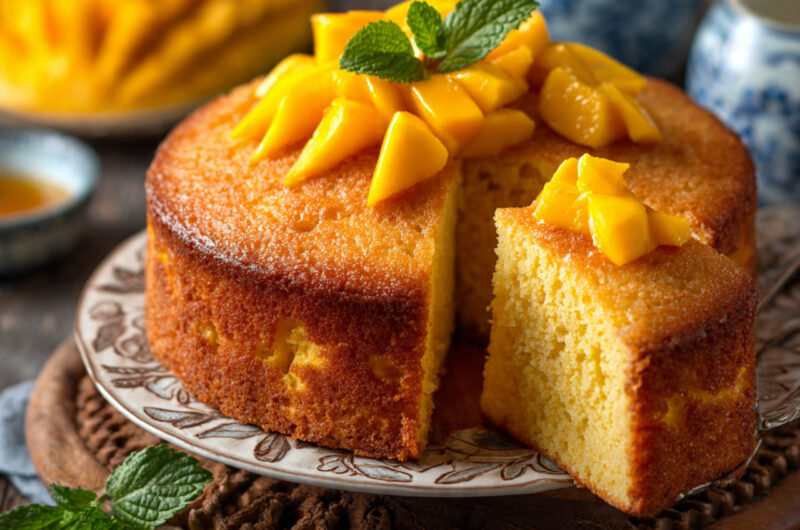
Soft & Easy Mango Cake
Course: Cake4
servings15
minutes35
minutes245
kcal1
hourA tender, golden sponge bursting with fresh mango flavor — this simple one-bowl cake is the perfect homemade treat for afternoon tea, casual gatherings, or whenever mango season calls. No special equipment needed, just ripe mangoes and a warm oven.
Ingredients
For the Mango Puree
2 cups mango puree (from 3–4 ripe mangoes, blended smooth)
For the Batter
2 cups all-purpose flour
1 cup sugar
2 tsp baking powder
3 eggs
1/2 cup oil
1/2 cup milk
1 tsp vanilla extract
Directions
- Preheat oven to 180°C (350°F). Grease and lightly flour your baking pan.
- Blend mangoes until completely smooth. Set puree aside.
- Beat eggs and sugar until slightly pale and fluffy.
- Add oil, milk, and vanilla. Stir until combined.
- Fold in the mango puree until the batter turns a uniform golden color.
- Sift flour and baking powder together. Fold into the wet batter just until smooth — do not overmix.
- Pour batter into the prepared pan and smooth the surface.
- Bake for 30–35 minutes until the top is golden and a toothpick comes out clean.
- Cool in pan for 10 minutes, then transfer to a wire rack before slicing.