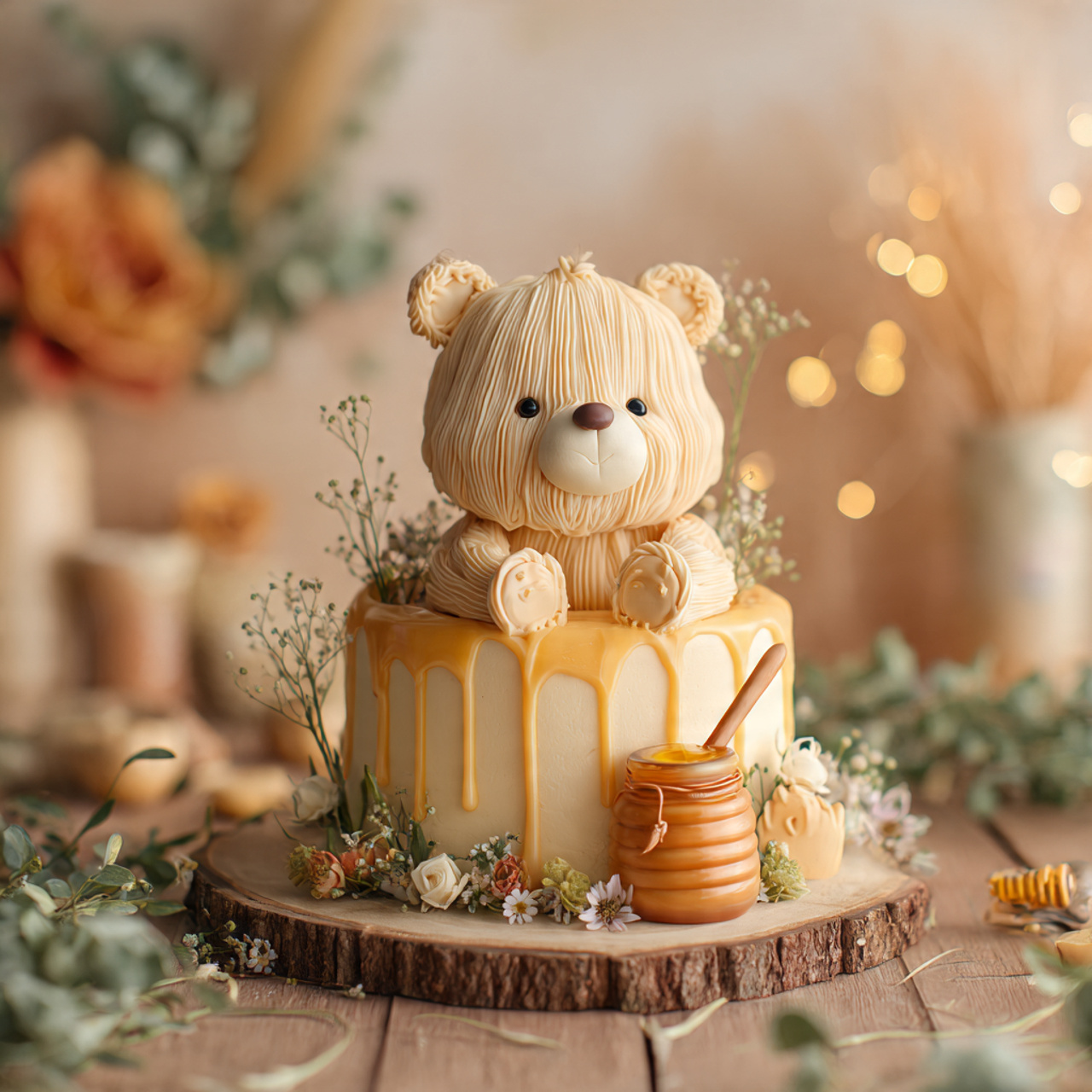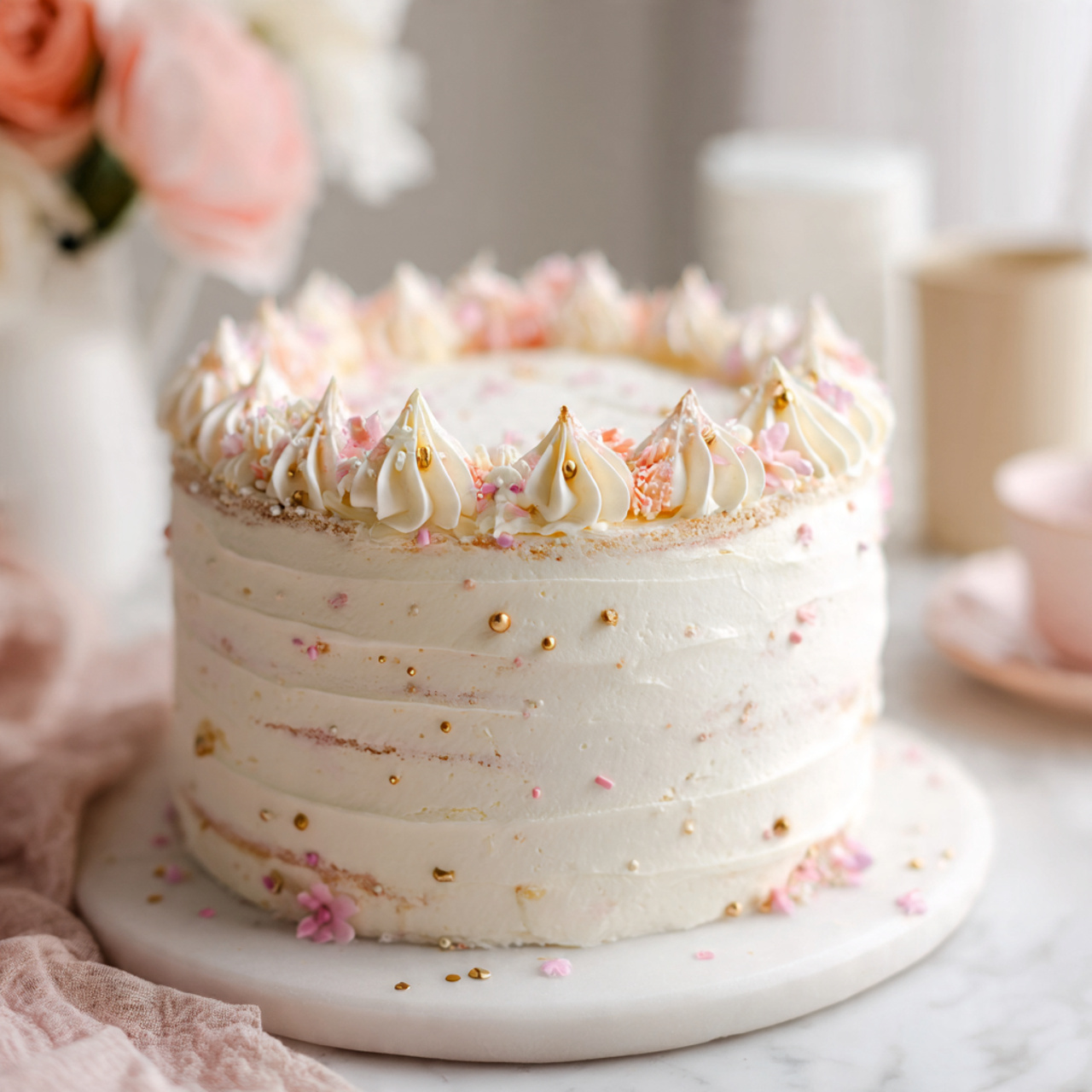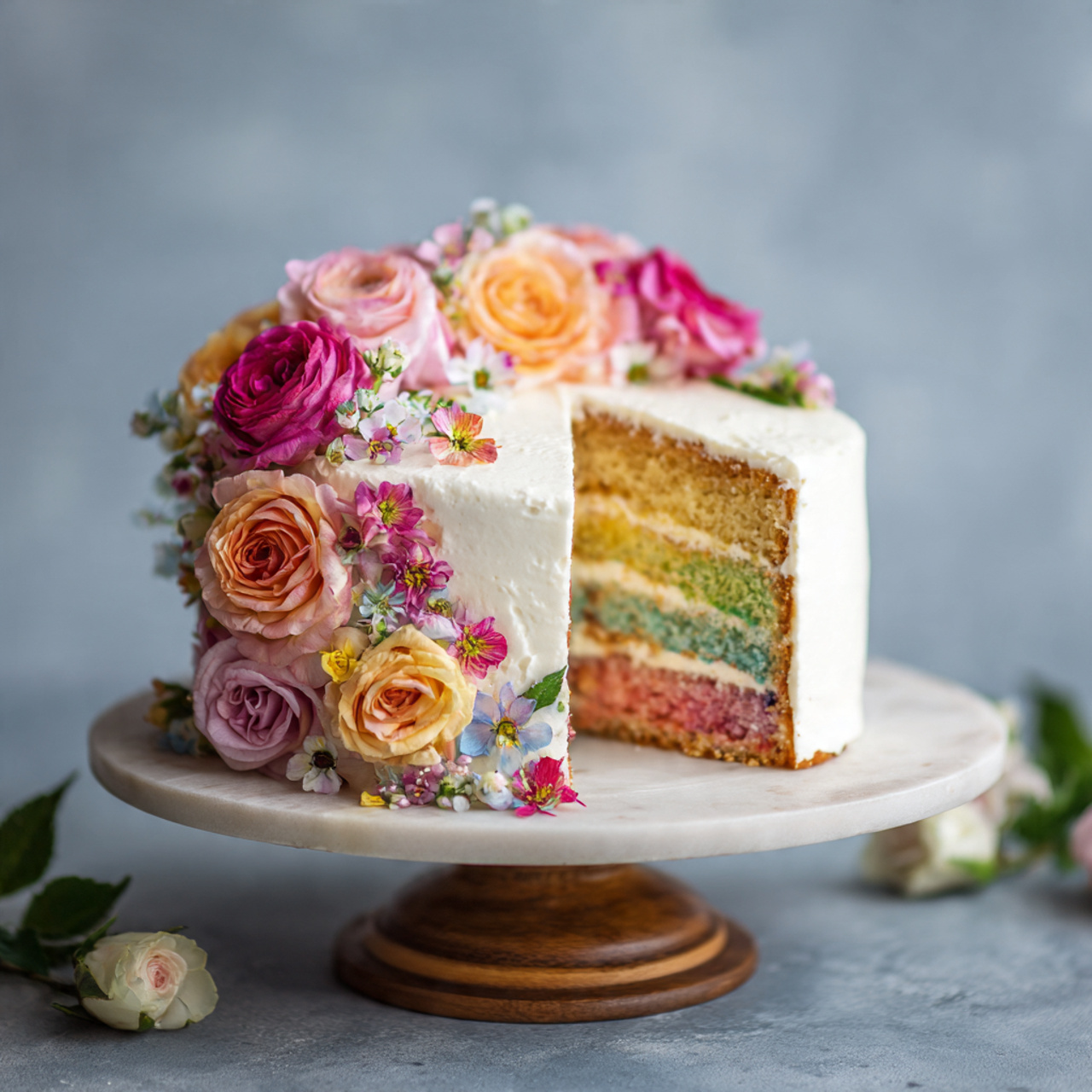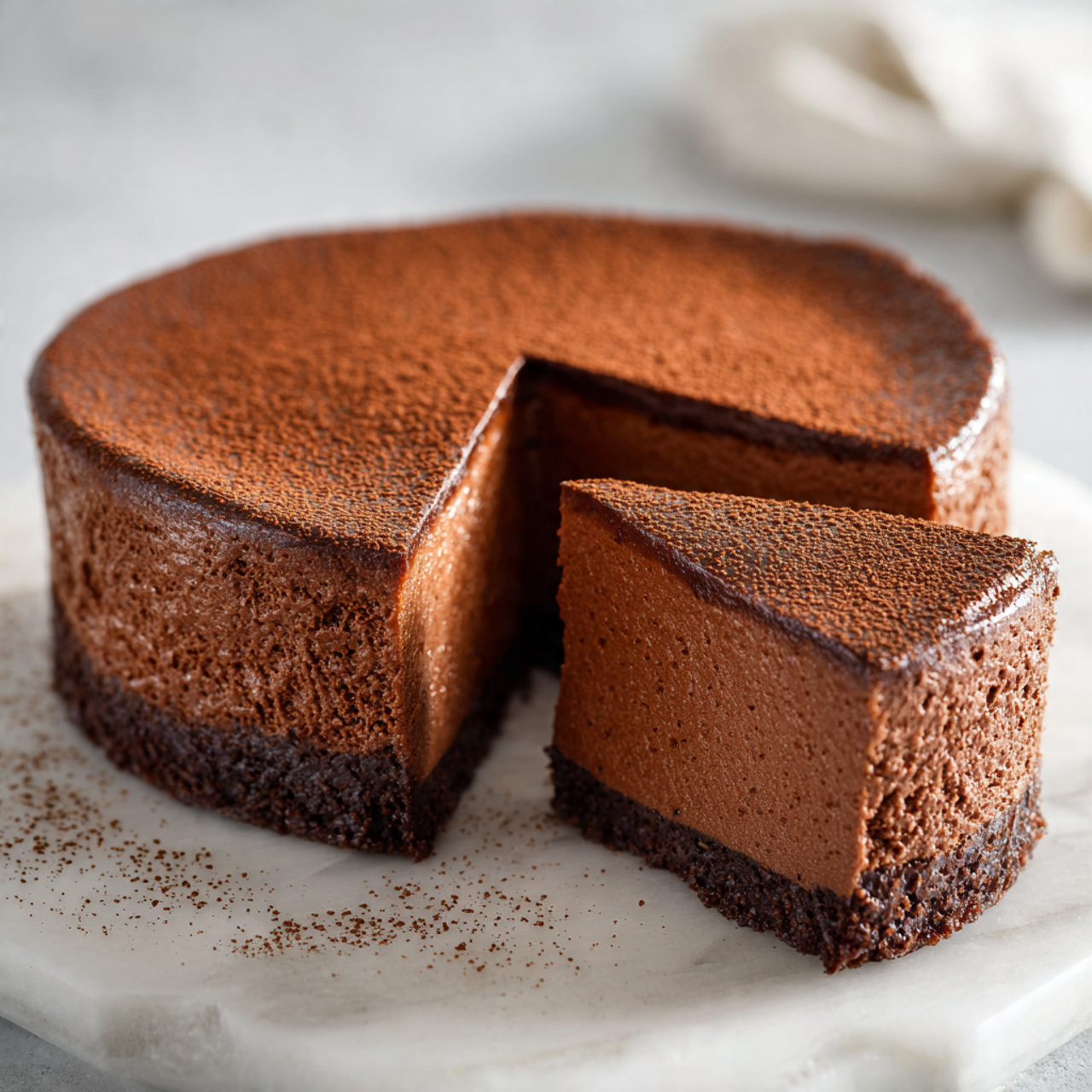
The Softest 1st Birthday Cake Every Baby Deserves (And Every Parent Can Make)
Most first birthday cakes end up either too dense, too sweet, or dry by the time the candle gets blown out — and the culprit is almost always the same rushed technique. This 1st birthday cake skips the shortcuts that ruin the texture and delivers a pillowy, lightly sweet crumb that’s gentle enough for tiny tummies and genuinely delicious for everyone at the table.
Picture this: a golden little cake with a feather-soft crumb that pulls apart in the most satisfying way, a faint warmth of vanilla drifting up as you slice it, and a texture so tender it practically melts before you even chew. It’s not rich or heavy — it’s the kind of soft that feels like a hug on a plate, with just enough sweetness to feel festive without overwhelming a baby’s palate.
This recipe is perfect for a quiet family birthday morning, a cozy backyard smash cake moment, or a small gathering where homemade food is the whole point. It works beautifully as a first birthday cake recipe for babies, doubles easily for a bigger crowd, and pairs well with a little fresh fruit or a cloud of whipped cream. Whether you’re planning a full-on party or just a single lit candle at the kitchen table, this one fits the moment perfectly — so let’s get baking.
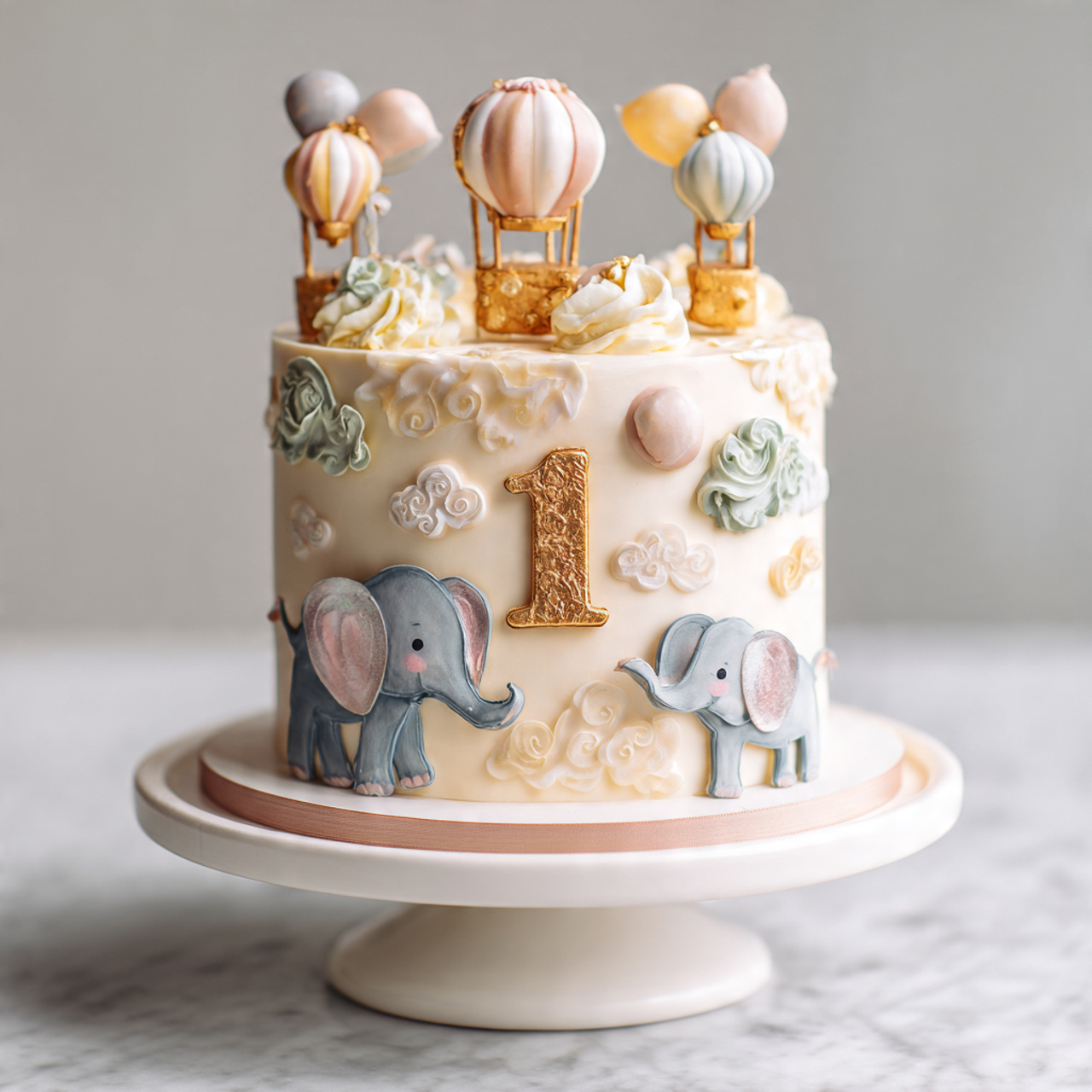
Why You’ll Love This Recipe
It’s Genuinely Baby-Friendly
The sugar level here is intentionally gentle, making it safe and appropriate for little ones having their very first taste of cake. There’s no artificial flavoring, no heavy frosting required, and nothing that would make a parent hesitate. Adults at the table will enjoy it just as much — it’s the kind of understated sweetness that everyone appreciates.
The Texture Is Wonderfully Soft
This cake bakes up with a light, even crumb that stays moist for days. Alternating the dry ingredients with milk during mixing is what gives it that pillowy quality — it keeps the gluten from overdeveloping and locks in moisture right from the start. The result is a slice that holds together beautifully without being dense or gummy.
No Special Equipment Needed
You don’t need a stand mixer, cake strips, or fancy pans. A hand mixer or even a sturdy whisk and a little patience will get you there. It’s the kind of first birthday cake recipe that anyone can pull off on a regular weekday, even with a toddler underfoot.
It Stores and Travels Well
Baked a day ahead, this cake actually improves overnight as the crumb settles and the moisture redistributes. It holds its softness in the fridge for up to three days, and individual slices freeze beautifully — perfect for saving a piece for a baby album milestone or an impromptu celebration snack later on.
Endlessly Customizable
Plain vanilla is the base, but this smash cake recipe takes kindly to a swirl of fruit purée, a dusting of cinnamon, or a gentle drizzle of honey for older guests. You can keep it completely minimal or dress it up with whipped cream and berries — it’s a recipe that adapts to your celebration, not the other way around.
Ingredients
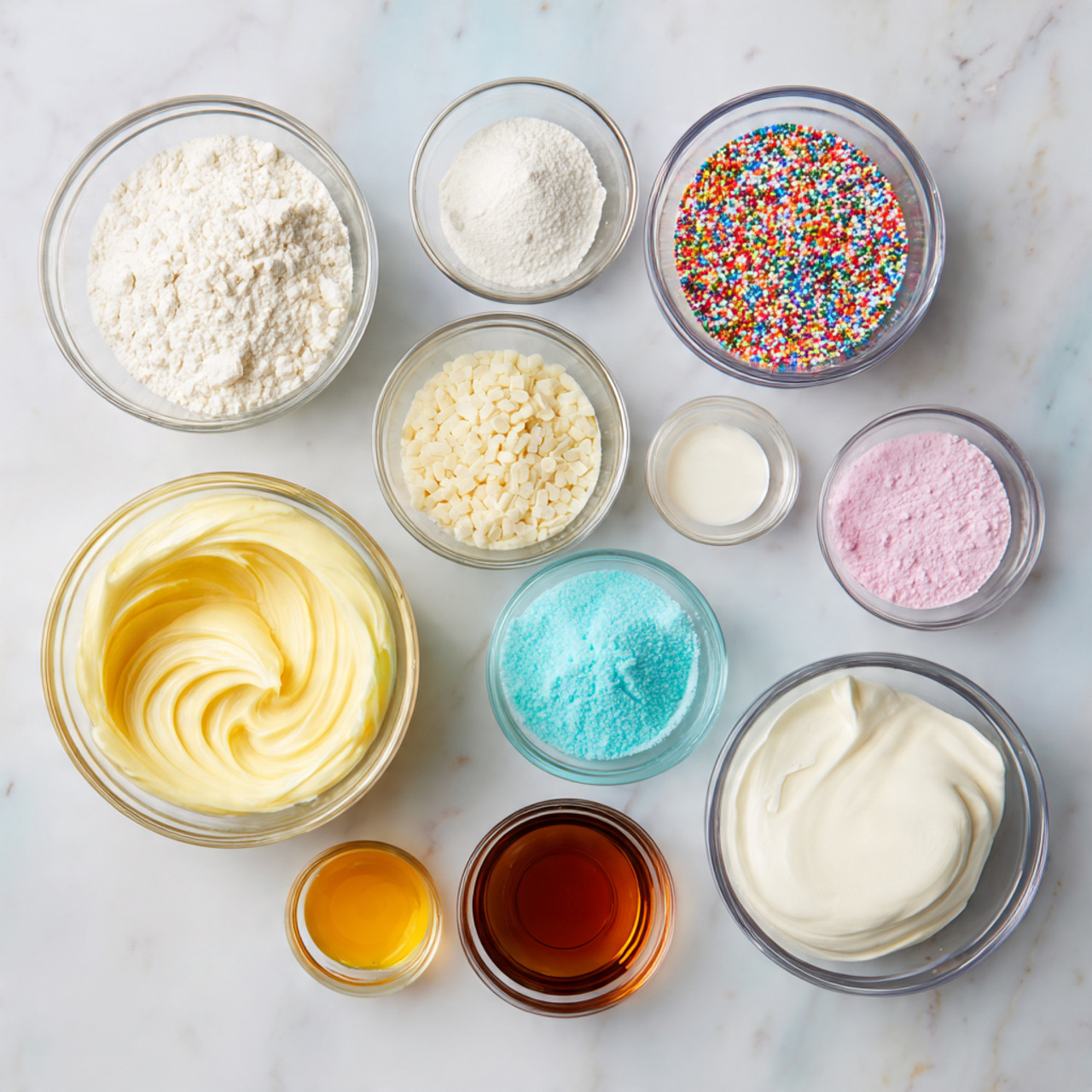
For the Cake Batter
- 2 cups all-purpose flour (fine-milled works best for a softer crumb)
- 1/2 cup unsalted butter, softened (must be at room temperature — not melted)
- 3/4 cup milk (whole milk gives the richest texture)
- 1/3 cup sugar (reduce to 1/4 cup for a more mildly sweet, baby-first version)
- 2 large eggs (room temperature — they incorporate more evenly)
- 1 tsp pure vanilla extract (pure, not imitation, for the cleanest flavor)
- 1 1/2 tsp baking powder
- Pinch of fine salt
The butter and eggs work together here to build a stable, tender crumb, while the milk keeps everything moist and light. At this ratio, the cake is sweet enough to feel like a celebration without crossing into sugar overload.
How to Make 1st Birthday Cake — Step-by-Step
Step 1: Prep Your Pan and Preheat
Preheat your oven to 180°C (350°F) and grease a small round cake pan — a 6-inch pan works beautifully for a baby-sized celebration cake. Line the bottom with a circle of parchment paper if you have it; this makes unmolding effortless. Take your butter and eggs out of the fridge at least 30 minutes before you start so they can come to room temperature.
Step 2: Cream the Butter and Sugar
Beat the softened butter and sugar together until the mixture turns pale and slightly fluffy — this usually takes about 2 to 3 minutes with a hand mixer on medium speed. Don’t worry if it looks a little grainy at first; keep going and it will smooth out beautifully. This step is what builds the light, airy structure that makes the finished cake so soft.
Step 3: Add Eggs and Vanilla
Add the eggs one at a time, mixing gently after each one before adding the next. Stir in the vanilla extract. The batter should look smooth and slightly glossy at this point — almost like a pale, creamy ribbon when you lift the beater. Don’t worry if it looks slightly curdled after the eggs go in; that evens out once the flour is added.
Step 4: Fold in the Dry Ingredients and Milk
Whisk together the flour, baking powder, and salt in a separate bowl. Add the dry mixture to the butter mixture in three parts, alternating with the milk — start and end with the flour. Stir gently with a spatula after each addition, mixing just until the streaks of flour disappear. Overmixing at this stage is the single biggest cause of a tough, dense cake, so stop as soon as the batter looks smooth and pourable.
Step 5: Bake and Cool
Pour the batter into your prepared pan and smooth the top gently. Bake for 25 to 30 minutes, until the top is lightly golden and springs back when pressed in the center. A toothpick inserted in the middle should come out clean or with just a dry crumb or two. Let the cake cool in the pan for 10 minutes before turning it out onto a rack — it needs this rest to firm up enough to hold its shape cleanly.
Perfecting This Recipe
- Start with truly softened butter. Press a finger into it — it should leave an indentation without feeling greasy or melted. This is the single biggest factor in getting a light, evenly textured crumb.
- Alternate wet and dry ingredients. It sounds fussy, but it takes less than two minutes and it’s what keeps the batter from getting overmixed or lumpy.
- Check your oven temperature. Home ovens often run 10–15 degrees hotter or cooler than the dial says. If the top browns before the center is set, tent loosely with foil for the last 5 minutes.
- Don’t skip the resting time. Letting the cake sit in the pan for 10 minutes after baking lets the crumb set properly. Pull it too early and it may crack or sink slightly in the middle.
- Cool completely before slicing. A warm cake will compress under the knife and look dense even when it isn’t. Give it at least 30 minutes on the rack before you cut it.
Common Mistakes to Avoid
- Using cold butter — Cold butter doesn’t cream with sugar; it just clumps. The whole point of creaming is to trap air, and cold fat can’t do that. Pull it out of the fridge early every time.
- Overmixing the batter — Once the flour goes in, the gluten starts developing. Mix just until combined — a few streaks of flour disappearing is the cue to stop, not beat vigorously for another minute.
- Overbaking by even a few minutes — Because this cake is low in sugar and fat compared to a standard birthday cake, it dries out faster than you’d expect. Start checking at the 23-minute mark and trust the toothpick.
- Skipping the parchment liner — The cake will stick without it, especially along the bottom edge where it tends to catch. Two minutes of prep saves a broken cake.
- Not measuring flour properly — Scooping the measuring cup directly into the flour bag packs it down and adds up to 20% more flour than the recipe intends. Spoon flour into the cup and level it off with a straight edge instead.
Add Your Touch
- Swirl 2 tablespoons of fruit purée (strawberry, mango, or apple all work) into the batter just before pouring it into the pan for a gentle fruity flavor.
- Replace 2 tablespoons of flour with fine almond flour for a slightly richer, nuttier crumb that adults especially love.
- Add a pinch of cinnamon or cardamom to the dry ingredients for a warmly spiced version that works beautifully in autumn or winter.
- For a smash cake recipe setup, bake in a small 4-inch pan and let the birthday baby go at it with their hands — no frosting required.
- Top with a thin layer of whipped cream and a few sliced strawberries for a simple, celebratory finish that feels festive without being heavy.
- Swap 2 tablespoons of milk for plain whole-milk yogurt to add a slight tang and extra moistness to the crumb.
Visit Also: Cake Designs For Boy
What to Serve With This
- Fresh sliced fruit — Banana, strawberries, and blueberries add color and natural sweetness that complements the vanilla base perfectly.
- Lightly sweetened whipped cream — A small dollop on the side keeps it festive and baby-friendly at the same time.
- A small cup of warm milk — For the birthday one-year-old, this is the most natural pairing there is.
- Fruit-infused water or lemonade — For the grown-ups at the table who want something slightly more festive alongside their slice.
- A fruit compote — Gently cooked apple or pear with a touch of cinnamon spooned over the top turns this into a proper little dessert for a family dinner.
Storing and Serving
Fridge Wrap the cake tightly in plastic wrap or store in an airtight container. It keeps well in the refrigerator for up to 3 days and actually gets slightly softer on day two as the crumb relaxes.
Freezer Slice the cake and wrap each piece individually in plastic wrap, then place in a freezer bag. Frozen slices keep well for up to 1 month. Thaw overnight in the fridge or at room temperature for about an hour.
Reheating Warm a refrigerated slice in the microwave for 10 to 15 seconds to restore that just-baked softness. Don’t overheat — 15 seconds is usually enough.
Make-Ahead Tip Bake the cake the day before and store it covered at room temperature or in the fridge. The texture actually improves overnight, making this a genuinely great make-ahead option for a busy party day.
Servings This recipe makes one 6-inch round cake, yielding approximately 6 to 8 servings depending on slice size.
Nutrition (Approximate Per Serving)
- Calories: 195
- Total Fat: 9g
- Saturated Fat: 5g
- Carbohydrates: 26g
- Sugar: 8g
- Protein: 4g
- Sodium: 85mg
Nutritional values are approximate and may vary based on specific ingredients and brands used.
Chef’s Helpful Tips
- Room temperature really does matter here. Cold eggs cause the batter to seize slightly after the butter is creamed, leading to a lumpy texture that never fully smooths out. Set them out when you set out the butter.
- Measure flour by spooning, not scooping. This one habit change will make your baked goods lighter and more consistent every single time.
- Use the toothpick test, not just the timer. Ovens vary. A clean toothpick at 23 minutes beats a perfectly timed but overbaked cake at 30.
- For clean slices, use a serrated knife. Run it under hot water, dry it quickly, and then slice — the warmth helps the knife glide through the soft crumb without dragging.
- If the cake feels slightly sticky on top after cooling, it just needs a few more minutes on the rack uncovered. Covering a warm cake traps steam and softens the top surface.
Frequently Asked Questions
Q1. Can I make this 1st birthday cake a day ahead? Yes — and honestly, it’s better that way. Bake it the evening before, let it cool completely, and store it wrapped at room temperature or in the fridge overnight. The crumb will be slightly softer and more settled the next day, making it even easier to slice.
Q2. My cake turned out dense. What went wrong? Overmixing is almost always the reason. Once the flour hits the wet ingredients, the gluten develops quickly, and overworking it turns a soft crumb into a tight one. Mix just until you can’t see streaks of flour, then stop completely.
Q3. Can I make this without eggs for an allergy-friendly version? You can substitute each egg with 1/4 cup of unsweetened applesauce or mashed ripe banana. The texture will be slightly denser and moister, but still very enjoyable — and banana adds a gentle natural sweetness that works beautifully in a smash cake recipe.
Q4. Is this recipe good for a larger birthday party? Absolutely. Double all the ingredients and bake in an 8-inch or 9-inch round pan, adding about 5 to 8 minutes to the bake time. You can also bake the doubled batch as two 6-inch cakes and stack them with whipped cream in the middle for a simple, impressive layer cake.
Q5. Can I reduce the sugar even more for babies under one? Yes. You can bring it down to 2 tablespoons and the cake will still bake up correctly — just with a very mild sweetness. The vanilla and butter carry the flavor well even with minimal sugar, which is part of what makes this such a good first birthday cake recipe for young babies.
Conclusion
There’s something genuinely special about baking your baby’s very first birthday cake from scratch — not because it’s complicated, but because it isn’t. This 1st birthday cake keeps everything simple and honest: a handful of pantry ingredients, one bowl for mixing, and thirty minutes in the oven. The result is a cake soft enough for a one-year-old’s first bite and good enough that everyone at the table will reach for a second slice.
When that candle goes in and the camera comes out, this cake will hold up the moment exactly the way you imagined it. Make it plain, make it fruity, make it once and then make it again — because first birthdays come around exactly once, but a recipe this easy and this good has a way of becoming the one your family asks for every year after.
The Softest 1st Birthday Cake
Course: Trending Cake4
servings10
minutes30
minutes195
kcal50
minutesA light, gently sweet vanilla cake with a pillowy crumb — simple enough for a busy parent to pull off and soft enough for a baby’s very first birthday bite. Perfect for a quiet family celebration or a classic smash cake moment.
Ingredients
Cake Batter
2 cups all-purpose flour
1/2 cup unsalted butter, softened
3/4 cup whole milk
1/3 cup sugar
2 large eggs, room temperature
1 tsp pure vanilla extract
1 1/2 tsp baking powder
Pinch of fine salt
Directions
- Preheat oven to 180°C (350°F). Grease a 6-inch round cake pan and line the bottom with parchment paper.
- Beat softened butter and sugar on medium speed until pale and fluffy, about 2 to 3 minutes.
- Add eggs one at a time, mixing after each. Stir in vanilla extract.
- Whisk together flour, baking powder, and salt in a separate bowl.
- Add dry ingredients to butter mixture in three additions, alternating with milk. Mix just until combined — do not overmix.
- Pour batter into prepared pan and smooth the top.
- Bake 25 to 30 minutes, until the top is golden and a toothpick inserted in the center comes out clean.
- Cool in pan for 10 minutes, then turn out onto a wire rack and cool completely before slicing.