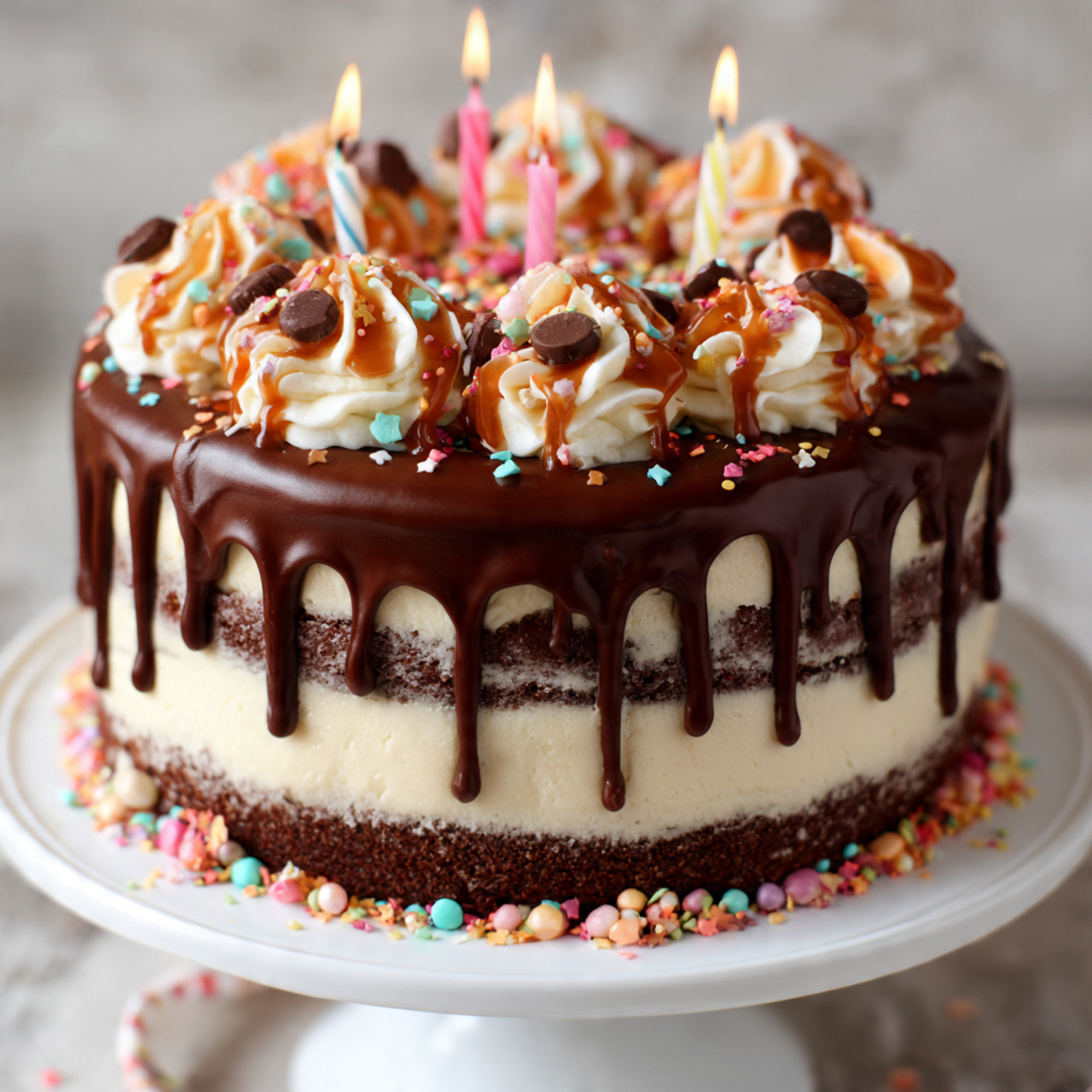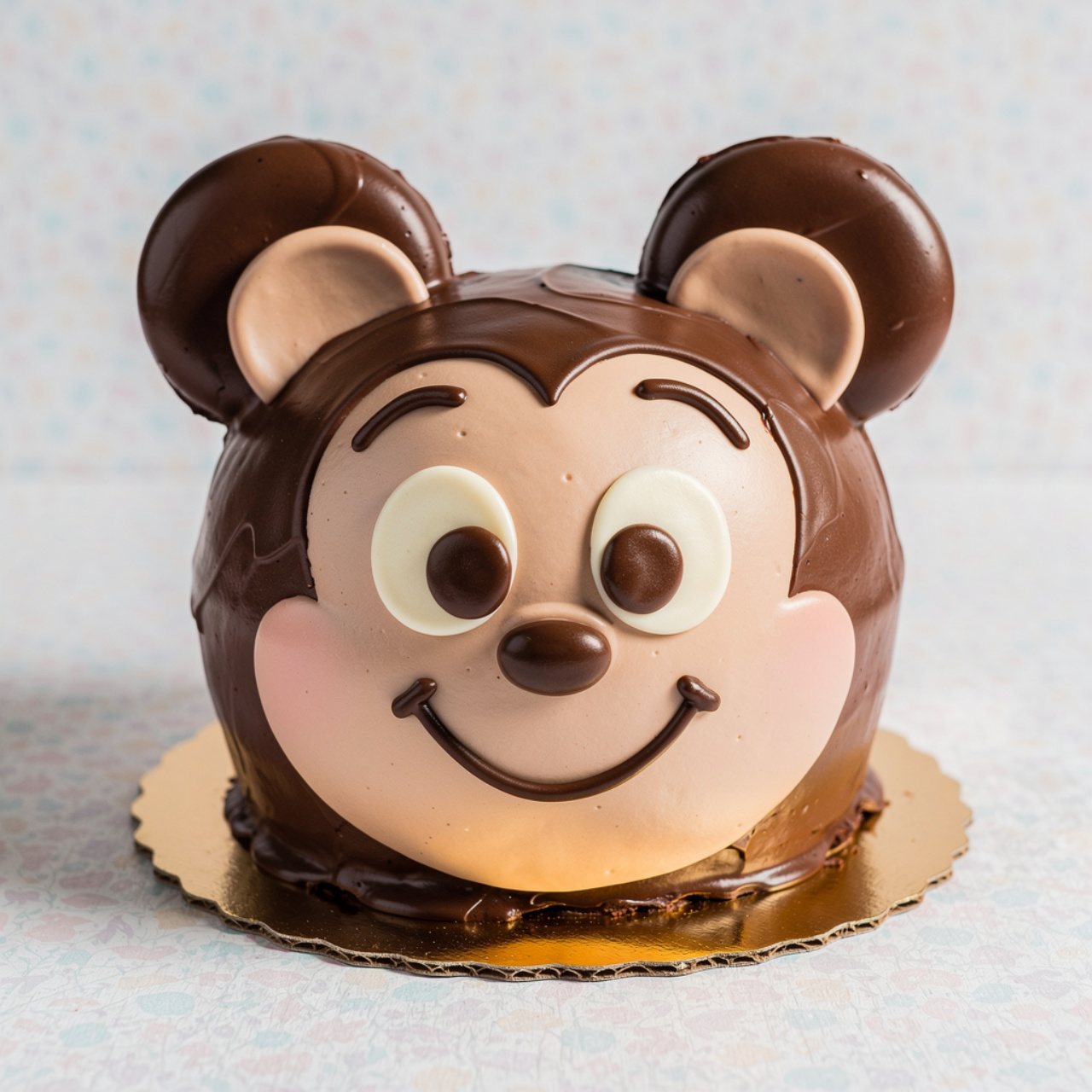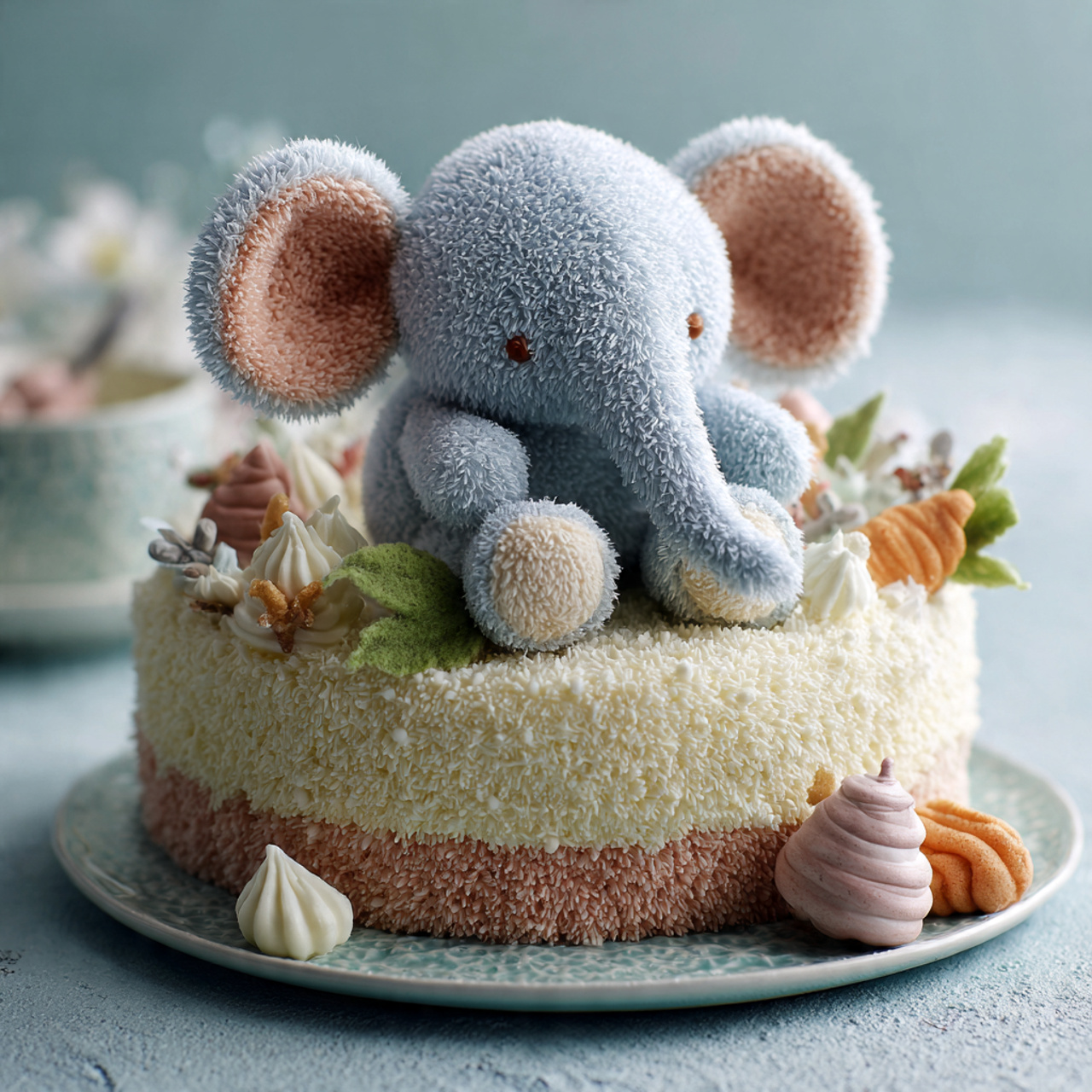
A Dreamy Cake Birthday Aesthetic That Makes Every Celebration Feel Special
Most homemade birthday cakes either come out dense and dry or look so rough that you end up hiding them behind the candles. The real culprit is almost always skipping two small things — properly creaming the butter and letting the cake cool before frosting. This recipe solves both, giving you a soft, beautiful result even if you’ve never done this before.
Once it comes out of the oven, the whole kitchen fills with that warm, buttery vanilla scent that feels like a hug before the first bite. The crumb is impossibly light — tender and springy in a way that pulls apart slowly. The frosting melts right at the edges, creamy and just sweet enough, spreading like a dream over the cooled layers. It’s the kind of cake that makes people quietly reach for a second slice.
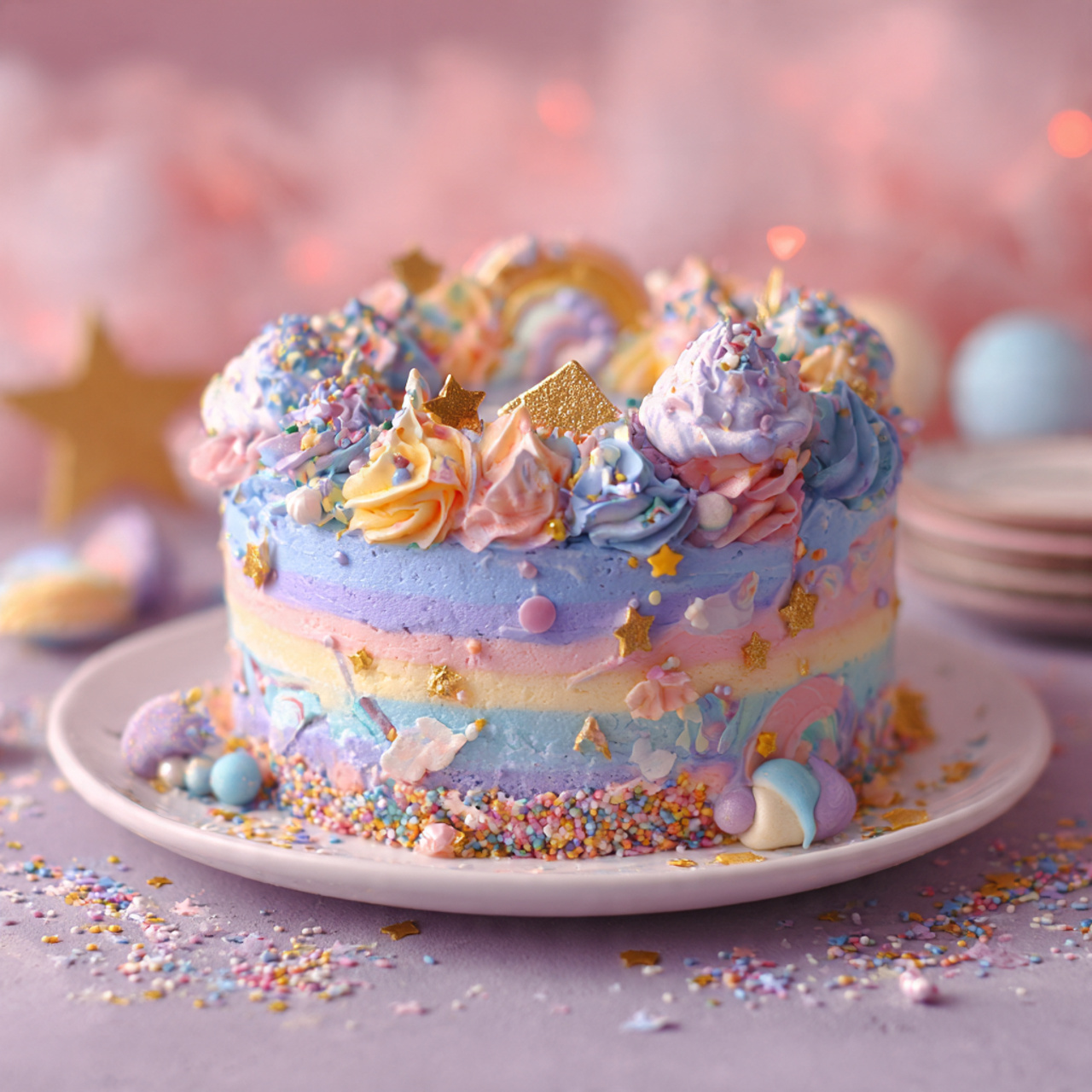
This one fits beautifully into a small family birthday dinner, a quiet evening surprise, or even a last-minute homemade birthday cake moment when you want something personal and pretty without a lot of fuss. It also travels well to a small gathering and holds up for days in the fridge. Whether you keep the decoration minimal or add flowers, sprinkles, or fruit, the aesthetic birthday cake look comes naturally from the soft texture and smooth frosting. This is the one you’ll come back to every single year.
Why You’ll Love This Recipe
The Texture Is Genuinely Dreamy
This cake bakes up with a fine, tender crumb that stays moist for days — no dry edges, no dense center. The combination of softened butter, room-temperature eggs, and whole milk creates layers that feel almost pillowy when you cut through them.
The Frosting Is Smooth and Not Overpowering
The buttercream here is creamy and light, sweet but not teeth-aching. It spreads smoothly without tearing the cake surface, which means that soft, polished aesthetic finish is within reach for total beginners.
It Comes Together With Pantry Staples
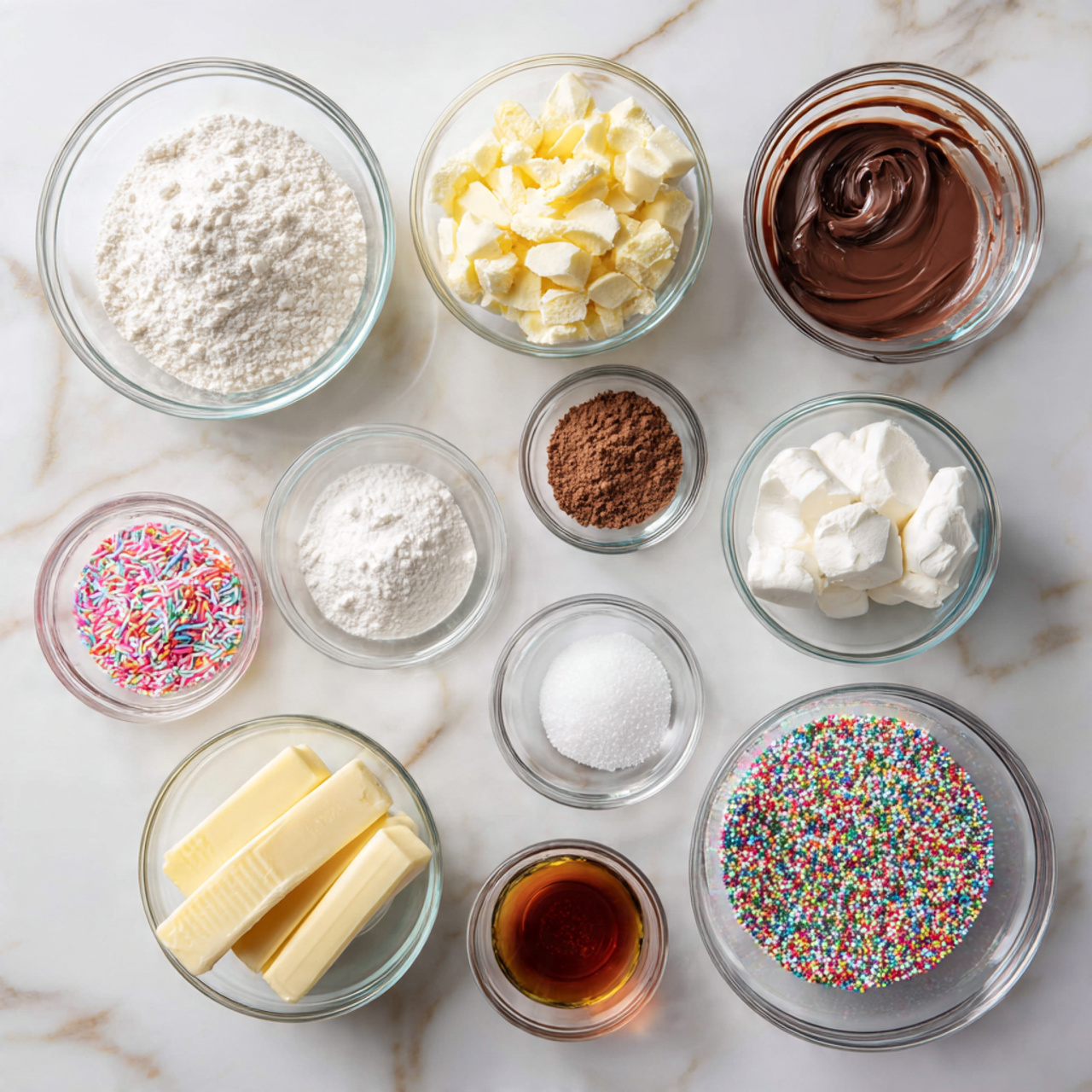
Everything you need is already in your kitchen — flour, butter, sugar, eggs, milk, and vanilla. There are no hard-to-find ingredients, no specialty equipment, and no steps that require a stand mixer or pastry training.
It’s as Easy to Decorate as It Is to Bake
The beauty of the cake birthday aesthetic style is that it celebrates simplicity. A clean spread of frosting, a handful of fresh berries, or even just a few candles is all it takes to look stunning without a single piping bag.
The Recipe Scales and Stores Beautifully
Make it for two people or for a full table — the recipe adjusts without drama. Layers can be baked ahead and frozen, frosted the day before, and refrigerated for up to three days without losing that soft, moist texture.
Ingredients
For the Cake
- 2 cups all-purpose flour
- 1 cup sugar
- ½ cup butter, softened (unsalted works best; bring it to room temperature at least 30 minutes before starting)
- 3 eggs (room temperature)
- 1 cup whole milk (room temperature)
- 1 tbsp baking powder
- 1 tsp vanilla extract (pure, not imitation — it makes a real difference here)
- ¼ tsp salt
For the Frosting
- 1 cup butter, softened (again, room temperature is non-negotiable for smooth results)
- 2 cups powdered sugar, sifted
- 1 tsp vanilla extract
- 2–3 tbsp whole milk (add one tablespoon at a time to control consistency)
Together, the butter and vanilla create a warm, comforting base, while the powdered sugar gives structure without weighing things down. The milk thins the frosting to that perfect spreadable consistency that looks polished with zero effort.
How to Make Cake Birthday Aesthetic — Step by Step
Step 1: Prep Your Pan and Preheat
Preheat your oven to 180°C (350°F) and grease a round 9-inch cake pan with butter, then dust lightly with flour. In a medium bowl, whisk together the flour, baking powder, and salt until evenly combined. You’ll catch a faint floury smell — that’s fine, it bakes right out.
Step 2: Cream the Butter and Sugar
In a large bowl, beat the softened butter and sugar together for about 3–4 minutes, until the mixture turns pale and fluffy. This step is where the magic happens — that air you’re building now is what gives the cake its light, tender crumb. Don’t worry if it looks slightly grainy at first; keep beating and it’ll come together.
Step 3: Add the Eggs, Milk, and Vanilla
Add the eggs one at a time, mixing gently after each one. Then pour in the milk and vanilla and mix until just combined. The batter may look slightly curdled at this point — don’t worry if it does, that’s completely normal and it will smooth out when the flour goes in.
Step 4: Fold in the Dry Ingredients and Bake
Add the flour mixture to the wet ingredients in two or three additions, folding gently each time until just combined. Pour the batter into your prepared pan and tap it softly on the counter to release any air pockets. Bake for 30–35 minutes, until the top is golden and springs back lightly when pressed. A toothpick inserted in the center should come out with just a crumb or two — no wet batter.
Step 5: Cool, Frost, and Finish
Let the cake cool in the pan for 10 minutes, then turn it out onto a wire rack and cool completely — at least 20 minutes. Rushing this step is what leads to sliding, melting frosting, so give it the time it needs. Once cool, beat together the butter, powdered sugar, vanilla, and milk until smooth and creamy, then spread it gently across the top and sides using a spatula in long, soft strokes for that clean aesthetic birthday cake look.
Perfecting This Recipe
- Cream the butter long enough. Three to four full minutes isn’t extra — it’s the whole reason the cake has that soft, airy texture. Set a timer if you need to.
- Room temperature really matters. Cold eggs and cold milk can cause the batter to seize or bake unevenly. Pull everything from the fridge 30 minutes before you start.
- Don’t overmix after the flour goes in. Once you add the dry ingredients, fold gently. Overmixing develops gluten and turns a tender crumb into a tough one.
- Cool before you frost. The cake needs to be fully cool — not warm, not slightly warm. Even a hint of heat will melt the butter in your frosting and ruin the finish.
- Sift your powdered sugar. Lumpy frosting is almost always a sifting problem. One minute of sifting gives you a silk-smooth spread every time.
- Tap the pan before baking. Gently tapping the filled pan on the counter knocks out air bubbles and helps the cake bake evenly from edge to center.
Common Mistakes to Avoid
- Using cold butter — Cold butter doesn’t cream properly and leaves you with a flat, dense batter. It also causes the frosting to turn lumpy and difficult to spread. Always let it soften at room temperature for at least 30 minutes.
- Opening the oven door too early — Peeking before the 25-minute mark lets heat escape and causes the cake to sink in the center. Wait until the 28–30 minute mark before checking.
- Frosting a warm cake — This is the single most common reason frosting slides off or pools around the base. Patience here is the whole trick to a beautiful finish.
- Adding too much flour — Packing the flour into the measuring cup rather than spooning and leveling it can add up to a quarter cup of extra flour, which makes the cake heavy and dry. Spoon the flour lightly into the cup and level with a knife.
- Skipping the milk in the frosting — Dry frosting drags and tears the cake surface. Add the milk one tablespoon at a time until the frosting just barely holds a soft peak and spreads without resistance.
Add Your Touch
- Fold a tablespoon of lemon zest into the batter for a bright, fresh flavor that pairs beautifully with the vanilla frosting.
- Add a layer of strawberry jam or lemon curd between the cake and frosting for a fruity surprise in the middle.
- Swap the frosting for whipped cream and top with fresh berries for a lighter, fresher version that still looks stunning.
- Mix a tablespoon of cocoa powder into half the batter and swirl it in for a marble effect — minimal effort, beautiful result.
- Top with edible flowers, fresh fruit, or a light dusting of powdered sugar instead of full frosting for an even simpler aesthetic birthday cake look.
- For a richer version, split the cake horizontally and sandwich a layer of frosting or custard inside before frosting the outside.
Visit Also: Marble Cake
What to Serve With This
A slice of this cake alongside a warm cup of chamomile or Earl Grey tea is a perfect, understated pairing for a quiet birthday evening at home. For a more festive table, serve it with fresh strawberries or a small bowl of whipped cream on the side. Cold lemonade or a sparkling elderflower drink adds a celebratory touch without overpowering the vanilla. If you’re setting up a dessert table, a small dish of mixed berries and a scoop of vanilla ice cream round things out beautifully.
Storing and Serving
Fridge Store the frosted cake covered with plastic wrap or in an airtight container in the refrigerator for up to 3 days. The frosting holds its shape well when chilled, and the crumb stays moist and tender throughout.
Freezer Unfrosted cake layers freeze beautifully for up to one month. Wrap each layer tightly in plastic wrap, then place in a freezer bag. Thaw overnight in the fridge and frost the day you plan to serve it. Frosted slices can also be frozen individually, though the frosting texture may soften slightly on thawing.
Reheating This cake is best served at room temperature. If it’s been refrigerated, let it sit out for 15–20 minutes before slicing — this brings back that soft, tender texture and wakes up the vanilla flavor.
Make-Ahead Tip Bake the cake layers up to two days in advance and store them tightly wrapped at room temperature. Make the frosting the day you plan to serve, then assemble and decorate right before the celebration.
Servings This recipe yields approximately 8 generous slices.
Nutrition (Approximate Per Serving)
- Calories: ~290
- Total Fat: 14g
- Saturated Fat: 8g
- Carbohydrates: 38g
- Sugar: 24g
- Protein: 4g
- Sodium: 180mg
Nutritional values are approximate and may vary based on specific ingredients and brands used.
Chef’s Helpful Tips
- Bring everything to room temperature together. Set out your butter, eggs, and milk at the same time so they’re all ready when you are — it makes the batter come together more smoothly and bakes more evenly.
- Use a toothpick, not just the color. A golden top doesn’t always mean the center is done. Insert a toothpick at the thickest point of the cake — it should come out with just one or two dry crumbs.
- For clean, beautiful slices, run your knife under hot water and wipe it dry between cuts. The warmth glides through the frosting without dragging or tearing.
- Sift the powdered sugar directly over the butter when making frosting to prevent clouds of sugar dust and lumpy spots.
- If your cake domes in the center, press it gently with a flat spatula immediately after it comes out of the oven while it’s still warm. It will level out as it cools, giving you flatter layers that stack and frost cleanly.
Frequently Asked Questions
Q1. Can I make this cake the day before the birthday? Absolutely — this is one of the best things about this recipe. Bake the cake a day ahead, let it cool completely, wrap it tightly, and store it at room temperature overnight. Make the frosting fresh the next day and assemble right before serving so the finish looks its best.
Q2. Why did my cake come out dense instead of fluffy? The most likely cause is either cold butter that didn’t cream properly, or overmixing after the flour went in. Make sure your butter is genuinely soft (it should leave an easy indent when pressed), cream it with the sugar for a full 3–4 minutes, and fold the flour in gently — not aggressively.
Q3. Can I substitute the whole milk with a dairy-free alternative? Yes, any unsweetened plant-based milk works in the same amount — oat milk and almond milk are the best choices because they’re mild enough not to change the flavor. The texture stays soft and the crumb bakes up just as nicely.
Q4. Is this recipe beginner-friendly? Very much so. The steps are straightforward, the ingredients are all pantry staples, and the method doesn’t require any special tools or techniques. If you’ve baked anything before, this will feel easy — and if this is your first time baking a cake, it’s a genuinely good place to start.
Q5. Can I freeze the finished cake? You can freeze individual frosted slices by wrapping them snugly in plastic wrap and placing them in a freezer-safe container for up to one month. For best results though, freeze the unfrosted layers and frost after thawing — that way the frosting looks freshly made and the texture stays perfectly smooth.
Conclusion
There’s something quietly special about a cake made by hand, especially one that manages to look beautiful without demanding anything complicated from you. This cake birthday aesthetic recipe is the kind of bake that feels personal from the first bite — soft, warm, and just right for the moment. It doesn’t need to be perfect to be pretty, and it doesn’t need to be elaborate to be memorable.
So if there’s a birthday coming up — or even if there isn’t — this is your sign to bake something lovely just because you can. Make it your own with whatever toppings feel right, share it with the people you love, and don’t be surprised when they ask you to make it again.
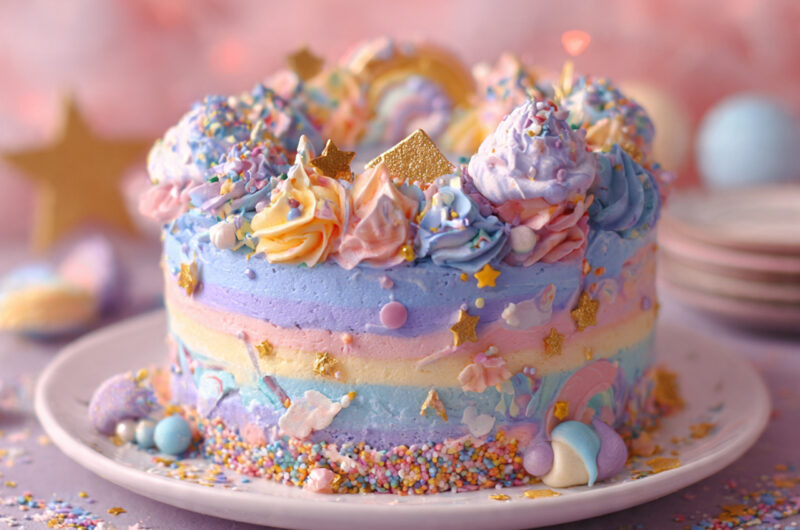
Dreamy Cake Birthday Aesthetic
Course: Cake4
servings15
minutes35
minutes290
kcal1
hour10
minutesA soft, fluffy vanilla cake with silky buttercream frosting — minimal effort, beautiful finish, and the kind of homemade birthday cake that fits every celebration.
Ingredients
For the Cake
2 cups all-purpose flour
1 cup sugar
½ cup butter, softened
3 eggs
1 cup whole milk
1 tbsp baking powder
1 tsp vanilla extract
¼ tsp salt
For the Frosting
1 cup butter, softened
2 cups powdered sugar, sifted
1 tsp vanilla extract
2–3 tbsp whole milk
Directions
- Preheat oven to 180°C (350°F). Grease and flour a 9-inch round cake pan. Whisk together flour, baking powder, and salt in a bowl.
- Beat softened butter and sugar for 3–4 minutes until pale and fluffy.
- Add eggs one at a time, mixing after each. Stir in milk and vanilla until combined.
- Fold dry ingredients into wet in two additions until just smooth. Do not overmix.
- Pour batter into the prepared pan. Tap gently on the counter. Bake 30–35 minutes, until golden and a toothpick comes out clean.
- Cool in the pan for 10 minutes, then turn out and cool completely on a wire rack.
- Beat frosting ingredients together until smooth and creamy, adding milk one tablespoon at a time. Frost the cooled cake.