The Softest Homemade Heart Cake That Makes Every Celebration Sweeter
Most people who attempt a heart-shaped cake end up with the same disappointing result: two pieces of cake that refuse to stay together, gaps at the seam, and a shape that looks more like a lumpy oval than an actual heart. The problem isn’t a lack of skill — it’s not knowing which two pans to use or how to position the pieces before the frosting ever comes out. This recipe solves that entirely with a simple pan trick that anyone can follow, and the moment you see that clean heart take shape on your serving board, you’ll wonder why it ever felt complicated.
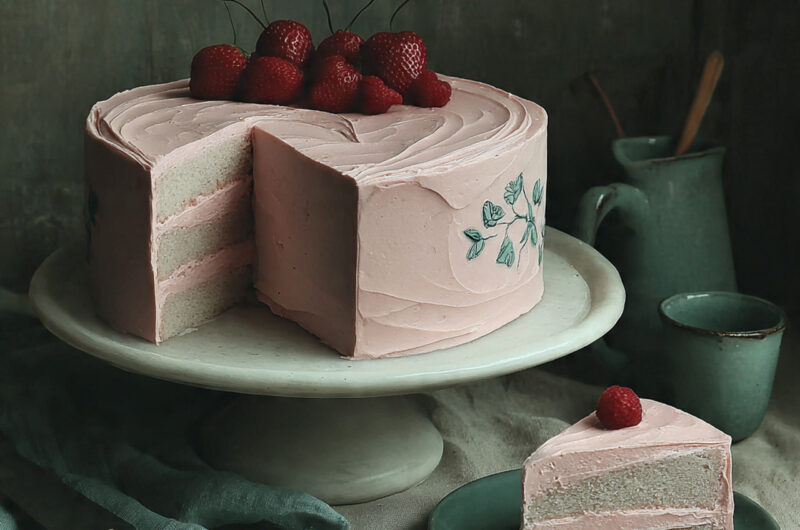
Picture it already frosted. The crumb inside is impossibly tender — soft and pillowy, pressing gently under the fork before it springs back. The moment the pans go into the oven, the kitchen fills with that warm, buttery vanilla scent that makes everyone drift toward the kitchen doorway. Every bite is gently sweet, with a buttercream that melts smoothly on the tongue rather than sitting heavy. It’s the kind of cake that tastes like someone made it specifically for you.
This heart shaped cake was made for the occasions that deserve a little extra care. Valentine’s Day is the most obvious fit, but a birthday surprise, an anniversary dinner, or a quiet Saturday afternoon bake with your kids works just as beautifully. It’s also the kind of homemade cake recipe that scales up effortlessly for a gathering and scales down for an intimate evening at home. Ready to see how easy it is?
Why You’ll Love This Recipe
The Flavor Is Pure Vanilla Comfort
A full tablespoon of vanilla extract carries warmth through every layer of this cake, and the butter-based crumb gives it the kind of rich, mellow depth that feels genuinely homemade. Paired with a simple buttercream frosting, the flavors stay in perfect balance — sweet without being overwhelming, and light without tasting plain.
The Texture Is Soft, Fluffy, and Tender
Creamed butter, eggs, and milk work together to create a fine, pillowy crumb that holds its shape cleanly when sliced. It doesn’t crumble apart, and it stays moist for days. Each bite has a delicate give that reminds you exactly why a scratch cake is worth the effort.
It’s Simpler Than It Looks
No specialty heart-shaped pan needed here — a standard square pan and a round pan are all it takes, and both are probably already in your kitchen. The mixing method is entirely beginner-friendly, and every step is written clearly enough that even a first-time baker can follow along with total confidence.
It Feeds a Crowd or Just Two
This recipe yields a generous cake that serves 10 to 12 people comfortably, making it a natural centerpiece for family gatherings and celebration dinners. And because all the ingredients halve cleanly, a smaller version for two is just as easy on any cozy evening.
A Classic Base with Room to Make It Yours
The foundation is timeless — soft vanilla cake, smooth white buttercream, simple and clean. But the heart shape gives you a beautiful canvas. Fresh berries, chocolate drizzle, edible flowers, colorful sprinkles — the personality of this cake is entirely yours to decide.
Ingredients
For the Cake
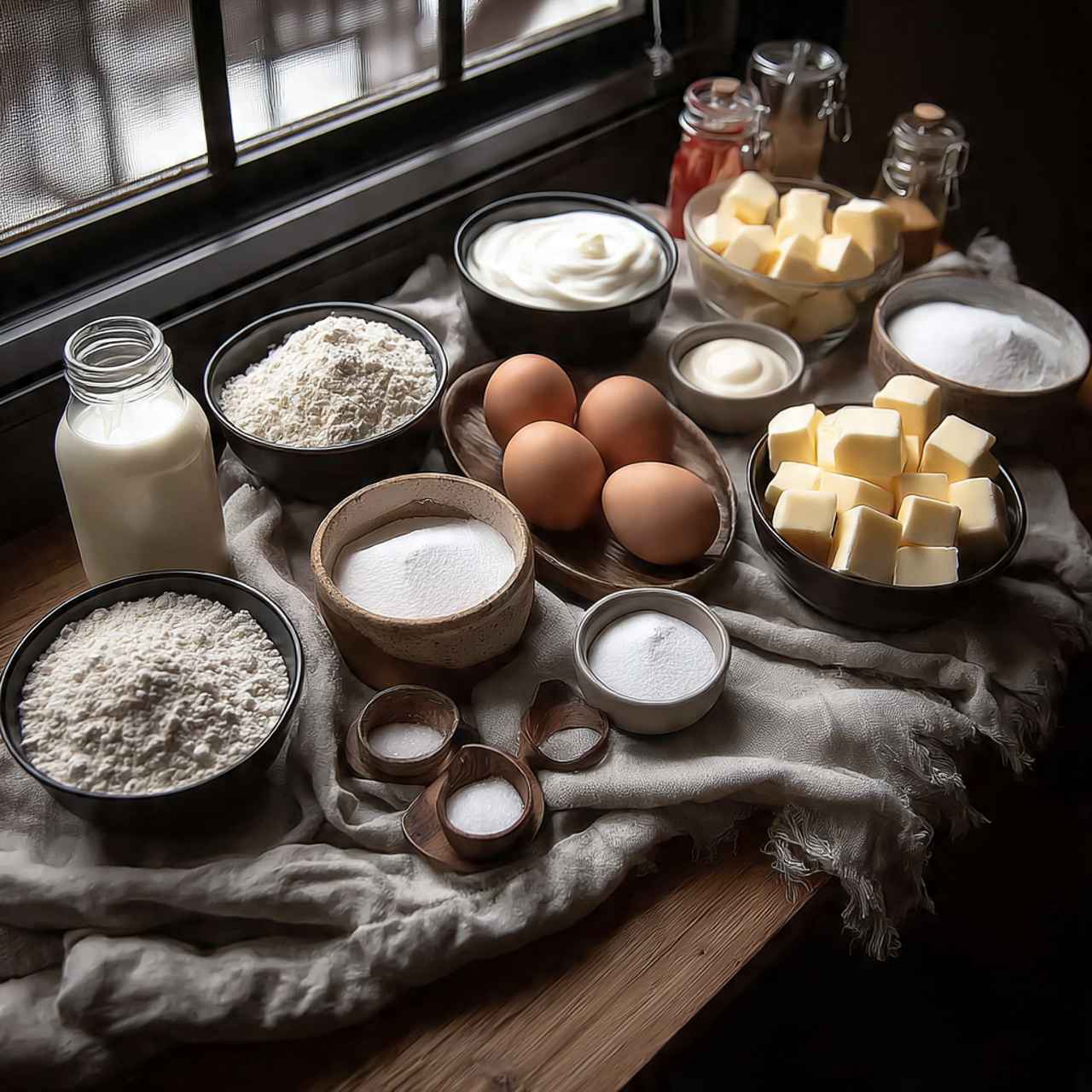
- 2 cups all-purpose flour
- 1 ½ teaspoons baking powder
- ¼ teaspoon salt
- ¾ cup unsalted butter, softened (room temperature is key — cold butter won’t cream properly)
- 1 cup granulated sugar
- 2 large eggs (at room temperature for the smoothest batter)
- 1 tablespoon vanilla extract (pure, not imitation — the flavor difference is worth it)
- ¾ cup milk (whole milk gives the richest crumb, but 2% works well too)
For the Buttercream Frosting
- 1 cup unsalted butter, softened
- 3 cups powdered sugar (sifted helps prevent lumps before you even begin)
- 2 tablespoons milk
- 1 teaspoon vanilla extract
- Pinch of salt (this small addition balances the sweetness and keeps the frosting from tasting flat)
The vanilla running through both the cake and the frosting ties every element together into one cohesive, mellow flavor. The butter provides richness throughout, and the milk keeps both the batter and the frosting at exactly the right consistency for spreading, slicing, and serving.
How to Make Heart Cake — Step-by-Step
Step 1: Prepare Your Pans and Get Organized
Preheat your oven to 350°F (175°C). Grease one square pan and one round pan generously with butter or baking spray, then line the bottoms with parchment paper if you have it — this makes unmolding significantly cleaner. Set your butter, eggs, and milk on the counter about 30 minutes before you start. Don’t worry if you’re short on time and skip this step; the batter will still come together, though room-temperature ingredients consistently give you the lightest, silkiest results.
Step 2: Cream the Butter and Build the Batter
In a large bowl, beat the softened butter and granulated sugar together until the mixture turns visibly paler and noticeably fluffy — this takes about 3 to 4 minutes and is one of the most important steps in the whole recipe. Add the eggs one at a time, beating well after each addition, then mix in the vanilla. In a separate bowl, whisk together the flour, baking powder, and salt. Add the flour mixture to the butter in three additions, alternating with the milk and beginning and ending with flour. Don’t worry if the batter looks slightly curdled when you first add the milk — it smooths out as the remaining flour incorporates.
Step 3: Bake Until the Tops Spring Back
Divide the batter evenly between your two prepared pans. Give each pan a gentle tap on the counter to release any hidden air bubbles, then slide them into the oven side by side. Bake for 25 to 30 minutes, until the tops feel springy when lightly pressed and a toothpick inserted in the center comes out clean. The edges should just be starting to pull away from the sides. Let the cakes rest in their pans for 10 minutes before turning them out onto a wire rack to cool completely — rushing this step leads to tearing, so the cooling time genuinely matters.
Step 4: Shape the Heart
Once both cakes are fully cool, cut the round cake in half straight across the middle. Place the square cake on your serving board in a diamond position, with one corner pointing toward you. Press one half of the round cake snugly against the upper-left edge of the square, flat side down, and the second half against the upper-right edge. You now have a heart. Don’t worry if the seams look a little rough — the frosting covers every imperfection with ease.
Step 5: Frost, Set, and Decorate
Beat the softened frosting butter until it’s creamy and pale before adding anything else, about 2 minutes. Add the powdered sugar gradually, then the milk, vanilla, and salt, and beat until the frosting is smooth, fluffy, and spreadable. Start with a thin crumb coat across the entire heart — a light layer that seals in any loose crumbs — then refrigerate for 15 minutes. Apply the final, thicker coat and smooth it with an offset spatula or the back of a spoon. Decorate however feels right for the occasion.
Perfecting This Recipe
- Cream the butter and sugar for the full 3 to 4 minutes. The mixture should turn noticeably paler and feel light. This step builds the cake’s lift and determines how fluffy the crumb will be.
- Spoon flour into the measuring cup rather than scooping directly from the bag. Scooping compacts the flour and can add more than intended, which leads to a denser texture.
- Add the flour and milk in alternating portions rather than all at once. This keeps the batter tender and prevents overworking the gluten.
- Let the cakes cool completely before shaping. Even slightly warm layers will cause the buttercream to soften and slide during frosting, making the shape harder to control.
- Apply the crumb coat every time. That quick first layer and 15-minute chill gives you a clean, professional-looking surface for the final frosting.
- After the final coat, give the cake another 20 minutes in the refrigerator before slicing. The buttercream sets beautifully and makes every cut far neater.
Common Mistakes to Avoid
Starting with cold butter — Cold butter won’t blend properly with the sugar, and the batter ends up dense and unevenly mixed. Your butter should give slightly when you press it but shouldn’t be greasy or shiny.
Overmixing after the flour goes in — Once the flour is added, mix only until no dry streaks remain. Mixing beyond that point develops gluten too much and turns the crumb tough instead of tender.
Skipping the crumb coat — Going straight to the thick final layer almost always traps visible crumbs in the frosting, especially with a pale buttercream. The extra 15 minutes of chilling pays off noticeably in the final appearance.
Cutting the cakes before they’re fully cooled — A warm cake tears rather than cuts cleanly, and the heart shape becomes much harder to assemble neatly. An hour on the cooling rack is the minimum — two hours is even better.
Leaving gaps when assembling the heart — The two round halves need to sit flush against the square cake before frosting begins. Any gap shows through the finished surface and creates an uneven seam when you slice through it.
Add Your Touch
- Stir the zest of one lemon or orange into the batter for a bright, citrusy note that lifts the whole flavor profile.
- Add a teaspoon of almond extract alongside the vanilla for a subtle, slightly floral depth.
- Fold in a handful of freeze-dried raspberries or strawberry powder for a naturally fruity twist.
- Tint the buttercream with a drop or two of pink or red gel food coloring for a beautiful Valentine’s Day look.
- Replace the buttercream entirely with a whipped cream cheese frosting for something slightly tangy and less sweet.
- Top the finished cake with fresh sliced strawberries, edible rose petals, or a dusting of gold luster for a more decorative finish.
- Swap the milk in the frosting for heavy cream for an even richer, silkier buttercream that pipes beautifully.
Visit Also: Bride To Be Cake
What to Serve With This
A small pile of fresh strawberries or mixed berries on each plate adds color and brightness — their slight tartness plays beautifully against the sweet frosting.
A scoop of vanilla bean ice cream alongside a warm slice turns this into a full dessert plate that feels genuinely special.
Hot coffee or a strong chai tea is one of the best pairings — the bitterness cuts through the sweetness in exactly the right way.
Sparkling rosé or a strawberry lemonade keeps things festive without overcomplicating the table.
For a celebration spread, this cake sits naturally beside a small fruit tart or a bowl of lemon curd with shortbread on the side.
Storing and Serving
Fridge Store the frosted cake covered in an airtight container or under a cake dome in the refrigerator for up to four days. The buttercream holds its texture well when chilled, though the crumb will firm up slightly from the cold.
Freezer Unfrosted cake layers freeze exceptionally well. Wrap each layer tightly in plastic wrap, then a layer of aluminum foil, and freeze for up to two months. Thaw overnight in the refrigerator before shaping and frosting. Individual frosted slices can also be wrapped and frozen for up to six weeks.
Reheating This cake is best enjoyed at room temperature rather than warm. Remove slices from the refrigerator about 20 to 30 minutes before serving to soften the crumb and bring the buttercream back to its ideal creamy texture.
Make-Ahead Tip Bake the cake layers up to one day ahead and store them wrapped at room temperature. Make the frosting on the day you plan to serve for the freshest results, or refrigerate prepared frosting overnight and re-beat it briefly before using.
Servings This recipe makes approximately 10 to 12 servings depending on how generously you slice.
Nutrition (Approximate Per Serving)
- Calories: 430
- Total Fat: 22g
- Saturated Fat: 14g
- Carbohydrates: 58g
- Sugar: 42g
- Protein: 5g
- Sodium: 170mg
Nutritional values are approximate and may vary based on specific ingredients and brands used.
Chef’s Helpful Tips
- Room-temperature butter is not optional — it’s the single most important prep step. Cold butter resists blending and leaves unincorporated pockets of fat throughout the batter that affect both texture and rise.
- To check doneness without cutting into the cake, press the center lightly with one finger. If it springs back cleanly, it’s ready. If the indent stays, give it another three minutes.
- For the cleanest slices, dip a sharp knife in hot water, wipe it dry, and cut in one smooth motion. This is especially helpful at the seam where the round cake meets the square.
- Pure vanilla extract genuinely changes the flavor of this cake. The warm, complex depth of real vanilla is something imitation extract simply can’t replicate — it’s one ingredient worth spending a little more on.
- If your frosting feels too stiff to spread smoothly, add milk one teaspoon at a time and beat briefly. If it feels too loose, add powdered sugar one tablespoon at a time.
Frequently Asked Questions
Q1. Can I make this heart cake ahead of time for a party? Yes, and it actually works beautifully when made ahead. Bake the layers a full day before your event and store them wrapped at room temperature overnight. Frost the cake the morning of the party for the freshest look, or frost it the evening before and refrigerate — it slices cleanly either way.
Q2. Why did my cake come out dense instead of fluffy? The two most common reasons are cold butter and overmixing. Cold butter doesn’t cream properly with the sugar, so less air gets incorporated into the batter. Overmixing after the flour is added develops too much gluten and firms up the crumb. Mix only until the batter is smooth and no dry streaks remain.
Q3. Is this recipe suitable for beginner bakers? It’s one of the most approachable scratch cakes you can make. The ingredients are pantry staples, the steps are clear, and the heart shape requires no specialty equipment or decorating experience. If you’ve ever baked a basic vanilla cake, this will feel completely familiar.
Q4. Can I freeze this cake? Absolutely. Bake and fully cool the layers, wrap them individually in plastic wrap, and freeze for up to two months. Thaw overnight in the refrigerator before assembling and frosting. You can also freeze individual frosted slices wrapped tightly for a quick sweet treat later.
Q5. What can I substitute for butter in the cake batter? A neutral-flavored oil like sunflower or vegetable oil works as a direct one-to-one substitute. The texture becomes slightly lighter and more moist, though the cake will have less of that rich buttery flavor. Use the same volume of oil as the butter the recipe calls for.
Conclusion
There’s a reason a heart cake never goes out of style. The shape says something warm and intentional that a round or rectangular cake simply doesn’t, and this recipe gives you the confidence to pull it off without stress, without specialty equipment, and without spending your whole afternoon in the kitchen. Soft vanilla layers, silky buttercream, and that clean, unmistakable heart shape — it’s the kind of bake that earns genuine compliments every single time it appears on a table.
However you choose to decorate it, whoever you’re making it for, this cake carries real warmth from the very first bite to the last crumb. Try it once and it will quietly earn its place in your regular rotation — the one you come back to every birthday, every anniversary, every occasion that deserves just a little more sweetness than usual.
The Softest Homemade Heart Cake
Course: Cake, Trending Cake10–12
servings20
minutes30
minutes430
kcal1
hour10
minutesA soft, buttery vanilla cake frosted with silky buttercream and shaped like a heart — no specialty pan required. Perfect for Valentine’s Day, birthdays, and every celebration worth a little extra love.
Ingredients
For the Cake:
2 cups all-purpose flour
1 ½ teaspoons baking powder
¼ teaspoon salt
¾ cup unsalted butter, softened
1 cup granulated sugar
2 large eggs
1 tablespoon vanilla extract
¾ cup milk
For the Buttercream Frosting:
1 cup unsalted butter, softened
3 cups powdered sugar
2 tablespoons milk
1 teaspoon vanilla extract
Pinch of salt
Directions
- Preheat oven to 350°F (175°C). Grease one square pan and one round pan; line bottoms with parchment.
- Beat softened butter and sugar until pale and fluffy, 3–4 minutes. Add eggs one at a time, then vanilla.
- Whisk flour, baking powder, and salt in a separate bowl. Alternate adding flour mixture and milk to the butter in three additions, beginning and ending with flour.
- Divide batter evenly between prepared pans. Bake 25–30 minutes until a toothpick inserted in the center comes out clean. Cool completely.
- Cut the round cake in half. Place the square cake on the serving board in a diamond orientation. Press the two round halves snugly against the upper edges to form a heart.
- Beat softened butter for frosting until creamy, 2 minutes. Add powdered sugar, milk, vanilla, and salt; beat until smooth and fluffy.
- Apply a thin crumb coat over the entire cake. Refrigerate 15 minutes, then apply the final frosting layer and decorate as desired.