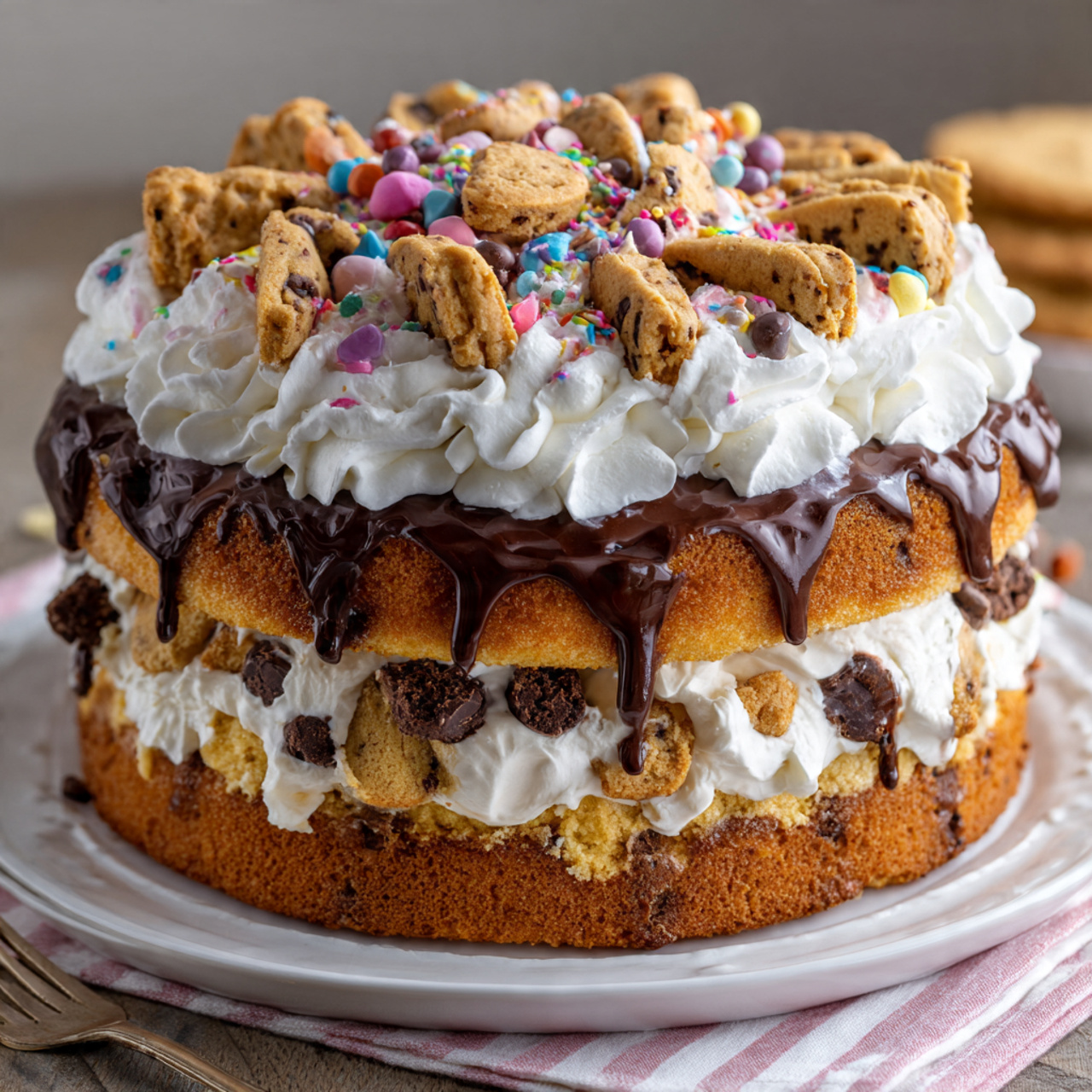
Soft and Fluffy Homemade Cake Recipes the Whole Family Will Ask For Again
Most homemade cakes turn out dense, dry, or sunken right in the center — and it almost always comes down to two things: overmixing the batter, or using cold ingredients straight from the fridge. Once you understand those two culprits, a perfectly light and fluffy cake is completely within reach, and this recipe makes sure you nail it on the very first try.
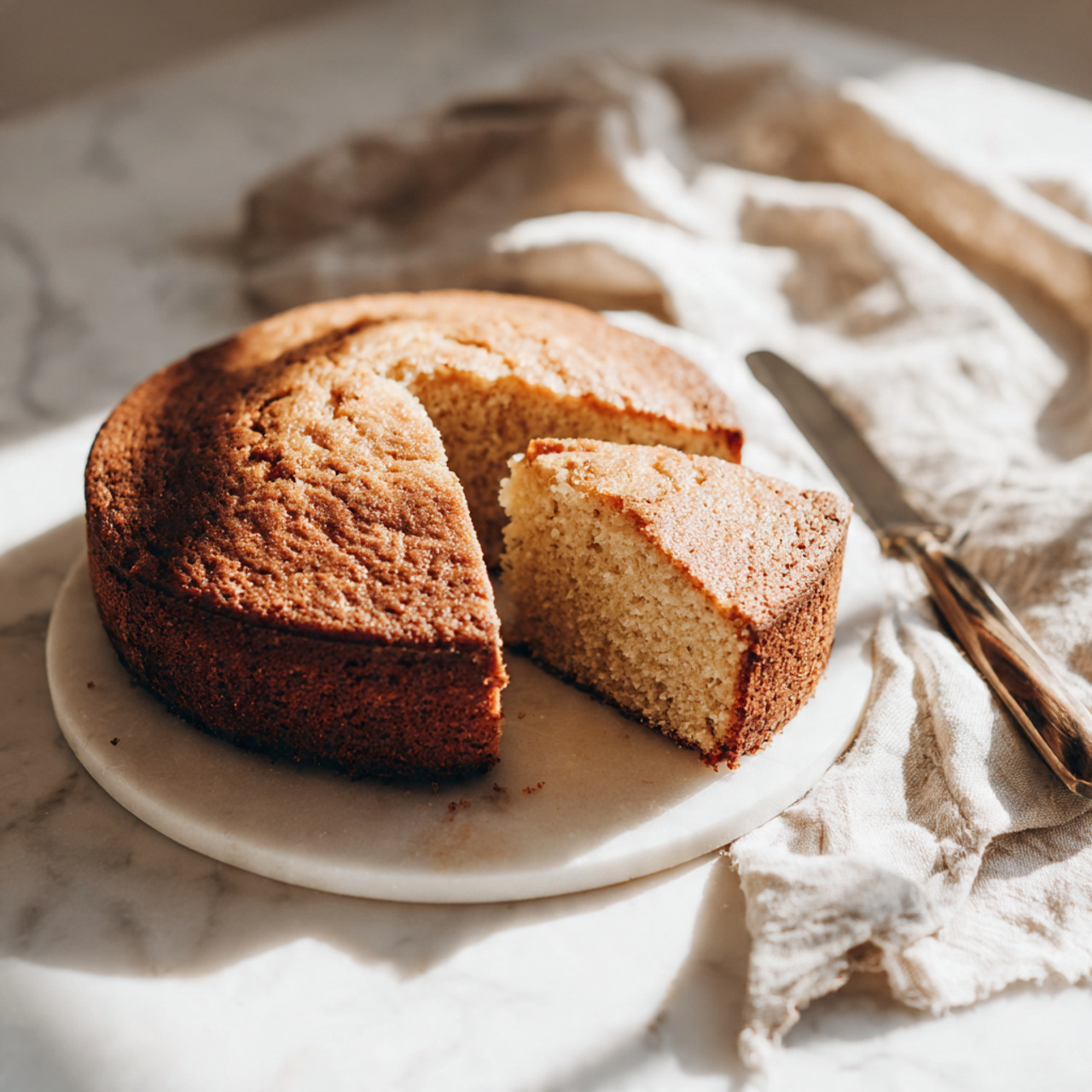
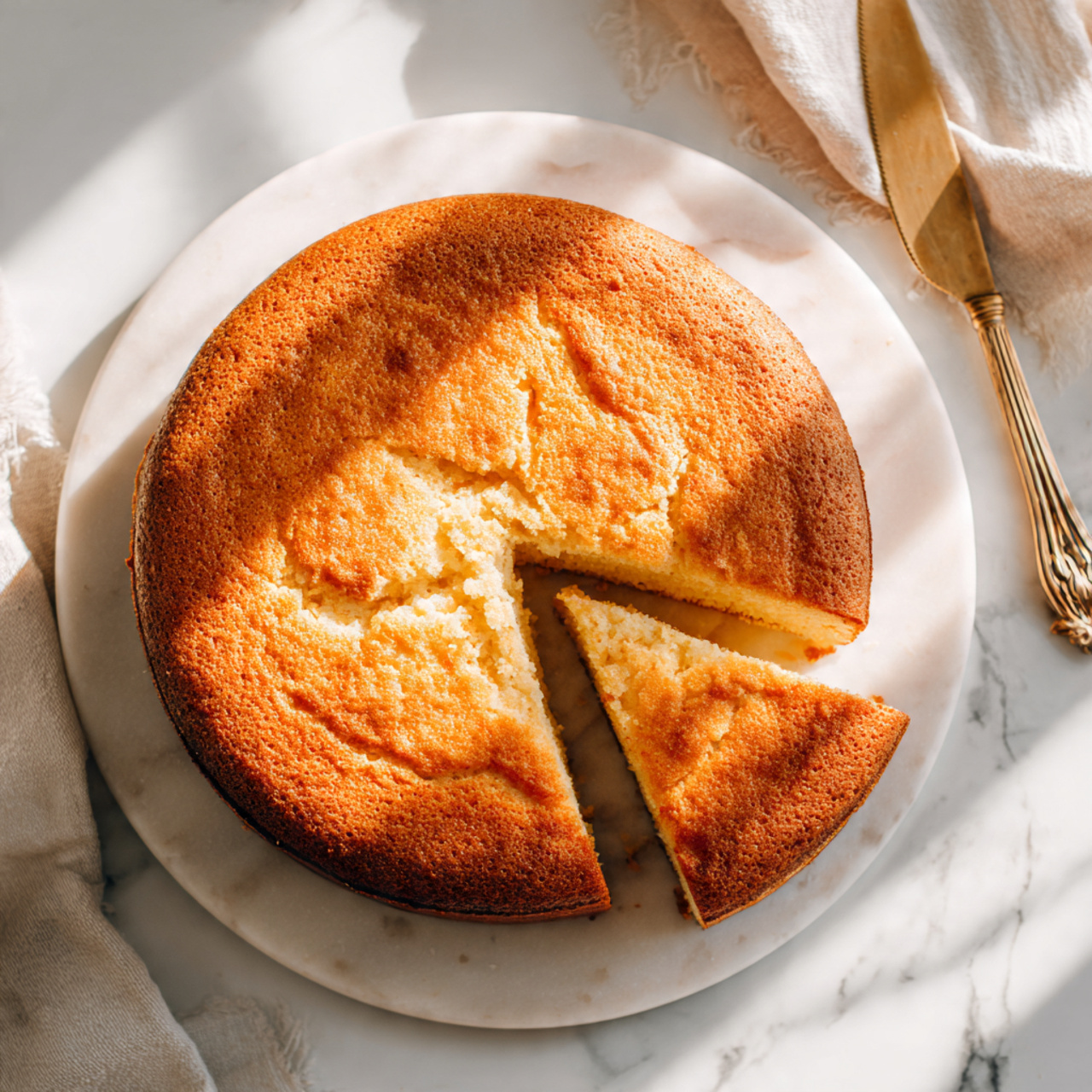
Picture slicing into a cake that’s golden on the outside and impossibly soft inside, with that warm, sweet vanilla scent drifting through the kitchen long before the timer goes off. The crumb is tender and moist, with a gentle sweetness that doesn’t overwhelm — it just comforts. It’s the kind of thing that makes the whole room feel a little warmer.
This easy homemade cake fits beautifully into everyday life — a quiet afternoon with tea, a last-minute birthday, or a cozy family dessert after dinner. It holds up well for make-ahead baking too, which is exactly why this simple cake recipe earns a permanent spot in so many home kitchens. Whether you’re baking for a crowd or just for a quiet evening at home, it always delivers exactly what you’re hoping for.
Why You’ll Love This Recipe
The Texture Is Genuinely Light and Fluffy
This cake bakes up with a tender, airy crumb that holds together beautifully when sliced. The balance of butter, eggs, and a full cup of milk keeps every bite moist without feeling heavy — the kind of texture that disappears off the plate before you’re quite ready for it to.
Everything Comes From Your Pantry
No specialty flours, no unusual add-ins — just all-purpose flour, sugar, butter, eggs, milk, and vanilla. These are ingredients most home kitchens already have stocked, which means you can decide to bake right now and be eating within the hour.
It Comes Together in Under an Hour
From the first scoop of flour to sitting down with a slice, this recipe takes about 50 minutes total. Most of that time is the oven doing its job while you get on with whatever else needs doing.
Endlessly Flexible
This recipe works beautifully as a base for all kinds of flavors and finishes. Add chocolate, citrus zest, cinnamon, or fold in some fruit — the structure is solid enough to handle almost any customization without falling apart on you.
The Whole Family Loves It
Not too rich, not too sweet, not too fancy — this is the kind of cake that works for every age and preference. It’s as welcome at a birthday party as it is on a regular Tuesday evening, and reliable enough that you’ll feel confident making it for a crowd.
Ingredients
For the Cake Batter
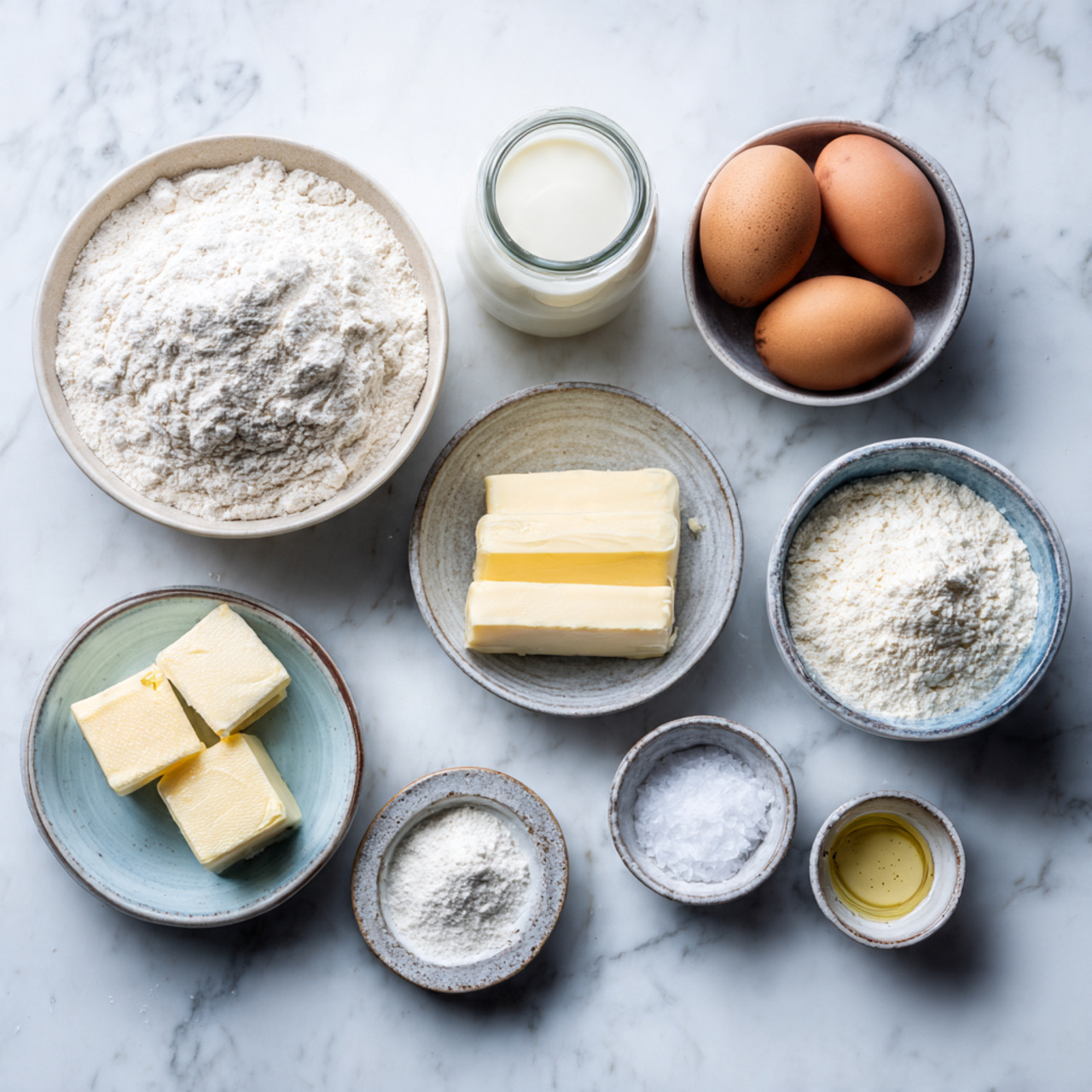
- 2 cups all-purpose flour (spooned into the measuring cup and leveled off — never scooped directly from the bag)
- 1 cup granulated sugar
- ½ cup unsalted butter, softened to room temperature (soft enough to press a finger into without resistance)
- 2 large eggs, at room temperature
- 1 cup whole milk (full-fat gives the best texture, but 2% works too)
- 1 teaspoon pure vanilla extract (use pure, not imitation — the flavor difference is genuinely noticeable)
- 1 tablespoon baking powder
- ¼ teaspoon fine sea salt
Having the butter and eggs at room temperature is what allows them to cream together smoothly, creating the tiny air pockets that make this cake so light. It’s a small detail that makes a large difference in the final texture and rise.
How to Make This Cake — Step-by-Step
Step 1: Prep Your Pan and Preheat the Oven
Preheat your oven to 180°C (350°F) and grease your baking pan generously, then dust it lightly with flour, tapping out any excess. That flour coating creates a thin barrier that keeps the cake from sticking and helps it release cleanly every time. By the time you’re done mixing the batter, your oven should be fully up to temperature and ready to go.
Step 2: Sift the Dry Ingredients
In a medium bowl, sift together the flour, baking powder, and salt. Sifting breaks up any clumps and distributes the baking powder evenly throughout the flour, which is what gives you a consistent rise across the entire cake rather than uneven pockets and bumps. Set this bowl aside while you work on the wet ingredients.
Step 3: Cream the Butter and Sugar
In a large bowl, beat the softened butter and sugar together until the mixture turns noticeably lighter in color and looks pale and fluffy — about 2 to 3 minutes on medium speed with a hand mixer. Add the eggs one at a time, beating well after each addition, then stir in the vanilla extract. Don’t worry if the batter looks slightly curdled or broken at this stage — it will come together beautifully once you start adding the flour.
Step 4: Bring the Batter Together
Add the dry ingredients and milk to the butter mixture in alternating portions — start with about a third of the dry ingredients, add half the milk, repeat, and finish with the last of the dry ingredients. Stir gently between each addition, just until combined. The batter should look smooth and thick, dropping heavily from a spoon. Don’t worry if you spot a faint flour streak or two when you first combine everything; a few gentle folds will take care of those. Overmixing is what leads to a tough, dense cake, so less is always more once the flour goes in.
Step 5: Bake, Test, and Rest
Pour the batter into the prepared pan, smooth the top with a spatula, and bake for 30 to 35 minutes. The cake is done when the top is deep golden, the edges have pulled slightly away from the sides of the pan, and a toothpick inserted in the center comes out clean with no wet batter attached. Let it cool in the pan for 10 minutes before turning it out — this resting time allows the structure to firm up so every slice comes out clean and intact rather than crumbling.
Perfecting This Recipe
- Use room temperature ingredients across the board. Softened butter, room temperature eggs, and even slightly warmed milk all blend together more smoothly, creating a batter with better texture and lift.
- Measure flour carefully. Spooning flour into your measuring cup and leveling it with a straight edge gives you the right amount. Scooping directly from the bag packs extra flour in and makes the cake heavier and drier than it should be.
- Don’t rush the creaming step. That pale, fluffy stage is where most of the air goes into the batter — and that air is what makes the cake rise light and tall. Two to three minutes on medium speed is worth every one of them.
- Alternate dry and wet ingredients when combining. This method prevents overmixing and ensures everything incorporates evenly without overdeveloping the gluten.
- Resist opening the oven door before the 25-minute mark. The cake is still fragile in its early baking stages, and a sudden rush of cold air can cause the center to sink.
- Cooling matters more than it seems. Letting the cake rest before slicing isn’t just about patience — it gives the crumb time to set properly so your slices stay clean and cohesive.
Common Mistakes to Avoid
Using cold butter: Butter straight from the fridge won’t cream smoothly with the sugar and stays in chunky pieces that never fully incorporate. The result is a dense, uneven texture instead of the light, fluffy crumb you’re going for. Pull it out at least 30 minutes before you start baking.
Overmixing after adding the flour: Once flour meets the wet ingredients, gluten starts developing quickly. Mixing too long makes the cake chewy and tough rather than soft and tender. Stop as soon as the flour streaks disappear — a couple of extra folds is fine, but beyond that, you’re working against yourself.
Skipping the sifting step: Flour tends to clump together in the bag and inside your measuring cup. Unsifted lumps stay lumpy in the batter and create dense patches in the finished cake. It takes less than a minute and the difference in texture is genuinely worth it.
Opening the oven too early: Before the structure has had a chance to set, a sudden drop in oven temperature causes the center to collapse. Wait until at least the 25-minute mark before checking, and close the oven door gently rather than letting the heat rush out all at once.
Cutting while the cake is still hot: A freshly baked cake is fragile and will crumble the moment you try to slice it. Give it the full 10 minutes in the pan, and ideally a few minutes more after turning it out, before you reach for the knife.
Add Your Touch
- Stir 2 tablespoons of unsweetened cocoa powder into the dry ingredients for a light, not-too-intense chocolate version.
- Add a teaspoon of fresh lemon or orange zest to the batter for a bright, citrusy finish that pairs beautifully with whipped cream.
- Fold in ½ cup of blueberries, chocolate chips, or roughly chopped walnuts just before pouring the batter into the pan.
- Swap the vanilla extract for almond extract to give the cake a subtly nutty, slightly more complex flavor.
- Dust the cooled cake with powdered sugar for an effortlessly elegant presentation that works for any occasion.
- Add ½ teaspoon of cinnamon or cardamom to the dry ingredients for a warmly spiced variation that feels especially right in the colder months.
Visit Also: Alice In Wonderland Cake
What to Serve With This
A hot cup of tea or freshly brewed coffee is the natural pairing here — the mild vanilla sweetness balances beautifully against the slight bitterness of either. Sliced fresh strawberries or ripe bananas alongside add a light, natural contrast that keeps each bite from feeling heavy. A generous spoonful of softly whipped cream or a scoop of vanilla ice cream turns this into something that feels genuinely dessert-worthy. For a celebration-ready version, spread a thin layer of cream cheese frosting over the top and finish with a few sprinkles — it takes five minutes and makes the whole thing feel properly festive.
Storing and Serving
Fridge Once the cake has cooled completely, wrap it tightly or transfer it to an airtight container and refrigerate for up to 4 days. If you’ve already sliced it, press a piece of plastic wrap against the cut surfaces to keep them from drying out.
Freezer This cake freezes beautifully. Wrap individual slices in plastic wrap, place them in a freezer-safe bag, and freeze for up to 2 months. Thaw at room temperature for about an hour before serving, and they’ll taste just as good as the day you baked them.
Reheating Highly recommended — 15 to 20 seconds in the microwave brings refrigerated or thawed slices back to that soft, freshly-baked warmth. For thicker pieces, heat in short 10-second intervals to avoid drying out the outer edges.
Make-Ahead Tip You can bake this cake a full day in advance without any loss of quality. Let it cool completely, wrap it tightly in plastic wrap, and store at room temperature overnight — or in the fridge if your kitchen is warm. Add any frosting, glaze, or fresh toppings just before serving for the best result.
Servings This recipe makes approximately 8 to 10 generous slices depending on how thickly you cut them.
Nutrition (Approximate Per Serving)
- Calories: 240
- Total Fat: 9g
- Saturated Fat: 5g
- Carbohydrates: 36g
- Sugar: 18g
- Protein: 4g
- Sodium: 180mg
Nutritional values are approximate and may vary based on specific ingredients and brands used.
Chef’s Helpful Tips
- Room temperature ingredients are the single biggest factor in getting a fluffy result. Set your butter, eggs, and milk out on the counter at least 30 minutes before you plan to start mixing.
- To check for doneness without a toothpick, press the center of the cake lightly with your fingertip — it should spring back cleanly rather than sink or leave an indent.
- For clean, neat slices every time, dip your knife in warm water and wipe it dry before each cut. It makes a surprisingly significant difference in how the slices look.
- Use pure vanilla extract rather than the imitation variety. The flavor is warmer and more rounded, and even in a simple cake like this, it elevates the whole result into something that tastes genuinely homemade.
- If your cake consistently comes out too dense, overmixing is almost certainly the cause. Try folding the dry ingredients in by hand with a spatula rather than using the mixer for that final stage.
Frequently Asked Questions
Q1. Can I make these Homemade Cake Recipes ahead of time for a party? Absolutely — this cake holds up beautifully when baked a day in advance. Let it cool completely, wrap it tightly, and store at room temperature or in the fridge overnight. Add any frosting or decorative toppings on the day of the event for the freshest and most polished result.
Q2. Why did my cake turn out dense instead of fluffy? The most common reason is overmixing after the flour goes in, or starting with butter that wasn’t fully softened. Make sure your butter is genuinely at room temperature before you begin — it should give easily when you press it — and fold the batter gently after adding the dry ingredients, stopping the moment the flour streaks disappear.
Q3. Can I replace the milk with a non-dairy alternative? Yes, easily. Oat milk and full-fat coconut milk are the best substitutes and keep the texture closest to the original. Almond milk or soy milk also work well, though the crumb may turn out very slightly lighter.
Q4. Is this recipe beginner-friendly? Very much so. The ingredient list is short, the steps are clear, and the method is forgiving enough that even first-time bakers consistently get great results. The main things to pay attention to are bringing your ingredients to room temperature and not overmixing — both are easy to manage once you know to watch for them.
Q5. Can I freeze this cake? Yes — it freezes really well and the texture holds up perfectly. Wrap individual slices tightly in plastic wrap, place them in a freezer-safe bag, and store for up to 2 months. When you’re ready to eat, thaw on the counter for about an hour or warm briefly in the microwave for that just-baked softness.
Conclusion
There’s a reason simple, from-scratch cakes never go out of style — they comfort, they impress without demanding much, and they give you something real to share. These homemade cake recipes are exactly that kind of reliable, feel-good bake: easy enough for any weeknight, good enough for any occasion, and flexible enough to become truly yours the more you make them.
Go ahead and make it your own — try a new flavor twist, dress it up with a topping you love, or keep it simple and serve it straight from the pan with a cup of tea. However you make it, this is the kind of recipe that quietly earns a permanent place in your kitchen and never gets old.
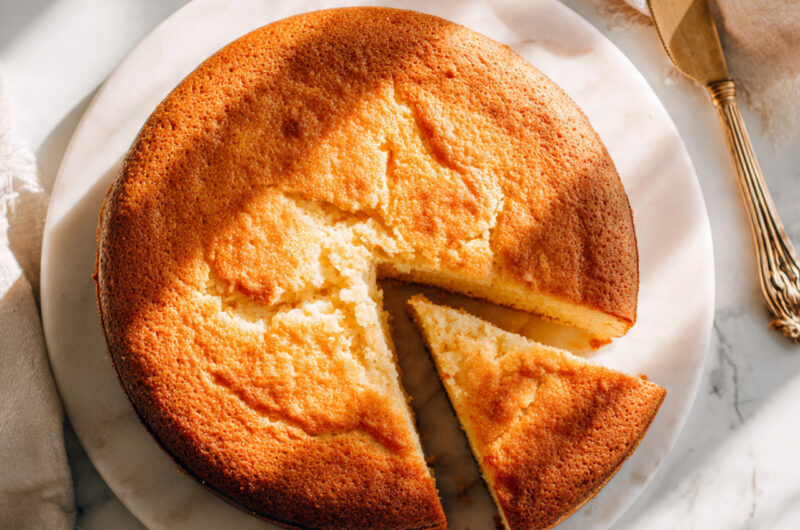
Easy Fluffy Homemade Vanilla Cake
Course: Uncategorized4
servings10
minutes35
minutes240
kcal55
minutesA soft, golden vanilla cake with a tender crumb and warm buttery flavor — made from simple pantry staples and ready in just over 50 minutes. Perfect for everyday treats, family gatherings, or any occasion that calls for something homemade and sweet.
Ingredients
For the Cake Batter:
2 cups all-purpose flour
1 cup granulated sugar
½ cup unsalted butter, softened
2 large eggs, room temperature
1 cup whole milk
1 teaspoon pure vanilla extract
1 tablespoon baking powder
¼ teaspoon fine sea salt
Directions
- Preheat oven to 180°C (350°F). Grease and lightly flour a baking pan.
- Sift flour, baking powder, and salt together in a medium bowl. Set aside.
- Beat softened butter and sugar until pale and fluffy, about 2 to 3 minutes. Add eggs one at a time, beating well after each. Stir in vanilla extract.
- Add dry ingredients and milk to the butter mixture in alternating parts (dry, milk, dry, milk, dry), stirring gently between additions until just combined.
- Pour batter into the prepared pan and smooth the top.
- Bake 30 to 35 minutes until golden and a toothpick inserted in the center comes out clean.
- Cool in the pan for 10 minutes, then turn out and slice.