Soft and Simple Paper Cake — A Cozy Homemade Treat for Any Day
The biggest problem with homemade cake is usually the aftermath — the frosting, the layers, the decorating, the mess. Most recipes make baking feel like a production when all you really wanted was something warm and simple. This paper cake strips all of that away and gives you a soft, tender bake with barely any fuss at all.
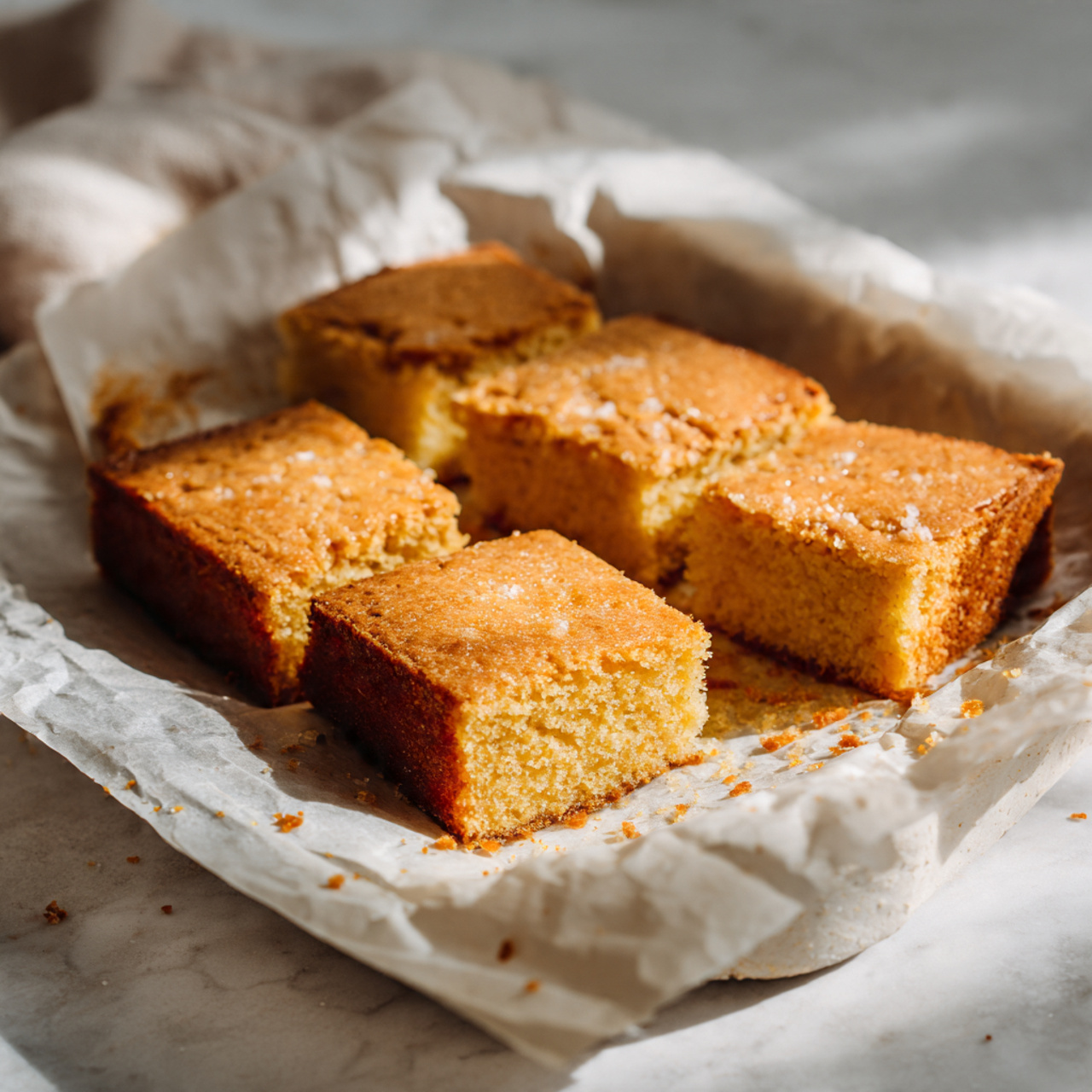
The texture is what makes this one genuinely special. The crumb is delicate and moist, pressing gently under your fingers before it springs back. The edges turn just barely golden while the center stays pale and pillowy. There’s that faint warmth of vanilla rising as it cools on the tray, and the first bite is light and sweet without being heavy. It’s the kind of cake that pairs perfectly with a hot cup of tea because it doesn’t compete for attention — it just quietly earns its place.
Whether you’re looking for an easy homemade cake for a slow weekend morning, a simple sweet bite after a weeknight dinner, or a no-fuss treat to bring to a small gathering, this one fits every occasion. It also works beautifully as a tea time cake — the kind you slice into neat squares and set out without ceremony. Let’s get into exactly how to make it.
Why You’ll Love This Recipe
It Comes Together in One Bowl
No mixer, no fuss, and no mountain of dishes waiting for you afterward. Everything combines in a single bowl with basic pantry ingredients you likely already have. From the moment you start mixing to the moment it goes into the oven, you’re looking at less than 15 minutes of hands-on time.
The Texture Is Genuinely Perfect
This is a soft, moist crumb that doesn’t dry out quickly. The parchment lining helps it bake evenly and release cleanly from the pan, giving you a flat, tender result every single time — no sticking, no crumbling, no drama.
No Frosting Required
This cake is complete exactly as it is. There’s no buttercream, no ganache, no finishing layer of any kind. It’s lightly sweet, faintly fragrant, and satisfying straight off the tray, which is a big part of what makes it so easy to love.
Scales Beautifully for Any Group
Baking for two? Halve the recipe. Feeding a small crowd? Double it and use a larger tray. The proportions hold up either way, and you don’t need any special equipment to make it work.
A Reliable Soft Cake Recipe for Everyday Baking
This is the kind of recipe you reach for when you don’t want to think too hard. It’s beginner-friendly, forgiving of small imperfections, and consistent. Make it once and you’ll know it by heart.
Ingredients
For the Batter
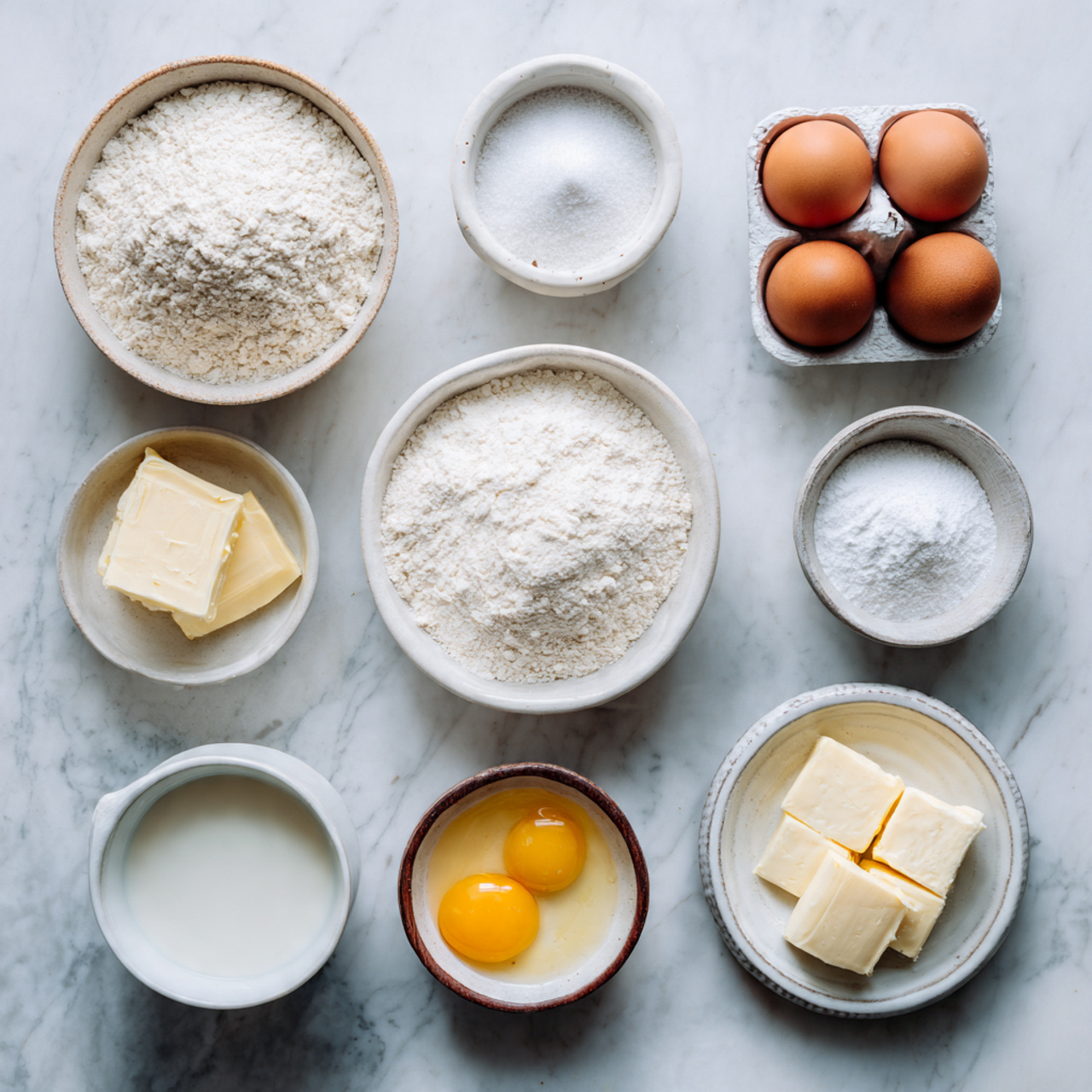
- 2 cups all-purpose flour (plain flour gives the softest, most even crumb)
- 3/4 cup sugar
- 1/2 cup butter, softened (not melted — room temperature makes a real difference here)
- 2 eggs
- 1 cup milk (whole milk is ideal for richness, but any variety works)
- 1 tsp vanilla extract (pure, not imitation — it matters in a simple recipe like this)
- 1 tsp baking powder
- 1/2 tsp salt
For Lining the Pan
- Parchment paper (enough to line your tray with a slight overhang on the sides)
- A small amount of butter or oil for greasing
The butter and eggs work together to give this cake its structure and richness, while the milk keeps the batter soft and pourable. The vanilla rounds everything out and makes the kitchen smell like something wonderful while it bakes.
How to Make Paper Cake — Step-by-Step
Step 1: Prep Your Pan and Oven
Preheat your oven to 180°C (350°F). Line your baking tray with parchment paper and grease it lightly — this is the step that gives paper cake its name and its signature clean release from the pan. A little overhang on the sides makes lifting the finished cake much easier once it’s cooled.
Step 2: Cream the Butter and Sugar
In a large mixing bowl, beat the softened butter and sugar together until the mixture looks pale, smooth, and slightly fluffy. Add the eggs one at a time, mixing well after each addition. Don’t worry if it looks a little curdled at this point — once the dry ingredients go in, everything comes together.
Step 3: Add the Dry Ingredients
Sift the flour, baking powder, and salt directly into the butter mixture. Stir gently, and as you mix, pour in the milk slowly and steadily. Keep stirring until you have a smooth, thick batter that falls from the spoon in a slow, even ribbon. Don’t worry if a few small streaks remain — a final fold will take care of those.
Step 4: Add Vanilla and Finish the Batter
Pour in the vanilla extract and fold everything together with a few light strokes until no dry spots remain. The batter should look silky and uniform at this point. Avoid overworking it — once it looks smooth and even, stop mixing.
Step 5: Bake and Cool
Pour the batter into the lined tray and spread it into an even layer using a spatula. Bake for 25–30 minutes, until the top is lightly golden and a toothpick inserted in the center comes out clean. Let the cake cool in the tray for at least 10 minutes before lifting it out by the parchment edges. Slicing too early can compress the center, so give it the full rest time.
Perfecting This Recipe
- Use softened butter, not melted. Melted butter changes the structure of the batter and can lead to a greasier, denser result.
- Sifting the flour is worth the extra step. It eliminates lumps and gives the crumb a lighter, more even texture from the inside out.
- Take your time at the creaming stage. Getting the butter and sugar properly combined creates the right base for everything that follows.
- Spread the batter in an even layer across the full tray. Uneven thickness means uneven baking — the thicker edges will still be soft while the thin parts are already overdone.
- Pull the cake as soon as the toothpick comes out clean. Even a few extra minutes can start to dry out the crumb on a flat bake like this one.
- Let it rest before cutting. Cutting into a hot cake compresses the layers and changes the texture. Ten minutes of patience makes a real difference in how it slices.
Common Mistakes to Avoid
- Using cold butter — Cold butter won’t cream properly with the sugar, which leads to an uneven, dense cake that doesn’t rise as it should. Pull your butter out of the fridge 30–45 minutes before you begin.
- Overmixing the batter — Once the flour goes in, the goal is to combine, not to whip. Overworking the batter develops gluten and turns the crumb tough instead of tender.
- Skipping the parchment paper — This isn’t decorative. The parchment is what allows the cake to lift cleanly from the tray and is central to how this style of bake works. Don’t substitute foil or grease alone.
- Uneven batter depth — A thicker section takes longer to bake, which means by the time the center is done, the edges may have already gone too far. Use a spatula to level it before it goes in the oven.
- Overbaking — Paper cake is a thin, flat bake, which means it can go from done to dry surprisingly quickly. Start checking at the 25-minute mark rather than waiting for the timer.
Add Your Touch
- Stir in a teaspoon of lemon or orange zest for a bright citrusy lift that works especially well in summer.
- Add a pinch of cinnamon or cardamom to the batter for a warm, spiced version with a little more depth.
- Fold in a handful of chocolate chips or finely chopped walnuts for texture in every bite.
- Dust the fully cooled cake with powdered sugar for a simple, elegant finish that requires zero effort.
- For an egg-free version, replace each egg with 3 tablespoons of plain yogurt or half a mashed banana — both keep the crumb soft and moist.
- Swap the butter for a neutral oil like sunflower or vegetable oil for a slightly lighter, more moist result with a less rich flavor.
- Reduce the sugar by two tablespoons and add a tablespoon of honey for a more complex, floral sweetness.
Visit Also: Candy Cake
What to Serve With This
- A pot of black tea or chai — The mild sweetness of this cake is made for a strong brew alongside it, and the two together feel like a proper afternoon ritual.
- Fresh strawberries or sliced banana — The soft crumb pairs beautifully with juicy fruit and adds a pop of color to the plate.
- A drizzle of honey or maple syrup — Just enough extra sweetness to make it feel indulgent without changing the cake itself.
- A spoonful of whipped cream or Greek yogurt — Light, cool, and just enough richness to turn a simple slice into a proper dessert.
- A cold glass of milk — Classic and genuinely one of the best ways to enjoy a square of this cake.
Storing and Serving
Fridge Store leftover slices in an airtight container in the refrigerator for up to 3 days. Layer pieces with a strip of parchment between them to keep them from sticking together.
Freezer Wrap individual slices tightly in plastic wrap, then place them in a freezer-safe bag. Freeze for up to 1 month. Thaw at room temperature for 30–45 minutes before serving.
Reheating A quick 10–15 seconds in the microwave brings a refrigerated slice back to its soft, just-baked texture. For a slightly crispier top, warm it in the oven at 160°C for about 5 minutes.
Make-Ahead Tip This cake can be baked the day before and stored covered at room temperature or in the fridge overnight. The texture holds beautifully and sometimes tastes even better the next day once the flavors have had time to settle.
Servings This recipe yields approximately 9–12 squares, depending on how you slice the tray.
Nutrition (Approximate Per Serving)
- Calories: 230
- Total Fat: 9g
- Saturated Fat: 5g
- Carbohydrates: 33g
- Sugar: 14g
- Protein: 5g
- Sodium: 160mg
Nutritional values are approximate and may vary based on specific ingredients and brands used.
Chef’s Helpful Tips
- Always bring butter and eggs to room temperature before you start. Cold ingredients don’t combine properly and affect both the texture and the rise of the finished cake.
- For clean, neat squares, let the cake cool completely before cutting. A serrated knife works better than a straight-edged one and gives you sharper, more defined slices.
- If your oven tends to run hot, check the cake at the 22-minute mark. Every oven is different, and a few minutes can be the difference between moist and dry on a thin bake like this.
- The quality of your vanilla matters more in a simple recipe, where there’s nowhere for a flat flavor to hide. Pure extract will give you a noticeably cleaner, more fragrant result.
- If stored slices feel slightly dry, a 10-second microwave warm-up brings the moisture back without making the cake rubbery or soggy.
Frequently Asked Questions
Q1. Can I make this paper cake ahead of time? Yes, and it holds up really well. Bake it the day before, let it cool completely, then store it covered at room temperature or in the fridge. The texture stays soft and the flavor doesn’t suffer at all overnight — it’s a great make-ahead option.
Q2. Why did my cake turn out dense? The two most common culprits are overmixing after the flour goes in, and butter that wasn’t soft enough before creaming. Both affect how the batter develops. Stir just until combined, and always start with butter that’s genuinely room temperature, not cold from the fridge.
Q3. Can I substitute the milk with a plant-based alternative? Absolutely. Oat milk, almond milk, and soy milk all work in the same one-cup measurement. The texture may be very slightly different depending on which you use, but the cake will still come out soft and delicious.
Q4. Is this recipe suitable for beginner bakers? It’s one of the most beginner-friendly bakes you’ll find. There’s no special equipment, no complicated steps, and very little room for things to go seriously wrong. Follow the steps, don’t overbake it, and you’ll have a beautiful result on your first try.
Q5. Can I freeze this cake? Yes. Slice it first, wrap each piece individually in plastic wrap, and freeze for up to a month. Thaw at room temperature and the cake comes back to its original soft texture without any problem.
Conclusion
Some recipes earn their place by impressing you. This paper cake earns it by doing the opposite — it’s quiet, unfussy, and completely reliable. It works for slow evenings alone and for Sunday afternoons with family. It fits in a lunchbox and it fits on a dessert table. Once you’ve made it, you’ll understand why it’s the kind of one-bowl cake recipe people keep returning to — not because it’s complicated, but because it never lets you down.
Give it a go this week, and don’t be afraid to make it yours. Add citrus zest, a pinch of spice, a drizzle of honey on top. Serve it plain and let the vanilla do the work. However you make it, this easy homemade cake is the kind of thing that earns a permanent spot in your regular rotation — simply because it’s exactly right, every single time.
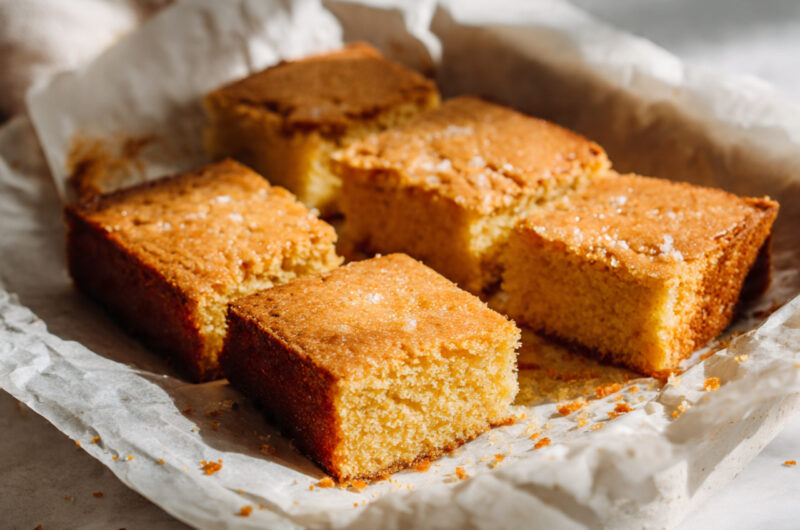
Soft and Simple Paper Cake
Course: Cake4
servings10
minutes30
minutes230
kcal50
minutesA tender, lightly sweet flat cake baked on parchment — soft and moist in the center, just golden at the edges, and easy to slice into squares. Perfect for tea time, a cozy evening at home, or a simple family dessert with no frosting required.
Ingredients
For the Batter:
2 cups all-purpose flour
3/4 cup sugar
1/2 cup butter, softened
2 eggs
1 cup milk
1 tsp vanilla extract
1 tsp baking powder
1/2 tsp salt
For the Pan:
Parchment paper
Butter or oil for greasing
Directions
- Preheat oven to 180°C (350°F). Line a baking tray with parchment paper and grease lightly.
- Beat softened butter and sugar until pale and smooth. Add eggs one at a time, mixing well after each.
- Sift in flour, baking powder, and salt. Pour in milk gradually, stirring until a smooth, pourable batter forms.
- Add vanilla extract and fold gently until no dry spots remain. Do not overmix.
- Pour batter into the prepared tray and spread into an even layer.
- Bake for 25–30 minutes until the top is lightly golden and a toothpick inserted in the center comes out clean.
- Cool in the tray for 10 minutes, then lift by the parchment and slice into squares.