The Softest Cake With Flowers That Turns Any Day Into a Celebration
Most homemade cakes with flowers look stunning for exactly five minutes — then the frosting slips, the blooms wilt, and the crumb turns out drier than expected. The real culprit isn’t the flowers. It’s a batter that got overmixed and a cake that spent a few too many minutes in the oven. This recipe fixes both, giving you a genuinely moist, pillowy crumb and a decorating approach that stays beautiful long enough for everyone to actually enjoy it.
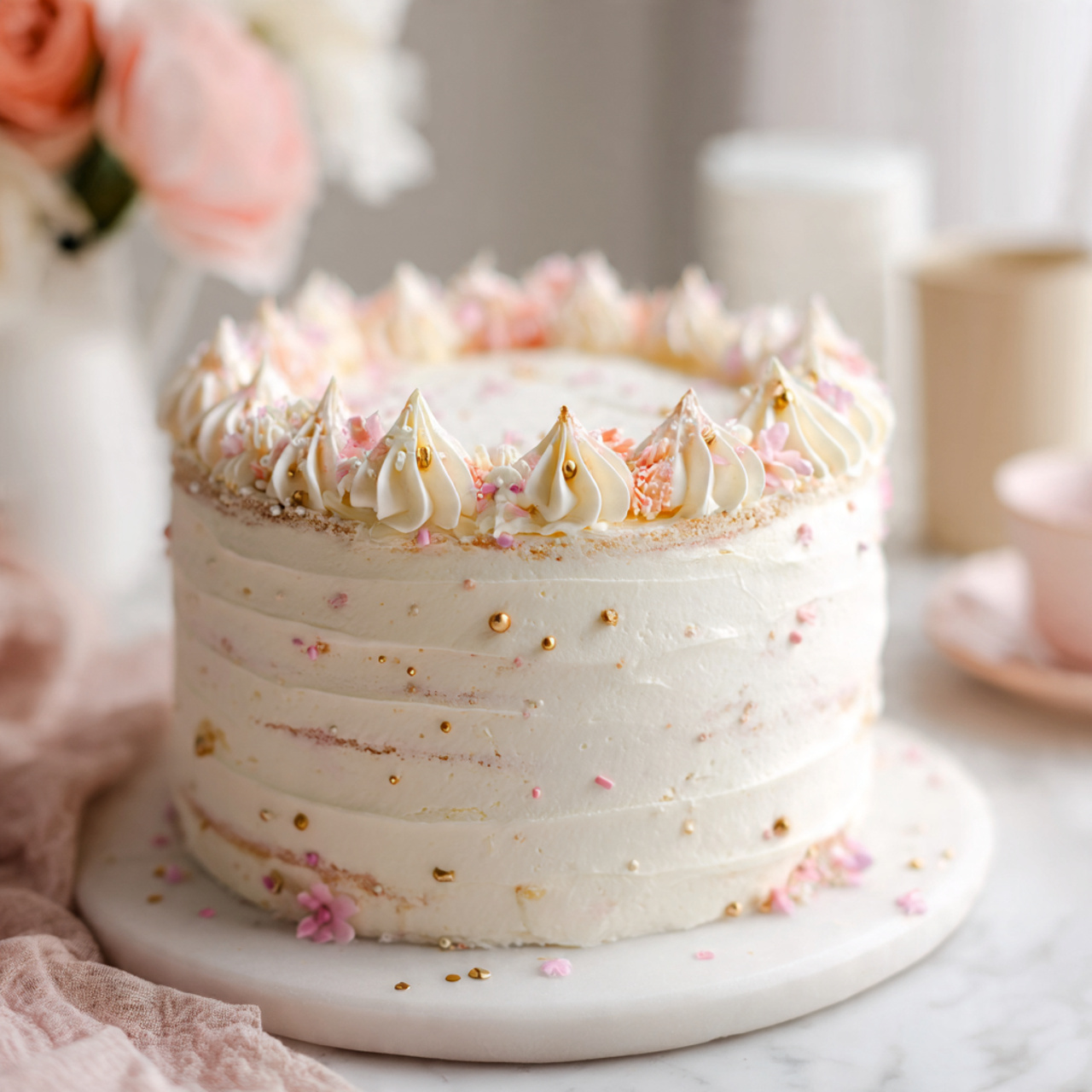
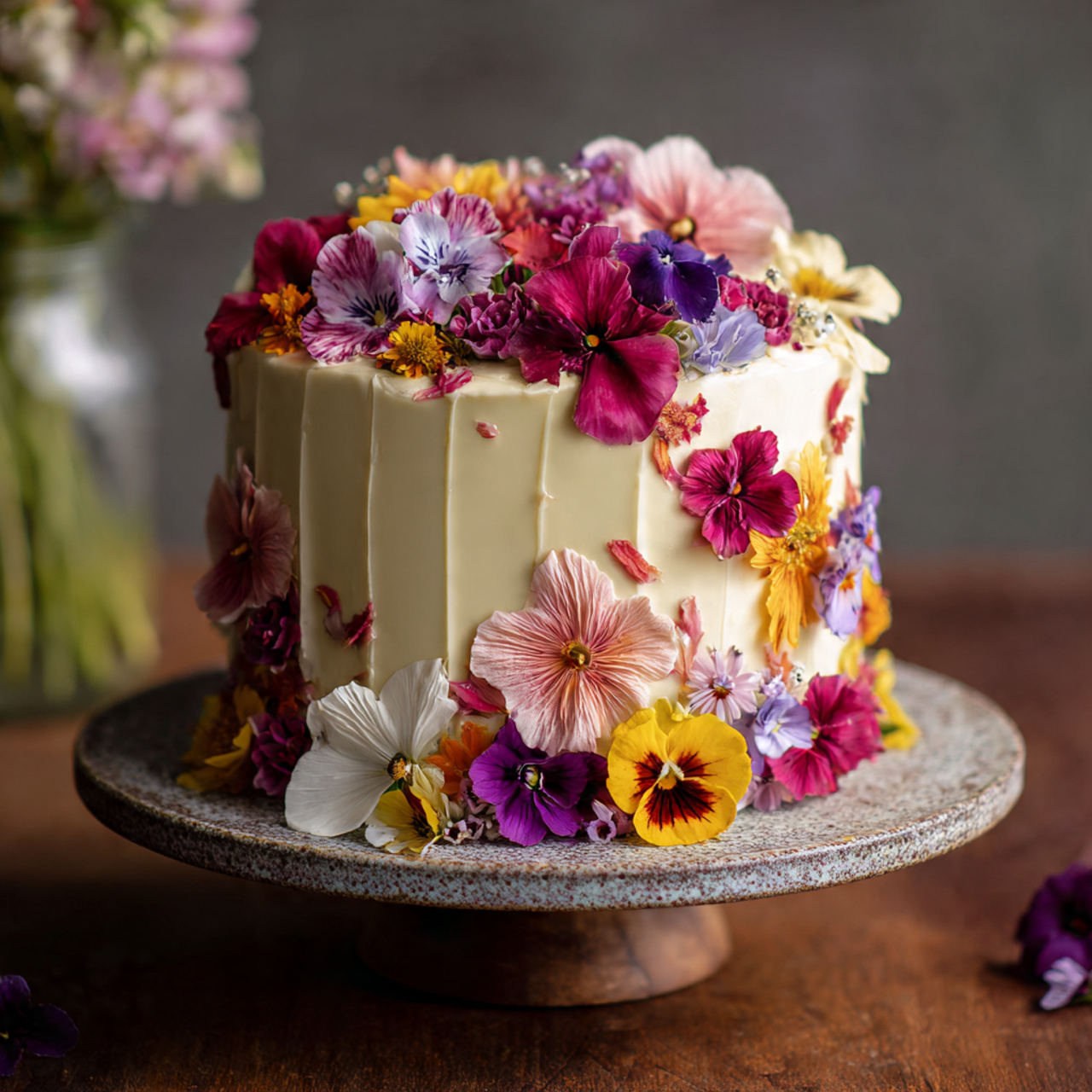
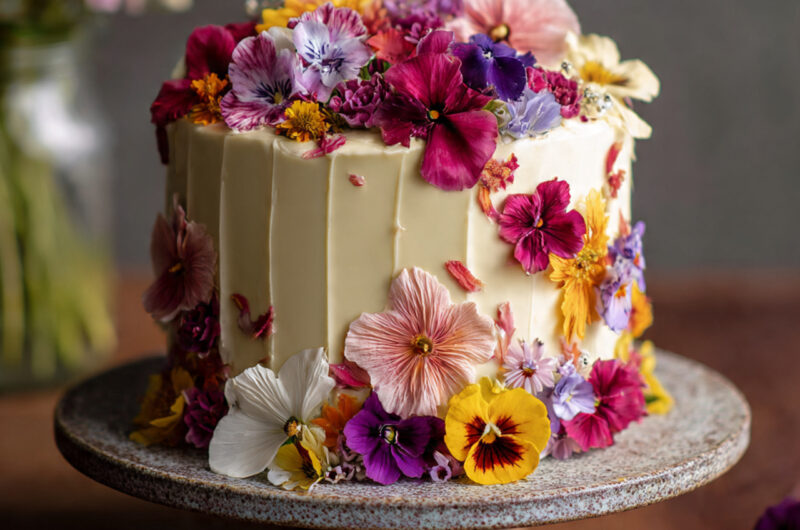
Once this comes out of the oven, the kitchen fills with warm, buttery vanilla — the kind of smell that makes people wander in from other rooms asking what you’re making. The crumb is soft and even all the way through, yielding under a fork with almost no resistance. The whipped cream sits cloud-light on top, and the edible flowers rest against it as though they’ve always belonged there. Every bite is sweet without being heavy, delicate without feeling fussy, and just rich enough to feel like a real treat.
This cake with flowers fits into a long list of moments beautifully — a birthday brunch, a springtime garden party, a quiet Sunday afternoon when you just feel like baking something pretty. It also works as an edible flower cake for Mother’s Day or an easy flower cake for a school gathering where you want to show up with something homemade and genuinely lovely. Whether you’re baking for two or setting out a full spread, this one comes together without stress and leaves a lasting impression. Let’s get into it.
Why You’ll Love This Recipe
It Stays Moist and Tender for Days
The batter combines whole milk and well-softened butter to create a crumb that holds onto moisture long after it cools. No dry edges, no dense center — just an evenly soft slice from the first cut to the last, even if it’s been sitting in the fridge overnight.
The Decoration Couldn’t Be More Approachable
You don’t need a piping bag, a turntable, or any formal decorating experience. A relaxed spread of whipped cream and a loose arrangement of fresh edible flowers placed gently on top is genuinely all it takes to make this look like it came from a boutique bakery.
It’s Built From Pantry Staples
Everything in this recipe is likely already in your kitchen — flour, eggs, butter, milk, sugar, vanilla. There’s nothing unusual to hunt down, which makes this an easy flower cake you can pull together on a genuine whim without a special grocery trip.
It Works for Any Gathering, Big or Small
This recipe scales gracefully. Make it as a single layer for a quiet afternoon with tea, or double it into a stacked two-layer centerpiece for a celebration. Either way, the flavors and presentation hold up beautifully.
You Can Bake It Ahead Without Stress
Unlike cakes that dry out if left overnight, this one stays fresh refrigerated for up to three days. Bake the base the day before, then decorate with whipped cream and flowers right before serving — it takes all the pressure off the day of the gathering.
Ingredients
For the Cake Batter
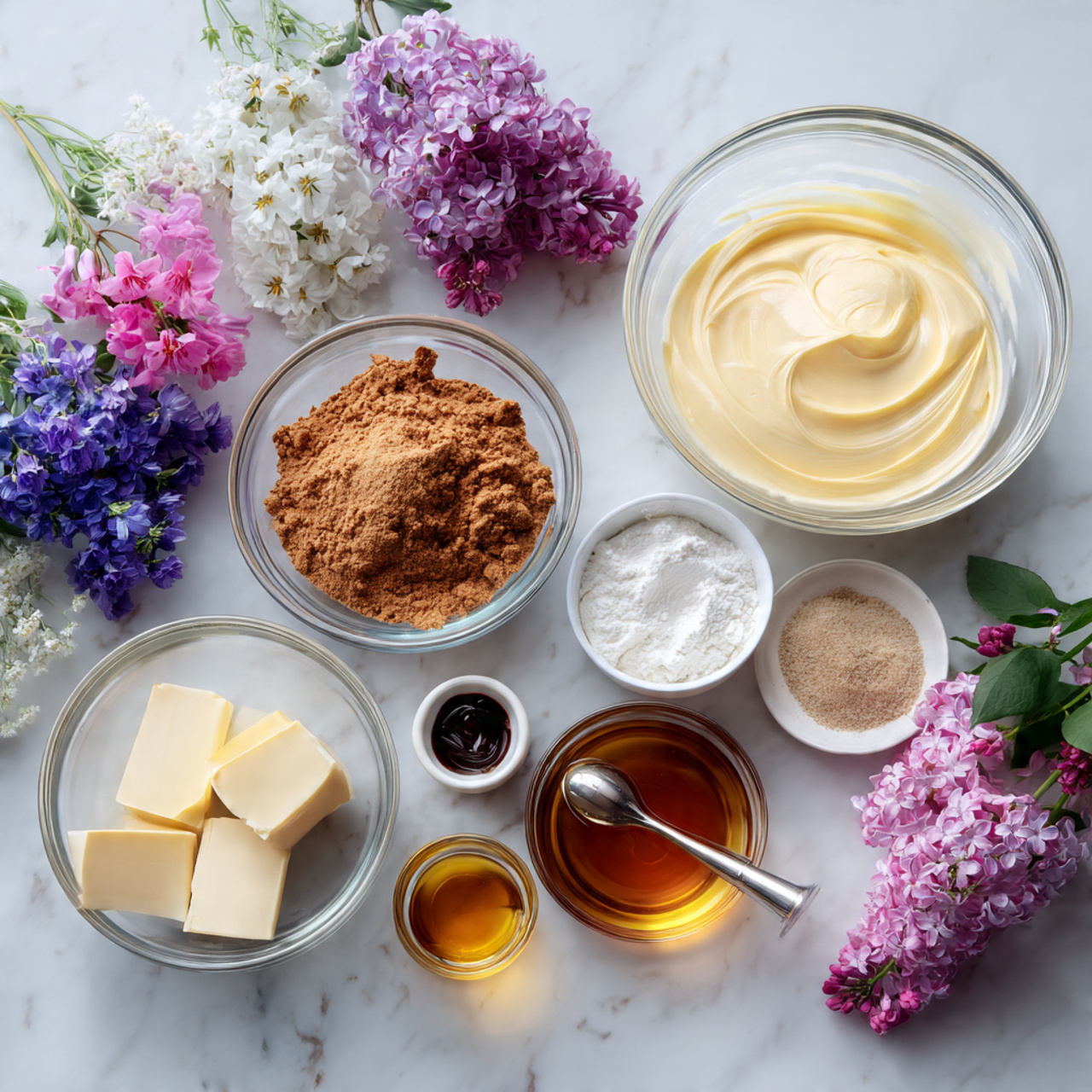
- 2 cups all-purpose flour (spooned and leveled, not scooped directly from the bag)
- 1 cup sugar
- ½ cup butter, softened (leave on the counter for at least 30 minutes before starting)
- 3 eggs (room temperature)
- 1 cup whole milk
- 2 teaspoons baking powder
- 1 teaspoon pure vanilla extract (not imitation — the flavor difference is noticeable)
- ¼ teaspoon salt
For the Topping
- 1 cup whipped cream (lightly sweetened)
- ½ cup edible flowers, washed and gently dried (pansies, violas, rose petals, and nasturtiums are all lovely choices)
The butter and milk keep the crumb rich and moist, while the baking powder gives it the gentle lift that makes each slice feel airy rather than heavy. The whipped cream on top adds a cool, cloud-light contrast, and the flowers bring a natural elegance that no amount of piped frosting could replicate.
How to Make Cake With Flowers — Step-by-Step
Step 1: Prepare Your Pan and Oven
Preheat your oven to 180°C (350°F) and lightly grease a 9-inch round cake pan. Cut a circle of parchment paper to line the bottom — this takes about 30 seconds and means your cake will lift out cleanly every time. Set out all your ingredients so the process feels smooth and unrushed.
Step 2: Cream the Butter and Sugar
In a large bowl, beat the softened butter and sugar together until the mixture turns pale, fluffy, and noticeably airy — about 3 minutes with a hand mixer on medium speed. Don’t worry if it looks like a lot of butter at first; it will cream down into something beautifully light. This step is what gives the cake its soft, even texture, so don’t rush through it.
Step 3: Add the Eggs and Vanilla
Add the eggs one at a time, beating gently after each addition until fully incorporated. Stir in the vanilla extract. The batter may look slightly curdled or uneven at this stage — don’t worry if it does, it will smooth out completely once the flour goes in.
Step 4: Fold in the Dry Ingredients and Milk
In a separate bowl, whisk together the flour, baking powder, and salt. Add the dry mixture to the butter mixture in three parts, alternating with the milk and beginning and ending with flour. Fold gently and stop the moment you can no longer see streaks of flour. Overmixing is the single most common reason for a dense cake, so a light, patient hand here makes all the difference.
Step 5: Bake Until Golden
Pour the batter into your prepared pan and smooth the top with a spatula. Bake for 30 to 35 minutes, until the surface is golden and a toothpick inserted into the center comes out clean. The kitchen will smell warm and buttery as it finishes — that’s your cue that it’s nearly ready. Let the cake cool in the pan for 10 minutes, then turn it out onto a wire rack and allow it to cool completely before decorating.
Step 6: Top with Whipped Cream and Flowers
Once the cake is fully cool to the touch, spread the whipped cream over the top in a relaxed, natural way — it doesn’t need to look perfect; soft and organic is actually more beautiful here. Arrange the edible flowers over the cream just before you plan to serve, pressing them in gently so they sit in place. The less controlled the arrangement, the more naturally stunning it looks.
Perfecting This Recipe
- Bring butter and eggs to room temperature before you start. Cold ingredients won’t cream or emulsify the way they should, and the batter will be lumpy and uneven from the beginning.
- Measure flour by spooning it into the measuring cup and leveling off the top. Scooping directly from the bag compacts the flour and throws off the ratio.
- Alternate adding dry ingredients and milk to keep the batter smooth and help it incorporate without overmixing.
- Stop mixing the very moment the flour disappears into the batter. A few extra strokes develop gluten and tighten the crumb into something tough rather than tender.
- Let the cake cool completely — not just until it feels warm — before spreading the cream. Even a slightly warm surface will melt the topping.
- Add the edible flowers as close to serving time as possible for the freshest, most vibrant look. They’re delicate and will begin to wilt within an hour of touching the cream.
Common Mistakes to Avoid
- Overmixing the batter — Once the flour is added, gluten begins developing with every stir. Mix only until just combined, and the cake will stay soft. Keep going, and it bakes up tight and dense.
- Using cold butter — Cold butter simply won’t cream with the sugar. You’ll end up with a grainy, uneven batter and a flat, heavy cake. Give yourself 30 minutes to soften it properly before starting.
- Decorating a warm cake — Whipped cream on a warm surface melts within minutes, slides off the edges, and makes the finished cake look messy and rushed. The wait is absolutely worth it.
- Skipping the parchment paper — It feels optional, but it’s the difference between a cake that lifts out in one perfect round and one that sticks to the pan and tears apart.
- Adding flowers too early — Edible flowers are beautiful but fragile. Place them on the cream right before serving, not hours in advance, so they look their best when it counts.
Add Your Touch
- Stir in lemon zest or a teaspoon of rose water for a subtle floral flavor that echoes the decoration beautifully.
- Swap the plain whipped cream for lightly sweetened mascarpone cream for a richer, slightly tangy topping.
- Spread a thin layer of strawberry or raspberry jam between the cake and the cream for a pop of fruit flavor running through every bite.
- Use lavender sugar in place of regular sugar for a soft, herbal sweetness that pairs elegantly with fresh blooms on top.
- For a more indulgent version, sandwich two layers of the cake with chocolate ganache and scatter flowers across the top for a striking contrast.
Visit Also: Anniversary Cake Ideas
What to Serve With This
- A pot of Earl Grey, chamomile, or rose tea — the floral notes mirror the decoration in the loveliest way.
- Fresh berries on the side, especially strawberries or raspberries, for a bright and seasonal touch.
- A gentle drizzle of honey over each slice just before serving.
- A scoop of vanilla bean ice cream for a warm-weather dessert pairing that feels a little indulgent.
- Sparkling water with lemon or cucumber for a refreshing, non-alcoholic option at a brunch or gathering.
Storing and Serving
Fridge Store the cake in an airtight container in the refrigerator for up to 3 days. If already decorated with flowers, leave a little space between the cake and the lid so the blooms aren’t crushed.
Freezer Freeze the unfrosted, undecorated cake tightly wrapped in plastic wrap for up to 1 month. Thaw overnight in the refrigerator, then bring to room temperature and decorate fresh before serving.
Reheating This cake is best served at room temperature. Pull it from the fridge 15 to 20 minutes before you plan to slice — no reheating needed.
Make-Ahead Tip Bake the cake base up to a day in advance, wrap it well, and refrigerate unfrosted. On the day of serving, whip the cream, spread it, and add the flowers. The texture will be just as good as fresh-baked.
Servings This recipe makes approximately 8 slices.
Nutrition (Approximate Per Serving)
- Calories: 290
- Total Fat: 14g
- Saturated Fat: 8g
- Carbohydrates: 36g
- Sugar: 20g
- Protein: 6g
- Sodium: 180mg
Nutritional values are approximate and may vary based on specific ingredients and brands used.
Chef’s Helpful Tips
- Room temperature butter and eggs are genuinely non-negotiable here. Take them out at least 30 minutes before you start baking and the batter will come together smoothly and evenly.
- Start checking the cake at the 28-minute mark. Ovens vary, and pulling it out one minute early is always safer than leaving it in one minute too long.
- For clean, beautiful slices, run a thin knife under hot water, wipe it dry, and cut through in one smooth motion rather than sawing back and forth.
- Source your edible flowers from a farmer’s market, specialty grocery store, or reputable garden center, and always make sure they’re labeled food-safe and pesticide-free. Not all flowers sold as decorative are safe to eat.
- If the cake turns out denser than expected, it’s almost always a measuring or mixing issue rather than a recipe problem. Spoon and level your flour next time, and be gentler with the fold.
Frequently Asked Questions
Q1. Can I make this cake ahead of time? Yes — and it’s actually a great make-ahead recipe. Bake the cake base up to a day in advance, wrap it tightly, and refrigerate it overnight. Spread the whipped cream and add the flowers the next day, right before serving, so everything looks its freshest.
Q2. What edible flowers work best for this recipe? Pansies, violas, nasturtiums, rose petals, and marigolds are all beautiful choices. The most important thing is that they’re specifically labeled as edible and have not been treated with pesticides. Give them a gentle rinse under cold water and pat them completely dry before placing on the cake.
Q3. My cake turned out dense — what went wrong? Overmixing after the flour is added is the most common reason. Gluten develops quickly once flour is stirred in, so the moment you can’t see dry streaks, stop. Also check your baking powder — expired leavening is a surprisingly frequent culprit for flat, heavy cakes.
Q4. Can I scale this up for a larger group? Absolutely. The recipe doubles well. Use two 9-inch round pans, bake them side by side, and check for doneness at the same time. Stack the layers with extra whipped cream sandwiched in between for a showstopping two-layer cake.
Q5. Can I freeze this cake once it’s decorated? It’s better to freeze the plain, unfrosted cake. Whipped cream doesn’t freeze well and the flowers will wilt and discolor. Wrap and freeze the bare cake for up to one month, thaw it overnight in the fridge, and then decorate fresh before serving.
Conclusion
There’s something genuinely lovely about a cake that looks like it took hours but actually comes together in a relaxed afternoon. This Cake With Flowers is exactly that — a soft, buttery, crowd-pleasing bake that feels special without asking anything complicated of you. Whether you keep it classic with just vanilla and cream or add your own twist with rose water, lemon zest, or a hidden layer of jam, it’s the kind of recipe that quietly becomes a go-to without you even planning it.
Bake it for someone you love, bring it to brunch, or make it on a quiet weekend just because you feel like it. However it lands on the table, it’s bound to make the moment feel a little more considered and a little more beautiful. I hope it brings as much warmth to your kitchen as it does to mine.
Soft Cake With Flowers
Course: Trending Cake4
servings15
minutes35
minutes290
kcal1
hour10
minutesA tender, buttery vanilla cake topped with light whipped cream and fresh edible flowers. Simple enough for a weekday bake, beautiful enough for any celebration.
Ingredients
For the Cake Batter:
2 cups all-purpose flour
1 cup sugar
½ cup butter, softened
3 eggs
1 cup whole milk
2 teaspoons baking powder
1 teaspoon pure vanilla extract
¼ teaspoon salt
For the Topping:
1 cup whipped cream
½ cup edible flowers, washed and dried
Directions
- Preheat oven to 180°C (350°F). Grease a 9-inch round pan and line the bottom with parchment paper.
- Beat softened butter and sugar together until pale and fluffy, about 3 minutes.
- Add eggs one at a time, beating after each. Stir in vanilla extract.
- Whisk flour, baking powder, and salt in a separate bowl.
- Fold dry ingredients into the butter mixture in three additions, alternating with milk. Begin and end with flour. Mix until just combined.
- Pour batter into the prepared pan. Bake 30–35 minutes until golden and a toothpick comes out clean.
- Cool in the pan for 10 minutes, then turn out onto a wire rack and cool completely.
- Spread whipped cream over the cooled cake. Arrange edible flowers on top just before serving.