The Fluffiest Homemade Layer Cake for Any Amazing Occasion Worth Celebrating
Most homemade layer cakes turn out dense, dry, or lopsided — and it almost always comes down to two things: overbeating the batter and frosting warm layers. This recipe fixes both problems with clear steps and the right technique, so your cake comes out soft, tall, and picture-perfect every single time.
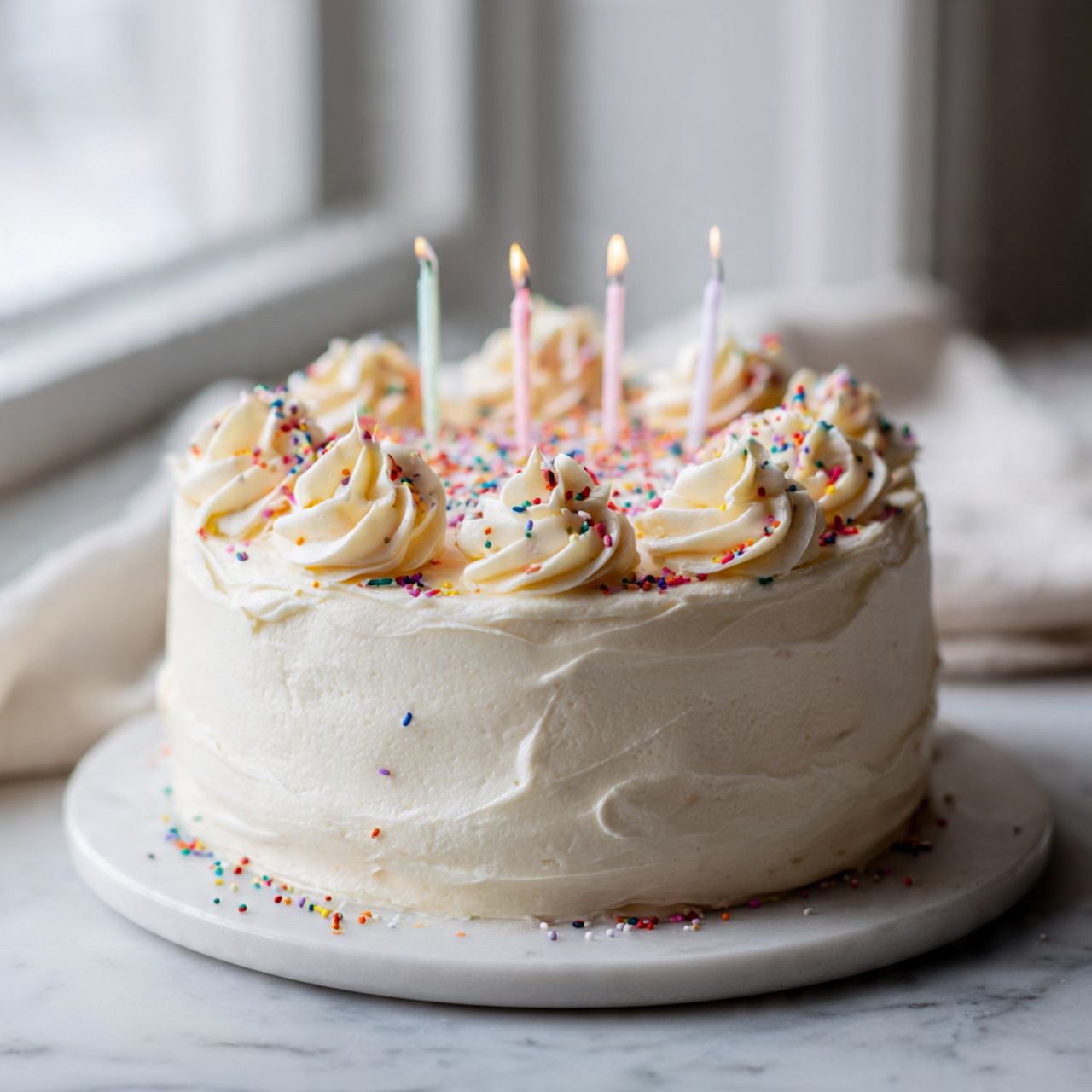
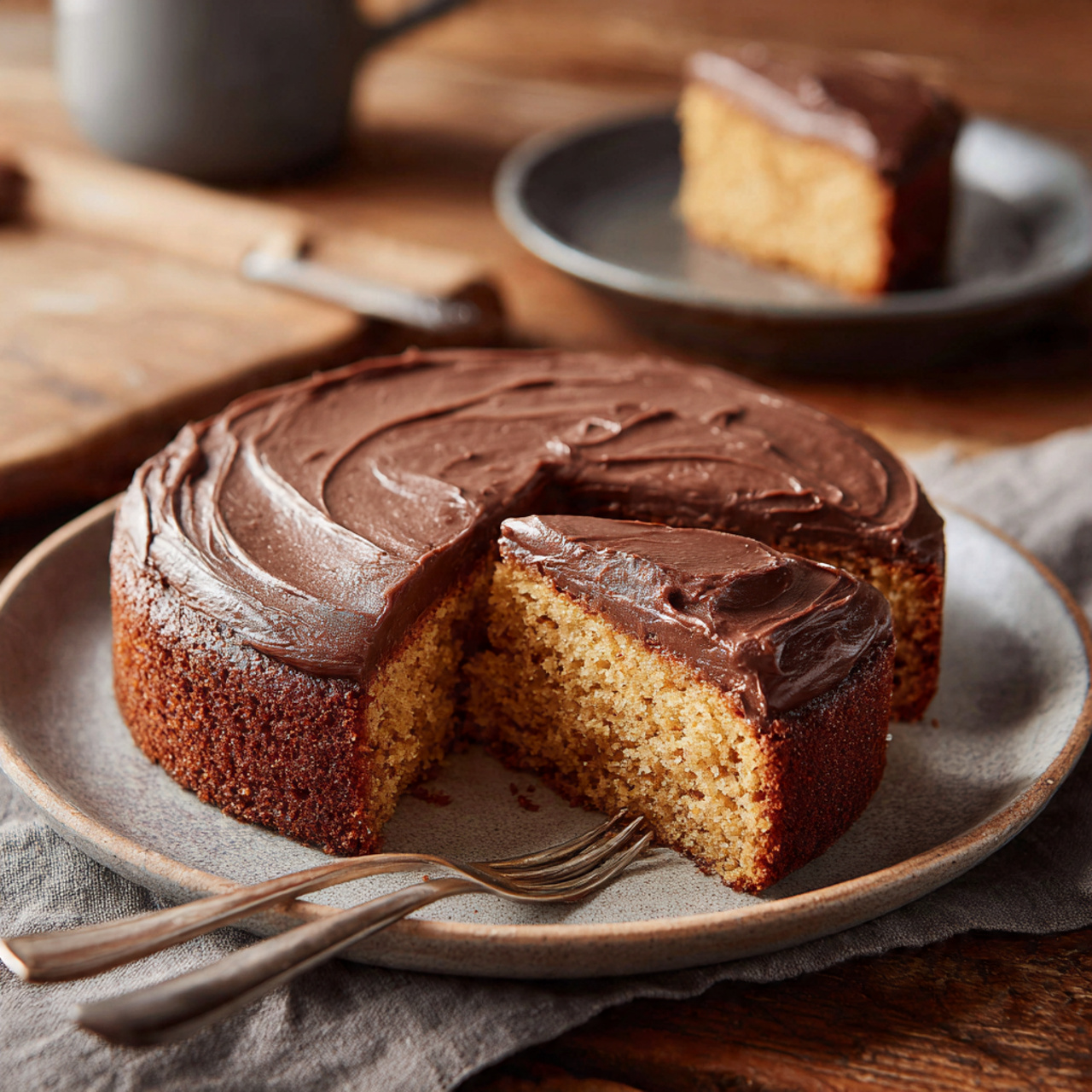
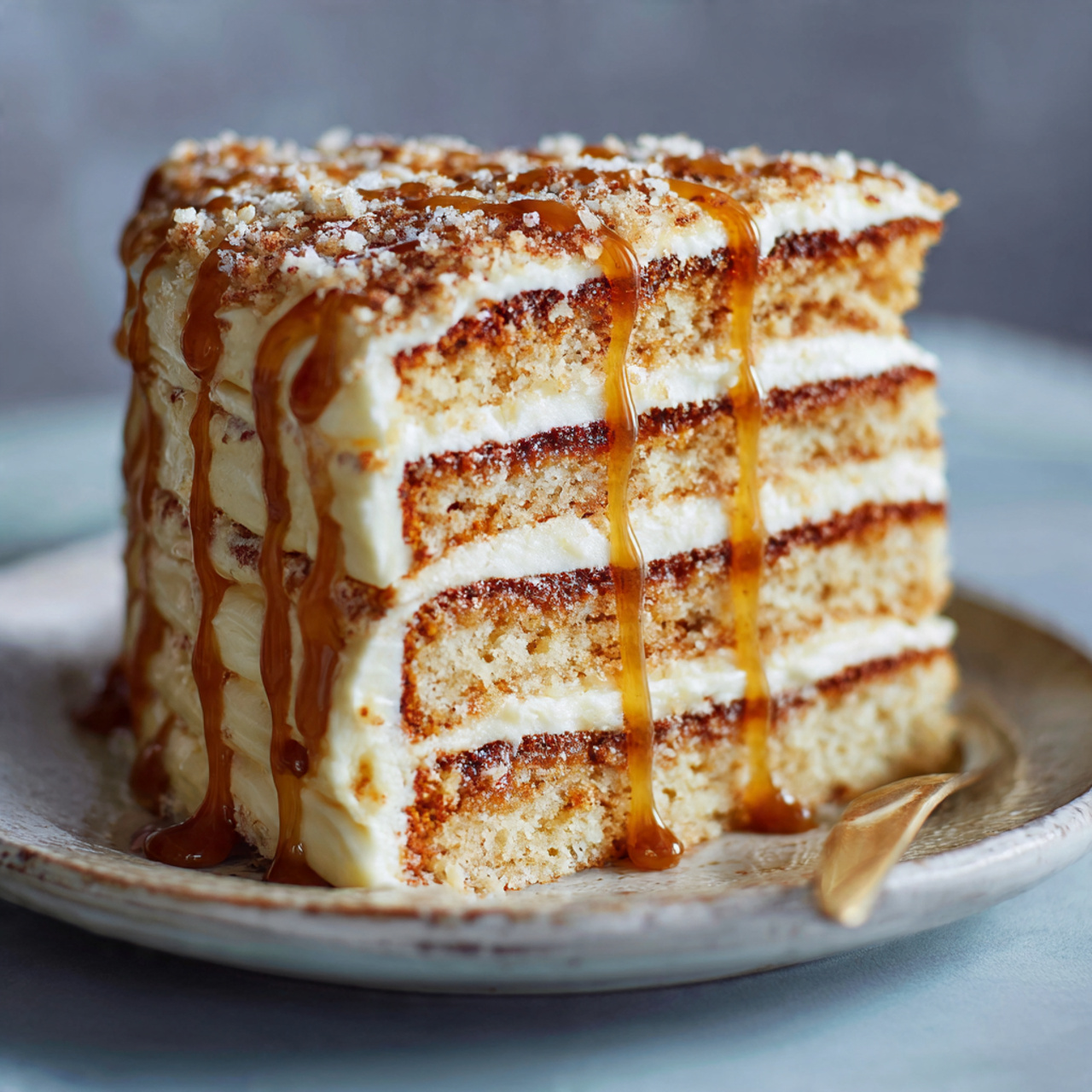
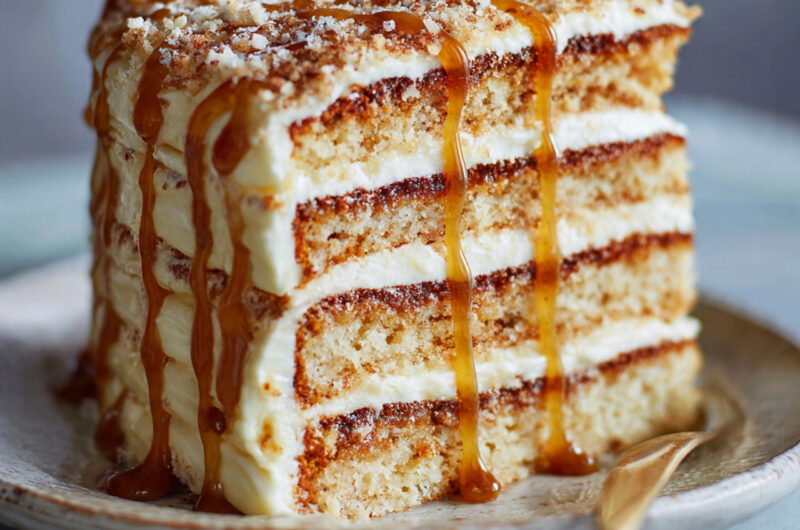
Picture this: two golden, pillowy sponge layers resting on the counter, still warm from the oven and filling the kitchen with the scent of sweet vanilla and toasted butter. You spread cool, silky frosting between them and it holds — smooth, creamy, and just thick enough. The first slice reveals a soft, even crumb with a gentle bounce, and the flavour is pure comfort: lightly sweet, buttery, and mellow in the best way.
This layer cake fits beautifully into a quiet weeknight at home, a casual family birthday, or even a potluck where you want to bring something homemade without spending hours in the kitchen. It pairs naturally with fresh fruit, a cup of tea, or a scoop of vanilla ice cream. Whether this is your first time baking a layered cake or your hundredth, this recipe earns a permanent place in your rotation.
Why You’ll Love This Recipe
It Bakes Up Soft and Golden Every Time
The batter is built on a simple creaming method that traps just enough air for a light, fluffy crumb without being fragile. You get that gentle bounce in every slice — firm enough to layer, tender enough to melt in your mouth.
The Flavour Is Warm, Classic, and Crowd-Pleasing
Vanilla, butter, and a touch of milk come together into something that feels like comfort food in dessert form. It’s familiar without being boring, and it pairs well with almost any frosting flavour you choose.
It Comes Together With Pantry Staples
No specialty ingredients, no trips to a gourmet store. Everything you need — flour, sugar, eggs, butter, milk — is likely already in your kitchen. This is a cake you can decide to make on a Wednesday and have ready by Thursday.
It’s Perfect for Gatherings Big and Small
Eight generous slices make this ideal for a family dinner or small celebration, and the recipe scales up or down without stress. Make it the day before and frost it fresh — it holds beautifully.
It’s Beginner-Friendly But Genuinely Impressive
The steps are clear, the technique is forgiving, and the result looks like it came from a bakery. It’s the kind of easy cake recipe that makes people ask, “Did you really make that yourself?”
Ingredients
For the Sponge Layers
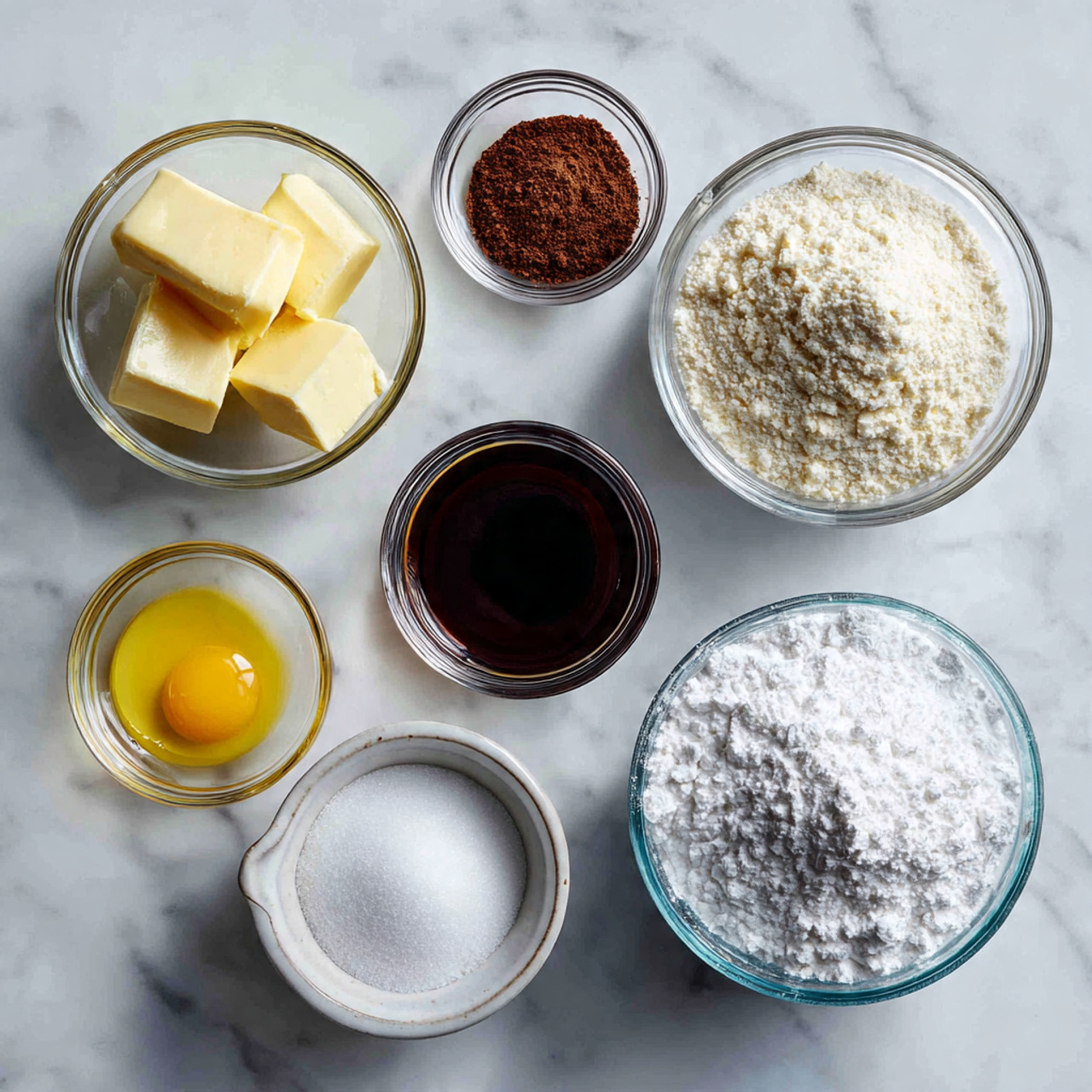
- 2 cups all-purpose flour (spooned and levelled, not packed)
- 2 tsp baking powder
- ¼ tsp salt
- ½ cup unsalted butter, softened (left out at room temperature for at least 30 minutes)
- 1 cup granulated sugar
- 3 large eggs (room temperature)
- 1 cup whole milk (full-fat gives the best crumb)
- 1 tsp pure vanilla extract (not imitation)
For the Frosting
- 1 cup whipped cream or buttercream
- 2 tbsp powdered sugar (for buttercream) or 1 tbsp sugar (if whipping cream fresh)
The butter and sugar base creates the structure that keeps this cake light without being dry, while the vanilla ties everything together into something that tastes genuinely homemade — because it is.
How to Make Layer Cake — Step-by-Step
Step 1: Prep Your Pans and Preheat
Preheat your oven to 180°C (350°F) and grease two 8-inch round cake pans. Line the bottoms with parchment rounds if you have them — it makes releasing the layers so much easier. In a medium bowl, whisk together the flour, baking powder, and salt, then set aside.
Step 2: Cream the Butter and Sugar
In a large mixing bowl, beat the softened butter and sugar together for about 3 minutes until the mixture turns pale, light, and fluffy. It should look almost like whipped cream. Don’t worry if it seems like a lot of mixing — this step is what gives the sponge its lift. Scrape down the sides of the bowl halfway through.
Step 3: Add the Eggs and Wet Ingredients
Add the eggs one at a time, beating well after each addition. The mixture may look slightly curdled after the second egg — that’s completely normal, it will come together once you add the flour. Stir in the vanilla extract, then pour in the milk and mix gently until just combined.
Step 4: Fold in the Dry Ingredients and Bake
Add the flour mixture to the wet ingredients and fold gently until the batter is smooth with no visible streaks of flour. Don’t worry if a few small lumps remain — overmixing at this stage causes a dense cake, so stop as soon as it looks even. Divide the batter evenly between your prepared pans and smooth the tops. Bake for 25–30 minutes, until the tops are golden, the edges pull slightly from the pan, and a toothpick inserted in the centre comes out clean.
Step 5: Cool Completely, Then Frost and Layer
Transfer the pans to a wire rack and let the cakes cool inside the pans for 10 minutes before turning out. Allow both layers to cool completely — at least 45 minutes — before touching the frosting. Once fully cooled, spread your frosting evenly over the top of the first layer, place the second layer gently on top, and cover the top and sides with the remaining cream. Chill for 20 minutes before slicing for clean, even cuts.
Perfecting This Recipe
- Room temperature ingredients are non-negotiable. Cold butter won’t cream properly, and cold eggs can cause the batter to seize. Give everything at least 30 minutes on the counter before you start.
- Measure flour correctly. Spoon flour into your measuring cup and level it off with a straight edge — never scoop directly from the bag, which compacts it and adds too much.
- Don’t rush the creaming step. Three full minutes of beating butter and sugar isn’t excessive — it’s what builds the air pockets that give the sponge its lift.
- Fold the flour in gently. Once the dry ingredients go in, switch to a spatula and use slow, broad strokes. Overmixing activates the gluten and makes the cake tough.
- Cool fully before frosting. Even slightly warm layers will cause your frosting to slide and melt. If you’re in a hurry, pop the layers in the fridge for 20 minutes after they reach room temperature.
- Chill before slicing. A 20-minute chill in the fridge after frosting helps the layers set and gives you those clean, bakery-style cuts.
Common Mistakes to Avoid
- Using cold butter — It won’t cream smoothly with the sugar, which means less air in the batter and a denser, tighter crumb. Always soften butter before you begin.
- Overbaking by even five minutes — Dry cake is almost always a timing issue. Start checking at the 24-minute mark, since every oven runs a little differently.
- Frosting warm layers — This is the number one reason frosting slides off or looks messy. Patience here makes a huge difference in the final result.
- Uneven batter split between pans — Use a kitchen scale if you have one to divide the batter as evenly as possible. Uneven layers mean uneven baking times.
- Overmixing after adding flour — Once the dry ingredients go in, less is more. Stop mixing the moment the batter looks smooth — a few small lumps are fine.
Add Your Touch
- Flavour the batter — Swap half the vanilla for almond extract, or stir in 2 tsp of lemon zest for a bright, citrusy sponge.
- Chocolate version — Replace ¼ cup of flour with good-quality cocoa powder for a lightly chocolatey base that pairs beautifully with buttercream.
- Caramel filling — Spread a thin layer of caramel sauce on top of the frosting between layers before adding the second sponge.
- Berry jam layer — Add a thin spread of strawberry or raspberry jam alongside the frosting for a Victoria sponge–style variation.
- Make it dairy-free — Swap butter for refined coconut oil and use oat milk or almond milk in equal amounts. The texture stays soft with a very subtle flavour shift.
- Seasonal decoration — Top with fresh berries in summer, sliced figs in autumn, or a dusting of icing sugar and rosemary sprigs for a festive winter look.
Visit Also: Banana Cake
What to Serve With This
- Fresh strawberries or mixed berries — The tartness cuts through the sweetness of the frosting in the best way.
- A pot of Earl Grey or chamomile tea — Classic, cozy, and completely fitting for an afternoon slice.
- A scoop of vanilla bean ice cream — Especially good when the cake is slightly chilled and the ice cream is freshly scooped.
- A drizzle of warm caramel sauce — Serves as both a garnish and a sauce; it makes a casual slice feel restaurant-worthy.
- Sparkling juice or lemonade — Perfect for celebrations where you want something festive and light alongside dessert.
Storing and Serving
Fridge Store the finished cake covered with plastic wrap or in an airtight container in the fridge for up to 3 days. The sponge stays moist when kept cool and properly sealed.
Freezer Freeze unfrosted sponge layers wrapped tightly in plastic and then foil for up to 1 month. Thaw overnight in the fridge before frosting. Already-frosted slices can also be frozen individually — just wrap each slice and store flat.
Reheating This cake is best served at room temperature. Remove slices from the fridge 20–30 minutes before serving and allow them to come to room temperature naturally. Microwaving is not recommended as it softens the frosting unevenly.
Make-Ahead Tip Bake both sponge layers up to one day in advance, wrap them individually in plastic wrap, and refrigerate. Frost the assembled cake up to a few hours before serving for the freshest finish.
Servings This recipe yields approximately 8 generous slices.
Nutrition (Approximate Per Serving)
- Calories: ~290
- Total Fat: 12g
- Saturated Fat: 7g
- Carbohydrates: 40g
- Sugar: 22g
- Protein: 5g
- Sodium: 180mg
Nutritional values are approximate and may vary based on specific ingredients and brands used.
Chef’s Helpful Tips
- Softened butter makes the batter — It should press easily but still hold its shape. If it’s shiny or greasy, it’s too warm; if it’s still firm, give it another 10 minutes.
- Parchment rounds are worth the extra minute — They prevent sticking far better than greasing alone and mean your layers lift out cleanly every time.
- The toothpick test is your best friend — Insert it near the centre of the pan. A clean toothpick or one with a few dry crumbs means it’s done. Wet batter means it needs more time.
- Sift your frosting sugar — If you’re making buttercream, sifting the powdered sugar before adding it to the butter prevents lumpy frosting and gives you that silky, smooth finish.
- Chilling before slicing matters more than you’d think — Even 20 minutes in the fridge post-frosting helps the layers hold together and makes slicing dramatically cleaner and neater.
Frequently Asked Questions
Q1. Can I make this layer cake ahead of time? Yes, absolutely. Bake the sponge layers a day in advance, wrap them well, and refrigerate overnight. Frost the assembled cake a few hours before serving and you’ll have a beautifully fresh result with almost no day-of effort.
Q2. Why did my cake turn out dense instead of fluffy? The most likely culprit is overmixing the batter after the flour goes in, or using cold butter that didn’t cream properly. Make sure your butter is fully softened and fold the flour in gently — stop as soon as the batter looks smooth.
Q3. Can I substitute the milk for a non-dairy option? Yes — oat milk or almond milk work well here in the same quantity. Oat milk gives a slightly richer result, while almond milk keeps things lighter. The texture stays soft either way.
Q4. Is this cake suitable for a birthday or celebration? Definitely. It’s the kind of fluffy layer cake that looks impressive and travels well, making it a great choice for birthdays, small gatherings, or any occasion where you want a homemade dessert that doesn’t require hours of effort.
Q5. Can I freeze the finished cake? Yes, though freezing unfrosted layers gives the best results. Wrap cooled sponge layers tightly and freeze for up to one month. If you’ve already frosted the cake, freeze individual slices wrapped in plastic and foil — they thaw well and taste nearly as good as fresh.
Conclusion
There’s something genuinely satisfying about pulling a homemade layer cake out of the oven — the golden tops, the way the kitchen smells, the small moment of pride before you even take a bite. This recipe is straightforward enough for a relaxed afternoon and impressive enough for a celebration, and it adapts easily to whatever flavours or occasions you have in mind. Once you make it once, you’ll find yourself coming back to it every time you want something soft, sweet, and truly homemade.
So go ahead and get it on your baking schedule. Share a slice with someone you love, try a variation, or simply enjoy it quietly with a cup of tea. However you serve it, this layer cake has a way of making ordinary days feel a little more worth celebrating.
The Fluffiest Homemade Layer Cake
Course: Trending Cake4
servings15
minutes25
minutes290
kcal1
hour30
minutesTwo golden, tender vanilla sponge layers held together with smooth, creamy frosting — this is the classic homemade layer cake you’ll come back to for birthdays, weeknight treats, and everything in between.
Ingredients
Sponge Layers
2 cups all-purpose flour, spooned and levelled
2 tsp baking powder
¼ tsp salt
½ cup unsalted butter, softened
1 cup granulated sugar
3 large eggs, room temperature
1 cup whole milk
1 tsp pure vanilla extract
Frosting
1 cup whipped cream or buttercream
2 tbsp powdered sugar (for buttercream) or 1 tbsp sugar (if whipping cream fresh)
Directions
- Preheat oven to 180°C (350°F). Grease two 8-inch round cake pans and line the bottoms with parchment.
- Whisk together flour, baking powder, and salt in a medium bowl. Set aside.
- Beat softened butter and sugar on medium-high for 3 minutes until pale and fluffy.
- Add eggs one at a time, beating well after each. Stir in vanilla extract and milk until just combined.
- Fold in the dry ingredients until smooth. Do not overmix.
- Divide batter evenly between prepared pans and smooth the tops.
- Bake 25–30 minutes until golden on top and a toothpick inserted in the centre comes out clean.
- Cool in pans for 10 minutes, then turn out onto a wire rack. Cool completely before frosting.
- Spread frosting over the top of the first layer, place the second layer on top, and frost the top and sides.
- Chill for 20 minutes before slicing for clean cuts.