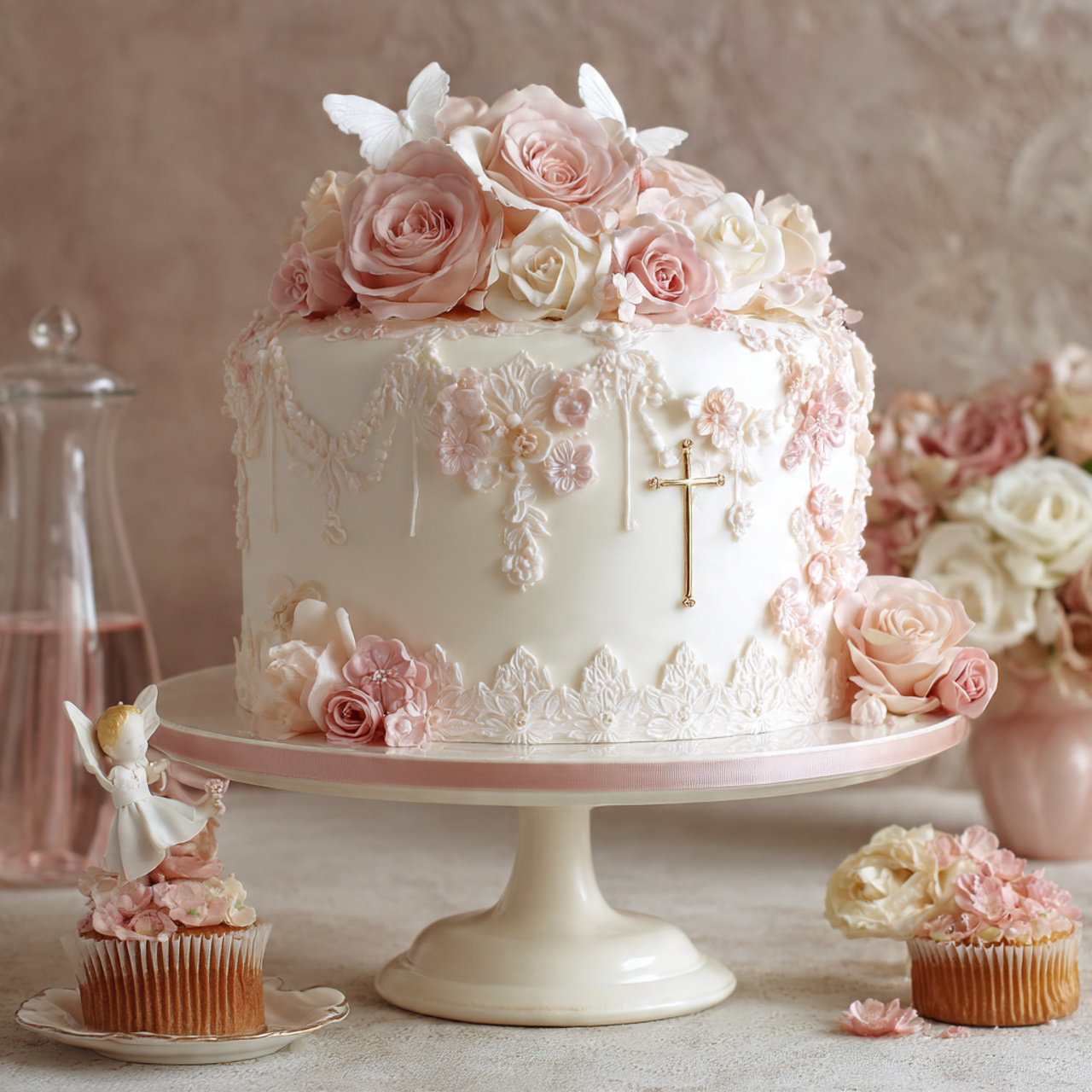
The Soft, Elegant 2 Tier Wedding Cake Anyone Can Make at Home
Most homemade tiered cakes lean, slide, or sink the moment you try to stack them—and it almost always comes down to skipping one thing: letting the layers cool completely before they ever touch frosting. This recipe takes that pressure off and gives you a steady, beautiful cake every single time, even if you’ve never stacked a tier in your life.
Picture a slice that’s tender and feather-soft, with a buttery vanilla crumb that practically melts on your tongue. The frosting is cool, smooth, and lightly sweet, hugging each layer without overwhelming it. There’s a gentle warmth in the aroma—real butter, a whisper of vanilla—that fills the kitchen the moment it comes out of the oven. Every bite feels celebratory without being heavy or cloying.
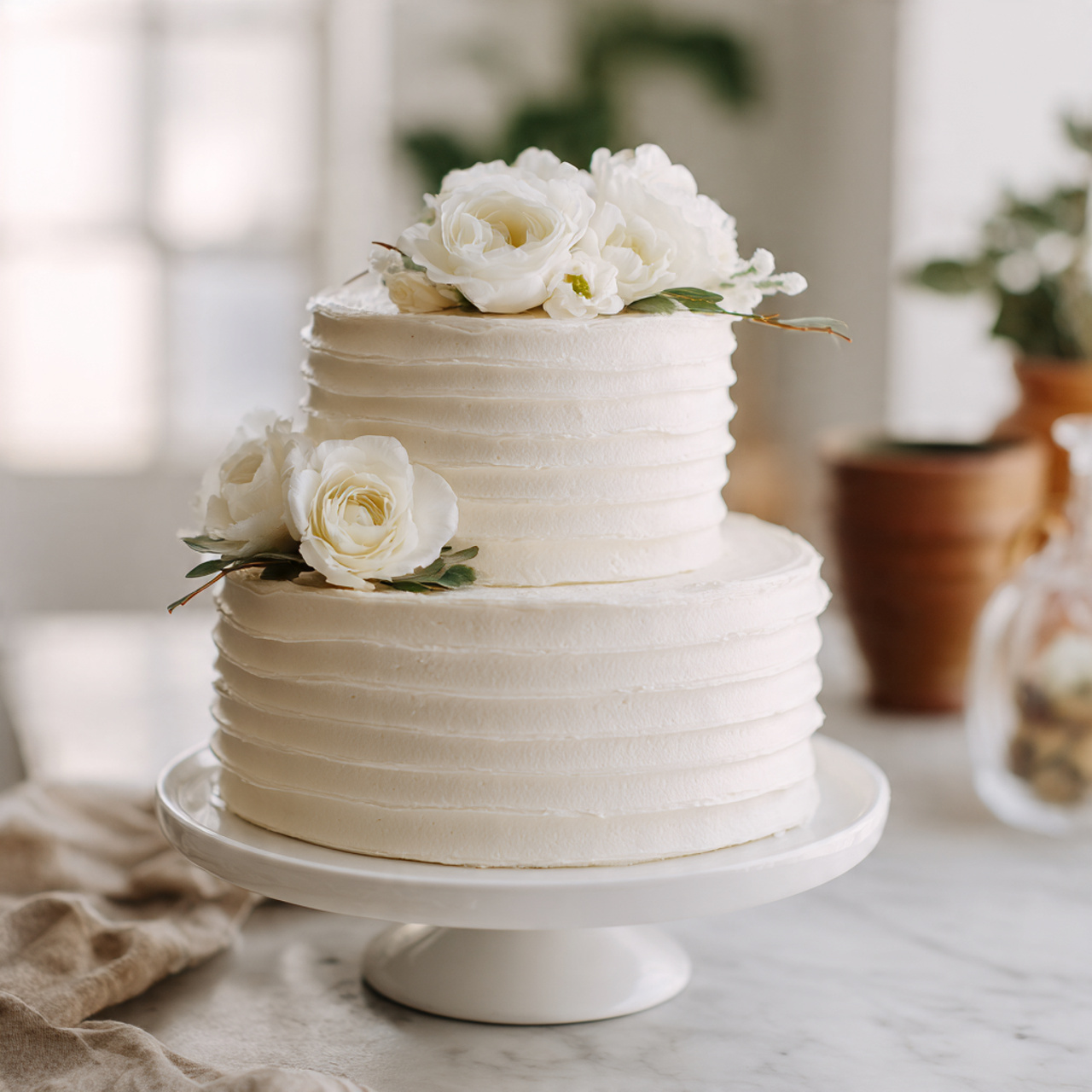
This is the kind of cake that shows up for the moments that matter: an intimate wedding, a milestone anniversary, or a quiet weekend when you just want to make something lovely. It works beautifully as a small wedding cake for a handful of guests, and it scales just as easily into a generous celebration cake for a larger table. Whether it’s your first cake or your fiftieth, this one earns a permanent spot in your baking rotation.
Why You’ll Love This Recipe
Soft, Tender Crumb Every Time
The combination of creamed butter and properly folded flour gives you a cake that’s light and fluffy rather than dense or dry. Each layer stays moist for days, so it tastes just as good the next morning as it did fresh out of the oven.
Smooth, Comforting Frosting
The frosting strikes that sweet spot between rich and refreshing—creamy enough to feel special, light enough that you’ll happily go back for a second slice. It spreads like a dream, which makes a clean, polished finish surprisingly achievable.
Genuinely Beginner-Friendly
No fancy tools, no intimidating techniques, no fondant. If you can cream butter and sugar and read a toothpick, you can pull this off. It’s one of the most forgiving ways into making a real tiered cake at home.
Made for Sharing
This cake is a natural crowd-pleaser at family dinners, bridal showers, and small receptions. It slices cleanly into neat portions, so serving a room full of people stays calm and stress-free.
Classic Flavor, Effortless Elegance
At heart it’s a familiar vanilla butter cake—nostalgic and universally loved—but stacked into two tiers it suddenly looks like something from a bakery window. It’s classic comfort dressed up just enough for the occasion.
Ingredients
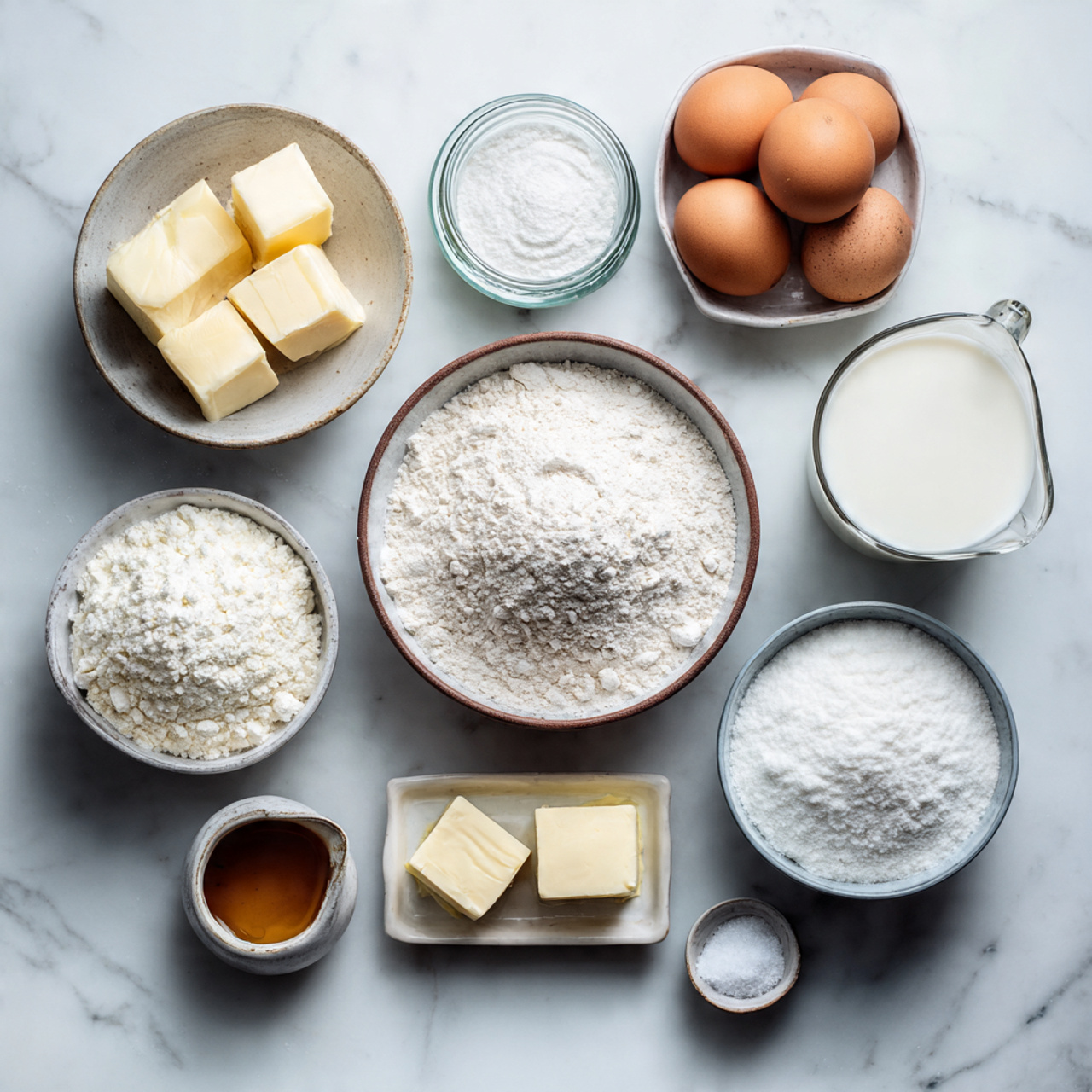
Choosing gooChoosing a good-quality butter here makes a real difference in both flavor and texture, so reach for the best you have on hand.
For the Cake Layers
- 2 cups all-purpose flour
- 1½ cups sugar
- 1 cup unsalted butter (softened to room temperature for easy creaming)
- 4 eggs (room temperature, so they blend in smoothly)
- 1 cup milk (whole milk gives the richest crumb)
- 2 tsp baking powder (check that it’s fresh for the best rise)
- 1 tsp vanilla extract (pure, not imitation, for the warmest flavor)
- ½ tsp salt
For the Frosting and Filling
- 2 cups whipped cream or buttercream frosting (homemade buttercream holds its shape best for stacking)
- ½ cup fruit jam or filling (optional—a thin layer adds a bright pop between the cake and cream)
Together, the soft buttery layers and the cool, smooth frosting create that signature wedding-cake balance: tender and rich, yet light enough that one slice never feels like too much.
How to Make a 2 Tier Wedding Cake — Step-by-Step
Step 1: Prep Your Pans and Oven
Preheat your oven to 180°C (350°F), then grease two small cake pans and two slightly larger ones and line each with baking paper. The paper is your safety net—it lets the layers lift out clean and keeps the edges smooth for stacking. Don’t worry if your pans aren’t a perfectly matched set; as long as you have one smaller pair and one larger pair, the tiers will come together just fine.
Step 2: Cream the Butter and Sugar
Beat the softened butter and sugar together until the mixture turns pale, light, and fluffy—this is where all that airy texture begins. Add the eggs one at a time, mixing after each, then stir in the milk and vanilla until everything looks smooth and creamy. You’ll know it’s ready when the batter base smells faintly sweet and buttery.
Step 3: Fold in the Dry Ingredients
Slowly fold in the flour, baking powder, and salt, stopping the moment the batter looks smooth and lump-free. It should be thick but still pourable, sliding off the spoon in a soft ribbon. Don’t worry if you spot a tiny streak of flour—a few gentle folds will sort it out, and overmixing is what you really want to avoid.
Step 4: Divide and Bake
Spoon the batter evenly between your pans so the layers bake up the same height for easy stacking. Bake for about 25 to 30 minutes, until the tops are golden and a toothpick slid into the center comes out clean. Your kitchen will smell warm and vanilla-rich right around the time they’re done.
Step 5: Cool, Frost, and Stack
Let every layer cool completely on a rack before you even think about frosting—this is the single most important step for a cake that holds its shape. Spread frosting between and over the layers, then carefully set the smaller tier on top of the larger one, adding a thin layer of jam in between if you like. Take your time here; a slow, steady hand is all it takes for a finish that looks effortlessly elegant.
Perfecting This Recipe
- Measure your flour gently by spooning it into the cup and leveling it off—packing it in is the fastest route to a dry, heavy crumb.
- Make sure your butter and eggs are truly at room temperature so they cream and emulsify properly for a light texture.
- Fold the dry ingredients in just until combined; overmixing develops the gluten and turns a tender cake tough.
- Watch for the visual cues rather than the clock alone—a golden top and a clean toothpick are your real signals.
- Cooling matters more than anything: warm layers melt frosting and slide, while fully cooled layers stack like a dream.
- Chill the frosted layers briefly before stacking so the tiers settle firmly and stay put.
Common Mistakes to Avoid
- Stacking warm layers — Frosting melts against warm cake and the tiers slide apart. Cool every layer completely, then chill briefly before stacking.
- Overmixing the batter — Too much mixing once the flour goes in makes the cake dense and rubbery. Stop as soon as the streaks disappear.
- Measuring flour by packing the cup — Scooping straight from the bag compacts the flour and dries out the crumb. Spoon it in and level it off instead.
- Skipping room-temperature butter and eggs — Cold ingredients won’t cream or blend smoothly, leaving you with a lumpy batter and uneven rise.
- Frosting too thickly on the first pass — A heavy coat drags crumbs around and looks messy. Start with a thin layer, chill, then add a smooth final coat.
Add Your Touch
- Brighten the crumb with a teaspoon of lemon zest or a few drops of rose water for a gentle, romantic aroma.
- Tuck a thin layer of strawberry, raspberry, or apricot jam between the tiers for a fruity surprise.
- Swap the butter for a neutral oil if you want an extra-moist, longer-keeping crumb.
- Fold in a handful of caramelized nuts between layers for a little crunch and warmth.
- Tint your frosting a soft blush or pale ivory for a romantic, occasion-ready finish.
Visit Also: Victoria Sponge Cake
What to Serve With This
- A pot of warm tea or freshly brewed coffee for a relaxed, tea-time feel
- A bowl of sliced strawberries or mixed berries to balance the sweetness
- A small scoop of vanilla ice cream alongside each slice for a plated-dessert touch
- A glass of sparkling wine or lightly fizzy lemonade for celebrations
- A drizzle of berry coulis or caramel sauce on the plate for an elegant finish
Storing and Serving
Fridge Keep the cake in an airtight container in the refrigerator for up to 3 days. Wrap individual slices if you’re storing smaller portions, or cover the whole cake well to keep the tiers from drying out.
Freezer Wrap the unfrosted layers tightly and freeze for up to 1 month. For a small celebration, freeze individual slices; for a larger cake, freeze each layer separately and assemble fresh later.
Reheating There’s no real reheating needed—simply let chilled slices sit at room temperature for 20 to 30 minutes before serving so the crumb softens back up. Skip the microwave, which tends to dry the cake out.
Make-Ahead Tip Bake the layers a day ahead and store them covered, then frost and stack on the day you plan to serve for the freshest texture. For bigger cakes, assemble in stages to keep things calm.
Servings This recipe yields roughly 10 to 12 slices across the two tiers, depending on how generously you cut.
Nutrition (Approximate Per Serving)
- Calories: 320–380
- Total Fat: 16g
- Saturated Fat: 9g
- Carbohydrates: 42g
- Sugar: 26g
- Protein: 5–7g
- Sodium: 180mg
Nutritional values are approximate and may vary based on specific ingredients and brands used.
Chef’s Helpful Tips
- Bring your butter, eggs, and milk to room temperature before you start—it’s the easiest way to guarantee a smooth batter and even rise.
- Set a timer for the lower end of the bake time and check early; pulling the cake at the first clean toothpick keeps it from overbaking and drying.
- For clean slices, dip a sharp knife in hot water and wipe it between cuts so each piece looks neat.
- Don’t skimp on butter quality—since the flavor here is simple and buttery, a good butter genuinely shows up in the finished cake.
- If a layer turns out a little domed, gently level the top with a serrated knife before stacking so the tiers sit flat and steady.
Frequently Asked Questions
Q1. Can I make this cake ahead of time? Absolutely. Bake the layers a day in advance and store them covered at room temperature or in the fridge, then frost and stack on serving day for the best texture. It actually makes hosting far less stressful.
Q2. What does this cake taste like? Think of a classic vanilla butter cake—soft, lightly sweet, and comforting, much like the cake you’d find at a birthday party, just dressed up into elegant tiers. The frosting adds a smooth, creamy finish that ties it all together.
Q3. Is this beginner-friendly? Very. There’s no fondant, no piping skills, and no special equipment required—just basic mixing and careful cooling. If you can follow a few simple cues, you can absolutely make this tiered cake.
Q4. Is this good for a small gathering or make-ahead occasion? It’s perfect for both. The layers hold up well in the fridge and taste even better the next day, so it’s an easy choice for showers, small weddings, and family celebrations you want to prep in advance.
Q5. Can I freeze it? Yes—wrap the cooled, unfrosted layers tightly in plastic wrap and freeze for up to 1 month. Thaw them at room temperature, then frost and stack fresh for the closest-to-just-baked result.
Conclusion
There’s a quiet kind of joy in setting a homemade 2 Tier Wedding Cake on the table and watching the room light up. It’s soft, comforting, and endlessly adaptable—gentle enough for a quiet afternoon with two people and generous enough to anchor a happy gathering. Best of all, it delivers that bakery-window elegance without the stress, the special tools, or the fear of a collapsing tier.
So go ahead and make it your own—tuck in a little jam, brighten it with citrus, or tint the frosting to match the occasion. Bake it for someone you love, share it at your next celebration, and don’t be surprised when people ask for the recipe. Once you’ve made it, I have a feeling you’ll be reaching for this one again and again.u can easily adjust it for a quiet moment with two people or scale it up for a joyful gathering. It’s flexible, comforting, and fits into real life without pressure. Once you try it, you’ll find yourself coming back to it again whenever you want something that feels both beautiful and homemade.
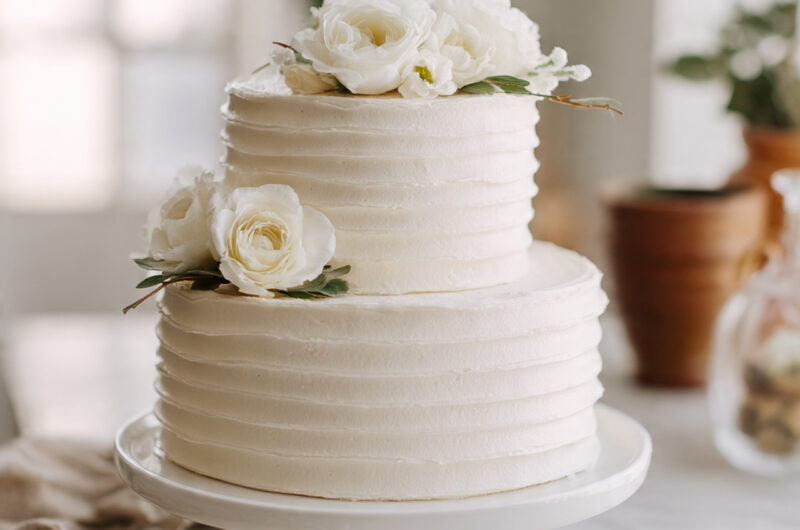
Soft & Elegant 2 Tier Wedding Cake
Course: Trending Cake4
servings20
minutes30
minutes320–380
kcal1
hour20
minutesA tender, lightly sweet vanilla butter cake layered with smooth, creamy frosting. Beautifully simple to stack and perfect for small weddings, anniversaries, and cozy celebrations.
Ingredients
For the Cake Layers:
2 cups all-purpose flour
1½ cups sugar
1 cup unsalted butter (softened)
4 eggs
1 cup milk
2 tsp baking powder
1 tsp vanilla extract
½ tsp salt
For the Frosting and Filling:
2 cups whipped cream or buttercream frosting
½ cup fruit jam or filling (optional)
Directions
- Preheat oven to 180°C (350°F). Grease two small and two larger pans and line with baking paper.
- Cream butter and sugar until light and fluffy.
- Beat in eggs one at a time, then mix in milk and vanilla.
- Fold in flour, baking powder, and salt until just combined.
- Divide batter evenly among the pans.
- Bake 25–30 minutes, until golden and a toothpick comes out clean.
- Cool layers completely on a rack.
- Frost between and over the layers, adding jam if using.
- Stack the smaller tier on top of the larger one. Chill briefly to set.