The Coziest Crochet Cake That Turns Any Gathering Into Something Truly Special
Decorated cakes have a way of falling apart at the last step — not in the oven, but at the piping bag. If you’ve ever tried to create a delicate frosting pattern only to watch it droop, blur, or melt into a shapeless swirl before you even set it on the table, you already know the frustration. This Crochet Cake recipe fixes that completely, with a simple frosting approach that keeps every looped detail crisp and defined, even hours after you’ve placed it in front of your guests.
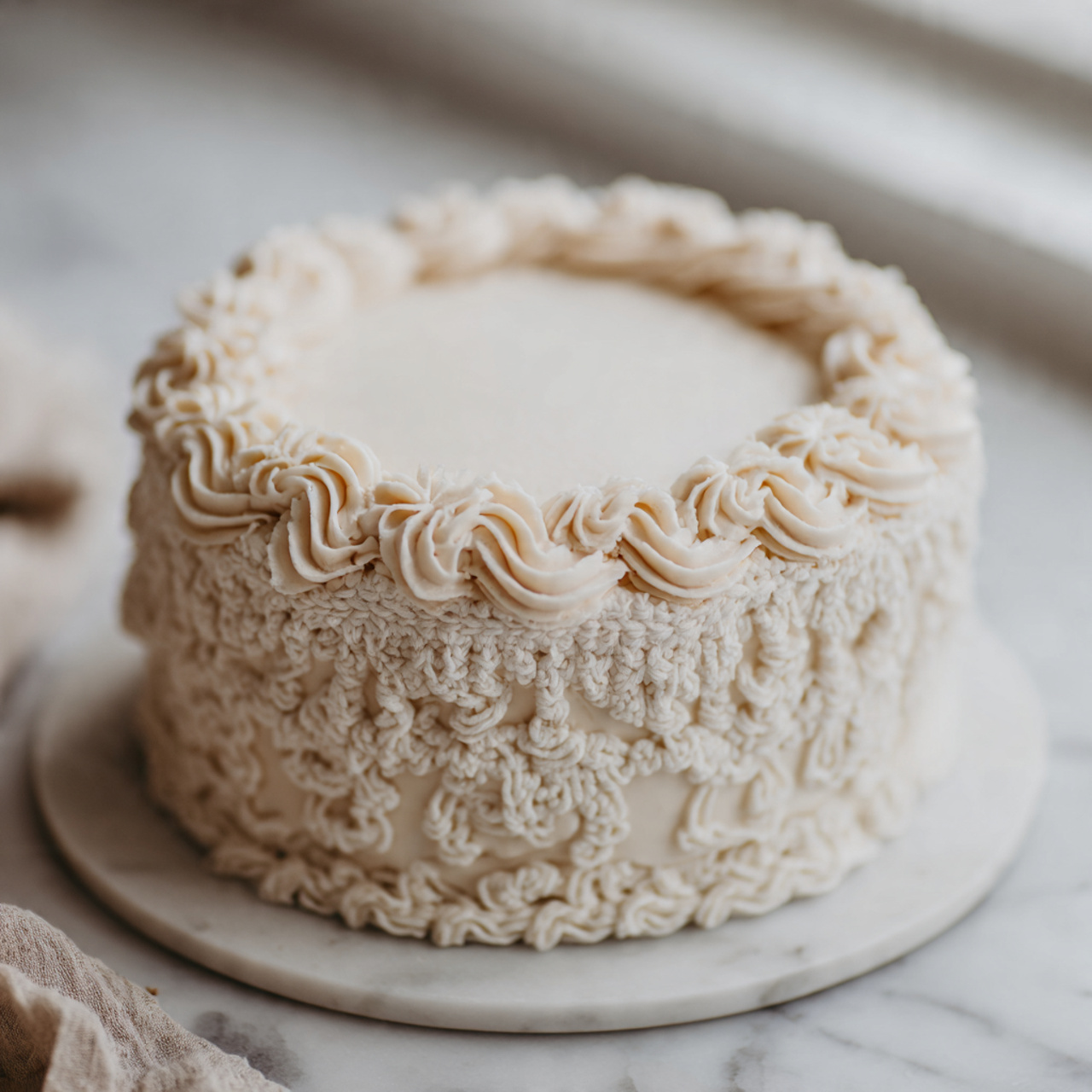
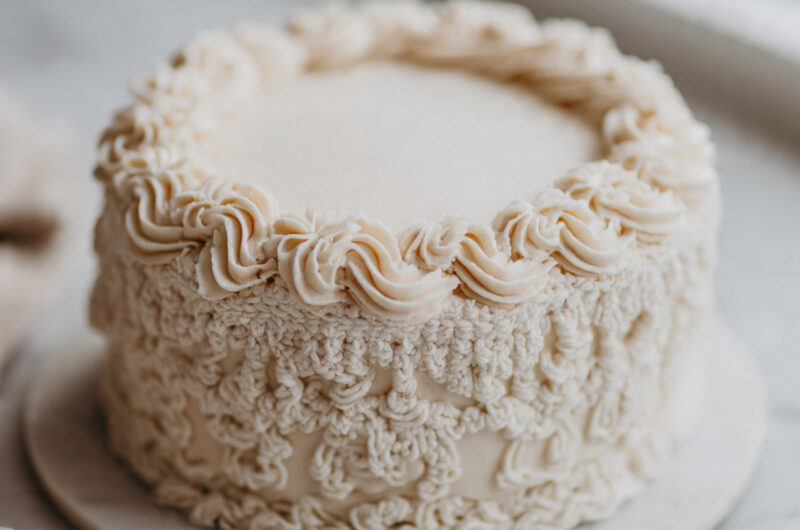
What you get when it all comes together is genuinely lovely. The sponge is soft enough to pull apart with a fork — tender and buttery, with a warm vanilla fragrance that fills the kitchen the moment it comes out of the oven. The frosting sits cool and creamy on top, and those hand-piped loops give every surface a texture that looks handcrafted and intentional. One forkful and you understand immediately why this cake earns every compliment it gets.
It belongs at a birthday table, a slow weekend tea spread, or a casual dinner where dessert deserves a moment of its own. It travels well to potlucks and holds beautifully in the fridge overnight, which makes it a natural fit for make-ahead baking. If you’ve been searching for an easy lace cake that looks like it came from a bakery window but came entirely from your own kitchen, this is the one to try.
Why You’ll Love This Recipe
A Flavor That Feels Warmly Familiar
Vanilla butter cake is a classic for a reason, and this one leans fully into that comfort. The balance between a rich sponge and lightly sweet frosting means it never feels too heavy, even after a generous slice. It’s the kind of flavor that feels welcoming and just right no matter who you’re serving it to.
That Pillowy, Pull-Apart Texture
The sponge bakes up genuinely soft — the kind that gives way cleanly under a fork without crumbling into dry pieces. Using room-temperature ingredients makes a real difference here, giving the batter a smooth consistency that translates into an even, tender crumb from edge to center.
Much Easier Than It Looks
The crochet piping pattern sounds intimidating, but once you start, it moves quickly. A small piping tip and a steady hand are all it takes to create those connected loops across the frosted surface. Even if your first few rows aren’t perfectly uniform, the overall handmade effect always comes together beautifully.
Perfectly Made for Sharing
This cake slices cleanly into generous portions, which makes it a reliable choice when you’re baking for a group. It holds up well at room temperature for a few hours, so it can sit on the table through a whole gathering without losing its shape or freshness.
A Recipe You Can Make Completely Your Own
The base is intentionally neutral, which means it welcomes flavor additions, layered fillings, or seasonal tweaks without the structure falling apart. You can keep it classic or push it in a completely different direction — either way, it holds.
Ingredients
For the Cake
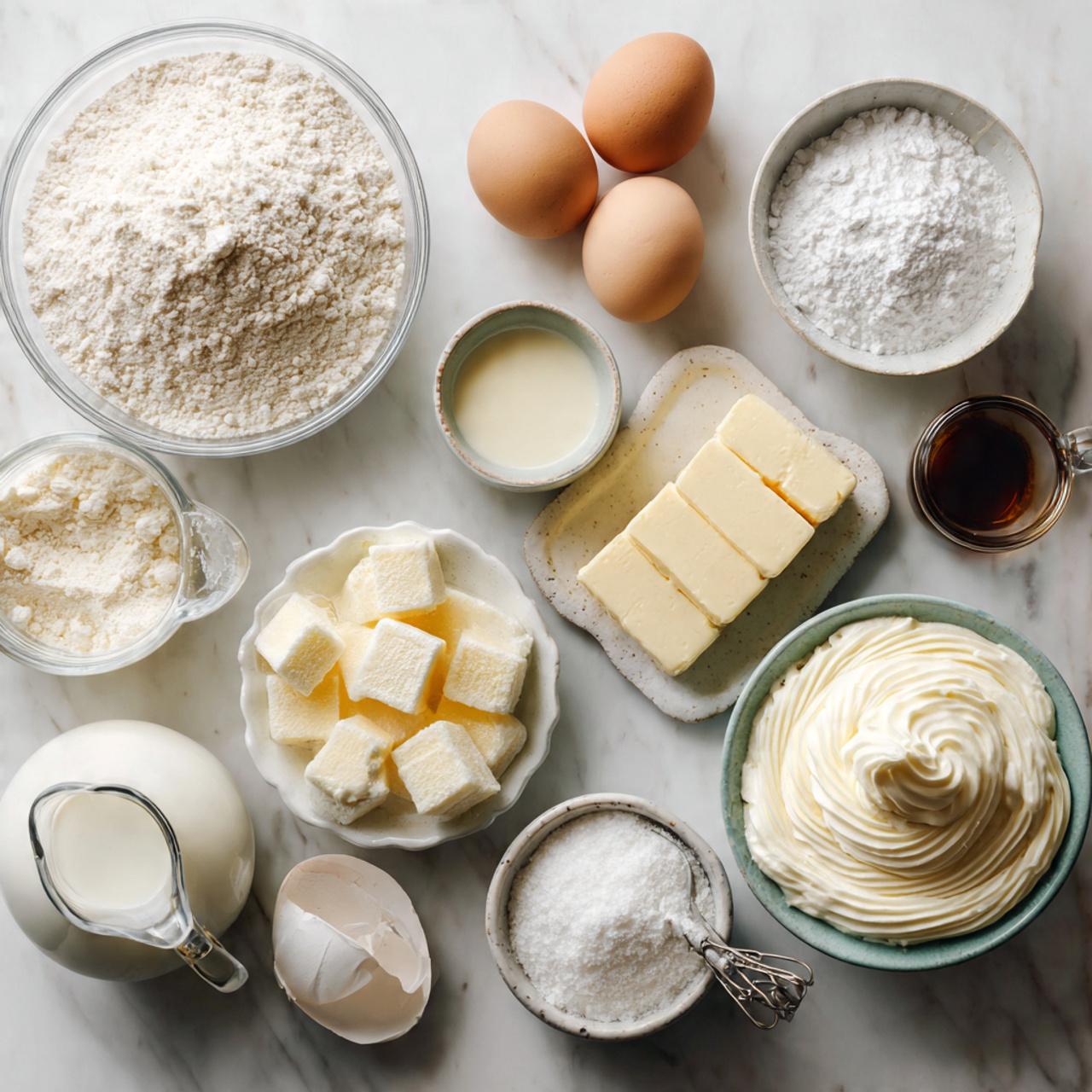
- 2 cups all-purpose flour
- 1 cup granulated sugar
- 1 cup unsalted butter (softened — this is crucial for a smooth, well-aerated batter)
- 4 large eggs (room temperature)
- 1 cup whole milk
- 2 tsp baking powder
- 1 tsp vanilla extract (pure, not imitation, for the best depth of flavor)
For the Frosting
- 2 cups whipped cream or buttercream frosting (slightly chilled before piping for cleaner, sharper lines)
The sponge is designed to be light and neutral enough to carry the frosting without competing with it, while the butter and vanilla give it enough character that every bite feels genuinely satisfying rather than plain.
How to Make Crochet Cake — Step-by-Step
Step 1: Prepare Your Oven and Pan
Preheat your oven to 180°C (350°F) and lightly grease a medium round cake pan. Line the base with a circle of baking paper — this makes removing the finished cake completely effortless. Before you do anything else, make sure your butter, eggs, and milk are all sitting at room temperature. Cold ingredients don’t incorporate as smoothly, and you’ll feel the difference in the final texture of the crumb.
Step 2: Cream the Butter and Sugar
Add the softened butter and sugar to a large bowl and beat them together until the mixture turns pale, fluffy, and noticeably increased in volume. This usually takes about 3–4 minutes with an electric mixer. Don’t worry if it feels like a long time — this step is what puts the lightness into your sponge, so it’s worth every minute.
Step 3: Build the Batter
Add the eggs one at a time to the creamed mixture, beating well after each addition. In a separate bowl, whisk together the flour and baking powder, then fold this dry mixture into the butter mixture in two or three additions, alternating with the milk. Stir gently between each addition just until the batter looks smooth and thick. Don’t worry if there’s the faintest streak or two remaining — overmixing at this stage is a far bigger risk than a little unevenness.
Step 4: Bake Until Golden
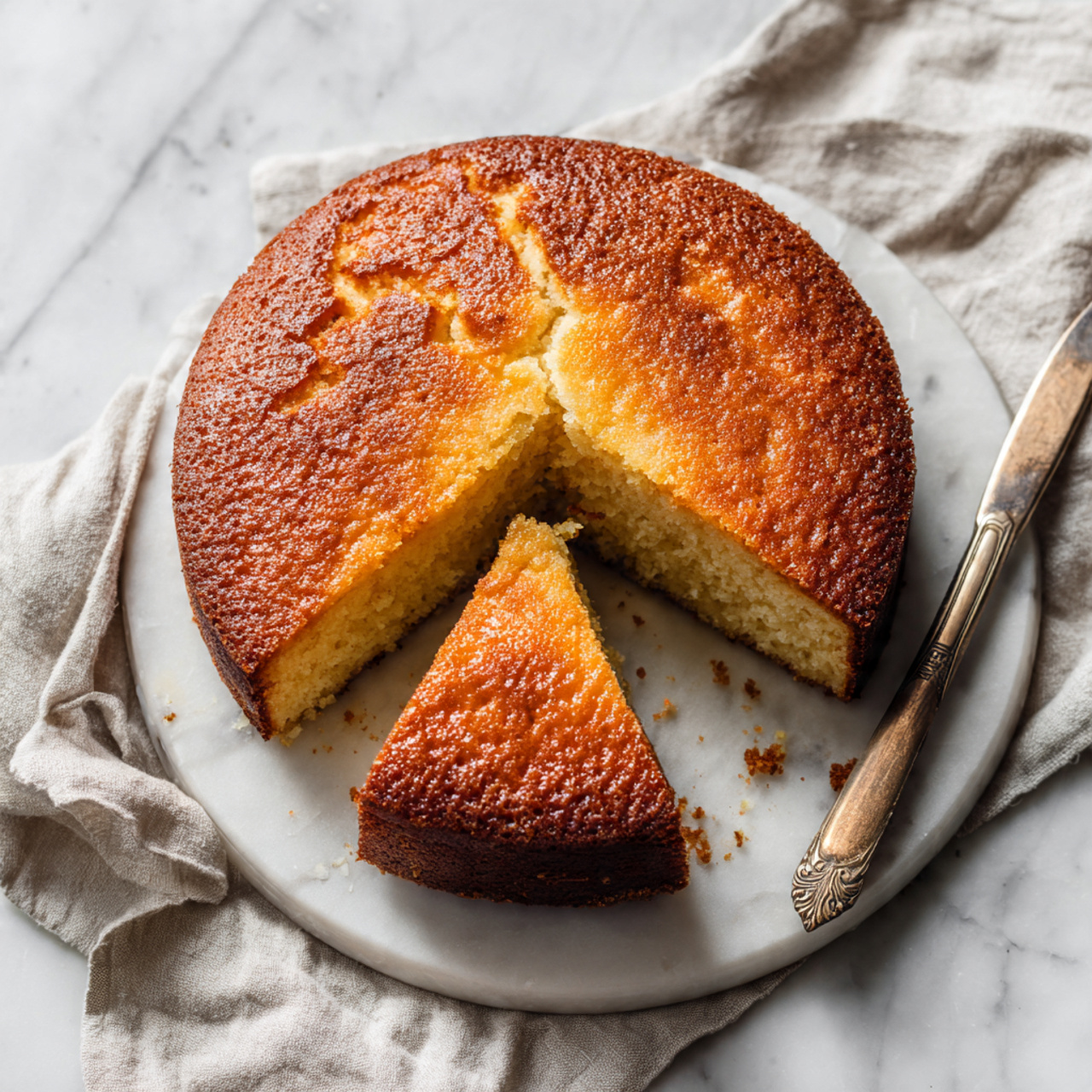
Pour the batter into the prepared pan and give it a gentle tap against the counter to release any large air bubbles. Slide it into the oven and bake for around 30 minutes, until the top is a warm golden color and a toothpick inserted into the center comes out clean. The edges will have pulled away slightly from the sides of the pan — that’s a reliable sign it’s done. Transfer to a wire rack and let it cool completely before you even think about the frosting.
Step 5: Frost and Create the Crochet Pattern
Once the cake is fully cooled, spread a thin, even base layer of frosting across the top and sides using an offset spatula. This is your foundation — it gives the piped loops something to grip. Then fit a piping bag with a small round tip (a Wilton #3 or #4 works beautifully) and pipe overlapping loops across the surface in connected rows, working from the outside edge inward to create the lace-like crochet finish. Keep the pressure on the bag consistent and take your time with each row. Don’t worry if the loops vary slightly in size — the handmade quality is exactly what makes this cake so charming.
Perfecting This Recipe
- Use room-temperature butter from the very start. Butter that’s still firm won’t cream into the sugar properly, and the batter will end up denser than it should be.
- Don’t rush the creaming step. A pale, visibly fluffy butter-sugar base is the foundation of a light sponge — give it the full three to four minutes it deserves before you add anything else.
- Add the flour in stages rather than all at once. This keeps the batter from overworking and gives you more control over the final texture.
- Let the cake cool completely before applying any frosting. Even a slightly warm surface will cause the frosting to soften and slip, which makes the piped pattern impossible to define.
- Chill the frosting for 15–20 minutes before piping if your kitchen is warm. Frosting that’s too soft spreads rather than holds, and the loops lose their crispness.
- Practice the first row of loops on a plate before you start on the cake. It takes about thirty seconds and tells you exactly how much pressure to apply for the size of loop you’re going for.
Common Mistakes to Avoid
- Using cold butter — Butter straight from the fridge won’t cream smoothly with the sugar, and you’ll end up with a dense, slightly lumpy batter before you even get to the oven. Bring it to room temperature at least 30–45 minutes ahead.
- Overmixing after the flour goes in — Once the dry ingredients are added, the goal is just until everything is combined. Extra stirring builds gluten and makes the finished cake tough instead of tender.
- Frosting a warm cake — Even mild warmth causes the frosting to soften and slide immediately, ruining any piped pattern before you’ve finished it. This is one of the most common mistakes in decorated home baking, and the only fix is patience.
- Piping with frosting that’s too soft — If your kitchen is warm or the frosting has been sitting out, it loses the structure it needs to hold those loops. A short chill before you start is all it takes.
- Overfilling the pan — The batter rises during baking, and a pan that’s too full will give you a cracked dome that’s difficult to frost evenly. Fill no more than two-thirds of the way up.
Add Your Touch
- Stir the zest of one lemon into the batter for a brighter, citrusy flavor that pairs especially well with a cream cheese frosting instead of buttercream.
- Add a thin layer of strawberry jam or raspberry preserves between split cake layers before frosting for a fruity surprise in the center of every slice.
- Swap vanilla extract for almond extract for a slightly more fragrant, bakery-style character that feels a little unexpected.
- Fold in thinly sliced fresh strawberries or banana rounds between layers for a fruit-filled version that feels especially fresh in warmer months.
- Tint the frosting a soft pastel — blush pink, sage green, or lavender — to give the crochet pattern a different mood depending on the occasion.
- Add a pinch of cinnamon or cardamom to the batter for a gently spiced variation that works beautifully in autumn.
Visit Also: Birthday Cake Chocolate
What to Serve With This
A pot of Earl Grey or chamomile tea is the most natural pairing — the floral notes complement the vanilla in a way that feels quietly perfect. A scoop of vanilla bean ice cream alongside a slice tips it into dinner party territory. Fresh berries on the side add color and a tart contrast that cuts through the richness of the frosting without overpowering it. A cold glass of milk is the classic choice for a family table, especially with children around. For a celebration setting, a light sparkling elderflower cordial or a glass of prosecco alongside a slice feels easy and effortless.
Storing and Serving
Fridge Cover the finished cake loosely with a cake dome or store individual slices in an airtight container. It keeps well in the refrigerator for up to 3 days without drying out.
Freezer The unfrosted cake layers freeze beautifully. Wrap each layer tightly in two layers of cling film, then in foil, and freeze for up to one month. Thaw in the refrigerator overnight before frosting and decorating.
Reheating This cake is best served at room temperature rather than heated. Remove it from the fridge 20–30 minutes before serving to let the sponge relax and soften — cold cake tastes denser than it actually is, and a little patience makes a real difference.
Make-Ahead Tip Bake the cake a full day ahead of time. Let it cool completely, wrap it well, and store at room temperature overnight. Frost and pipe the crochet pattern on the day of serving for the cleanest, most defined finish.
Servings This recipe yields approximately 10 generous slices.
Nutrition (Approximate Per Serving)
- Calories: ~310
- Total Fat: 16g
- Saturated Fat: 10g
- Carbohydrates: 38g
- Sugar: 22g
- Protein: 5g
- Sodium: 120mg
Nutritional values are approximate and may vary based on specific ingredients and brands used.
Chef’s Helpful Tips
- Always bring your butter, eggs, and milk to room temperature before you start. Ingredients at the same temperature emulsify more smoothly, giving you a batter that bakes evenly and a crumb that’s genuinely tender.
- Check the cake at 25 minutes rather than waiting the full 30. Every oven runs a little differently, and overbaking is the most common cause of a dry, tight crumb.
- For clean, even slices, use a long serrated knife dipped in warm water and wiped dry between each cut. This is especially helpful when the frosting is thick.
- Pure vanilla extract matters more in a simple cake like this than in a recipe packed with competing flavors. The whole flavor of the sponge rests on it, so it’s worth using the real thing.
- If your finished cake feels denser than expected, the most likely causes are cold butter that didn’t cream fully or overmixed batter after the flour was added — both are easy to avoid once you know to watch for them.
Frequently Asked Questions
Q1. Can I make this cake ahead of time? Absolutely — it’s actually a great candidate for advance baking. Bake the sponge a day ahead, let it cool completely, and store it wrapped at room temperature. Then frost and pipe the crochet pattern on the day you’re serving it so the decoration looks as fresh and defined as possible.
Q2. What if my cake comes out dense instead of fluffy? Nine times out of ten, a dense sponge comes down to one of two things: butter that wasn’t soft enough to cream properly, or batter that was overmixed once the flour went in. Both are completely avoidable — start with genuinely soft butter and stop stirring the moment the batter comes together.
Q3. Can I use oil instead of butter? You can swap in the same volume of a neutral oil like sunflower or vegetable oil, but the texture and flavor will shift. The cake becomes a touch more moist and slightly springy, but it loses some of the buttery richness that makes this version so satisfying. It’s a workable substitute if butter isn’t available.
Q4. Is this a good recipe for beginner bakers? It really is. The method is forgiving, the steps are clear, and even if the crochet piping isn’t perfectly uniform, the handmade quality is part of what makes it charming. If you’ve made a basic sponge cake before, this will feel very familiar.
Q5. Can I freeze this cake? Yes, with one important caveat: freeze the layers before frosting, not after. Frosted cakes can be frozen, but the texture of the piped crochet pattern suffers when thawed. Unfrosted layers wrapped tightly keep well for up to one month. Thaw overnight in the fridge, then frost and decorate fresh on the day of serving.
Conclusion
There’s something genuinely satisfying about pulling a Crochet Cake out of the oven, cooling it just long enough, and then spending a calm half hour piping those soft looped rows across the surface. It’s a bake that rewards a little patience and gives you something beautiful in return — something that looks handmade and intentional in the best possible way. This cake fits wherever you need it: a birthday celebration, a slow Sunday afternoon, a dinner where the dessert deserves a moment of its own.
Take the recipe exactly as it is, or use it as a starting point. Add a layer of jam between the sponge layers, change the frosting color, or lean into a different flavoring altogether. Whatever you do with it, the core of this cake is warm, soft, and deeply satisfying — exactly the kind of thing worth keeping in your rotation for years to come.
Crochet Cake
Course: Cake4
servings15
minutes30
minutes310
kcal1
hour5
minutesA pillowy vanilla sponge topped with cool, lightly sweet frosting and decorated with hand-piped crochet-style loops — impressive enough for a birthday table, simple enough for a slow weekend afternoon.
Ingredients
For the Cake:
2 cups all-purpose flour
1 cup granulated sugar
1 cup unsalted butter, softened
4 large eggs
1 cup whole milk
2 tsp baking powder
1 tsp vanilla extract
For the Frosting:
2 cups whipped cream or buttercream frosting
Directions
- Preheat oven to 180°C (350°F). Grease a medium round cake pan and line the base with baking paper.
- Beat softened butter and sugar together for 3–4 minutes until pale and fluffy.
- Add eggs one at a time, beating well after each. Whisk flour and baking powder together separately, then add to the butter mixture in stages, alternating with the milk. Stir until just combined.
- Pour batter into the prepared pan. Tap gently on the counter to release air bubbles. Bake for 30 minutes or until the top is golden and a toothpick inserted in the center comes out clean.
- Transfer to a wire rack and cool completely.
- Spread a thin, even base layer of frosting over the top and sides. Using a small round piping tip, pipe overlapping loops across the surface in connected rows to create the crochet pattern, working from the outside edge inward.