The Softest, Most Meaningful Baptism Cake You’ll Ever Bake
Homemade celebration cakes almost always fall into one of two traps — they come out dense and heavy from overmixing, or they taste like nothing more than sweetened flour because the batter wasn’t built with enough care. If you’ve ever sliced into a cake at a special gathering only to feel quietly disappointed, this Baptism Cake recipe was written with that exact frustration in mind. One straightforward method, a handful of pantry staples, and a few small techniques make all the difference.
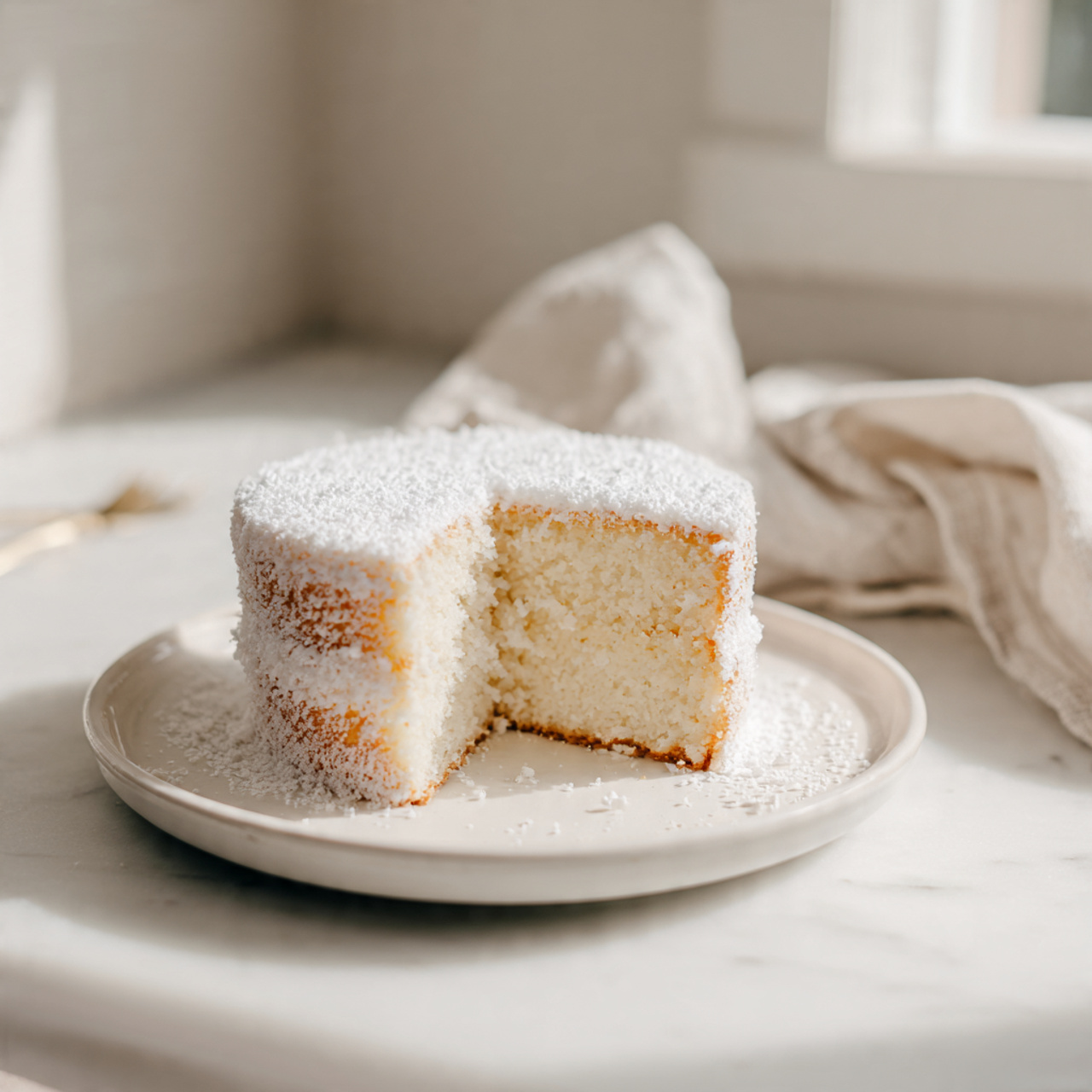
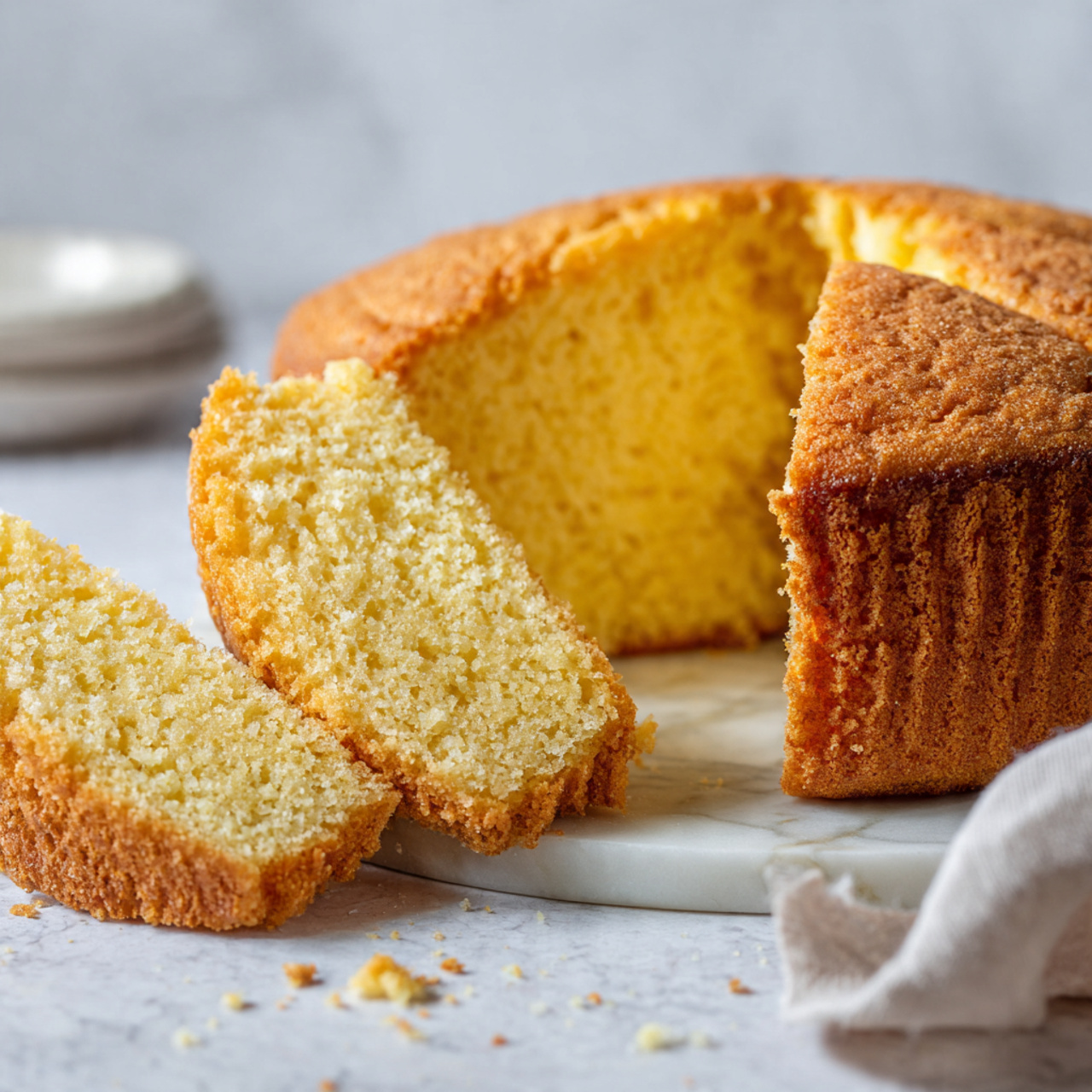
Picture pulling this out of the oven — a golden, gently risen cake with a fine, tender crumb that springs back when you press it lightly. The vanilla fragrance fills the kitchen before you even lift the pan. Once it cools and you spread that cold, lightly sweetened whipped cream across the top, the whole thing becomes something quietly beautiful: soft, milky, and sweet without being cloying. Every bite is light enough to melt away, with just enough richness to feel special.
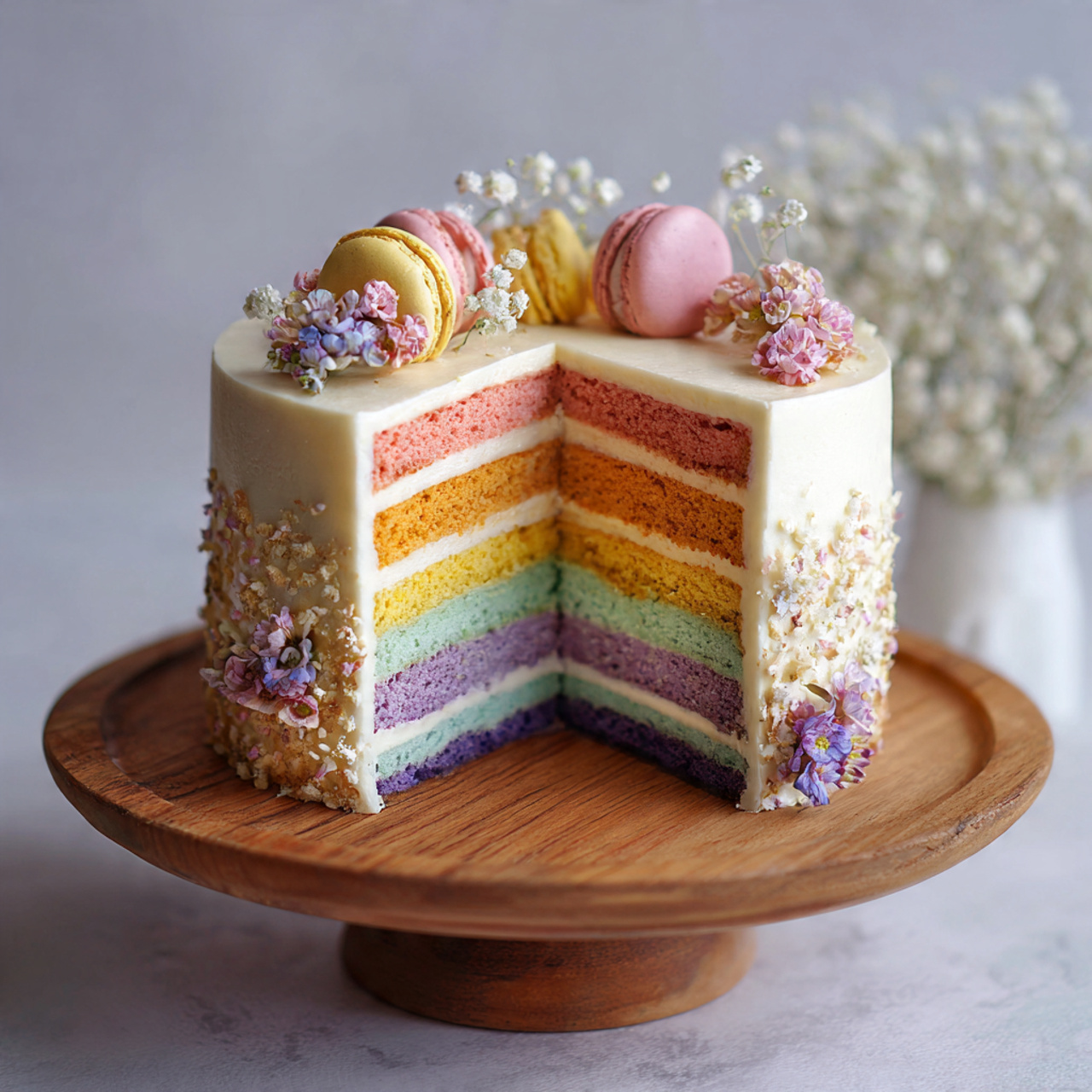
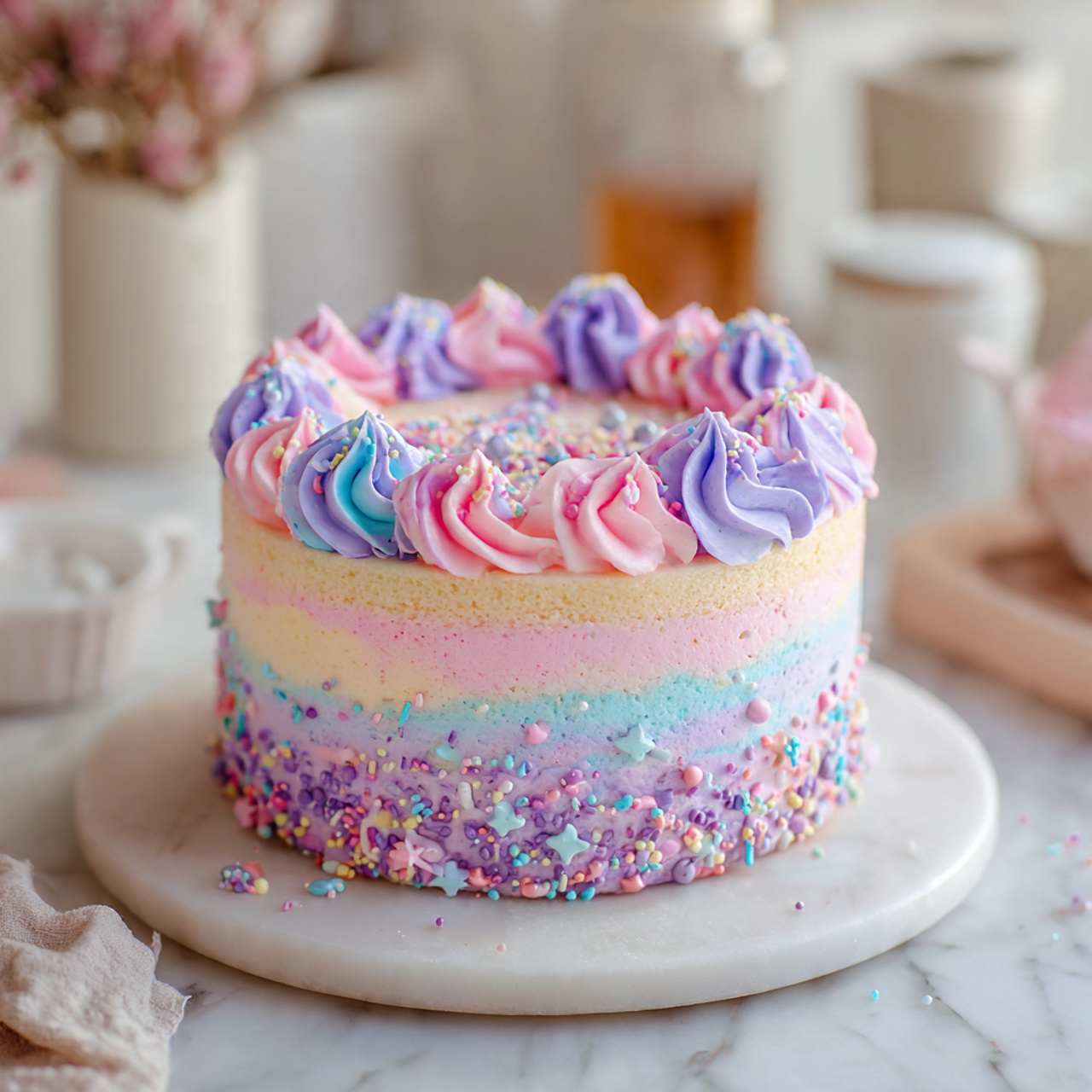
This is the kind of cake that suits a quiet christening gathering at home, a family brunch with grandparents visiting, or even a small intimate celebration cake for a naming day. It works beautifully as a vanilla celebration cake you can dress up simply with soft-colored sprinkles or a few fresh flowers. Whether you’re baking for ten guests or just a handful of people you love, this one fits the moment perfectly — and it will probably earn a permanent spot in your celebrations going forward.
Why You’ll Love This Recipe
It’s Genuinely Simple to Pull Off
You don’t need a stand mixer, pastry training, or specialty equipment. This cake comes together with a hand mixer and one large bowl. The steps are straightforward enough for a first-time baker, yet the result feels polished and made-with-love rather than rushed.
The Texture Is Incredibly Soft
Thanks to room-temperature eggs and butter, the crumb stays light and fine without any gumminess. It slices cleanly, holds its shape on a plate, and doesn’t crumble into pieces the moment you cut it — which matters a lot when you’re serving guests.
The Flavor Is Gently Sweet and Crowd-Pleasing
This isn’t an intensely sugary cake. The vanilla base is subtle and warm, and the whipped cream frosting keeps things light and fresh. Even people who claim they don’t love dessert tend to go back for a second slice.
It’s Easy to Make Ahead
You can bake the cake the day before your event, wrap it tightly, and keep it in the fridge until you’re ready to frost and serve. That kind of flexibility is a genuine gift when you’re coordinating a celebration.
It Decorates Beautifully Without Effort
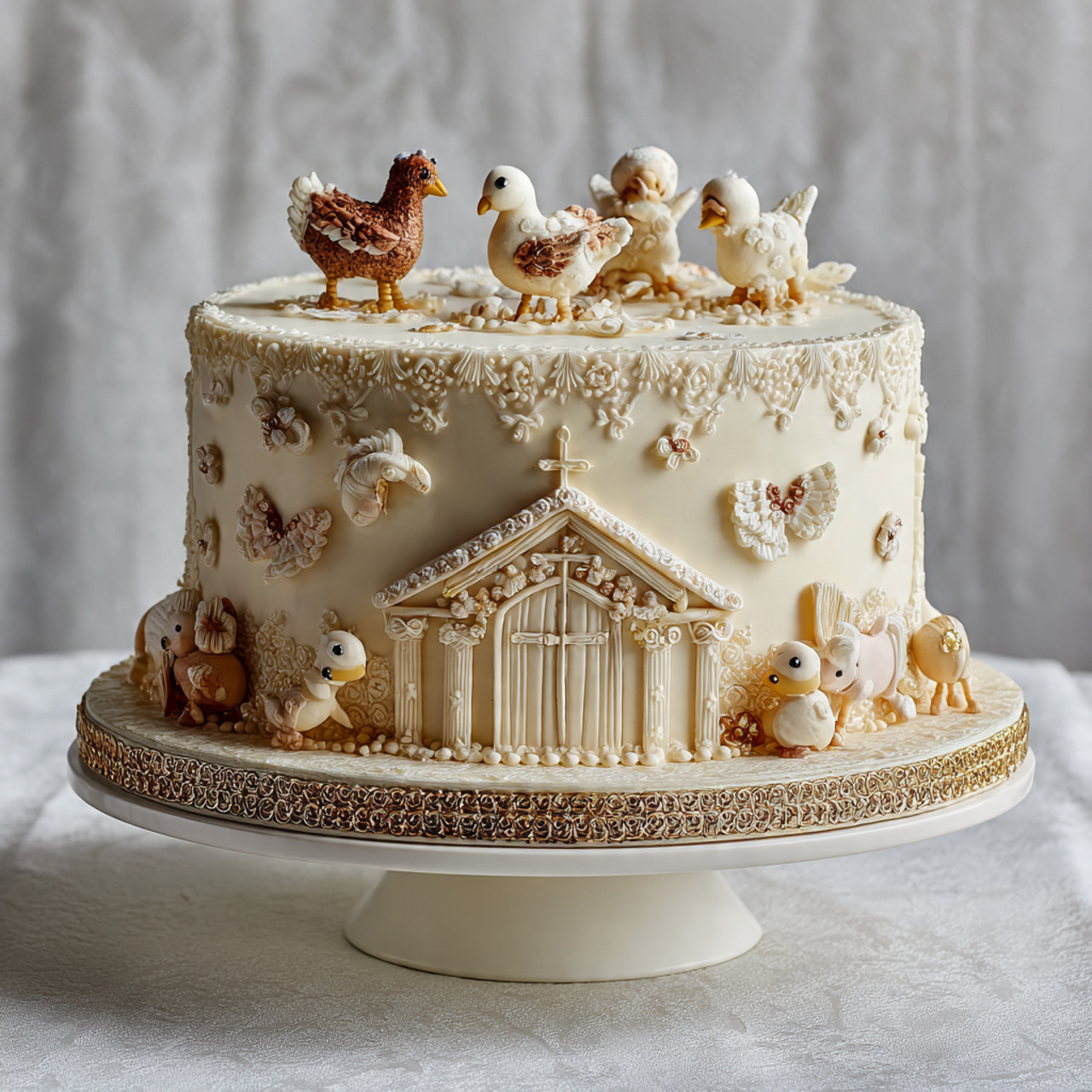
A smooth layer of whipped cream is already elegant. Add a few edible flowers, soft pastel sprinkles, or a simple cross-shaped decoration, and this christening cake looks like something from a bakery window — without hours of piping work.
Ingredients
For the Cake
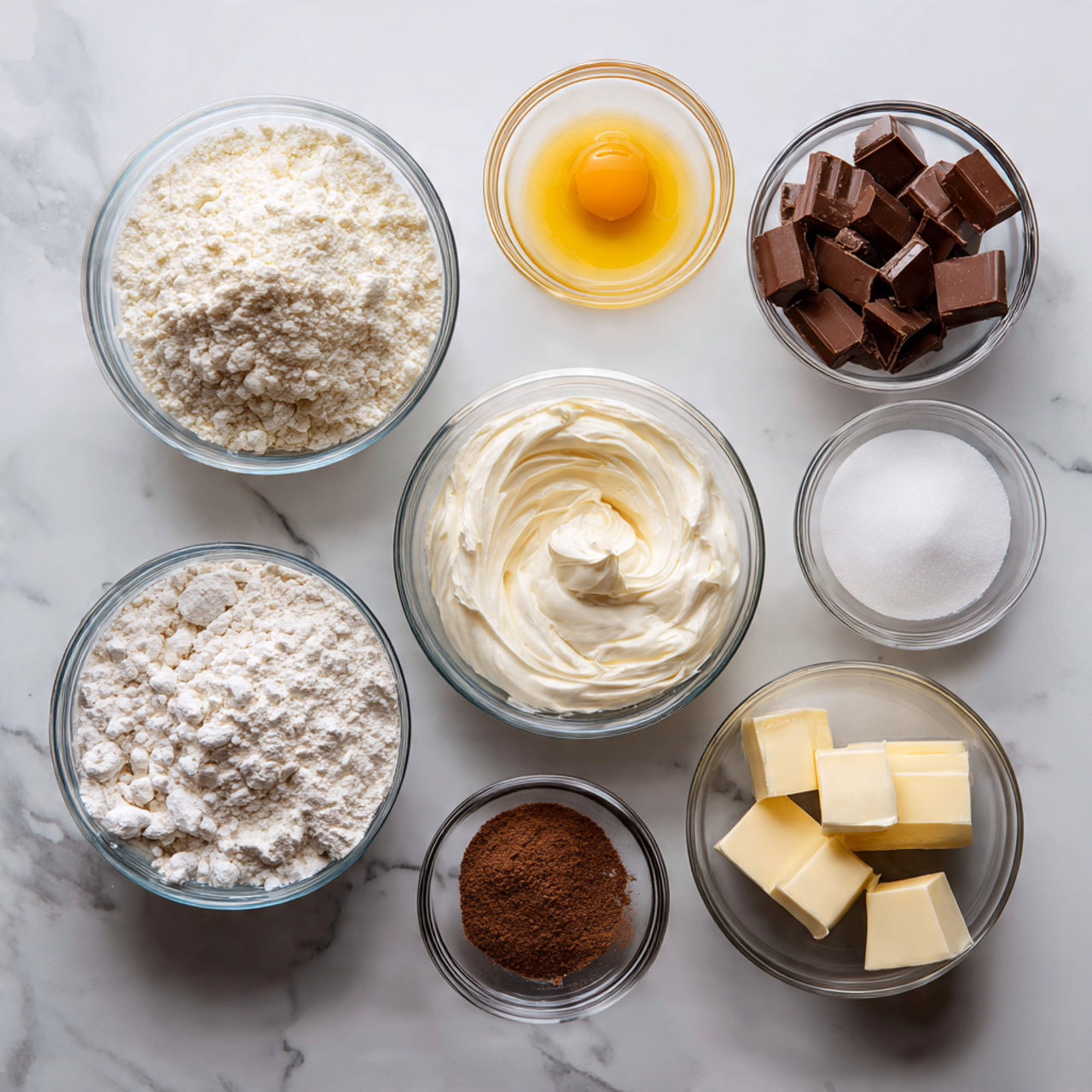
- 2 cups all-purpose flour
- 1 cup granulated sugar
- ½ cup unsalted butter (softened to room temperature — this is important for a light crumb)
- 3 large eggs (room temperature)
- 1 cup whole milk (room temperature)
- 2 tsp baking powder
- 1 tsp pure vanilla extract (not imitation — the flavor difference is noticeable)
- ¼ tsp fine salt
For the Whipped Cream Frosting
- 1 cup heavy whipping cream (very cold — straight from the fridge)
- 2 tbsp powdered sugar
- ½ tsp vanilla extract
Together, the soft butter cake and the lightly sweetened cream create a balance that feels more like a European-style gateau than a heavy buttercream layer cake — airy, fresh, and just sweet enough to feel celebratory.
How to Make Baptism Cake — Step-by-Step
Step 1: Get Everything Ready
Preheat your oven to 180°C (350°F) and grease a 9-inch round cake pan, then dust it lightly with flour. Pull your butter, eggs, and milk out of the fridge at least 30 minutes before you start — room temperature ingredients mix into a much smoother batter and bake more evenly. Sift the flour, baking powder, and salt into a bowl and set aside. Don’t worry if your butter still feels slightly firm; as long as it yields easily when pressed, it’ll cream beautifully.
Step 2: Cream the Butter and Sugar
Beat the softened butter and sugar together with a hand mixer on medium speed for about 3 minutes, until the mixture turns noticeably lighter in color and looks almost fluffy. This step creates the air pockets that give the cake its soft, tender texture — so don’t rush it. The mixture should smell faintly sweet and look pale yellow and creamy. Don’t worry if it seems like a small amount at this stage; it will grow as you add the eggs.
Step 3: Add the Eggs and Liquid
Add the eggs one at a time, mixing well after each addition. Then slowly pour in the milk and vanilla extract while stirring on low speed. The batter will look slightly curdled at this point — that’s completely normal. It comes back together once the flour goes in, so keep going confidently.
Step 4: Fold in the Dry Ingredients
Add the sifted flour mixture gradually — in two or three additions — folding gently with a spatula after each addition. Stop mixing the moment you no longer see dry streaks of flour. Overmixing at this stage develops gluten and turns a light cake into a dense one, so gentle and brief is exactly right. The finished batter should be smooth, slightly thick, and pourable.
Step 5: Bake and Cool
Pour the batter into your prepared pan and spread it evenly. Bake for 30 to 35 minutes, until the top is golden and a toothpick inserted into the center comes out clean. The edges will pull slightly away from the pan, and the kitchen will smell like warm vanilla. Don’t worry if the top cracks very slightly — that’s normal for a simple vanilla cake. Let it cool in the pan for 10 minutes, then turn it out onto a wire rack and let it cool completely (about 20 minutes more) before frosting.
Step 6: Make the Whipped Cream Frosting and Frost
Pour the cold heavy cream into a clean bowl and whip it with your mixer until it begins to thicken. Add the powdered sugar and vanilla, then continue whipping until soft, stable peaks form — it should hold its shape when you lift the beaters but still look smooth and pillowy, not grainy. Spread it generously over the top and sides of the cooled cake using a spatula, keeping your strokes light and unhurried.
Perfecting This Recipe
- Start with room-temperature butter and eggs. Cold butter won’t cream properly, and cold eggs can cause the batter to seize up. Even 20 minutes on the counter makes a real difference.
- Measure your flour correctly. Spoon it into the measuring cup and level it off — don’t scoop directly from the bag, which packs too much flour and dries out the crumb.
- Fold, don’t beat. Once the flour goes in, switch from the electric mixer to a spatula and fold gently. The less you work the batter at this stage, the softer your cake will be.
- Let it cool fully before frosting. Whipped cream melts quickly on a warm cake. If the cake still feels slightly warm to the touch, give it another 10 minutes.
- Whip the cream cold. The bowl and beaters can even go into the freezer for 5 minutes before you start — cold cream whips faster and holds its peaks longer on the serving table.
- Don’t open the oven door in the first 20 minutes. Early temperature drops can cause the center to sink before it sets.
Common Mistakes to Avoid
- Using cold butter straight from the fridge — Cold butter refuses to cream properly, which means the air pockets never form and your cake bakes up dense and heavy. Softened butter is non-negotiable.
- Overmixing after adding the flour — The moment you add the dry ingredients, gluten starts developing. Mix only until the flour disappears. Even 30 extra seconds of beating can tighten the crumb noticeably.
- Skipping the cooling time — Frosting a warm cake isn’t just a cosmetic problem. The heat destabilizes the whipped cream almost immediately, and it slides off in pools. Patience here pays off completely.
- Whipping the cream past its peak — Overwhipped cream turns grainy and starts to separate into butter. Stop as soon as it holds a soft, glossy peak.
- Not greasing the pan thoroughly — A stuck cake is a heartbreaking problem when you’re baking for a celebration. Grease and flour the pan generously, or use a circle of parchment paper on the bottom for extra security.
Add Your Touch
- Stir a teaspoon of finely grated lemon zest into the batter for a fragrant, citrusy lift that pairs beautifully with the cream.
- Add a few drops of almond extract alongside the vanilla for a soft, bakery-style warmth.
- Spread a thin layer of good-quality strawberry or apricot jam between two layers if you double the recipe and make a layer cake.
- Tint the whipped cream frosting very lightly with pastel food coloring (pale blue, soft pink, or ivory) to match the baptism’s color theme.
- Top with fresh edible flowers, a cross-shaped decoration, or a simple arrangement of fresh berries for a look that feels personal and thoughtful.
- Swap whole milk for coconut milk for a subtle tropical undertone that still keeps the cake light.
Visit Also: German Chocolate Cake
What to Serve With This
This easy homemade cake pairs naturally with a few simple accompaniments that let the flavor shine without overwhelming it.
- A pot of freshly brewed tea or a gentle herbal infusion keeps the mood warm and unhurried, especially for afternoon gatherings.
- Chilled lemonade or sparkling water with a sprig of mint offers a refreshing contrast to the creamy frosting for guests who prefer something cold.
- A small bowl of seasonal fresh fruit — strawberries, raspberries, or peach slices — adds color to the table and balances the sweetness perfectly.
- For children, serve with cold whole milk or a light fruit juice to keep things simple and crowd-pleasing.
Storing and Serving
Fridge Cover the frosted cake loosely with plastic wrap or keep it in an airtight container in the refrigerator. It stays fresh and soft for up to 3 days. The whipped cream frosting holds up well when chilled.
Freezer The unfrosted cake can be wrapped tightly in plastic wrap and then in foil, then frozen for up to one month. Thaw overnight in the refrigerator and frost fresh before serving. Avoid freezing the assembled cake with whipped cream frosting, as the cream separates when thawed.
Reheating This cake is best served at room temperature. Remove slices from the fridge about 20 minutes before serving to let the crumb soften slightly and the flavors come through fully.
Make-Ahead Tip Bake the cake up to one day in advance and store it unfrosted, wrapped tightly at room temperature or in the fridge. Make the whipped cream and frost the cake within 2 to 3 hours of serving for the best presentation.
Servings This recipe yields approximately 8 to 10 slices from a single 9-inch round cake.
Nutrition (Approximate Per Serving)
- Calories: 265
- Total Fat: 13g
- Saturated Fat: 8g
- Carbohydrates: 33g
- Sugar: 18g
- Protein: 4g
- Sodium: 145mg
Nutritional values are approximate and may vary based on specific ingredients and brands used.
Chef’s Helpful Tips
- Use full-fat dairy wherever the recipe calls for it — milk and heavy cream both perform better at their full fat content, giving a richer texture and more stable frosting.
- For ultra-clean slices at the table, dip your knife in hot water and wipe it dry between cuts. The cake slices beautifully this way without the crumb dragging.
- If your whipped cream frosting feels too soft to spread cleanly, return the bowl to the fridge for 10 minutes to firm up before continuing.
- The batter can be made and poured into the pan up to 30 minutes before baking — just don’t let it sit much longer than that, as the baking powder will start losing its lift.
- If the cake feels too dense after baking, the most likely culprits are cold butter, cold eggs, or overmixed batter. All three are easy to fix next time by giving your ingredients enough time to come to room temperature.
Frequently Asked Questions
Q1. Can I make this Baptism Cake ahead of time? Absolutely. Bake the cake the day before your event and store it wrapped at room temperature or in the fridge. Whip and apply the frosting on the day you’re serving it so the cream stays fresh and stable. This small step makes a noticeable difference in presentation.
Q2. Why did my cake come out dense instead of fluffy? The most common reason is overmixing the batter after adding the flour. A few extra stirs after the flour is incorporated activates the gluten and tightens the crumb significantly. Fold gently and stop as soon as the batter looks smooth.
Q3. Can I replace the milk with a dairy-free alternative? Yes — oat milk or a full-fat plant-based milk like cashew milk both work well here. Avoid very thin alternatives like rice milk, as they can make the batter too loose. The texture may be very slightly different but still delicious.
Q4. Is this recipe suitable for a first-time baker? It really is. The steps are simple, the ingredients are pantry staples, and the method doesn’t require any advanced techniques. As long as your butter and eggs are at room temperature and you fold the flour gently, you’ll end up with a cake you’re genuinely proud of.
Q5. Can I freeze this cake for later? Yes, but freeze it before frosting. Wrap the baked, cooled cake tightly in plastic wrap followed by a layer of foil and freeze for up to one month. Thaw it in the fridge overnight, then frost fresh with whipped cream before serving. The texture holds up beautifully this way.
Conclusion
There’s something deeply satisfying about bringing a homemade cake to a table full of people you love, especially on a day that carries so much meaning. This Baptism Cake doesn’t try to be complicated or show-off-worthy — it’s soft, honest, and genuinely delicious in the way that simple vanilla celebration cakes always are. It’s the kind of recipe that earns trust the first time you make it and becomes a quiet tradition from there.
Bake it once and you’ll understand why this one keeps getting requested. Make it your own with a touch of citrus, a layer of jam, or a scattering of flowers on top — and then share it with the people who matter most.
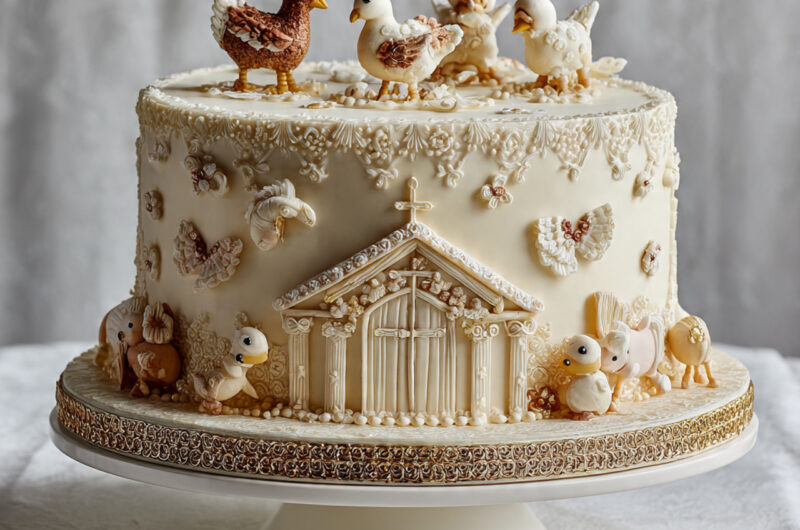
Soft Vanilla Baptism Cake with Whipped Cream Frosting
Course: Trending Cake4
servings15
minutes30
minutes265
kcal1
hour10
minutesA tender, golden vanilla cake topped with lightly sweetened whipped cream — simple enough for a weekday bake, beautiful enough for your most meaningful family celebrations.
Ingredients
For the Cake:
2 cups all-purpose flour
1 cup granulated sugar
½ cup unsalted butter, softened
3 large eggs, room temperature
1 cup whole milk, room temperature
2 tsp baking powder
1 tsp pure vanilla extract
¼ tsp fine salt
For the Whipped Cream Frosting:
1 cup heavy whipping cream, very cold
2 tbsp powdered sugar
½ tsp vanilla extract
Directions
- Preheat oven to 180°C (350°F). Grease and flour a 9-inch round cake pan.
- Sift together flour, baking powder, and salt. Set aside.
- Beat softened butter and sugar on medium speed for 3 minutes until pale and fluffy.
- Add eggs one at a time, beating well after each. Mix in milk and vanilla on low speed.
- Fold in the flour mixture in two additions until just combined. Do not overmix.
- Pour batter into prepared pan. Bake 30–35 minutes until golden and a toothpick comes out clean.
- Cool in pan 10 minutes, then turn onto a rack and cool completely.
- Whip cold cream, powdered sugar, and vanilla to soft peaks. Spread over cooled cake and serve.