Soft, Golden Honey Cake Perfect for Cozy Tea-Time Afternoons
Most honey cakes come out of the oven dry, dense, and somehow missing the one flavor they’re named after — the honey gets lost the second it hits the heat. It’s frustrating to spoon in a full cup of good honey and end up with a cake that tastes vaguely sweet and nothing more. This recipe fixes both problems at once, giving you a tender crumb and a honey flavor that actually shows up.
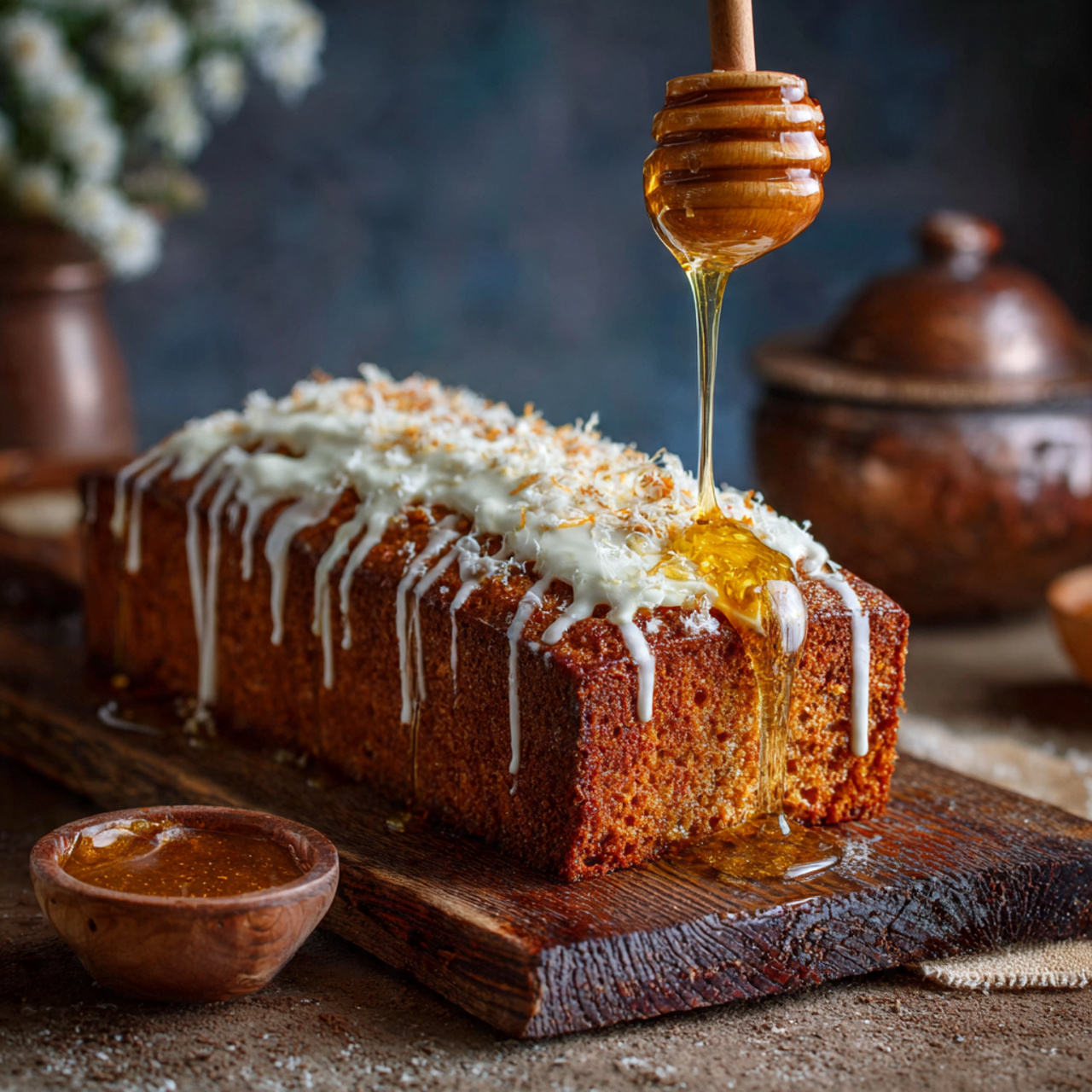
Picture a slice that’s soft enough to give a little when you press it, with a moist, buttery middle and a top that bakes to a deep amber gold. The smell alone is worth it — warm honey and vanilla drifting through the kitchen, a little floral, a little caramel. The first bite is gentle and comforting, sweet without being heavy, the kind of dessert that makes you slow down and pour a second cup of something hot.
This is the cake for quiet weekends, easy after-dinner desserts, and lazy tea-time afternoons when you want something homemade without the fuss. It travels well to a potluck, freezes beautifully for later, and works just as happily next to morning coffee as it does after a family dinner. If you’ve been hunting for an easy honey cake recipe that finally delivers on flavor, this is the one worth keeping.
Why You’ll Love This Recipe
Honey That Actually Tastes Like Honey
Adding the honey alongside the milk and vanilla — rather than creaming it in with the sugar — keeps that deep, floral sweetness intact through baking. You get real honey flavor in every bite, balanced by just enough sugar to round it out.
A Crumb That Stays Moist for Days
Thanks to butter, eggs, and a full cup of honey, this cake holds its softness well past day one. It’s one of those rare bakes that’s arguably better the next afternoon, making it perfect for leftovers and slow snacking.
Easy Enough for a Weeknight
No stand mixer, no fancy technique, no hard-to-find ingredients. A couple of bowls, a whisk, and pantry staples you almost certainly have on hand are all it takes to pull this homemade honey cake together.
Made for Sharing
It slices cleanly into neat pieces, holds up on a platter, and isn’t fussy about being served warm or at room temperature. That makes it a reliable bring-along for potlucks, brunches, and family gatherings.
Classic Comfort with a Cozy Twist
A plain butter cake is lovely, but the honey turns this into something with a little more depth and warmth. It feels familiar and nostalgic, yet just distinct enough that people always ask what’s in it.
Ingredients
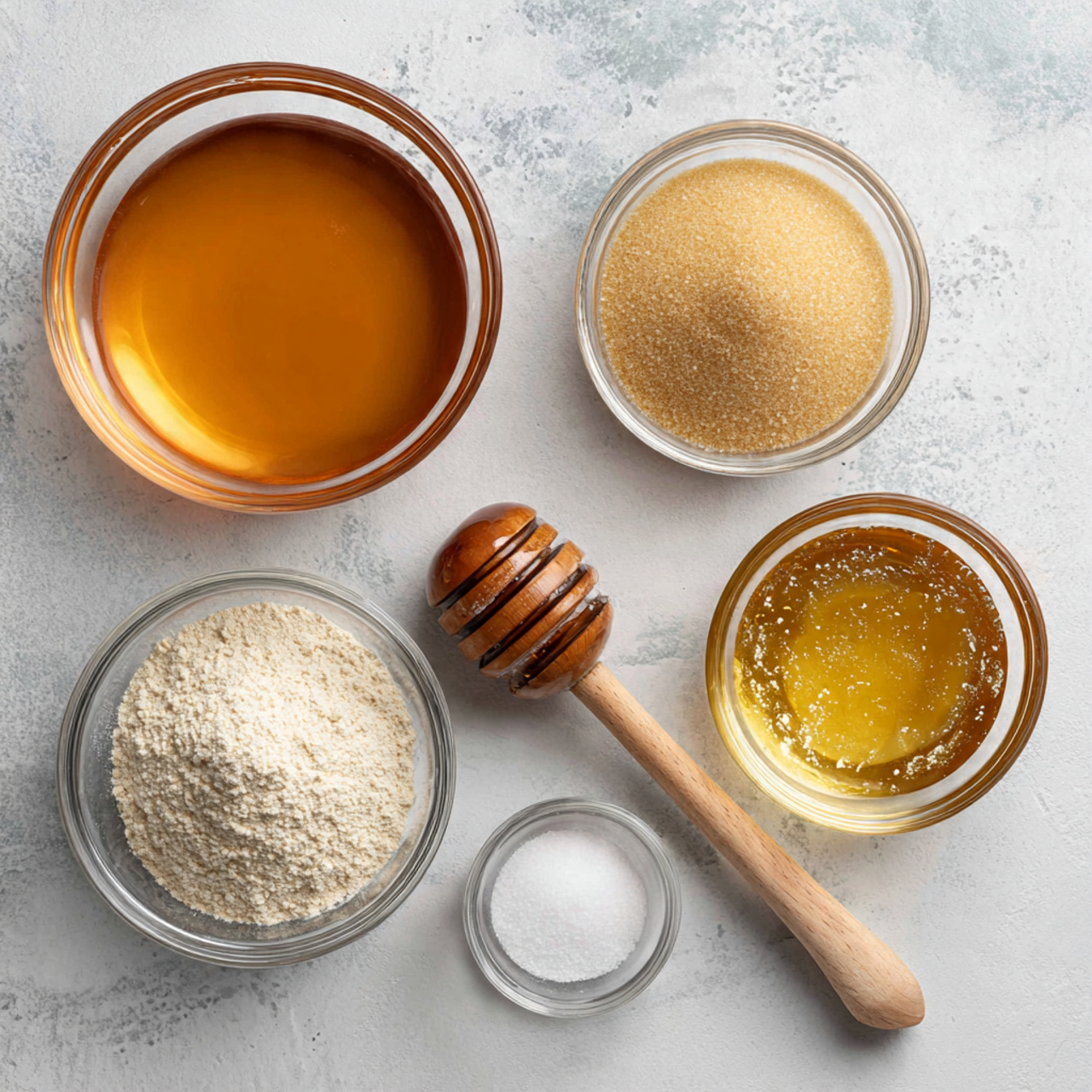
Tip: Use pure, good-quality honey for Use pure, good-quality honey here — it’s the star of the cake, and a strong, fragrant honey will carry far more flavor than the processed kind.
Dry Ingredients
- 2 cups all-purpose flour (spooned and leveled, not packed)
- 1/2 cup sugar
- 1 tsp baking soda
- 1 tsp baking powder
- 1/2 tsp salt
Wet Ingredients
- 1 cup honey (pure, good-quality for the best flavor)
- 1/2 cup unsalted butter (softened to room temperature)
- 3 eggs (room temperature blends in more smoothly)
- 1/2 cup milk (whole milk gives the richest crumb)
- 1 tsp vanilla extract (pure, not imitation)
For Finishing (Optional)
- Powdered sugar, for dusting
- A little extra honey, for drizzling
The softened butter and eggs build a light, airy base, the honey and milk bring moisture and that signature flavor, and the baking soda and powder give just enough lift to keep things tender rather than heavy. Together they make a batter that bakes up soft and golden every time.
How to Make Honey Cake — Step-by-Step
Step 1: Prep Your Pan and Oven
Preheat your oven to 180°C (350°F) and lightly grease your baking pan. Getting this done first means your batter goes straight into a hot oven, which helps the cake rise evenly. Don’t worry if your oven runs a little hot or cool — you’ll be checking with a toothpick later, so the exact temperature isn’t make-or-break.
Step 2: Cream the Butter and Sugar
In a large bowl, whisk the softened butter and sugar together until the mixture looks pale, smooth, and slightly fluffy. Add the eggs one at a time, mixing gently after each. Don’t worry if the batter looks a little curdled or split once the eggs go in — that’s completely normal and it smooths right out once the dry ingredients join in.
Step 3: Whisk the Dry Ingredients
In a separate bowl, whisk together the flour, baking soda, baking powder, and salt. A quick whisk spreads the leaveners evenly so you don’t end up with dense pockets or a soapy bite from clumped baking soda.
Step 4: Bring It All Together
Add the dry mix to the wet mixture a little at a time, then pour in the honey, milk, and vanilla. Stir slowly just until the batter turns smooth and slightly thick — you’ll catch that warm, floral honey scent as it comes together. Stop mixing the moment it looks combined to keep the crumb soft.
Step 5: Bake Until Golden
Pour the batter into your prepared pan and bake for 30 to 35 minutes. It’s ready when the top is a deep golden color, the edges just begin to pull away from the pan, and a toothpick inserted in the center comes out clean.
Step 6: Cool Before Slicing
Let the cake rest in the pan for about 10 minutes, then move it to a rack to cool. This short rest lets the crumb settle so your slices come out clean instead of crumbly or gummy. It’s worth the wait.
Perfecting This Recipe
- Cream the butter and sugar long enough to lighten in color — this builds the tiny air pockets that keep the cake tender.
- Mix the batter only until the flour disappears. Overmixing develops gluten and turns a soft cake dense and chewy.
- Watch the color in the last few minutes of baking; a golden top is your best visual cue that it’s done.
- Resting the cake before slicing isn’t optional fussiness — warm cake hasn’t set yet, and cutting too early ruins the texture.
- Taste your honey before you bake. A bold honey may let you ease back slightly on the sugar; a mild one is happy to stand as written.
Common Mistakes to Avoid
- Overbaking the cake — Just a few extra minutes can dry out the crumb. Start checking at the 30-minute mark and pull it the moment a toothpick comes out clean.
- Overmixing the batter — Once the flour is in, too much stirring makes the cake tough and dense. Fold gently and stop early.
- Using cold butter — Straight-from-the-fridge butter won’t cream properly, leaving you with an uneven, heavy texture. Let it soften first.
- Slicing while warm — A hot cake hasn’t finished setting and will crumble or turn gummy under the knife. Give it that cooling time.
- Not tasting the honey — A harsh or overly strong honey can take over the whole cake. Sample it first and adjust the sugar if needed.
Add Your Touch
- Warm it up with a pinch of cinnamon, cardamom, or nutmeg stirred into the dry ingredients.
- Brighten the flavor with a little orange or lemon zest folded into the batter.
- Swap the butter for an equal amount of vegetable oil for an even softer, lighter crumb.
- Going egg-free? Replace the eggs with plain yogurt or mashed banana for a moist, slightly denser cake.
- Finish with a sprinkle of flaky sea salt over a honey drizzle for a gentle sweet-and-salty contrast.
- Fold in a handful of chopped walnuts or almonds for a little crunch.
Visit Also: Dump Cake
What to Serve With This
- A warm cup of black or herbal tea
- A strong cup of coffee for an afternoon pick-me-up
- A dollop of lightly sweetened whipped cream or Greek yogurt
- A handful of fresh berries to cut the sweetness
- A small scoop of vanilla ice cream for a more dessert-forward plate
Storing and Serving
Fridge Store the cooled cake in an airtight container in the fridge for up to 4 days. Wrap individual slices to keep them from drying out at the edges.
Freezer Wrap slices tightly in plastic, then foil, and freeze for up to 2 months. Freezing in single portions means you can thaw only what you need, and the texture holds up surprisingly well.
Reheating Warm a slice in the microwave for just 10 to 15 seconds if you like it cozy. Go easy — a few seconds too long and the soft crumb starts to toughen.
Make-Ahead Tip Bake the cake a day ahead and keep it covered at room temperature. The honey flavor actually deepens overnight, so this is one dessert that rewards a little planning.
Servings This recipe yields roughly 9 to 10 slices, depending on how generously you cut.
Nutrition (Approximate Per Serving)
- Calories: 280–320
- Total Fat: 11g
- Saturated Fat: 6g
- Carbohydrates: 47g
- Sugar: 30g
- Protein: 6g
- Sodium: 240mg
Nutritional values are approximate and may vary based on specific ingredients and brands used.
Chef’s Helpful Tips
- Bring your butter, eggs, and milk to room temperature before starting; they blend into a smoother, more even batter that bakes up lighter.
- Set a timer for 30 minutes and check early. Ovens vary, and the difference between moist and dry is just a few minutes.
- For clean slices, use a sharp knife and wipe it between cuts once the cake has fully cooled.
- Quality honey makes a real difference here. Since it’s a featured flavor, a fragrant, pure honey pays off in every bite.
- If your cake comes out too dense, the usual culprit is overmixing — next time, stop stirring the moment the flour disappears.
Frequently Asked Questions
Q1. What can I use instead of honey? Maple syrup works as a one-to-one swap and keeps the cake just as moist. The flavor will lean a little more caramel and woodsy rather than floral, but it’s lovely in its own right.
Q2. What does this cake taste like? Think of it as a gentler, more fragrant pound cake. It has that same soft, buttery crumb, but the honey adds a warm, mellow sweetness that makes it feel cozier and a touch more special.
Q3. Is this recipe beginner-friendly? Very. There’s no special equipment, no tricky folding or whipping, and the steps are forgiving. If you can whisk a batter and use a toothpick to check doneness, you’ve got this.
Q4. Can I make it ahead for a potluck or party? Absolutely — it’s one of the best make-ahead cakes around. Bake it a day early, store it covered, and the flavor deepens overnight. It also travels and slices well for a crowd.
Q5. Can I freeze the leftovers? Yes. Wrap slices tightly and freeze for up to 2 months, then thaw at room temperature. The crumb stays soft, so a frozen stash is perfect for surprise tea-time cravings.
Conclusion
There’s a quiet kind of comfort in a cake this simple, and that’s exactly what makes this honey cake worth coming back to. It doesn’t ask much of you — a couple of bowls, a handful of pantry staples, half an hour in the oven — and it gives back a soft, golden slice that feels homemade in the best way. Whether you’re winding down a slow weekend or rounding out a family dinner, it slips effortlessly into the moment.
Make it once and I think you’ll find it earns a permanent spot in your rotation. Keep it plain with a dusting of powdered sugar, dress it up with a honey drizzle and a pinch of flaky salt, or fold in whatever spice or citrus you’re craving — this honey cake is happy to be made your own. Bake it, share a slice with someone you like, and let it become one of those recipes you reach for without even thinking.ou’ll likely keep it in your regular rotation. It’s warm, soft, and quietly satisfying in the best way.
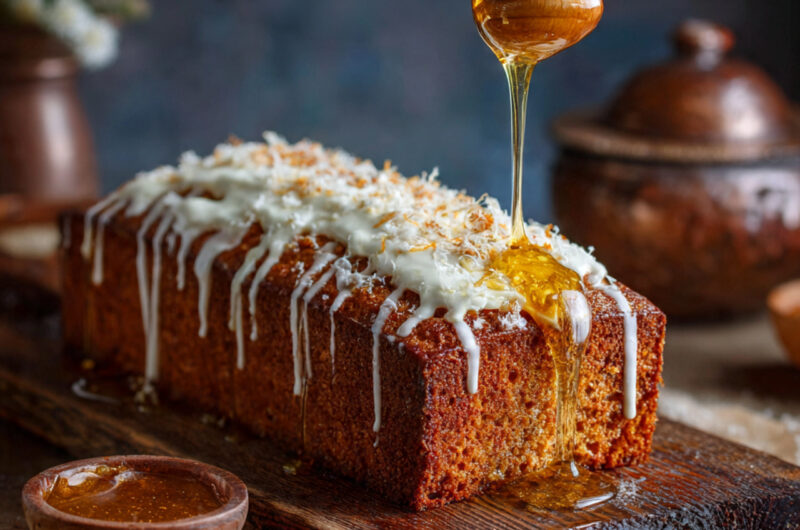
Cozy Golden Honey Cake
Course: Trending Cake4
servings15
minutes35
minutes300
kcal1
hourA soft, moist honey cake with a tender buttery crumb and deep golden top. Gently sweet and fragrant, it’s the perfect everyday dessert for tea time, after dinner, or sharing with a crowd.
Ingredients
Dry Ingredients:
2 cups all-purpose flour
1/2 cup sugar
1 tsp baking soda
1 tsp baking powder
1/2 tsp salt
Wet Ingredients:
1 cup honey
1/2 cup unsalted butter, softened
3 eggs
1/2 cup milk
1 tsp vanilla extract
For Finishing (Optional):
Powdered sugar, for dusting
Extra honey, for drizzling
Directions
- Preheat oven to 180°C (350°F) and grease a baking pan.
- Cream butter and sugar until pale and fluffy. Beat in eggs one at a time.
- In a separate bowl, whisk flour, baking soda, baking powder, and salt.
- Add the dry mix to the wet, then stir in honey, milk, and vanilla just until smooth.
- Pour into the pan and bake 30–35 minutes, until golden and a toothpick comes out clean.
- Rest 10 minutes, then cool before slicing.