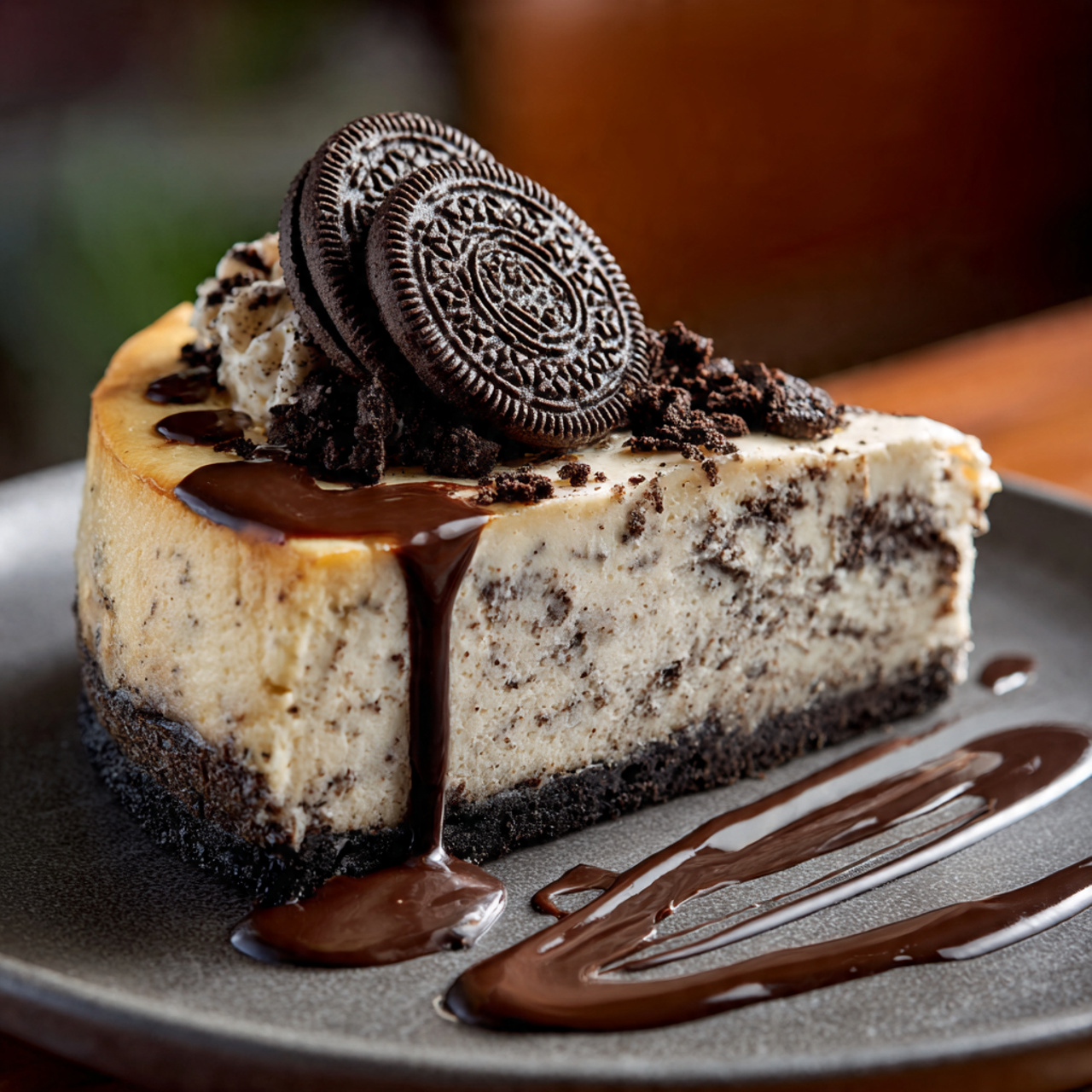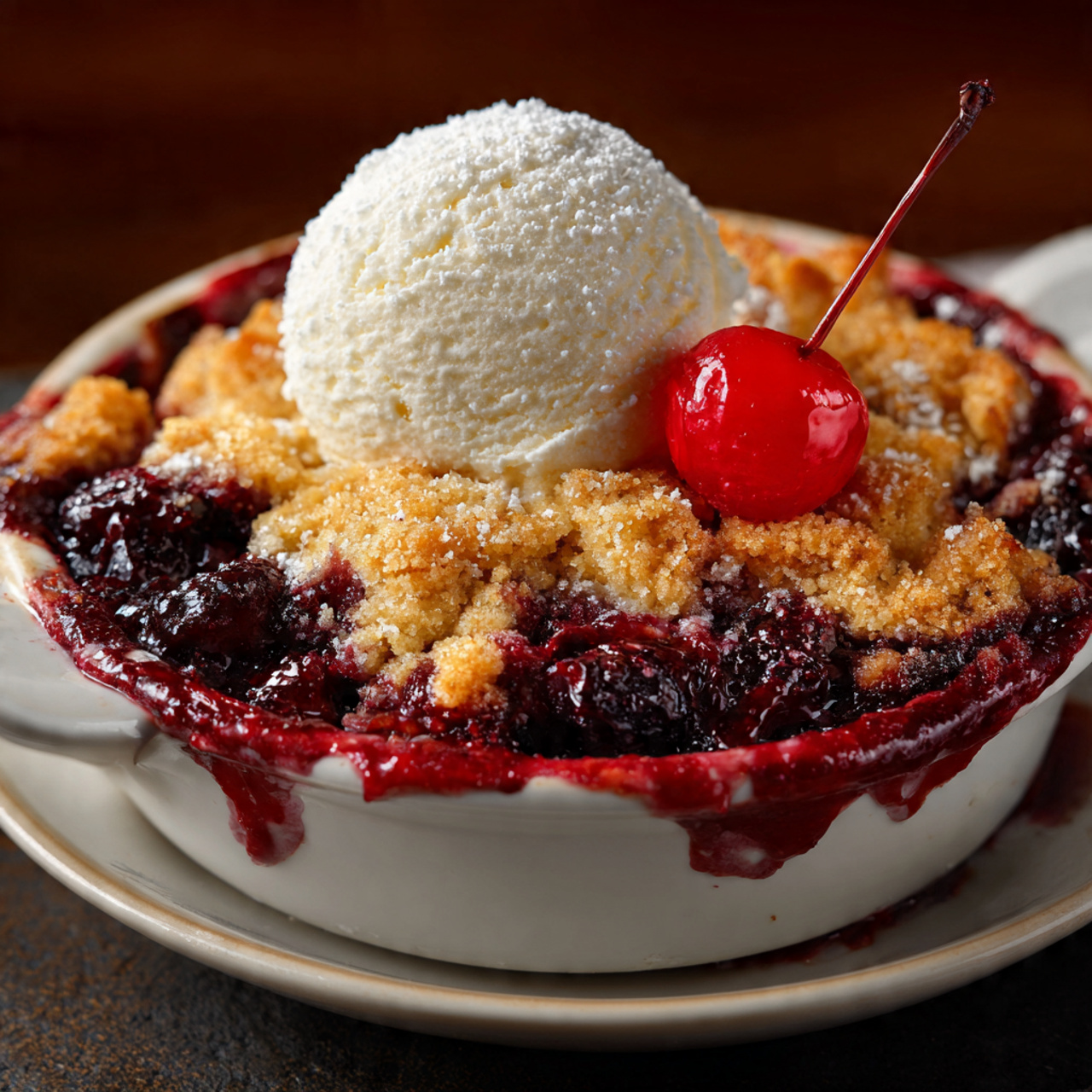
Creamy Cheesecake Bars That Are Easy to Make and Even Easier to Love
Most cheesecake recipes come out of the oven with a cracked top, a grainy filling, or a crust that falls apart the moment you lift the first slice — and it almost always traces back to the same two mistakes: too much air beaten into the filling and too much time in the oven. These cheesecake bars solve both of those problems from the very first step. Keep the mixing gentle, trust the wobble, and you’ll have a filling that stays silky from one edge to the other every single time.
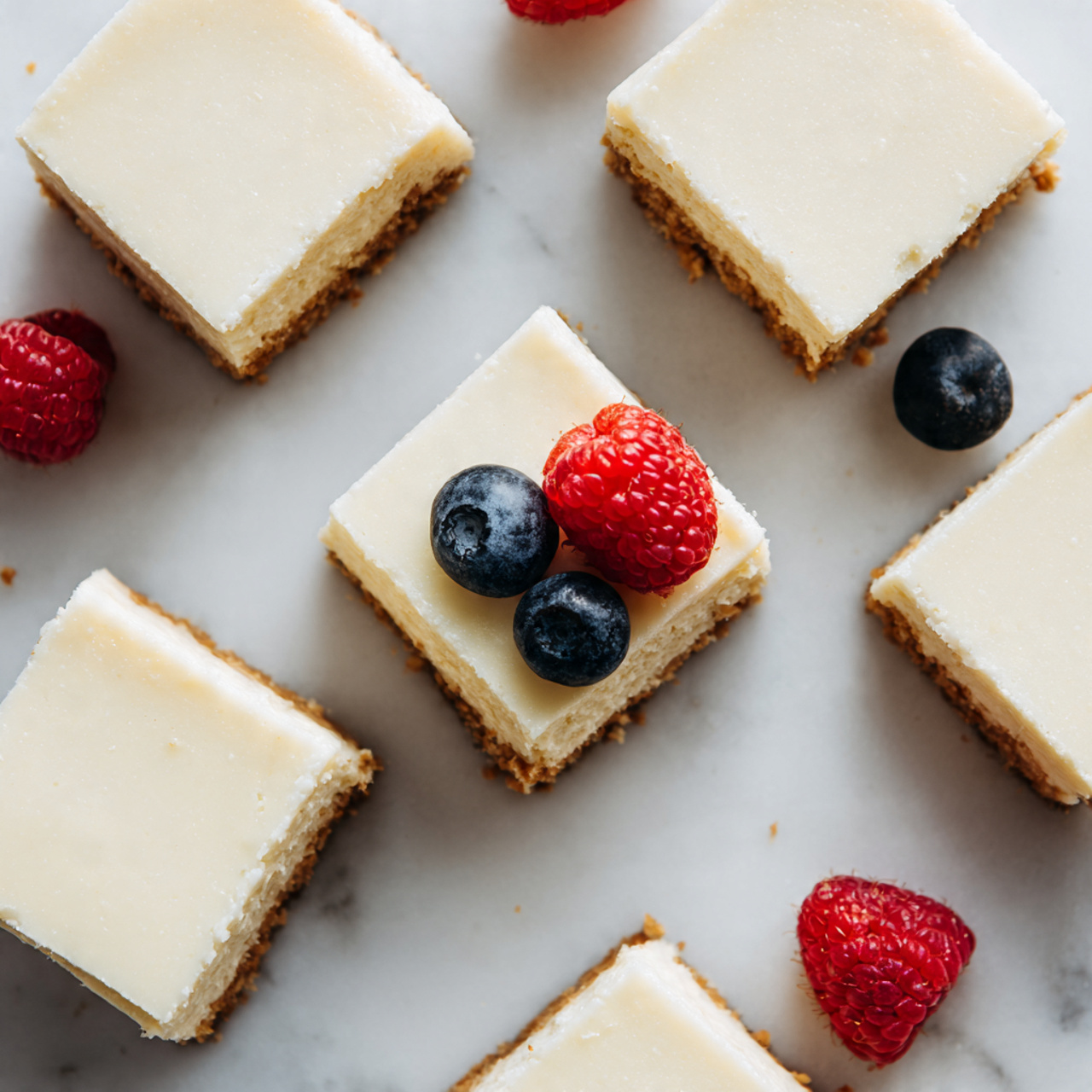
Once they’ve chilled and you pull the first bar from the tray, you’ll understand why this recipe is worth keeping. The filling is cool and dense with just enough give under a fork — rich with cream cheese, gently sweet, and threaded through with a quiet warmth of vanilla. Beneath it, a buttery biscuit base holds everything firmly in place, giving you that satisfying crunch without crumbling under pressure. The whole thing has the kind of smooth, melt-in-your-mouth quality that makes a baked cheesecake recipe feel like a small event, even on an ordinary evening.
These bars were made for all kinds of moments — a quiet weeknight treat, a family dessert after Sunday dinner, a make-ahead easy dessert you prep on Sunday and reach for all week. They travel beautifully to a potluck and hold their shape on a dessert board. Whether you’re making them for the first time or returning to a recipe you know by heart, they adapt to the occasion without ever demanding too much from you.
Why You’ll Love This Recipe
The Texture Is Everything
The filling in these cheesecake bars achieves that signature smooth, dense creaminess that makes cheesecake worth making. Folding the heavy cream in last — rather than beating it — is what keeps the texture silky rather than airy, and the difference in the final bite is unmistakable.
Beginner-Friendly From Start to Finish
No water bath, no stand mixer, no special equipment. A bowl, a baking tray, and a little patience while they chill is genuinely all this recipe requires. If you’ve ever been intimidated by cheesecake, this is the version that changes that.
Built for Sharing and Planning Ahead
These bars slice into clean, neat portions after chilling, which makes them ideal for potlucks, bake sales, or any time you need a dessert that travels without stress. They’re just as easy to make in advance as they are to eat the same day.
The Flavor Deepens Overnight
Like the best baked cheesecake recipes, the flavor of these bars improves with time. The tang mellows, the vanilla settles in, and everything becomes more cohesive after a full night in the fridge. Making them ahead isn’t just convenient — it actually produces a better result.
Everyday Ingredients, Genuinely Special Result
Everything on the ingredient list is a grocery store staple. No specialty items, no unusual swaps required. These cheesecake bars turn what’s already in your kitchen into something that tastes considered and carefully made.
Ingredients
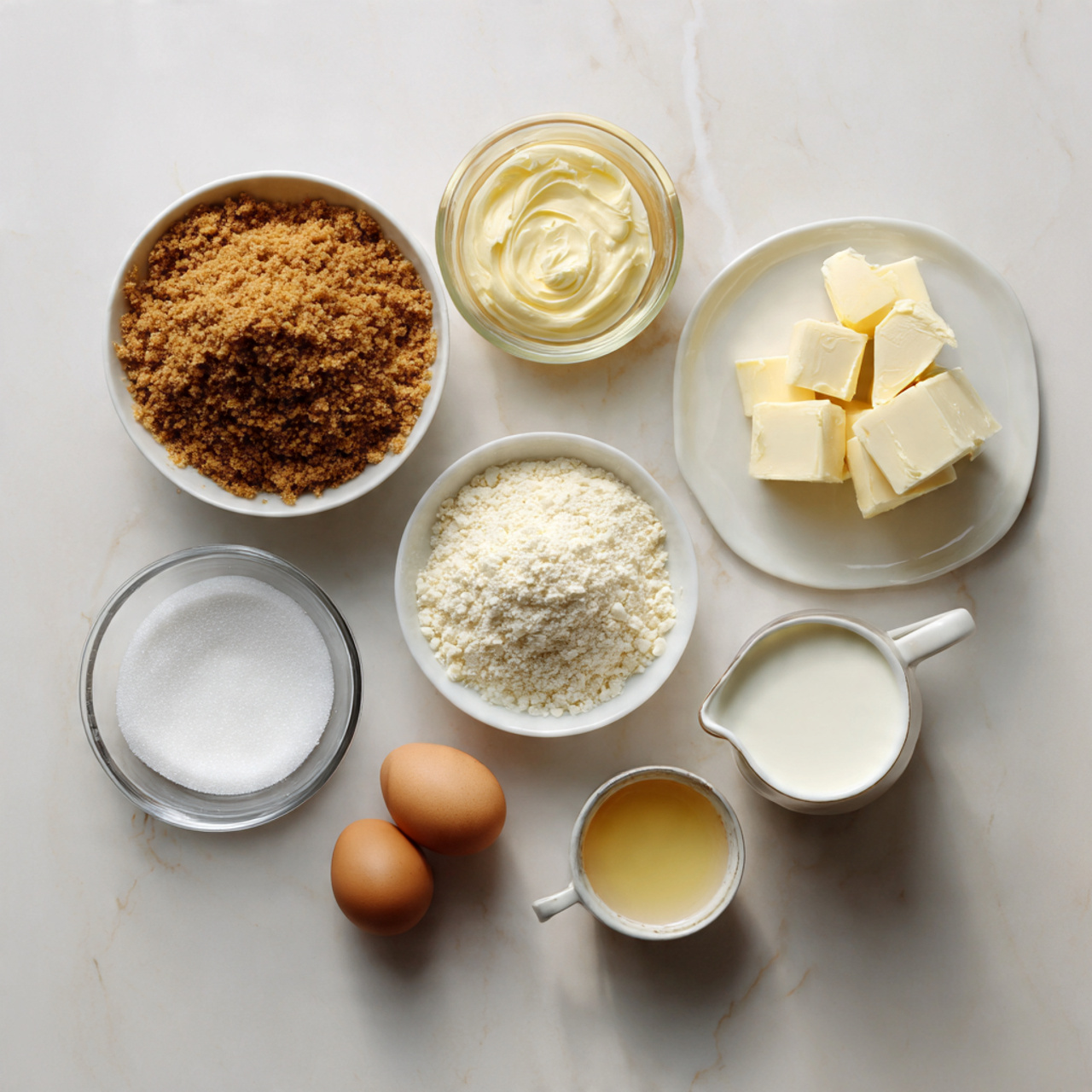
For the Biscuit Base
- 200g digestive biscuits (crushed to fine, even crumbs)
- 100g unsalted butter (melted)
For the Cheesecake Filling
- 400g cream cheese (full-fat, softened to room temperature — this is non-negotiable for a smooth result)
- 3/4 cup granulated sugar
- 2 large eggs (room temperature)
- 1 tsp vanilla extract (pure, not imitation)
- 1/2 cup heavy cream
The buttery biscuit base provides the structure and gentle snap that grounds every bite, while the cream cheese filling brings that unmistakable tang and richness that makes this worth making again and again. Together, they balance beautifully — neither one overpowers the other.
How to Make Cheesecake Bars — Step-by-Step
Step 1: Build and Chill the Biscuit Base
Preheat your oven to 180°C (350°F) and line a square or rectangular baking pan with parchment paper, leaving an overhang on two sides so you can lift the whole slab out easily after chilling. Combine the crushed digestive biscuits with the melted butter and stir until every crumb is coated and the mixture holds together when you press it — it should feel like damp sand. Press it firmly and evenly into the base of the pan, making sure the corners are packed as tightly as the center. Refrigerate for 10 minutes while you prepare the filling.
Don’t worry if the surface looks a little rough at first — the flat bottom of a measuring cup or glass is excellent for pressing it perfectly smooth.
Step 2: Beat the Cream Cheese and Sugar Until Silky
Add the softened cream cheese and sugar to a large mixing bowl. Beat together on the lowest speed until the mixture is completely smooth with no traces of lumps — this takes about 2 minutes. Starting on low is important here: high speed introduces air into the batter, and air is the main reason cheesecake bars crack during baking. The mixture should look thick and glossy before you move to the next step.
Step 3: Add the Eggs One at a Time
Add the eggs one at a time, mixing gently between each addition until just incorporated. You’re not building volume — you’re simply folding them into the batter. Add the vanilla extract once both eggs are in and mix until just combined. The batter should look smooth and slightly pourable at this stage.
Don’t worry if the mixture seems a little loose — that’s exactly where it should be before the cream goes in.
Step 4: Fold in the Cream and Pour Over the Base
Using a spatula, fold the heavy cream into the filling with slow, gentle strokes rather than beating it. This adds a touch of lightness to the texture without filling the batter with air. Pour the mixture evenly over the chilled biscuit base and use the back of a spoon to level the surface. Tap the pan firmly against the counter three or four times to coax out any air bubbles hiding beneath the surface.
Step 5: Bake, Cool, and Chill
Bake for 28–32 minutes. The edges should look set and slightly puffed, and the center should still carry a gentle, uniform wobble when you nudge the pan — the kind of movement that resembles set jelly rather than liquid. Remove from the oven and allow it to cool completely at room temperature before refrigerating. Chill for a minimum of 2 hours, though overnight is where these bars really come into their own. Slice with a warm, clean knife for neat, bakery-style cuts.
Perfecting This Recipe
- Room temperature cream cheese is essential. Cold cream cheese never fully breaks down during mixing and leaves micro-lumps in the filling that survive the oven. Give it at least 45–60 minutes on the counter before you start.
- Keep everything on low speed throughout the filling steps. The goal is smoothness, not volume. Every unnecessary spin of the beaters is an invitation for air — and air means cracks.
- Don’t skip the base-chilling step. Ten minutes in the fridge firms up the biscuit base enough to hold a clean separation from the filling. Skip it and the filling seeps into the crumbs.
- Trust the wobble test, not the timer. Ovens vary. The center of your bars should still shake gently when done — pull them before they look completely set, because the residual heat will finish the job.
- Cool the bars fully at room temperature before refrigerating. Moving a hot cheesecake directly into the cold fridge causes uneven setting and condensation on the surface.
Common Mistakes to Avoid
Using cream cheese straight from the fridge — Cold cream cheese doesn’t blend smoothly no matter how long you beat it. The result is a filling with small, persistent lumps that remain visible after baking. Always soften it at room temperature first.
Mixing on high speed — Speed is the enemy of a smooth cheesecake. High speed traps air in the batter, and that air expands in the oven and cracks the surface. Switch to the lowest setting the moment the cream cheese goes into the bowl and don’t go higher at any point.
Pouring filling over a warm base — If you skip the 10-minute chill after pressing the biscuit base, the warm butter makes the base too soft to hold its structure. The layers blend together and you lose the clean contrast between crust and filling.
Overbaking past the wobble — A cheesecake that looks completely still and set in the oven is already overdone. It will be dry at the edges and possibly cracked. Remove it while the center still wobbles and let carryover heat do the rest.
Slicing before it has fully chilled — Cutting into these bars before they’ve had at least 2 hours in the fridge gives you a filling that’s too soft to hold a clean edge. Patience here is the difference between neat, impressive slices and messy ones.
Add Your Touch
- Stir the zest of one lemon or lime into the filling before baking for a citrusy brightness that cuts beautifully through the richness.
- Scatter a layer of fresh or frozen berries across the biscuit base before adding the filling — they sink slightly into the cheesecake as it bakes and create a fruity surprise in each slice.
- Swap digestive biscuits for crushed Oreos or chocolate graham crackers to turn the base into something darker and more indulgent.
- Swirl 2–3 tablespoons of raspberry jam through the surface of the filling just before baking for a striking visual finish and a jammy hit of flavor.
- Add a pinch of cinnamon and a tablespoon of dark brown sugar to the biscuit base for a warmer, spiced crust that pairs especially well with stone fruit toppings.
- Drizzle salted caramel or melted dark chocolate over the fully chilled bars just before serving for an easy, impressive finish.
Visit Also: Milk Cake
What to Serve With This
A strong cup of coffee or a pot of tea is the most natural pairing — the slight bitterness plays off the sweetness of the bars without competing with the cream cheese flavor.
A scattering of fresh berries on the side keeps things bright and light, and the acidity balances the richness of the filling in a way that feels intentional rather than accidental.
These bars hold their own on a dessert board alongside brownies, shortbread, and small chocolate treats — they bring a creamy contrast to anything crumbly or crunchy nearby.
For a more composed plating, serve two bars on a small plate with a loose berry compote spooned alongside and a dusting of powdered sugar.
They also make a reliable packed dessert — wrap each bar individually and they’ll travel to school, work, or a picnic without any fuss.
Storing and Serving
Fridge Store cheesecake bars in an airtight container in the refrigerator for up to 4 days. If stacking, lay a sheet of parchment between layers to prevent them from sticking together.
Freezer Wrap each bar individually in plastic wrap, then place in a freezer-safe container or zip bag. They freeze well for up to 2 months. Thaw overnight in the fridge — not at room temperature, as the filling can turn watery during rapid defrosting.
Reheating These are best served cold or at room temperature. No reheating needed. If they’ve come straight from the fridge, letting them sit out for 10–15 minutes before eating softens the texture slightly and brings out more of the vanilla flavor.
Make-Ahead Tip These bars are ideal for making the night before. After baking, allow them to cool completely, cover the pan, and refrigerate overnight. The flavor is noticeably better after a full rest, so making ahead is genuinely the recommended approach rather than just a convenient one.
Servings This recipe yields approximately 9–12 bars, depending on how you slice the tray.
Nutrition (Approximate Per Serving)
- Calories: ~270
- Total Fat: 18g
- Saturated Fat: 11g
- Carbohydrates: 22g
- Sugar: 14g
- Protein: 5g
- Sodium: 180mg
Nutritional values are approximate and may vary based on specific ingredients and brands used.
Chef’s Helpful Tips
- Room temperature is not optional. Both the cream cheese and the eggs should sit on the counter for 45–60 minutes before you start mixing. Cold ingredients resist blending and leave you with a filling that never quite reaches that silky consistency.
- Line the pan with a generous overhang of parchment on all four sides. This lets you lift the entire slab cleanly out of the pan before slicing — which gives you far more control and cleaner cuts than trying to work inside the tray.
- Wipe your knife with a warm, damp cloth between every single cut. A clean, warm blade glides through the chilled filling; a cold or dirty one drags and tears the edges.
- If the surface of your filling begins to take on color before the center has set, loosely tent the pan with foil and continue baking. The filling should stay pale cream throughout — browning on top means the heat is moving too fast.
- If the filling still feels too soft after 2 hours of chilling, give it another hour. Some refrigerators run warmer than others, and an extra rest is always the right solution rather than rushing to the cutting board.
Frequently Asked Questions
Q1. Can I make cheesecake bars ahead of time? Yes — and honestly, you should. The flavor deepens and the texture firms up considerably after a full night in the fridge, making the next-day version noticeably better than the same-day one. Make them the evening before, cover the pan, and slice in the morning when you’re ready to serve.
Q2. Why did my cheesecake bars crack on top? Cracks are almost always caused by too much air in the batter, baking at too high a temperature, or leaving them in the oven past the wobble stage. Mix everything on the lowest setting, pull the bars while the center still jiggles slightly, and you’ll rarely see a crack. If one does appear, a drizzle of chocolate or a handful of berries covers it without anyone knowing.
Q3. Can I use low-fat cream cheese? You can, but the result will be noticeably less creamy — the filling tends to feel slightly grainy and less rich after baking. If you want a lighter version, try replacing just a third of the cream cheese with a reduced-fat alternative rather than substituting it entirely. Full-fat is what gives these their signature texture.
Q4. Are these suitable for a potluck or bake sale? They’re one of the best options you can bring to either. They slice into neat, portable portions, hold their shape for a couple of hours at room temperature, and travel well in a covered container. Make them the evening before, slice them in the morning, and they’ll be the first thing to disappear from the table.
Q5. Can I freeze cheesecake bars? Absolutely. Wrap each bar individually in plastic wrap and store in a freezer-safe container for up to 2 months. When you’re ready to eat, thaw them overnight in the fridge. The texture holds up remarkably well — they come out smooth and creamy, almost as if they were freshly made.
Conclusion
There’s something quietly satisfying about a recipe that does exactly what it promises without asking anything complicated in return. These cheesecake bars are that kind of recipe — reliable, flexible, and the sort of thing that earns a permanent spot in your rotation without you even deciding it consciously. A few simple ingredients, a gentle hand, and some patience while they chill is all it takes to end up with something that slices cleanly, travels well, and disappears fast.
Make them your own. Add citrus, try a different crust, scatter berries across the top, or keep them exactly as written. However you make them, they’re going to be good — and they’re going to be better the next day. Share them with someone who appreciates a well-made dessert, and don’t be surprised when they quietly ask you for the recipe.
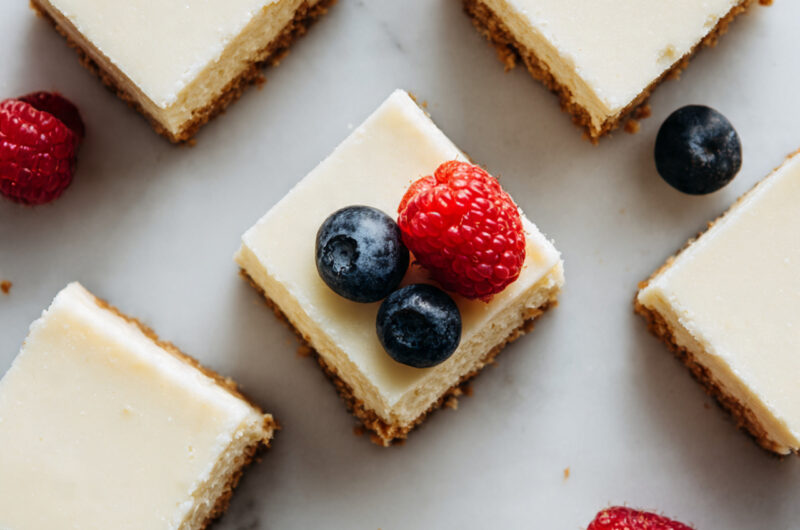
Creamy Cheesecake Bars
Course: Uncategorized4
servings15
minutes30
minutes270
kcal2
hours45
minutesSilky-smooth and generously rich, these bars sit on a firmly pressed buttery biscuit crust and chill to a clean-slicing perfection. Simple enough for a weeknight, impressive enough to bring anywhere — and always better the next day.
Ingredients
For the Biscuit Base:
200g digestive biscuits, crushed to fine crumbs
100g unsalted butter, melted
For the Cheesecake Filling:
400g full-fat cream cheese, softened
3/4 cup granulated sugar
2 large eggs
1 tsp vanilla extract
1/2 cup heavy cream
Directions
- Preheat oven to 180°C (350°F). Line a square or rectangular baking pan with parchment paper, leaving an overhang on two sides.
- Combine crushed biscuits and melted butter. Press firmly into the base of the pan. Refrigerate for 10 minutes.
- Beat softened cream cheese and sugar together on low speed until completely smooth and lump-free, about 2 minutes.
- Add eggs one at a time, mixing gently between each. Add vanilla extract and mix until just combined.
- Fold in heavy cream with a spatula until just incorporated.
- Pour filling over the chilled base. Smooth the surface and tap the pan against the counter to release any air bubbles.
- Bake for 28–32 minutes until edges are set and the center wobbles slightly when gently nudged.
- Cool completely at room temperature, then refrigerate for at least 2 hours before slicing.
- Slice with a warm, clean knife, wiping between each cut for neat edges.