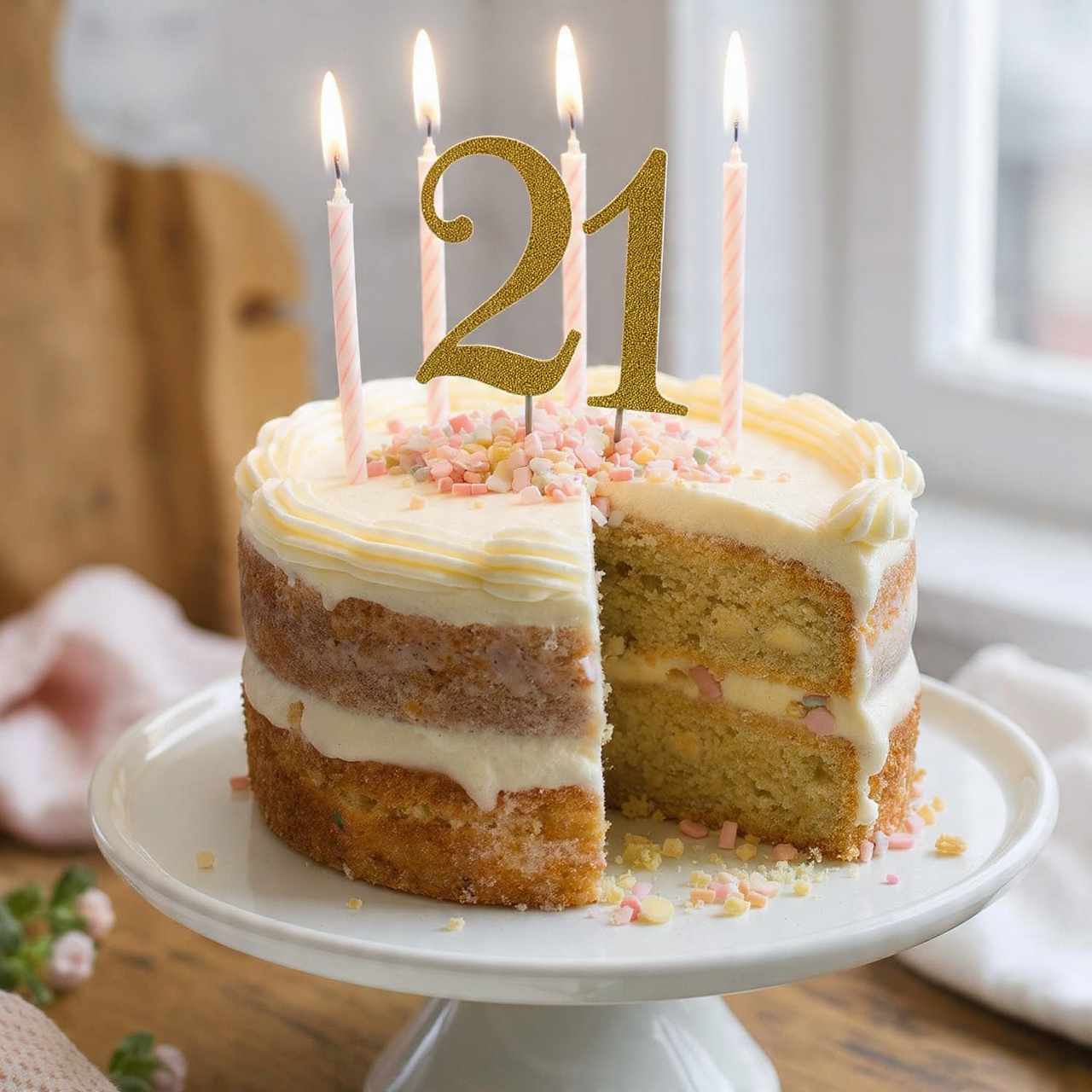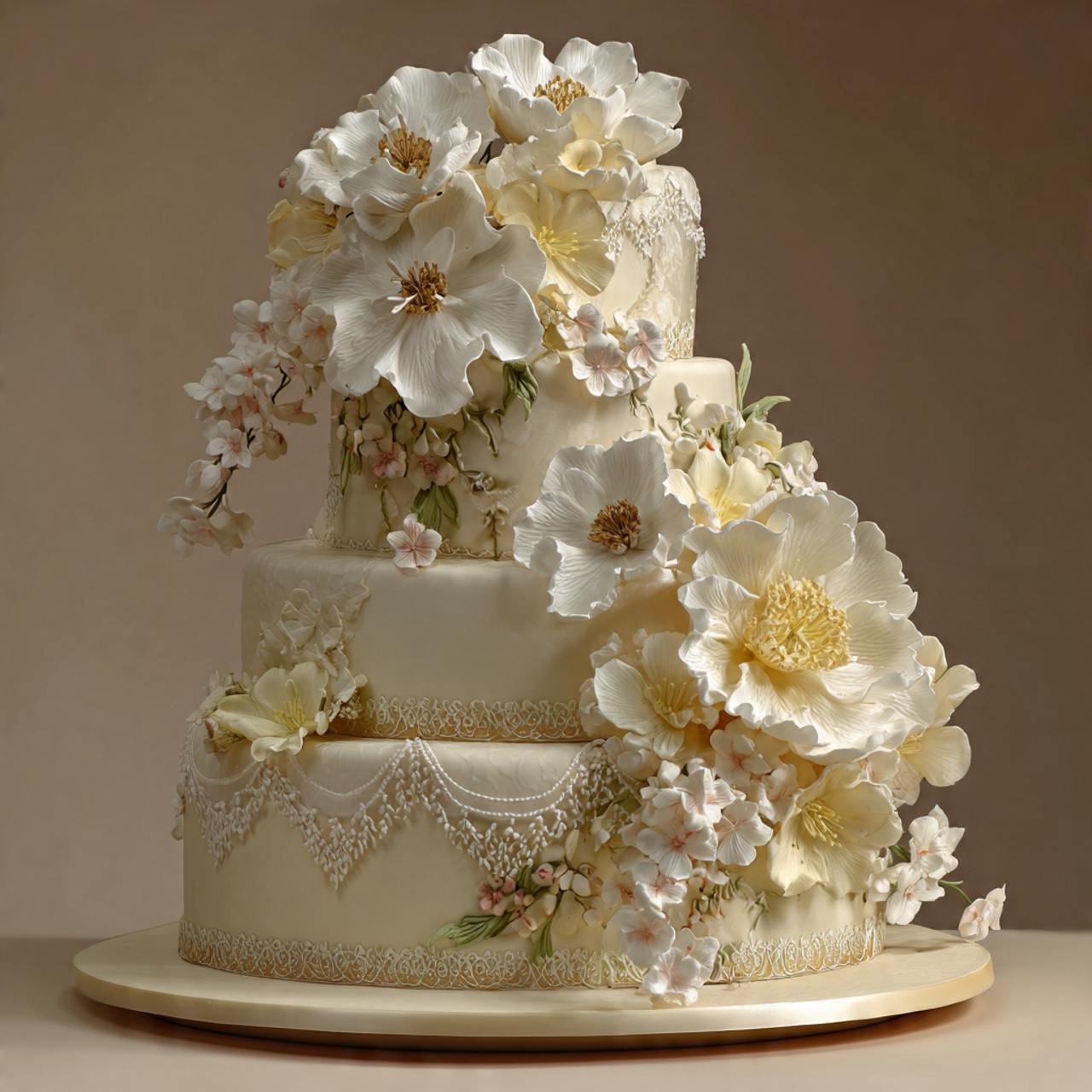
The Softest White Cake Recipe That Stays Fluffy From First Slice to Last
Most white cakes come out of the oven dense and slightly rubbery — and the culprit is almost always the same thing: cold butter that never gets a proper cream and whole eggs weighing down the batter. This white cake recipe fixes both of those problems before they start, and the result is a crumb so tender and light it melts the moment it hits your tongue.
Close your eyes and picture this: a slice that pulls apart gently at the fork, pale and soft right through to the center, with a warm vanilla fragrance that filled your kitchen while it baked. The flavor is clean and delicately sweet — not heavy, not cloying, just that perfect gentle sweetness that makes you reach for a second slice before you’ve finished the first.
Whether you’re baking for a small birthday celebration, a relaxed afternoon tea, or a casual family dinner that deserves something a little special, this recipe is ready for all of it. It uses everyday pantry ingredients and comes together in under an hour, which makes it one of the best easy white cake recipes to have on rotation. Ready? Let’s bake.
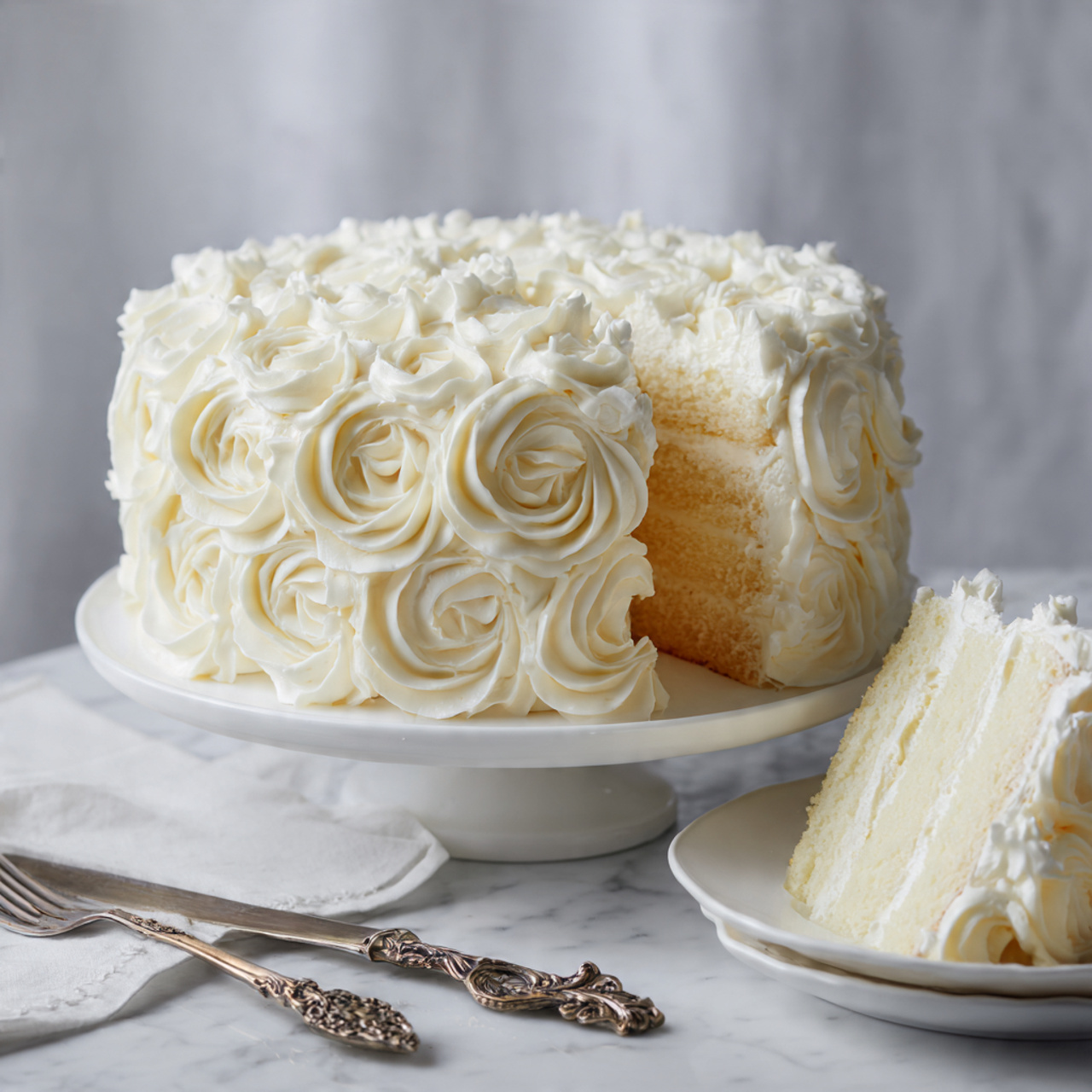
Why You’ll Love This Recipe
It Has That Signature Pillowy, Light Texture
White cake lives and dies by its crumb, and this one delivers. Using egg whites instead of whole eggs keeps the batter airy and prevents the yolk fat from making the cake heavy. Pair that with properly creamed butter and you get a texture that’s genuinely soft rather than just tolerable.
The Vanilla Flavor Is Gentle and Beautifully Balanced
This isn’t a sugar-bomb cake that overwhelms after a bite or two. The vanilla comes through in a warm, subtle way that makes it a perfect partner for almost any topping — fresh berries, whipped cream, a simple dusting of powdered sugar, or nothing at all.
It Comes Together Quickly with Everyday Ingredients
There’s no specialty flour, no unusual extracts, and no extra trip to any particular store. Everything you need is most likely already in your kitchen, and the batter takes about ten minutes to pull together from start to finish.
The Portion Size Is Made for Real Life
This recipe yields four generous servings, which means no mountain of leftovers and no pressure to eat cake for a week straight. It’s just the right amount for a small household dinner or a cozy, low-key gathering.
It’s a Versatile Classic That Works with Any Topping
A good homemade white cake is the most adaptable thing you can keep in your baking repertoire. Dress it up with cream and fruit for an elegant finish, or serve it plain beside your afternoon coffee. The mild, clean base welcomes whatever direction you take it.
Ingredients
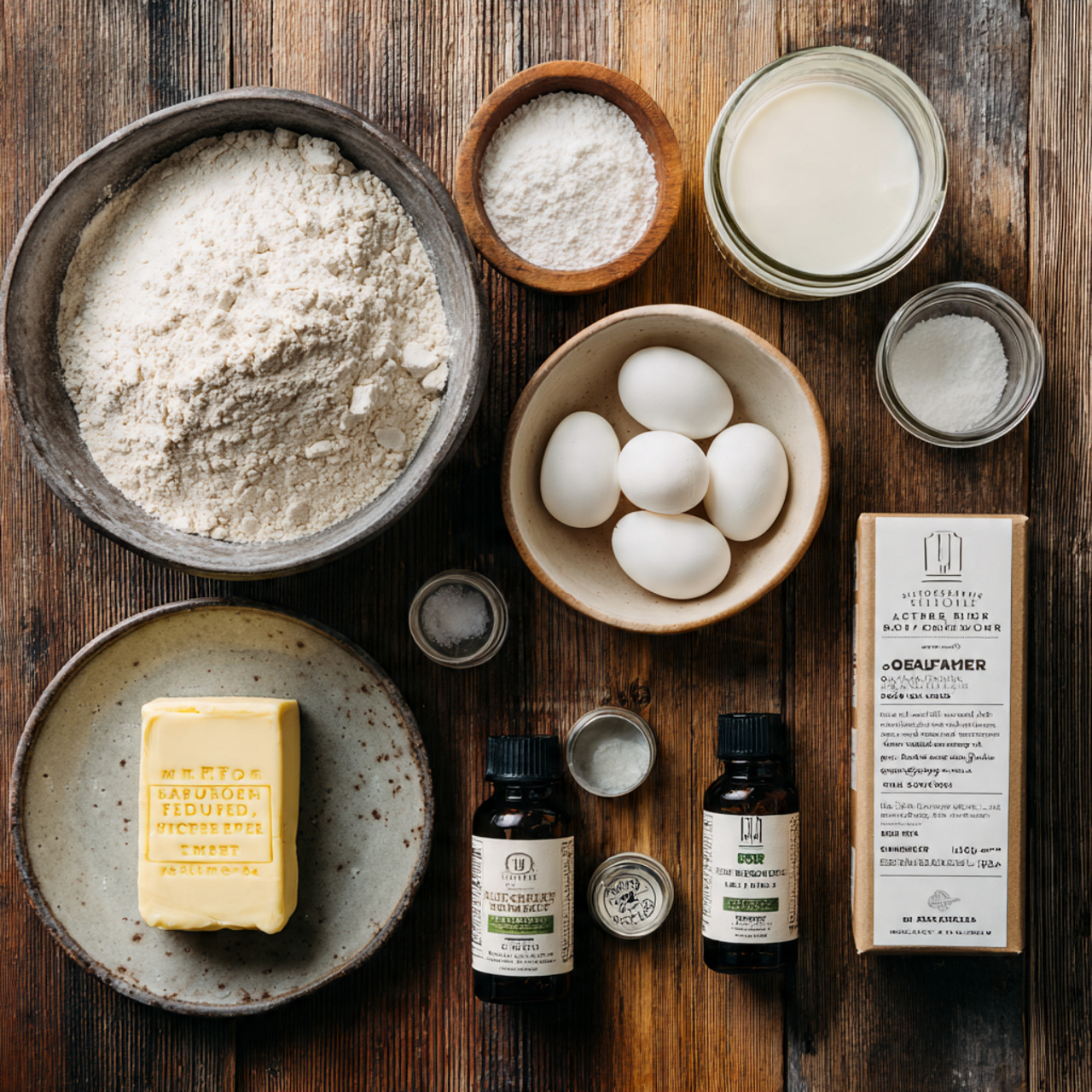
For the Cake
- 1 cup all-purpose flour
- ¾ cup sugar
- ½ cup milk (whole milk gives the richest crumb, but any dairy milk works well)
- ¼ cup unsalted butter, softened (genuinely room temperature — this matters more than it sounds)
- 2 large egg whites (fresh, not from a carton)
- 1 teaspoon vanilla extract (pure, not imitation, for the cleanest flavor)
- 1 teaspoon baking powder
- ¼ teaspoon salt
The egg whites and softened butter work together to create the lightness that defines this cake. The flour and milk provide the structure and moisture that keep each slice tender without tipping into dense territory.
How to Make White Cake — Step-by-Step
Step 1: Prep Your Pan and Gather Your Dry Ingredients
Preheat your oven to 350°F (175°C) and lightly grease a small cake pan. In a medium bowl, whisk together the flour, baking powder, and salt, then set that bowl aside. Getting your dry ingredients combined ahead of time means the actual batter mixing is smooth and unhurried once you start.
Step 2: Cream the Butter and Sugar Until Pale and Fluffy
Add the softened butter and sugar to a large bowl and beat them together for about 2 to 3 minutes, until the mixture looks noticeably lighter in color and feels airy rather than grainy. Don’t worry if it looks crumbly in the first 30 seconds — keep going and it will come together into something pale and soft.
Step 3: Add the Egg Whites and Vanilla
Pour in the egg whites and vanilla extract, then mix on low until just blended and the batter looks smooth. The mixture will smell wonderfully sweet at this point. Don’t worry if it looks slightly broken or curdled — that’s normal, and it will even out completely once the flour and milk are folded in.
Step 4: Alternate the Flour and Milk Into the Batter
Add the flour mixture and milk in alternating batches — a third of the flour first, then half the milk, then flour again, and so on, ending with the last of the flour. Stir gently after each addition and stop as soon as you can no longer see any dry streaks. The finished batter should look smooth, pale, and creamy.
Step 5: Bake Until Golden and Set
Pour the batter into your prepared pan and bake for 22 to 25 minutes. You’ll know it’s done when the top is lightly golden and a toothpick inserted in the center comes out completely clean. Let the cake rest in the pan for 10 to 15 minutes before slicing — the crumb is still setting during that time, and cutting in too early leads to a sticky, uneven texture instead of that clean, soft pull you’re after.
Perfecting This Recipe
- Make sure your butter is genuinely soft before you begin. Press it with a fingertip — it should leave an easy impression. Cold butter won’t aerate properly during creaming, and you’ll feel the difference in the final crumb.
- Always alternate the flour and milk when mixing them into the batter. This method keeps the gluten development balanced and prevents the batter from becoming either too stiff or too loose.
- Stop mixing the moment the flour disappears. Overworking the batter past that point develops too much gluten and turns a tender cake into a bouncy, chewy one.
- Let the cake cool before adding any topping. A warm cake will melt whipped cream on contact and cause any frosting to slide right off.
- If your oven tends to run hot, start checking at the 20-minute mark. The edges should just be starting to pull away from the sides of the pan, and the top should be pale gold rather than deep brown.
Common Mistakes to Avoid
- Using cold butter: Cold butter won’t cream with the sugar the way it needs to, leaving you with a heavy, uneven crumb instead of something light. Give the butter a full 30 minutes at room temperature before you start — it makes a real difference.
- Substituting whole eggs for egg whites: Egg yolks add fat and density to the batter, which changes both the texture and the characteristic white color of the cake. Stick with whites only and you’ll get that signature airy, pale crumb.
- Overmixing after the flour goes in: Once the flour enters the bowl, the goal is just to combine everything. Every extra stir after that point builds more gluten than you want, and the result is a cake that chews rather than melts.
- Opening the oven door too early: Peeking during the first 18 minutes lets heat escape and can cause the center to sink before it has a chance to set. Set a timer and leave the door closed until you’re truly ready to check.
- Slicing before the cake has cooled: The crumb is still firming up as the cake rests. Cutting into it too soon gives you a gummy, sticky texture instead of a clean, soft slice. Give it those 10 to 15 minutes — it’s worth the wait.
Add Your Touch
- Stir a teaspoon of lemon zest into the batter for a bright, citrusy version that’s especially good topped with fresh blueberries.
- A small amount of almond extract alongside the vanilla adds a subtle warmth that gives the whole cake a slightly more bakery-style depth of flavor.
- Fold a handful of mini white chocolate chips into the finished batter just before baking for something a little more indulgent.
- Replace the vanilla with coconut extract and top the finished cake with toasted coconut flakes for a tropical variation that’s simple but striking.
- Oat milk or almond milk works beautifully in place of regular milk if you prefer a dairy-light version — the texture and rise hold up just as well.
Visit Also: Butterfly Cake
What to Serve With This
- Fresh strawberries sliced over the top with a spoonful of whipped cream make an elegant, effortless pairing that keeps the whole plate feeling light.
- A scoop of vanilla ice cream beside a warm slice turns this into a proper dessert that feels genuinely celebratory without much extra effort.
- Brew a pot of English breakfast tea or a light floral herbal blend — the gentle vanilla flavor in the cake is a natural, lovely match for both.
- A slow drizzle of honey and a handful of slivered toasted almonds add an easy, unexpected finishing touch that looks more impressive than it is.
- Cube the cooled cake and layer it in glasses with cream and seasonal fruit for a quick, no-fuss trifle that can be assembled in minutes.
Storing and Serving
Fridge Place leftover slices in an airtight container and refrigerate for up to three days. Press a small piece of plastic wrap directly against any cut surfaces to prevent the crumb from drying out.
Freezer This cake freezes exceptionally well. Wrap individual slices tightly in plastic wrap, place them in a freezer-safe bag or container, and freeze for up to two months. The texture holds up beautifully and thaws without any loss of quality.
Reheating Warm a slice in the microwave for 10 to 15 seconds to revive the soft, pillowy texture and bring back the gentle vanilla aroma. Alternatively, warm it in a low oven at 300°F (150°C) for about 5 minutes if you prefer.
Make-Ahead Tip This cake can be baked a full day in advance. Let it cool completely, cover it tightly, and leave it at room temperature until you’re ready to serve. The flavor actually settles and deepens slightly overnight, making it taste even more cohesive the next day.
Servings This recipe yields approximately 4 generous slices or up to 6 smaller portions.
Nutrition (Approximate Per Serving)
- Calories: 385
- Total Fat: 12g
- Saturated Fat: 7g
- Carbohydrates: 62g
- Sugar: 38g
- Protein: 4g
- Sodium: 150mg
Nutritional values are approximate and may vary based on specific ingredients and brands used.
Chef’s Helpful Tips
- Room temperature ingredients are the foundation of a good batter here — they allow the butter to aerate properly and everything to blend smoothly without any lumps or separation.
- The alternating method for adding flour and milk is a small extra step that pays off in texture. Think of it as insurance against a heavy or uneven crumb.
- For clean, neat slices, use a sharp knife and wipe the blade between each cut. It’s a small habit that makes the finished plate look far more pulled together.
- If the top of your cake starts to brown faster than expected, lay a loose tent of aluminum foil over the pan for the last few minutes of baking to even things out.
- Always use pure vanilla extract rather than imitation — in a cake where vanilla is genuinely the star flavor, the quality comes through.
Frequently Asked Questions
Q1. Can I make this white cake recipe ahead of time? Absolutely, and it’s actually a great idea. This white cake improves slightly when baked the day before — the flavor settles and becomes a little more cohesive overnight. Let it cool completely, cover it tightly, and leave it at room temperature. Add any toppings or fresh fruit just before serving so everything stays at its best.
Q2. Can I substitute the milk with a non-dairy alternative? Yes, and it works really well. Oat milk and almond milk are both solid choices here. The cake stays light, rises properly, and the vanilla flavor comes through just the same. Avoid anything heavily sweetened or strongly flavored — like sweetened coconut milk — unless you actually want that flavor to come through in the finished cake.
Q3. Is this beginner-friendly? Very much so. The technique is straightforward, the ingredient list is short, and the steps are easy to follow even if you haven’t baked a cake before. The most important thing to get right is fully softening the butter ahead of time — beyond that, the recipe is genuinely forgiving.
Q4. Can I double the recipe to serve more people? Yes, doubling works without any change to the method. Use a slightly larger pan and expect the baking time to extend a little — start checking around the 27 to 28-minute mark. Keep the mixing gentle throughout, especially when folding in the flour, even with a larger batch.
Q5. Can I freeze this cake? Definitely. Wrap individual slices snugly in plastic wrap and store them in a freezer bag for up to two months. They thaw beautifully at room temperature in about an hour, and the texture holds up surprisingly well — you’d never guess they came straight from the freezer.
Conclusion
There’s something genuinely satisfying about a white cake that does exactly what it’s supposed to — a soft, clean crumb, that quiet vanilla warmth, the kind of slice that disappears from the plate before you’ve had time to think about it. This recipe earns its place in regular rotation not because it’s impressive or complicated, but because it’s dependable. You’ll know what to expect every single time you make it, and that kind of reliability in baking is worth more than most people give it credit for.
Dress it up, keep it simple, or turn it into a little trifle for a spontaneous gathering — this cake has a way of feeling exactly right no matter how you serve it. Try it this weekend, make it your own with a twist you love, and don’t be surprised when the people around your table start asking when you’re baking it again.
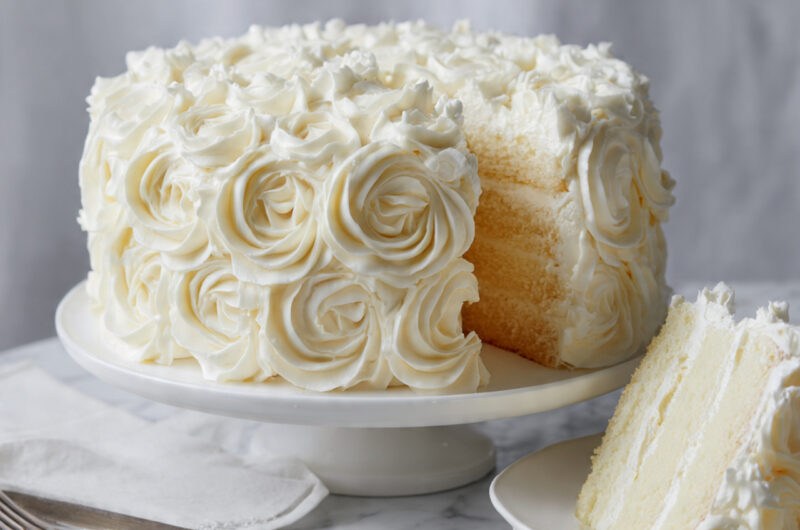
Soft and Fluffy White Cake
Course: Cake, Trending Cake4
servings10
minutes22
minutes385
kcal45
minutesA tender, pillow-soft white cake with a clean vanilla flavor and delicate crumb — ideal for birthdays, afternoon tea, or any occasion that deserves something genuinely homemade.
Ingredients
1 cup all-purpose flour
¾ cup sugar
½ cup milk
¼ cup unsalted butter, softened
2 large egg whites
1 teaspoon vanilla extract
1 teaspoon baking powder
¼ teaspoon salt
Directions
- Preheat oven to 350°F (175°C). Lightly grease a small cake pan.
- Whisk flour, baking powder, and salt together in a medium bowl. Set aside.
- Beat softened butter and sugar until pale and fluffy, about 2–3 minutes.
- Add egg whites and vanilla; mix until smooth.
- Alternate adding flour mixture and milk in batches, stirring gently until just combined.
- Pour batter into prepared pan. Bake for 22–25 minutes until the top is lightly golden and a toothpick comes out clean.
- Cool in pan for 10–15 minutes before slicing.