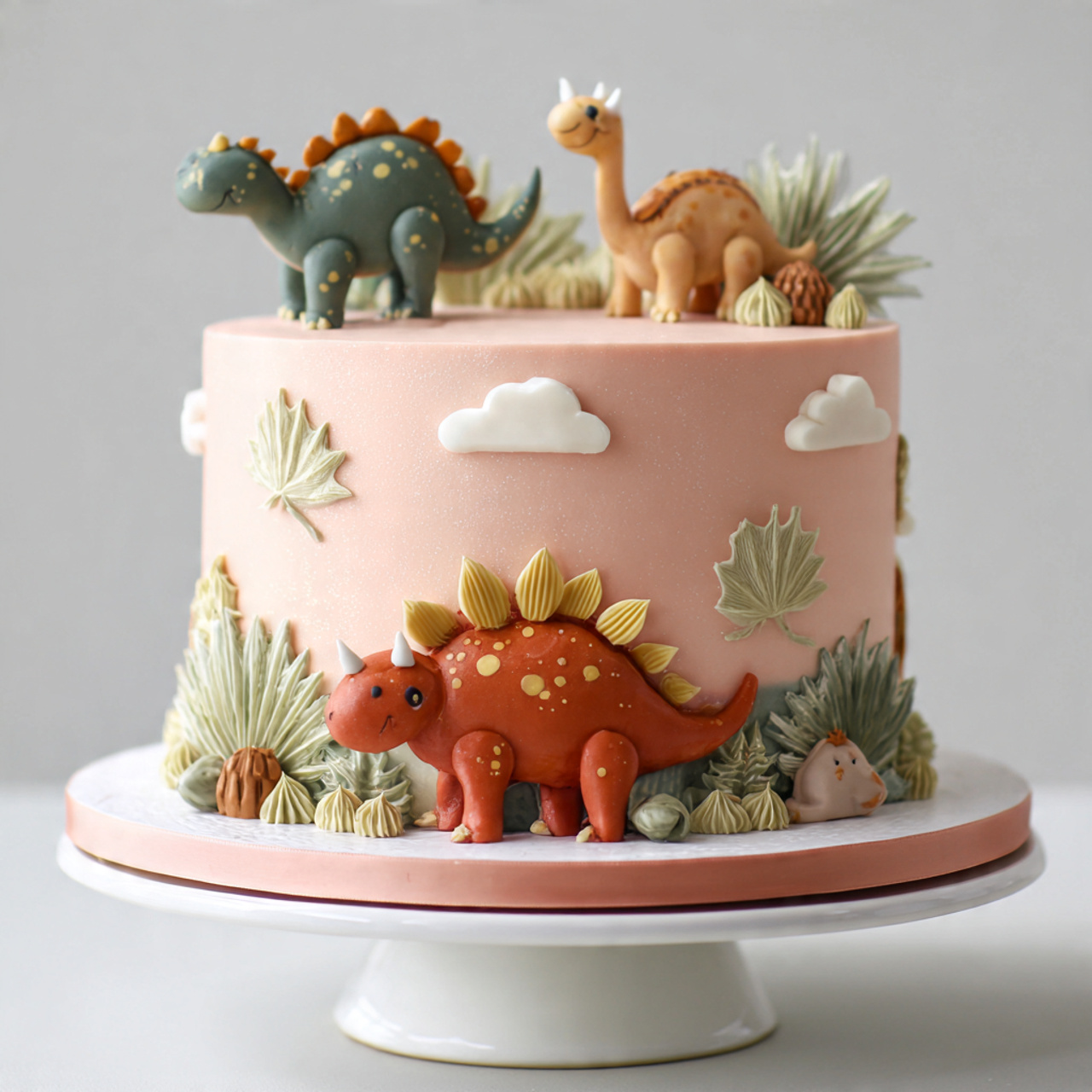
The Cutest Easy Dinosaur Cake Kids Will Absolutely Adore
Most dinosaur cakes you see online are stunning — and completely out of reach for anyone without a piping bag and three hours to spare. That’s exactly why this recipe exists: to give you a dinosaur cake that looks playful and impressive without making you feel like you need a culinary degree to pull it off. The batter comes together in one bowl, the decorating is joyfully freeform, and the result is exactly as cute as it sounds.
Once it comes out of the oven, you’re working with a tender, golden sponge that smells like warm vanilla and butter straight from the pan. The crumb is soft and springy — the kind of cake that holds its shape beautifully under frosting without feeling heavy or dry. Swirl on the buttercream in your favorite shade of green, press in a few candy spikes along the top, and a simple homemade cake transforms into something that earns gasps the moment it hits the table.
This dinosaur birthday cake is made for birthdays, naturally, but it’s just as welcome at a themed playdate, a casual weekend bake with kids, or a fun Saturday afternoon that calls for something a little more creative than the usual. If you’ve been searching for an easy birthday cake that skips the stress while keeping all the magic, you’ve found it. Let’s get into it.
Why You’ll Love This Recipe
It Comes Together Without Any Fuss
The batter takes about fifteen minutes to mix, and the steps are genuinely simple from start to finish. You don’t need a stand mixer, special equipment, or any unusual ingredients — just one bowl, a hand mixer, and things most home bakers already keep in the pantry.
The Texture Is Soft and Perfectly Moist
Every slice has a light, springy crumb that holds up beautifully under a thick layer of creamy buttercream. It’s not too dense, not too crumbly — just that sweet, tender texture that disappears fast at any party table.
Kids Can Help From Start to Finish
Measuring, pouring, and especially decorating — little hands can be part of every single step. Choosing frosting colors, pressing in candy spikes, and sprinkling on toppings makes this one of those baking projects that kids genuinely remember long after the last slice is gone.
The Flavor Is Sweet, Balanced, and Crowd-Pleasing
The base is a classic vanilla sponge paired with a rich, buttery buttercream — familiar enough to please everyone at the table, but polished enough to feel like something special. It’s the kind of flavor combination that works for every age at the party.
It Scales Up or Down Without Any Fuss
Feeding twelve birthday guests? Double the recipe easily. Baking for a small family of four? It halves beautifully. Either way, the texture and flavor stay perfectly consistent, which is exactly what you want from a reliable kids birthday cake.
Ingredients
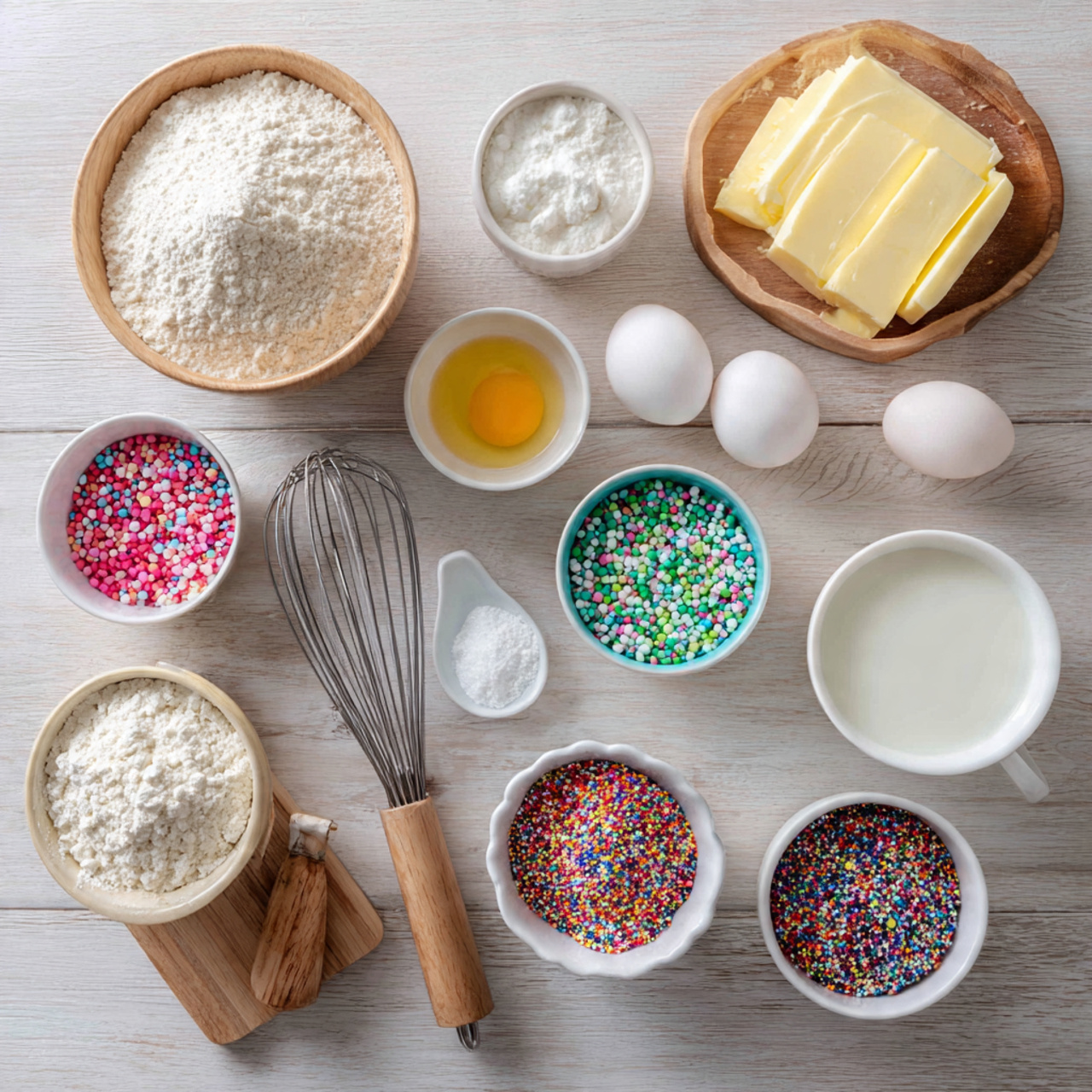
For the Cake
- 1 cup all-purpose flour
- 1 tsp baking powder
- 1/4 tsp salt
- 1/2 cup unsalted butter, softened (room temperature is essential — pull it out 30–45 minutes before you start)
- 1/2 cup granulated sugar
- 2 large eggs
- 1 tsp pure vanilla extract (use pure, not imitation, for the cleanest flavor)
- 1/4 cup whole milk (or your preferred dairy-free alternative)
For the Buttercream Frosting
- 1/2 cup unsalted butter, softened
- 1 1/2 cups powdered sugar, sifted (sifting prevents lumps in the final frosting)
- 1–2 tbsp whole milk (add one tablespoon at a time — you control the consistency)
- Green gel food coloring (gel gives a more vibrant, true color than liquid drops)
For Decorating
- Sprinkles, small candies, or chocolate chips
- Optional: candy-coated chocolates for dino scales, gummy candies for eyes, or fruit leather cut into spiky shapes
The mild vanilla sponge pairs beautifully with the sweet, buttery frosting — keeping the base flavor simple lets the festive decorating take center stage without anything competing.
How to Make Dinosaur Cake — Step-by-Step
Step 1: Prep Your Pan and Preheat the Oven
Preheat your oven to 350°F (175°C). Lightly grease an 8-inch round or square baking pan, then line the bottom with a piece of parchment paper. Don’t worry if your parchment isn’t lying perfectly flat — a wrinkle or two won’t affect the cake at all, but that liner makes removing the finished cake clean and effortless.
Step 2: Cream the Butter and Sugar
In a large mixing bowl, beat the softened butter and granulated sugar together on medium speed for 2–3 minutes, until the mixture looks noticeably pale and fluffy. This step builds the air pockets that give your cake its light, tender crumb, so give it the full time rather than rushing through it. Add the eggs one at a time, beating after each addition, then mix in the vanilla extract.
Step 3: Add the Dry Ingredients and Milk
Sift the flour, baking powder, and salt together in a separate bowl. Add the dry mixture to the butter in two additions, alternating with the milk, and stir gently until just combined. The batter should look smooth and soft, not stiff. Don’t worry if it looks very slightly lumpy at this stage — those streaks will bake out completely and leave you with a beautifully even crumb.
Step 4: Bake Until Golden
Pour the batter into your prepared pan and smooth the top evenly with a spatula. Bake for 25–30 minutes, until the surface is a warm golden color and a toothpick inserted into the center comes out clean. The edges will pull away slightly from the sides of the pan — that’s your signal it’s done. Let the cake cool in the pan for 10 minutes, then transfer it to a wire rack and allow it to cool completely before you touch the frosting.
Step 5: Frost and Decorate Your Dinosaur Cake
Beat the softened butter until light and smooth, then add the sifted powdered sugar one cup at a time, mixing on low speed. Add the milk one tablespoon at a time until the frosting reaches a soft, spreadable consistency, then mix in the green gel food coloring until evenly tinted. Spread the buttercream generously over the fully cooled cake, then go to town with the decorations — candy spikes along the ridge, chocolate chip “scales,” swirls of contrast-colored frosting, or anything else that feels right. This is where the cake becomes truly yours.
Perfecting This Recipe
- Make sure your butter is genuinely at room temperature before starting — it should leave an indent when pressed but feel neither cold nor greasy.
- Sift your flour before measuring for a lighter, more consistent crumb. It’s one small step that makes a genuinely noticeable difference.
- Alternate the dry ingredients and milk in two additions rather than adding everything at once. This keeps the batter smooth and prevents overworking the gluten.
- Resist opening the oven door during the first 20 minutes of baking — a sudden drop in temperature can cause the center to sink slightly.
- Cool the cake completely before frosting. Even a just-warm surface will cause the buttercream to slide and melt.
- For cleaner decorating, chill the frosted cake for 10–15 minutes before pressing in candy decorations. The frosting firms up just enough to hold everything securely in place.
Common Mistakes to Avoid
- Using cold butter: Cold butter won’t cream properly with the sugar, so the cake won’t develop the light, airy lift it needs. Pull your butter out at least 30–45 minutes before you plan to start baking.
- Overmixing the batter: Once the flour goes in, stir only until the dry streaks disappear. Overmixing develops the gluten and turns a potentially tender cake into a dense, chewy one.
- Skipping the parchment paper: It takes thirty seconds and makes the difference between a cake that releases cleanly and one that tears or sticks to the bottom of the pan.
- Frosting a warm cake: This is the most common reason buttercream slides right off. Let the cake cool fully — and when you think it’s ready, give it another fifteen minutes to be safe.
- Adding too much milk to the frosting at once: Start with one tablespoon and adjust from there. Too much liquid makes the buttercream thin and nearly impossible to correct without adding more powdered sugar.
Add Your Touch
- Stir in a tablespoon of unsweetened cocoa powder for a chocolate-swirl sponge that pairs brilliantly with the green frosting.
- Add a pinch of cinnamon and a teaspoon of fresh lemon zest for a more aromatic, subtly citrusy flavor.
- Use chocolate buttercream instead of vanilla frosting for a “dark dinosaur” variation — the contrast of deep brown and bright candy toppings looks striking.
- Swap whole milk for full-fat coconut milk and add a drop of almond extract for a subtly tropical twist.
- Turn it into a layer cake by doubling the recipe, baking two layers, and sandwiching them with a generous spread of buttercream.
- Replace each egg with 1/4 cup unsweetened applesauce for an egg-free version that stays just as soft.
Visit Also: Vanilla Cake Recipe
What to Serve With This
Cold lemonade or fruit punch is the classic pairing for a birthday party spread and goes particularly well with the vanilla sweetness of the cake. A scoop of vanilla ice cream alongside each slice makes the whole dessert feel extra celebratory without any extra work. For a relaxed afternoon, warm mugs of hot chocolate or a mild chamomile tea make a lovely companion. A simple fresh fruit platter — strawberries, grapes, and orange slices — adds color to the table and balances the richness of the frosting beautifully. At a garden party or baby shower, sparkling lemonade in a large jug makes the whole spread feel instantly festive.
Storing and Serving
Fridge Store leftover cake, loosely covered or in an airtight container, in the refrigerator for up to 4 days. The frosting firms up when chilled, so allow slices to sit at room temperature for 10–15 minutes before serving for the best texture.
Freezer Unfrosted cake layers freeze well for up to 2 months. Wrap each layer tightly in plastic wrap, then place in a sealed freezer bag. Thaw overnight in the refrigerator before decorating. Fully frosted cake can also be frozen, though the decorations may shift slightly upon thawing.
Reheating This cake is best served at room temperature rather than reheated. If you prefer a slightly warm slice, microwave for 10–12 seconds only — any longer and the buttercream will begin to melt.
Make-Ahead Tip Bake the cake layer up to one day in advance, wrap it tightly in plastic wrap once cooled, and store at room temperature overnight. Prepare the frosting and decorate on the day of serving for the freshest, most vibrant result.
Servings This recipe yields approximately 8–10 generous slices.
Nutrition (Approximate Per Serving)
- Calories: 310
- Total Fat: 14g
- Saturated Fat: 8g
- Carbohydrates: 43g
- Sugar: 30g
- Protein: 4g
- Sodium: 125mg
Nutritional values are approximate and may vary based on specific ingredients and brands used.
Chef’s Helpful Tips
- Gel food coloring delivers a far more vivid, saturated green than liquid drops, and you need very little to reach a bright, bold tone. It’s worth keeping a few colors on hand.
- Always sift your powdered sugar before making the frosting — even a small lump can create an uneven, slightly grainy texture that spreads onto the cake.
- For clean, photogenic slices, run your knife under hot water and wipe it dry between each cut.
- If the buttercream feels too stiff to spread easily, let it sit at room temperature for five minutes and give it another quick beat before applying.
- Set up small bowls of decorating toppings before you invite kids to the table. Pre-portioned sprinkles and candies make the whole experience calmer and much more fun for everyone involved.
Frequently Asked Questions
Q1. Is this dinosaur cake beginner-friendly? Absolutely. This dinosaur cake uses a simple one-bowl vanilla sponge and a basic buttercream that even first-time bakers can pull together confidently. The decorating is completely freeform, so there’s no pressure to be precise — wonky spikes and slightly uneven frosting are part of the charm.
Q2. Can I make this cake ahead of time for a party? Yes, easily. Bake the cake layer the day before, wrap it tightly in plastic wrap once fully cooled, and store at room temperature overnight. Prepare the frosting fresh on the day and decorate just before the party for the best results.
Q3. What can I use instead of regular milk? Almond milk, oat milk, and soy milk all work as direct substitutes in the same quantity with no noticeable change to the texture or flavor. Use whichever you have on hand.
Q4. Can I freeze this cake? Yes — unfrosted cake layers freeze well for up to two months. Wrap tightly in plastic wrap, store in a sealed freezer bag, and thaw overnight in the fridge before decorating. Freezing after frosting is also possible, though the decorations may shift slightly.
Q5. How is this different from a regular vanilla birthday cake? The sponge itself is a classic vanilla base, but the decorating transforms it entirely. The green buttercream, candy spikes, and themed toppings turn a simple cake into something that feels genuinely special — it’s less about an unusual flavor and more about the experience of making and eating it together.
Conclusion
There’s something genuinely memorable about a cake that makes a whole room light up the moment it arrives at the table. This dinosaur cake does exactly that — soft, sweet, easy to make, and decorated with the kind of joyful charm that turns an ordinary afternoon into a proper occasion. Whether you’re baking it for a birthday, a rainy Saturday with small hands helping in the kitchen, or simply because someone in your house has strong feelings about dinosaurs, this recipe delivers every single time.
Give it a try and make it completely your own — change the colors, swap a flavor, pile on every topping in the cupboard. The best version is always the one made with the people you love. And when that plate comes back to the kitchen completely empty, you’ll already be planning the next time.
Easy Dinosaur Cake
Course: Cake8–10
servings15
minutes25
minutes310
kcal55
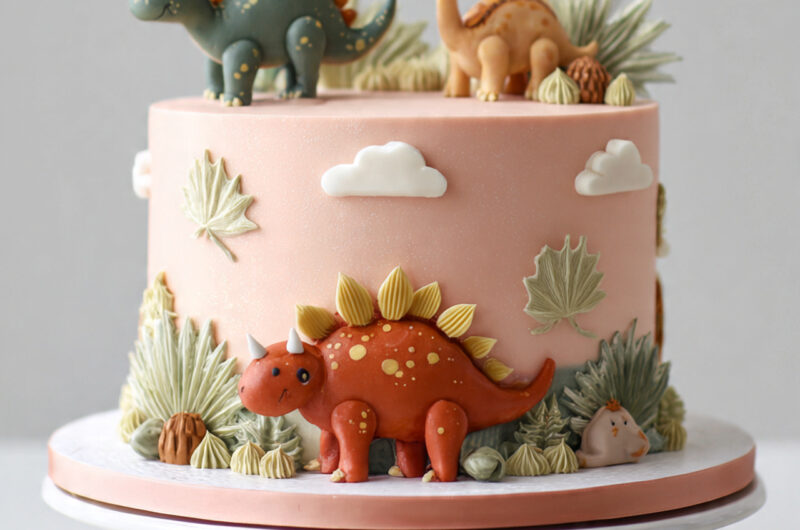
minutesA soft, moist vanilla sponge topped with creamy green buttercream and playful dinosaur decorations. Perfect for kids’ birthdays, themed parties, or any occasion that deserves a little prehistoric fun.
Ingredients
For the Cake:
1 cup all-purpose flour
1 tsp baking powder
1/4 tsp salt
1/2 cup unsalted butter, softened
1/2 cup granulated sugar
2 large eggs
1 tsp pure vanilla extract
1/4 cup whole milk
For the Buttercream Frosting:
1/2 cup unsalted butter, softened
1 1/2 cups powdered sugar, sifted
1–2 tbsp whole milk
Green gel food coloring
For Decorating:
Sprinkles, small candies, chocolate chips, or gummy candies
Directions
- Preheat oven to 350°F (175°C). Grease and line an 8-inch baking pan with parchment paper.
- Beat butter and sugar on medium speed for 2–3 minutes until pale and fluffy. Add eggs one at a time, then mix in vanilla.
- Sift dry ingredients together. Add to the butter mixture in two additions, alternating with milk. Stir until just combined.
- Pour into the prepared pan and bake 25–30 minutes, until a toothpick comes out clean. Cool in the pan for 10 minutes, then transfer to a wire rack to cool completely.
- Beat frosting butter until smooth. Add powdered sugar one cup at a time, then milk one tablespoon at a time until spreadable. Mix in green food coloring.
- Frost the fully cooled cake and decorate with your chosen toppings.