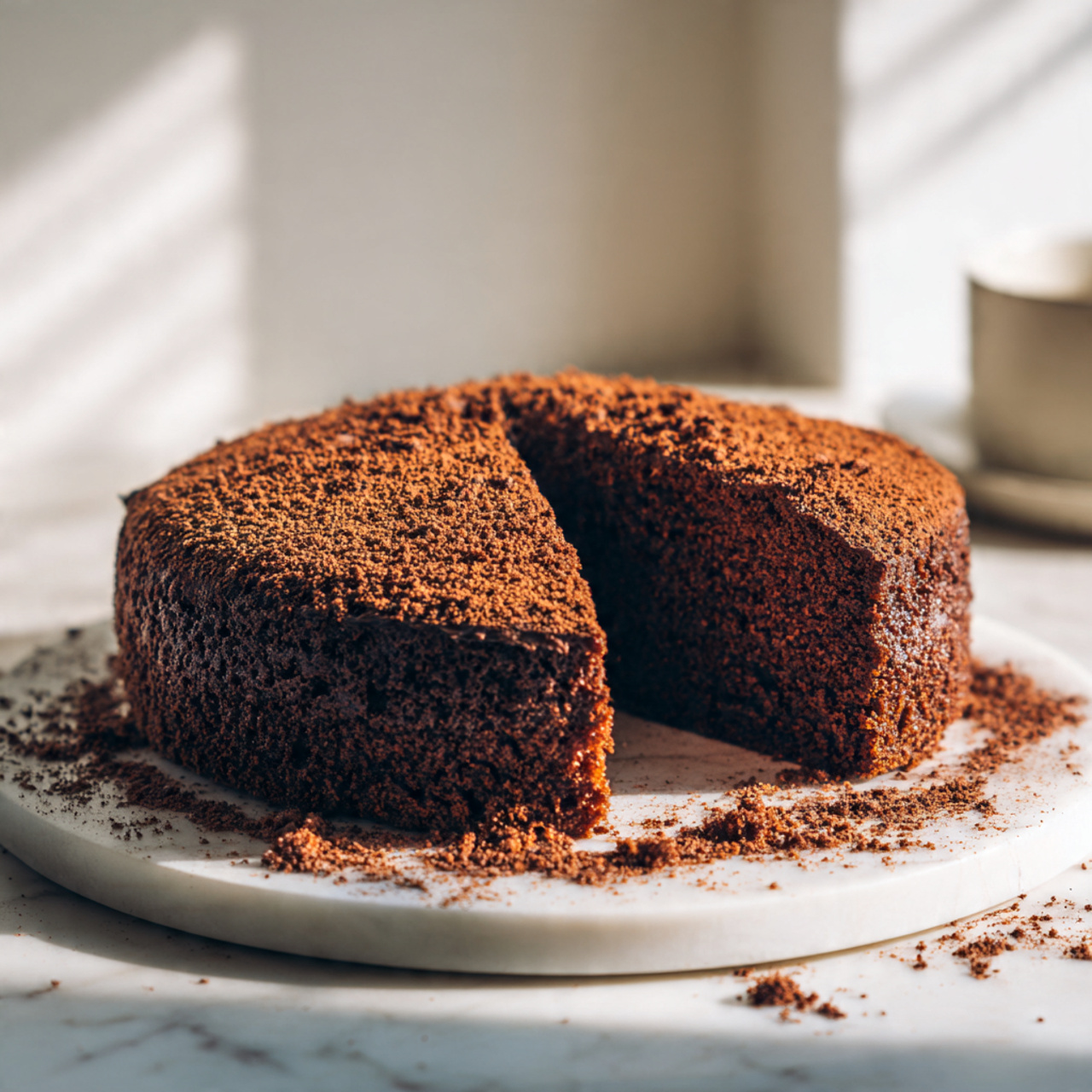
The Softest Vanilla Cake Recipe You’ll Make Again and Again
Vanilla cake sounds like it should be foolproof — and yet it has a way of coming out dry, dense, or so bland that you end up piling on frosting just to give it flavor. That failure isn’t about the baker; it’s almost always about cold butter that won’t cream properly, or flour added too fast and overmixed into toughness. This vanilla cake recipe fixes both of those problems upfront, giving you a soft, fragrant result from the very first try.
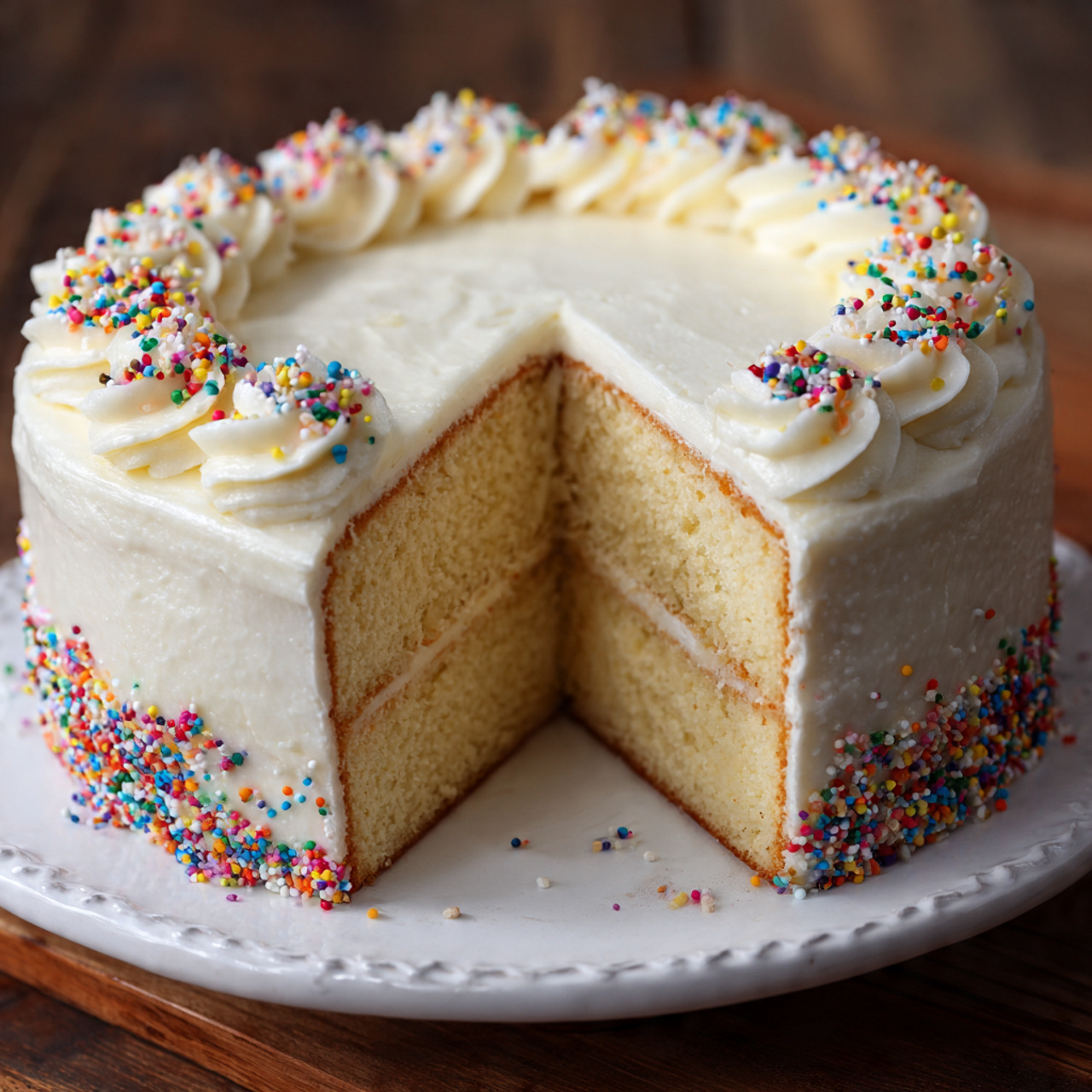
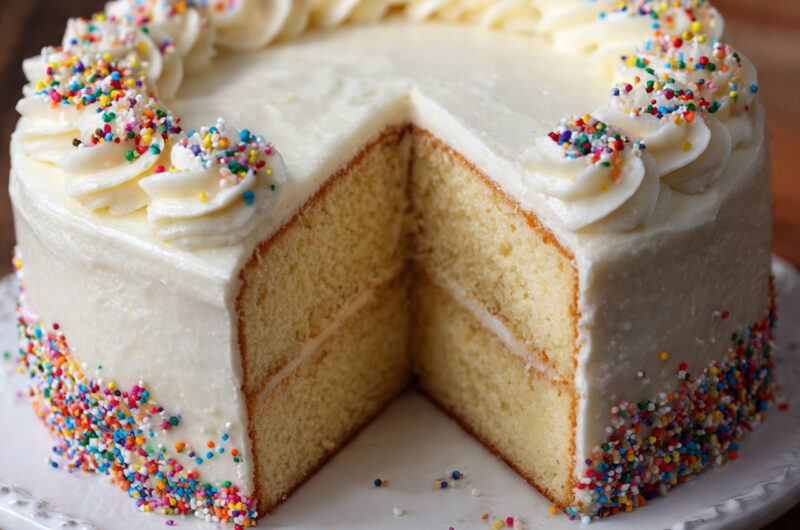
This cake has a crumb that’s genuinely tender — delicate, fine, and springy enough to bounce back when you press into it, but light enough to practically melt on your tongue. The vanilla scent fills the kitchen as it bakes, warm and sweet in that comforting, old-fashioned way that makes a house feel like home. The flavor is clean and real — no artificial sweetness, no hollow aftertaste — just pure vanilla warmth in every bite. A light golden crust, a pale and pillowy center, and a richness from the butter that makes each slice satisfying without feeling heavy.
It fits naturally into almost any occasion — a casual weeknight dessert when you want something sweet without much effort, a last-minute birthday cake, a potluck contribution that doesn’t need explaining. This easy vanilla cake works whether you serve it plain with powdered sugar or dress it up with cream and berries. Keep it simple or make it a showpiece — either way, it delivers. Once you bake it once, it becomes one of those recipes you stop thinking about and just make.
Why You’ll Love This Recipe
Pure, Real Vanilla Flavor
The secret here isn’t technique — it’s pure vanilla extract rather than imitation. That one ingredient makes the difference between a cake that tastes like vanilla and one that just tastes sweet. The flavor is warm, clean, and genuinely satisfying in a way that a box mix can never quite replicate.
A Perfectly Tender Crumb
Every bite has a soft, even texture that holds together on the fork but dissolves gently on the tongue. It’s not cakey in a dense or heavy way — it’s light, pillowy, and exactly what you’d hope for from a homemade vanilla cake made from scratch.
One Bowl, Under an Hour
No stand mixer needed, no lengthy ingredient list, no multiple bowls to wash afterward. The batter comes together in about ten minutes, bakes in thirty-five, and the whole thing is done in under an hour. It’s genuinely low-effort for how good it tastes.
Crowd-Pleasing at Any Table
Vanilla is the flavor almost everyone agrees on, which makes this the safest and most welcome thing you can bring to a gathering. From birthdays to brunches to quiet family dinners, it fits everywhere without ever feeling out of place.
A Blank Canvas for Your Creativity
Serve it plain, top it with whipped cream, layer it for a celebration, or pair it with fresh fruit — the base is versatile enough to take whatever direction you want. It’s less a single rigid recipe and more a reliable starting point.
Ingredients
For the Dry Ingredients
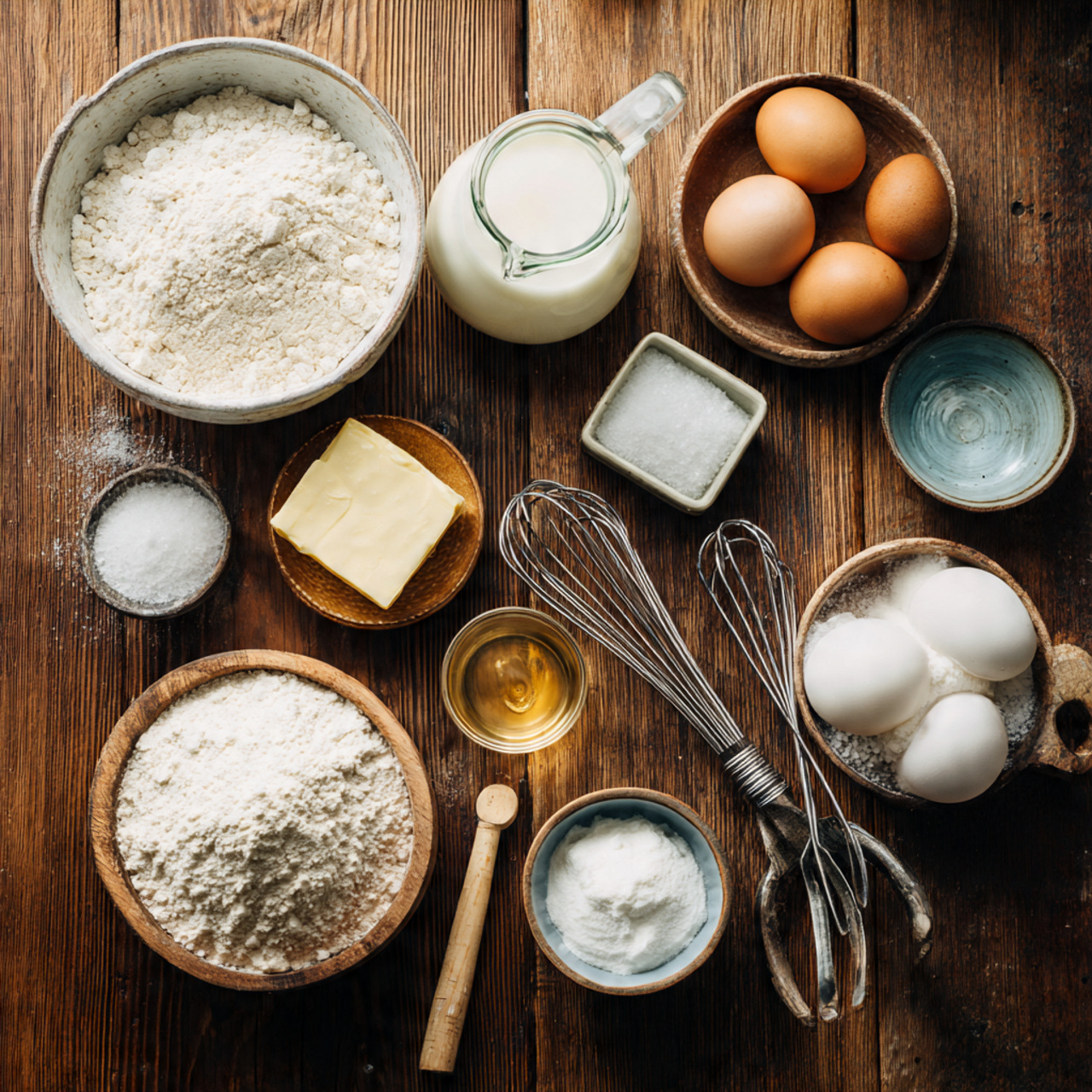
- 1 cup (125g) all-purpose flour (spooned and leveled, not scooped directly from the bag)
- ¾ cup (150g) granulated sugar
- 1½ tsp baking powder
- ¼ tsp salt
For the Wet Ingredients
- ½ cup (115g) unsalted butter, softened (not melted — room temperature is essential for proper creaming)
- 2 large eggs (at room temperature for the smoothest batter)
- ½ cup (120ml) whole milk
- 1 tsp pure vanilla extract (pure, not imitation — the difference in flavor is real and noticeable)
The butter provides richness and structure, the eggs add lift and bind everything together, and the vanilla ties the whole thing into a flavor that’s warm, familiar, and impossible not to love.
How to Make This Vanilla Cake Recipe — Step-by-Step
Step 1: Prepare Your Pan and Preheat the Oven
Set your oven to 350°F (175°C) and let it fully preheat before the batter goes anywhere near it — a properly heated oven is what gives the cake an even rise from the very start. Grease a 9-inch round cake pan and line the bottom with a circle of parchment paper. It’s a thirty-second step, but it makes removing the finished cake completely stress-free.
Step 2: Cream the Butter and Sugar Until Fluffy
In a large bowl, beat the softened butter and sugar together until the mixture is pale, fluffy, and noticeably lighter in color — usually about 2 to 3 minutes of steady mixing. This step is doing real structural work: it traps tiny air pockets that give the cake its lift and light texture. Don’t worry if the butter and sugar look crumbly or rough at first; they’ll come together into something smooth and soft within the first minute.
Step 3: Add the Eggs and Vanilla
Beat in the eggs one at a time, letting each one fully incorporate before adding the next. Stir in the vanilla extract and mix until the batter looks smooth and uniformly creamy. Don’t worry if things look slightly broken or curdled right after the eggs go in — that’s completely normal and will sort itself out once the dry ingredients are added.
Step 4: Fold in the Flour and Milk
Add the flour, baking powder, and salt in two additions, alternating with the milk — start with flour, add the milk, then finish with flour. Mix gently after each addition and stop the moment the batter looks just combined. This is the most important step to get right: overmixing after the flour goes in develops gluten and leads to a tough, chewy cake instead of a tender one. A light hand here makes all the difference.
Step 5: Bake Until the Top Is Golden and the Center Is Set
Pour the batter into your prepared pan and smooth the surface with the back of a spoon or a small spatula. Bake for 30 to 35 minutes, until the top is lightly golden and a toothpick inserted in the center comes out clean. Near the end of baking, the cake will begin to pull away gently from the sides of the pan — that’s a reliable sign it’s done and ready to come out.
Step 6: Cool Completely Before Slicing
Let the cake rest in the pan for 10 minutes before turning it out onto a wire rack. Slicing while the cake is still warm leads to a gummy crumb that falls apart rather than cutting cleanly. Once it reaches room temperature, it slices beautifully and holds its shape on the plate.
Perfecting This Recipe
- Let butter and eggs sit out for at least 30 minutes before starting — cold butter can’t trap air during creaming, and cold eggs cause the batter to seize slightly when mixed.
- Spoon flour into your measuring cup rather than scooping straight from the bag. Scooping compacts the flour and adds significantly more than the recipe calls for, which leads to a denser, heavier result.
- Always alternate wet and dry additions rather than adding flour all at once. Starting and ending with flour keeps the batter emulsified, silky, and even.
- Don’t open the oven door in the first 20 minutes of baking. That initial burst of heat is what sets the rise — opening early causes the center to sink before it has a chance to set.
- Resist slicing early. The crumb is still setting as the cake cools, and a fully cooled cake cuts far more cleanly and neatly than one that’s just barely warm.
Common Mistakes to Avoid
Using cold or melted butter: Cold butter doesn’t cream properly and leaves you with a flat, dense cake. Melted butter skips the creaming process entirely. The butter should be soft enough to leave an indent when pressed but not at all greasy or shiny.
Adding the flour all at once: Dumping everything in together stresses the gluten all at once and makes it nearly impossible to mix gently enough. Alternating additions gives you control and keeps the batter smooth.
Overmixing after the flour goes in: Every extra stir after the flour is incorporated builds more gluten and works against a tender crumb. Stop mixing the moment you no longer see streaks of flour.
Skipping the parchment liner: Even a well-greased pan can stick, especially along the bottom edge. A parchment circle costs you thirty seconds and prevents a frustrating broken cake when you flip it out.
Pulling it out before it’s fully baked: The top of a vanilla cake browns before the interior is fully set. The only reliable signal is a toothpick inserted in the center — clean means done, wet batter means it needs more time.
Add Your Touch
- Stir a teaspoon of fresh lemon or orange zest into the batter for a bright, citrusy lift that plays beautifully against the vanilla.
- Add a pinch of cardamom or cinnamon for a gently spiced version that works especially well in fall and winter.
- Swap half the milk for full-fat Greek yogurt to add a slight tang and extra moisture to the crumb.
- Fold in a handful of white chocolate chips, fresh blueberries, or raspberries for fruit-and-cream flavors with no extra effort.
- Split the baked cake horizontally and fill with lemon curd, strawberry jam, or vanilla buttercream for a layered celebration cake.
- Drizzle the cooled cake with warm honey and a pinch of flaky sea salt for a simple but surprisingly sophisticated finish.
Visit Also: Smash Cake
What to Serve With This
Fresh strawberries and lightly sweetened whipped cream are the most natural pairing — bright, simple, and light enough to let the cake stay the center of attention.
A strong cup of tea or coffee alongside a plain slice makes for a perfect afternoon moment that doesn’t need anything fancy to feel special.
Vanilla or strawberry ice cream on the side turns a single slice into a proper dessert that nobody at the table will leave behind.
A drizzle of warm chocolate ganache adds richness and contrast without overwhelming the delicate vanilla flavor underneath.
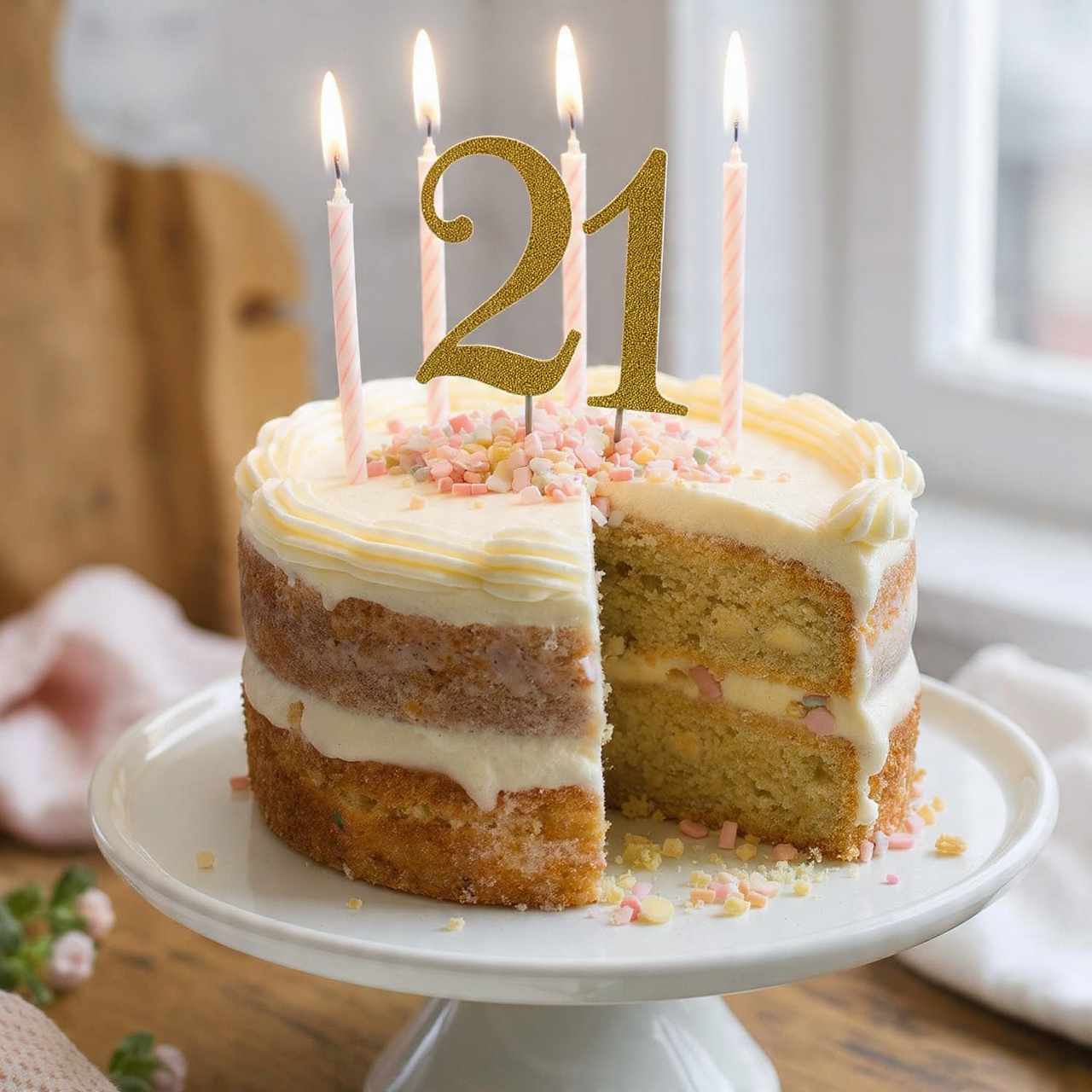
For a birthday setup, a generous layer of vanilla buttercream and colorful sprinkles transform this simple cake into a crowd-ready celebration.
Storing and Serving
Fridge Wrap the cooled cake tightly or store in an airtight container in the refrigerator for up to 3 days. The crumb stays moist and the flavor holds up well through day three.
Freezer Wrap individual slices or the whole cake in plastic wrap, then in foil, and freeze for up to 2 months. The texture holds beautifully, and frozen slices thaw neatly at room temperature in about 30 minutes.
Reheating A quick 10 to 15 seconds in the microwave brings refrigerated slices back to that just-baked softness. For frozen slices, let them thaw fully before reheating to avoid a warm outside and cold center.
Make-Ahead Tip Bake the cake a day ahead, cool it completely, wrap it tightly, and store at room temperature overnight. It slices more cleanly the next day and the flavor deepens slightly as it rests. The batter can also be mixed a few hours in advance and kept covered in the fridge until you’re ready to bake.
Servings This recipe makes one 9-inch round cake, serving approximately 8 people.
Nutrition (Approximate Per Serving)
- Calories: 330
- Total Fat: 13g
- Saturated Fat: 8g
- Carbohydrates: 48g
- Sugar: 30g
- Protein: 5g
- Sodium: 160mg
Nutritional values are approximate and may vary based on specific ingredients and brands used.
Chef’s Helpful Tips
- Pull your butter and eggs from the fridge at least 30 minutes before you start — this single step has more impact on the final texture than almost anything else in the recipe.
- Cream the butter and sugar longer than you think you need to. The mixture should look genuinely pale and almost white before you move on, not just vaguely combined.
- Use an offset spatula or the back of a spoon to smooth the batter evenly before baking — an even surface means a more even bake and a flatter, easier-to-frost top.
- For clean, restaurant-style slices, run a sharp knife under hot water and wipe it dry between every cut. It takes ten extra seconds and makes a noticeable difference in presentation.
- If the cake comes out denser than expected, the culprit is almost always one of three things: cold butter, too much flour, or overmixing after the flour was added. All three are easy to watch for on the next try.
Frequently Asked Questions
Q1. What makes this vanilla cake recipe different from using a box mix? This recipe uses real butter, whole eggs, and pure vanilla extract — ingredients that produce a genuinely soft crumb and a warm, natural flavor that box mixes can’t replicate. The creaming method also builds air into the batter in a way that instant mixes skip entirely, and that’s what gives this cake its light, tender texture.
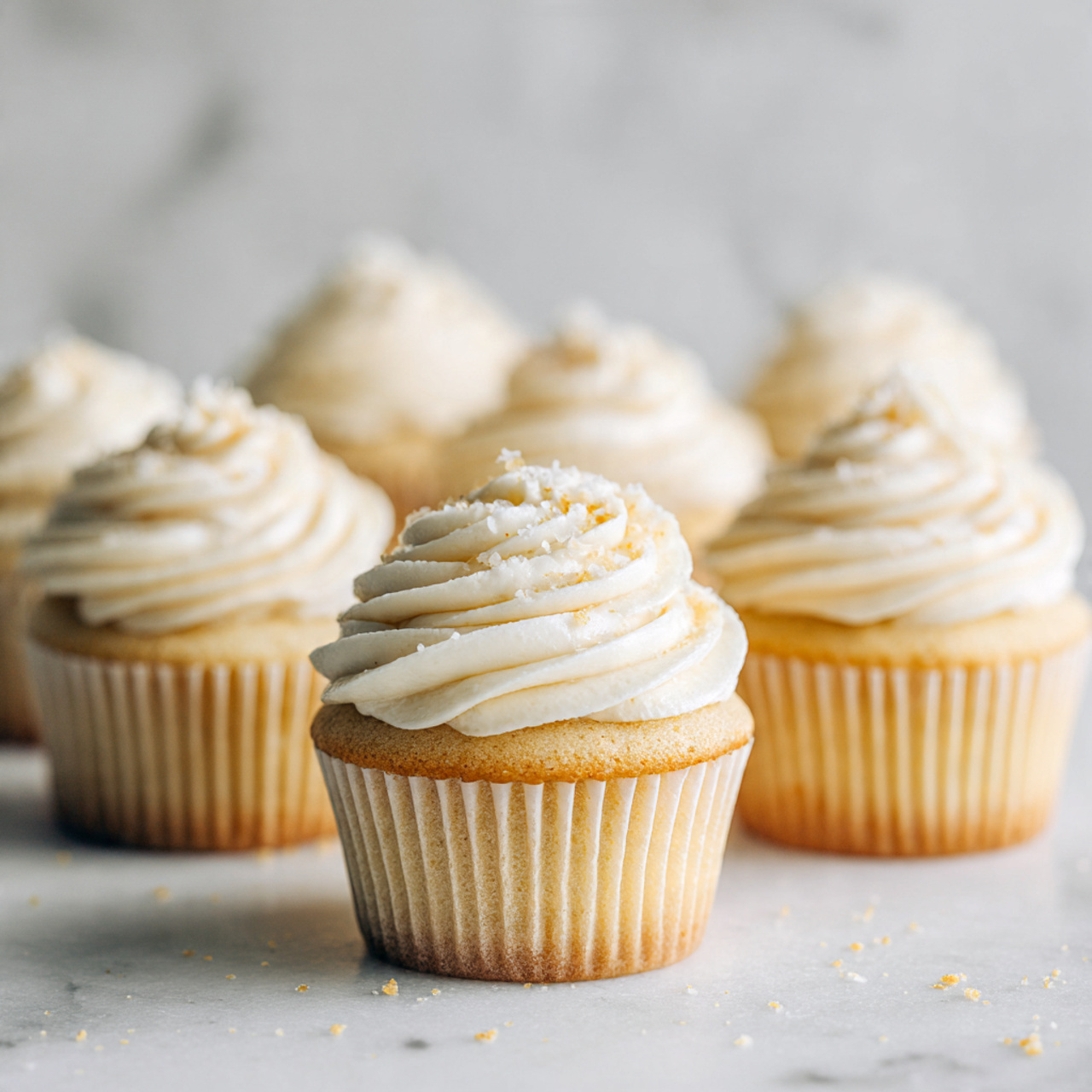
Q2. Can I turn this into cupcakes instead of a round cake? Absolutely. Divide the batter evenly among 10 to 12 lined muffin cups and bake at the same temperature for 18 to 22 minutes, checking with a toothpick near the end. They freeze just as well as the full cake and are easy to portion for events or school treats.
Q3. Is this recipe suitable for beginner bakers? Very much so. The ingredient list is short, the steps are clear, and the only moment that requires real attention is the mixing after the flour goes in — stop early rather than late. If you’ve ever made a basic baked good before, this will feel familiar and manageable from the start.
Q4. Can I bake this ahead for a party or potluck? Yes, and it actually benefits from a little resting time. Bake it the day before, let it cool completely, wrap it tightly, and store at room temperature overnight. It slices more cleanly the next day, and the flavor is just as good — sometimes even slightly better after a few hours of rest.
Q5. Does this cake freeze well? It does, beautifully. Wrap it tightly in plastic wrap and then foil and it keeps in the freezer for up to 2 months without losing its texture or flavor. For the most convenient option, freeze individual slices so you can pull one out at a time and let it thaw at room temperature in about 30 minutes.
Conclusion
Vanilla isn’t a backup flavor — it’s a choice, and when it’s made well, it’s one of the most satisfying things you can pull out of the oven. This vanilla cake recipe delivers on that fully: a soft, delicate crumb, a warm and genuine vanilla flavor, and a texture that makes every slice feel like it was worth the small amount of effort it took. It’s reliable in a way that matters, especially when you want to bring something truly homemade to the table.
Take it in whatever direction feels right to you. Layer it with buttercream for a birthday, keep it plain for a weeknight treat, or dress it with seasonal fruit and a cloud of whipped cream for something in between. However you serve it, it’s the kind of cake that makes people pause mid-bite and ask for the recipe. Share it freely — and don’t be surprised when it becomes a fixture in your regular baking rotation.
The Softest Vanilla Cake Recipe
Course: Cake8
servings10
minutes30
minutes330
kcal50
minutesA pillowy, perfectly tender cake with warm, natural vanilla flavor — simple enough for a weeknight, impressive enough for a celebration.
Ingredients
For the Dry Ingredients:
1 cup (125g) all-purpose flour
¾ cup (150g) granulated sugar
1½ tsp baking powder
¼ tsp salt
For the Wet Ingredients:
½ cup (115g) unsalted butter, softened
2 large eggs
½ cup (120ml) whole milk
1 tsp pure vanilla extract
Directions
- Preheat oven to 350°F (175°C). Grease a 9-inch round cake pan and line the base with parchment paper.
- Beat softened butter and sugar together until pale, fluffy, and noticeably light — about 2 to 3 minutes.
- Add eggs one at a time, beating well after each. Stir in the vanilla extract until smooth.
- Add flour, baking powder, and salt in two additions, alternating with the milk. Mix gently until just combined — do not overmix.
- Pour batter into pan, smooth the top, and bake 30 to 35 minutes until lightly golden and a toothpick comes out clean.
- Cool in the pan for 10 minutes, then turn out onto a wire rack. Cool fully before slicing.