Cloud-Soft Japanese Cheesecake That Melts in Your Mouth
Most homemade versions of this dessert come out of the oven looking gorgeous, then sink, crack, or turn dense and rubbery the moment they cool — and it almost always comes down to two skipped steps: a gentle water bath and a slow, patient cooldown. This recipe fixes both, so you get that signature wobble and tall, cloud-like rise every single time.
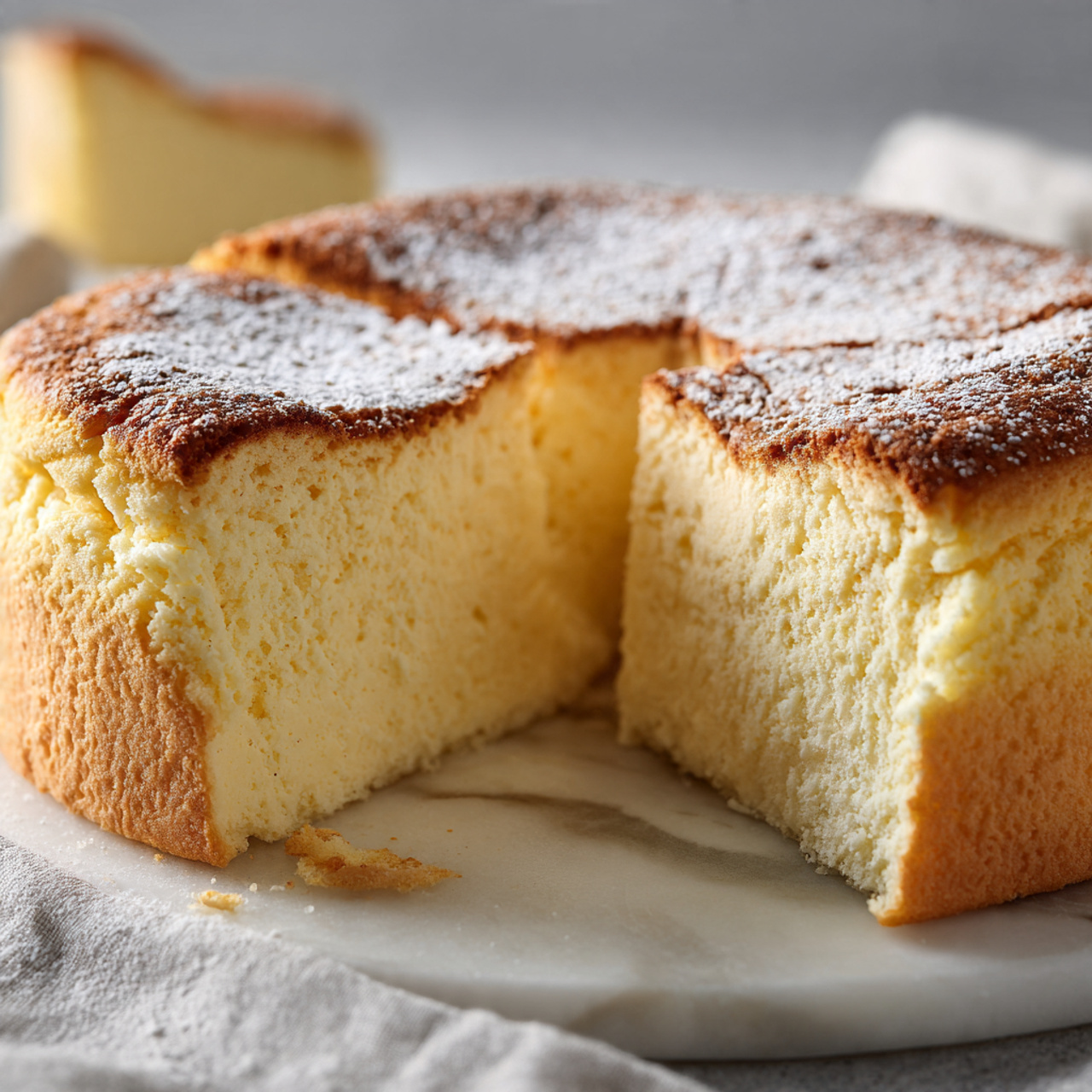
Picture slicing into a cake so light it trembles when you set the plate down. The crumb is feather-soft and barely sweet, with a faint tang of cream cheese and a whisper of lemon and vanilla that keeps every bite tasting clean rather than heavy. It practically dissolves the second it touches your tongue, leaving behind a cool, creamy finish that begs for one more slice.
This is the dessert I reach for on calm weekends, lazy holiday afternoons, and any time friends drop by for coffee — it slices neatly enough for a potluck yet feels special enough for a celebration. A true cotton cheesecake like this one is also a wonderful make-ahead light dessert, since it tastes even better after an overnight chill. Whether it’s your first attempt or your fiftieth, this one’s about to earn a permanent spot in your baking rotation.
Why You’ll Love This Recipe
Lightly Sweet, Perfectly Balanced
The sweetness here is gentle, never cloying, so the soft tang of the cream cheese gets to shine. A splash of lemon juice brightens everything, which means you can happily eat a second slice without feeling weighed down.
A Texture Like a Cloud
Whipped egg whites are the secret to that famous airy lift. The result is a tender, jiggly crumb that feels closer to a soufflé than a classic dense cheesecake — pillowy, springy, and impossibly smooth.
Surprisingly Simple to Pull Off
There’s no fancy equipment and no long ingredient list. Most of the time is hands-off oven time, so once the batter is in the pan, you’re free to relax while it works its magic.
Made for Sharing
This cake slices cleanly into neat wedges, holds its shape on a serving plate, and travels well to gatherings. It’s the kind of dessert that quietly disappears at family dinners and potlucks alike.
Classic Flavor, Delicate Twist
You get all the comforting cream-cheese richness people love, but in a featherlight, soufflé-style form. It’s a familiar flavor wearing a far more elegant outfit.
Ingredients
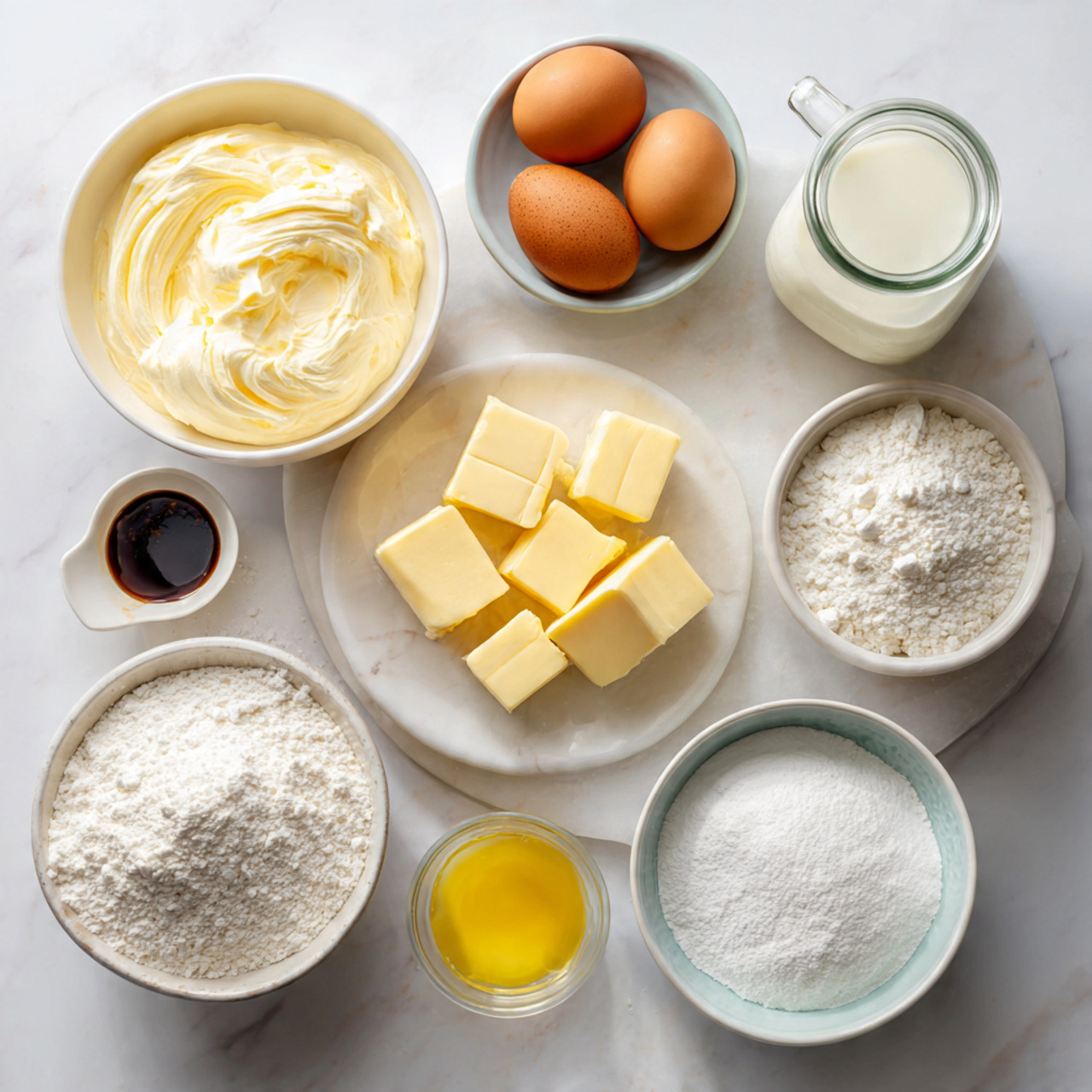
For the Cheese Batter
- Cream cheese – 200 g (full-fat gives the softest, creamiest texture)
- Milk – 100 ml (whole milk preferred for richness)
- Unsalted butter – 60 g (so you control the salt)
- Egg yolks – from 4 large eggs (reserve the whites for the meringue)
- All-purpose flour – 60 g (spooned and leveled, not packed)
- Cornstarch – 20 g (this is what keeps the crumb tender)
- Lemon juice – 1 tbsp (fresh, for the brightest tang)
- Vanilla extract – 1 tsp (pure, not imitation)
For the Meringue
- Egg whites – from 4 large eggs (room temperature whip up taller)
- Sugar – 120 g (added gradually as you whip)
The cream cheese mixture brings the rich, tangy backbone, while the cornstarch and flour give just enough structure to hold a tall rise. The real lift comes from the meringue — those whipped whites are what turn a dense batter into a light, jiggly cloud.
How to Make Japanese Cheesecake — Step-by-Step
Step 1: Prep the Pan and Water Bath
Line a round cake pan with parchment on the bottom and sides, then lightly grease it so nothing clings. Set a tray of hot water on the lower oven rack and preheat — that gentle steam is your best defense against cracks. Don’t worry if your parchment looks a little crinkled; once the batter goes in, it smooths right out.
Step 2: Melt the Cheese Mixture
Warm the cream cheese, butter, and milk together over low heat, stirring until the mixture is completely smooth and silky with no visible lumps. Pull it off the heat the moment it looks glossy. Don’t worry if it seems thin at this stage — it’s supposed to be pourable, and it will firm up beautifully in the oven.
Step 3: Add the Yolks and Flavor
Let the mixture cool until just warm to the touch, then whisk in the egg yolks, vanilla, and lemon juice until everything looks even and shiny. Sift the flour and cornstarch directly over the top and fold until smooth. The batter should ribbon gently off your whisk.
Step 4: Whip the Meringue
In a clean, dry bowl, whip the egg whites while adding the sugar a little at a time, until you reach soft, billowy peaks that just barely curl over. This is the heart of any good cotton cheesecake, so take your time. Stop while the peaks still look glossy — overwhipped whites turn grainy and harder to fold in.
Step 5: Fold It All Together
Add the meringue to the cheese batter in three small additions, folding gently with a spatula and turning the bowl as you go. Work slowly to keep all those air bubbles alive — that trapped air is exactly what makes the cake rise tall and stay fluffy.
Step 6: Bake Low, Cool Slow
Pour the batter into your prepared pan and bake in the water bath until the top is lightly golden and the center jiggles softly when nudged. When it’s done, turn off the oven and crack the door open, letting the cake cool inside for a while before moving it. This slow descent is what stops it from sinking, so resist the urge to rush.
Perfecting This Recipe
- Bring your eggs to room temperature first — the whites whip up taller and the batter blends more evenly.
- Sift the flour and cornstarch to banish any pockets of dry flour that could leave streaks.
- Fold the meringue in batches rather than all at once; gentle hands keep the batter airy.
- Bake low and slow in the water bath — high heat is what cracks the surface and toughens the crumb.
- Let the cake cool gradually in the turned-off oven. Sudden temperature swings are the number-one cause of sinking and deflating.
Common Mistakes to Avoid
- Skipping the water bath — Without that surrounding steam, the surface bakes too fast and cracks while the inside dries out.
- Overwhipping the egg whites — Stiff, grainy peaks won’t fold in smoothly and can deflate, leaving you with a dense, uneven cake.
- Folding too aggressively — Stirring instead of folding knocks the air out of your meringue, and the cake loses its signature lift.
- Cooling too quickly — Yanking the cake straight into cool air makes it collapse. A slow cooldown in the oven keeps it tall.
- Cranking the heat to speed things up — A hotter oven browns and cracks the top while leaving the center underbaked.
Add Your Touch
- Whisk a teaspoon of matcha into the flour for an earthy, lightly bitter twist.
- Add a tablespoon of cocoa powder for a soft chocolate version.
- Fold in extra citrus zest — lemon, orange, or yuzu — for a brighter, more aromatic crumb.
- Swap the all-purpose flour for cake flour, or the cornstarch for arrowroot, for an even softer texture.
- Brush the warm top with a thin layer of apricot jam for a glossy, bakery-style finish.
Visit Also: 2 Tier Wedding Cake
What to Serve With This
- A handful of fresh strawberries, mango, or mixed berries for a bright, juicy contrast
- A pot of warm green tea or a quiet cup of coffee to balance the gentle sweetness
- A light dusting of powdered sugar and a thin drizzle of honey
- A small spoonful of softly whipped cream for special occasions
- A scoop of vanilla bean ice cream when you want to make it feel extra indulgent
Storing and Serving
Fridge Store the cake in an airtight container in the refrigerator for up to 3 days. Keep it whole and well covered to lock in moisture, or wrap individual slices if you’re grabbing them one at a time.
Freezer Wrap slices tightly in plastic and foil, then freeze for up to 1 month. Portion before freezing so you can thaw only what you need; texture stays softest when slices are protected from freezer air.
Reheating This cake is lovely chilled, but if you prefer it just-warm, microwave a single slice for only a few seconds. Avoid reheating the whole cake at once, which can dry out the delicate crumb.
Make-Ahead Tip Bake it a full day in advance and let it chill overnight — the flavor deepens and the crumb firms beautifully. For events, keep the cake whole and slice it just before serving for the cleanest edges.
Servings This recipe yields about 8 soft, neat slices from a standard round pan.
Nutrition (Approximate Per Serving)
- Calories: 180–220
- Total Fat: 12 g
- Saturated Fat: 7 g
- Carbohydrates: 16 g
- Sugar: 11 g
- Protein: 5–7 g
- Sodium: 90 mg
Nutritional values are approximate and may vary based on specific ingredients and brands used.
Chef’s Helpful Tips
- Pull the cream cheese, eggs, and butter out ahead of time — room-temperature ingredients blend smoothly and whip up taller.
- Watch the center, not the clock; the cake is done when the top is set and golden but the middle still has a soft jiggle.
- Wipe your knife clean and warm it under hot water between cuts for tidy, professional-looking slices.
- Use full-fat, good-quality cream cheese — it’s the single biggest factor in that rich, creamy flavor and tender texture.
- If your cake turns out too dense, your meringue likely needed more volume next time; if it’s too wet in the center, give it a few extra minutes in the water bath.
Frequently Asked Questions
Q1. Can I make this ahead of time? Absolutely — it’s even better the next day. Bake it, let it cool, then chill overnight; the flavor settles and the crumb firms up. Keep it whole for gatherings and slice just before serving.
Q2. What does it taste like compared to regular cheesecake? Think of all the tangy, creamy comfort of a classic cheesecake, but in a featherlight, soufflé-style form. It’s far less dense and only lightly sweet, more like a cross between cheesecake and a sponge cake.
Q3. Is this beginner-friendly? Yes, as long as you go slow on two steps: whipping the egg whites to soft peaks and folding them in gently. There’s no crust to fuss over and no complicated technique — just patience.
Q4. Can I replace the cream cheese? You can use a soft cheese like mascarpone or a smooth ricotta, though the texture will shift slightly toward richer or grainier. For the truest fluffy cheesecake result, full-fat cream cheese is best.
Q5. Can I freeze it? Yes. Wrap slices tightly and freeze for up to a month, then thaw in the fridge overnight. Freezing in portions means you only defrost what you’ll actually eat.
Conclusion
There’s a quiet kind of joy in a dessert that feels indulgent yet leaves you light, and that’s exactly what this Japanese cheesecake delivers. It’s soft, gently sweet, and endlessly adaptable, whether you’re baking a small treat just for yourself or a tall centerpiece for a crowd. Once you’ve nailed the water bath and the slow cool, it becomes one of those reliable recipes you return to again and again.
So preheat that oven, whip those whites, and give it a try the next time you want something special without the fuss. Make it your own with a swirl of matcha or a handful of berries, share a slice with someone you love, and let those gentle jiggles win everyone over. I have a feeling this will quietly become your go-to for calm evenings and happy celebrations alike.y to adjust for your needs, whether you’re baking for yourself or sharing with others. The gentle sweetness and fluffy texture make it something you’ll want to return to again and again. Try it once, and it may quietly become your go-to treat for calm evenings or simple celebrations.
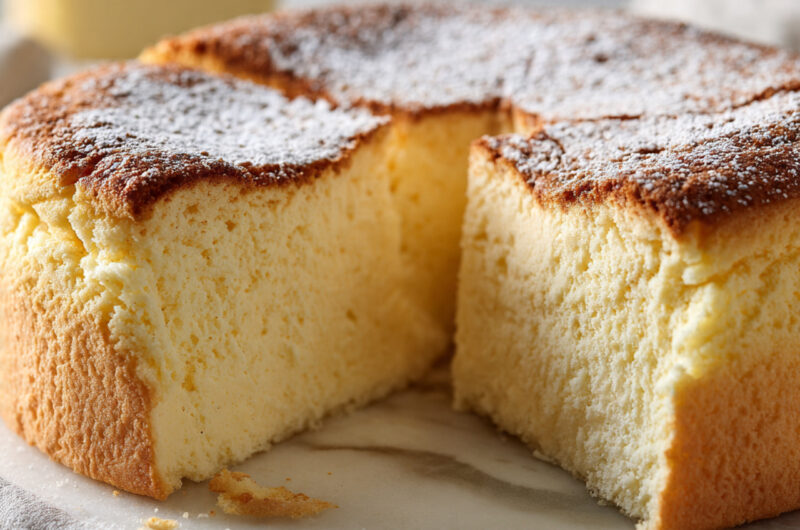
Cloud-Soft Japanese Cheesecake
Course: Trending Cake4
servings20
minutes1
hour200
kcal1
hour50
minutesA featherlight, jiggly cheesecake with a tender, melt-in-your-mouth crumb and gentle cream-cheese tang. Lightly sweet and elegant, it’s perfect for tea time, potlucks, or a cozy make-ahead dessert.
Ingredients
For the Cheese Batter:
200 g cream cheese
100 ml milk
60 g unsalted butter
4 large egg yolks
60 g all-purpose flour
20 g cornstarch
1 tbsp lemon juice
1 tsp vanilla extract
For the Meringue:
4 large egg whites
120 g sugar
Directions
- Line and grease a round cake pan. Set a tray of hot water on the lower oven rack and preheat.
- Melt cream cheese, butter, and milk over low heat until smooth. Cool slightly.
- Whisk in egg yolks, vanilla, and lemon juice. Sift in flour and cornstarch; fold until smooth.
- Whip egg whites, adding sugar gradually, until soft peaks form.
- Fold meringue into the batter in three additions, keeping it airy.
- Pour into the pan and bake in the water bath until golden on top with a soft jiggle.
- Turn off the oven, crack the door, and cool the cake inside before removing.