The Softest Homemade Milk Cake That Melts in Your Mouth Every Single Time
Milk cake has a reputation for turning out too hard or rubbery, and the cause is almost always the same — the lemon juice gets added all at once instead of gradually, or the heat stays too high for too long. That single misstep causes the curds to tighten and dry out, and by the time the mixture reaches the tray, you’re already working with something that no amount of resting time will soften. This recipe fixes all of that with a slow, controlled method that keeps every piece tender, rich, and exactly as it should be.
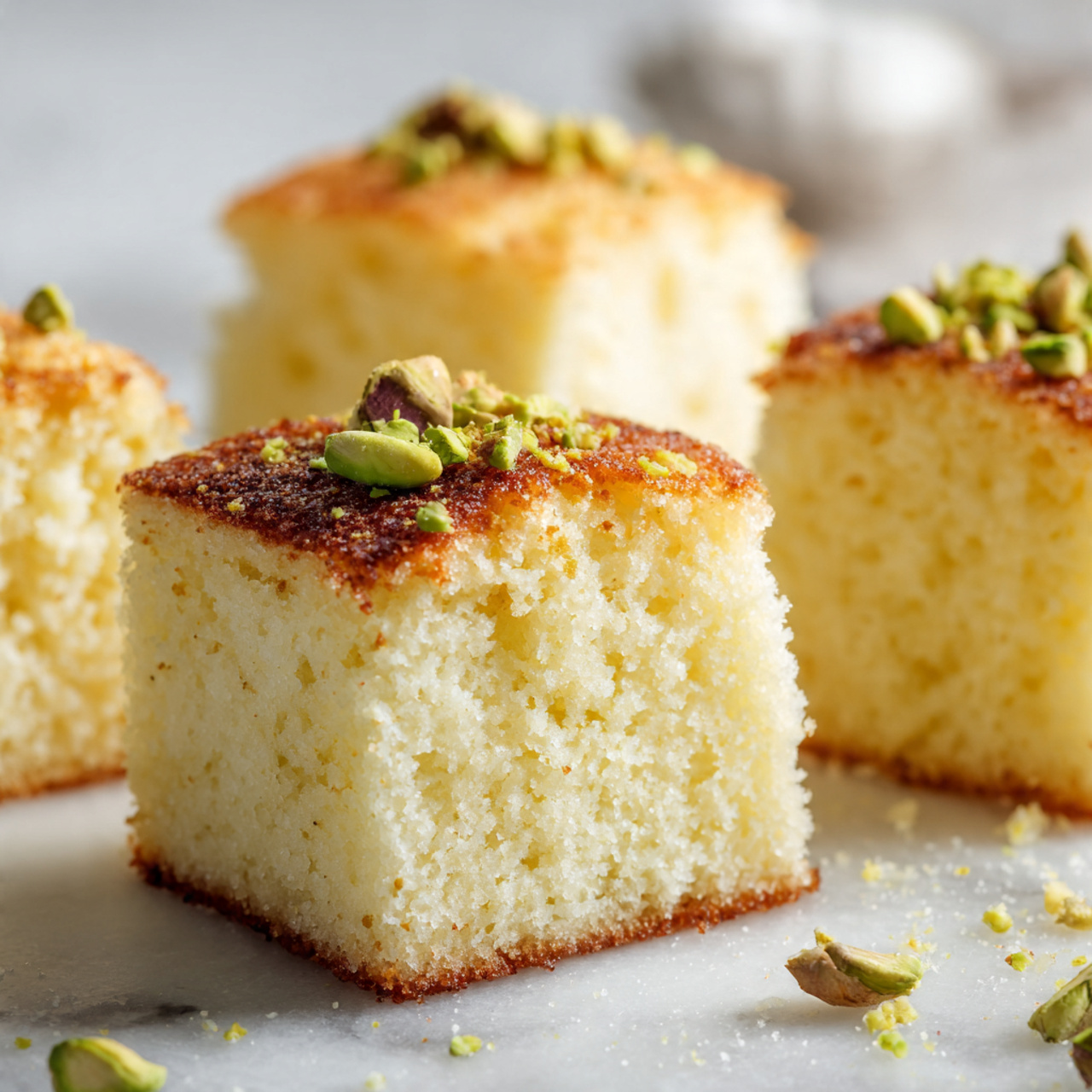
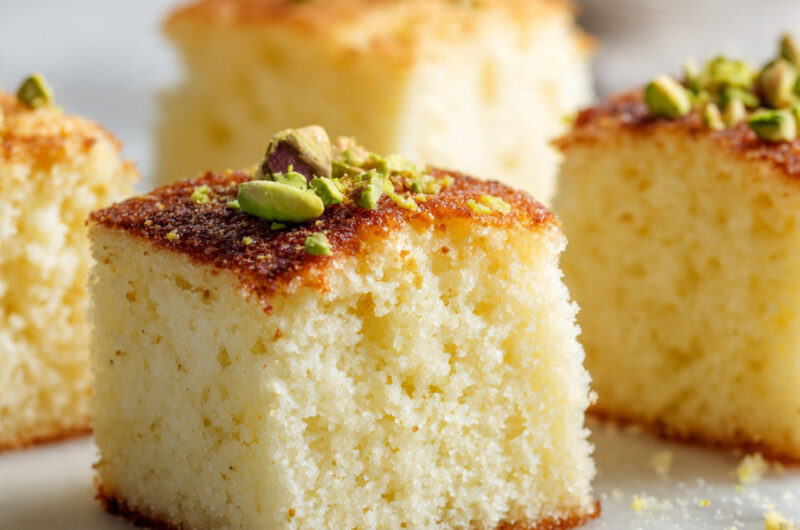
Imagine the finished result: pale ivory squares with slightly golden edges, a surface that yields gently when you press it, and a texture that crumbles just enough before melting completely on your tongue. The flavor is warm and milky with a delicate sweetness underneath, and the cardamom adds a quiet floral note that makes the whole thing feel just a little special. The ghee leaves a smooth, round richness behind — not heavy, just enough to make each piece feel genuinely indulgent without tipping over into cloying.
This is the kind of dessert that works beautifully for slow weekend evenings with tea, a Diwali or Eid celebration spread, or a simple make-ahead sweet for when guests arrive unannounced. It pairs naturally with warm drinks and chilled accompaniments alike, and it’s easy enough to slip into a busy week without stress. Whether this is your first time making an easy milk cake recipe or you’re revisiting something from your childhood, this version will feel satisfying from the very first bite — and second, and third.
Why You’ll Love This Recipe
A Flavor That Feels Like Home
There’s a warmth to this dessert that’s hard to put into words but immediately familiar. The combination of slowly reduced milk, cardamom, and ghee creates a flavor that’s simple on paper but deeply comforting in every bite. It doesn’t need chocolate, layers, or frosting — it’s quietly, perfectly itself.
Just Five Ingredients, Truly
No long shopping lists here. Everything you need is likely already in your kitchen — milk, sugar, lemon juice, ghee, and cardamom. That simplicity is part of the charm, and it’s one of the reasons this traditional milk cake comes together without stress or planning.
That Perfect Soft-Crumbly Texture
The texture is the real magic of this dessert. It’s firm enough to hold its shape when sliced, yet breaks apart softly the moment you bite in — almost dissolving before you’ve even finished chewing. Getting that balance right is exactly what this recipe is designed to achieve, every single time.
Easy to Scale for Any Occasion
Making it for two? Use half the ingredients. Cooking for a celebration crowd? Double the recipe and use a larger tray. The method scales cleanly without changing the result, which makes this one of the most flexible homemade sweets you can have in your rotation.
No Oven, No Special Equipment
All you need is a wide pan, a spatula, and a greased tray. There’s no baking involved, no candy thermometer, and no stand mixer. If you can stir steadily and pay attention to the pan, you can make this — which is exactly why it works so well as a beginner-friendly dessert with very little that can go wrong.
Ingredients
For the Milk Base
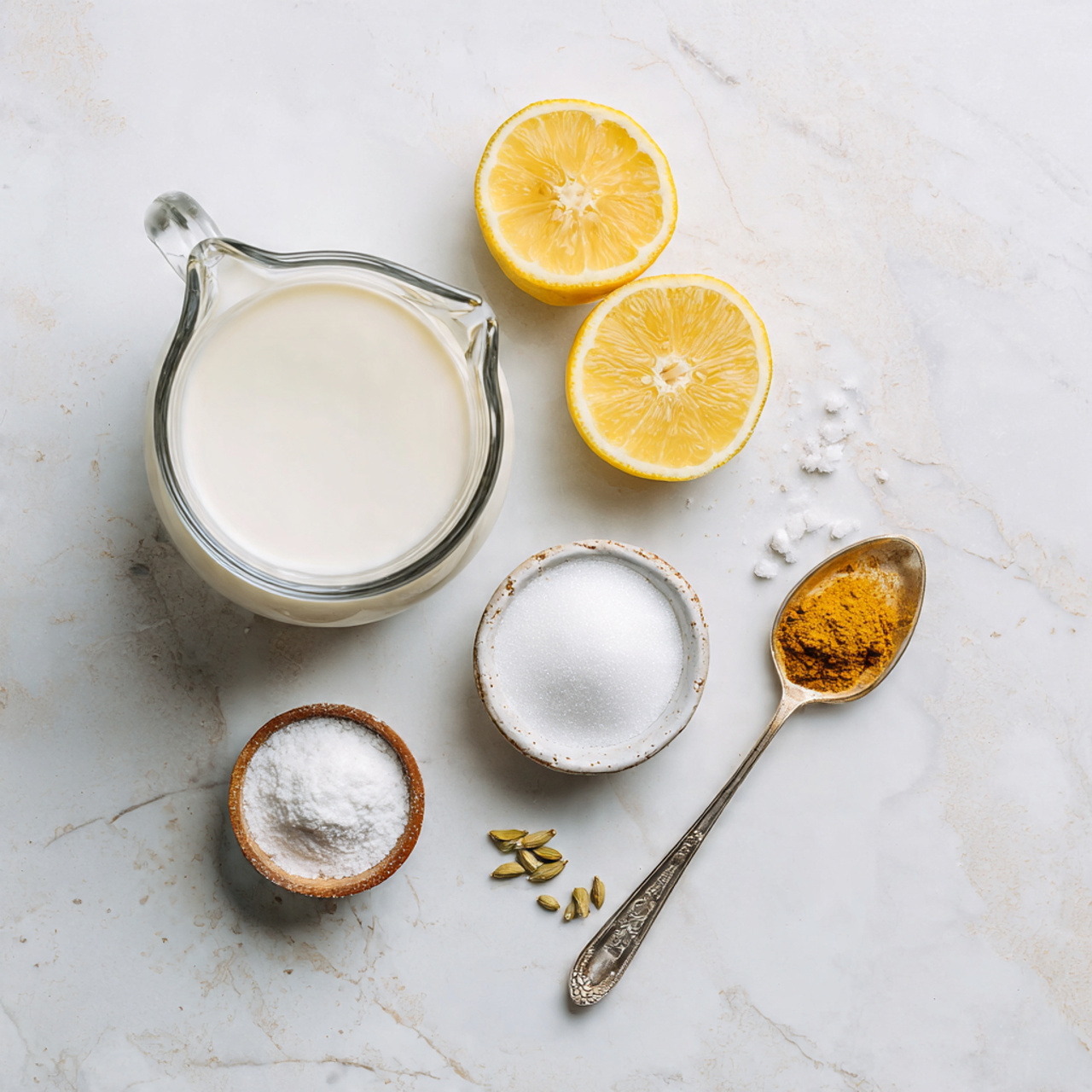
- 2 liters full-fat milk (whole milk is essential here — the fat content is what creates the soft, cohesive texture)
- 2 tablespoons lemon juice (fresh lemon works best; add it slowly in small pours for controlled curdling)
For the Flavor and Finish
- 1/2 cup sugar (white granulated works perfectly; taste and adjust before the mixture sets)
- 2 tablespoons ghee (clarified butter adds a smooth, slightly nutty richness that makes a real difference to the final flavor)
- 1/4 teaspoon cardamom powder (freshly ground is more aromatic, but good-quality store-bought works well)
The combination of reduced full-fat milk and ghee creates that signature richness, while the cardamom and well-controlled sweetness keep everything balanced — fragrant without being overpowering, and sweet without tipping into cloying.
How to Make Milk Cake — Step-by-Step
Step 1: Heat the Milk Slowly
Pour the full-fat milk into a wide, heavy-bottomed pan and set it over medium heat. Stir gently and consistently to prevent any sticking or scorching at the bottom. You’re looking for the milk to reach a slow, rolling boil — this takes around 10 to 12 minutes, and that steady, unhurried start builds the foundation of a good result.
Step 2: Add the Lemon Juice Gradually
Once the milk reaches a full boil, begin adding the lemon juice one small pour at a time while stirring continuously. You’ll see the milk start to separate into soft white curds and a pale yellowish liquid — that’s exactly what you want. Don’t worry if it looks a little uneven or lumpy at first; the curds will even out and come together as you keep cooking and stirring through this stage.
Step 3: Reduce and Thicken
Keep the heat at medium and continue stirring as the liquid reduces. The mixture will slowly transform from loose and watery to thicker and more cohesive — this is the stage that requires the most patience. You’re looking for most of the whey to cook off and the mixture to pull together into a soft, thick mass. This takes around 20 to 25 minutes, so resist the urge to raise the heat and rush it.
Step 4: Add Sugar, Ghee, and Cardamom
Once the mixture has thickened noticeably, add the sugar and stir it through well. The mixture will loosen slightly as the sugar melts — that’s completely normal and nothing to worry about. Keep stirring until it tightens again, then add the ghee and cardamom powder. Stir everything together until the ghee is fully absorbed and the mixture starts pulling cleanly away from the sides of the pan. It should smell wonderfully warm and milky at this point.
Step 5: Transfer, Press, and Rest
Scrape the mixture into a well-greased tray and use the back of a spoon or a small spatula to press it down firmly and evenly. Don’t worry if the surface isn’t perfectly smooth straight away — it will settle as it cools. Allow it to rest at room temperature for at least one full hour before slicing. Cutting too early will give you soft, uneven edges; a proper rest lets the texture firm up into clean, sliceable pieces with tidy sides.
Perfecting This Recipe
- Use a wide, heavy-bottomed pan so the milk heats evenly and reduces without hot spots that can scorch the base or dry out the curds unevenly.
- Never raise the heat to speed up the reduction. A higher temperature causes the curds to tighten too quickly, which leads to a rubbery, dense texture instead of a soft, yielding one.
- Add the lemon juice in three or four small additions rather than all at once — this gives you control over how the milk curdles and keeps the texture fine and smooth rather than coarse.
- Stir consistently throughout, especially in the final 10 minutes when the mixture starts thickening and sticking to the base is more likely.
- Once you’ve added the sugar and ghee, the mixture can go from perfect to overcooked quickly. Lower the heat slightly and stay close to the pan during this last stage.
- Allow a full hour of resting time before cutting. The texture continues to firm up as it cools, and an impatient early slice will give you crumbly, uneven edges rather than clean-cut pieces.
Common Mistakes to Avoid
- Adding lemon juice all at once — Pouring all the lemon juice in at the same time causes uneven, aggressive curdling and can leave an acidic sharpness in the finished flavor. Always add it slowly in small pours while stirring continuously.
- Cooking over high heat — Heat that’s too high causes the curds to tighten and dry out quickly, which leads to a hard, grainy result that no amount of ghee can fix. Keep it firmly at medium throughout.
- Under-reducing the mixture — If the whey hasn’t cooked off enough before you add the sugar and ghee, the finished cake will be too soft to hold its shape and won’t slice cleanly. Take the time to reduce it fully.
- Skipping the ghee — The ghee isn’t just a flavor addition; it helps bind the mixture, contributes to the smooth, slightly rich finish, and prevents the cake from drying out after it sets. Don’t leave it out or substitute a low-fat alternative.
- Slicing before the resting time is up — The texture needs at least one full hour to stabilize after it’s been pressed into the tray. Cutting too early gives you soft, crumbly sides and a result that doesn’t hold its shape on the plate.
Add Your Touch
- Stir a few saffron threads dissolved in a teaspoon of warm milk into the mixture just before transferring to the tray — it adds a beautiful golden color and a delicate floral depth.
- Press crushed pistachios, sliced almonds, or dried rose petals onto the surface right before setting for a festive, celebratory finish.
- Add a drop or two of rose water in place of (or alongside) the cardamom for a more fragrant, aromatic version.
- Swap the cardamom for a small pinch of cinnamon if you prefer a warmer, spicier note — it changes the character of the dessert in a really lovely way.
- Stir in a few tablespoons of crumbled khoya (milk solids) along with the ghee for a denser, richer texture that feels extra special for festive occasions.
Visit Also: Carrot Cake Muffins
What to Serve With This
A cup of masala chai or plain black tea is the most natural companion — the slight bitterness of the tea balances the milk cake’s gentle sweetness without either competing with the other. For a more indulgent presentation, place a small square alongside a scoop of vanilla ice cream and let the contrast of warm spice and cold creaminess do all the work. A fresh fruit platter with sliced mango, pomegranate arils, or citrus sections makes a light, refreshing pairing that cuts through the richness beautifully. On a celebration spread, arrange the pieces alongside other Indian sweets like ladoo or barfi, and top each square with a pinch of crushed pistachios for a platter that looks as inviting as it tastes. A chilled glass of sweet lassi also pairs effortlessly if you want to keep everything in the same flavor family.
Storing and Serving
Fridge Store leftover milk cake in an airtight container in the refrigerator for up to 3 days. If you’re stacking pieces, place a small square of parchment between each layer to prevent them from sticking together.
Freezer Wrap individual pieces in plastic wrap and store them in a freezer-safe container for up to one month. Thaw overnight in the fridge and bring to room temperature before serving for the best texture.
Reheating It can be served at room temperature or very gently warmed in the microwave for 10 to 15 seconds — just enough to soften it slightly. Avoid overheating, as it can dry out and lose its tender texture quickly.
Make-Ahead Tip This dessert is an ideal candidate for making a day ahead. Prepare it the evening before, allow it to set fully overnight in the fridge, and slice it just before serving. The texture is actually better after a full night’s rest.
Servings This recipe yields approximately 8 to 10 pieces, depending on how you slice the tray.
Nutrition (Approximate Per Serving)
- Calories: 200
- Total Fat: 8g
- Saturated Fat: 5g
- Carbohydrates: 24g
- Sugar: 22g
- Protein: 6g
- Sodium: 55mg
Nutritional values are approximate and may vary based on specific ingredients and brands used.
Chef’s Helpful Tips
- Full-fat milk is non-negotiable for this recipe — the fat content is what gives the dessert its soft, cohesive texture. Reduced-fat or skim milk produces a drier, crumblier result that doesn’t hold together properly.
- A wide pan isn’t just more convenient — it increases the surface area for evaporation, which helps the milk reduce faster and more evenly without needing to raise the heat.
- Grease your tray generously before transferring the mixture. A light coating isn’t enough; you want a proper layer of ghee or butter across the entire surface so the finished cake releases cleanly without sticking.
- Use the flat back of a spoon or a small offset spatula to press the mixture firmly and evenly. Uneven pressing leads to pieces that are too thin and crumbly on one end and too thick on the other.
- If your finished cake turns out drier than expected, it was likely cooked a few minutes too long after the sugar was added. Next time, pull it off the heat as soon as it starts pulling cleanly from the sides of the pan — it firms up considerably more as it cools.
Frequently Asked Questions
Q1. Can I use low-fat milk instead of full-fat? It’s really not recommended for this one. Low-fat milk doesn’t contain enough fat to produce the soft, cohesive texture that defines a good milk cake — the curds come out smaller and drier, and the finished cake tends to crumble apart rather than hold together cleanly. Whole or full-fat milk is the one ingredient worth not compromising on.
Q2. Can I make this ahead of time for a gathering? Absolutely — and honestly, it’s one of the best make-ahead Indian desserts you’ll find. Prepare it the evening before, let it set fully overnight in the fridge, and slice it just before serving. The texture firms up beautifully overnight, making it easier to cut and even nicer to eat the next day.
Q3. Why did my milk cake turn out too hard? This almost always comes down to overcooking after the sugar was added, or keeping the heat too high during the reduction stage. The mixture firms up considerably more as it cools, so what feels slightly soft in the pan will set firmer in the tray. Next time, remove it from the heat as soon as it pulls cleanly from the sides and stop there — it will reach the right texture as it rests.
Q4. Can I substitute the lemon juice with something else? Yes — white vinegar works as a direct substitute in the same quantity. It curddles the milk in exactly the same way and doesn’t leave any noticeable flavor difference in the finished dessert. Citric acid dissolved in a teaspoon of water is another option, but lemon juice or white vinegar are the most reliable and accessible choices for home cooking.
Q5. Is this beginner-friendly, and can I freeze the leftovers? Both yes, completely. As long as you keep the heat at medium and add the lemon juice gradually rather than all at once, the process is very forgiving — there’s no complicated technique involved and the ingredients are straightforward to work with. And yes, it freezes beautifully: wrap individual pieces, freeze for up to a month, and thaw in the fridge before serving.
Conclusion
There’s something genuinely satisfying about making a dessert this good with this few ingredients. Milk cake is the kind of recipe that doesn’t demand much — a wide pan, a patient simmer, and about an hour of resting time — but rewards you with something that feels genuinely special every single time you make it. It belongs equally on a quiet evening tea tray and a full celebration spread, which is exactly the kind of quiet versatility that earns a recipe its permanent place in a kitchen.
Once you’ve made it once, you’ll find yourself coming back to it again and again. Adjust the sweetness to your preference, stir in a little rose water if you’re in a fragrant mood, or keep it beautifully plain and let the milk and cardamom speak for themselves. However you make it, share it with the people around you — this is the kind of sweet that always tastes better with company.
Homemade Milk Cake
Course: Cake4
servings10
minutes40
minutes200
kcal1
hour50
minutesA soft, lightly crumbly Indian sweet made from slowly reduced milk, ghee, and cardamom. Tender in texture, gently sweet in flavor, and perfect for family evenings, celebrations, or a make-ahead treat — with no oven required.
Ingredients
For the Milk Base:
2 liters full-fat milk
2 tablespoons lemon juice
For the Flavor and Finish:
1/2 cup sugar
2 tablespoons ghee
1/4 teaspoon cardamom powder
Directions
- Pour milk into a wide, heavy-bottomed pan over medium heat. Stir gently and bring to a slow, rolling boil.
- Add lemon juice in small pours while stirring continuously until the milk separates into soft curds and pale liquid.
- Continue cooking on medium heat, stirring consistently, until most of the liquid reduces and the mixture thickens into a soft mass — about 20 to 25 minutes.
- Add sugar and stir until dissolved. Once the mixture tightens again, add ghee and cardamom powder. Stir until the mixture pulls cleanly away from the sides of the pan.
- Transfer to a well-greased tray. Press down firmly and evenly with the back of a spoon. Rest at room temperature for 1 hour before slicing.