The Most Comforting Homemade Bundt Cake You’ll Make on Repeat
There’s nothing more deflating than flipping a bundt cake and watching half of it cling to the pan — except maybe slicing into it and finding a dense, dry crumb underneath that beautiful ring shape. Most bundt cake failures come down to two things: a pan that wasn’t greased properly and a batter that got overmixed. This recipe tackles both, so what comes out of your oven is exactly what you pictured going in.
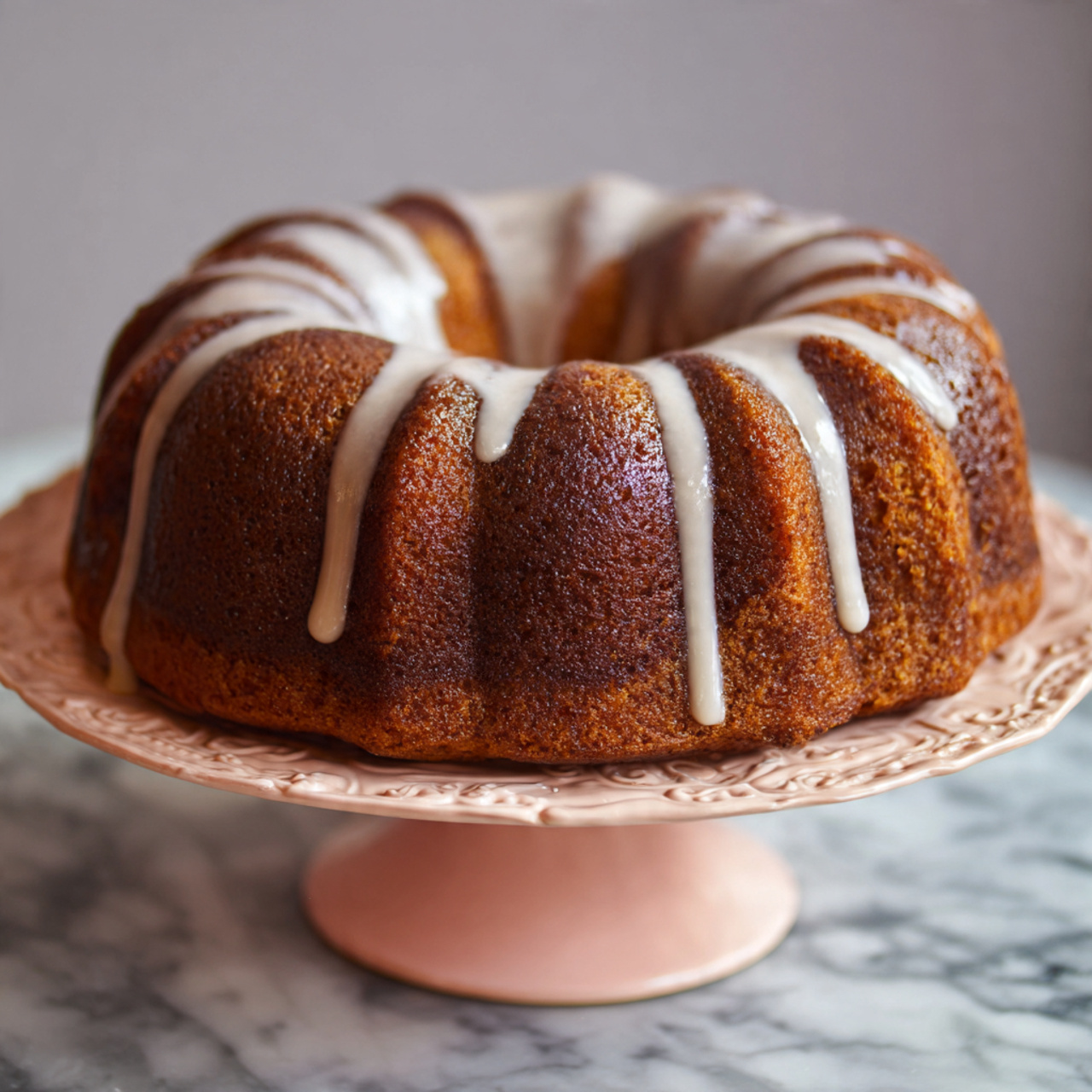
What you’ll get is a cake with a velvety, tender crumb that pulls apart softly under a fork — buttery without being heavy, gently sweet with that warm vanilla note that fills the whole kitchen as it bakes. The crust has just the faintest golden caramelization, the kind that gives each bite a tiny bit of texture before giving way to that pillowy middle. It smells like Sunday afternoon and tastes like something your grandmother would have been proud of.
This easy bundt cake is the kind of recipe that earns its place in your regular rotation. It’s perfect for those weeknights when you want something homemade but low-effort, for last-minute guests who deserve something thoughtful, or for a weekend brunch spread where a classic cake from scratch does all the talking. Pair it with a pot of tea or dress it up with a drizzle of glaze — either way, it never disappoints.
Why You’ll Love This Recipe
It Has the Softest, Most Tender Crumb
The balance of butter, eggs, and milk creates a batter that bakes up remarkably light without being airy or spongy. Every slice holds together cleanly and melts into something genuinely comforting the moment it hits your tongue.
It Comes Together with Pantry Staples
No specialty ingredients, no last-minute grocery runs. All-purpose flour, butter, eggs, milk, and a few basics you already have — that’s genuinely all it takes to pull off a moist bundt cake that looks far more impressive than the effort involved.
The Pan Does All the Decorating
There’s no frosting to fuss over, no piping bags, no decorating skills required. The bundt pan’s ridged shape makes every cake look finished and beautiful straight out of the oven. A dusting of powdered sugar is all the styling it ever needs.
It Stays Moist for Days
This isn’t a bake-and-eat-same-day situation only. Wrapped properly, this cake stays soft and fresh for several days, which makes it ideal for meal prep baking or getting ahead before a gathering. Leftovers — if there are any — are just as good with your morning coffee the next day.
It’s Endlessly Adaptable
The base recipe is a blank canvas. Keep it classic and vanilla, fold in citrus zest for brightness, or swirl in cinnamon for warmth. It welcomes creativity without requiring it, which is exactly what a great everyday cake should do.
Ingredients
For the Cake Batter
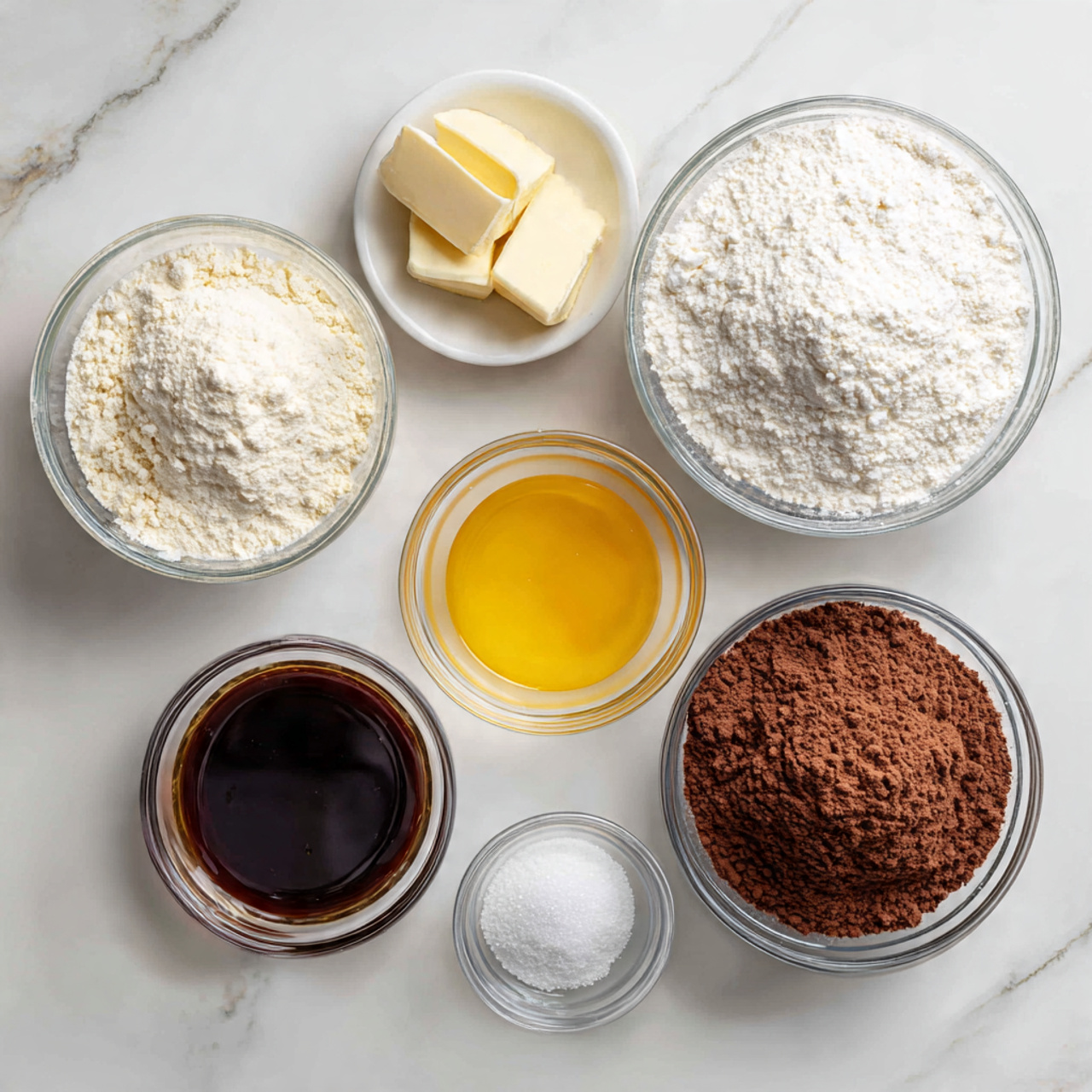
- 2 cups all-purpose flour (spooned and leveled, not packed)
- 1 cup granulated sugar
- ½ cup unsalted butter, softened (room temperature — this matters)
- 2 large eggs (room temperature for even mixing)
- 1 cup whole milk (or your preferred milk alternative)
- 1 tsp pure vanilla extract (pure, not imitation, for the best flavor)
- 2 tsp baking powder
- ¼ tsp fine salt
For the Pan
- Softened butter or non-stick spray (for greasing every ridge)
- 1–2 tbsp all-purpose flour (for dusting after greasing)
The butter and eggs work together to create that richly tender crumb, while the baking powder gives the batter just enough lift to keep the texture light rather than dense. Don’t skip the salt — it quietly brings every other flavor into focus.
How to Make Bundt Cake — Step-by-Step
Step 1: Prep Your Pan and Oven
Preheat your oven to 180°C (350°F) and position the rack in the center. Take a moment to grease your bundt pan very thoroughly — use softened butter and a pastry brush or your fingers to coat every ridge and curve, then dust lightly with flour and tap out the excess. This step is what separates a cake that releases perfectly from one that breaks apart, so don’t rush it.
Step 2: Cream the Butter and Sugar
In a large bowl, beat the softened butter and sugar together for about 3–4 minutes until the mixture is pale, fluffy, and noticeably lighter in color. Don’t worry if it looks crumbly at first — keep going and it will come together into something smooth and airy. This creaming step is what builds the soft texture into the cake before anything else gets added.
Step 3: Add Eggs and Vanilla
Add the eggs one at a time, beating well after each addition, then mix in the vanilla extract. The batter should look smooth and slightly glossy at this point. Don’t worry if it looks a little curdled when you add the first egg — it will smooth out completely once both are incorporated and the flour goes in.
Step 4: Fold In the Dry and Wet Ingredients
Add the flour, baking powder, and salt in three parts, alternating with the milk — start and end with the flour. Stir gently between each addition, just until you no longer see dry streaks. This alternating method keeps the batter from overworking and is the key to a light, even crumb rather than a tough one.
Step 5: Bake Until Golden
Pour the batter evenly into your prepared pan and smooth the top with a spatula. Bake for 35–40 minutes, until the top is deep golden and a toothpick inserted into the thickest part comes out clean. The cake will also begin to pull slightly away from the edges of the pan when it’s done. Let it cool in the pan for 15 minutes before flipping — this resting time helps it release cleanly.
Perfecting This Recipe
- Use room temperature ingredients. Cold butter won’t cream properly, and cold eggs can make the batter look split. Pull everything out 30–45 minutes before you start.
- Grease the pan like you mean it. A bundt pan has more surface area than a regular round pan. Get into every groove with butter and flour — don’t rely on spray alone for a detailed mold.
- Measure flour correctly. Spoon it into the measuring cup and level it off rather than scooping directly from the bag. Scooping packs the flour and can make your cake dense.
- Don’t overmix after the flour goes in. Once the dry ingredients are added, gentle folding is all you need. Overmixing develops gluten and turns what should be tender into something tough.
- Let the pan cool before releasing. That 15-minute rest in the pan isn’t just for patience — it allows the cake to firm up enough to hold its shape when you flip it.
- Test with a toothpick, not the timer. Ovens vary. Always check doneness yourself rather than relying on the clock alone.
Common Mistakes to Avoid
- Not greasing the pan thoroughly — This is the number one reason bundt cakes break apart on release. Every ridge needs to be coated, not just the inside walls. Take the extra two minutes and butter it properly.
- Using cold butter — Butter that hasn’t softened won’t cream with the sugar, which means your batter won’t trap air and your crumb will bake up heavy and flat instead of light and tender.
- Overmixing the batter — Once flour enters the bowl, you’re on borrowed time. Mix only until the batter is just combined — a few light strokes are enough. More than that and the gluten tightens up the texture.
- Opening the oven too early — Checking before the 30-minute mark lets heat escape and can cause the cake to sink in the center before it’s set. Hold off until you’re near the end of the bake time.
- Flipping too soon — A cake that’s still hot is fragile. If you flip it after five minutes, pieces will stay behind in the pan. Let it sit, let it breathe, and it’ll release beautifully.
Add Your Touch
- Citrus zest — Stir in the zest of one lemon or orange for a bright, fresh note that cuts through the richness beautifully.
- Warm spices — A teaspoon of cinnamon or a pinch of nutmeg added to the batter gives the whole cake a cozy, autumnal depth.
- Chocolate swirl — Divide the batter in half, stir a tablespoon of cocoa powder into one half, and alternate spoonfuls in the pan before swirling gently with a knife.
- Simple glaze — Mix powdered sugar with a splash of milk or lemon juice and drizzle over the cooled cake for a polished, bakery-style finish.
- Dairy-free swap — Replace the butter with plant-based margarine and use oat or almond milk in place of whole milk. The crumb stays soft and the flavor holds up well.
- Yogurt instead of milk — Swapping the milk for plain yogurt creates a slightly denser, tangier crumb that keeps exceptionally well and works beautifully with citrus zest.
Visit Also: Sponge Cake
What to Serve With This
- A pot of black tea or filter coffee — The simplest and most classic pairing. The cake’s sweetness balances beautifully against a bitter, warm drink.
- Fresh berries or sliced stone fruit — Strawberries, raspberries, or peach slices alongside a slice of bundt cake make a light, effortless dessert plate.
- A scoop of vanilla ice cream — Serve a warm slice with a cold scoop for a dessert that feels genuinely indulgent with very little effort.
- A honey or maple drizzle — Warmed slightly and poured over a fresh slice, it adds gloss, sweetness, and a cozy caramel-like richness.
- Whipped cream and a dusting of powdered sugar — For a more dressed-up presentation at a gathering, this takes all of two minutes and looks like you tried much harder than you did.
Storing and Serving
Fridge Store the cake in an airtight container or wrapped tightly in plastic wrap in the refrigerator for up to 4 days. If you’ve already sliced it, press a piece of plastic wrap directly against the cut sides to prevent the crumb from drying out.
Freezer This cake freezes beautifully. Wrap individual slices in plastic wrap, then place in a zip-lock bag or airtight container and freeze for up to 2 months. Lay parchment between layers if stacking slices so they don’t stick together.
Reheating Warm individual slices in the microwave in 10–15 second bursts until just heated through. Avoid overheating or the crumb will dry out. The oven also works well — wrap a slice in foil and warm at 160°C for about 8 minutes.
Make-Ahead Tip This cake is an excellent candidate for baking the day before. Bake, cool completely, wrap tightly, and store at room temperature overnight. It actually slices more cleanly the next day once fully rested, and the flavor deepens slightly overnight.
Servings This recipe yields approximately 8–10 slices depending on how generously you cut.
Nutrition (Approximate Per Serving)
- Calories: 255
- Total Fat: 10g
- Saturated Fat: 6g
- Carbohydrates: 37g
- Sugar: 20g
- Protein: 4g
- Sodium: 130mg
Nutritional values are approximate and may vary based on specific ingredients and brands used.
Chef’s Helpful Tips
- Room temperature really matters here. Cold butter resists creaming and cold eggs can split the batter. If you forgot to take them out early, sit the eggs in warm water for 5 minutes and microwave the butter in 5-second bursts until just soft.
- Flour your greased pan. Even if you use a non-stick pan, a light dusting of flour after buttering creates an extra release barrier that’s worth the 30 seconds it takes.
- Resist the urge to open the oven early. The structure of this cake sets in the first 25 minutes of baking. Opening the door before that invites an uneven rise or a sunken center.
- Let it cool before you dust or glaze. Adding powdered sugar to a warm cake means it absorbs into the surface and disappears. Wait until the cake is completely cool for a clean, snowy finish.
- For cleaner slices, use a sharp, thin-bladed knife and wipe it between cuts. If you want to serve it at a gathering, cutting it in the kitchen before bringing it to the table gives you much more control over neat portions.
Frequently Asked Questions
Q1. Can I make this bundt cake ahead of time? Absolutely — it’s actually better the next day. Bake it the evening before, let it cool completely, wrap it tightly, and store at room temperature overnight. It slices more cleanly once fully rested and the vanilla flavor has had time to settle in.
Q2. Can I use oil instead of butter? You can, and the cake will still be moist, but you’ll lose some of that rich, buttery depth in the flavor. If you do swap, use the same quantity of a neutral oil like sunflower or vegetable. The texture will be slightly denser but still pleasant.
Q3. Is this recipe beginner-friendly? Very much so. If you can stir a bowl and set an oven timer, you can make this cake. The only two things that trip beginners up are a poorly greased pan and overmixing — follow the notes on both and you’ll be absolutely fine.
Q4. Can I freeze this cake? Yes, and it freezes really well. Wrap slices individually in plastic wrap and freeze for up to two months. Thaw at room temperature for about an hour or warm gently in the microwave. The texture holds up surprisingly well after freezing.
Q5. Why does my bundt cake come out dense? The most common culprits are overmixing once the flour is added, using cold butter that didn’t cream properly, or packing the flour too tightly when measuring. Spoon and level your flour, cream your butter until genuinely fluffy, and fold gently after — those three things solve most density problems.
Conclusion
Some recipes earn a permanent place in your life not because they’re complicated or impressive, but because they’re simply, reliably good. This homemade bundt cake is that kind of recipe. It asks very little of you — a mixing bowl, a well-greased pan, and about an hour of your time — and gives back something warm, beautiful, and genuinely satisfying every single time. Whether you keep it plain or fold in a little something of your own, the result always feels like home.
So go ahead and bake it for the people around your table, wrap a few slices for someone who could use a little warmth, or keep the whole ring for yourself and enjoy it slowly over the next few days with coffee in the morning and tea in the afternoon. There’s no wrong way to serve this cake — just make it, share it, and don’t be surprised when everyone asks you for the recipe.
Simple Homemade Bundt Cake
Course: Trending Cake4
servings15
minutes40
minutes255
kcal1
hour30
minutesA tender, buttery bundt cake with a soft golden crumb and warm vanilla flavor — easy enough for a weeknight, beautiful enough for any gathering. No frosting required.
Ingredients
For the Cake Batter:
2 cups all-purpose flour
1 cup granulated sugar
½ cup unsalted butter, softened
2 large eggs, room temperature
1 cup whole milk
1 tsp pure vanilla extract
2 tsp baking powder
¼ tsp fine salt
For the Pan:
Softened butter (for greasing)
1–2 tbsp all-purpose flour (for dusting)
Directions
- Preheat oven to 180°C (350°F). Grease every ridge of the bundt pan with butter, dust with flour, and tap out the excess.
- Beat softened butter and sugar for 3–4 minutes until pale and fluffy.
- Add eggs one at a time, beating after each. Mix in vanilla extract.
- Add flour, baking powder, and salt in three additions, alternating with the milk. Stir gently until just combined — do not overmix.
- Pour batter into prepared pan and smooth the top.
- Bake for 35–40 minutes until deep golden and a toothpick inserted in the center comes out clean.
- Cool in pan for 15 minutes, then invert onto a wire rack and cool completely before serving.