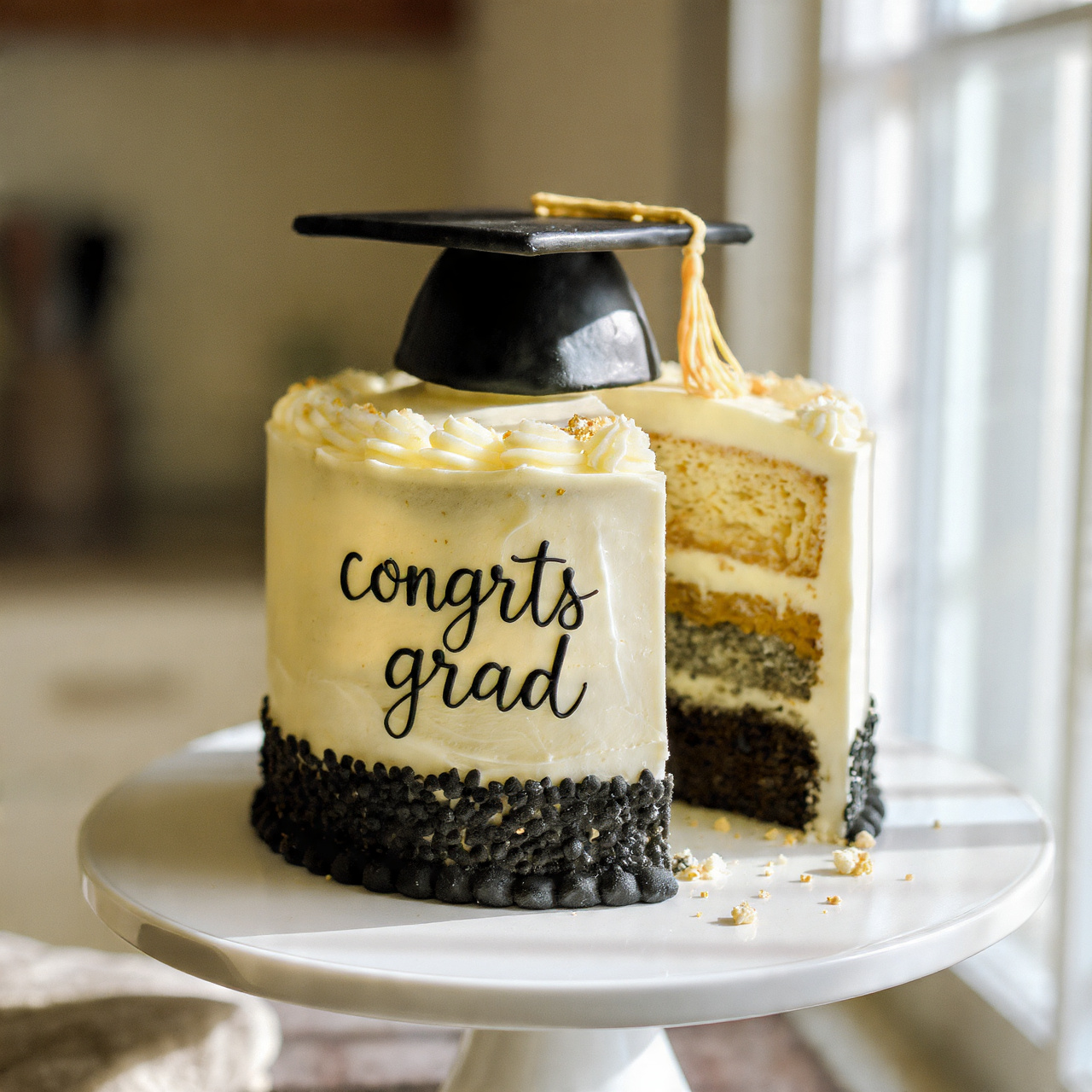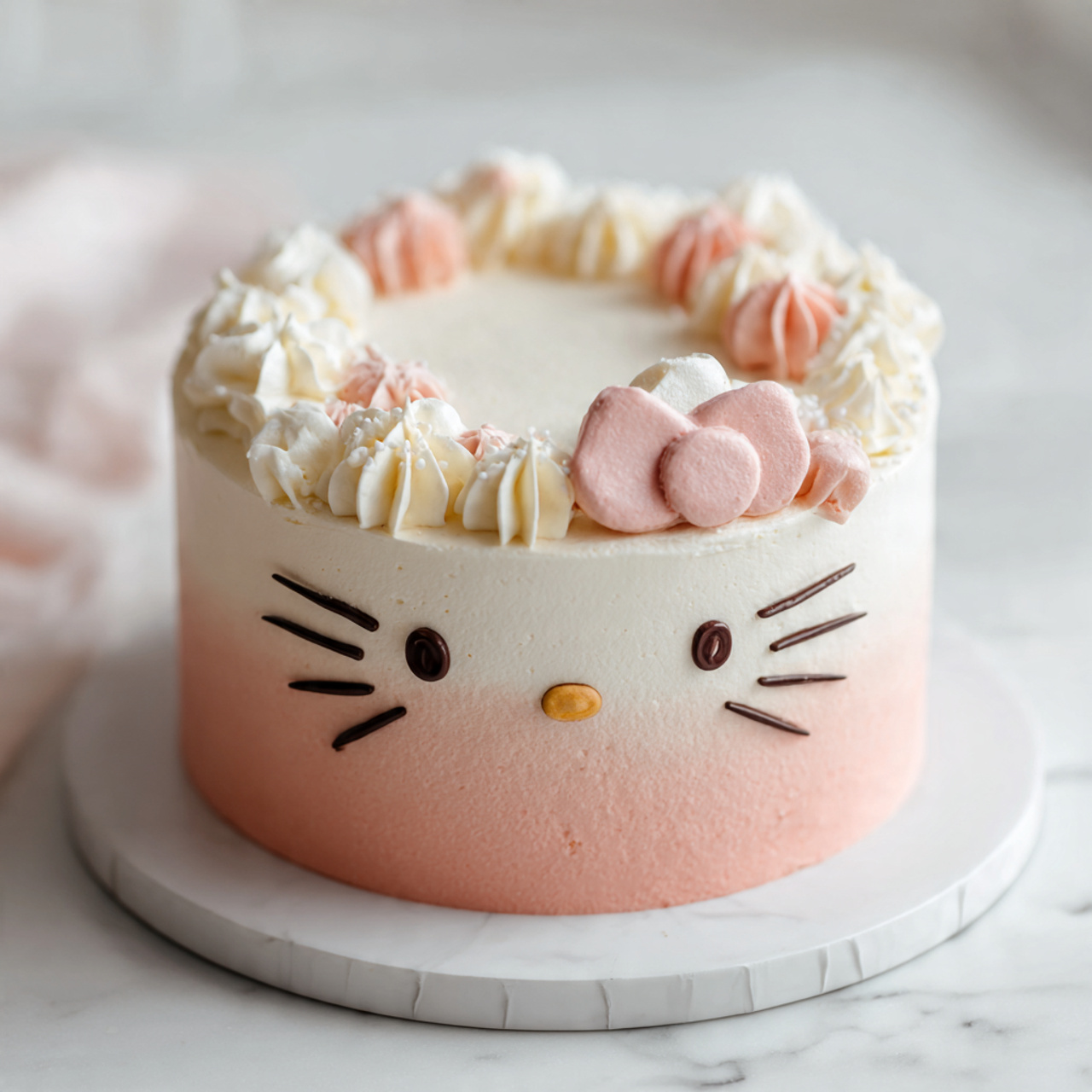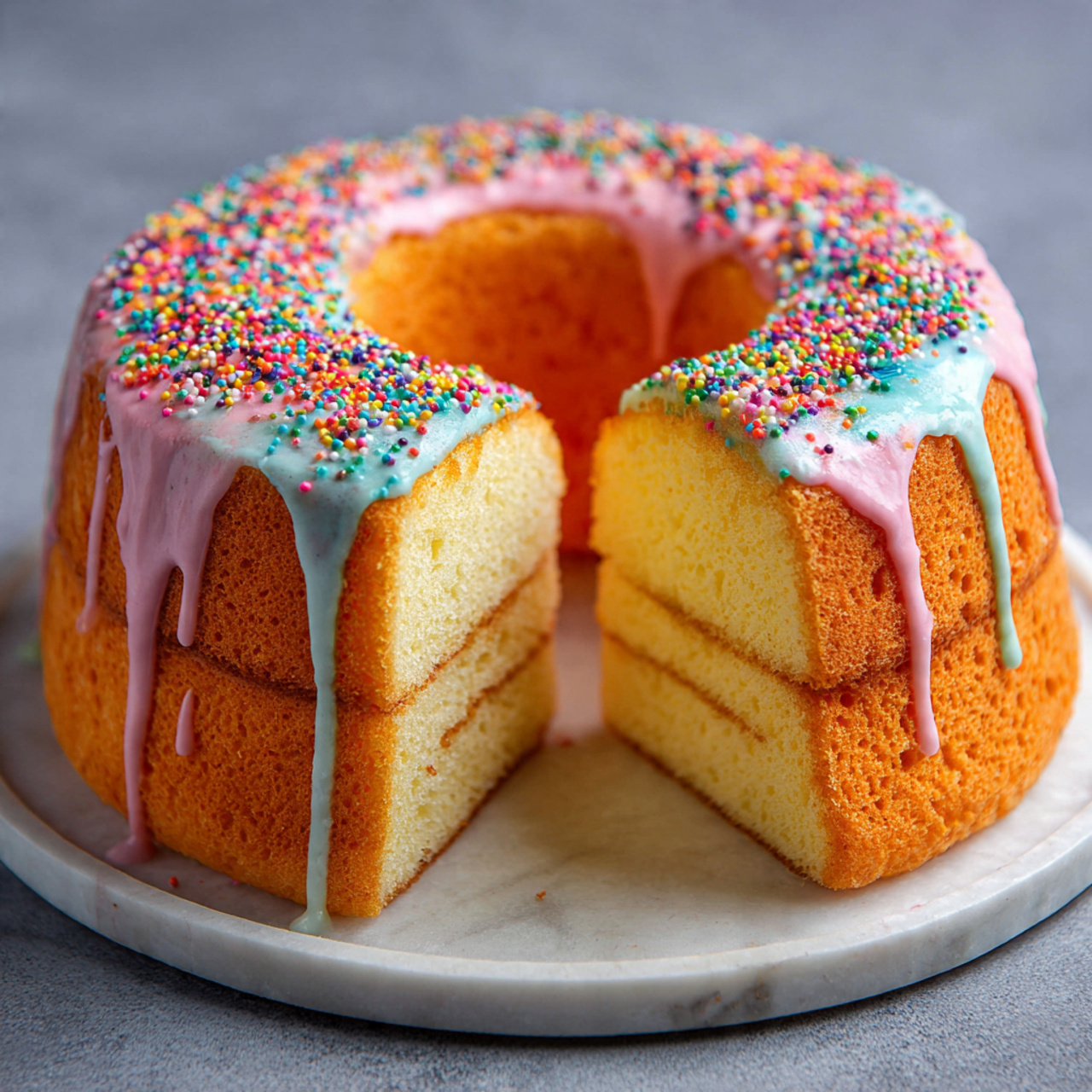
The Fluffiest Cake 18th Birthday Recipe for a Milestone Worth Celebrating
Most birthday cakes come out dense and dry — and it almost always happens because the butter went in cold or the batter got stirred one too many times. That single mistake changes the entire texture, turning what should be a tender, cloud-soft crumb into something closer to a doorstop. This cake 18th birthday recipe is built to fix both of those problems from the very first step, so you get a consistently light, bakery-worthy result whether you’re baking for the first time or the fiftieth.
Picture lifting a slice to find a pale golden crumb that springs back gently under your finger, the warm scent of vanilla still drifting up from the plate. The first bite is light and tender, the sweetness balanced and clean — none of that heavy richness that makes you put down your fork halfway through. Smooth frosting sits over the top in a cool, creamy layer that contrasts perfectly with the warmth of the vanilla underneath. It’s the kind of cake that makes people reach for a second slice before they’ve quite finished the first.
This is the cake for the backyard party with friends, the quiet family dinner with candles and a song, or the small gathering where one homemade birthday cake needs to feel like a real gesture. It works beautifully for anyone who loves a classic vanilla birthday cake, and it scales up without any fuss when more people show up than expected. If you’ve been looking for something that feels personal and celebratory without requiring a whole weekend in the kitchen, this is exactly where to start.
Why You’ll Love This Recipe
A Crumb So Tender It Practically Melts
Every slice of this cake is featherlight, with a soft, even crumb that gives way gently when you cut into it. That texture comes from properly creamed butter and a careful hand with the mixing — two things this recipe walks you through clearly so you get it right every time.
That Classic Vanilla Flavor Everyone Agrees On
There’s a reason vanilla is the reliable crowd-pleaser at every birthday table. The flavor here is warm, clean, and just sweet enough — comforting in the way that familiar things always are, without being heavy or one-note. It’s the kind of flavor that works for everyone, including the people who usually say they don’t have a preference.
Simple Enough for Any Skill Level
No special equipment, no complicated steps, no techniques that require a baking degree to understand. This recipe was written to be clear and reassuring from start to finish, which makes it genuinely beginner-friendly without talking down to experienced bakers who just want a reliable method.
Easy to Scale for Any Crowd
Baking for two or scaling up for a party of twenty — this recipe adjusts evenly and reliably either way. The ratios hold, the texture stays consistent, and the method doesn’t change. It’s as dependable for a small family celebration as it is for a bigger table.
A Make-Ahead Cake That Respects Your Time
Bake the cake the evening before, wrap it well, and frost on the morning of the celebration. The layers hold beautifully overnight, which means less stress on the big day and more time to actually enjoy it. This is an easy birthday cake that works around your schedule rather than the other way around.
Ingredients
For the Cake Batter
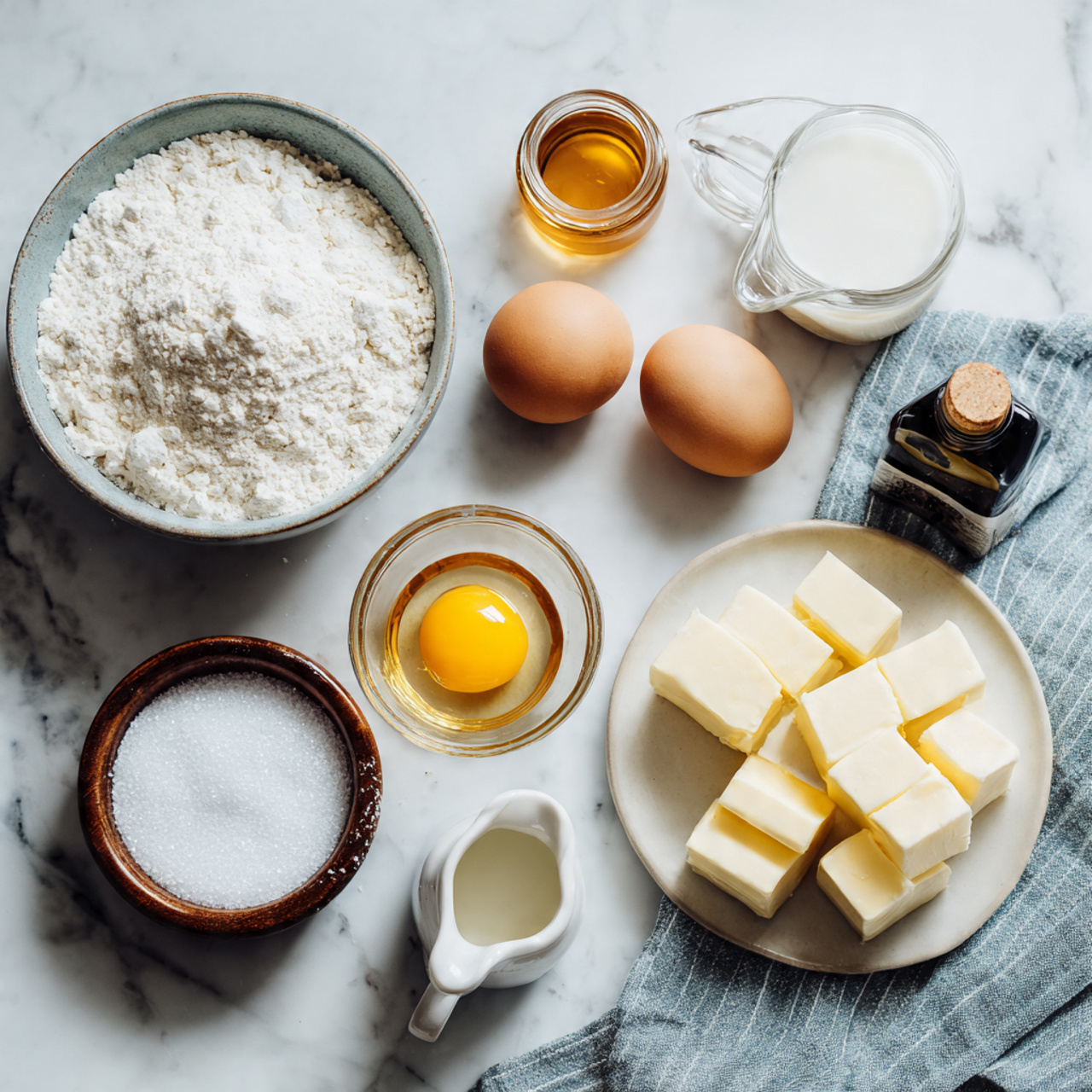
- 2 cups all-purpose flour
- 1 cup sugar
- 1/2 cup butter, softened (room temperature is essential — cold butter won’t cream properly and will flatten the crumb)
- 2 eggs (room temperature; set them out at least 30 minutes before baking)
- 1 cup milk
- 2 tsp baking powder
- 1 tsp vanilla extract (pure, not imitation — the difference in flavor is noticeable)
- 1/4 tsp salt
For the Frosting
- 1 cup whipped cream or your preferred frosting (store-bought or homemade both work beautifully; a simple buttercream is also wonderful here)
The softened butter and vanilla are doing most of the flavor work in this batter. The baking powder is what creates that light, airy lift, and the salt sharpens the sweetness without pushing it in any savory direction. The frosting brings a cool, creamy finish that ties everything together — smooth against the warm, tender layers underneath.
How to Make Cake 18th Birthday — Step-by-Step
Step 1: Set Up Your Pan and Preheat
Preheat your oven to 180°C and position the rack in the center of the oven. Grease your round cake pan generously with butter or non-stick spray, then line the base with a circle of baking paper — this is your insurance policy against sticking, and it takes about 30 seconds. Measure out all your ingredients and set them on the counter before you start mixing. Don’t worry if this prep step feels slow; once everything is in front of you, the batter comes together quickly and calmly.
Step 2: Cream the Butter and Sugar Until Pale and Fluffy
Add the softened butter and sugar to a large bowl and beat them together for 3 to 4 minutes until the mixture looks pale, light, and almost doubled in size. This is the most important step in the entire recipe — the air you’re working into the butter right now is what lifts the crumb and keeps the cake tender. Don’t rush it. The mixture should look almost whipped and feel noticeably lighter than when you started.
Step 3: Add the Eggs and Liquids
Crack in the eggs one at a time, mixing gently after each addition until just combined before adding the next. Then pour in the milk and vanilla extract and stir until the batter is smooth and lightly glossy. Don’t worry if it looks slightly curdled or separated for a moment after adding the milk — that’s completely normal and will come together once the flour goes in.
Step 4: Fold in the Dry Ingredients
Sift the flour, baking powder, and salt together, then tip them into the wet mixture. Use a spatula and fold everything together in slow, wide sweeping motions, working just until the last streak of flour disappears. You’re looking for a smooth, silky batter that falls slowly off the spatula. Stop mixing as soon as it comes together — overmixing is the most common cause of a dense, heavy crumb, so fold gently and let the batter be.
Step 5: Bake Until Golden
Pour the batter into your prepared pan and smooth the top with the back of a spoon or a small offset spatula. Give the pan one or two firm taps on the counter to release any trapped air bubbles, then place it in the center of the preheated oven. Bake for 28 to 32 minutes. The cake is ready when the top is golden and springy, the edges have pulled slightly away from the sides of the pan, and a toothpick inserted into the center comes out with just a few moist crumbs — not wet batter. Don’t worry if it needs a couple of extra minutes; ovens vary, and the toothpick tells you more than the timer.
Step 6: Cool Completely, Then Frost
Let the cake cool in the pan for 10 minutes, then carefully turn it out onto a wire rack. Here’s where patience pays off: let the cake cool completely before you touch the frosting — about 20 minutes at room temperature. A warm cake will melt your frosting and send it sliding off the sides. Once fully cool, spread the whipped cream or frosting over the top in an even layer, working outward from the center, and smooth the sides if you’re decorating them too. Now it’s ready to be yours.
Perfecting This Recipe
- Always start with room temperature butter and eggs. Cold ingredients don’t emulsify properly and lead to an uneven, sometimes greasy batter. Thirty minutes on the counter before baking makes a real difference.
- Beat the butter and sugar longer than feels necessary. That pale, fluffy, almost-whipped texture is what creates lift in the cake — it’s not decorative, it’s structural.
- Sift the dry ingredients before folding them in. This breaks up any clumps in the flour and distributes the baking powder evenly, which means consistent rise across the whole cake rather than dense patches.
- Fold, don’t stir. Once the flour meets the wet batter, gluten begins forming. The gentler your motion, the more tender the final crumb. Put down the whisk and use a spatula.
- Trust the toothpick test over the timer. Check at 28 minutes, and pull the cake the moment it comes out with a few moist crumbs rather than clean. A clean toothpick usually means you’ve gone a minute or two too far.
- Give the cooling step the full time it deserves. Frosting a slightly warm cake is the fastest way to end up with a melted, uneven top.
Common Mistakes to Avoid
- Using cold butter — Cold butter can’t cream properly with the sugar, which means less air in the batter and a denser, flatter cake. Let it soften fully at room temperature before you start.
- Overmixing after the flour goes in — This is the number one reason homemade cakes turn out tough. The moment the batter looks smooth and uniform, stop mixing. More stirring from that point only makes things worse.
- Opening the oven door in the first 20 minutes — A rush of cold air in the early stages of baking can cause the center of the cake to sink before it has a chance to set. Wait until at least the 25-minute mark before you peek.
- Frosting a warm cake — Even if the outside feels cool, the interior is often still warm enough to melt frosting on contact. Give it the full 20 minutes on the rack, and when in doubt, wait a little longer.
- Skipping the baking paper liner — A greased pan alone isn’t always enough, especially on the base. A paper liner takes 30 seconds to cut and fit, and it’s the difference between a clean release and a broken bottom layer on the most important day.
Add Your Touch
- Stir a tablespoon of lemon or orange zest into the batter for a bright citrusy note that cuts through the sweetness in the best way.
- Add half a teaspoon of almond extract alongside the vanilla for a more complex, lightly floral fragrance in the finished cake.
- Fold a small handful of fresh blueberries or raspberries into the batter before baking for natural pops of fruit flavor through the crumb.
- Swap white sugar for light brown sugar to bring in a faint caramel warmth that works beautifully with vanilla.
- Layer the frosting between two thin cake layers with sliced strawberries or peaches tucked in between for a more celebration-worthy presentation.
- Drizzle finished cake with a simple chocolate ganache for something bolder and more dramatic on the plate.
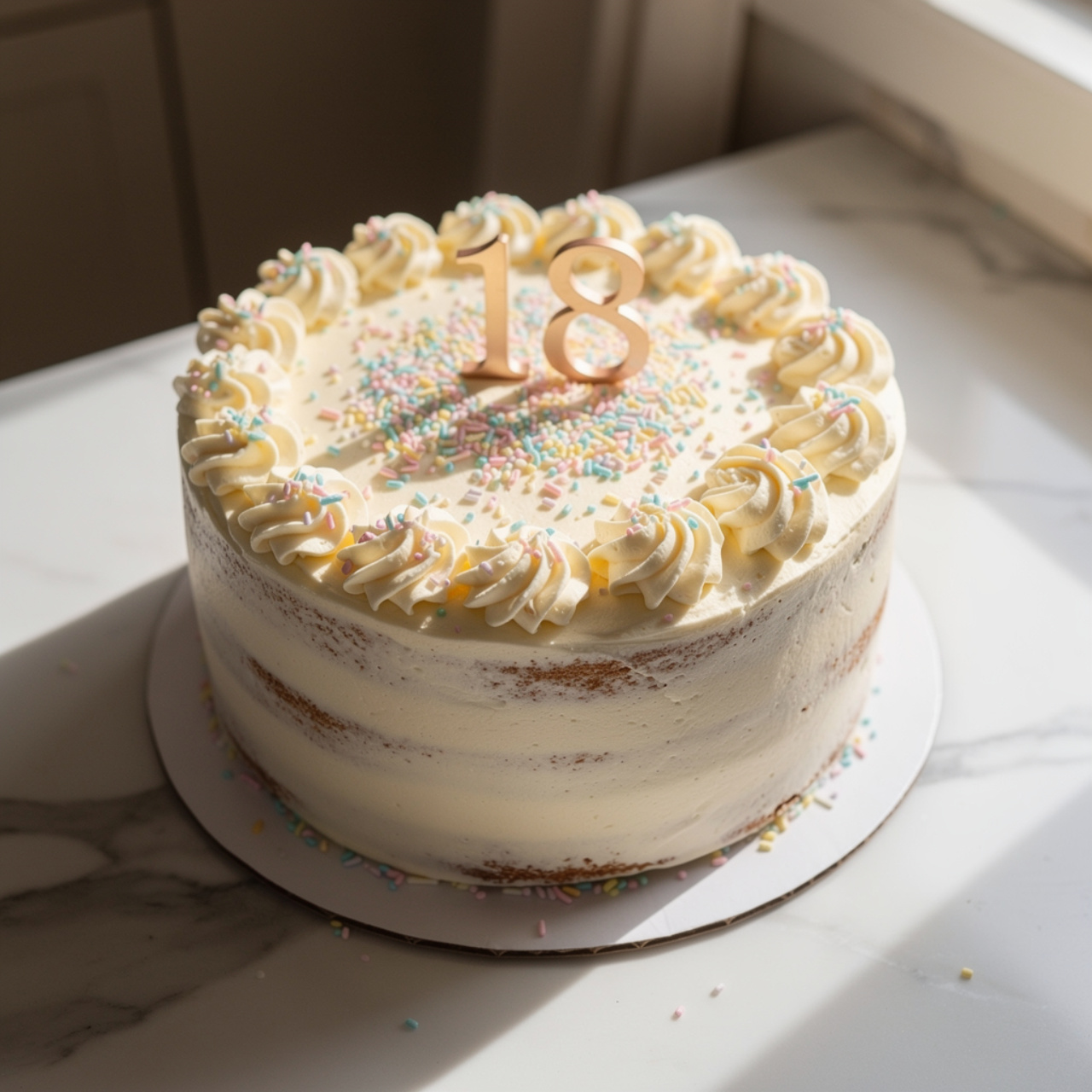
- Finish with edible gold dust, pearl sprinkles, or fresh flowers for a milestone cake 18th birthday look that really lands.
Visit Also: Sprinkle Cake
What to Serve With This
A scoop of good vanilla ice cream alongside a slice is a classic pairing that needs no explanation — warm cake, cold cream, everyone happy. Fresh seasonal fruit like strawberries, raspberries, or sliced peaches adds natural brightness that lifts the sweetness of the frosting without competing with it. A pot of strong tea or a good cup of coffee is perfect for a smaller, more intimate celebration where the conversation matters as much as the cake. If you’re serving a crowd, a simple lemonade or sparkling fruit punch gives the table something refreshing between bites. For a full party spread, a small bowl of mixed nuts or a cheese board alongside gives guests something savory to balance the sweetness.
Storing and Serving
Fridge Store leftover cake in an airtight container or wrapped tightly in plastic wrap in the fridge for up to 3 days. The crumb stays soft and the frosting holds well during this time, as long as it’s fully sealed.
Freezer The cake freezes beautifully, either as whole unfrosted layers or individual slices. Wrap tightly in plastic wrap first, then a layer of foil, and freeze for up to one month. Thaw overnight in the fridge and bring to room temperature before serving.
Reheating This cake is best enjoyed at room temperature rather than reheated. If a slice has been refrigerated, let it sit on the counter for 15 to 20 minutes before eating — the crumb softens back up and the flavor is noticeably better than cold.
Make-Ahead Tip Bake the cake up to one day in advance and store it unfrosted, wrapped in plastic wrap at room temperature. Add the frosting on the day of the celebration for the freshest result. Unfrosted layers can also be frozen up to one month ahead if you really want to get organized.
Servings This recipe makes approximately 10 slices from one standard round cake pan.
Nutrition (Approximate Per Serving)
- Calories: ~305
- Total Fat: 13g
- Saturated Fat: 8g
- Carbohydrates: 44g
- Sugar: 22g
- Protein: 5g
- Sodium: 210mg
Nutritional values are approximate and may vary based on specific ingredients and brands used.
Chef’s Helpful Tips
- Room temperature ingredients aren’t just a suggestion — they’re what allows the butter, eggs, and milk to combine into a smooth, even batter rather than a lumpy one. Set everything out 30 minutes before you start.
- To check if your butter is the right temperature, press a finger gently into it. It should leave an indent easily without the butter being oily or melted. That’s the sweet spot.
- For the cleanest slices, run a long sharp knife under hot water, wipe it dry, and then cut. Repeat between every slice and you’ll get clean, sharp edges with no crumbling frosting.
- If your cake domes in the center during baking, press it gently flat with a clean kitchen towel while it’s still just barely warm from the oven. By the time it cools, the top will be level and ready to frost evenly.
- If the crumb turns out denser than you’d like, the most likely causes are cold butter, overmixed batter, or a few extra minutes too long in the oven. All three are easy to adjust the next time.
Frequently Asked Questions
Q1. Can I make this cake the day before the party? Yes — and it actually holds up beautifully. Bake the cake, let it cool fully, wrap it in plastic wrap, and store it at room temperature overnight. Frost it the morning of the celebration and it will taste completely fresh.
Q2. Can I make this without eggs? You can substitute each egg with 60g of plain yogurt or half a ripe mashed banana. The texture will be slightly denser and moister, but the cake still bakes up soft and flavorful. The banana version adds a very subtle warmth to the flavor that works nicely with vanilla.
Q3. Is this a good recipe if I’ve never baked a layer cake before? Very much so. The steps are written to be clear, reassuring, and forgiving — if you can measure, mix, and use an oven, you can make this cake. It’s designed to work for first-time bakers without dumbing anything down for people who already know their way around a kitchen.
Q4. Can I freeze this cake to get ahead of a big celebration? Absolutely. Bake and cool the layers, wrap them individually in plastic wrap and then foil, and freeze for up to one month. Thaw overnight in the fridge, bring to room temperature, then frost and decorate before serving. It tastes just as good as freshly baked.
Q5. Can I double the recipe for a larger group? Yes, just double all ingredients evenly and divide the batter between two pans. Bake both on the center rack if your oven allows, or bake in two separate rounds at the same temperature. The baking time stays roughly the same, though it’s worth testing each pan individually with the toothpick rather than relying on one timing for both.
Conclusion
There’s something quietly meaningful about baking a birthday cake from scratch — the way the kitchen fills with warm vanilla, the moment you turn it out of the pan and realize it actually worked, and the way someone’s face changes when you bring it to the table with candles lit. This cake 18th birthday recipe is built around that experience. It doesn’t ask for professional skill, special equipment, or a whole day in the kitchen. It just asks for a little care, the right steps in the right order, and room temperature butter. In return, it gives you something soft, sweet, and genuinely worth celebrating.
So make it yours. Add the citrus zest, layer in the berries, dust it with gold, or keep it beautifully simple with nothing but smooth frosting and good candles. The milestone birthday cake you’ve been looking for has been this straightforward all along — and now you have the recipe to prove it.
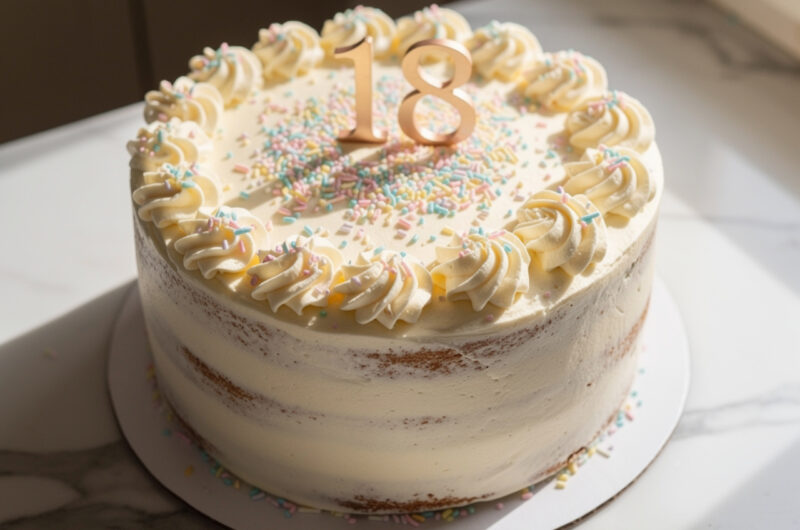
Cake 18th Birthday
Course: Trending Cake4
servings15
minutes30
minutes305
kcal1
hour5
minutesA soft, fluffy vanilla cake with a tender crumb and creamy frosting — simple enough for any home baker, special enough for the biggest milestone of the year.
Ingredients
For the Cake Batter:
2 cups all-purpose flour
1 cup sugar
1/2 cup butter, softened
2 eggs
1 cup milk
2 tsp baking powder
1 tsp vanilla extract
1/4 tsp salt
For the Frosting:
1 cup whipped cream or frosting
Directions
- Preheat oven to 180°C. Grease and line a round cake pan with baking paper.
- Beat softened butter and sugar together until pale and fluffy, about 3–4 minutes.
- Add eggs one at a time, mixing gently after each. Stir in milk and vanilla until smooth.
- Sift in flour, baking powder, and salt. Fold gently with a spatula until just combined — do not overmix.
- Pour batter into the pan, smooth the top, and tap once on the counter.
- Bake for 28–32 minutes until golden and a toothpick comes out with just a few moist crumbs.
- Cool in the pan for 10 minutes, then transfer to a wire rack and cool completely.
- Spread frosting evenly over the cooled cake and decorate as desired.