The Most Irresistible Moist Chocolate Cake Recipe You’ll Make Again and Again
Most chocolate cake recipes leave you with something dry, dense, or so weak in chocolate flavor you’re basically eating sweetened cardboard — and it almost always comes down to two specific mistakes: scooping flour directly from the bag, and skipping the hot liquid step. This recipe was built to fix both, and the result is a deeply moist chocolate cake with rich cocoa flavor that tastes like it came out of a real bakery.
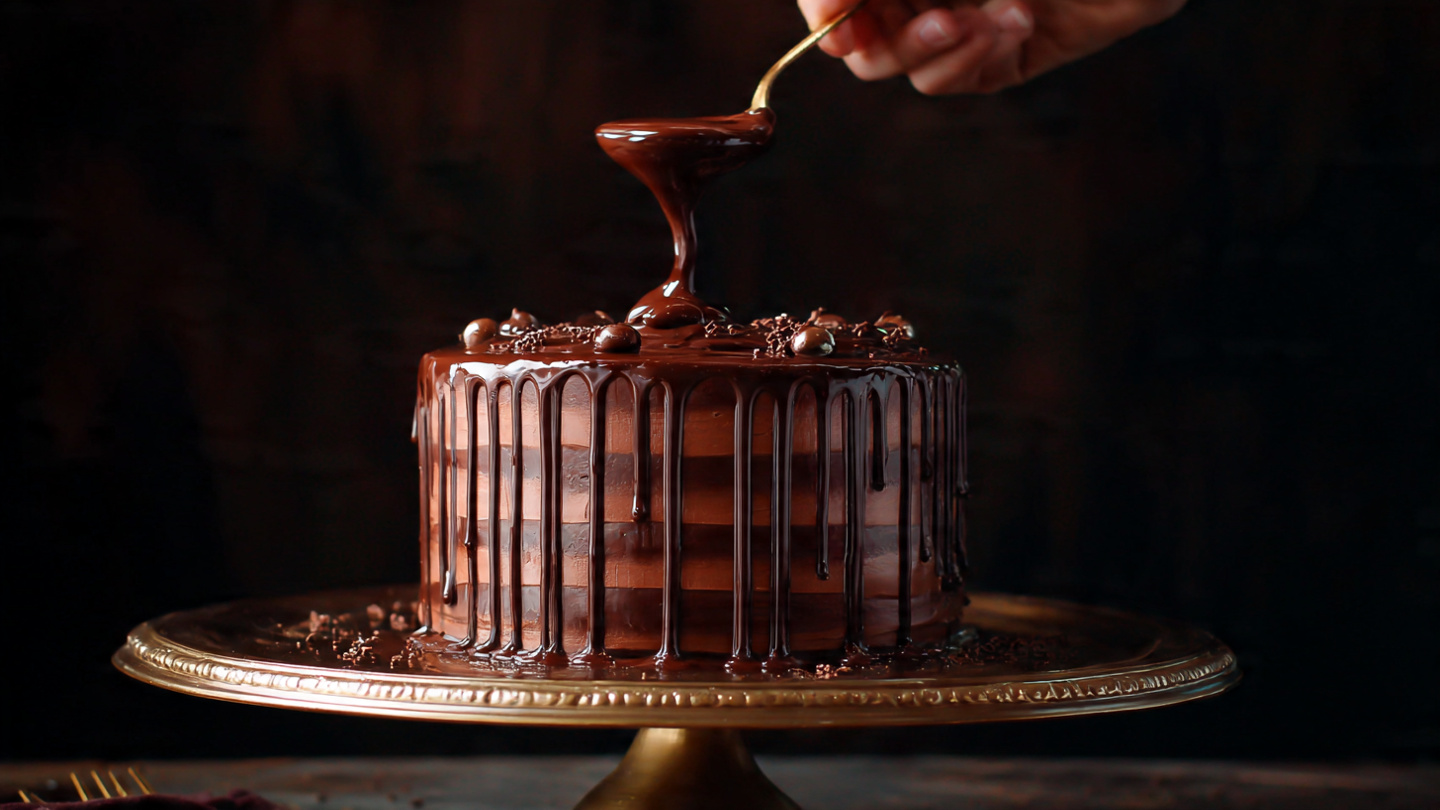
The moment this comes out of the oven, the kitchen fills with a warm, roasted cocoa scent that makes everything feel a little more settled. Each slice reveals an impossibly soft crumb — tender, just barely fudgy — with a chocolate flavor that’s deep and satisfying without being heavy. Whether you finish it with a generous layer of chocolate buttercream or simply dust the top with cocoa powder, every bite delivers something genuinely comforting. The flavor even deepens overnight, making day-two slices somehow better than day one.
This is the chocolate cake recipe you’ll reach for when birthdays roll around, when a potluck needs a reliable dessert, or when a slow Sunday afternoon calls for baking something worthy. It converts just as easily into a sheet cake for a crowd or cupcakes for a celebration — same batter, same results. Once you try it this way, it becomes the only easy chocolate cake recipe you’ll want to come back to.
Why You’ll Love This Recipe
Deep, Authentic Chocolate Flavor
The combination of quality cocoa powder and hot liquid blooms the cocoa, unlocking a flavor that’s richer and more layered than most recipes achieve. Add a teaspoon of espresso powder and the chocolate depth becomes almost indulgent. It tastes nothing like a box mix — in the best possible way.
A Moist, Tender Crumb That Lasts for Days
Oil instead of butter is the key to a crumb that stays soft and moist well past the day you bake it. Butter adds flavor, but oil keeps cakes from drying out, especially once refrigerated. You get that pillowy, fork-tender texture in every single bite, whether it’s fresh or on day three.
Simple Pantry Ingredients, No Special Equipment
Every ingredient in this recipe lives in a standard kitchen — flour, cocoa, sugar, eggs, oil, and a handful of baking staples you almost certainly already have. No stand mixer required, no specialty items to source. The batter comes together in about 15 minutes.
Flexible Enough for Any Occasion or Format
This batter bakes beautifully into two round layers, a 9×13 sheet cake, or a full batch of cupcakes without changing a single thing. That adaptability makes it one of the most useful celebration desserts you can have in your back pocket, no matter how many people you’re feeding.
Beginner-Friendly with Consistent, Reliable Results
The method is simple enough for a first-time baker, but the results are impressive enough that experienced bakers come back to it over and over. Measure carefully, watch the oven timer, and this recipe practically succeeds on its own.
Ingredients
For the Cake Batter
- 2 cups all-purpose flour (spooned and leveled — never scooped)
- ¾ cup unsweetened cocoa powder (Dutch-process gives the deepest flavor; natural cocoa works too)
- 2 cups granulated sugar
- 2 tsp baking powder
- 1½ tsp baking soda
- 1 tsp salt
- 2 large eggs, room temperature
- 1 cup whole milk, room temperature (or buttermilk for extra tenderness)
- ½ cup vegetable oil (any neutral oil works)
- 2 tsp vanilla extract (pure, not imitation)
- 1 cup hot water or freshly brewed hot coffee (coffee deepens chocolate flavor without tasting like coffee)
Optional Add-ins
- ½ cup chocolate chips (fold in at the end for melty pockets throughout)
- 1 tsp espresso powder (amplifies the chocolate flavor dramatically)
The batter will look noticeably thin after adding the hot liquid — that’s exactly how it should be. That pourable consistency is what creates the soft, moist crumb once baked. Trust the process and resist the urge to add more flour.
How to Make Chocolate Cake — Step-by-Step
Step 1: Prepare Your Pans and Preheat the Oven
Preheat your oven to 350°F (175°C). Grease two 9-inch round cake pans with butter or nonstick spray, then line the bottoms with parchment paper circles. This two-step approach — grease plus parchment — guarantees the layers release cleanly every time. Take your eggs and milk out of the fridge now so they have time to come to room temperature before you need them.
Step 2: Whisk Together the Dry Ingredients
In a large bowl, whisk together the flour, cocoa powder, sugar, baking powder, baking soda, and salt until evenly combined with no cocoa clumps remaining. Don’t worry if the cocoa takes an extra pass of the whisk to fully incorporate — just keep going until the mixture looks uniform and well-blended throughout. An even dry mix now means a more consistent bake later.
Step 3: Add the Wet Ingredients
Pour the eggs, milk, oil, and vanilla directly into the dry mixture. Stir with a whisk or spatula until the batter is smooth, glossy, and completely free of dry streaks. It will look thick and a little dense at this stage — that’s correct. Don’t worry if it seems like there isn’t quite enough liquid yet; the next step takes care of that.
Step 4: Stir in the Hot Liquid
Carefully pour in the hot water or coffee and stir until the batter is fully uniform. It will thin out noticeably — almost pourable, like a loose pancake batter — and that’s exactly right. This step blooms the cocoa powder and is largely responsible for the moist, tender crumb this cake is known for. Don’t be tempted to thicken it back up.
Step 5: Bake Until a Toothpick Comes Out Clean
Divide the batter evenly between your prepared pans and bake for 30–35 minutes. Rotate the pans once at the halfway point if your oven runs uneven. The cakes are done when the tops spring back gently when touched and a toothpick inserted in the center comes out clean or with just a couple of moist crumbs attached. For precision, an instant-read thermometer inserted into the center should read 200–205°F (93–96°C).
Step 6: Cool Completely Before Frosting
Let the cakes rest in their pans for 10 minutes — pulling them out too soon can cause cracking. Run a thin knife around the edges, then turn them out onto a wire rack and let them cool completely, at least 45–60 minutes. Frosting even a slightly warm cake leads to a melted, sliding mess. Patience here pays off in a finished cake that looks as good as it tastes.
Perfecting This Recipe
- Use the spoon-and-level method for flour every time. Dipping the measuring cup into the bag compacts the flour and can add 20–30% more than the recipe intends, leading directly to a dry, heavy crumb.
- Dutch-process cocoa powder gives you a darker, richer result with less acidity than natural cocoa. If you can find it, it’s worth using here.
- For perfectly even layers, weigh the batter with a kitchen scale rather than trying to eyeball equal amounts between two pans.
- Chill the frosted cake for 20–30 minutes before slicing if you want clean, bakery-style cuts. A chilled cake holds its structure much better under the knife.
- Let the finished cake sit at room temperature for several hours before serving if possible. The flavor genuinely deepens as it rests, and day-two slices are often the best of the batch.
- If you’re adding espresso powder, dissolve it in the hot liquid before stirring it in — it distributes more evenly that way.
Common Mistakes to Avoid
Measuring flour by scooping: Dipping your cup directly into the flour bag is the most common reason chocolate cake turns out dry and heavy. Always spoon flour into the measuring cup and level it off. This one change alone can transform your results.
Using cold eggs and milk: Cold dairy and cold eggs don’t emulsify smoothly into the batter, which affects the texture and can lead to an uneven rise. Pull them from the fridge 30–45 minutes before you start and the batter will come together noticeably better.
Opening the oven door too early: Checking before the 28-minute mark causes a temperature drop that can make the center sink and never fully recover. Set a timer and hold off until close to the end of the baking window before checking.
Overbaking to be safe: Leaving the cake in a few extra minutes “just in case” is one of the most reliable ways to end up with a dry crumb. Pull the cake as soon as the toothpick comes out with a couple of moist crumbs — not wet batter, but not bone dry either.
Frosting a warm cake: Even slightly warm layers will melt frosting right off and create a soupy finish. Give the cakes the full cooling time — you’ll see the difference in how cleanly the frosting sets.
Add Your Touch
- Stir a tablespoon of orange zest into the batter for a chocolate-orange version that feels elegant and festive.
- Swap vanilla extract for peppermint extract (start with ¼ teaspoon — it’s strong) for a holiday-ready variation.
- Add a teaspoon of cinnamon and a pinch of cayenne to the dry ingredients for a lightly spiced, warmly complex Mexican chocolate profile.
- Fill the layers with salted caramel sauce instead of frosting for a sweet-salty contrast that’s difficult to stop eating.
- Fold in ½ cup of melted dark chocolate along with the wet ingredients for a fudgier, denser crumb.
- Use the same batter for cupcakes by filling lined cups two-thirds full and baking at 350°F for 18–22 minutes.
Visit Also: Cupcake
What to Serve With This
A scoop of vanilla ice cream alongside a warm slice is a simple, reliable combination — the temperature contrast makes both things better. Fresh raspberries or sliced strawberries on the side add a bright acidity that cuts through the richness beautifully. A light dusting of flaky sea salt over the frosting is an easy upgrade that makes the chocolate flavor pop. For an everyday dessert, a cold glass of whole milk or a strong cup of black coffee is the perfect finish. If you’re putting together a full celebration spread, this pairs naturally with a simple fruit salad or a bowl of fresh whipped cream for guests to help themselves.
Storing and Serving
Fridge Store the frosted cake in an airtight container or under a cake dome in the refrigerator for up to 5 days. The crumb stays moist throughout and the flavor deepens over time — it’s genuinely excellent on day three.
Freezer Unfrosted cake layers freeze very well. Wrap each layer tightly in plastic wrap, then place in a freezer-safe bag or airtight container. Freeze for up to 3 months. Thaw overnight in the refrigerator, then bring to room temperature before frosting and serving.
Reheating Individual slices can be warmed in the microwave for 10–15 seconds to take off the chill. Avoid reheating a frosted cake whole, as the frosting will melt unevenly.
Make-Ahead Tip Bake the cake layers up to 2 days in advance, wrap them tightly, and store at room temperature. Frost the day you plan to serve for the best presentation and texture. Don’t make the batter ahead — it should go into the oven right after mixing.
Servings This recipe yields 12 generous slices from a two-layer 9-inch round cake, or approximately 24 standard cupcakes.
Nutrition (Approximate Per Serving — Unfrosted)
- Calories: 340
- Total Fat: 14g
- Saturated Fat: 2g
- Carbohydrates: 52g
- Sugar: 35g
- Protein: 5g
- Sodium: 375mg
Nutritional values are approximate and may vary based on specific ingredients and brands used.
Chef’s Helpful Tips
- Room temperature eggs and milk incorporate far more smoothly into the batter and contribute to a more even, tender rise — it’s a small step that’s easy to skip and genuinely worth taking.
- Stop mixing the moment no dry streaks remain after adding the wet ingredients. Overworking the batter develops gluten and leads to a tougher, chewier texture than you want.
- For bakery-clean slices, wipe your knife with a warm damp cloth between each cut. It takes seconds and completely changes how the finished slices look on the plate.
- If your oven runs hot, check the cake at the 28-minute mark rather than waiting for 30. An oven thermometer is a worthwhile investment — most home ovens are off by 25°F or more.
- If your finished cake turns out denser than expected, the most likely culprits are too much flour or expired leavening agents. Test your baking soda by dropping a teaspoon into hot water — it should bubble immediately and vigorously.
Frequently Asked Questions
Q1. Can I make this chocolate cake without coffee? Absolutely — hot water works just as well and gives you a wonderful result. The coffee doesn’t make the cake taste like coffee at all; it simply adds depth to the chocolate. Plain hot water is a perfectly fine substitute and still creates that soft, moist chocolate cake texture the recipe is known for.
Q2. What’s the best substitute for whole milk? Buttermilk is genuinely the best swap — it adds a subtle tang and creates an even more tender crumb. Oat milk or almond milk also work if you need a dairy-free option, though the texture may be very slightly different. Avoid skim milk or very watery alternatives, as they can make the batter lean.
Q3. Is this recipe manageable for a first-time baker? Completely. The method is straightforward — combine dry ingredients, add wet, stir in hot liquid, and bake. The most important thing to get right is measuring the flour correctly (spoon and level, not scoop), and keeping an eye on the oven. This is a very forgiving recipe and a great first layer cake project.
Q4. How far in advance can I make this for a party or potluck? The layers can be baked up to 2 days ahead and stored tightly wrapped at room temperature. If you’re frosting in advance, refrigerate the finished cake and allow it to sit at room temperature for 30 minutes before serving. It travels well, holds its shape, and feeds a crowd without any last-minute stress.
Q5. Can I freeze the finished cake? Yes, though unfrosted layers freeze best. Wrap each layer in plastic wrap, then foil, and freeze for up to 3 months. Thaw overnight in the fridge before bringing to room temperature and frosting. A fully frosted cake can also be frozen, though the frosting texture may shift slightly after thawing.
Conclusion
There’s a reason chocolate cake is the dessert most people request above anything else — it’s comforting in a way that feels almost instinctive. This version earns its place not just by being reliable, but by being deliberate: every element has a purpose, from the hot liquid that unlocks the cocoa to the oil that keeps the crumb soft for days. It’s a chocolate cake recipe that actually does what it promises.
Make it for a birthday, bring it to a gathering, or bake it on a quiet Sunday with no occasion at all. Adjust the frosting, fold in a twist, format it however suits the moment — it holds up every time. Once this one is in your rotation, you’ll understand why some recipes just stick.
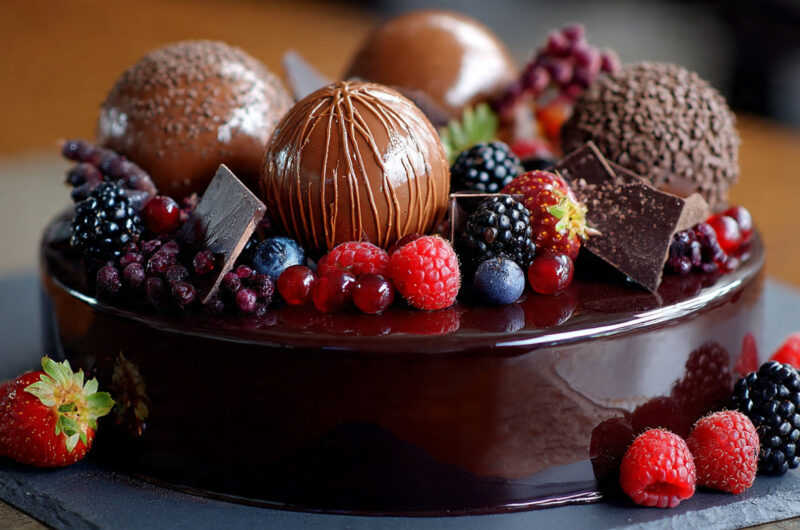
Moist Chocolate Cake
12 slices
servings15
minutes35
minutes340
kcal1
hour30
minutesA deeply chocolatey, perfectly moist layer cake with a tender, fudgy crumb and rich cocoa flavor. Easy enough for beginners, impressive enough for any celebration — this is the one chocolate cake recipe worth memorizing.
Ingredients
Cake Batter:
2 cups all-purpose flour
¾ cup unsweetened cocoa powder
2 cups granulated sugar
2 tsp baking powder
1½ tsp baking soda
1 tsp salt
2 large eggs, room temperature
1 cup whole milk, room temperature
½ cup vegetable oil
2 tsp vanilla extract
1 cup hot water or brewed coffee
Optional Add-ins:
½ cup chocolate chips
1 tsp espresso powder
Directions
- Preheat oven to 350°F (175°C). Grease and line two 9-inch round cake pans with parchment paper.
- Whisk flour, cocoa, sugar, baking powder, baking soda, and salt in a large bowl until evenly combined.
- Add eggs, milk, oil, and vanilla. Stir until smooth and no dry streaks remain.
- Pour in hot water or coffee and stir until the batter is thin and uniform throughout.
- Divide batter evenly between pans. Bake 30–35 minutes, until a toothpick inserted in the center comes out clean.
- Cool in pans 10 minutes, then turn out onto a wire rack. Cool completely before frosting.