The Softest Valentine’s Day Cake That Makes Any Moment Feel Truly Special
Most homemade cakes baked for Valentine’s Day end up dense, dry, or disappointingly flat — and it almost always comes down to two things: butter that wasn’t truly soft enough, and batter that got mixed one too many times. This Valentine’s Day Cake was built specifically to sidestep every one of those pitfalls, so what comes out of your oven is tender, moist, and exactly as good as the photo you pinned.
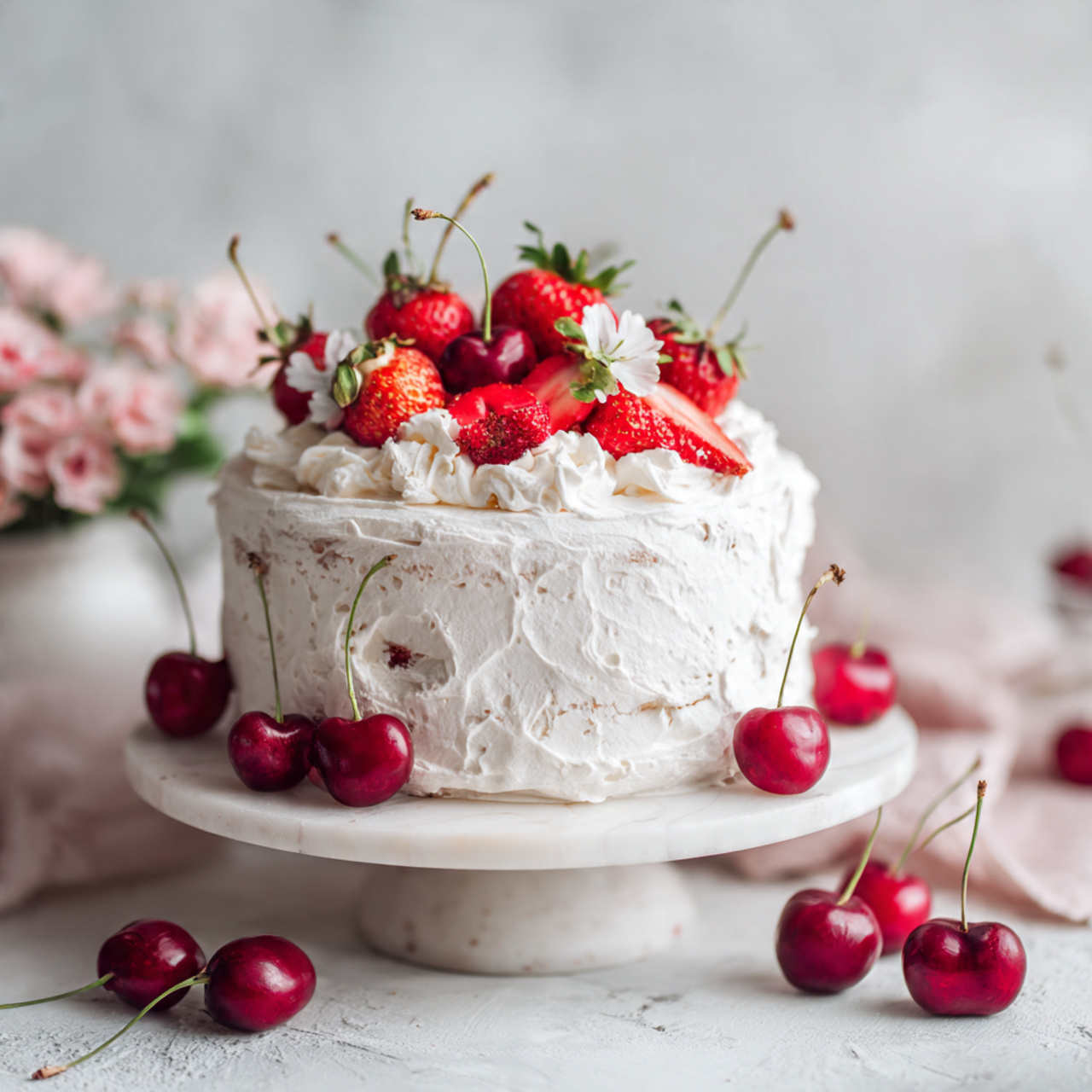
Imagine pulling a lightly golden cake from the oven while the sweet scent of warm vanilla drifts through your kitchen. The crumb is impossibly soft — it gives just slightly when you press it, then springs back like a cloud. Once you spread that billowy whipped cream frosting across the top and nestle a few ripe strawberries over it, the whole thing looks like it belongs in a bakery window. Every bite is lightly sweet, cool from the cream, and bright from the fruit — the kind of dessert that makes people quietly reach for a second slice.
This recipe fits effortlessly into a quiet Valentine’s evening at home, a Galentine’s brunch with your closest friends, or even a last-minute anniversary dessert when you want something homemade but don’t have all day. It pairs naturally with a simple celebration spread — think a cheese board, a glass of rosé, and this as the centerpiece — or works just as beautifully on its own with a cup of tea. Whether you’re baking for two or a full table, scroll down and let’s get started.
Why You’ll Love This Recipe
A Crumb So Soft It Practically Melts
The texture of this cake is what keeps people coming back. Thanks to properly softened butter and a gentle folding technique, the crumb comes out tender and light — not spongy, not heavy, just that perfect slice that holds together beautifully on the plate and disappears just as fast.
Sweetness That Hits Just Right
This isn’t a sugar-forward cake, and that’s exactly the point. The vanilla base is subtly sweet and well-balanced, which means the whipped cream frosting gets to shine without anything feeling cloying or too rich. It’s the kind of sweetness that makes you want one more bite instead of pushing the plate away.
A Recipe Even First-Time Bakers Nail
There are no complicated techniques here — no tempering chocolate, no finicky custard filling, nothing that requires a candy thermometer. If you can cream butter and fold a batter, you can make this. It’s one of those easy romantic dessert recipes that genuinely delivers on every promise.
Made for Sharing, Easy to Scale
This recipe works beautifully for a small, intimate gathering or a cozy dinner for two with leftovers for the next morning. The base produces a lovely single-layer cake, and both the batter and frosting scale up simply if you want to go full Valentine’s Day showstopper.
Endlessly Customizable With What You Have
Strawberries on top, a drizzle of honey, a swirl of jam through the batter, a hint of rose water in the frosting — this cake takes personalization happily. You can dress it up or keep it completely minimal, and it works either way. That versatility is exactly why it becomes a recipe you reach for well beyond February.
Ingredients
For the Cake
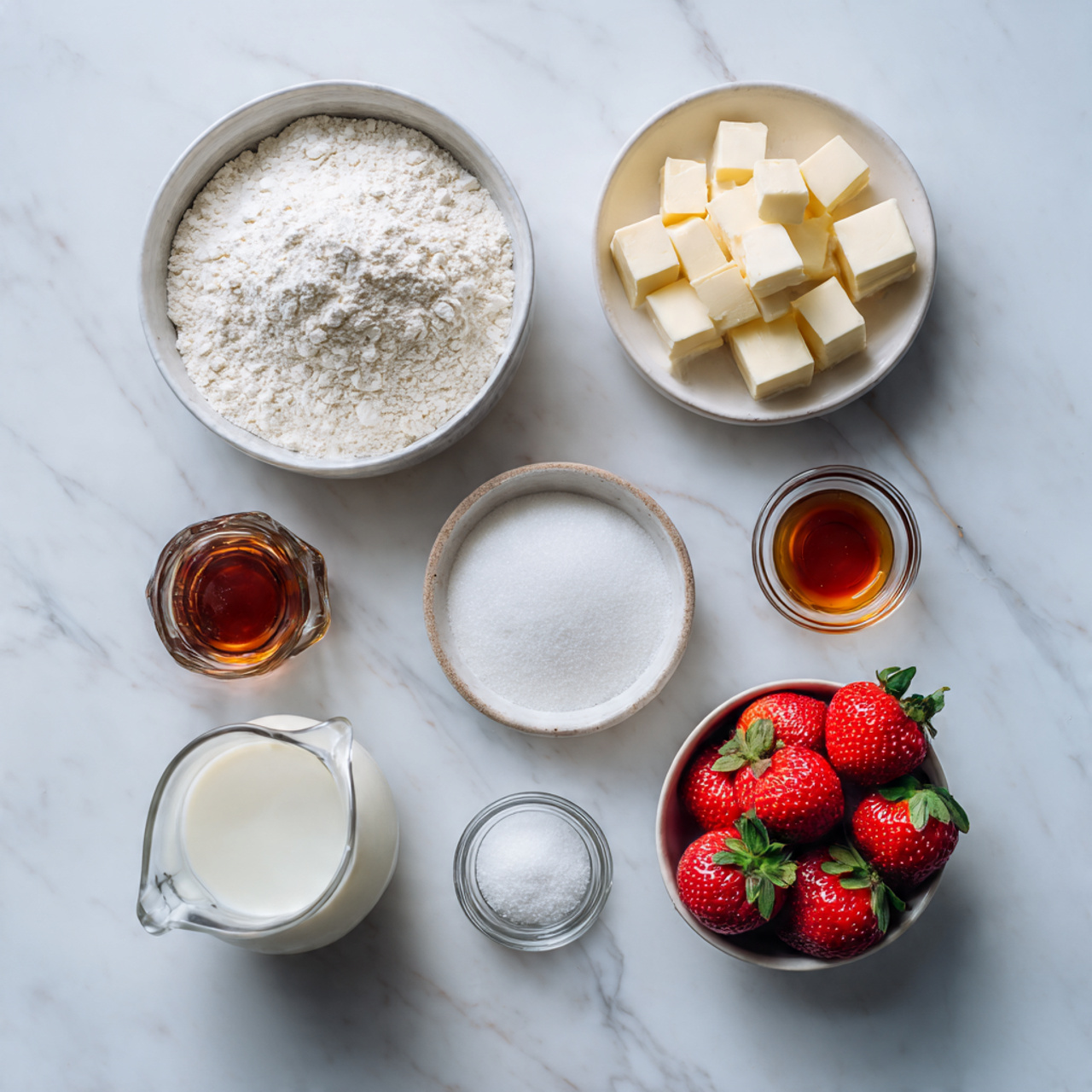
- 2 cups all-purpose flour
- 1 cup sugar
- ½ cup unsalted butter, softened (room temperature is essential — see Chef’s Tips)
- 1 cup milk (whole milk gives the richest texture, but 2% works well too)
- 2 teaspoons baking powder
- 1 teaspoon vanilla extract (pure, not imitation — in a simple recipe like this, it shows)
- ½ teaspoon salt
For the Whipped Cream Frosting
- ½ cup heavy whipping cream (cold, straight from the fridge)
- ¼ cup powdered sugar (sifted to prevent any lumpy frosting)
Optional Topping
- Fresh strawberries or cherries, halved or left whole
The vanilla in the batter plays beautifully against the cool lightness of the whipped cream, and a handful of fresh fruit on top adds just enough color and tartness to make every slice feel like a small, proper celebration.
How to Make Valentine’s Day Cake — Step-by-Step
Step 1: Prep Your Pan and Oven
Preheat your oven to 180°C (350°F) and grease a medium round cake pan thoroughly on all sides, then dust it lightly with flour. This two-step process ensures the cake releases cleanly — no sticking, no torn edges. Don’t worry if a little excess flour clings to the corners; it won’t affect the finished cake at all.
Step 2: Cream the Butter and Sugar
Beat the softened butter and sugar together in a large bowl until the mixture turns pale, noticeably fluffy, and lighter in color — this usually takes about 2 to 3 minutes with a hand mixer. That incorporated air is what gives your cake its lift and light texture. Add the milk and vanilla extract and mix until just combined. The batter may look slightly separated or curdled at this stage, and that’s completely normal — it comes together once the dry ingredients go in.
Step 3: Fold in the Dry Ingredients
In a separate bowl, whisk together the flour, baking powder, and salt. Add this dry mixture to the wet bowl in two or three additions, folding gently with a spatula each time. Stop the moment you no longer see dry streaks — this is the most important moment in the recipe. Don’t worry if a few small lumps remain; they bake out cleanly. Overmixing from here is what leads to a dense, tough crumb, so put the spoon down early.
Step 4: Pour and Bake
Pour the batter into your prepared pan and use a spatula to smooth the top gently. Give the pan one or two firm taps on the counter to release any trapped air bubbles, then slide it into the oven. Bake for 25 to 30 minutes, until the top is lightly golden and a toothpick inserted into the center comes out clean. Your kitchen will smell absolutely incredible around the 20-minute mark — try not to open the oven door until at least the 22-minute mark.
Step 5: Cool, Frost, and Decorate
This step requires just a little patience. Let the cake cool in the pan for at least 20 minutes before turning it out onto a wire rack to finish cooling completely. Frosting a warm cake will melt your whipped cream before you even finish spreading it. Once fully cooled, whip the cold heavy cream and sifted powdered sugar together until soft peaks form, then spread it generously across the top of the cake. Finish with fresh strawberries or cherries, slice it into generous wedges, and serve right away.
Perfecting This Recipe
- Use butter that’s truly at room temperature — soft enough to leave a thumbprint but not shiny or melted. Cold butter doesn’t incorporate air the same way, and that air is your cake’s lift.
- Sift the powdered sugar before whipping your cream. It takes ten extra seconds and prevents a gritty, uneven frosting.
- Fold the batter gently and stop early. The moment no dry flour streaks are visible, you’re done. Every extra stir develops more gluten and makes the crumb tougher.
- Bake on the center rack for the most even heat distribution and a flat, level top.
- Let the cake cool completely before frosting — rushing this single step causes more whipped cream disasters than anything else.
- For the cleanest slices, refrigerate the frosted cake for 20 to 30 minutes before cutting with a warm, sharp knife.
Common Mistakes to Avoid
- Using cold butter — Cold butter won’t cream properly, which means less air in your batter and a cake that bakes up dense and heavy. Pull butter from the fridge at least 30 to 45 minutes before you start.
- Overmixing once the flour is in — As soon as the dry ingredients hit the wet bowl, gluten begins forming fast. Mix only until the streaks disappear and stop immediately. This is the single most common reason home cakes turn out tough.
- Frosting a warm cake — Whipped cream needs a completely cooled surface or it will slide, melt, and pool around the edges. Even slightly warm cake is enough to ruin the frosting. Always wait.
- Not checking the oven early — Every oven runs a little differently. Start checking with a toothpick at 22 minutes rather than waiting for the full 30, so you don’t accidentally dry the crumb out by a few extra minutes.
- Skipping the pan prep — Even non-stick pans can hold onto cake. Greasing and flouring takes under a minute and is the difference between a cake that slides out cleanly and one that tears.
Add Your Touch
- Fold a tablespoon of strawberry jam or raspberry preserves into the batter before baking for a subtle fruity swirl through every slice.
- Add a teaspoon of freshly grated lemon zest to the batter for a bright, citrusy lift that pairs beautifully with the vanilla.
- Stir in a few drops of pink or red food coloring before pouring into the pan — when you slice it, there’s a lovely Valentine’s Day surprise inside.
- Top with a mix of fresh berries — raspberries, blueberries, and strawberries — for a more vibrant, fruit-forward presentation.
- Add a single drop of rose water to the whipped cream for a floral, elegant twist that feels genuinely special without being overwhelming.
- Use dairy-free butter and oat milk to make this fully plant-based; the crumb stays tender and the flavor holds up beautifully.
Visit Also: Eggless Cake Recipe
What to Serve With This
A hot cup of Earl Grey tea or strong black coffee makes a calm, classic pairing for an after-dinner slice. A chilled glass of rosé or Prosecco turns the whole thing into a proper Valentine’s Day moment. Fresh raspberries on the side add a tart brightness that contrasts beautifully with the sweet cream. A small scoop of vanilla ice cream alongside makes this simple cake feel like a restaurant dessert. For a real showstopper finish at a romantic dinner, serve it with a small dish of warm chocolate dipping sauce on the side.
Storing and Serving
Fridge Store the frosted cake covered in an airtight container or wrapped tightly in plastic wrap. It keeps well in the fridge for up to 3 days. The whipped cream holds its shape best when chilled, so keep it refrigerated until just before serving.
Freezer For longer storage, freeze the cake unfrosted. Wrap individual slices tightly in plastic wrap, then place them in a freezer-safe bag or container. They keep for up to 1 month. Thaw overnight in the fridge and add fresh frosting and fruit topping when you’re ready to serve.
Reheating This cake is best at room temperature. Pull it from the fridge 15 to 20 minutes before eating so the crumb softens back up naturally. Avoid microwaving frosted slices — the whipped cream melts quickly and unevenly. For a plain unfrosted slice, a few seconds of gentle heat works fine.
Make-Ahead Tip Bake the cake up to 1 day in advance, wrap it tightly once it’s fully cooled, and refrigerate unfrosted. Add the whipped cream and fresh fruit topping within 1 to 2 hours of serving for the freshest look and best texture.
Servings This recipe yields approximately 8 slices from a single-layer round cake.
Nutrition (Approximate Per Serving)
- Calories: ~335
- Total Fat: 14g
- Saturated Fat: 8g
- Carbohydrates: 48g
- Sugar: 26g
- Protein: 4g
- Sodium: 180mg
Nutritional values are approximate and may vary based on specific ingredients and brands used.
Chef’s Helpful Tips
- Room temperature ingredients aren’t just a suggestion — they genuinely change the outcome. Cold butter and cold milk both make it harder for the batter to emulsify smoothly, and the difference in texture is noticeable.
- Start checking for doneness at 22 to 23 minutes rather than waiting the full 30. A toothpick in the center is always more reliable than a timer alone.
- For the cleanest, most bakery-style slices, rinse your knife under hot water, wipe it dry, and then cut. Repeat between each slice.
- If your whipped cream starts to look grainy or slightly separated, you’ve gone just a touch too far. Next time, stop whipping the moment it barely holds a peak.
- In a recipe this simple, ingredient quality is noticeable. Pure vanilla extract — not imitation — makes a real difference when vanilla is one of only two flavor notes in the batter.
Frequently Asked Questions
Q1. Can I make this Valentine’s Day Cake the day before? Absolutely — this recipe actually benefits from a little advance prep. Bake the cake, let it cool completely, wrap it tightly in plastic wrap, and refrigerate it unfrosted. Add your whipped cream frosting and fresh fruit within a couple of hours of serving so everything looks its brightest and best.
Q2. What can I use instead of milk? Several things work beautifully here. Plain yogurt thinned with a splash of water adds richness and a very light tang, or you can use any unsweetened plant-based milk — oat milk and almond milk both produce a lovely, tender crumb. Keep the quantity the same as listed.
Q3. My cake turned out dense. What went wrong? Most likely one of two things: either the butter wasn’t fully softened before you started creaming it, or the batter was overmixed after the flour was added. Both issues prevent the batter from holding the air it needs for a light texture. Next time, give the butter more time to come to room temperature and fold the dry ingredients in as gently and briefly as possible.
Q4. Is this recipe beginner-friendly? It genuinely is. There are no complicated techniques, no unusual equipment, and the steps are forgiving enough that small imperfections don’t ruin the result. If you can operate a hand mixer and set an oven timer, you have everything you need. This is a wonderful first homemade cake for a special occasion.
Q5. Can I freeze this cake? Yes, easily. Freeze the cake unfrosted — either whole or in individual slices — wrapped tightly in plastic wrap and sealed in a freezer bag. It keeps well for up to a month. Thaw overnight in the fridge and add fresh whipped cream frosting before serving; the texture holds up beautifully.
Conclusion
There’s a quiet kind of joy in baking something for someone you love — or honestly, just for yourself on a slow February evening. This Valentine’s Day Cake doesn’t ask much from you: a handful of pantry staples, about an hour from start to finish, and a willingness to let your kitchen smell incredible for a little while. What it gives back is a soft, creamy, genuinely beautiful dessert that feels far more thoughtful than the effort it takes to make it.
Bake it once and you’ll understand why it earns a permanent spot in your regular rotation well beyond Valentine’s Day. Dress it up with berries and rosé for a romantic dinner, or keep it simple with a cup of tea for a slow Sunday morning. Either way, slice it generously, share it freely, and don’t forget to lick the frosting spoon.
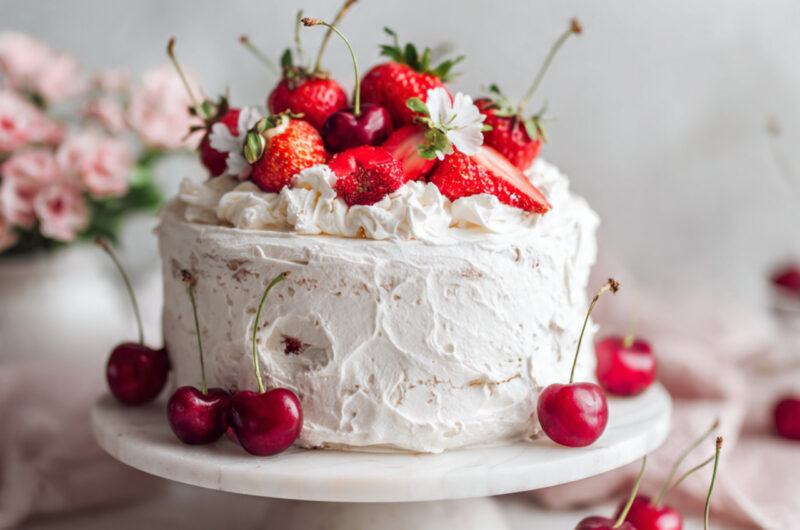
Soft Valentine’s Day Cake with Whipped Cream Frosting
Course: Trending Cake4
servings15
minutes30
minutes335
kcal1
hour5
minutesA tender, lightly sweet vanilla cake topped with billowy whipped cream and fresh strawberries. Simple enough for any skill level, beautiful enough for any occasion, and ready in just over an hour.
Ingredients
For the Cake:
2 cups all-purpose flour
1 cup sugar
½ cup unsalted butter, softened
1 cup milk
2 teaspoons baking powder
1 teaspoon vanilla extract
½ teaspoon salt
For the Whipped Cream Frosting:
½ cup heavy whipping cream (cold)
¼ cup powdered sugar (sifted)
Optional Topping:
Fresh strawberries or cherries
Directions
- Preheat oven to 180°C (350°F). Grease and flour a medium round cake pan.
- Beat softened butter and sugar until pale and fluffy, about 2–3 minutes.
- Add milk and vanilla extract; mix until just combined.
- In a separate bowl, whisk flour, baking powder, and salt together. Fold into the wet mixture in two additions until no dry streaks remain. Do not overmix.
- Pour batter into the prepared pan. Smooth the top and tap the pan once or twice on the counter to release air bubbles.
- Bake 25–30 minutes until lightly golden on top and a toothpick inserted in the center comes out clean.
- Cool completely in the pan for at least 20 minutes before turning out.
- Whip cold cream and sifted powdered sugar to soft peaks. Spread over the fully cooled cake.
- Top with fresh strawberries or cherries. Slice and serve.