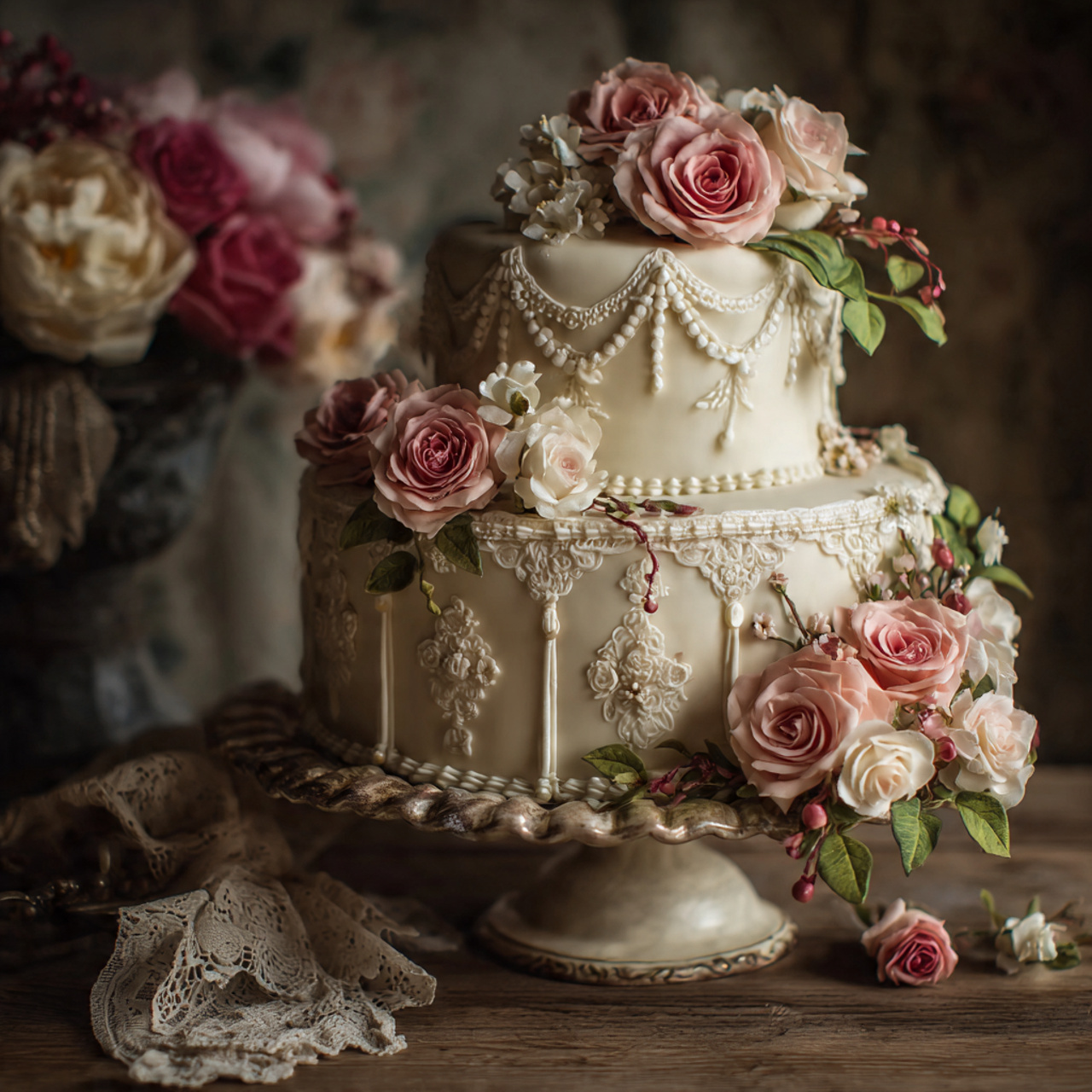
The Most Elegant Vintage Wedding Cake You Can Actually Bake at Home
Most homemade layer cakes fall apart the moment you try to frost them — and it’s almost always because the layers went into the fridge warm. The frosting slides, the crumb tears, and that beautiful tiered look collapses before the first slice. This Vintage Wedding Cake recipe fixes that with one simple rule built right into the method, so every layer stacks cleanly and the finish stays smooth from the first swirl to the last bite.
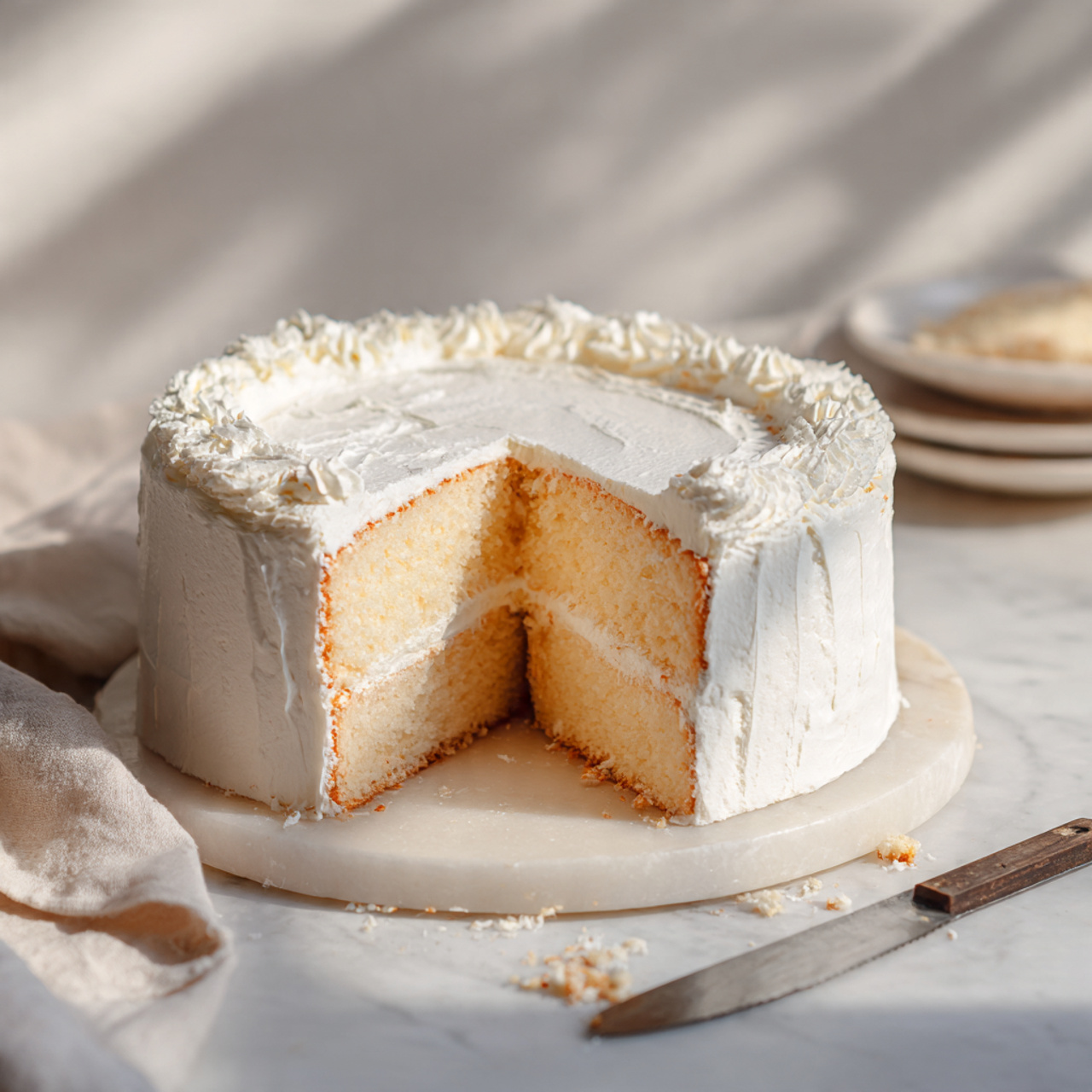
Picture cutting through two soft, featherlight layers held together by a cloud of buttercream that barely resists the knife. The crumb is tender and fine-grained, with a warmth that comes from pure vanilla and real butter melted into every bite. There’s a faint sweetness that lingers without ever being cloying — the kind of flavor that makes people set their forks down, pause, and reach for another slice.
This homemade wedding cake is exactly the kind of thing you want at a bridal shower, an intimate anniversary dinner, or a birthday that deserves more than a box mix. It also fits beautifully on a Sunday afternoon tea table or as a heartfelt homemade gift when words don’t quite cut it. Whether you’re baking for two or a small gathering, this classic layered cake earns a permanent spot in your recipe collection — and it’ll be the first thing people ask you to bring again.
Why You’ll Love This Recipe
The Flavor Is Gentle, Warm, and Universally Loved
There’s nothing polarizing about this cake — it’s pure vanilla comfort in the best possible way. The butter and sugar cream into something almost floral, and the milk keeps every bite soft and moist without turning heavy. It’s the flavor that works for everyone at the table, from the kids to the grandparents.
It Looks Far More Impressive Than the Effort Requires
The soft swirl of buttercream on top and the clean layered cross-section make this cake look like it came from a bakery — but the technique is completely beginner-friendly. You don’t need a piping bag or a turntable. A spoon and a spatula are all it takes to get that classic, elegant finish.
Made Entirely From Pantry Staples
Every ingredient in this recipe is something most home bakers already have on hand. No specialty flour, no unusual extracts, no equipment you don’t own. It’s a classic cake recipe that asks very little of you in return for a lot of reward.
Perfect for Celebrations Big and Small
This cake scales beautifully — keep it as a quiet two-layer beauty for a small dinner or double everything for a larger gathering. It also holds up well made in advance, which makes it genuinely practical for any occasion where you’d rather be with your guests than stuck in the kitchen.
It Stays Moist for Days
Unlike cakes that dry out by the next morning, this one keeps beautifully in the fridge for up to three days without losing its soft, tender texture. The butter content protects the crumb, and a tight wrap keeps everything fresh. Day-two slices are honestly just as good as day-one.
Ingredients
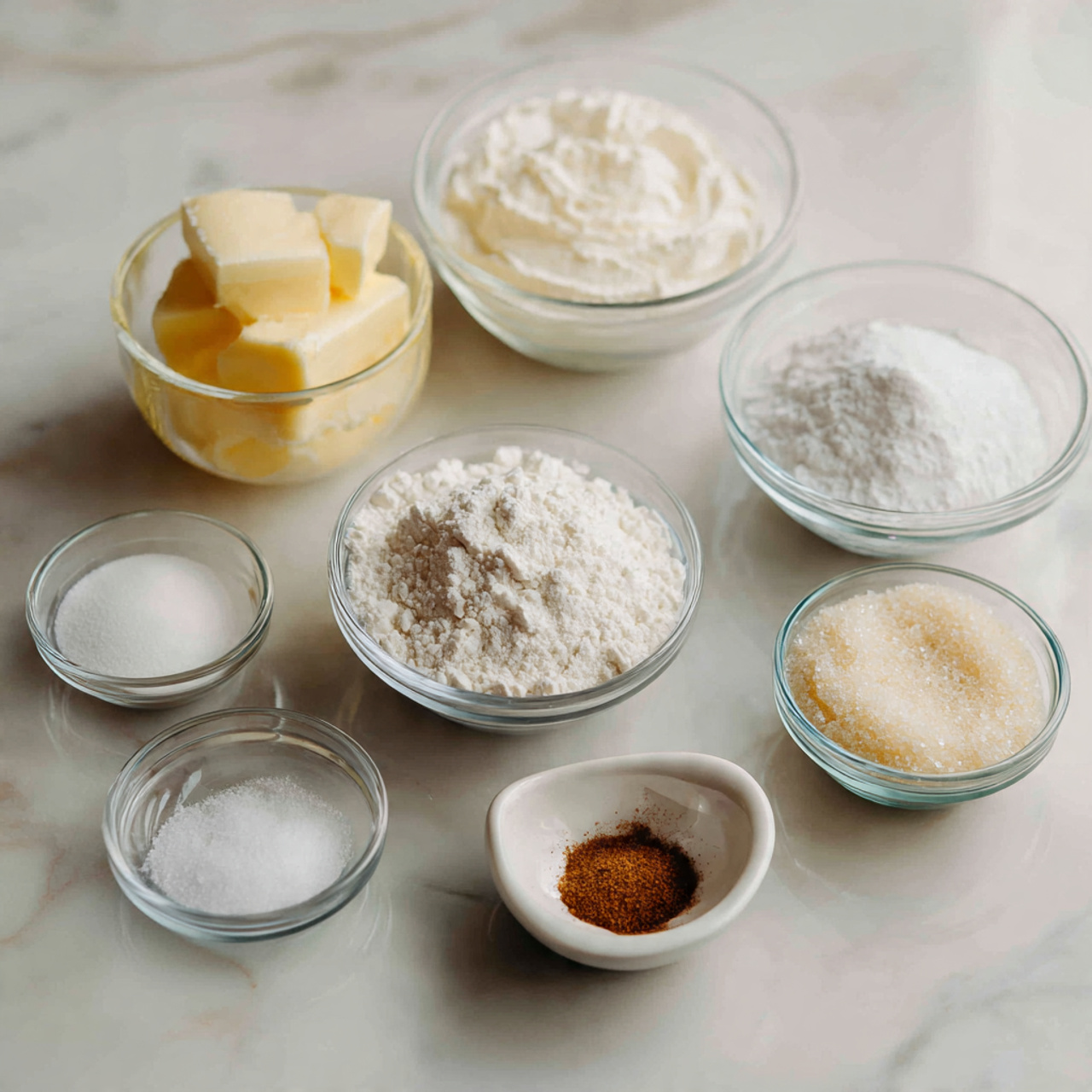
For the Cake Layers
- 2 cups all-purpose flour (spooned and leveled, not scooped directly from the bag)
- 1½ cups sugar
- 1 cup unsalted butter, softened (must be fully at room temperature — this is non-negotiable)
- 4 large eggs
- 1 cup whole milk (full-fat gives the softest crumb; avoid skim)
- 2 teaspoons baking powder
- 1 teaspoon pure vanilla extract (pure, not imitation — it makes a noticeable difference here)
- ½ teaspoon salt
For the Frosting
- 2 cups whipped cream or buttercream frosting (homemade buttercream elevates the cake significantly, but a good-quality store-bought version works in a pinch)
The butter and vanilla in the batter echo the richness of the frosting, so the whole cake tastes like one cohesive thing rather than a cake with something spread on top. That layered flavor is what makes this Vintage Wedding Cake feel so complete.
How to Make Vintage Wedding Cake — Step-by-Step
Step 1: Prep Your Oven and Pans
Preheat your oven to 180°C (350°F) and grease two round cake pans generously, then line the bottoms with parchment paper. In a medium bowl, whisk together the flour, baking powder, and salt until evenly combined. Don’t worry if the flour looks a little clumpy — whisking breaks everything up and that’s all the sifting this recipe needs.
Step 2: Cream the Butter and Sugar
In a large bowl, beat the softened butter and sugar together for a full 3 to 4 minutes until the mixture turns noticeably pale and fluffy — it should look almost white and feel light when you rub a bit between your fingers. This step builds the structure of your cake, so don’t rush it. Don’t worry if your butter seemed too soft when you started; it firms right up as it traps air during creaming.
Step 3: Add the Eggs and Vanilla
Add the eggs one at a time, mixing well after each addition before adding the next. Once all four are in, stir in the vanilla extract. The batter may look slightly curdled at this stage — that’s completely normal and it will smooth out as soon as the dry ingredients go in.
Step 4: Bring the Batter Together
Add the flour mixture and milk to the butter mixture in alternating additions — flour first, then milk, then flour, repeating until everything is just combined. You should have a smooth, slightly thick batter that falls from the spoon in slow ribbons. Stop mixing the moment you no longer see dry streaks; overmixing is what makes cakes dense.
Step 5: Bake Until Golden and Set
Divide the batter evenly between the two prepared pans and smooth the tops with a spatula. Bake for 25 to 30 minutes until the tops are lightly golden and a toothpick inserted into the center comes out clean. The edges should be pulling slightly away from the sides of the pan — that’s your clearest sign it’s done.
Step 6: Cool Completely, Then Frost
Transfer the pans to a wire rack and let the cakes cool for at least 20 minutes before turning them out. Then let them cool to full room temperature — this is the step most people skip, and it’s the reason frosting slides. Once completely cool, place one layer on your serving plate, spread a generous layer of frosting on top, stack the second layer, and frost the outside with soft, swirled strokes.
Perfecting This Recipe
- Beat the butter and sugar longer than feels necessary. Three to four minutes of creaming gives you a better rise and a lighter texture than any other single step.
- Measure your flour by spooning it into the cup and leveling it off — scooping packs in 20% more flour than the recipe intends, which leads to a dry, dense crumb.
- Alternate the dry ingredients and milk rather than adding everything at once. This keeps the batter emulsified and prevents the gluten from overdeveloping.
- Room temperature eggs incorporate more smoothly and help the batter stay cohesive — cold eggs can cause the mixture to break and lead to a slightly uneven texture.
- Pull the cakes out as soon as the toothpick comes out clean. Even five extra minutes in the oven can push a moist cake into dry territory.
- Once out of the oven, don’t rush the cooling. A warm cake will melt your frosting and cause layers to slip — patience here is what separates a clean, beautiful cake from a messy one.
Common Mistakes to Avoid
- Using cold butter — Cold butter cannot trap air during creaming, which means your cake won’t rise as well and will turn out dense rather than light. Pull it out of the fridge at least an hour before you start.
- Skipping the alternating additions — Adding all the flour at once develops the gluten too quickly and makes the batter tough. Alternating flour and milk keeps the texture tender.
- Opening the oven door too early — The cake sets its structure in the first 15 minutes of baking. Opening the door before that causes the center to sink and never recover.
- Frosting a warm cake — This is the number one reason home cakes look sloppy. Even a cake that feels cool on the outside can still be warm in the center. Give it the full 20 minutes in the pan, then more time on the rack.
- Overmixing once the flour goes in — Once you add flour to a creamed batter, mix only until the streaks disappear. Every extra stroke builds more gluten and pushes you toward a chewy, heavy result instead of a soft one.
Add Your Touch
- Swap the vanilla extract for almond extract to give the cake a subtle, slightly floral quality that pairs beautifully with the buttercream.
- Add a thin layer of strawberry or raspberry jam between the layers before the frosting for a fruity contrast that makes each slice a little more interesting.
- Stir a tablespoon of lemon zest into the batter for a bright, citrusy note that cuts through the richness without changing the character of the cake.
- For a more dramatic presentation, use a piping bag with a large round tip to create a simple rosette border around the top edge — no professional skill required.
- Decorate with dried edible flowers, soft fresh fruit, or a light dusting of powdered sugar for that classic vintage look that photographs beautifully.
- Replace up to a quarter of the all-purpose flour with almond flour for a slightly nuttier, denser crumb that still stays tender.
Visit Also: Lava Cake
What to Serve With This
- Freshly brewed Earl Grey or chamomile tea — the floral notes in both teas mirror the vanilla in the cake beautifully.
- A small bowl of fresh strawberries or raspberries — the tartness cuts through the buttercream and makes each bite feel lighter.
- Sparkling lemonade or prosecco — perfect alongside this cake at a bridal shower or celebration brunch.
- Clotted cream or a soft vanilla whipped cream — for an indulgent afternoon tea presentation.
- A scoop of vanilla or lavender ice cream — especially nice in warmer months when a cold contrast to the room-temperature cake feels refreshing.
Storing and Serving
Fridge Store the frosted cake covered loosely with plastic wrap or in an airtight container in the refrigerator for up to 3 days. The butter in the crumb helps it stay moist and soft even after chilling.
Freezer Unfrosted cake layers freeze well for up to one month. Wrap each layer tightly in two layers of plastic wrap and place in a zip-lock bag. Thaw overnight in the fridge, then bring to room temperature before frosting.
Reheating This cake is best served at room temperature, not warm. If it’s been in the fridge, let slices sit out for 15 to 20 minutes before serving — the crumb softens and the frosting loses its refrigerator stiffness.
Make-Ahead Tip Bake the layers up to one day in advance and store them wrapped at room temperature. Prepare the frosting the same day or one day ahead and keep it chilled. Assemble and frost the morning of your event for the freshest result.
Servings This recipe yields approximately 8 to 10 slices depending on how generously you cut.
Nutrition (Approximate Per Serving)
- Calories: ~340
- Total Fat: 16g
- Saturated Fat: 10g
- Carbohydrates: 44g
- Sugar: 28g
- Protein: 5g
- Sodium: 180mg
Nutritional values are approximate and may vary based on specific ingredients and brands used.
Chef’s Helpful Tips
- Room temperature butter, eggs, and milk all make a real difference here — cold ingredients don’t blend as smoothly and can cause the batter to look curdled or produce an uneven crumb. Set them out an hour before you start.
- To get perfectly even layers, use a kitchen scale to divide the batter by weight rather than eyeballing it. Equal layers mean more stable stacking and a cleaner slice.
- For clean, bakery-style slices, run your knife under warm water and dry it between each cut. The warmth glides through the frosting without dragging or tearing.
- If your buttercream feels too stiff to spread smoothly, let it sit at room temperature for ten minutes and give it one more stir. If it’s too soft, refrigerate it for fifteen minutes before using.
- Don’t frost a crumbly cake with your full layer of frosting right away. Apply a thin “crumb coat” first — a barely-there layer that traps all the loose crumbs — chill for ten minutes, then add your final smooth layer on top.
Frequently Asked Questions
Q1. Can I make this cake without a stand mixer? Absolutely — a hand mixer works just as well. You can even cream the butter and sugar by hand with a wooden spoon if you’re patient about it, though your arm will know you’ve been baking. The key is to cream long enough that the mixture genuinely looks fluffy and pale before you add the eggs.
Q2. Can I substitute butter with oil? You can use a neutral-flavored oil like sunflower or vegetable oil as a direct swap for butter if needed. The texture will be slightly different — a touch moister and less structured — but still very soft and pleasant. Just know that you’ll lose a bit of the rich, buttery flavor that makes this a Vintage Wedding Cake rather than a basic vanilla layer cake.
Q3. Is this recipe beginner-friendly? Very much so. The steps are straightforward and the ingredient list uses nothing unusual or hard to source. The most important beginner tip is to let everything come to room temperature before you start — that alone eliminates most of the problems new bakers run into with this type of cake.
Q4. Can I make this ahead for a party or event? Yes, and it’s actually better that way. Bake the layers the day before, wrap them well, and frost them the morning of your event. The flavors deepen slightly overnight and the cake slices more cleanly once it’s had time to settle.
Q5. Can I freeze the finished cake? It’s best to freeze the layers unfrosted rather than the assembled cake. Buttercream can separate slightly when frozen and thawed, which affects the texture and appearance. Wrap bare layers tightly, freeze for up to a month, and frost fresh once thawed. The cake will taste like it was just baked.
Conclusion
There’s something quietly special about a cake that doesn’t need to announce itself. This Vintage Wedding Cake does exactly that — it shows up soft, beautiful, and completely unpretentious, and it makes every occasion feel a little more considered without asking too much of the person baking it. Whether you’re serving it at a proper celebration or cutting a slice for a quiet evening at home, it has that rare quality of feeling exactly right for the moment.
Now that you have the full recipe, the tips, and every variation you might want to try — go bake it your way. Add the lemon zest, skip the lemon zest, pile on extra frosting, keep it minimal. This cake is sturdy enough to carry your ideas and gentle enough to make them all work. Share it with someone who deserves something lovely, or keep it entirely for yourself. Either way, it’ll be worth every minute.
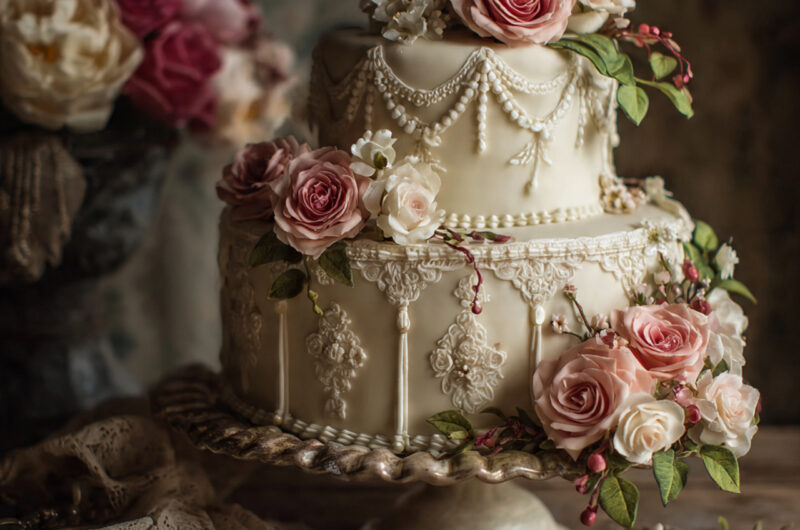
Vintage Wedding Cake
Course: Trending Cake4
servings20
minutes30
minutes340
kcal1
hour10
minutesThis classic layered cake has a tender, fine-grained crumb with warm vanilla flavor and pillowy buttercream frosting. It’s elegant enough for celebrations and simple enough for a quiet dessert at home.
Ingredients
Cake Layers
2 cups all-purpose flour
1½ cups sugar
1 cup unsalted butter, softened
4 large eggs
1 cup whole milk
2 tsp baking powder
1 tsp pure vanilla extract
½ tsp salt
Frosting
2 cups whipped cream or buttercream frosting
Directions
- Preheat oven to 180°C (350°F). Grease and line two round cake pans.
- Whisk together flour, baking powder, and salt in a medium bowl. Set aside.
- Beat butter and sugar until pale and fluffy, about 3–4 minutes.
- Add eggs one at a time, beating well after each. Stir in vanilla extract.
- Alternate adding the flour mixture and milk to the butter mixture, beginning and ending with flour. Mix until just combined — do not overmix.
- Divide batter evenly between the prepared pans and smooth the tops.
- Bake for 25–30 minutes until golden on top and a toothpick inserted in the center comes out clean.
- Cool in pans for 20 minutes, then transfer to a wire rack and cool completely.
- Place one layer on a serving plate. Spread frosting on top, stack the second layer, and frost the top and sides with soft swirled strokes.