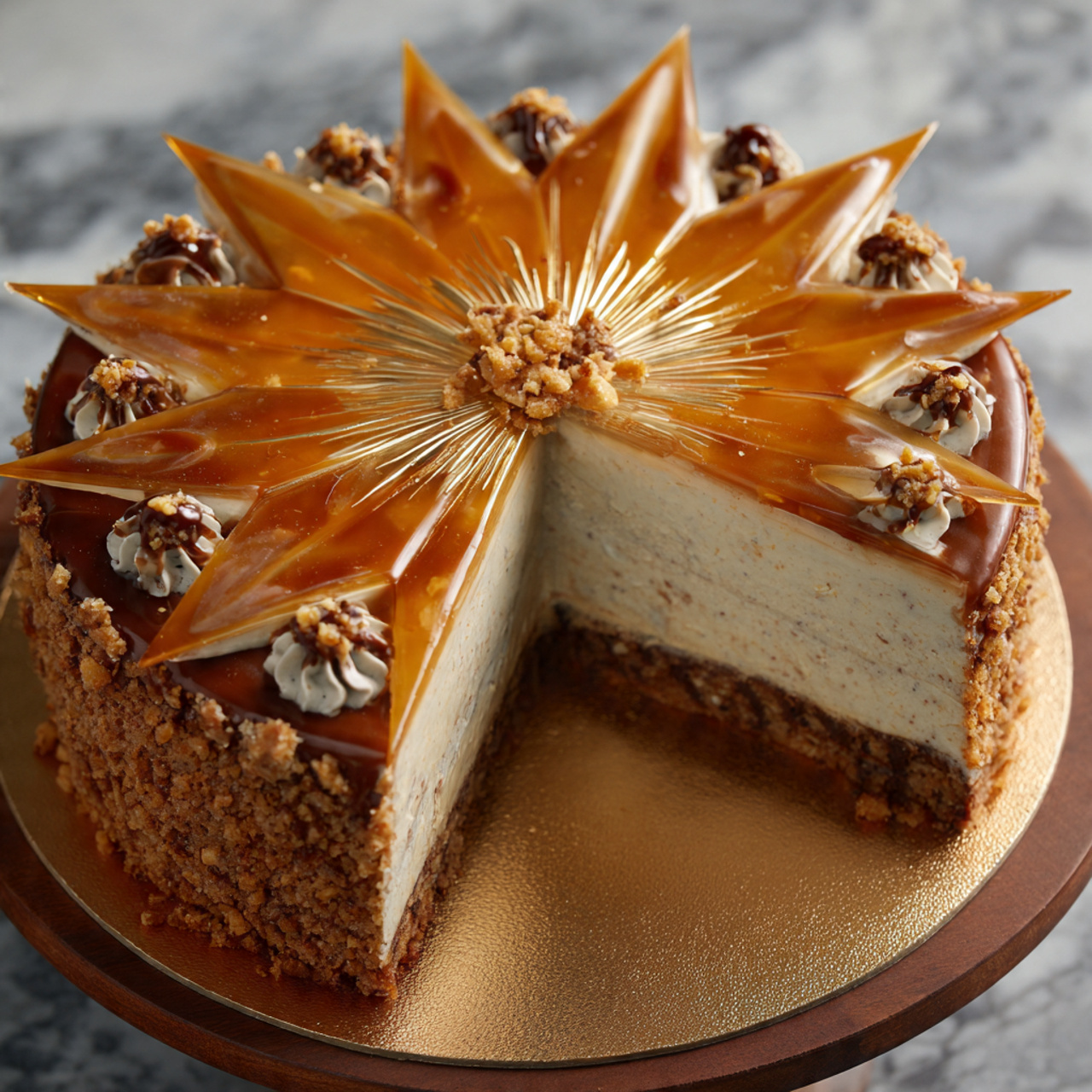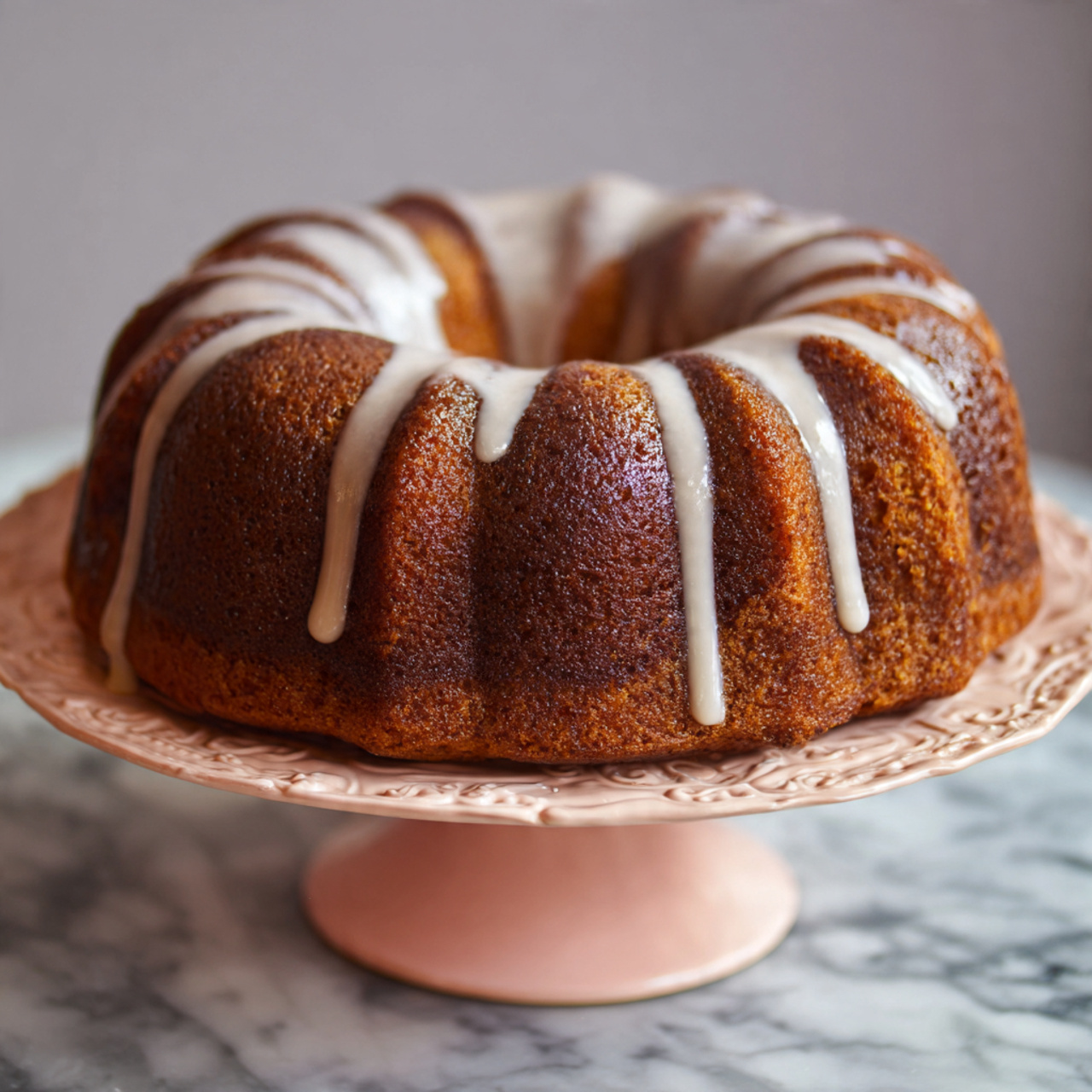
Irresistibly Moist Yogurt Cake — Soft, Fluffy, and Perfect for Any Occasion
Most homemade cakes dry out overnight or come out so dense they sit heavy in your stomach — and the frustrating part is that the fix is already sitting in your fridge. This yogurt cake solves both problems at once, using plain yogurt to build a crumb that stays genuinely tender, lightly springy, and moist long after it cools.
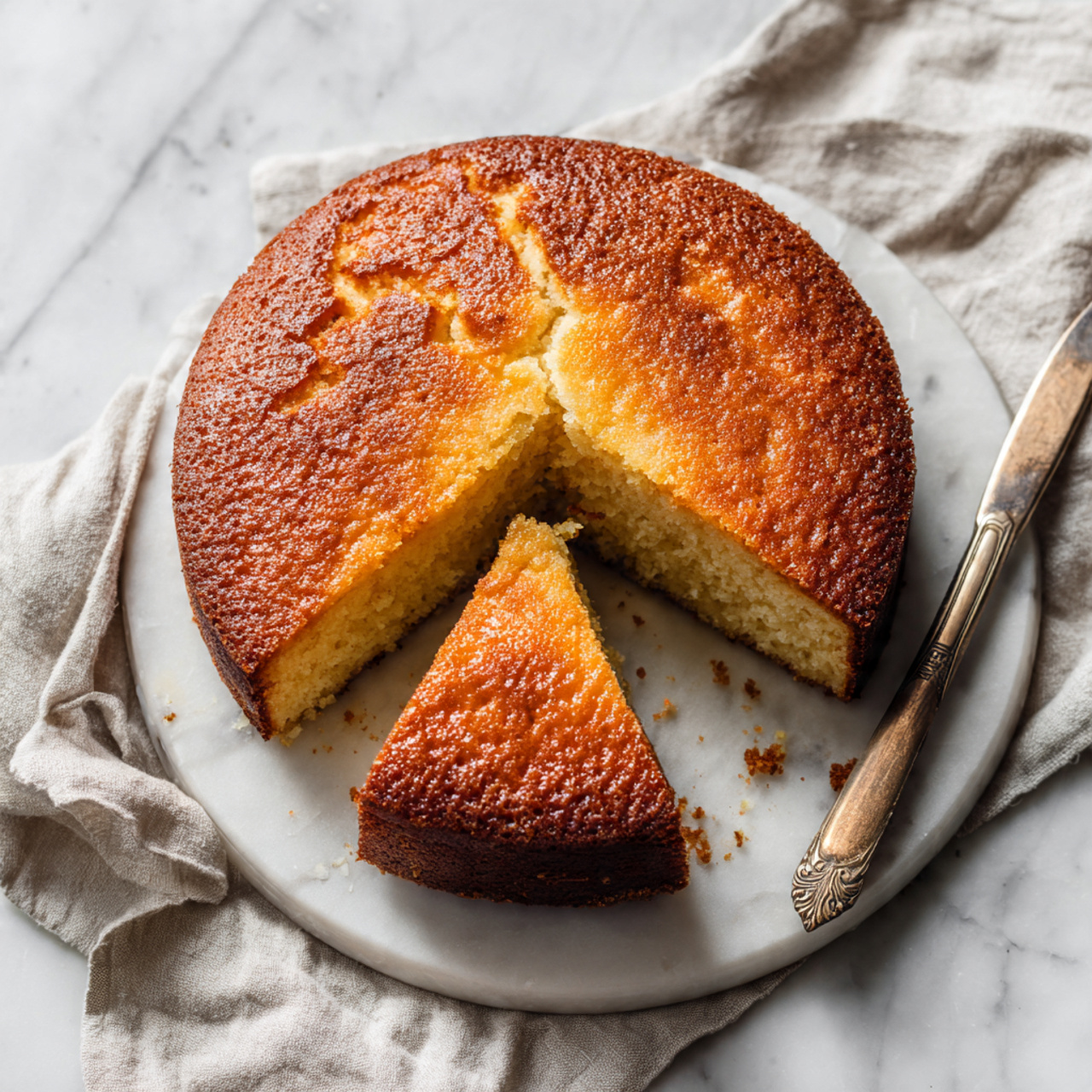
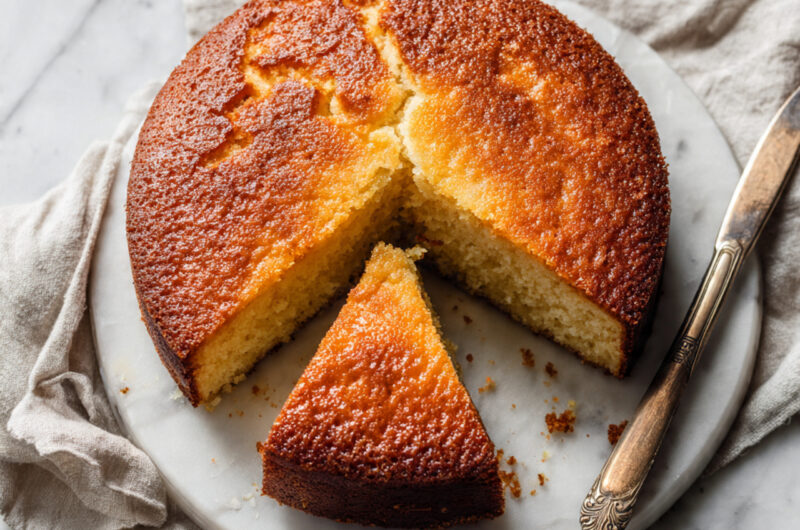
Picture cutting into a slice with a soft golden top that gives gently under the knife. The crumb inside is pale and even, fragrant with vanilla, with just the faintest tang from the yogurt keeping the sweetness balanced rather than cloying. Each bite is light enough that you finish the slice and immediately want another — the kind of texture that feels effortless but is not an accident.
This is the cake for slow Sunday mornings with a pot of tea, for impromptu guests who deserve something homemade, and for weeknight desserts when you want the kitchen to smell like something wonderful without spending the whole evening in it. It works beautifully as an easy yogurt cake recipe for beginners and regulars alike. Whether you keep things classic or add your own twist, this one earns a permanent spot in your baking rotation.
Why You’ll Love This Recipe
It Stays Moist for Days
Unlike cakes that go stale or crumbly by the next afternoon, this one holds its softness beautifully through day two and even day three. The yogurt acts as a natural tenderizer, doing quiet work that you will really appreciate when you pull a slice from the fridge the next morning and it tastes freshly baked.
One Bowl, Almost No Effort
There is no mixer, no creaming, and no complicated sequence of steps. Everything comes together by hand in a single bowl in about ten minutes, which means less time washing up and more time actually enjoying what you made. Even on a genuinely busy evening, this cake fits into the schedule.
A Gentle, Balanced Sweetness
This is not an overpowering dessert. The yogurt’s quiet tang plays off the sugar in a way that feels balanced and refined — not too sweet, not too plain. It is the kind of thing both adults and kids reach for without hesitation, and it pairs naturally with tea or coffee without competing with either.
Endlessly Customizable
The base is forgiving and versatile. Keep it plain for a classic result, or fold in lemon zest, fresh berries, or a pinch of cinnamon for a quick seasonal variation. It takes to almost any flavor addition without the recipe falling apart, which makes it useful for creative bakers and beginners alike.
Made From Pantry Staples
There is nothing on this ingredient list that requires a special trip to the store. Yogurt, eggs, flour, oil, sugar — it is a genuine pantry cake, and that simplicity is part of what makes it so practical to keep in your repertoire. You can decide to make it at 4 PM and have it on the table by 6.
Ingredients
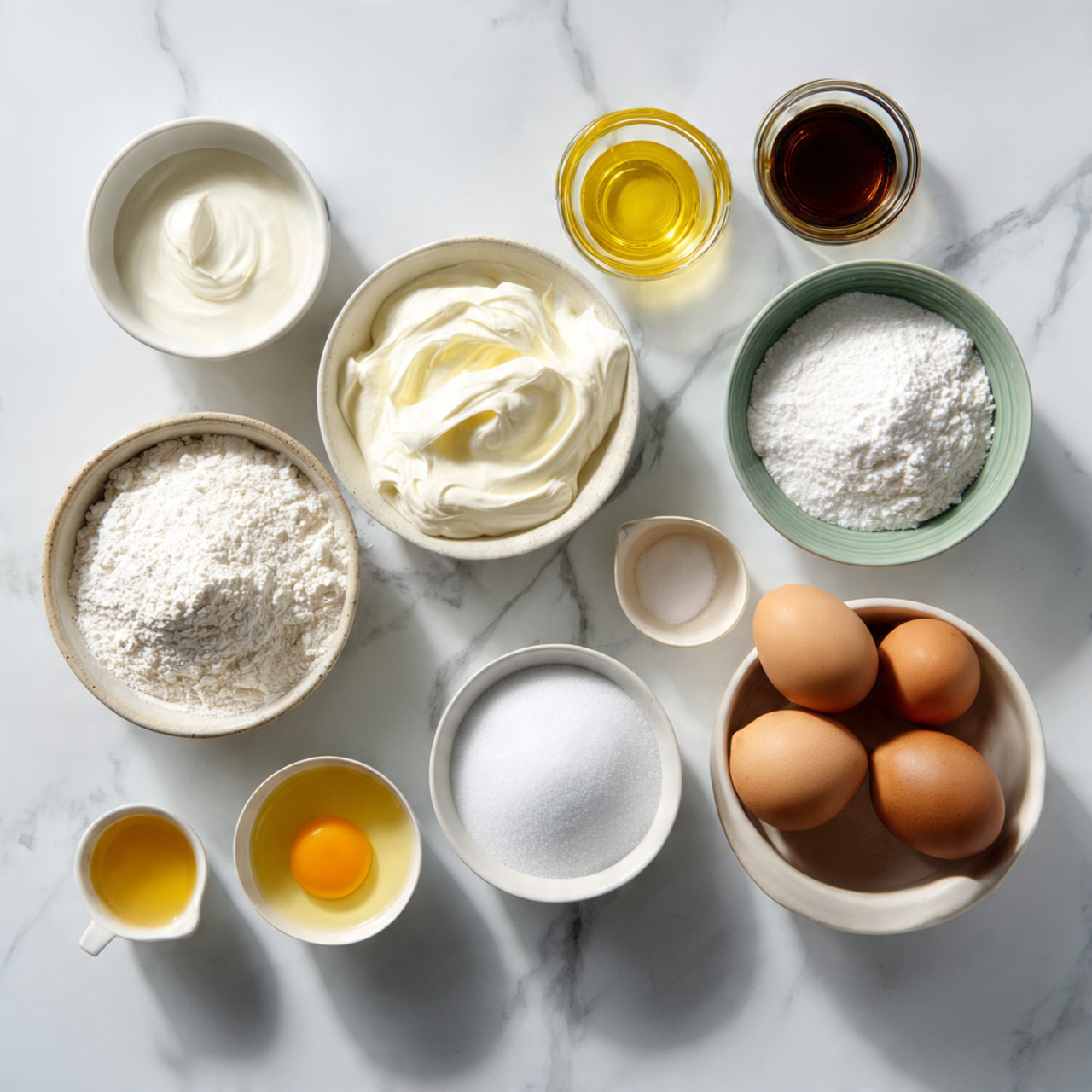
For the Batter
- 1 cup plain yogurt (full-fat works best for the softest texture)
- 1 cup granulated sugar
- 2 large eggs (room temperature blends more smoothly)
- ½ cup vegetable oil
- 1½ cups all-purpose flour (spooned and leveled, not packed)
- 1½ tsp baking powder
- ½ tsp baking soda
- 1 tsp pure vanilla extract (not imitation — the flavor difference is noticeable)
The yogurt does double duty here, adding both moisture and a gentle acidity that reacts with the baking soda to give the cake a soft, even lift. Combined with the oil, it keeps the crumb supple and light long after the cake comes out of the oven.
How to Make Yogurt Cake — Step by Step
Step 1: Prepare Your Pan and Preheat the Oven
Preheat your oven to 180°C (350°F) and grease a 9-inch round or 8×8 square baking pan. Line the bottom with parchment paper if you want the cleanest release. Having the pan ready before you start mixing means you can pour the batter straight in without letting it sit and lose its lift.
Step 2: Whisk the Wet Ingredients Together
In a large bowl, whisk together the yogurt, sugar, and eggs until the mixture looks pale, smooth, and slightly airy — about 90 seconds by hand. Add the oil and vanilla extract and whisk again until fully combined and the batter looks glossy. Don’t worry if the mixture seems quite loose at this stage; that is completely expected and exactly how it should look.
Step 3: Combine the Dry Ingredients
In a separate bowl, whisk the flour, baking powder, and baking soda together until the leavening is evenly distributed throughout the flour. This one small step takes about 20 seconds and ensures the cake rises consistently with no dense pockets or uneven crumb.
Step 4: Fold Until Just Combined
Pour the dry ingredients into the wet mixture and fold with a spatula using slow, deliberate strokes. The batter should come together smoothly and look slightly thick, with no streaks of dry flour. Don’t worry if it looks a little lumpy at first — a few more gentle folds will take care of it. Stop the moment you no longer see dry flour, and not a single fold more.
Step 5: Bake, Check for Doneness, and Cool
Pour the batter into your prepared pan and smooth the top lightly. Bake for 30 to 35 minutes — the top should turn a warm, even golden color, the edges will begin pulling away gently from the sides of the pan, and a toothpick inserted into the center will come out clean. Let the cake rest in the pan for 10 minutes before turning it out. The center continues to set as it cools, so this rest time is not optional.
Perfecting This Recipe
- Use full-fat plain yogurt. Lower-fat varieties contain more water, which can make the crumb slightly gummy rather than soft and springy.
- Spoon and level your flour. Scooping directly from the bag packs in extra flour without you realizing it, and that is one of the most common reasons this cake turns out denser than expected.
- Bring your eggs and yogurt to room temperature before mixing. Cold ingredients do not blend as evenly, and a smoother batter produces a more consistent rise.
- Switch to a spatula once the flour goes in. Folding rather than stirring keeps gluten development low and the texture tender.
- Start checking at the 28-minute mark. Ovens vary, and catching this cake at exactly the right moment — rather than a few minutes past it — is the difference between beautifully moist and just slightly dry.
- Respect the cooling time. Slicing too early pulls the crumb apart before it has fully set, and the interior will look soft and undone even when it is technically baked through.
Common Mistakes to Avoid
- Overmixing after adding the flour: This is the most common reason yogurt cakes turn out dense. Gluten develops quickly once flour meets the wet ingredients, so fold gently and stop as soon as the batter comes together.
- Using cold ingredients straight from the fridge: Cold eggs and yogurt do not incorporate as smoothly, which can leave you with an uneven batter and a less consistent rise. Set them out about 20 minutes before you start.
- Packing the flour into the measuring cup: Scooping directly from the bag adds significantly more flour than the recipe calls for. The spoon-and-level method gives you an accurate measurement every time.
- Cutting into the cake too soon: The crumb needs those 10 minutes of cooling to set properly. Give it that time and the slices will hold their shape cleanly.
- Staying in the oven too long to be safe: It feels responsible to leave the cake in a little longer, but this is where most home bakers lose the moisture. Trust the toothpick test over the timer — it is always more reliable.
Add Your Touch
- Stir in the zest of one lemon or orange before baking for a bright, citrusy note that pairs beautifully with the yogurt’s natural tang.
- Fold in ½ cup of fresh blueberries or raspberries for a fruity, colorful variation.
- Add 1 teaspoon of ground cinnamon to the dry ingredients for a warmer, spiced profile that works especially well in autumn.
- Swap the vegetable oil for melted butter to get a slightly richer, more golden crumb with a deeper flavor.
- Use flavored yogurt — vanilla, honey, or strawberry — to subtly shift the flavor profile without changing a single measurement.
- Replace eggs with ½ cup of mashed banana for a plant-based version that bakes up soft and satisfying.
- Dust the finished cake generously with powdered sugar for a simple, elegant presentation that looks entirely deliberate.
Visit Also: Mens Birthday Cake
What to Serve With This
- A strong cup of black tea or milky chai — the cake’s gentle sweetness is a natural companion to both.
- Sliced fresh strawberries or peaches on the side for a light, fruity contrast that brightens the plate.
- A spoonful of lightly whipped cream or clotted cream for something a little more indulgent on a slower day.
- A drizzle of warm honey and a handful of crushed pistachios for a simple but striking topping.
- A scoop of vanilla ice cream alongside a warm slice for an easy, crowd-pleasing after-dinner dessert.
Storing and Serving
Fridge Store the cake in an airtight container in the refrigerator for up to 4 days. It holds its moisture well, so there is very little difference between how it tastes on day one and how it tastes on day three.
Freezer Wrap individual slices tightly in plastic wrap and place them in a freezer-safe bag. They keep well for up to 2 months. Thaw at room temperature for about an hour before serving and the texture returns almost entirely to fresh.
Reheating Warm individual slices in the microwave for 15 to 20 seconds for a just-baked feel. For a larger portion, use a low oven at 150°C (300°F) for 8 to 10 minutes to warm it through evenly without drying it out.
Make-Ahead Tip This cake is genuinely better the day after baking — the flavors settle and the crumb softens just a touch more overnight. Bake it the evening before, cover it loosely at room temperature, and slice just before serving.
Servings This recipe yields approximately 8 to 10 slices, depending on how you cut it.
Nutrition (Approximate Per Serving)
- Calories: 210
- Total Fat: 10g
- Saturated Fat: 1.5g
- Carbohydrates: 28g
- Sugar: 16g
- Protein: 4g
- Sodium: 140mg
Nutritional values are approximate and may vary based on specific ingredients and brands used.
Chef’s Helpful Tips
- Take your yogurt and eggs out of the fridge at least 20 minutes before you begin. Room temperature ingredients blend more smoothly and help the batter rise more evenly.
- Do not open the oven door in the first 20 minutes of baking. A sudden drop in temperature at that stage can cause the center to sink before it has had a chance to set.
- For clean, even slices, let the cake cool completely and use a sharp knife wiped clean between each cut.
- Full-fat yogurt genuinely makes a difference here — it contributes to both the moisture and the structure of the cake in ways that lighter varieties do not fully replicate.
- If your cake turns out too dense, the culprit is almost always overmixing or a packed flour measurement. Both are simple to fix next time around.
Frequently Asked Questions
Q1. Can I make this yogurt cake ahead of time? Absolutely — and it is actually at its best the following day. The crumb softens and the flavors settle beautifully overnight. Bake it the evening before, cover it loosely at room temperature, and slice just before serving for the best results.
Q2. My cake came out dense. What went wrong? The two most common reasons are overmixing the batter or too much flour. Once the dry ingredients go in, mix as gently and briefly as possible. Always spoon your flour into the measuring cup rather than scooping directly from the bag.
Q3. Can I replace the yogurt with something else? Full-fat sour cream works almost identically and gives a very similar tang and moisture level. A thick, plain dairy-free yogurt also works well if you are avoiding dairy — just make sure it is unsweetened and not too watery.
Q4. Is this recipe suitable for beginner bakers? This is genuinely one of the most beginner-friendly cakes you can make. There is no creaming butter, no separating eggs, and no complicated technique involved. If you can stir, you can bake this cake successfully on the first try.
Q5. Can I freeze this cake? Yes — it freezes really well. Wrap individual slices tightly in plastic wrap, store them in a freezer-safe bag, and freeze for up to 2 months. Thaw at room temperature for about an hour and it will taste close to freshly baked.
Conclusion
Some recipes earn their place not by being impressive, but by being exactly what you need exactly when you need it. This yogurt cake is one of those — quiet, reliable, and genuinely lovely every single time. It does not ask much of you, and it rewards you with something warm and homemade that tastes far more considered than the effort involved.
Try it once and see how quickly it finds its way into your regular rotation. Bring it to a gathering, share a slice with someone you like, or keep the whole thing for yourself with a quiet cup of tea on an ordinary afternoon. Either way, it is the kind of bake worth making again and again.
Simple Moist Yogurt Cake
Course: Cake4
servings10
minutes35
minutes210
kcal55
minutesThis tender, one-bowl yogurt cake bakes up soft and golden with a subtle tang that makes it almost impossible to stop at one slice. Perfect for afternoon tea, a casual family dessert, or anytime you want something genuinely homemade without the fuss.
Ingredients
For the Batter:
1 cup plain yogurt (full-fat)
1 cup granulated sugar
2 large eggs, room temperature
½ cup vegetable oil
1½ cups all-purpose flour
1½ tsp baking powder
½ tsp baking soda
1 tsp pure vanilla extract
Directions
- Preheat oven to 180°C (350°F). Grease and line a 9-inch round or 8×8 baking pan.
- Whisk yogurt, sugar, and eggs in a large bowl until pale and smooth.
- Add oil and vanilla extract. Whisk until fully combined.
- In a separate bowl, whisk flour, baking powder, and baking soda together.
- Fold dry ingredients into wet mixture until just combined. Do not overmix.
- Pour batter into pan and smooth the top lightly.
- Bake 30–35 minutes until golden and a toothpick inserted in the center comes out clean.
- Cool in the pan for 10 minutes, then turn out onto a wire rack.