The Creamiest Lemon Cheesecake That’ll Brighten Any Dessert Table
Homemade cheesecake has a reputation for going wrong — and the most common culprit is a cracked top, caused by overmixing the batter or running the oven too hot. The second most common? A filling that sets up dense and rubbery instead of the silky, barely-there texture that makes cheesecake worth making in the first place. This lemon cheesecake recipe solves both problems from the start, with a method built around keeping things gentle, low, and slow.
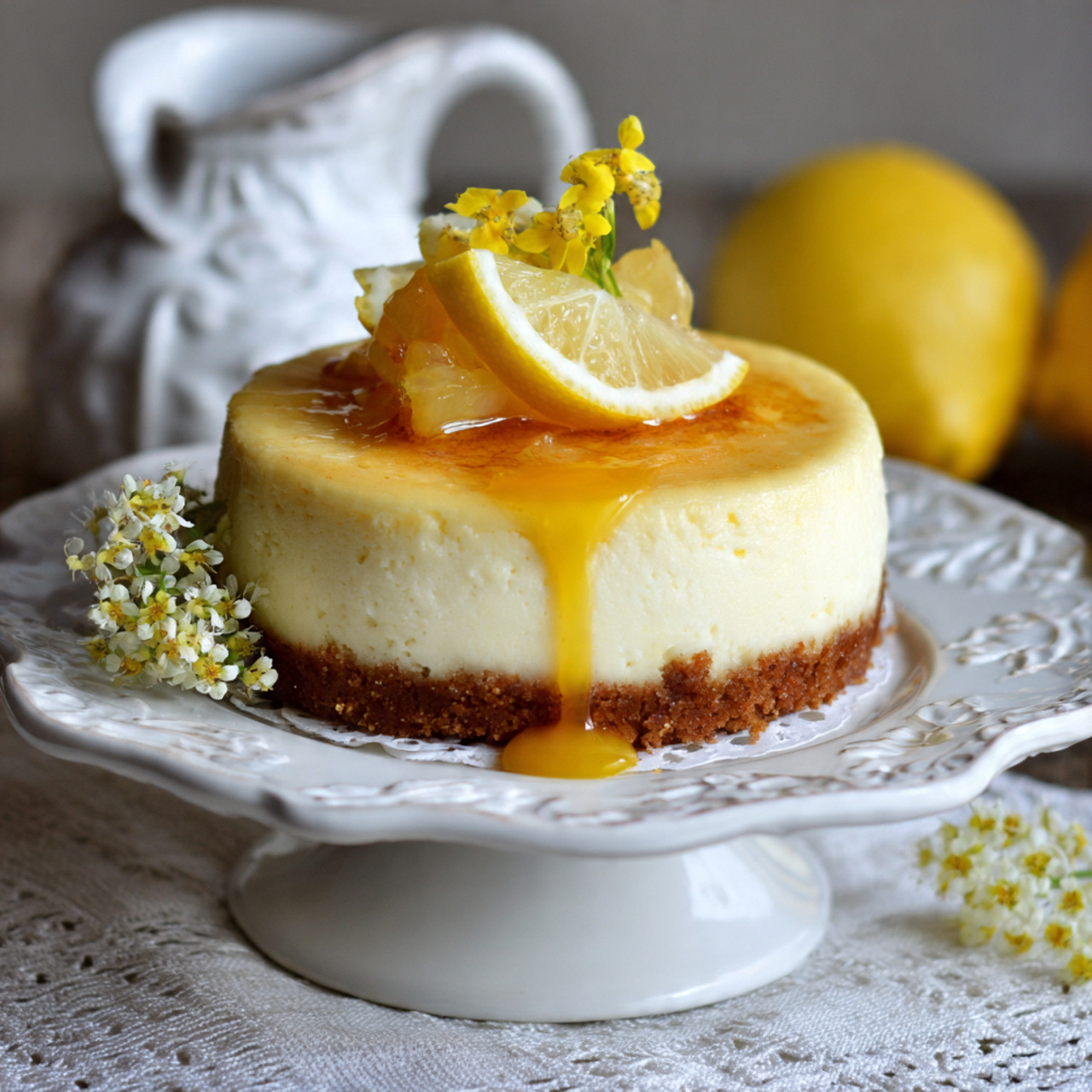
Picture a slice that’s cool and cloud-like, firm enough to hold its shape but soft enough to yield with the lightest pressure of a fork. The lemon hits first — bright and clean, like the smell of a freshly zested lemon — followed by a deep, creamy richness that lingers in the best possible way. The biscuit base is buttery and just slightly crisp, giving you that satisfying contrast against the silky filling above it. Light and luscious at once, which is exactly what a great cheesecake should be.
This is the kind of lemon dessert that earns a spot at Sunday family dinners, holiday tables, and warm-weather gatherings, but it’s just as at home on a quiet Tuesday when you want something that feels a little special without a lot of effort. It works beautifully as a make-ahead recipe — prep it the night before, let it chill, and it’s ready when you are. Whether you’re baking for two or feeding a crowd, this one’s going to become a reliable favourite.
Why You’ll Love This Recipe
Bright, Balanced Lemon Flavor
The lemon here is confident without being sharp. Fresh juice and zest work together to give the filling a genuine citrus lift that complements the cream cheese rather than fighting it. The result is a flavor that’s clean, refreshing, and just indulgent enough to feel like a proper treat.
Silky, Smooth Texture Every Time
This cheesecake bakes low and slow, which lets the filling set gently without toughening. What you get is a texture that’s dense and airy at once — no grainy patches, no rubbery edges, just a velvety filling that holds its shape when sliced and melts the moment it hits your tongue.
Simple Enough for Beginners
No water bath. No springform pan. No stand mixer required. A hand mixer and a standard round pan are all this recipe needs, and the steps are written clearly enough that someone making cheesecake for the very first time can follow them with confidence.
A True Make-Ahead Dessert
Most of the total time here is chilling, not active cooking — which means you’re looking at about 20 minutes of hands-on effort, then the fridge does the rest. As an easy cheesecake recipe built around a long, slow chill, this one actually gets better the longer it sits, making it ideal for planning ahead.
Crowd-Pleasing Without Being Complicated
From a packed potluck table to a casual weeknight dinner, this lemon cheesecake travels well, slices cleanly, and consistently gets people asking for the recipe. Even guests who claim they don’t have a sweet tooth tend to come back for a second slice.
Ingredients
For the Crust
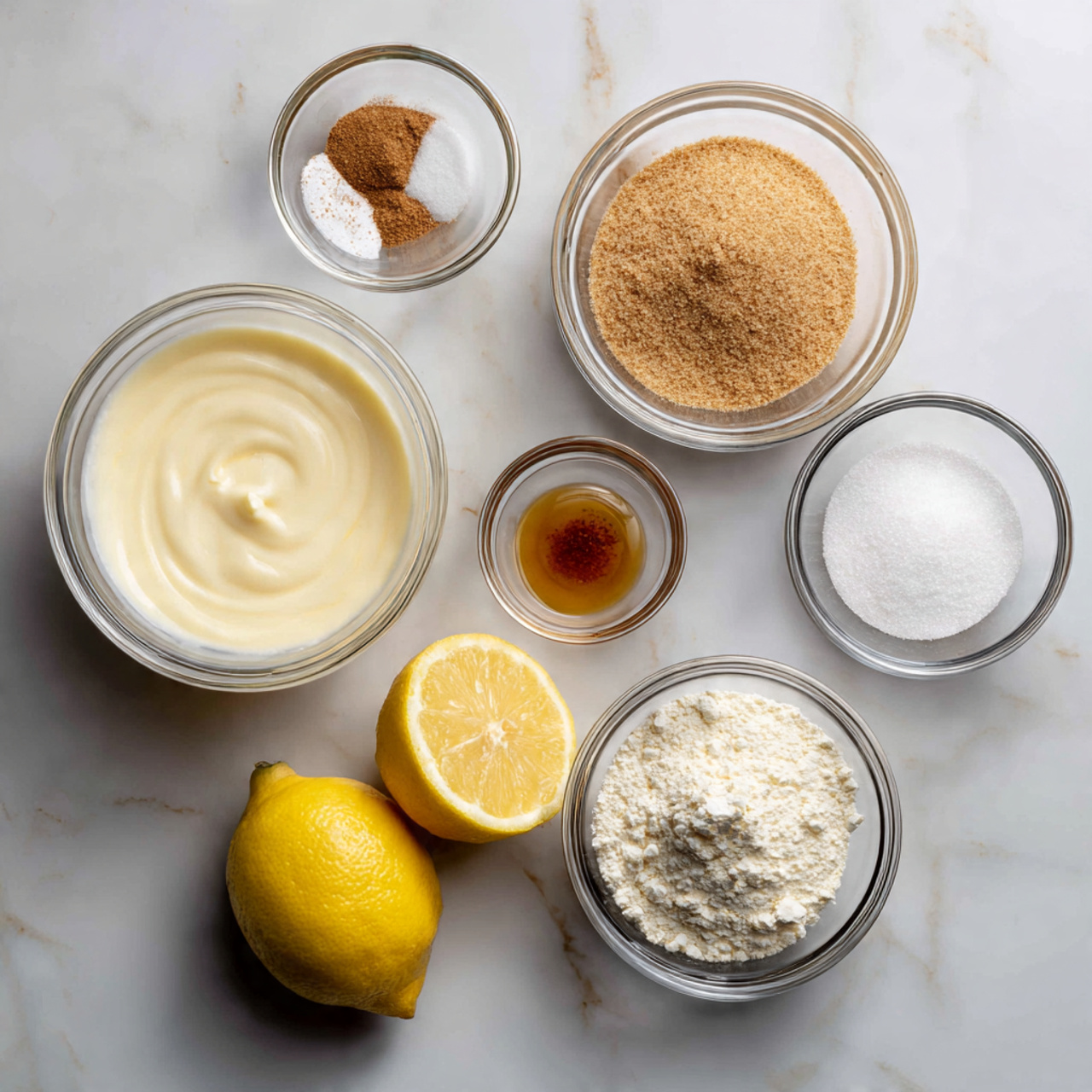
- 200g digestive biscuits (crushed to fine crumbs)
- 100g unsalted butter, melted
For the Filling
- 400g full-fat cream cheese (room temperature — this matters)
- 200ml heavy cream
- 120g granulated sugar
- 2 medium eggs (room temperature)
- 2 tbsp fresh lemon juice (from about 1–2 lemons; bottled won’t give the same result)
- 1 tbsp lemon zest (packed — don’t skip this)
- 1 tsp pure vanilla extract (not imitation)
The biscuit base brings a subtle sweetness and gentle crunch that anchors the tangy, velvety filling above it. Full-fat cream cheese is what keeps the texture rich and stable throughout baking, while using both fresh juice and zest ensures the lemon flavor comes through clearly in every single bite — not as an afterthought, but as the whole point.
How to Make Lemon Cheesecake — Step-by-Step
Step 1: Make the Biscuit Crust
Crush the digestive biscuits into fine crumbs using a food processor, or by sealing them in a zip-lock bag and rolling with a heavy glass or rolling pin. Stir the crumbs together with the melted butter until every crumb is coated — the mixture should look and feel like damp sand. Press it firmly and evenly into the bottom of your pan, using the back of a spoon or the flat base of a glass to compact it well. Transfer to the fridge and chill for 15 minutes. Don’t worry if the edges look slightly uneven — pressing down firmly in the center is what matters most.
Step 2: Beat the Cream Cheese and Sugar
In a large mixing bowl, beat the room-temperature cream cheese and sugar together on medium speed until completely smooth — no lumps, no streaks. This usually takes about 2 minutes and should look like thick, fluffy frosting when it’s ready. Don’t worry if it takes a little longer than expected; rushing past this stage often leads to an uneven texture in the finished cheesecake.
Step 3: Add the Eggs One at a Time
Add the eggs one at a time, mixing on low speed after each addition until just incorporated. The goal here is a smooth, unified batter — not a fluffy one. Overmixing at this point adds air bubbles that expand during baking, and that’s the most common reason a cheesecake cracks across the top. Low and slow is the rule.
Step 4: Stir in the Lemon and Cream
Pour in the heavy cream, fresh lemon juice, lemon zest, and vanilla extract. Stir gently with a spatula or on the lowest mixer setting until the batter is fully combined and looks silky and pourable — slightly thick, with a beautiful pale yellow color. The batter should smell unmistakably citrusy at this point, which is a good sign the lemon flavor will shine through once baked.
Step 5: Bake Until Just Set
Remove the crust from the fridge and pour the filling evenly over the top. Bake at 160°C (320°F) for approximately 50 minutes. When it’s ready, the edges will be set and slightly puffed, but the center should still have a gentle wobble — that’s exactly right, not a mistake. Don’t worry if it looks a little underdone in the middle; the filling continues to firm up as it cools. Leave it at room temperature for 30 minutes, then cover loosely and refrigerate for at least 4 hours, or overnight for the best possible texture.
Perfecting This Recipe
- Use room-temperature cream cheese and eggs. Cold cream cheese creates lumps that don’t mix out fully, and cold eggs can cause the batter to seize slightly when added.
- Press the crust firmly. A loosely packed base crumbles the moment you try to slice. Take an extra minute to really compact it before chilling.
- Keep the mixing gentle once the eggs go in. Switch to low speed and stop as soon as everything is incorporated.
- Trust the wobble. A slightly jiggly center when the pan comes out of the oven is not a sign of underbaking — it’s exactly how a well-made cheesecake should look.
- Don’t rush the chill. Four hours is the minimum; overnight is meaningfully better. The texture becomes denser, more cohesive, and the lemon flavor deepens noticeably.
- Avoid opening the oven door during baking. Sudden temperature drops are a quiet, often overlooked cause of cracking that many recipes don’t mention.
Common Mistakes to Avoid
- Overmixing after the eggs are added — High speed and overbeating incorporate too much air, which expands in the oven and causes cracks. Switch to low as soon as the eggs go in and stop the moment the batter looks smooth.
- Using cold cream cheese — Cold cream cheese simply doesn’t blend to a smooth consistency, no matter how long you mix it. Pull it from the fridge at least 30 minutes before you start.
- Pulling the cheesecake when the center looks fully set — If the center looks completely solid in the oven, it’s already overbaked. A gentle wobble in the middle means it’s done and will firm up perfectly as it cools.
- Cutting into it too soon — Slicing before the cheesecake has fully chilled gives you a soft, unstable filling that won’t hold its shape. Four hours minimum, no shortcuts.
- Reaching for bottled lemon juice — Bottled juice tastes flat and slightly metallic compared to fresh. The lemon zest carries the essential oils that give this cheesecake its fragrant, vibrant character — you need both to get it right.
Add Your Touch
- Swirl a few spoonfuls of raspberry or blueberry jam into the surface of the filling just before baking for a fruity, visual twist.
- Add a small pinch of ground cardamom or a touch of freshly grated ginger to the filling for a warm, unexpected depth.
- Swap digestive biscuits for crushed graham crackers or ginger snap cookies for a different — and equally delicious — base flavor.
- Replace 1 tablespoon of the lemon juice with fresh orange juice and add a little orange zest alongside the lemon for a citrus blend.
- Top with lightly sweetened whipped cream and thin lemon rounds just before serving for a polished, effortless presentation.
- Bake the filling in a muffin tin lined with parchment rounds for individual mini cheesecakes — they bake in about 25–30 minutes and are great for parties.
Visit Also: Cake With Flowers
What to Serve With This
- Fresh raspberries or halved strawberries — the tartness of the fruit plays beautifully against the creamy filling.
- A spoonful of lemon curd drizzled across each slice adds a second layer of citrus for anyone who really loves the flavor.
- A light dusting of powdered sugar and a few small mint leaves keep the presentation elegant without any extra effort.
- Earl Grey tea or a sparkling elderflower drink pairs gently with the lemon notes without competing.
- For a summer spread, set the cheesecake alongside a chilled fruit salad — the combination is quietly perfect.
Storing and Serving
Fridge Cover the cheesecake tightly with plastic wrap or transfer slices to an airtight container. It keeps well in the refrigerator for up to 4 days without losing texture or flavor.
Freezer Cut into individual slices, wrap each one tightly in plastic wrap, and store in a freezer-safe bag or container. Freeze for up to 2 months. The texture may be very slightly softer after thawing, but the flavor holds up well.
Reheating This cheesecake is best served cold or just at room temperature. If frozen, thaw slices overnight in the refrigerator. Allow individual slices to sit at room temperature for 10–15 minutes before serving for the best texture.
Make-Ahead Tip You can make this up to 24 hours in advance and store it covered in the fridge. It actually tastes better the next day — the texture becomes denser and the lemon flavor deepens noticeably with a longer chill.
Servings This recipe makes approximately 8 slices.
Nutrition (Approximate Per Serving)
- Calories: 355
- Total Fat: 26g
- Saturated Fat: 15g
- Carbohydrates: 25g
- Sugar: 16g
- Protein: 6g
- Sodium: 210mg
Nutritional values are approximate and may vary based on specific ingredients and brands used.
Chef’s Helpful Tips
- Always use full-fat cream cheese. Low-fat versions hold more water and produce a looser, less stable filling that can struggle to set properly.
- For the cleanest slices, run a thin sharp knife under hot water, wipe it completely dry, and cut in one smooth downward motion — then repeat the hot-and-wipe step before every single slice.
- If your cheesecake cracks despite your best efforts, don’t worry. A thin layer of sour cream or lightly sweetened whipped cream smoothed across the top before serving hides it entirely.
- The lemon zest is just as important as the juice. Zest holds the essential oils that give lemon its bright, fragrant quality — juice alone produces a thinner, less vivid flavor.
- For an evenly baked cheesecake with no hot-spot browning on one side, rotate the pan once at the 25-minute mark.
Frequently Asked Questions
Q1. Can I make this lemon cheesecake ahead of time? You can — and you really should. The flavor and texture both improve significantly after a full night in the fridge. Make it the evening before you plan to serve it, let it chill overnight, and it’ll be at its absolute best the next day.
Q2. Why did my cheesecake crack on top? Cracking almost always comes down to overmixing or overbaking. Beating the filling on high speed incorporates too much air, which expands and splits the surface during baking. The fix is straightforward: mix on low speed once the eggs are in, and pull the cheesecake from the oven while the center still wobbles gently.
Q3. Can I make this without eggs? Yes. Replace the 2 eggs with 3 tablespoons of plain yogurt mixed with 1 teaspoon of cornstarch. The filling will be slightly softer in texture, but it will still set properly with adequate chilling time — at least 5 to 6 hours.
Q4. Is this recipe beginner-friendly? Genuinely, yes. There’s no water bath, no springform pan requirement, and no complicated technique involved. The two things that matter most — mixing gently and not skipping the chill — are easy to manage once you know to watch for them. First-time cheesecake bakers do well with this one.
Q5. Can I freeze this cheesecake? Yes, this freezes well. Wrap individual slices tightly in plastic wrap and freeze for up to 2 months. When you’re ready to serve, thaw slices overnight in the refrigerator rather than at room temperature for the best texture.
Conclusion
There’s a reason lemon cheesecake has the kind of staying power that other desserts don’t — it manages to feel both genuinely impressive and entirely approachable at the same time, which is a harder balance to pull off than it sounds. This recipe keeps things honest: fresh lemon, full-fat cream cheese, and a buttery biscuit crust that doesn’t try to be anything it isn’t. The result tastes like it came from somewhere good, even if you made it on a random weeknight with ingredients already in the fridge.
Make it once and you’ll understand why it earns a permanent place in the rotation. Bring it to a gathering and someone will ask for the recipe before the night’s over. Keep it at home and it’ll disappear faster than you planned. However it goes, this is one of those uncomplicated, reliable pleasures that dessert is really meant to be — and this version of it gets it exactly right.actical. The fresh lemon taste keeps it light while the creamy texture makes it comforting. Once you try it, you will likely keep it as a go-to dessert for many moments ahead.
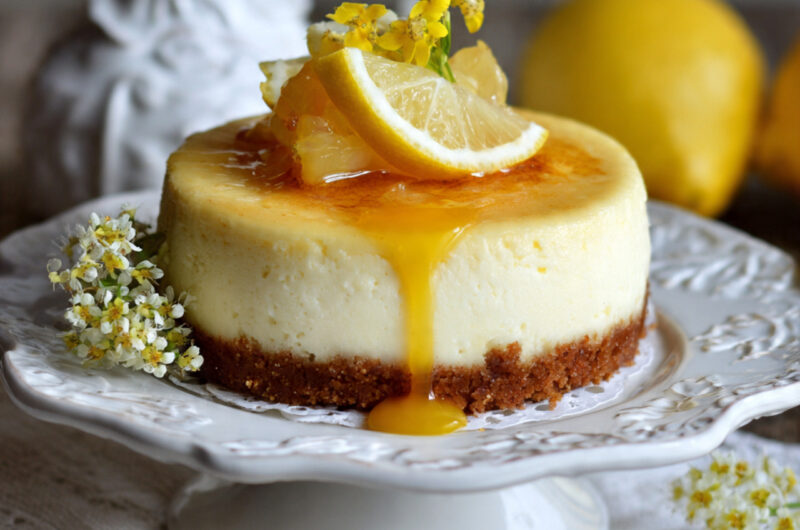
Creamy Lemon Cheesecake
Course: Trending Cake4
servings20
minutes50
minutes355
kcal5
hours10
minutesSilky, tangy, and impossibly smooth — this lemon cheesecake is built on a buttery digestive biscuit crust and made with fresh lemon juice and zest for a bright, clean flavor that never feels heavy. Perfect for make-ahead entertaining, family dinners, or any occasion that calls for something special without a full day in the kitchen.
Ingredients
Crust:
200g digestive biscuits, finely crushed
100g unsalted butter, melted
Filling:
400g full-fat cream cheese, room temperature
200ml heavy cream
120g granulated sugar
2 medium eggs, room temperature
2 tbsp fresh lemon juice
1 tbsp lemon zest
1 tsp pure vanilla extract
Directions
- Crush biscuits into fine crumbs and mix with melted butter until fully coated. Press firmly into pan. Chill 15 minutes.
- Beat cream cheese and sugar on medium speed until completely smooth and lump-free, about 2 minutes.
- Add eggs one at a time on low speed, mixing until just incorporated after each. Do not overbeat.
- Add heavy cream, lemon juice, lemon zest, and vanilla. Stir gently until the batter is silky and fully combined.
- Pour filling over chilled crust. Bake at 160°C (320°F) for 50 minutes, until edges are set and center has a gentle wobble.
- Cool at room temperature 30 minutes. Cover and refrigerate at least 4 hours or overnight before slicing.