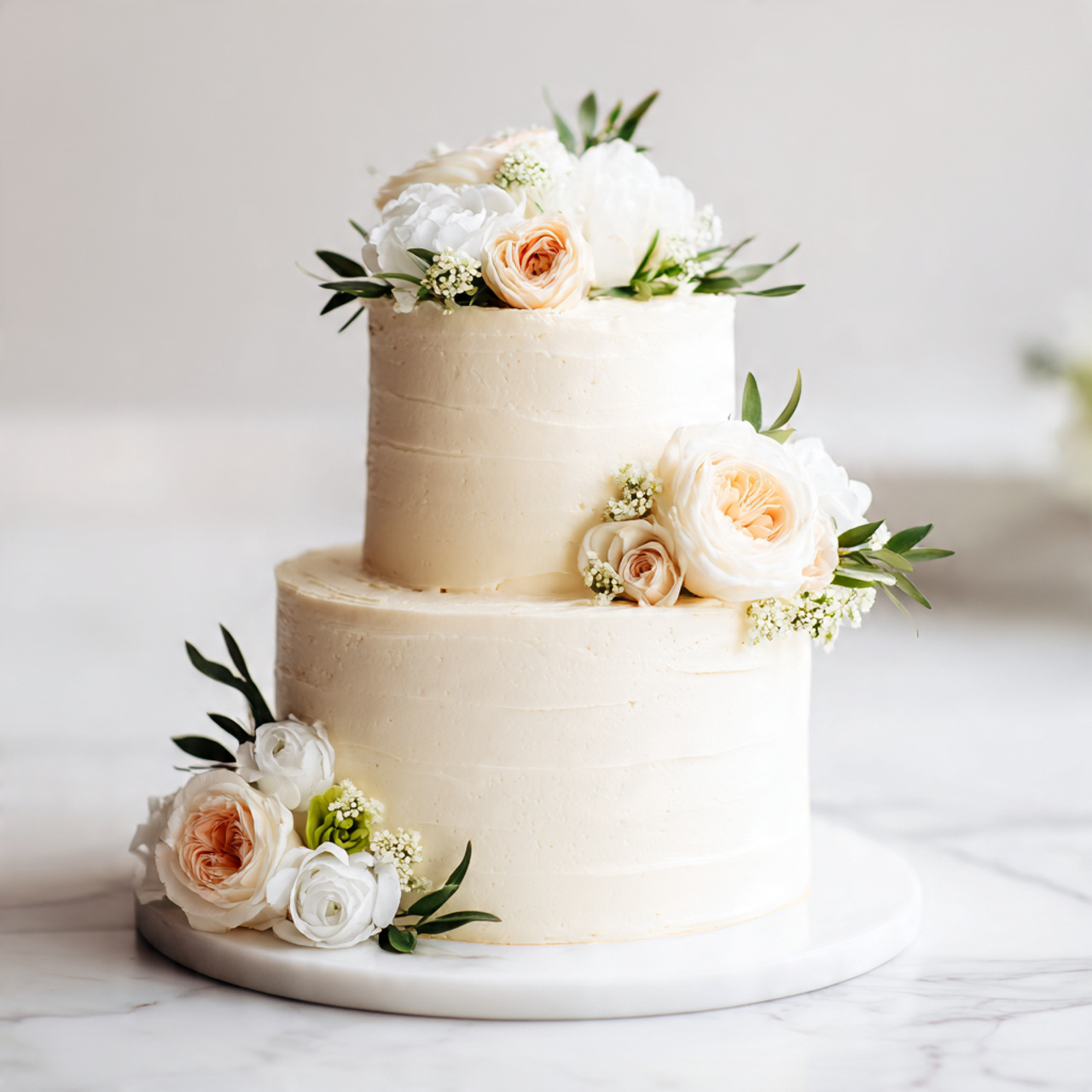
The Most Beautiful Aesthetic Cake That’s Actually Easy to Bake at Home
Most homemade aesthetic cakes that aim to look beautiful end up with frosting that drags, layers that sink, or colors so muddy they look nothing like the inspiration photo — and it almost always comes down to skipping the crumb coat and rushing through the cooling time. This recipe walks you through both steps from the start, so the clean, pastel-pretty finish you’re picturing is genuinely achievable, not just aspirational.
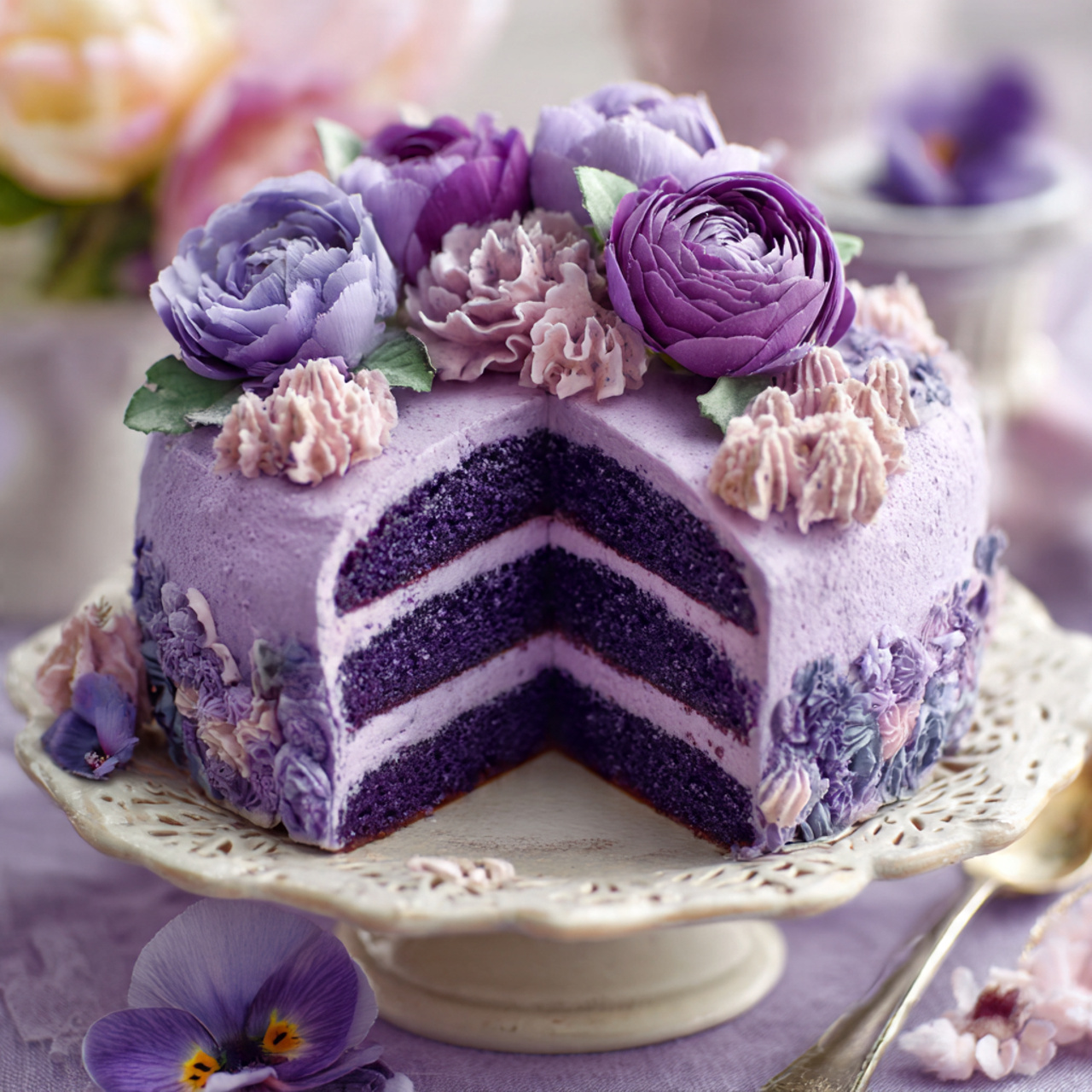
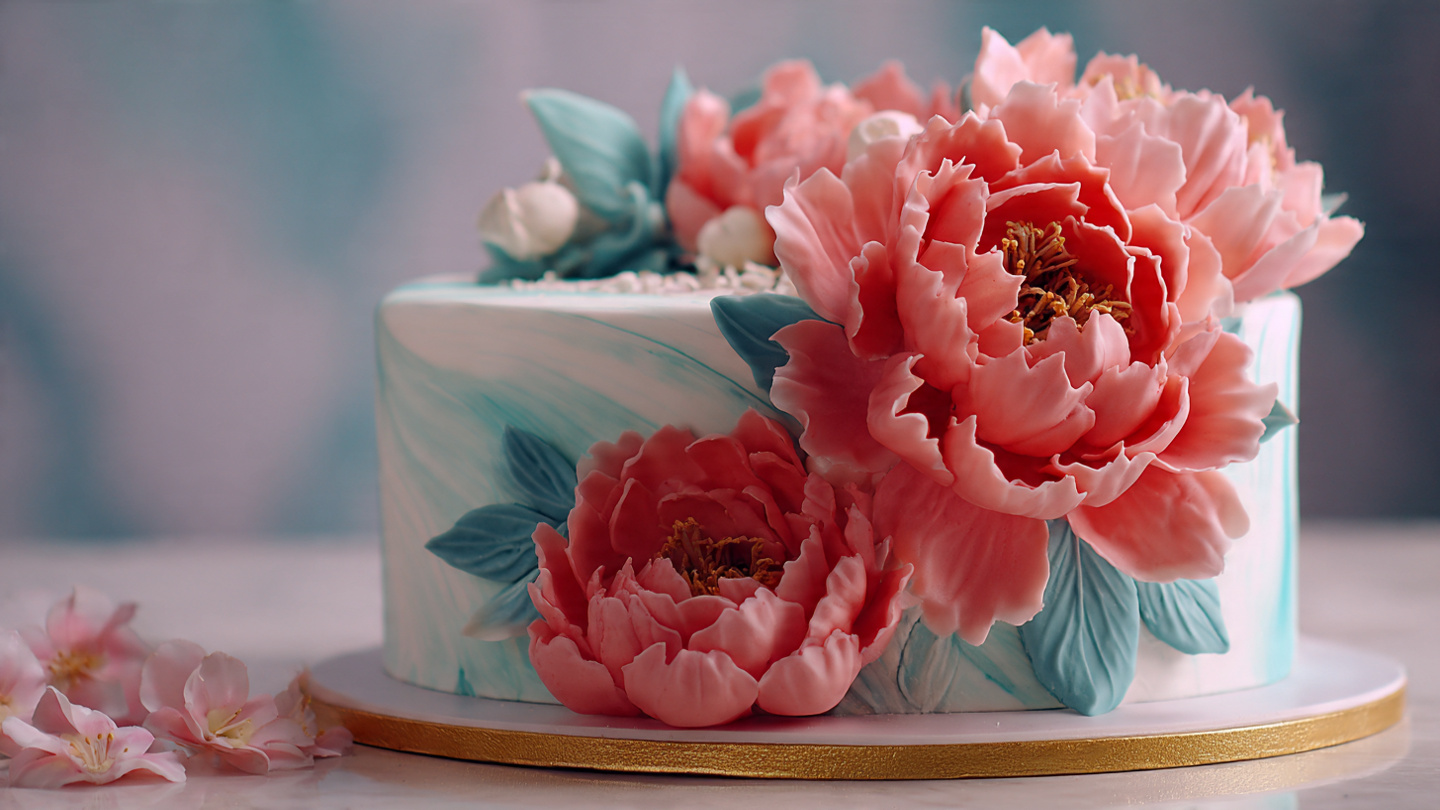
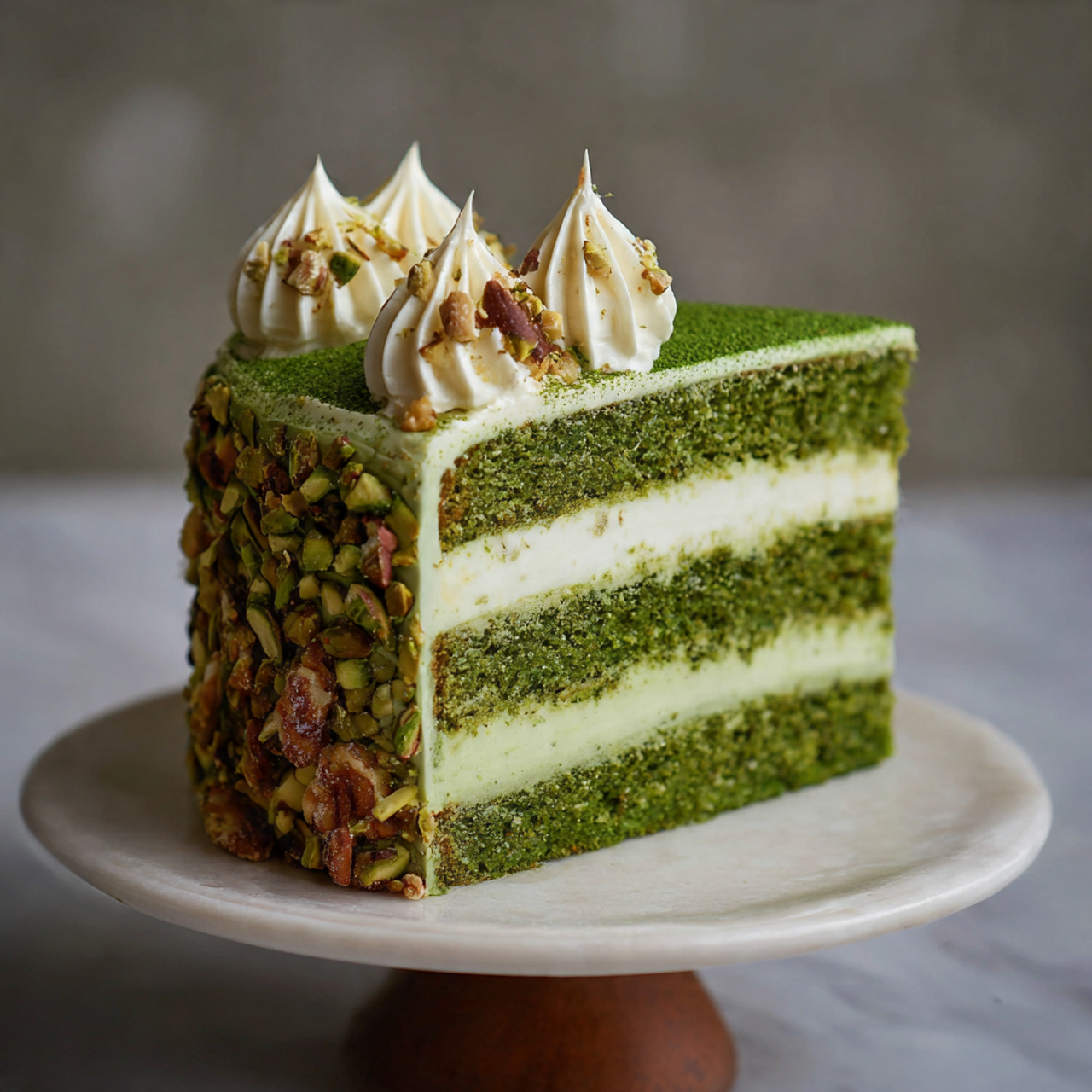
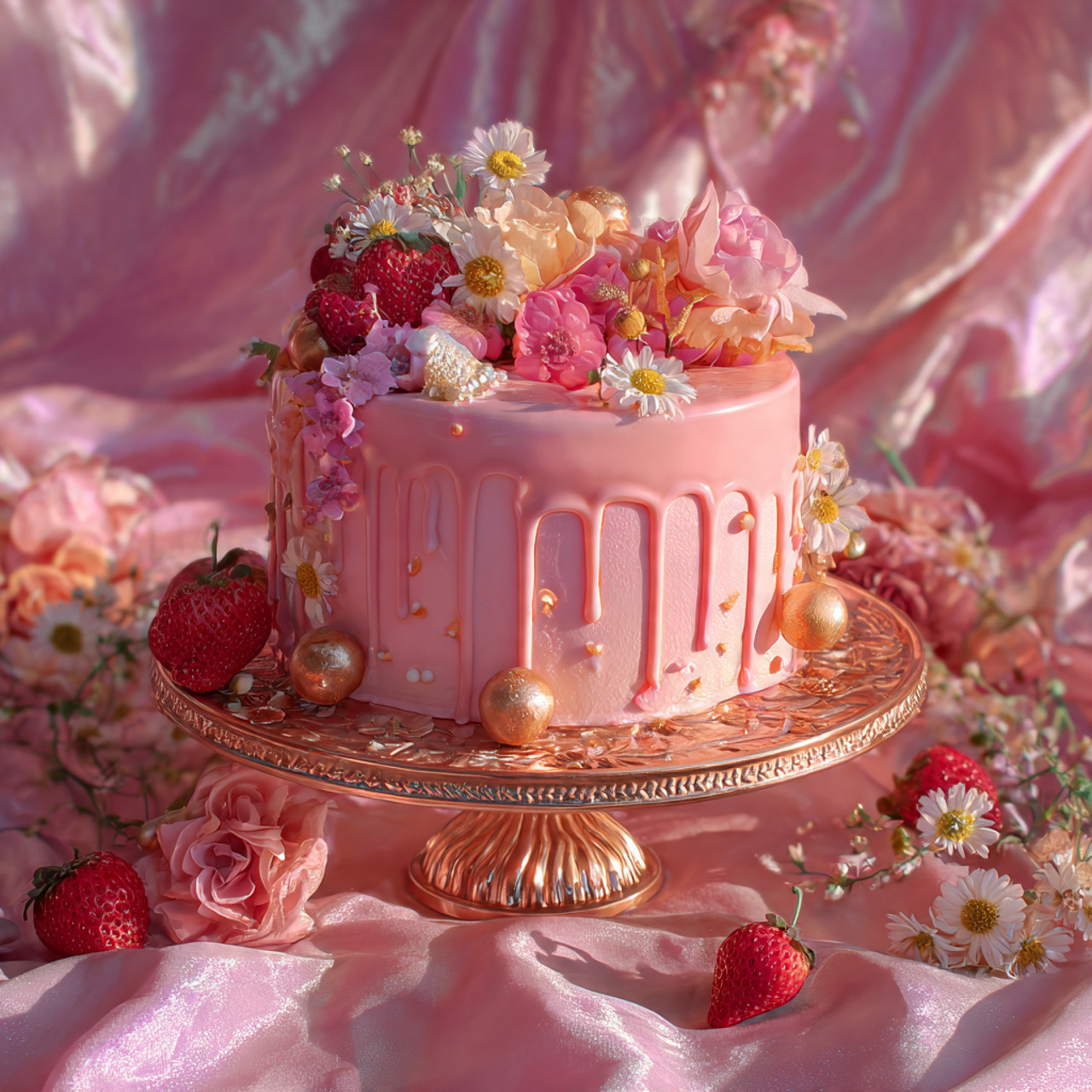
Picture a sponge so light it springs back the moment you press it, with a fine, tender crumb that melts against the frosting without fighting it. The frosting itself is silky and barely sweet — smooth enough to spread without dragging a single crumb, soft enough to hold color in the most gorgeous, even way. Whether you go with dusty rose, soft sage, or the quietest shade of lavender, every slice looks like it came from a bakery that would charge three times what this costs to make at home.
This cake belongs just as naturally on a birthday table as it does on a quiet Sunday afternoon when you want something pretty in the kitchen. It’s a wonderful choice for bridal showers, casual small celebrations, or any slow weekday bake when you want a creative project that pays off beautifully. The sponge can be baked a full day ahead, which also makes it a surprisingly low-stress option when you’re hosting — work split across two short sessions instead of one long one.
Why You’ll Love This Recipe
The Sweetness Is Perfectly Balanced
The vanilla sponge is lightly sweet and subtly fragrant, while the frosting adds just enough richness without tipping the whole thing into sugar overload. That balance is exactly what keeps people reaching for a second slice — it’s indulgent and satisfying, but never leaves you feeling overwhelmed.
The Texture Is Everything You Want in a Cake
Every layer bakes up soft, springy, and even, with a tender crumb that holds together cleanly when sliced. The frosting has a smooth, almost cloud-like consistency that spreads beautifully and sets just firm enough for crisp, clean edges without turning stiff.
You Don’t Need Fancy Skills to Make It Look Stunning
The decoration approach here is minimal and intentional — a smooth base, a soft pastel shade, and maybe a handful of berries on top. No piping bags, no sculpting, no professional equipment required. If you can hold a spatula, you can make this cake look exactly the way you want it to.
It Fits Every Table and Every Occasion
From birthday gatherings to relaxed weekend brunches, this cake adapts without a fuss. It slices cleanly, travels well, and freezes beautifully — making it one of the most practical pretty cakes you’ll ever add to your repertoire.
A Timeless Flavour with a Modern, Dreamy Finish
The vanilla-and-butter combination is classic for a reason, but the pastel frosting and minimal decoration give it a look that feels fresh and current. It’s the kind of simple layer cake that earns its place on a hundred Pinterest boards — except now you’re the one baking it.
Ingredients
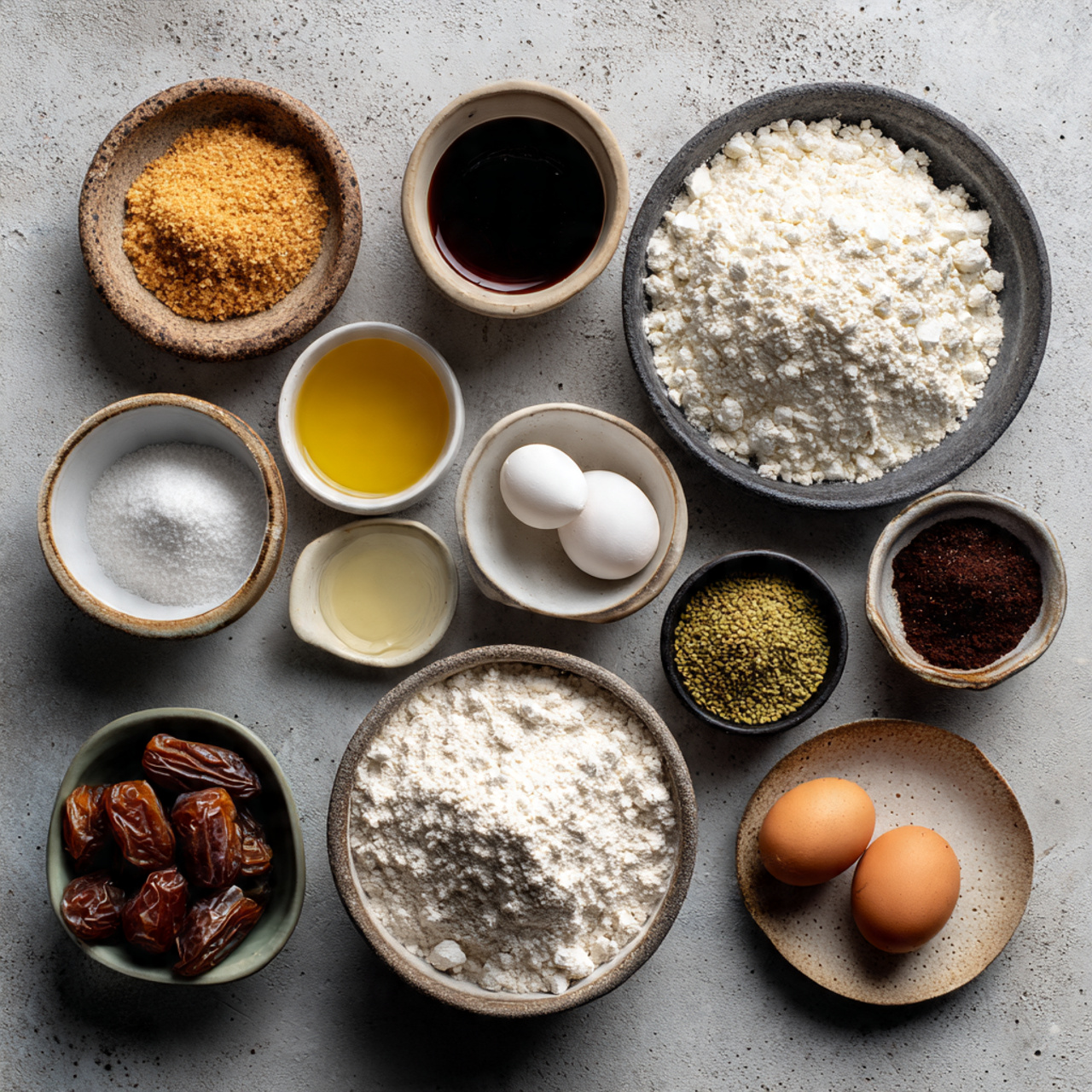
For the Cake Batter
- 2 cups (250g) all-purpose flour (spoon into the measuring cup and level off — never scoop directly from the bag)
- 1½ teaspoons baking powder
- ¼ teaspoon salt
- ¾ cup (170g) unsalted butter, softened (leave it out at least 30–45 minutes before you start)
- 1 cup (200g) granulated sugar
- 3 large eggs (room temperature gives the smoothest, most evenly mixed batter)
- 1 teaspoon vanilla extract (pure, not imitation — the difference in flavor is noticeable)
- ¾ cup (180ml) whole milk (room temperature; cold milk can make the batter look split)
For the Pastel Frosting
- 1 cup (225g) unsalted butter, softened
- 3 cups (360g) powdered sugar (sifted to prevent lumps)
- 2–3 tablespoons milk (add slowly — a little goes a long way)
- 1 teaspoon vanilla extract
- A few drops of gel food coloring (gel holds color better than liquid and won’t affect the frosting’s consistency)
Together, the buttery vanilla-scented sponge and the silky frosting create exactly the kind of balance that makes people want one more slice. The frosting is rich enough to feel special but light enough that it never overwhelms the cake beneath it.
How to Make Aesthetic Cake — Step-by-Step
Step 1: Prep Your Pan and Preheat the Oven
Preheat your oven to 350°F (175°C). Grease an 8-inch round cake pan well, then line the bottom with a circle of parchment paper and set it aside. Spend a few minutes measuring and laying out all your ingredients before you start mixing — having everything ready makes the whole process calmer and far more enjoyable.
Step 2: Cream the Butter and Sugar Until Pale and Fluffy
Beat the softened butter and sugar together for 3–4 minutes until the mixture turns very pale — almost white — and noticeably fluffy. This is the most important step in the whole recipe, and it cannot be rushed. The air you build here is what gives the sponge its light, springy texture. Don’t worry if it takes a little longer with a hand mixer; just keep going until the color lightens visibly and the mixture looks almost whipped.
Step 3: Add the Eggs and Build the Batter
Add the eggs one at a time, beating well after each one before adding the next. Stir in the vanilla extract. In a separate bowl, whisk together the flour, baking powder, and salt. Add the dry mixture and the milk to the butter mixture in three alternating additions — start and end with the dry ingredients — stirring gently between each. Stop mixing the moment the batter looks smooth and unified. Don’t worry if it appears slightly thick at this point; that’s exactly how it should look.
Step 4: Bake Until Golden and Springy
Pour the batter into the prepared pan and gently tap it on the counter two or three times to release any air bubbles trapped beneath the surface. Bake for 25–30 minutes, but start checking at the 23-minute mark. The top should be evenly golden, the edges should be pulling gently away from the sides, and a toothpick inserted in the center should come out clean or with just a dry crumb. Transfer to a wire rack and let the cake cool completely in the pan — at least 45 minutes. A warm cake will melt your frosting the moment it makes contact.
Step 5: Make the Frosting, Color It, and Decorate
Beat the softened butter on its own for about 2 minutes until smooth and slightly pale. Add the sifted powdered sugar one cup at a time, mixing on low between each addition. Add the vanilla and 2 tablespoons of milk, then increase the speed and beat for 2–3 minutes until the frosting is silky and spreadable. Add gel coloring one small drop at a time, mixing between each addition, until you reach the shade you love. Spread a thin crumb coat over the cooled cake, chill it for 20 minutes until set, then apply the final smooth layer for the clean, polished finish that makes this aesthetic cake look like it came from a proper bakery.
Perfecting This Recipe
- Use room temperature butter, eggs, and milk without exception — cold ingredients prevent the batter from emulsifying properly and affect the final texture of the baked sponge.
- Spoon flour into your measuring cup and level it off with a straight edge. Scooping directly from the bag compacts it and can add 20–30% more flour than the recipe intends.
- Stop mixing the moment the batter comes together. Overworking the flour once it’s added develops gluten and pushes the sponge from soft and tender to tight and chewy.
- Let the cake cool completely before you even think about frosting — without this step, even a perfectly made frosting will slide, pool, and refuse to stay put.
- Never skip the crumb coat. That thin first layer seals loose crumbs in place so your final coat goes on clean and smooth without picking anything up.
- Beat the frosting longer than you think you need to. Two extra minutes of whipping is often the whole difference between frosting that drags and frosting that glides.
Common Mistakes to Avoid
Using cold butter straight from the fridge — Cold butter won’t cream properly with the sugar, which means the batter can’t build the air it needs. The result is a sponge that bakes up dense and heavy instead of light. Take your butter out at least 30–45 minutes before you start.
Adding all the eggs at once — Pouring all three eggs in at the same time can break the emulsion and leave the batter looking curdled and greasy. Add them one at a time and let the mixer catch up fully between each one.
Overbaking by even a few minutes — Cakes dry out quickly near the end of bake time, and it happens faster than most people expect. Start checking at 23 minutes and pull the cake the moment a toothpick comes out clean.
Frosting a cake that hasn’t fully cooled — It’s genuinely tempting to speed things up, but frosting applied to a warm surface will melt, slide, and pool at the base. The patience here pays off immediately in the finished result.
Using liquid food coloring instead of gel — Liquid coloring introduces extra moisture that can thin the frosting and change how it spreads. Gel coloring gives you richer, more even tones without altering the texture at all.
Visit Also: Graduation Cake
Add Your Touch
- Stir a teaspoon of finely grated lemon zest or orange zest into the batter for a bright, citrusy note that cuts right through the sweetness.
- Try almond extract in the frosting instead of vanilla — just half a teaspoon gives you a soft, floral, slightly nutty flavor that pairs beautifully with pink or cream shades.
- Spread a thin layer of good strawberry jam or raspberry preserves over the sponge before frosting for a fruity contrast in every bite.
- Divide the finished frosting into two or three bowls and tint each a slightly different shade of the same color for a subtle ombre effect without any extra tools.
- Top the finished cake with a small cluster of fresh raspberries, dried rose petals, or a scatter of edible gold sprinkles for a finishing touch that adds visual impact in seconds.
- Use oat milk or almond milk in place of whole milk for a dairy-free version that stays just as soft and moist.
What to Serve With This
A well-made cup of Earl Grey or chamomile tea is the quietest and most natural pairing for this cake — especially on a slow afternoon when you want the moment to feel a little special.
Softly whipped cream on the side gives each plate something lighter to balance the richness of the frosting, and it takes less than two minutes to put together.
Fresh berries arranged alongside each slice — sliced strawberries, raspberries, or a handful of blueberries — add both a pop of color and a gentle tartness that makes every bite feel more layered.
A cold glass of sparkling water with a squeeze of lemon works well as a palate cleanser between slices when this is being served at a gathering.
For a birthday celebration, a scoop of good vanilla bean ice cream served alongside a slice makes the whole thing feel genuinely festive without a single extra step.
Storing and Serving
Fridge Cover the frosted cake with a cake dome or loosely draped plastic wrap and keep it in the refrigerator for up to four days. For individual slices, wrap each one in cling film before placing in an airtight container to keep them from drying out.
Freezer The unfrosted sponge layers freeze beautifully for up to two months. Wrap each layer in two layers of plastic wrap before sealing in a zip-lock freezer bag. Thaw overnight in the fridge before frosting. Individual frosted slices can also be frozen — place them on a lined tray first to firm up before wrapping.
Reheating This cake is best served at room temperature rather than heated. Remove it from the fridge about 20–30 minutes before slicing so the frosting softens slightly and the sponge gets its texture back. There’s no need to microwave it.
Make-Ahead Tip Bake the sponge up to one day ahead and store it tightly wrapped at room temperature overnight. Make the frosting fresh the following day for the smoothest, most even finish. The fully decorated cake can also be refrigerated overnight and brought to room temperature before serving.
Servings This recipe makes approximately 8–10 slices from a single 8-inch round layer.
Nutrition (Approximate Per Serving)
- Calories: ~450
- Total Fat: 22g
- Saturated Fat: 13g
- Carbohydrates: 60g
- Sugar: 43g
- Protein: 5g
- Sodium: 180mg
Nutritional values are approximate and may vary based on specific ingredients and brands used.
Chef’s Helpful Tips
- Bring your butter, eggs, and milk to room temperature every single time — cold ingredients prevent proper emulsification, which shows up as an uneven, slightly gummy crumb after baking.
- Begin checking the cake at the 23-minute mark, not 30. Ovens vary, and catching it a few minutes early is always better than discovering it’s too dry after the fact.
- For the cleanest slices, dip a long sharp knife in hot water, dry it quickly with a clean cloth, and cut in one firm, smooth motion. Wipe and repeat the hot-water dip between every cut.
- Always sift the powdered sugar before making the frosting. Even fine lumps will show through on the surface of pale pastel frosting and are hard to smooth out once they’re in.
- If the frosting feels too stiff to spread cleanly, add milk in half-teaspoon increments until it loosens. If it goes too thin, add powdered sugar a tablespoon at a time until the right consistency comes back.
Frequently Asked Questions
Q1. Can I make this aesthetic cake without eggs? Yes — replace each egg with ¼ cup of plain unsweetened yogurt. The batter will be slightly denser, but the sponge still bakes up soft and holds together well. This swap works with both regular and dairy-free yogurt, so it’s a flexible option regardless of your dietary needs.
Q2. What does this cake taste like compared to a store-bought birthday cake? It’s noticeably better in the best way — lighter in texture, less artificially sweet, and far more buttery. The frosting has a clean, creamy finish instead of the overly sugary, shortening-based taste most shop-bought cakes have. Once you’ve had homemade, it’s hard to go back.
Q3. Is this a good recipe for someone who has never decorated a cake before? Completely. The approach here is minimal by design — a smooth frosting base, one soft color, and a simple topping. The crumb coat step sounds technical but takes about five minutes and makes the whole decorating process significantly easier. If you can spread frosting on a surface, you can make this look beautiful.
Q4. Can I make this ahead for a party or bring it as a potluck dessert? Absolutely. Bake the sponge the day before and frost it the morning of the event — the finished cake travels well under a dome and holds its shape at room temperature for a few hours. The visual appeal also makes it a lovely thing to bring; it always gets noticed before it’s even sliced.
Q5. Can this cake be frozen after it’s been frosted? Individual frosted slices freeze well — place them on a lined tray until firm, then wrap each one tightly and freeze for up to two months. For the best result, though, freezing the undecorated sponge layers and frosting fresh is the cleaner approach. The sponge texture stays better and the frosting looks its best when made and applied the same day.
Conclusion
There’s something quietly satisfying about pulling a beautiful cake out of your own kitchen — particularly when it looks exactly the way you pictured it. This aesthetic cake proves that pastel frosting, clean lines, and a genuinely special homemade finish don’t require professional skills or complicated steps. The sponge is approachable, the frosting is forgiving, and the result is the kind of thing that makes people pause before the first slice, which is really the whole point.
Make the colors yours, fold in a little lemon zest if you want something brighter, add jam between the layers if that feels right — there are no rules here beyond a good foundation and a little patience. Bake it once and it has a way of becoming the recipe you return to every time you want something beautiful and genuinely homemade. Share it, photograph it, or keep every slice to yourself on a quiet Sunday afternoon. Either way, it’s absolutely worth it.
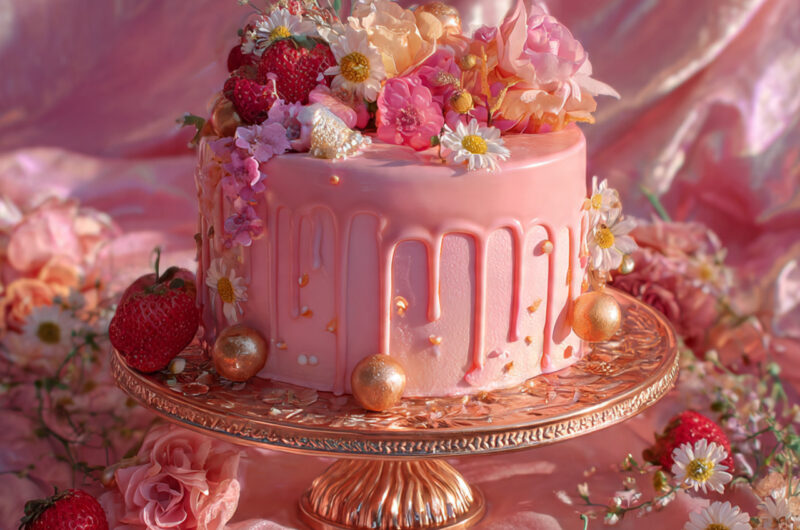
Easy Aesthetic Cake with Pastel Frosting
Course: Cake, Trending Cake8–10
servings20
minutes30
minutes450
kcal1
hour35
minutesA soft, fluffy vanilla sponge with silky pastel buttercream — simple enough for a weekday bake but beautiful enough for any celebration. Perfect for birthdays, small gatherings, or a cozy weekend treat.
Ingredients
For the Cake Batter:
2 cups (250g) all-purpose flour
1½ teaspoons baking powder
¼ teaspoon salt
¾ cup (170g) unsalted butter, softened
1 cup (200g) granulated sugar
3 large eggs
1 teaspoon vanilla extract
¾ cup (180ml) whole milk
For the Pastel Frosting:
1 cup (225g) unsalted butter, softened
3 cups (360g) powdered sugar, sifted
2–3 tablespoons milk
1 teaspoon vanilla extract
A few drops of gel food coloring
Directions
- Preheat oven to 350°F (175°C). Grease and line an 8-inch round cake pan with parchment paper.
- Beat softened butter and sugar for 3–4 minutes until very pale and fluffy.
- Add eggs one at a time, beating well between each. Mix in vanilla extract.
- Whisk flour, baking powder, and salt in a separate bowl. Alternate adding dry ingredients and milk to the butter mixture in three additions, starting and ending with dry.
- Pour batter into prepared pan. Tap gently on the counter to release air bubbles.
- Bake 25–30 minutes until golden on top and a toothpick comes out clean. Cool completely before moving on.
- Beat frosting butter until smooth and pale. Add sifted powdered sugar one cup at a time on low speed.
- Mix in vanilla and 2 tablespoons of milk. Beat on high for 2–3 minutes until silky.
- Add gel coloring one drop at a time until the desired shade is reached.
- Apply a thin crumb coat to the cooled cake. Chill 20 minutes, then smooth on the final frosting layer.