The Softest, Warmest Fruit Cake That Tastes Even Better the Next Day
Fruit cake has earned an unfair reputation — most people’s first experience with it is a dense, dry slice that crumbles apart and tastes more like cardboard than a warm, homemade treat. That almost always comes down to one thing: the dried fruits went straight into the batter without being softened first. Hard, chewy pieces don’t have time to break down during a 40-minute bake, and they pull moisture away from the crumb rather than adding to it. This recipe fixes that from the very first step, giving you a tender, properly moist result that actually lives up to everything a fruit cake should be.
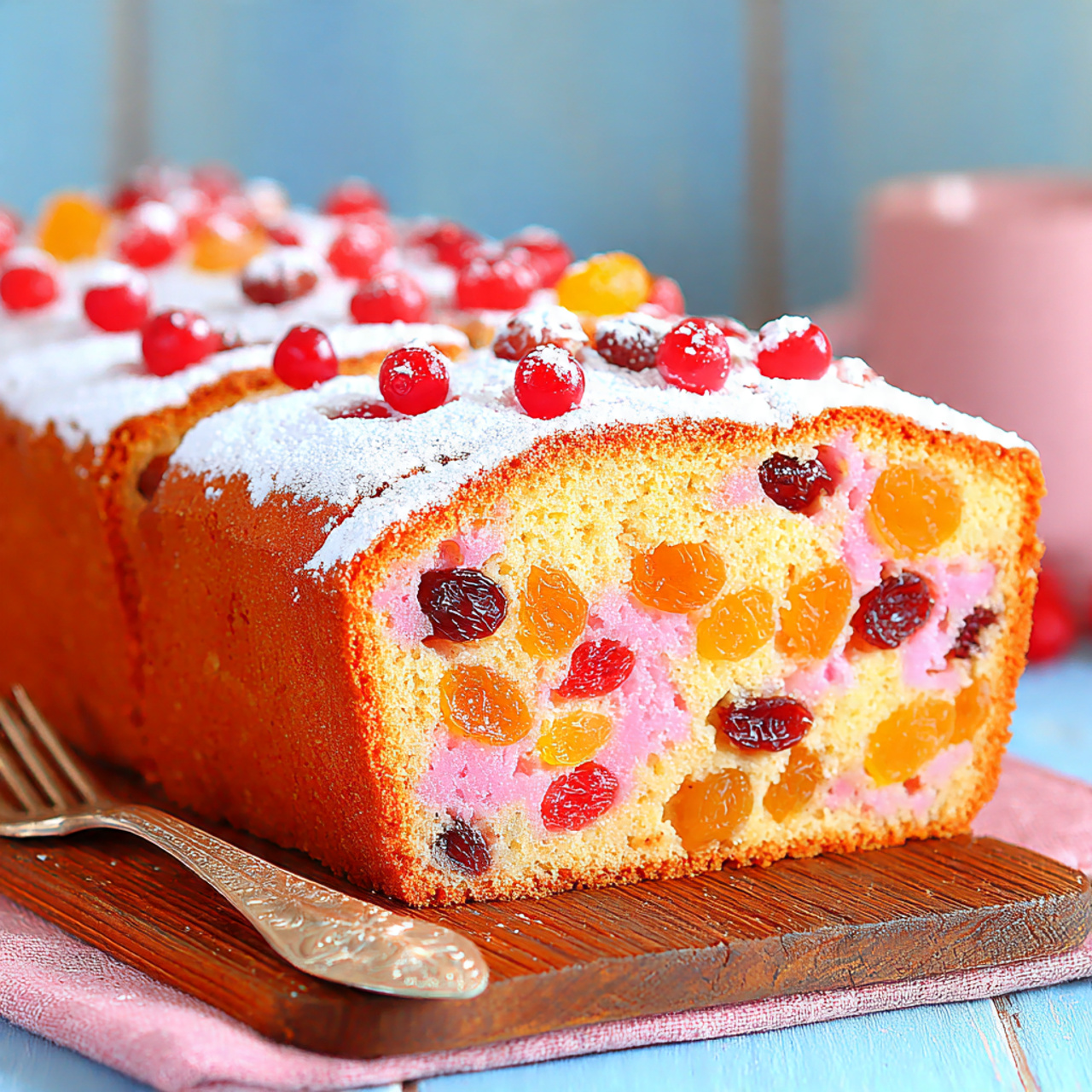
Once it’s out of the oven and rested, you’re looking at something genuinely lovely. Every slice is soft and satisfying, held together by a rich brown sugar and butter base with little pockets of sweet, yielding fruit throughout. The cinnamon and nutmeg don’t shout — they hum quietly in the background, giving the cake that unmistakably warm, spiced depth that makes the whole kitchen smell like something wonderful is happening. The edges bake up deep golden, the crumb is even and tender, and each slice holds together cleanly without crumbling apart.
This easy fruit cake recipe belongs on a lazy Sunday afternoon just as much as it does on a holiday spread or a simple family tea table. It’s the kind of thing you bake the night before a gathering and then forget to worry about — and end up getting the most compliments on. Whether this is your first time making a moist fruit cake or you’ve been baking loaf cakes for years, this one will earn a permanent place in your kitchen rotation.
Why You’ll Love This Recipe
A Flavor That Deepens Beautifully Over Time
One of the most satisfying things about this cake is that it genuinely tastes better on day two. The spices settle, the fruit flavors meld into the crumb, and everything becomes richer and more cohesive overnight. Baking it ahead isn’t just convenient — it actively produces a better result than pulling it from the oven and slicing it right away.
Perfectly Moist Texture from the Very First Slice
The combination of softened butter, brown sugar, and properly prepared dried fruits keeps this cake moist all the way through. There are no dry patches, no crumbly corners, and no sad, dense middle. Even after a few days in the fridge, the crumb stays tender and the texture holds up exactly as it should.
Simple Enough for Any Skill Level
There is no special equipment, no elaborate technique, and no tricky timing to manage here. If you can cream butter and fold in flour, you can make this cake. The steps are beginner-friendly, the ingredients are everyday pantry staples, and the margin for error is reassuringly small.
Completely Flexible with What You Have on Hand
The dried fruit combination is entirely up to you. Raisins, chopped dates, dried apricots, cranberries, figs — whatever is already in your pantry works beautifully. The base recipe accommodates the swap without any adjustments, making this one of those reliable recipes you can pull together on a whim.
A Natural Crowd-Pleaser for Any Occasion
Whether you are slicing it for a cozy home gathering or wrapping up a loaf as a gift, this cake travels and presents beautifully. It needs no frosting, no decoration, and no special plating to impress. A well-baked loaf on a wooden board is more than enough.
Ingredients
For the Cake Batter
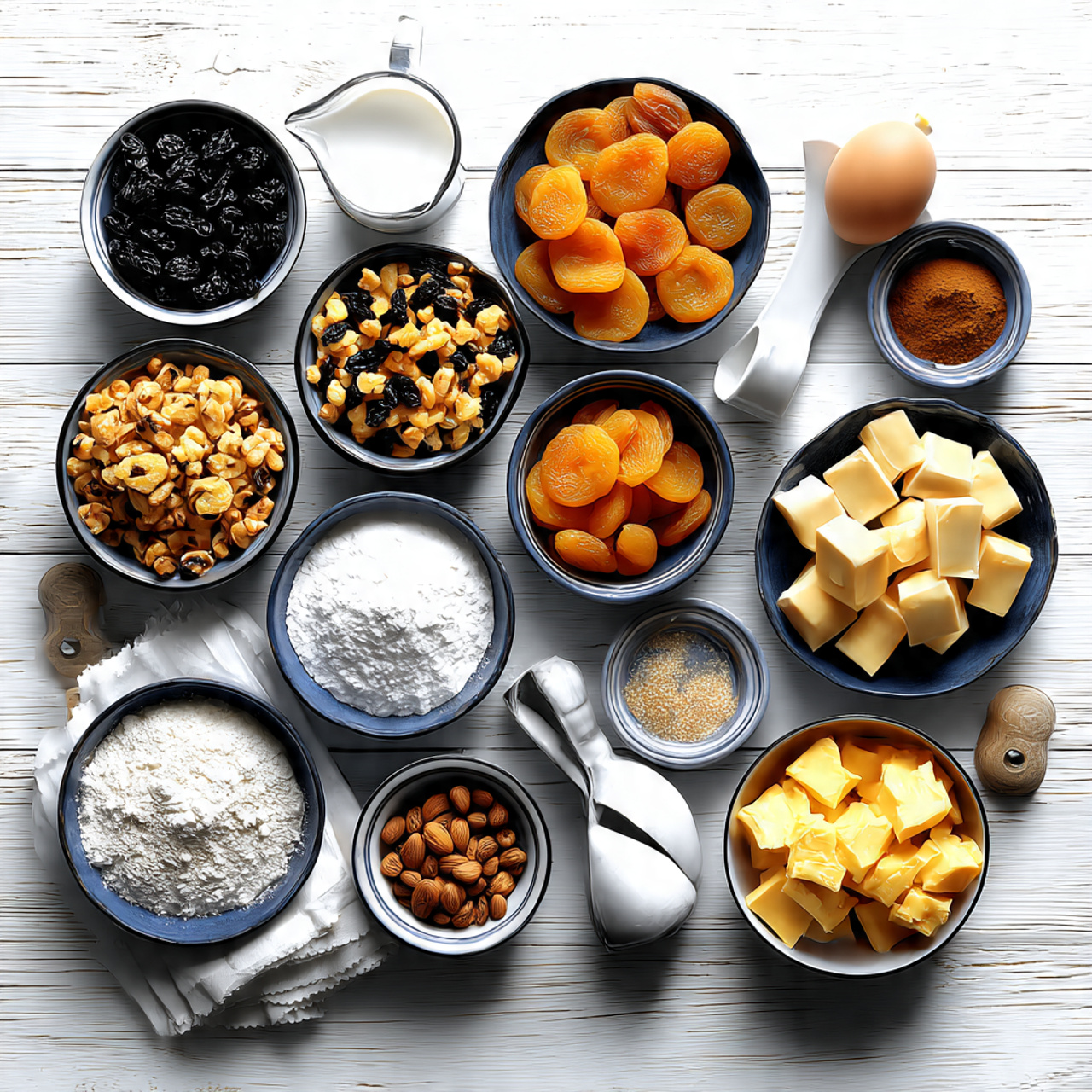
- ½ cup unsalted butter, softened (take it out of the fridge at least an hour ahead — this step genuinely matters)
- ¾ cup brown sugar (packed lightly; it adds a gentle caramel depth to the crumb)
- 2 large eggs (room temperature blends more smoothly into the batter)
- ½ cup milk (full-fat gives a richer crumb, though 2% works just fine)
- 1 tsp vanilla extract (pure, not imitation, for the best flavor)
For the Dry Mix
- 1 ¼ cups all-purpose flour
- 1 tsp baking powder
- ½ tsp ground cinnamon
- ¼ tsp nutmeg (freshly grated adds a noticeably warmer flavor if you have a whole nutmeg)
- ¼ tsp salt
For the Dried Fruits
- 1 ½ cups mixed dried fruits — raisins, chopped dates, and dried apricots make a beautiful, balanced combination, but any blend you enjoy works just as well
The dried fruits are the heart of this recipe. When softened before going into the batter, they release a little moisture as the cake bakes — and that is exactly what keeps every slice so tender. The warm spices work with the fruit rather than overpowering it, and the brown sugar and butter tie everything into a rich, cohesive flavor that only improves with time.
How to Make Fruit Cake — Step-by-Step
Step 1: Prep Your Oven, Pan, and Fruits
Preheat your oven to 170°C (340°F) and grease a standard loaf pan generously. Lining it with a strip of parchment gives you extra insurance for an easy release. If your dried fruits feel at all tough or leathery, place them in a small bowl and pour just enough warm water or warm milk over them to cover, then let them sit for 10 minutes. Drain well before using. Chop any larger pieces — like dates or apricots — into roughly raisin-sized bits so they distribute evenly throughout the crumb.
Step 2: Cream the Butter and Brown Sugar Until Fluffy
In a large bowl, beat the softened butter and brown sugar together until the mixture is pale, fluffy, and noticeably airy — this takes about 2–3 minutes by hand or roughly one minute with an electric mixer. This step is doing real structural work: it incorporates air into the batter, which is what gives the finished cake its soft, tender crumb. Don’t worry if the mixture looks a little grainy at first — it comes together beautifully as you keep beating.
Step 3: Add the Eggs, Milk, and Vanilla
Add the eggs one at a time, mixing well after each addition before going in with the next. Then stir in the vanilla extract and milk until the batter looks smooth and cohesive. The mixture might look slightly curdled or separated at this stage — that is completely normal and corrects itself once the flour goes in. Don’t worry if it doesn’t look perfectly smooth just yet.
Step 4: Fold in the Dry Ingredients
In a separate bowl, whisk together the flour, baking powder, cinnamon, nutmeg, and salt until evenly combined. Add the dry mix to the wet batter in two additions, folding gently with a spatula rather than stirring or beating. Stop as soon as you can no longer see streaks of flour. Overmixing at this stage is the most common reason a fruit cake turns out dense rather than tender, so a light hand here goes a long way.
Step 5: Stir in the Dried Fruits
Add your softened, drained dried fruits to the batter and fold them in with a few easy turns. You want them evenly distributed without deflating the batter. The mixture will be thick and a little heavy at this point — that is exactly right, and it bakes into a beautifully sturdy, sliceable crumb.
Step 6: Bake Until Golden and a Toothpick Comes Out Clean
Pour the batter into your prepared loaf pan and smooth the top with the back of a spoon or an offset spatula. Bake for about 40 minutes, until the top is a deep, even golden and a toothpick inserted into the center comes out clean or with just a few moist crumbs attached. Start checking around the 35-minute mark since ovens vary. Once out of the oven, let the cake rest in the pan for 10 minutes before turning it out onto a wire rack to cool completely. It smells incredible straight from the oven, but slicing into it while still warm leads to crumbling — patience pays off here.
Perfecting This Recipe
Getting this cake exactly right is less about technique and more about a few small habits that add up to a noticeably better result:
- Soften your dried fruits before they go into the batter, even if they look fine. Ten minutes in warm liquid makes a real difference to the final moisture level of the crumb.
- Room temperature butter creams properly. Cold butter won’t incorporate enough air, and the resulting crumb will be flat and heavy rather than soft and even.
- Fold, don’t stir. Once the flour goes in, treat the batter gently. A few careful turns with a spatula is all it needs.
- Don’t skip the full cooling time. A fully cooled cake slices cleanly, holds its shape, and has a settled, even crumb. Cut it too early and the interior will feel gummy and the slices will fall apart.
- If you can wait until the next day, do. The flavors genuinely improve after an overnight rest. The spices mellow, the fruit sweetness deepens, and the whole cake comes together in a way it simply can’t on the day it’s baked.
Common Mistakes to Avoid
Using butter straight from the fridge — Cold butter won’t cream properly with the sugar, which means less air in the batter and a noticeably denser, heavier cake. Let it sit at room temperature for at least an hour before you start, and it will beat up beautifully.
Skipping the fruit-softening step — Adding tough, dry fruit pieces directly to the batter means they won’t have time to soften during the short bake time. They’ll stay chewy and actually draw moisture away from the crumb rather than contributing to it.
Overmixing after the flour goes in — Once the dry ingredients are added, a few gentle folds is truly all the batter needs. Mixing aggressively from this point develops the gluten in the flour, turning the crumb tight and rubbery instead of giving you that soft, tender texture.
Opening the oven door too soon — Checking on a baking cake before the halfway point can cause the center to sink before it has had time to set. Wait until at least the 30-minute mark before opening the door, and the structure will be stable enough to handle the temperature check.
Slicing before the cake is fully cooled — The interior continues to set as the cake cools. Cutting in while it is still warm leads to gummy, crumbling slices and a texture that looks underdone even when it isn’t. Give it the full cooling time and the result is clean, even slices every time.
Add Your Touch
This cake is wonderfully open to small personalizations. Here are a few worth trying:
- Stir in a teaspoon of finely grated orange or lemon zest for a bright, citrusy lift that plays beautifully against the warm spices.
- Add a small handful of roughly chopped walnuts or pecans for a gentle crunch woven through the crumb.
- Swap the cinnamon and nutmeg for mixed spice or a pinch of cardamom for a slightly different kind of warmth.
- Use a splash of strong brewed tea or warm apple juice in place of milk for a deeper, earthier flavor in the base.
- For a simple decorative touch, press a few whole dried cranberries or halved dates onto the top of the batter just before baking — they caramelize lightly and look beautiful once the cake comes out golden.
Visit Also: Flower Cake
What to Serve With This
A warm slice of this cake is a complete treat on its own, but a few pairings make it even better:
- A hot cup of black tea or chai — the tannins cut through the richness and make every bite feel more layered.
- A small spoonful of clotted cream or thick yogurt on the side for a cool, tangy contrast to the warm spice.
- Fresh orange slices or a small handful of berries to brighten up a dessert plate.
- A thin spread of salted butter on a slightly warm slice — simple and completely satisfying.
- Gently reheated and served alongside a scoop of good vanilla ice cream for a dessert worth remembering.
Storing and Serving
Fridge Wrap the cooled cake tightly in plastic wrap or store individual slices in an airtight container. It keeps well in the refrigerator for up to 4–5 days, and the flavor is noticeably better from day two onward.
Freezer Slice the cake before freezing and wrap each piece individually in plastic wrap before placing in a zip-lock bag. Frozen slices keep well for up to 2 months. Thaw individual pieces at room temperature for about an hour, or overnight in the refrigerator.
Reheating A quick 10–15 seconds in the microwave brings a cold slice back to that just-baked softness. Don’t overheat it — the goal is just to take the chill off, not dry it out.
Make-Ahead Tip This cake is genuinely best made the day before you plan to serve it. Bake it, cool it completely, wrap it tightly, and store at room temperature overnight. The flavors have time to meld and the texture settles into something richer and more satisfying by the next morning.
Servings This recipe yields approximately 8 generous slices from a standard loaf pan.
Nutrition (Approximate Per Serving)
- Calories: ~310
- Total Fat: 10g
- Saturated Fat: 6g
- Carbohydrates: 50g
- Sugar: 28g
- Protein: 4g
- Sodium: 120mg
Nutritional values are approximate and may vary based on specific ingredients and brands used.
Chef’s Helpful Tips
- Take your butter and eggs out of the fridge at least an hour before baking. Room temperature ingredients blend together far more evenly, giving the batter a smoother, more cohesive texture throughout.
- Don’t rush the creaming step. A properly beaten butter and sugar mixture should look noticeably lighter in color and feel soft and airy when you lift the spatula. That trapped air is what gives the crumb its characteristic softness.
- To get clean, even slices without the fruit tearing the crumb, use a sharp serrated knife and a gentle sawing motion rather than pressing straight down. Wiping the blade between cuts keeps the slices neat.
- Pure vanilla extract genuinely makes a difference here. The warm, complex depth it adds to the batter is something imitation vanilla simply doesn’t replicate — it’s a small upgrade with a noticeable result.
- If your cake comes out denser than expected, the most likely causes are cold butter before creaming or overmixing after the flour was added. Both are easy to correct for next time and not a reflection of the recipe.
Frequently Asked Questions
Q1. Can I make this fruit cake ahead of time? Absolutely — and it is actively encouraged. This fruit cake tastes measurably better the day after baking, once the spices have settled and the dried fruits have softened further into the crumb. Bake it the evening before, let it cool completely, wrap it well, and store it at room temperature overnight for the best possible result.
Q2. My cake turned out dense. What went wrong? Two things are almost always responsible: butter that wasn’t soft enough before creaming, and overmixing once the flour was added. Make sure your butter is genuinely at room temperature before you start, and fold the batter gently after adding the dry ingredients — stop as soon as the flour disappears into the mix.
Q3. Can I substitute the milk with something dairy-free? Easily. Oat milk, almond milk, and diluted plain yogurt all work well without noticeably changing the texture or flavor of the finished cake. Use the same quantity as the milk called for and proceed exactly as written.
Q4. What does this taste like compared to a regular sponge cake? It is richer, denser, and considerably more layered in flavor. The brown sugar base brings a gentle caramel warmth, the spices add depth, and the dried fruits contribute bursts of natural sweetness throughout the crumb. Think of it as sitting somewhere between a classic spiced tea loaf and a simple celebration cake — more substantial than a light sponge but not heavy in the way most people fear fruit cake will be.
Q5. Can I freeze this cake? Yes — it freezes beautifully. Slice it before freezing and wrap each piece individually in plastic wrap, then store in a freezer bag for up to 2 months. Thaw slices at room temperature for about an hour or overnight in the fridge and they come back soft, moist, and just as flavorful as the day they were baked.
Conclusion
There is a reason fruit cake has stayed in home kitchens across generations — when it is made well, it is one of the most genuinely comforting and dependable things you can pull out of an oven. This version keeps everything warm and nostalgic about the classic while solving the things that usually go wrong: dry texture, hard fruit pieces, and flavors that never quite come together. It is the kind of recipe that doesn’t ask much of you but gives you a great deal back, slice after slice.
Bake it for a gathering, bake it for a quiet afternoon with tea, or bake it simply because you want something homemade and fragrant waiting on the counter. Wrap a couple of slices for someone who could use a little comfort, try it with a twist of orange zest, or keep it exactly as written and let it speak for itself. However you enjoy it, this is one of those recipes that tends to become part of the routine — and once it does, it usually stays there for a very long time.
Soft and Spiced Fruit Cake
Course: Cake, Trending Cake8 slices
servings15
minutes40
minutes310
kcal1
hour5
minutesThis classic homemade fruit cake has a tender, moist crumb packed with warm spice and soft, juicy dried fruits. It bakes up beautifully golden, slices cleanly, and tastes even better the day after baking — making it the ideal recipe for relaxed weekend baking, gifting, or any occasion that calls for something cozy and homemade.
Ingredients
For the Cake Batter:
½ cup unsalted butter, softened
¾ cup brown sugar
2 large eggs
½ cup milk
1 tsp vanilla extract
For the Dry Mix:
1 ¼ cups all-purpose flour
1 tsp baking powder
½ tsp ground cinnamon
¼ tsp nutmeg
¼ tsp salt
For the Dried Fruits:
1 ½ cups mixed dried fruits (raisins, chopped dates, dried apricots)
Directions
- Preheat oven to 170°C (340°F). Grease a standard loaf pan and line with parchment if desired.
- Soak dried fruits in warm water or milk for 10 minutes. Drain well and chop any large pieces.
- Beat softened butter and brown sugar together until pale and fluffy, about 2–3 minutes.
- Add eggs one at a time, beating well between each. Stir in vanilla extract and milk until smooth.
- In a separate bowl, whisk together flour, baking powder, cinnamon, nutmeg, and salt.
- Fold the dry ingredients into the wet batter in two additions, stopping as soon as flour disappears.
- Fold in the drained dried fruits until evenly distributed through the batter.
- Pour into the prepared pan, smooth the top, and bake for 40 minutes until deep golden and a toothpick inserted in the center comes out clean.
- Cool in the pan for 10 minutes, then transfer to a wire rack and cool completely before slicing.