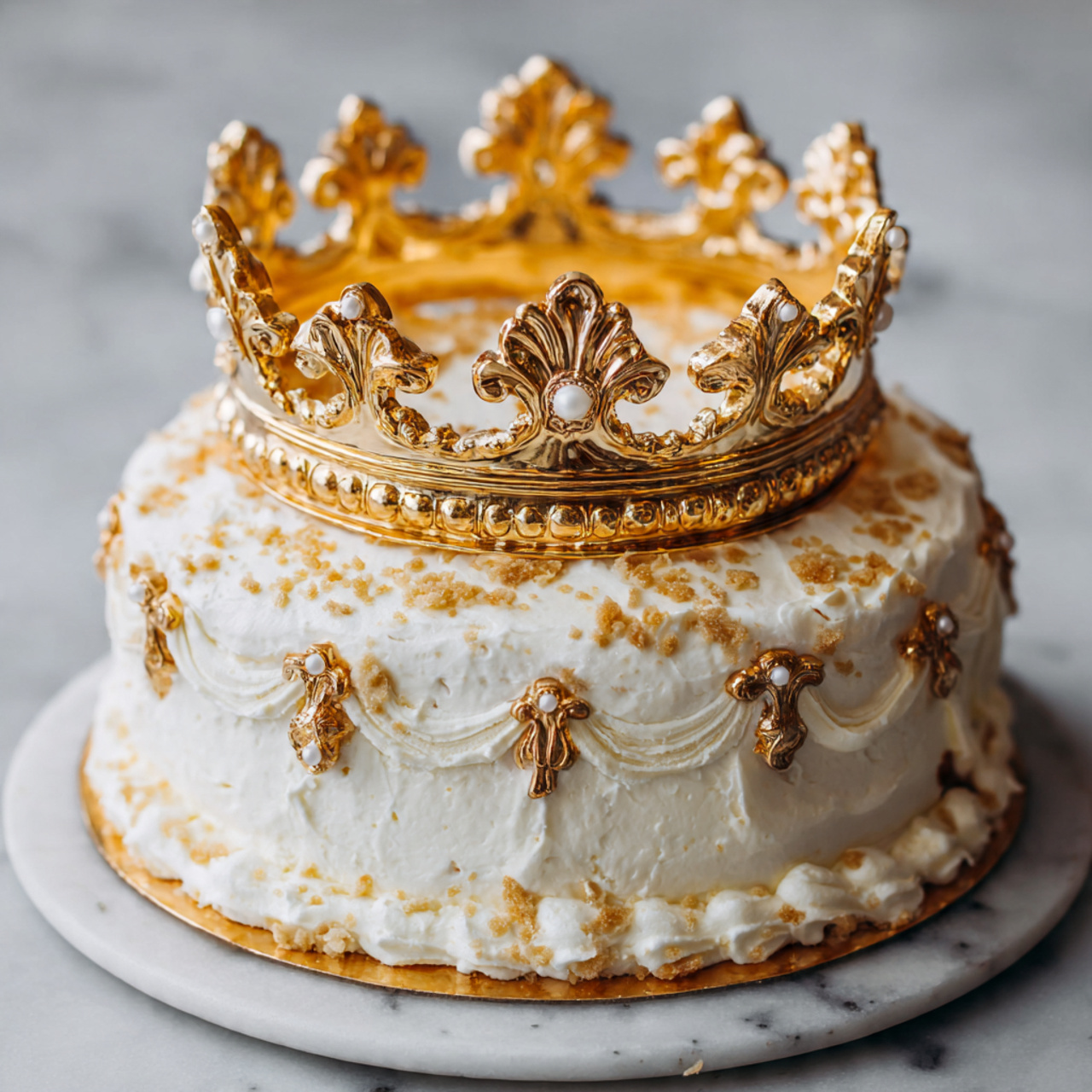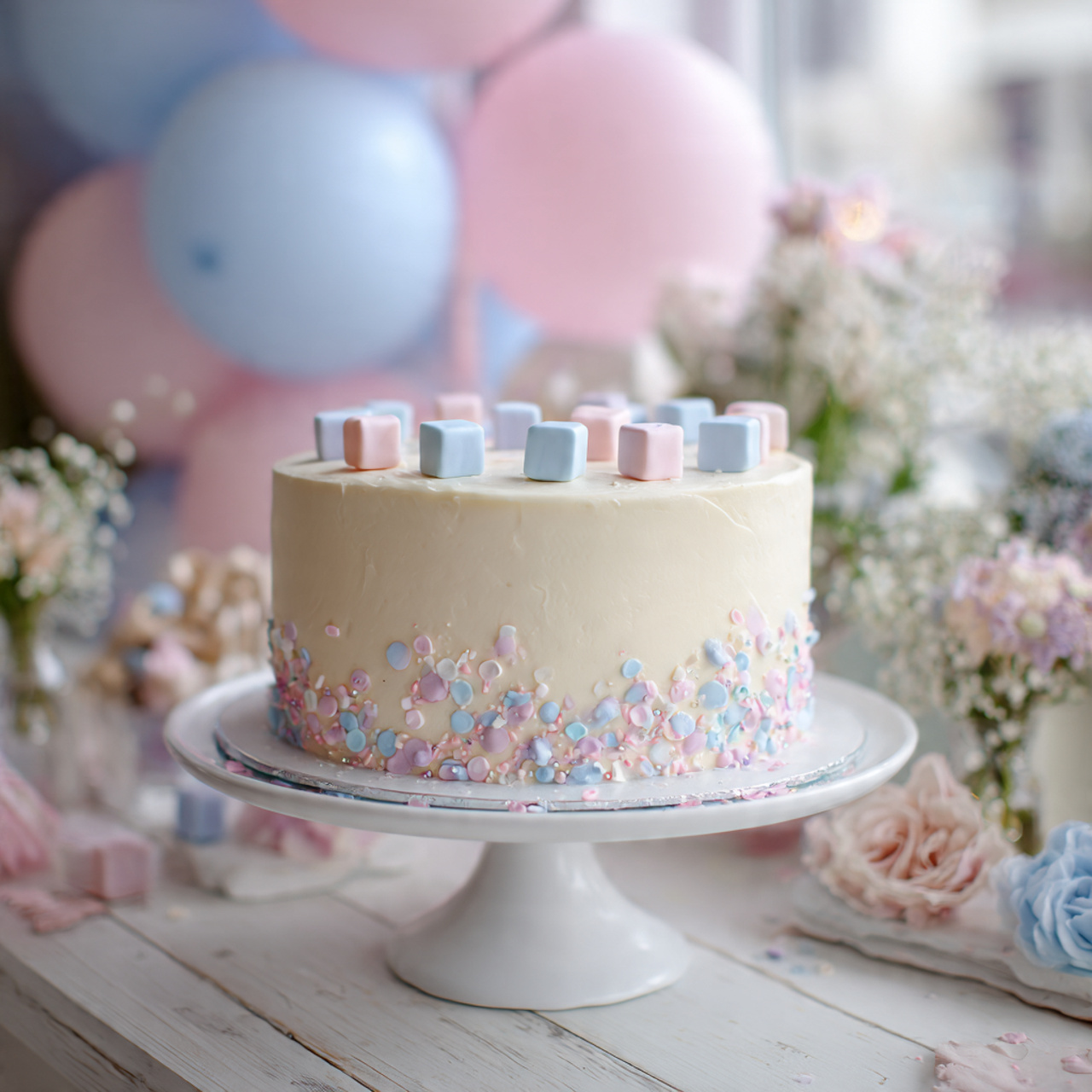
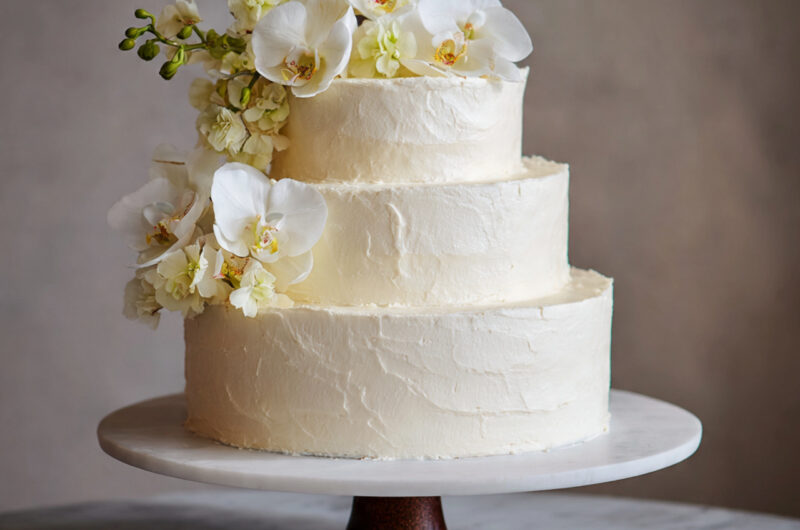
Soft and Elegant Simple Wedding Cake You Can Bake at Home
Wedding cakes have a reputation for being beyond the reach of a home kitchen — multiple tiers, fondant disasters, and techniques that take years to master. But dense layers, sliding frosting, and cakes that crumble the moment you slice them are almost always the result of a few fixable mistakes, not a skill gap. This simple wedding cake was built around those fixes, so you get a beautiful, soft result every single time without the stress.
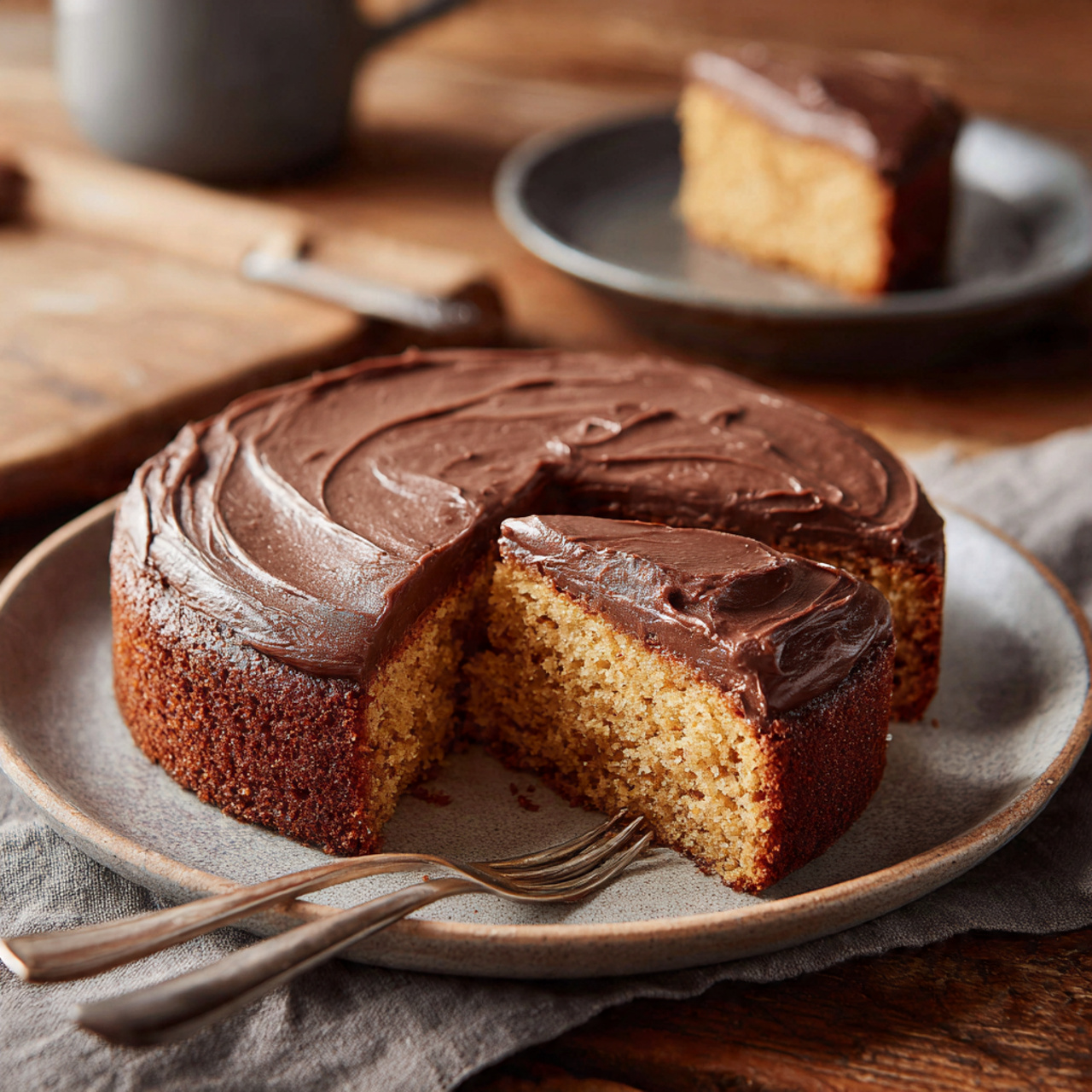
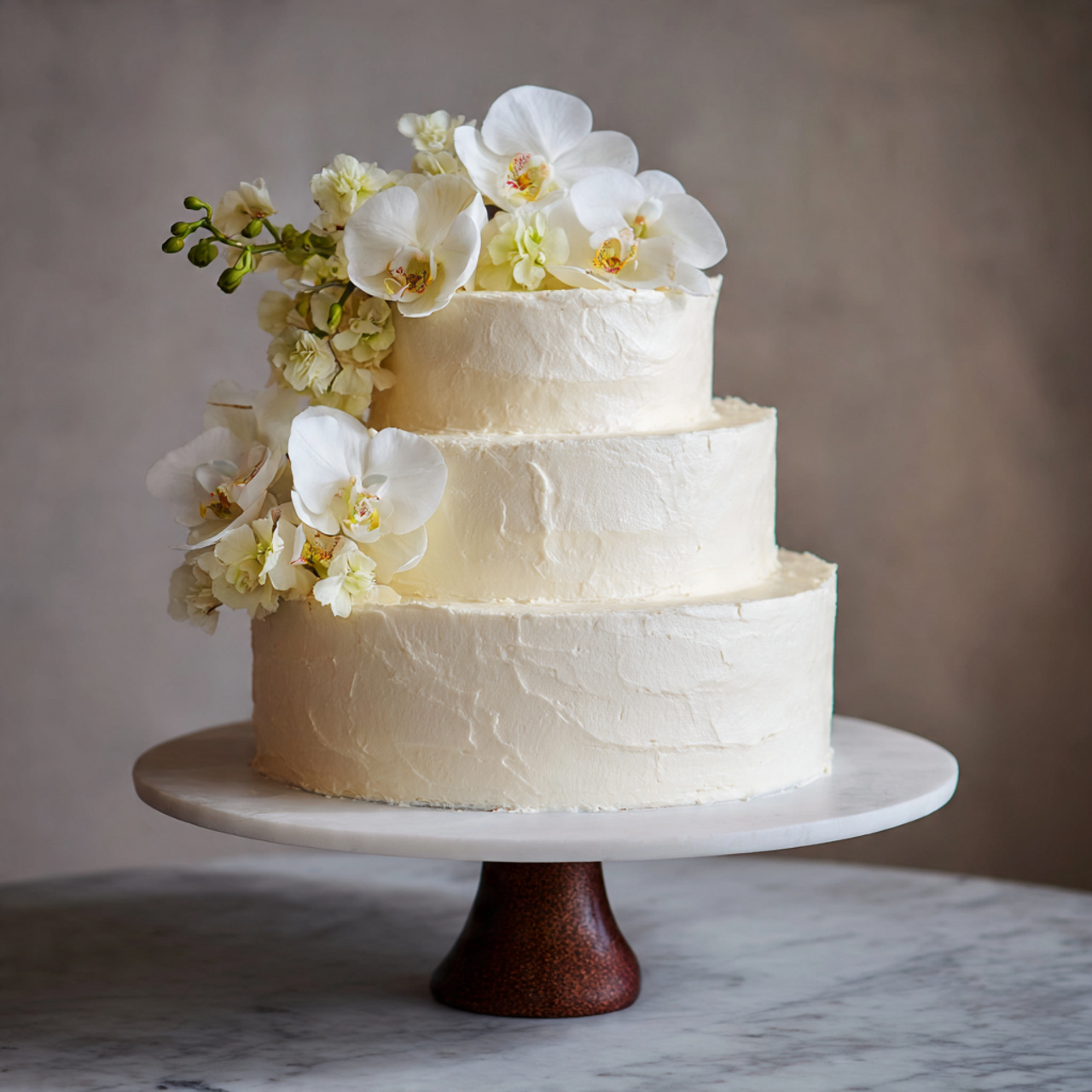
Each layer bakes up tender and pillowy, with a gentle vanilla fragrance that fills the kitchen as it cools. The crumb is fine and even, the buttercream is smooth and just sweet enough, and when you put it all together, it has that quietly elegant look — the kind that makes people assume you spent all day on it. You didn’t. That’s the whole point.
This is the kind of cake that fits naturally into a backyard ceremony, a bridal shower, a small family celebration, or even a milestone birthday that deserves something a little more special than a store-bought box. It scales easily, stores beautifully, and welcomes whatever simple decoration you want to add. Once you see how straightforward it is, you’ll wonder why you ever felt intimidated in the first place.
Why You’ll Love This Recipe
It Uses Everyday Pantry Staples
No specialty flour, no unusual extracts, no pastry school equipment required. Every ingredient in this simple wedding cake is likely already sitting in your kitchen, which means you can decide to make it today and actually follow through without a last-minute grocery run.
The Texture Is Genuinely Soft and Light
Creaming the butter and sugar properly traps air in the batter, giving you a fine, tender crumb that holds together beautifully when sliced. It doesn’t dry out quickly either, so it stays pleasant even if you bake it the day before.
It’s Easy to Scale for Any Size Gathering
Baking for two? Halve everything and use a smaller pan. Expecting a bigger crowd? Double or triple the recipe and work in batches. The ratios hold up across sizes, so you don’t have to guess or recalculate.
The Frosting Comes Together in Minutes
The buttercream uses four simple ingredients and can be whipped up while the cake cools. It’s smooth, pipes cleanly, and spreads easily — beginner-friendly but polished enough for a real celebration table.
It’s Flexible Enough to Make Your Own
Plain vanilla is a perfect base, but this cake welcomes additions. A little lemon zest, a hint of cardamom, fresh berries tucked between layers — it adapts without fuss, so you can make it feel personal every time.
Ingredients
For the Cake
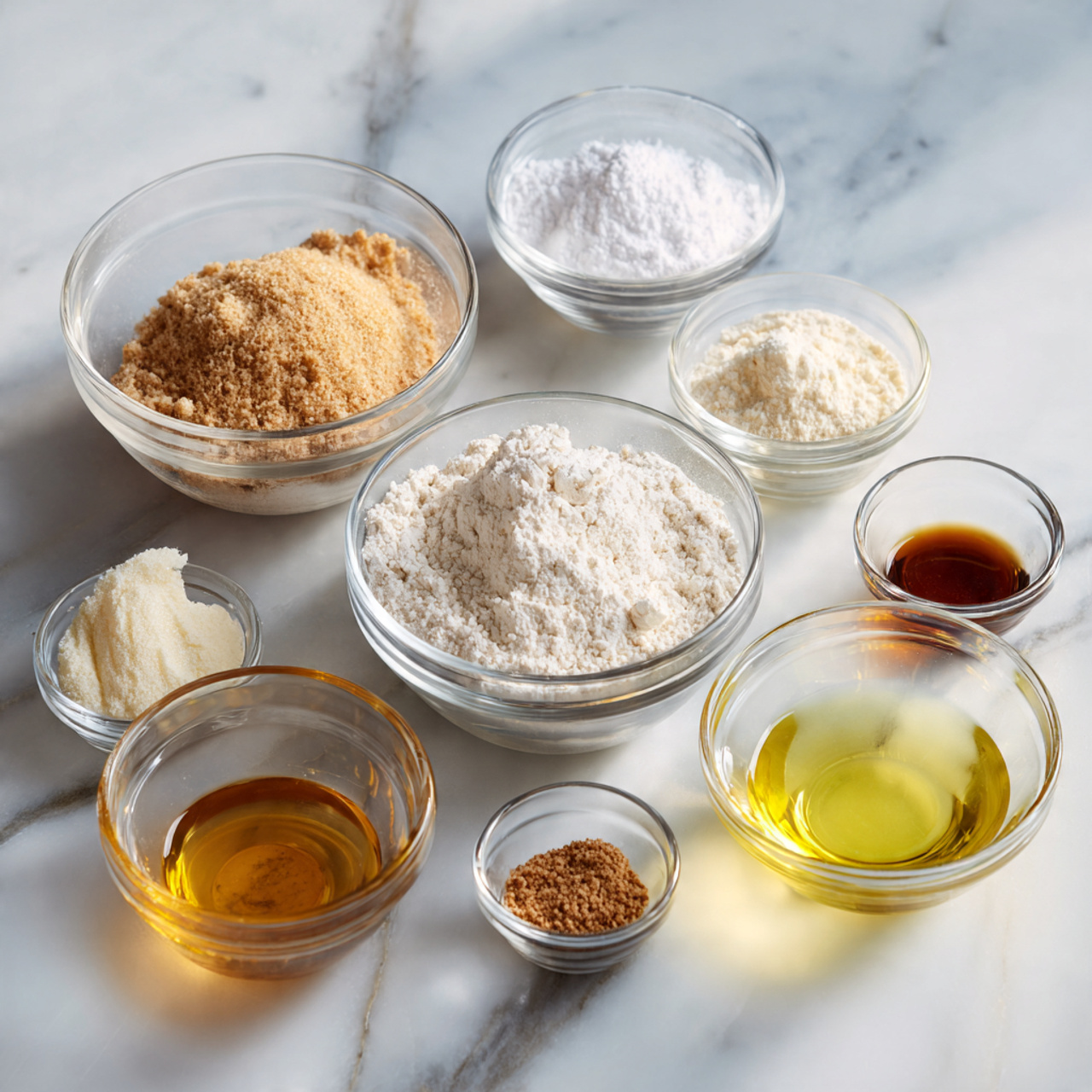
- 2 cups all-purpose flour (sifted, for a lighter crumb)
- 1 cup sugar
- ½ cup unsalted butter, softened (not melted — room temperature is key)
- 3 large eggs (at room temperature)
- 1 cup milk (whole milk gives the best texture)
- 1 tsp vanilla extract (pure, not imitation)
- 1½ tsp baking powder
- ¼ tsp salt
For the Buttercream Frosting
- 1 cup unsalted butter, softened
- 2½ cups powdered sugar (sifted to avoid lumps)
- 2–3 tbsp milk (add gradually until you reach a spreadable consistency)
- 1 tsp vanilla extract
The soft, lightly sweetened cake layers and the smooth vanilla buttercream balance each other naturally — neither one overpowers the other, which is exactly what you want from a celebration cake.
How to Make Simple Wedding Cake — Step-by-Step
Step 1: Prepare Your Pans and Oven
Preheat your oven to 180°C (350°F) and grease your cake pan well. Line the bottom with parchment paper for clean, easy removal. Don’t worry if your pan isn’t the exact size specified — a little variation in pan size mostly affects baking time, not the final taste.
Step 2: Cream the Butter and Sugar
Beat the softened butter and sugar together until the mixture looks noticeably lighter in color and fluffy in texture — this usually takes about 3–4 minutes with a hand mixer. This step is what gives the cake its lift, so don’t rush it. Don’t worry if it looks grainy at first; it smooths out as you go.
Step 3: Add Eggs and Vanilla
Add the eggs one at a time, mixing well between each addition. Stir in the vanilla extract. The batter may look slightly curdled after the last egg — that’s completely normal and will come together once the flour goes in.
Step 4: Fold in the Flour and Milk
Alternate adding the flour mixture and milk, starting and ending with flour. Mix gently until just combined — the batter should look smooth, slightly thick, and uniform. Overmixing at this stage develops the gluten and leads to a dense, chewy texture, so stop as soon as you no longer see streaks of flour.
Step 5: Bake Until Golden
Pour the batter into your prepared pan and smooth the top evenly. Bake for 25–30 minutes, until the surface turns a gentle golden color and a toothpick inserted into the center comes out clean. Let the cake cool in the pan for 10 minutes, then turn it out onto a wire rack and allow it to cool completely before frosting — at least 30 minutes. Frosting a warm cake will melt the buttercream and slide right off.
Step 6: Make the Buttercream and Frost
Beat the softened butter until fluffy, then gradually add the powdered sugar. Add vanilla and milk one tablespoon at a time until the frosting reaches a smooth, spreadable consistency. Spread an even base layer over the cooled cake, then add more frosting and smooth it however you like.
Perfecting This Recipe
- Start with truly soft butter — if your finger leaves an easy indent, it’s ready. If it’s still firm or begins to melt, the creaming step won’t work properly.
- Measure flour by spooning it into the measuring cup and leveling off the top. Scooping directly from the bag packs in extra flour and dries out the cake.
- Add eggs at room temperature so they incorporate smoothly without breaking the emulsion in the batter.
- Mix on low speed once the flour is added — high speed at this stage overdevelops the gluten.
- The toothpick test is your most reliable indicator of doneness. A few moist crumbs on the toothpick are fine; raw batter is not.
- For double layers, let both cool completely before stacking and frosting — patience here protects all your hard work.
Common Mistakes to Avoid
Using cold butter — Cold butter won’t cream properly with sugar, which means less air gets incorporated and the cake turns dense. Pull the butter out at least an hour before you begin.
Overmixing after adding flour — Once the flour hits the batter, gluten development begins. Mixing too long at this point makes the cake tough rather than tender. Fold gently and stop the moment it looks combined.
Frosting a warm cake — Buttercream is sensitive to heat. Even a slightly warm cake will cause it to slide and melt. Give the layers a full 30 minutes on a rack before you even open the frosting.
Skipping the parchment liner — Greasing alone sometimes isn’t enough, especially for delicate cakes. A parchment circle at the bottom guarantees a clean release every time.
Uneven batter distribution — If you’re baking multiple layers, use a kitchen scale to divide the batter equally between pans. Uneven layers make stacking harder and affect how the cake looks when sliced.
Add Your Touch
- Stir in 1 tsp of finely grated lemon or orange zest for a bright, citrusy note that pairs beautifully with the vanilla.
- Add a pinch of cardamom or a drop of almond extract for a subtle, slightly exotic flavor twist.
- Spread a thin layer of good-quality jam between the layers before frosting for a fruity contrast.
- Top with fresh strawberries, raspberries, or edible flowers for a simple but stunning presentation.
- Swap the vanilla buttercream for whipped cream cheese frosting if you prefer a tangier, less sweet finish.
Visit Also: Football Cake
What to Serve With This
Warm mint tea or a lightly floral chamomile is a lovely, calming pairing that lets the cake shine. Fresh strawberries or sliced peaches on the side add color and freshness without competing with the flavor. A small pitcher of lightly whipped cream on the table gives guests the option to add their own touch. For a full celebration spread, this cake works beautifully alongside finger sandwiches and a fruit platter. Sparkling water with a slice of lemon, or a light prosecco for adult gatherings, completes the table nicely.
Storing and Serving
Fridge Store leftover slices in an airtight container in the refrigerator for up to 3 days. If storing the whole frosted cake, cover it loosely with plastic wrap to protect the frosting without flattening it.
Freezer Wrap individual slices or unfrosted layers tightly in plastic wrap, then in foil, and freeze for up to one month. Thaw overnight in the fridge. Frosting can be made fresh when you’re ready to assemble.
Reheating This cake is best enjoyed at room temperature. Remove from the fridge about 20–30 minutes before serving. Avoid microwaving frosted slices — the buttercream melts quickly and the texture suffers.
Make-Ahead Tip Bake the cake layers up to one day ahead and store them unfrosted, wrapped tightly at room temperature. Make the buttercream fresh on the day you plan to serve for the best consistency and flavor.
Servings This recipe makes approximately 8 generous slices from a single-layer cake, or 12 smaller celebration slices if stacked and layered.
Nutrition (Approximate Per Serving)
- Calories: 290–320
- Total Fat: 15g
- Saturated Fat: 9g
- Carbohydrates: 38g
- Sugar: 26g
- Protein: 4–5g
- Sodium: 110mg
Nutritional values are approximate and may vary based on specific ingredients and brands used.
Chef’s Helpful Tips
- Room temperature ingredients aren’t just a suggestion — cold eggs and cold milk can cause the batter to seize or curdle. Set everything out an hour before you start.
- If your buttercream looks too stiff, add milk half a teaspoon at a time. If it’s too loose, add powdered sugar one tablespoon at a time. Small adjustments make a big difference.
- For clean, neat slices, use a sharp knife and wipe it with a damp cloth between cuts. This keeps the frosting from dragging and gives you picture-perfect pieces.
- Pure vanilla extract — not imitation — is worth the extra cost here. The cake has a simple flavor profile, so the quality of the vanilla comes through clearly.
- If your cake domes in the center after baking, let it cool completely and then level it with a serrated knife before frosting. A flat top makes stacking and decorating much easier.
Frequently Asked Questions
Q1. Can I make this cake the day before the event? Absolutely — in fact, baking a day ahead is often better. Bake and cool the layers, then wrap them tightly and leave them at room temperature overnight. Make the buttercream and frost everything the morning of your celebration for the freshest result.
Q2. Can I replace the eggs if I need a vegg-free version? Yes. Use ¼ cup of plain yogurt, unsweetened applesauce, or mashed banana per egg. The texture will be slightly denser and the flavor may shift a little, but the cake will still bake through and hold together well.
Q3. Is this a good recipe for someone who doesn’t bake often? It’s genuinely one of the most beginner-friendly celebration cakes you can make. The steps are straightforward, the ingredient list is short, and the main techniques — creaming butter, folding batter, testing with a toothpick — are easy to master on a first attempt.
Q4. Can I make this into a tiered cake for a bigger event? Yes, just double or triple the recipe and bake in multiple pans. Use separate pans rather than one very deep pan, so each layer bakes evenly. For two tiers, let everything cool completely, then stack with a generous layer of frosting between each level.
Q5. How far in advance can I freeze the cake? Unfrosted layers freeze well for up to one month. Wrap each layer individually in plastic wrap and then foil to prevent freezer burn. Thaw them overnight in the refrigerator before assembling and frosting.
Conclusion
There’s something quietly special about a homemade wedding cake — it carries a warmth and intention that no bakery order can quite replicate. This simple wedding cake is proof that you don’t need professional equipment, imported ingredients, or a weekend of your life to create something genuinely beautiful. The soft crumb, the smooth vanilla frosting, and the clean, elegant look come together with nothing more than a careful hand and a few good ingredients.
Whether you’re baking this for a small backyard ceremony, a cozy family gathering, or just because the occasion deserves something a little more meaningful than store-bought, this cake is ready for it. Make it your own — add a little zest, tuck in some flowers, stack it tall or keep it simple. The most important thing is that it was made with care, and that always shows.
Soft and Elegant Simple Wedding Cake
Course: Uncategorized4
servings15
minutes25
minutes290–320
kcal1
hour15
minutesA tender, lightly sweetened vanilla cake with smooth buttercream frosting — perfectly sized for home celebrations and easy enough to bake on a regular weekday.
Ingredients
For the Cake:
2 cups all-purpose flour
1 cup sugar
½ cup unsalted butter, softened
3 large eggs
1 cup milk
1 tsp vanilla extract
1½ tsp baking powder
¼ tsp salt
For the Buttercream:
1 cup unsalted butter, softened
2½ cups powdered sugar
2–3 tbsp milk
1 tsp vanilla extract
Directions
- Preheat oven to 180°C. Grease pan and line the bottom with parchment paper.
- Beat butter and sugar until light and fluffy, about 3–4 minutes.
- Add eggs one at a time, then stir in vanilla.
- Alternate folding in flour mixture and milk until just combined — do not overmix.
- Pour into prepared pan and smooth the top. Bake 25–30 minutes until golden and a toothpick comes out clean.
- Cool fully on a wire rack before frosting.
- Beat butter until fluffy. Gradually add powdered sugar, vanilla, and milk until smooth and spreadable. Frost the cooled cake.