Soft, Fluffy Homemade Pita Bread Recipe Your Family Will Make on Repeat
The first time I watched pita bread puff up in the oven, I actually gasped. One minute it was a flat, pale disc sitting on the rack — and then, like something out of a cooking show, it ballooned into a perfect golden pocket right before my eyes. I stood at the oven door with my face too close to the glass and I didn’t care one bit.
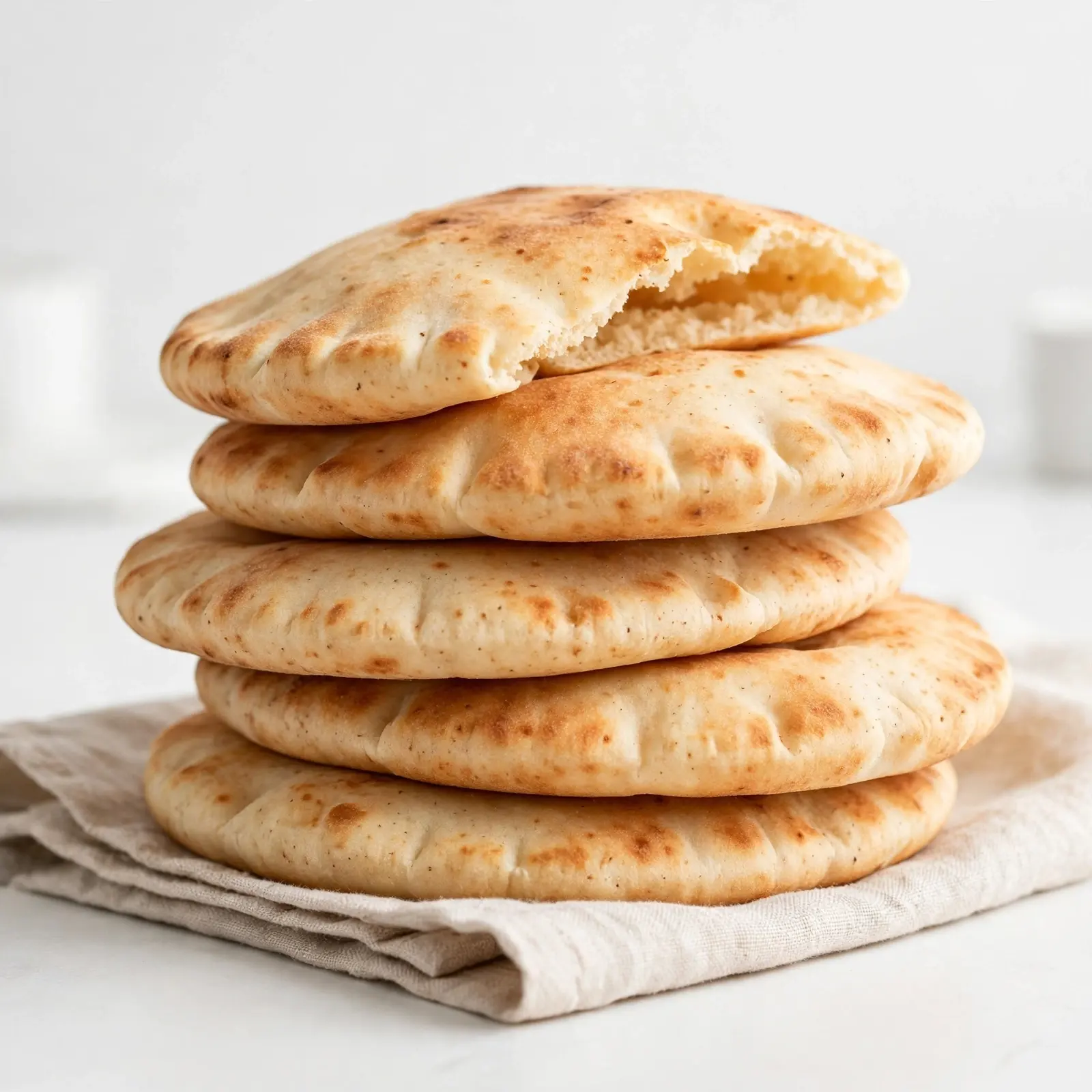
That hollow pocket — warm, tender, and just slightly chewy — is what makes this pita bread recipe unlike anything you’ll buy wrapped in plastic at the grocery store. The inside is soft and pillowy, the outside has that faint golden kiss from a hot oven, and the smell that fills your kitchen is enough to bring everyone wandering in before the bread even cools.
Whether you’re building a mezze spread for a dinner party, packing wraps for lunchboxes, or just looking for something to scoop up hummus on a quiet Sunday, this pita bread from scratch fits right in. It’s one of those recipes that sounds impressive but is genuinely simple — and once you try it, you’ll understand why homemade pita bread has a way of becoming a regular weekend ritual.
Why You’ll Love This Recipe
It Puffs Into a Perfect Pocket Every Time
The magic of a true pita bread recipe is that hollow center — and this one delivers it reliably. A hot oven and well-rested dough are all the science you need.
Soft and Chewy with Just the Right Bite
The texture hits that ideal balance: tender enough to fold without cracking, sturdy enough to hold a generous filling. It’s everything store-bought pita wishes it could be.
Surprisingly Simple to Make
If you’ve ever made pizza dough or any yeast bread, you already have the skills. The process is straightforward, beginner-friendly, and mostly hands-off while the dough rises.
Endlessly Versatile
Stuff it, slice it into wedges for dipping, use it as a flatbread base, or tear pieces straight from the warm stack. This easy flatbread works in dozens of different meals.
Made with Pantry Staples Only
No specialty ingredients, no trips to a specialty store. Everything you need is probably already on your shelf.
Ingredients
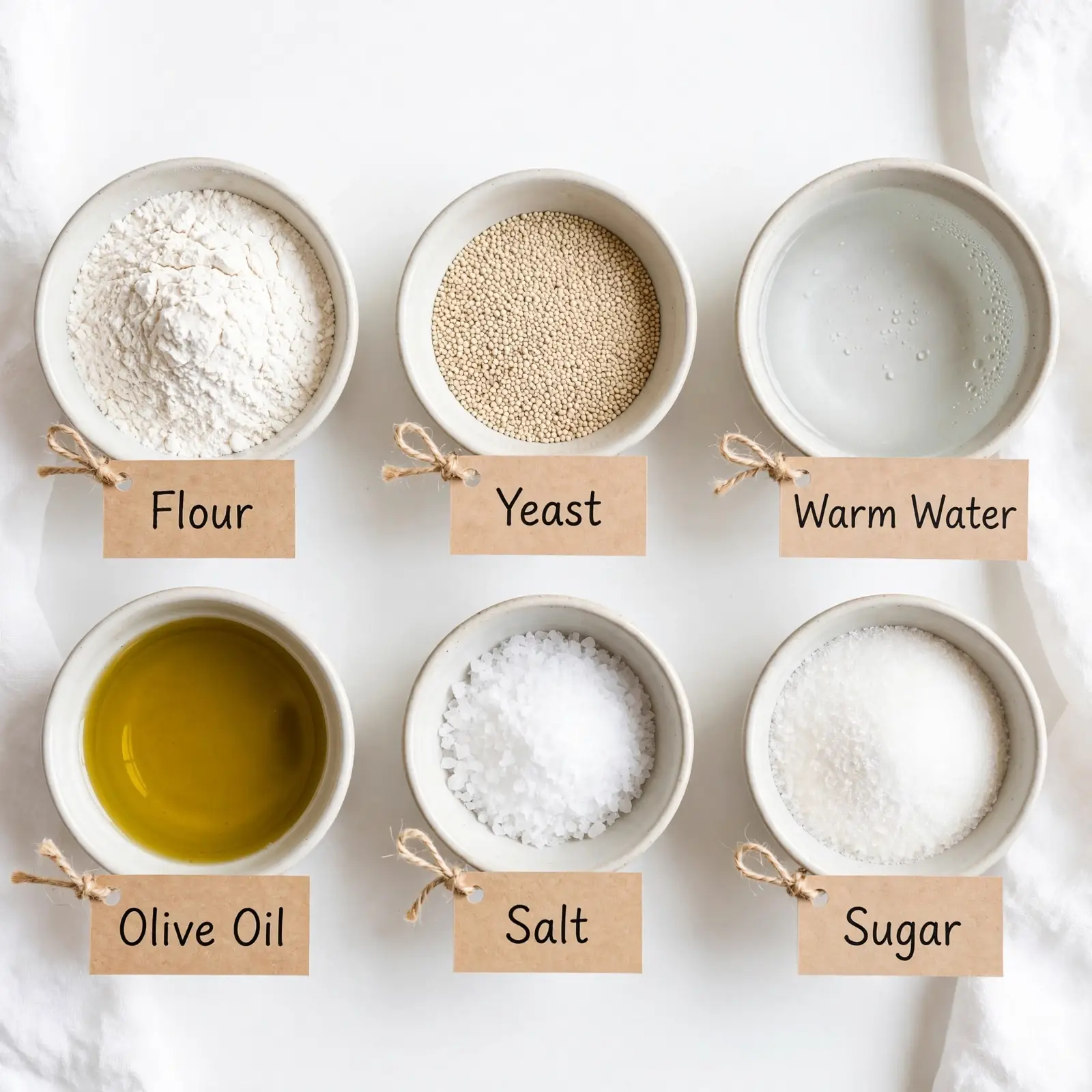
For the Dough
- 2¼ tsp active dry yeast (one standard packet)
- 1 tsp granulated sugar
- 1 cup warm water (about 110°F — warm to the touch, not hot)
- 3 cups all-purpose flour (plus extra for dusting)
- 1½ tsp salt
- 1 tbsp olive oil (plus a little extra for the bowl)
The combination of olive oil and a proper yeast activation makes all the difference here — the oil keeps the bread soft and pliable while the yeast gives it that signature lift and pocket-forming puff. Together, they create a dough that’s easy to work with and even easier to fall in love with.
How to Make Pita Bread Recipe — Step-by-Step
Step 1: Activate the Yeast
In a small bowl, combine the warm water, sugar, and yeast. Give it a gentle stir and let it sit for 8–10 minutes. You’re looking for a foamy, bubbly surface — that’s how you know it’s alive and ready to work. If nothing happens after 10 minutes, your water may have been too hot or your yeast is old; start fresh before moving on.
Step 2: Mix and Knead the Dough
In a large bowl, whisk together the flour and salt. Pour in the yeast mixture and olive oil, then stir until a shaggy dough forms. Turn it onto a lightly floured surface and knead for 8 minutes until the dough feels smooth, elastic, and slightly tacky — it should spring back when you poke it. Don’t worry if it feels a little sticky at first; resist adding too much flour or you’ll end up with tough pita.
Step 3: Let the Dough Rise
Shape the dough into a ball and place it in a lightly oiled bowl, turning it once to coat. Cover with a clean kitchen towel or plastic wrap and let it rise in a warm spot for 1 to 1.5 hours, until doubled in size. A switched-off oven with just the light on is a perfect proofing environment on cooler days.
Step 4: Shape the Pita Rounds
Punch down the dough gently and divide it into 8 equal balls. On a lightly floured surface, roll each ball into a circle about ¼ inch thick and 6–7 inches wide. Don’t worry if they’re not perfectly round — rustic edges are part of the charm. Let the shaped rounds rest, uncovered, for 20 minutes. This short rest is what helps them puff.
Step 5: Bake Until They Balloon
Preheat your oven to 475°F (245°C) and place a baking stone or heavy baking sheet on the middle rack while the oven heats — that hot surface is what triggers the puff. Slide 2–3 pitas at a time onto the hot surface and bake for 4–5 minutes. They should balloon up dramatically and develop light golden spots on top. Remove them the moment they puff and look set — overbaking makes them dry. Wrap finished pitas in a clean towel immediately to keep them soft and pliable.
Perfecting This Recipe
- Don’t skip the yeast check. A foamy bloom tells you the yeast is active before you invest time in the dough.
- Knead long enough. Eight full minutes develops the gluten structure that creates steam pockets — which is exactly what makes the pita puff.
- Roll to an even thickness. Uneven discs puff unevenly. Aim for a consistent ¼ inch all the way across.
- A hot surface is non-negotiable. Preheat that pan or stone for at least 20 minutes. Cold surfaces = flat pita.
- Wrap baked pitas immediately. Trapping the steam in a towel keeps them soft. Skip this step and they’ll turn stiff and cracker-like within minutes.
- Don’t overwork the dough. Once it’s smooth and elastic, stop kneading. Overdeveloped dough becomes too tight to puff.
Common Mistakes to Avoid
- Using water that’s too hot — Water above 115°F will kill the yeast before it has a chance to activate. Aim for warm-bathwater temperature, not scalding.
- Skipping the second rest after shaping — That 20-minute rest relaxes the gluten so the dough can expand freely in the oven. Rush it and the pita won’t puff properly.
- Rolling the dough too thin or too thick — Too thin and the layers don’t form; too thick and the pocket never separates. Stay close to ¼ inch.
- Opening the oven during baking — Every time you open the door, heat escapes. A dip in temperature mid-bake is enough to flatten a promising puff. Trust the process.
- Not preheating the baking surface — This is the single most common reason homemade pita comes out flat. Give that pan a full 20 minutes in a hot oven before the first pita goes in.
Add Your Touch
- Brush warm pitas with garlic butter and a sprinkle of parsley for an herbed flatbread vibe.
- Swap half the all-purpose flour for whole wheat flour for a nuttier, more rustic version.
- Add 1 tsp of dried oregano or za’atar to the dough for a Mediterranean-spiced flatbread.
- Make mini pita rounds (3–4 inches) for party-sized dippers or kids’ lunchboxes.
- Drizzle baked pitas with olive oil and flaky sea salt right out of the oven for an instant snack.
- Use the dough as a personal pizza base — it crisps beautifully at high heat.
Visit Also: Ceviche Recipe
What to Serve With This
- Classic hummus and baba ganoush — the original, the iconic, the forever pairing.
- Falafel with tahini sauce — stuff the pocket generously and eat it over a plate for the inevitable drips.
- Greek salad — use torn pita pieces to scoop up every last bit of olive and tomato.
- Shawarma-spiced chicken or lamb — pile it into the pocket with pickled vegetables and garlic sauce.
- Lemon herb tzatziki — as a dipping sauce, a spread, or both.
Storing and Serving
Fridge:
Store cooled pitas in an airtight zip-lock bag or container. They keep well for up to 4 days. Warm briefly before serving to restore softness.
Freezer:
Stack pitas with a small square of parchment paper between each one and freeze in an airtight bag for up to 3 months. Quality stays excellent — this is one flatbread that freezes beautifully.
Reheating:
Wrap in a damp paper towel and microwave for 20–30 seconds, or warm directly on a dry skillet over medium heat for about 1 minute per side. Avoid reheating in a hot dry oven without covering — they’ll dry out quickly.
Make-Ahead Tip:
The dough can be made up to 24 hours in advance and refrigerated after the first rise. Bring it to room temperature for 30 minutes before shaping and baking.
Servings:
This recipe makes 8 standard pita rounds (6–7 inches each).
Nutrition (Approximate Per Serving)
- Calories: 185
- Total Fat: 2.5g
- Saturated Fat: 0.4g
- Carbohydrates: 36g
- Sugar: 0.5g
- Protein: 5g
- Sodium: 295mg
Nutritional values are approximate and may vary based on specific ingredients and brands used.
Chef’s Helpful Tips
- Use room temperature ingredients where possible. If your kitchen is cold, your dough will rise slowly — move it somewhere warmer, like near the oven while it preheats.
- Weight your flour if you have a kitchen scale. Scooping can pack flour and leave you with stiff, dense dough. 1 cup = about 125g is the standard measure here.
- Stack and wrap baked pitas as you go. Don’t leave finished pitas sitting out — they stiffen within minutes. Keep the stack covered with a towel until you’re ready to serve.
- If a pita doesn’t puff, don’t panic. It still tastes just as good — slice it and use it as a flatbread for dipping or topping.
- Test one pita first. Before committing the whole batch, bake one pita and watch how it behaves. It’s a quick way to confirm your oven temperature and surface are doing their job.
Frequently Asked Questions
Q1. Can I make this pita bread recipe without a stand mixer?
Absolutely — this dough is very manageable by hand. Eight minutes of kneading on a floured surface gets you exactly where you need to be. It’s actually a satisfying and stress-relieving process once you get into the rhythm.
Q2. Why didn’t my pita puff up?
Most likely the baking surface wasn’t hot enough, or the dough was rolled unevenly. Make sure your pan or stone preheats in the oven for at least 20 minutes, and aim for a consistent ¼-inch thickness when rolling. Also check that you gave the shaped rounds their 20-minute rest before baking.
Q3. Is this fluffy pita bread recipe beginner-friendly?
It genuinely is. If you’ve made bread or pizza dough before, this will feel familiar. If it’s your first yeast dough, this is actually a great place to start — the process is forgiving, and the result is rewarding enough to hook you immediately.
Q4. Can I make the dough ahead of time for a party?
Yes, and it works wonderfully. Make the dough the night before, let it rise for the first hour, then refrigerate overnight. The next day, take it out 30 minutes before you plan to shape and bake. The slow cold rise actually adds a little extra depth of flavor.
Q5. Can I freeze the baked pita bread?
Yes — this is one of the best breads to freeze. Let them cool completely, separate with parchment, and freeze in a sealed bag for up to 3 months. Reheat from frozen by wrapping in a damp towel and microwaving for 45–60 seconds, or warm them on a skillet straight from frozen.
Conclusion
There’s a reason this pita bread recipe has become a staple in so many kitchens — it’s the kind of recipe that makes you feel like you’ve genuinely accomplished something, even though it asks so little of you. A bowl, a little kneading, a hot oven, and you have something warm and homemade that tastes better than anything sealed in a bag. It’s the sort of bread that disappears from the basket before you’ve even set out the dips.
So go ahead and give it a try this weekend. Make a double batch if you want — one for now, one for the freezer. Stuff them, dip them, tear them apart with your hands straight off the towel. And if someone asks where you found the recipe, just smile and say you’ve been making it for years.
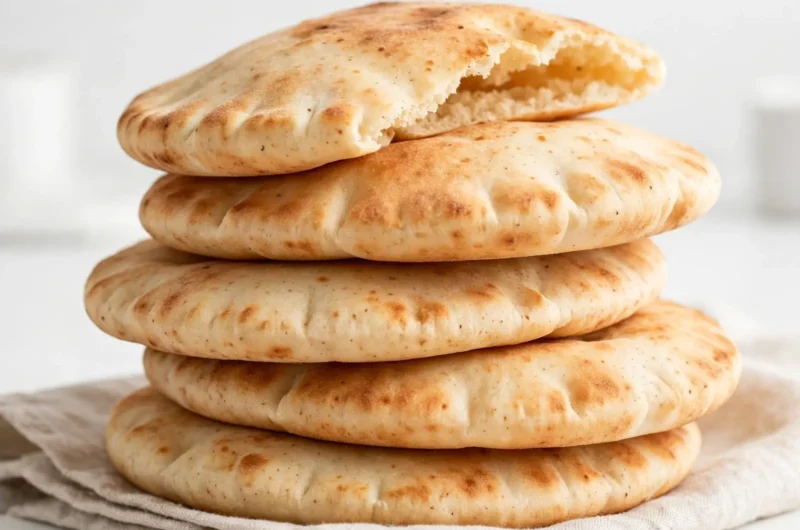
Soft Homemade Pita Bread
Course: Trending Recipes8 pitas
servings15
minutes5
minutes185
kcal80
minutes1
hour45
minutesLight, pillowy pita with a perfect hollow pocket — ready in just over an hour and made entirely from pantry staples. Perfect for dipping, stuffing, or serving alongside any Mediterranean-inspired meal.
Ingredients
Dough:
2¼ tsp active dry yeast
1 tsp granulated sugar
1 cup warm water (110°F)
3 cups all-purpose flour
1½ tsp salt
1 tbsp olive oil
Directions
- Combine yeast, sugar, and warm water. Let stand 8–10 minutes until foamy.
- Whisk flour and salt in a large bowl. Add yeast mixture and olive oil. Mix until dough comes together.
- Knead on a floured surface for 8 minutes until smooth and elastic.
- Place in an oiled bowl, cover, and let rise 1–1.5 hours until doubled.
- Preheat oven to 475°F with a baking stone or sheet inside for 20 minutes.
- Divide dough into 8 balls. Roll each into a ¼-inch thick circle.
- Rest shaped rounds for 20 minutes.
- Bake 2–3 pitas at a time for 4–5 minutes until puffed and lightly golden.
- Wrap immediately in a clean towel to keep soft.