Perfectly Crispy Roasted Cauliflower That Steals the Show Every Time
The first time my grandmother put a whole head of cauliflower in a hot oven and walked away, I thought she’d lost her mind. Twenty-five minutes later, the kitchen smelled like something between a steakhouse and a spice market, and what came out of that oven changed the way I thought about vegetables forever.
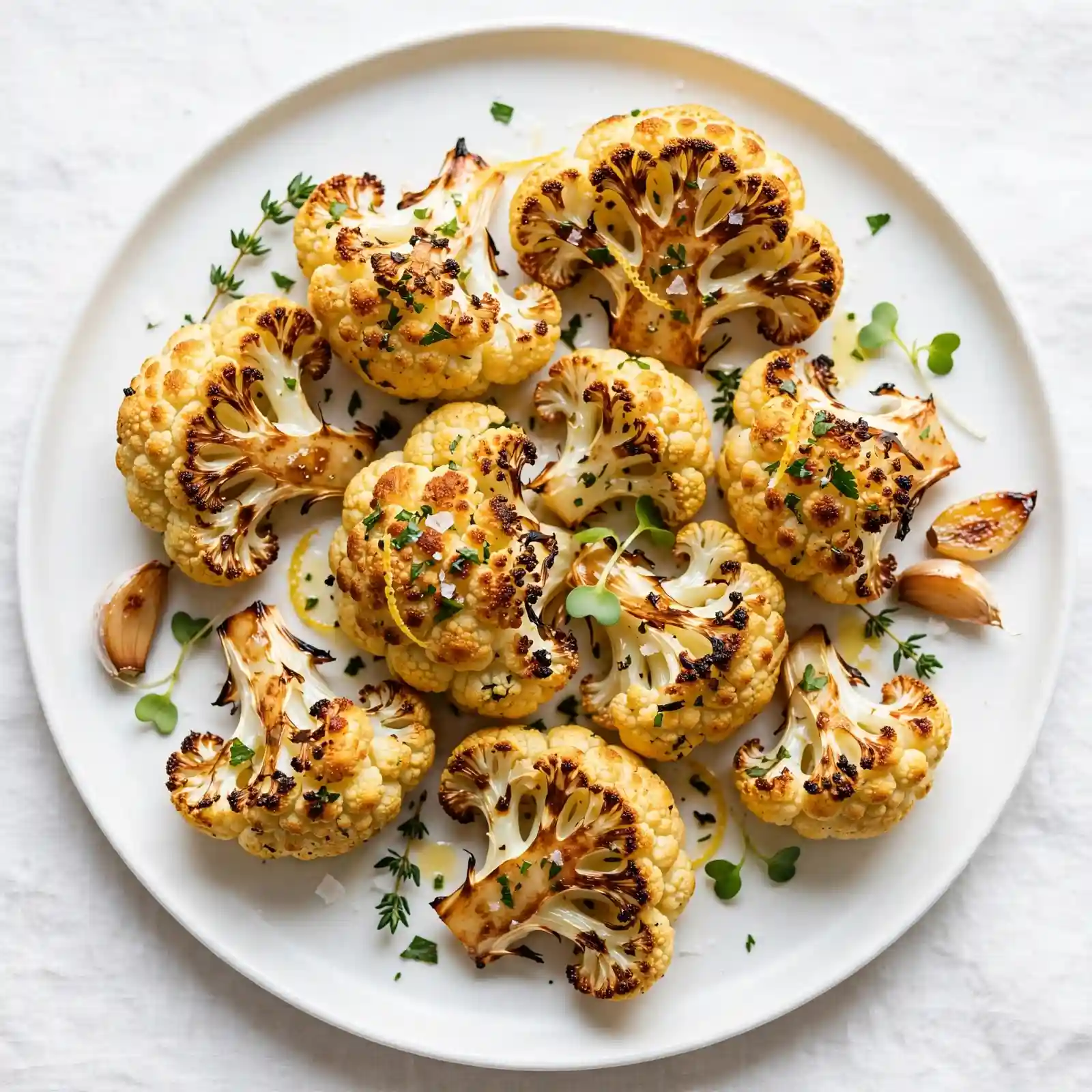
Those caramelized edges, the nutty depth, the way the florets go almost chewy on the inside while the tips turn a deep, crackling gold — roasted cauliflower is one of those rare dishes that tastes far more complex than anything you actually did to make it. A little oil, a little seasoning, a screaming hot oven, and patience. That’s it.
Whether you’re pulling together an easy weeknight dinner, rounding out a holiday spread, or looking for a healthy side dish that even the vegetable skeptics at the table will actually eat, this recipe delivers every single time. It fits just as naturally next to grilled chicken on a Tuesday as it does alongside a roast lamb at Christmas. Once you taste it, you’ll understand why these simple cauliflower recipes get made on repeat.
Why You’ll Love This Recipe
It Gets Genuinely Crispy
The secret is high heat and dry florets. When the oven hits 425°F and the cauliflower has room to breathe on the pan, the edges caramelize rather than steam. You get that satisfying crunch that makes this feel nothing like the sad, boiled version.
The Flavor Is Rich and Nutty
Roasting does something almost magical to cauliflower’s natural sugars — it brings out a deep, savory nuttiness that makes people lean in for a second bite before they even put the first one down. A squeeze of lemon at the end cuts through the richness perfectly.
It Takes About 30 Minutes Start to Finish
This is genuinely one of the easiest oven roasted vegetables you can make. Chop, toss, roast. No babysitting, no complicated technique, no special equipment beyond a sheet pan.
It Goes With Practically Everything
Roasted cauliflower is one of the most versatile easy vegetable sides in any cook’s repertoire. Serve it with steak, fish, pasta, grain bowls, or just eat it straight off the pan standing at the stove. No judgment here.
It’s Naturally Healthy and Satisfying
Low in calories, high in fiber, and genuinely filling — this dish is a healthy side dish that doesn’t taste like a compromise. It’s the kind of food that makes you feel good about what you’re eating without feeling like you’re missing anything.
Ingredients
For the Cauliflower Base
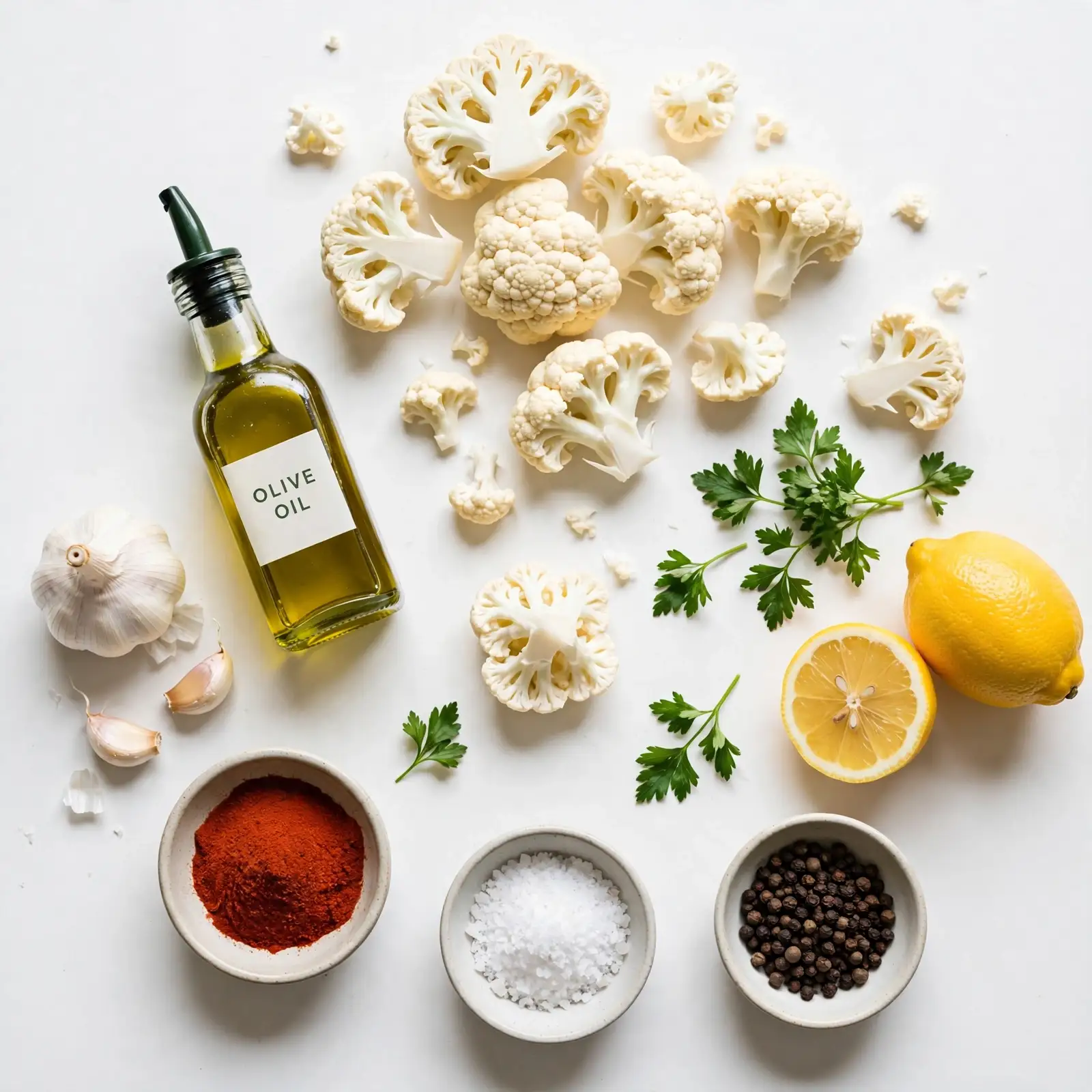
- 1 large head of cauliflower, cut into medium florets (about 6–7 cups)
- 3 tablespoons olive oil (extra virgin gives the best flavor)
- ¾ teaspoon kosher salt
- ½ teaspoon freshly ground black pepper
- ½ teaspoon garlic powder
- ½ teaspoon smoked paprika (adds color and a subtle smokiness)
- ¼ teaspoon cumin (optional, but lovely)
For Finishing
- 1 tablespoon fresh lemon juice (about half a lemon)
- 2 tablespoons fresh flat-leaf parsley, roughly chopped
- 2 tablespoons freshly grated Parmesan (optional but highly recommended)
- Pinch of red pepper flakes (optional, for heat)
The olive oil coats every floret and helps the seasoning stick while conducting the oven’s heat directly into the cauliflower’s surface — that’s what creates those deep, caramelized edges. The lemon and parsley at the end brighten everything up and keep the dish from feeling heavy.
How to Make Roasted Cauliflower — Step-by-Step
Step 1: Preheat Your Oven and Prep the Pan
Set your oven to 425°F (220°C) and position the rack in the center. Line a large rimmed baking sheet with parchment paper or leave it bare — both work, though bare gives slightly more browning on the bottom. The key here is making sure the oven is fully preheated before the cauliflower goes in; a cold oven leads to steaming, not roasting.
Step 2: Cut and Dry the Cauliflower
Trim the cauliflower into florets roughly the same size — about 1½ to 2 inches. Uniform pieces mean they roast evenly, so nothing burns while the bigger pieces are still underdone. Pat the florets dry with a clean kitchen towel or paper towels. Don’t worry if they’re not perfectly bone-dry — just remove the surface moisture so they roast instead of steam.
Step 3: Season Generously
In a large bowl, toss the florets with olive oil, salt, pepper, garlic powder, smoked paprika, and cumin if using. Use your hands to make sure every piece is evenly coated — the oil should glisten on all sides. Don’t worry if it looks like a lot of seasoning at this point; the heat mellows everything beautifully.
Step 4: Roast Until Golden and Caramelized
Spread the cauliflower in a single layer on your prepared baking sheet, making sure no florets are touching or overlapping. Crowding the pan is the number one enemy of crispiness. Roast for 20 minutes, flip each piece using tongs or a spatula, then return to the oven for another 10–15 minutes until the edges are deeply golden and the tips are dark and slightly crispy. You’ll know it’s ready when it smells nutty and the bottoms have that rich, caramel-brown color.
Step 5: Finish and Serve
Remove from the oven and immediately squeeze fresh lemon juice over the hot florets — it will sizzle slightly and release the most wonderful aroma. Scatter the parsley and Parmesan over top, add a pinch of red pepper flakes if you like, and serve right away. Roasted cauliflower is at its absolute peak within the first few minutes out of the oven, when the contrast between the crispy exterior and the tender center is at its sharpest.
Perfecting This Recipe
- Dry is everything. Even a small amount of surface moisture will cause the cauliflower to steam in the oven. Take the extra minute to pat the florets dry.
- Don’t skip the flip. Turning each piece at the halfway mark ensures even browning on multiple sides rather than just the bottom.
- Give the florets space. If your pan looks crowded, use two sheet pans. Piling florets together traps steam and kills the crispiness.
- Season the oil, not just the vegetable. Mixing your spices into the oil before tossing helps the seasoning distribute more evenly across each floret.
- Higher heat is better. If your oven runs cool, nudge it up to 450°F. The goal is caramelization, not slow cooking.
- Finishing touches matter. The lemon juice isn’t decorative — it lifts the whole dish and balances the richness of the roasted oil.
Common Mistakes to Avoid
- Overcrowding the pan — This is the single most common reason roasted vegetables come out soft and pale instead of golden and crispy. The florets need airflow around them to roast properly. Use two pans if needed.
- Skipping the drying step — Wet cauliflower steams before it roasts. Even rinsing and cutting ahead of time helps, but a quick pat-down is non-negotiable for great texture.
- Cutting florets too small — Tiny pieces burn before they develop caramelization. Aim for pieces that are at least 1½ inches — they’ll shrink in the oven.
- Under-seasoning — Cauliflower has a mild, almost neutral base flavor. It needs a confident hand with salt and spices to shine. Season more generously than you think necessary.
- Pulling it too early — Those dark, almost-burnt tips are not a mistake. They’re the best part. Let the cauliflower go until it looks deeper in color than you’re comfortable with — it will taste better than you expect.
Add Your Touch
- Go Middle Eastern — Add a teaspoon of za’atar and serve with a yogurt-tahini drizzle and fresh mint.
- Make it spicy — Toss with harissa paste or a generous pinch of cayenne before roasting.
- Try a curry twist — Swap the smoked paprika for curry powder and finish with a handful of golden raisins and fresh cilantro.
- Add cheese — Scatter shaved Pecorino or crumbled feta over the finished cauliflower for a richer, saltier edge.
- Make it a meal — Toss the finished roasted cauliflower with cooked chickpeas and a lemon tahini sauce, and serve over farro or rice.
- Seasonal variation — In autumn, add a drizzle of pomegranate molasses and a handful of pomegranate seeds before serving for something truly stunning.
Visit Also: Focaccia Bread
What to Serve With This
- Grilled or roasted chicken — The simplest pairing, and one of the best. The cauliflower’s nutty depth complements chicken beautifully without competing.
- Pasta with brown butter — Toss the roasted florets directly into a simple brown butter pasta with capers and breadcrumbs.
- Hummus and warm pita — Serve the cauliflower over a generous smear of hummus for a light lunch or mezze plate.
- A fried or poached egg — Top a bowl of roasted cauliflower with a runny egg and some hot sauce for an easy, satisfying brunch.
- A glass of crisp white wine — A dry Riesling or unoaked Chardonnay matches the nuttiness of the roasted cauliflower perfectly.
Storing and Serving
Fridge:
Store leftover roasted cauliflower in an airtight container for up to 4 days. It will soften as it sits, but the flavor deepens nicely overnight.
Freezer:
Roasted cauliflower can be frozen, though the texture changes significantly — it becomes softer when thawed. Freeze on a sheet pan first, then transfer to a zip-lock bag. Keeps for up to 2 months. Best used in soups, sauces, or grain bowls after freezing rather than served as-is.
Reheating:
Reheat in a 400°F oven on a sheet pan for 8–10 minutes to restore some of the crispiness. The microwave works in a pinch but will leave it soft. A dry skillet over medium-high heat is a great quick option — it re-crisps the edges within a few minutes.
Make-Ahead Tip:
You can cut and season the cauliflower up to 24 hours in advance and store it uncovered in the fridge on the sheet pan. The air-drying effect actually improves browning. Roast straight from the fridge, adding 2–3 minutes to the cook time.
Servings:
This recipe serves 4 as a side dish.
Nutrition (Approximate Per Serving)
- Calories: 145
- Total Fat: 11g
- Saturated Fat: 2g
- Carbohydrates: 10g
- Sugar: 4g
- Protein: 4g
- Sodium: 310mg
Nutritional values are approximate and may vary based on specific ingredients and brands used.
Chef’s Helpful Tips
- Use a large enough pan. A standard half-sheet pan (18×13 inches) is ideal for one full head of cauliflower. Anything smaller and you’ll need to work in batches.
- Let the oven fully preheat. Put the pan in too early and the cauliflower starts cooking in a warming oven rather than a hot one — you lose the initial blast of heat that starts caramelization.
- Don’t toss with oil too far in advance. Once the cauliflower is coated in oil, it should go in the oven within 15–20 minutes. Sitting in oil too long before roasting can make the exterior soggy.
- For extra crispiness, skip the parchment and roast directly on a lightly oiled bare metal pan. The direct contact with the hot metal creates more browning on the flat sides.
- If it turns out too soft, your oven may run cool or the pan was too crowded. Next time, increase the temperature by 25°F and give each floret more space.
Frequently Asked Questions
Q1. Can I make this ahead of time for a dinner party?
Absolutely — you can prep and season the cauliflower up to 24 hours in advance and keep it on the sheet pan in the fridge. Roast it just before serving so the edges are at their crispiest. If you need to roast it earlier in the day, reheat on a high-heat sheet pan for 8 minutes and it’ll perk right back up.
Q2. Can I use frozen cauliflower instead of fresh?
You can, but the results won’t be quite as crispy. Frozen cauliflower holds significantly more water, so thaw it completely and pat it very dry before roasting. Expect a slightly softer texture with a bit less browning — still delicious, just different.
Q3. Is this recipe beginner-friendly?
Very much so. If you can chop a vegetable and turn on an oven, you can make this. The hardest part is remembering to flip the pan halfway through. Everything else is hands-off and forgiving.
Q4. Can I bring this to a potluck?
Roasted cauliflower is best straight out of the oven, but it holds reasonably well at room temperature for about an hour. For a potluck, roast it just before leaving and transport it covered in foil. It won’t be quite as crispy, but it’ll still be flavorful and satisfying at room temperature.
Q5. Can I freeze roasted cauliflower?
Yes, though it works better as an ingredient after freezing than as a standalone side. Frozen and thawed roasted cauliflower is wonderful blended into soups, mashed into a cauliflower mash, or stirred into a pasta sauce. For serving as a side dish, fresh is always best.
Conclusion
Some recipes earn their place in your rotation by being impressive. This one earns it by being reliable. Roasted cauliflower is the kind of dish that makes a Tuesday feel a little more like something — golden, fragrant, crispy at the edges, tender inside, and tasting far better than its short ingredient list has any right to produce. It’s the kind of cooking that reminds you that simple, done well, is almost always enough.
So grab a head of cauliflower, crank up your oven, and make this tonight. Then make it again next week with a different spice blend. Add tahini one time and Parmesan the next. Share it with someone who claims they don’t like vegetables and watch their face change. This recipe is yours now — run with it.
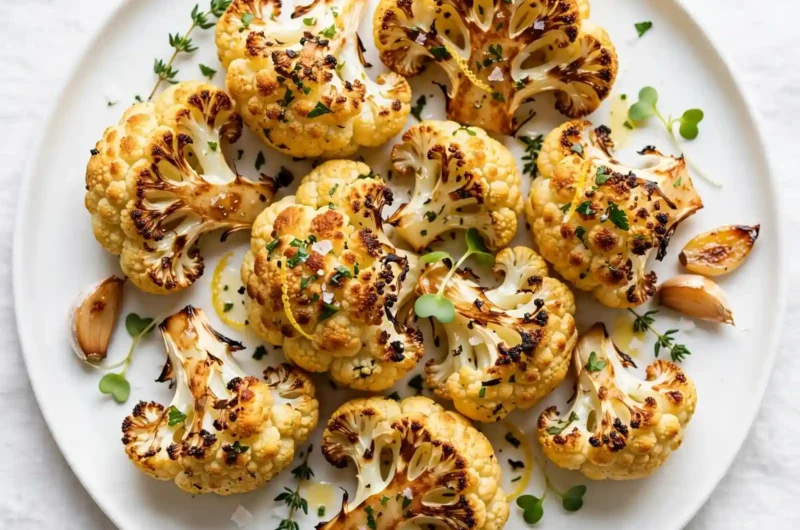
Crispy Oven Roasted Cauliflower
Course: Trending Recipes4
servings10
minutes30
minutes145
kcal40
minutesA perfectly golden, nutty, and caramelized side dish that comes together in just 30 minutes. Crispy on the outside, tender inside, and endlessly adaptable — this is the recipe that turns cauliflower skeptics into believers.
Ingredients
Cauliflower Base:
1 large head cauliflower, cut into 1½–2 inch florets
3 tbsp olive oil (extra virgin)
¾ tsp kosher salt
½ tsp black pepper
½ tsp garlic powder
½ tsp smoked paprika
¼ tsp cumin (optional)
Finishing:
1 tbsp fresh lemon juice
2 tbsp flat-leaf parsley, chopped
2 tbsp Parmesan, freshly grated (optional)
Pinch red pepper flakes (optional)
Directions
- Preheat oven to 425°F (220°C). Line or lightly oil a large rimmed baking sheet.
- Pat cauliflower florets dry with paper towels.
- Toss florets in a large bowl with olive oil, salt, pepper, garlic powder, paprika, and cumin until evenly coated.
- Spread in a single layer on the baking sheet — no overlapping.
- Roast 20 minutes, flip each piece, then roast 10–15 minutes more until deeply golden.
- Remove from oven. Squeeze lemon over top, scatter parsley and Parmesan, and serve immediately.