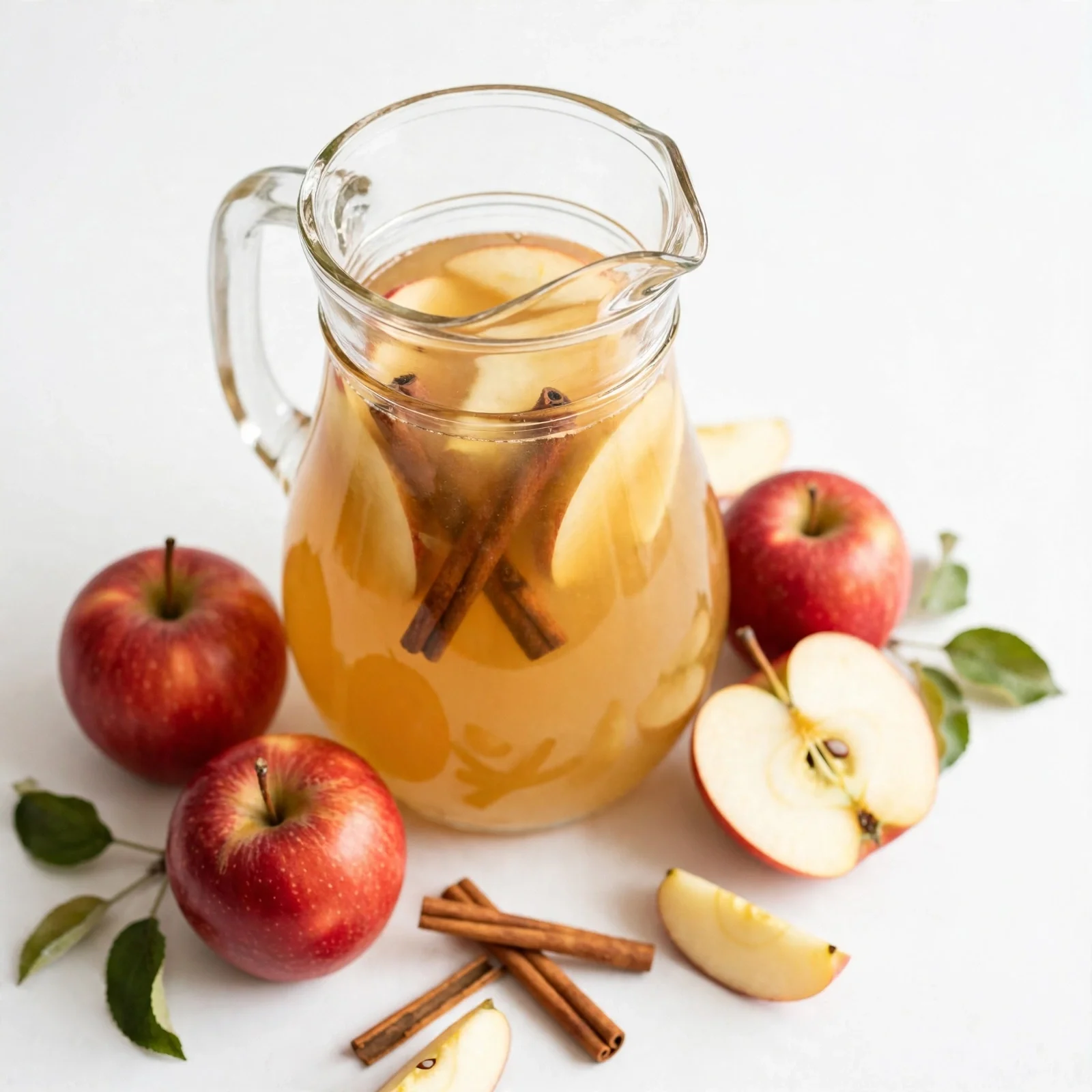
Cozy Homemade Apple Cider That’ll Warm Every Corner of Your Kitchen
The first time I made apple cider from scratch, my kitchen smelled so good that my neighbor knocked on the door asking what was cooking. That was years ago, and I’ve been making a big pot every October since. There’s nothing like watching a pile of ordinary apples transform into something golden, fragrant, and deeply comforting.
This cider is everything you want from a fall drink — layered with warm spice, subtly sweet, and smooth enough to sip slowly with both hands wrapped around a mug. The cinnamon hits first, then comes that round apple richness, and finally a quiet hug of clove and star anise that lingers just long enough to make you want another sip.
Whether you’re hosting a harvest party, looking for a warm apple cider recipe to serve at Thanksgiving, or just craving a spiced fall drink on a quiet Sunday afternoon, this recipe delivers every single time. It’s the kind of thing you make once and then have on permanent rotation all season long. Let’s get into it.
Why You’ll Love This Recipe
It Tastes Like Fall in a Mug
This apple cider captures everything we love about autumn — the warmth, the spice, the sweetness. It’s the liquid version of a flannel blanket, and that’s exactly the point.
Incredibly Simple to Make
You don’t need special equipment or technical skills. If you can slice apples and simmer a pot, you can make this. The hands-on time is minimal and the payoff is huge.
Made With Real, Whole Ingredients
No concentrate, no artificial flavoring — just apples, spices, citrus, and water. You can taste the difference immediately, and so can everyone who tries it.
Perfect for a Crowd
This recipe scales up beautifully. Double or triple it for holiday gatherings and keep it warm in a slow cooker. Guests will help themselves all evening without you lifting a finger.
Endlessly Customizable
Adjust the sweetness, swap the spices, spike it for adults or keep it family-friendly — this recipe is a flexible foundation that works for any occasion or taste preference.
Ingredients
For the Cider Base
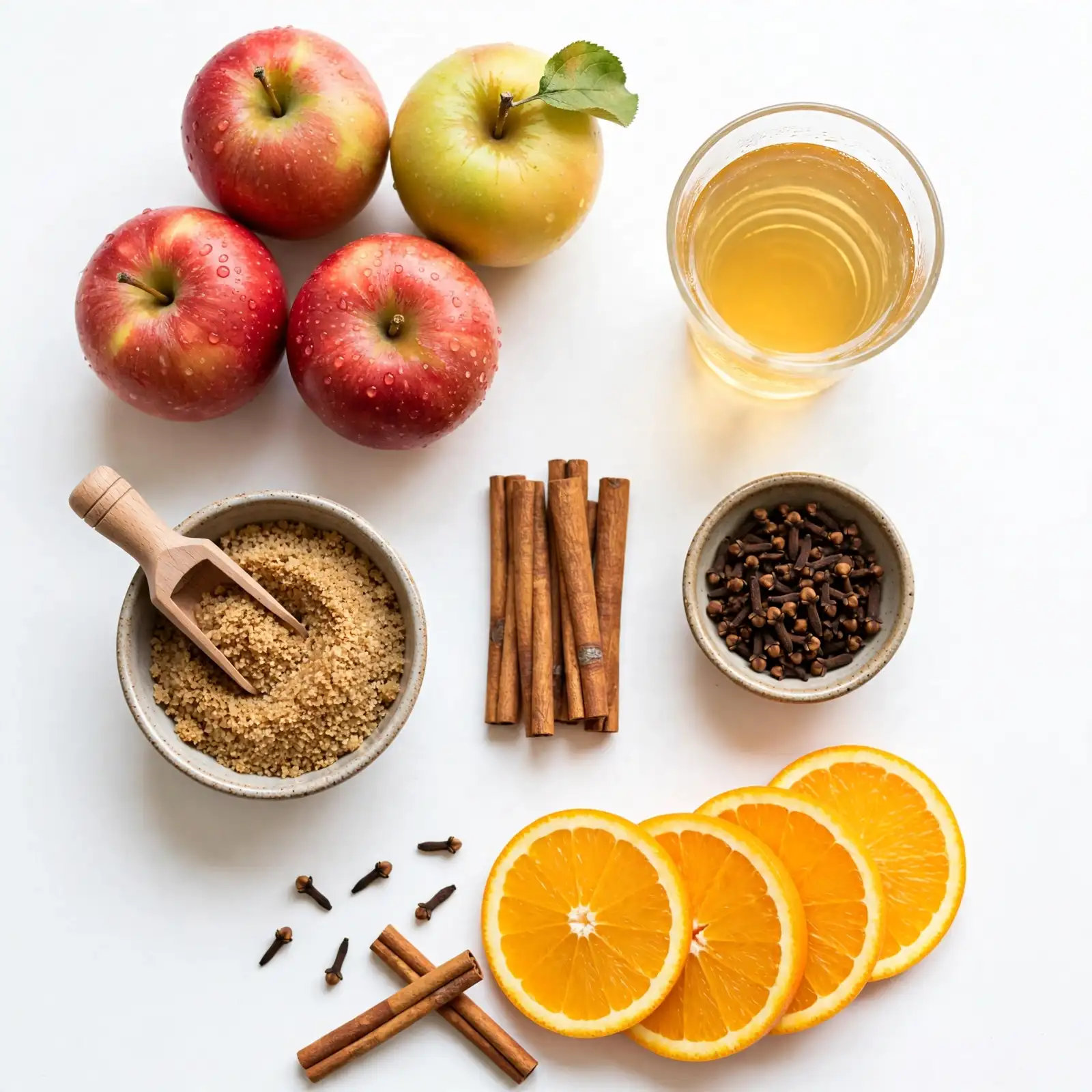
- 10 medium apples, quartered (a mix of Honeycrisp and Fuji works beautifully)
- 1 large orange, sliced into rounds (peel on)
- 10 cups water (enough to cover the fruit by about an inch)
- ¼ cup brown sugar, packed (light or dark both work — dark gives a deeper molasses note)
- 3 tablespoons honey (raw or local preferred for best flavor)
For the Spice Bundle
- 4 cinnamon sticks
- 1 teaspoon whole cloves
- 1 teaspoon whole allspice berries
- 2 star anise pods
- ½ teaspoon freshly grated nutmeg
Optional Finishing Touches
- A pinch of ground ginger (adds a gentle bite)
- 1 vanilla bean, split (for a subtle floral sweetness)
- Extra cinnamon sticks and orange slices for garnish when serving
The apples and citrus provide the natural sweetness and body, while the whole spices steep low and slow to create that unmistakable warm depth. Together, they produce a cider that feels intentional, rich, and absolutely nothing like anything from a carton.
How to Make Apple Cider — Step-by-Step
Step 1: Prep the Fruit
Quarter your apples — no need to peel or core them, as the skins and seeds add flavor and natural pectin that gives the cider body. Slice the orange into rounds and add everything to your largest pot. The fruit should fill the pot about halfway.
Step 2: Add Water and Spices
Pour in the water until the fruit is fully submerged with an inch or so of liquid above it. Add your cinnamon sticks, cloves, allspice, star anise, and nutmeg directly into the pot. Don’t worry if it looks like a lot of spice — it mellows beautifully as it simmers.
Step 3: Bring to a Boil, Then Simmer Low
Bring the pot to a full boil over medium-high heat, then immediately reduce to a low simmer. Let it cook uncovered for 45 minutes to an hour. You’ll know it’s ready when the apples are completely soft, the kitchen smells incredible, and the liquid has taken on a deep amber color.
Step 4: Mash and Steep
Using a potato masher or the back of a large spoon, gently press the apples to release all their juice and flavor into the liquid. Let everything continue to steep for another 30 minutes on the lowest heat setting. Don’t worry if it looks a little rustic at this stage — straining is coming next and it will transform completely.
Step 5: Strain and Sweeten
Set a fine mesh strainer or cheesecloth-lined colander over a large bowl or second pot. Pour the cider through in batches, pressing the solids firmly to extract every last drop of liquid. Discard the pulp and spices. Stir in the brown sugar and honey while the cider is still hot, tasting as you go. Return to low heat to keep warm until ready to serve.
Step 6: Serve and Enjoy
Ladle the cider into mugs and garnish with a fresh cinnamon stick and an orange slice. Let it cool for a minute or two before sipping — the flavors deepen slightly as it rests.
Perfecting This Recipe
- Use a mix of apple varieties for the most complex flavor. One tart apple (like Granny Smith) alongside sweeter ones adds balance and prevents the cider from tasting flat.
- Don’t rush the simmer. Low and slow is what coaxes the deepest flavor out of the fruit. High heat makes it watery and one-dimensional.
- Whole spices always outperform ground ones in a long-simmered recipe. Ground spices can turn the cider murky and occasionally bitter over extended heat.
- Press the fruit aggressively when straining. This is where a lot of the natural sweetness and body hides. A potato masher before straining makes this much easier.
- Taste and adjust after adding sweetener. Every apple variety has a different sugar level, so add your honey and brown sugar incrementally rather than all at once.
- If the cider tastes thin, simply return it to the heat and let it reduce, uncovered, for another 15–20 minutes. The flavor will concentrate beautifully.
Common Mistakes to Avoid
- Using only one type of apple — Single-variety cider tends to taste flat or overly sweet. A blend of tart and sweet apples creates the layered, complex flavor that makes homemade cider worth making.
- Boiling the whole time — A hard rolling boil throughout the process will cook off the delicate aromatics in your spices and leave you with a less fragrant, harsher result. Simmer gently after that initial boil.
- Adding sweetener before tasting — Apples vary wildly in natural sugar content. Always taste first. You may need less than the recipe suggests, especially with sweeter apple varieties.
- Under-straining — Rushing the straining step results in a cloudy, pulpy cider. Press the solids thoroughly and consider a second pass through the strainer for a cleaner result.
- Skipping the mashing step — If you skip mashing the cooked apples before straining, you’ll leave a significant amount of flavor and natural sweetness locked in the fruit. Don’t skip it.
Add Your Touch
- Spike it for adults — Add 1–2 oz of bourbon, dark rum, or spiced whiskey per mug for a cozy cocktail version.
- Cranberry twist — Add a cup of fresh cranberries to the pot alongside the apples for a tart, festive ruby-toned cider.
- Caramel apple version — Stir 2 tablespoons of salted caramel sauce into the finished cider before serving for a dessert-worthy treat.
- Ginger kick — Add 3–4 slices of fresh ginger to the spice bundle for a warming, slightly spicy edge.
- Make it sparkling — Let the cider cool completely, then top each glass half-and-half with chilled ginger beer or sparkling water for a non-alcoholic bubbly option.
- Pear variation — Replace 3 of the apples with ripe Bartlett pears for a softer, more floral take on the classic.
Visit Also: Sourdough Starter Recipe
What to Serve With This
- Cinnamon apple muffins — Natural partners that mirror all the same warm notes in the cider.
- A sharp cheddar and charcuterie board — The savory richness of aged cheese is a surprising and brilliant contrast to a warm, spiced mug.
- Pumpkin bread or banana walnut loaf — Dense, soft, spiced baked goods are the classic pairing here for a reason.
- Caramel popcorn — Sweet, salty, and crunchy — ideal for movie nights by the fire.
- Roasted butternut squash soup — For a full fall dinner, ladling this cider alongside a creamy squash soup is an absolutely perfect match.
Storing and Serving
Fridge:
Allow the cider to cool completely, then transfer to an airtight glass jar or pitcher. It keeps well in the refrigerator for up to 5 days. The flavor actually improves after the first day as the spices continue to meld.
Freezer:
Pour cooled cider into freezer-safe containers or ice cube trays, leaving about an inch of headspace for expansion. Frozen cider keeps beautifully for up to 3 months. Thaw overnight in the fridge or gently reheat from frozen on the stovetop.
Reheating:
Reheat gently in a small saucepan over low-medium heat, stirring occasionally, until steaming — about 5–8 minutes. Avoid microwaving in large quantities as it heats unevenly. A single mug works fine in the microwave for 90 seconds.
Make-Ahead Tip:
This cider is an ideal make-ahead recipe. Prepare it up to 3 days before your event and store it in the fridge. Reheat slowly in a large pot or transfer to a slow cooker set to “Warm” about an hour before guests arrive.
Servings:
This recipe yields approximately 8–10 generous mugs of cider (about 8–10 cups finished liquid, depending on how aggressively you press the fruit).
Nutrition (Approximate Per Serving)
- Calories: 110
- Total Fat: 0g
- Saturated Fat: 0g
- Carbohydrates: 28g
- Sugar: 23g
- Protein: 0g
- Sodium: 5mg
Nutritional values are approximate and may vary based on specific ingredients and brands used.
Chef’s Helpful Tips
- Use room temperature fruit if possible — Cold fruit straight from the fridge slightly extends the time needed to reach a simmer. Not a dealbreaker, but worth knowing on a time crunch.
- Don’t overcrowd your strainer — Work in batches and give each round time to drain fully before adding more. Patience here means a cleaner, clearer cider.
- For the cleanest result, double-strain — Run the cider through a fine mesh strainer a second time, or line it with a piece of cheesecloth. The color and clarity improve noticeably.
- Quality apples make a real difference — Farmer’s market or orchard apples in peak fall season will produce a noticeably more flavorful cider than off-season supermarket apples.
- If your cider is too sweet — Add a small squeeze of fresh lemon juice to balance it. Acid sharpens sweetness and brings all the flavors into better focus.
Frequently Asked Questions
Q1. Can I make this in a slow cooker?
Absolutely — and it’s one of the easiest ways to do it. Add all the ingredients to your slow cooker and cook on low for 6–8 hours or on high for 3–4 hours. Mash and strain as directed. The hands-off approach is perfect for holiday mornings.
Q2. What apples work best for apple cider?
A blend of sweet and tart varieties gives you the most balanced, flavorful result. Honeycrisp, Fuji, or Gala for sweetness, and Granny Smith or Pink Lady for acidity. Use whatever mix you enjoy eating — if it tastes good raw, it’ll taste good simmered.
Q3. Is this recipe beginner-friendly?
Very much so. There’s no special technique involved — just simmering, mashing, and straining. If you’re comfortable cooking anything on the stovetop, you can absolutely make this. The hardest part is waiting for it to be done.
Q4. Can I serve this at a potluck or large gathering?
It’s actually one of the best potluck drinks you can bring. Make it at home, pour it into a large thermos or slow cooker, and it stays warm and ready to serve for hours. People absolutely love it, and it always gets asked about.
Q5. Can I freeze leftover apple cider?
Yes, and it freezes exceptionally well. Let it cool completely, pour into freezer-safe containers with a little headspace, and freeze for up to 3 months. Thaw in the fridge overnight and reheat gently on the stovetop — the flavor holds up beautifully.
Conclusion
There’s a reason apple cider has been a fall tradition for generations — it’s the kind of drink that makes a house feel like a home. It’s simple, generous, and deeply satisfying in a way that nothing mass-produced can replicate. Once you’ve made a pot from scratch, the storebought version just doesn’t compare.
So grab a bag of apples, pull out your biggest pot, and let your kitchen do the rest of the work. Make it your own with a spice adjustment here, a sweetener swap there. Share it with the people you love. Bring it to the table. And if someone knocks on your door wondering what that amazing smell is — well, go ahead and invite them in.
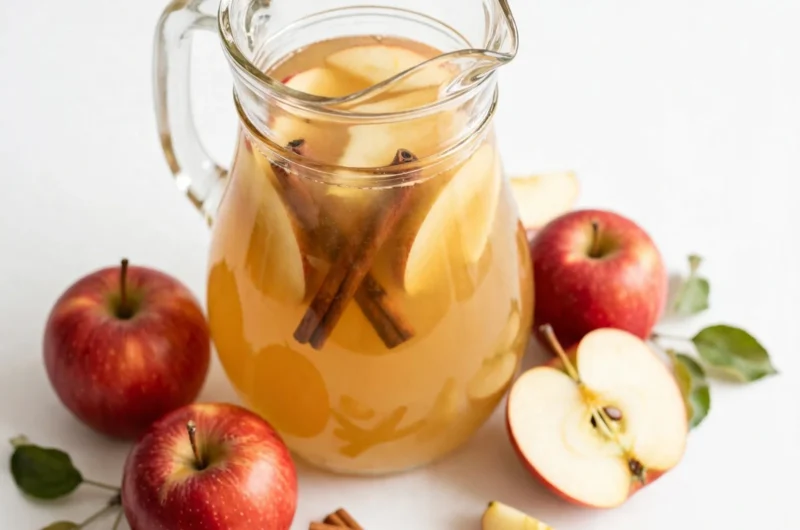
Cozy Homemade Apple Cider
Course: Trending Recipes8–10
servings10
minutes1
hour30
minutes110
kcal1
hour40
minutesA deeply spiced, golden apple cider made entirely from scratch with whole fruit and fresh spices. Perfect for fall gatherings, holiday entertaining, or any chilly evening that calls for something warm in your hands.
Ingredients
For the Cider Base:
10 medium apples, quartered
1 large orange, sliced into rounds
10 cups water
¼ cup packed brown sugar
3 tablespoons honey
For the Spice Bundle:
4 cinnamon sticks
1 tsp whole cloves
1 tsp whole allspice berries
2 star anise pods
½ tsp freshly grated nutmeg
Optional Finishing Touches:
Pinch of ground ginger
1 vanilla bean, split
Cinnamon sticks and orange slices to garnish
Directions
- Quarter apples (unpeeled, uncored) and slice orange into rounds. Add to a large pot.
- Pour in water to cover fruit by 1 inch. Add all spices directly to the pot.
- Bring to a boil over medium-high heat, then reduce to a low simmer. Cook uncovered for 45–60 minutes until apples are very soft.
- Mash the cooked fruit firmly with a potato masher to release all juices.
- Simmer an additional 30 minutes on the lowest heat.
- Strain through a fine mesh strainer or cheesecloth, pressing the solids firmly. Discard pulp.
- Stir in brown sugar and honey while hot. Taste and adjust sweetness.
- Ladle into mugs and garnish with a cinnamon stick and orange slice.