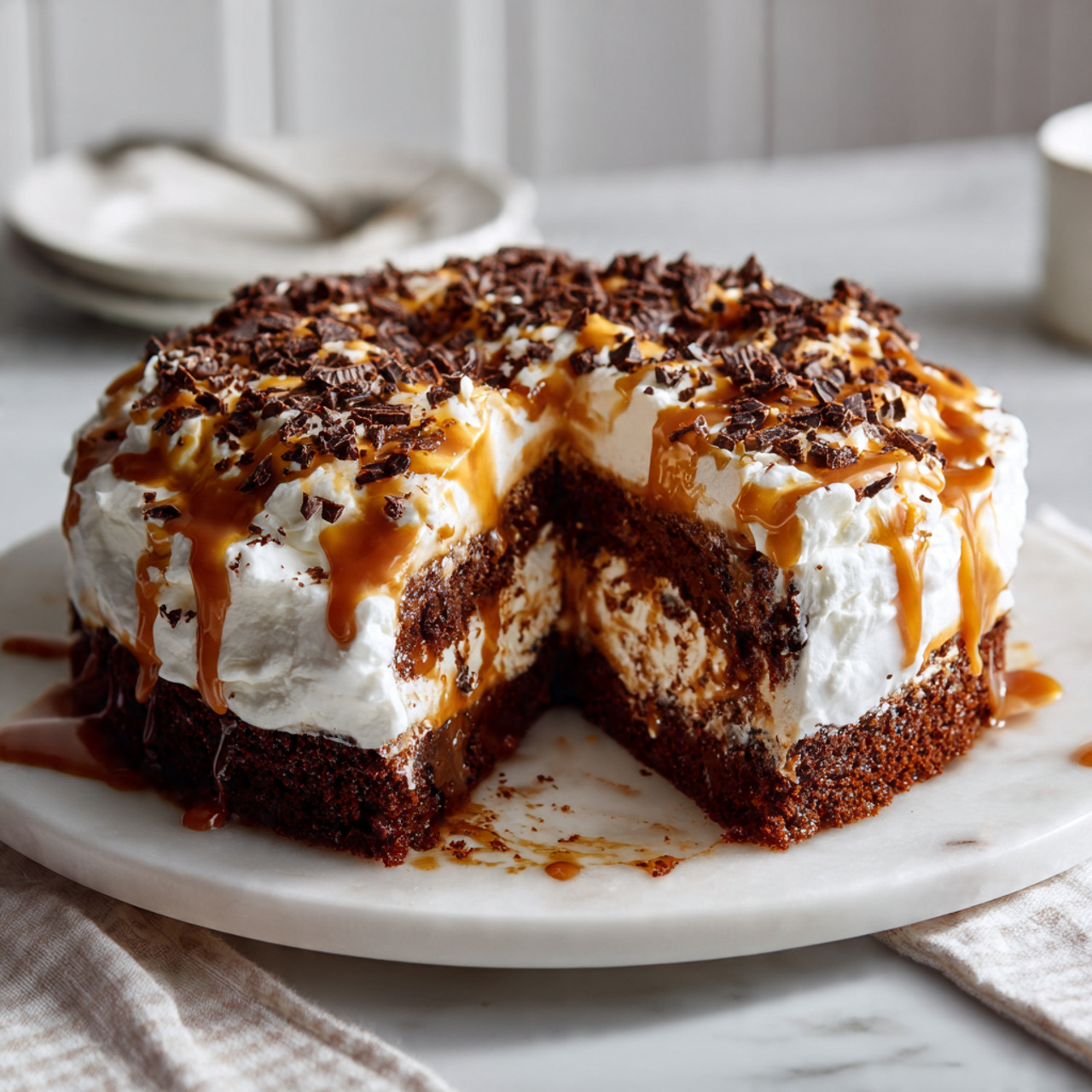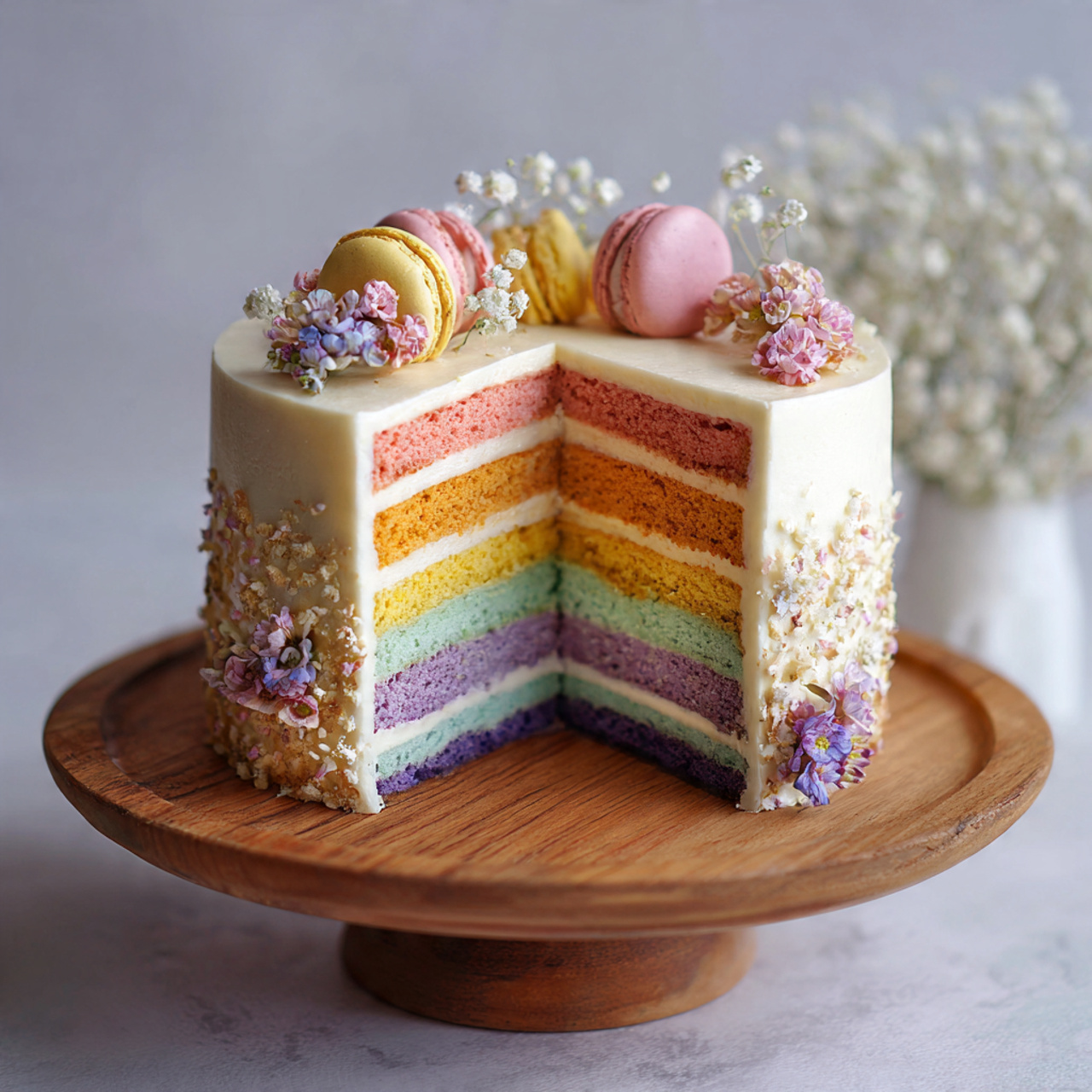
The Softest Floral Cake You’ll Ever Bake — Delicate, Dreamy, and Completely Irresistible
Most floral cakes end up either overwhelmingly perfumy or entirely tasteless — because getting that balance right is genuinely tricky without the right technique. One drop too many of rose water and it tastes like soap; skip it entirely and you’ve just made a plain vanilla cake. This recipe threads that needle perfectly, giving you a soft, fragrant crumb with just enough floral lift to feel genuinely special, every single time.
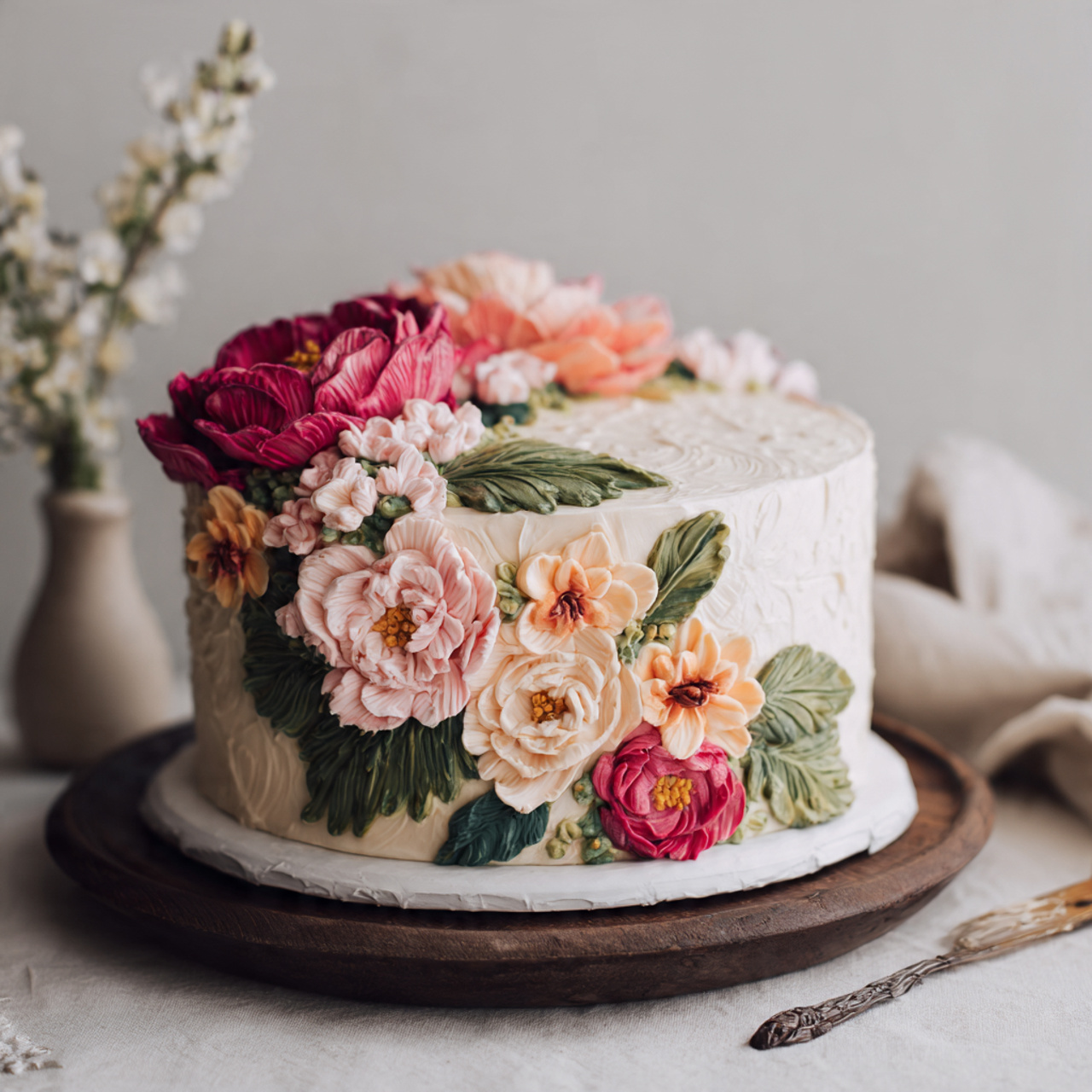
Picture a cake so tender it almost sighs when you press a fork through it. The crumb is light and pillowy, kissed with a gentle sweetness that never overwhelms. As it bakes, your kitchen fills with a warm, lingering scent — something like a garden after rain — and the finished cake, crowned with delicate petals and a cloud of whipped cream, looks like it came straight from a boutique patisserie. Every bite is airy and softly perfumed, with a clean, creamy finish that lingers in the best possible way.
This floral cake is equally at home on a birthday table, at a slow weekend tea party, or at a small celebration you want to feel memorable without the stress. It also works beautifully as an edible flower cake for spring gatherings or as a quiet weekend indulgence all for yourself. Whether you’re an experienced baker or just finding your feet around a mixing bowl, this one will make you feel like you’ve been baking it for years.
Why You’ll Love This Recipe
The Flavor Is Gently Balanced, Not Overpowering
Getting floral flavor right in a cake is all about restraint, and this recipe nails it. The rose water or lavender extract adds a soft, aromatic note that complements the vanilla rather than competing with it — fragrant without ever tipping into perfumey territory.
The Texture Is Beautifully Light
This cake has an airy, tender crumb that stays soft even a day after baking. Thanks to properly creamed butter and a gentle hand with the flour, every slice is pillowy and moist rather than dense or gummy.
It Comes Together Simply
There’s no complicated equipment or specialist skill required. All you need is two bowls, a hand mixer, and a basic cake pan — and the entire batter is ready in about fifteen minutes.
It Looks Stunning Without Much Effort
A simple layer of whipped cream and a scatter of edible dried flowers transforms this into a showstopper. It’s one of those cakes that people assume took hours — but you’ll know better.
Completely Customizable for Any Occasion
Swap the rose water for orange blossom, lean into lavender for a more herbal note, or layer it with cream cheese frosting for a richer bite. This recipe is endlessly adaptable and just as lovely with every variation you try.
Ingredients
For the Cake
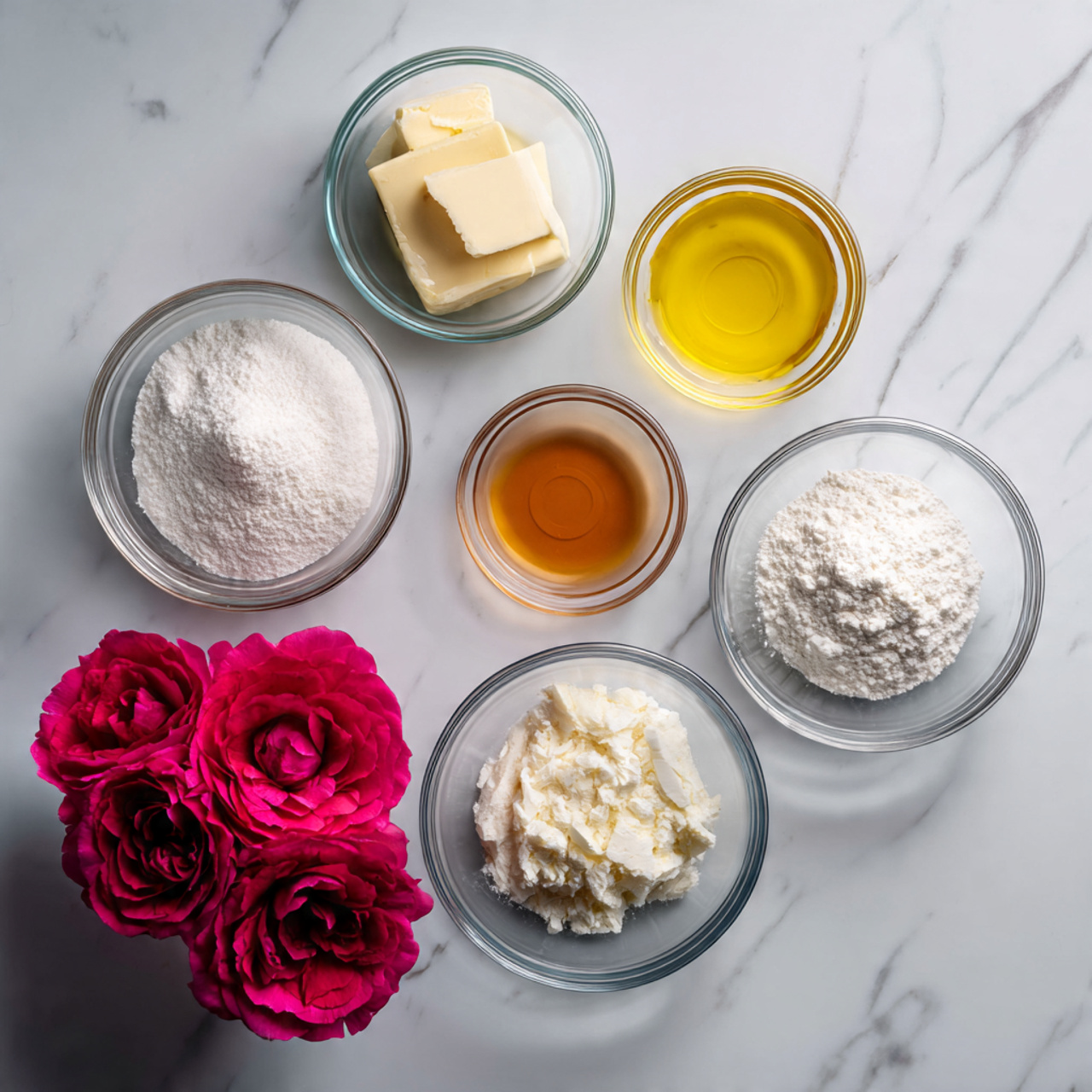
- 2 cups all-purpose flour
- 1½ tsp baking powder
- Pinch of salt
- ½ cup unsalted butter, softened (not melted — room temperature is essential)
- 1 cup granulated sugar
- 2 large eggs, at room temperature
- 1 cup whole milk (full-fat gives the best crumb)
- 1 tsp pure vanilla extract (not imitation, for the cleanest flavor)
- 1 tsp rose water or lavender extract (start with ¾ tsp if you prefer a subtler floral note)
For the Topping
- 1 cup whipped cream or your preferred frosting
- 2–3 tbsp edible dried flowers (rose petals, lavender buds, or a mixed blend — food-safe only)
The butter and milk give this cake its tenderness, while the floral extract lifts every bite with a quiet, garden-fresh fragrance. The edible flowers aren’t just decoration — they reinforce that delicate aroma from the very first look.se each ingredient evenly depending on your needs.
How to Make Floral Cake — Step-by-Step
Step 1: Prep Your Pan and Oven
Preheat your oven to 180°C (350°F) and grease a round 8-inch cake pan generously, then dust lightly with flour or line the base with parchment paper. In a medium bowl, whisk together the flour, baking powder, and salt. Set this aside — having your dry ingredients ready before you start makes the whole process smooth and stress-free.
Step 2: Cream the Butter and Sugar
In a large bowl, beat the softened butter and sugar together until the mixture is pale, fluffy, and noticeably increased in volume — this takes about 3 to 4 minutes with a hand mixer on medium-high speed. Don’t rush this step; proper creaming is what gives the cake its lift and light texture. Don’t worry if the mixture looks a little rough at first — it will come together beautifully as you keep mixing.
Step 3: Add the Eggs and Flavorings
Add the eggs one at a time, beating well after each addition before adding the next. Then stir in the vanilla extract and your floral extract of choice. The batter may look slightly curdled at this stage — that’s completely normal and will smooth out once the dry ingredients are incorporated.
Step 4: Bring the Batter Together
Alternately add the flour mixture and the milk to the butter mixture, beginning and ending with flour. Mix gently after each addition — just until the flour disappears into the batter. Overmixing is the biggest culprit behind a dense, tough cake, so stop the moment you no longer see dry streaks. The finished batter should look silky, smooth, and just slightly thick.
Step 5: Bake and Cool
Pour the batter into your prepared pan, tap it gently on the counter to release any hidden air bubbles, and slide it into the oven. Bake for 25–30 minutes, until the top is a light golden color and a toothpick inserted into the center comes out clean. Don’t worry if the edges pull away from the pan slightly — that’s actually a good sign it’s done. Let the cake cool completely in the pan for at least 20 minutes before turning it out onto a wire rack. Decorating a warm cake will melt your cream instantly.
Step 6: Frost and Decorate
Once fully cooled, spread whipped cream or frosting over the top in gentle, loose swirls. Scatter your edible dried flowers over the cream, pressing them in lightly so they hold. The result should look effortlessly soft and beautiful — like a cake that dressed itself for the occasion.
Perfecting This Recipe
- Use butter that’s truly at room temperature — it should leave an indent when pressed but not feel greasy or slick. Cold butter won’t cream properly and melted butter will make the batter oily.
- Measure flour by spooning it into the measuring cup and leveling off with a straight edge. Scooping directly from the bag compacts the flour and can make the cake noticeably heavy.
- Add the milk gradually rather than all at once to keep the emulsion stable and the batter smooth.
- Resist the urge to open the oven door before the 22-minute mark — sudden temperature drops can cause the center to sink before it sets.
- Allow the cake to cool completely before frosting. Even ten extra minutes makes the difference between cream that holds beautifully and cream that slides right off.
- If using lavender extract instead of rose water, use slightly less to start — lavender is more intense and a little goes a noticeably long way.
Common Mistakes to Avoid
Using melted butter instead of softened — Melted butter can’t trap air during creaming, which means you’ll lose the light, fluffy texture entirely. Give your butter time to soften at room temperature before you begin.
Adding too much floral extract — Floral flavors intensify during baking, so what smells balanced in the bowl can taste overpowering once it’s baked. Start with ¾ tsp and adjust upward in your next bake if you want more.
Overmixing after the flour goes in — Once flour meets wet batter, gluten starts developing fast. Mix just until combined — a few gentle folds with a spatula are usually all you need after the initial stir.
Decorating before the cake is fully cool — Whipped cream melts quickly on a warm cake, and you’ll end up with a soggy, sliding finish instead of a beautiful one. Patience here really pays off.
Overbaking — Even five extra minutes can dry out a delicate rose water cake like this one. Start checking at the 25-minute mark and pull it out the moment the toothpick comes out clean.
Add Your Touch
- Swap rose water for orange blossom water for a citrusy, lighter floral note that feels more summery and fresh.
- Use lavender extract in place of rose for an earthy, herbaceous depth — especially lovely paired with honey-flavored frosting.
- Stir a handful of finely chopped pistachios or slivered almonds into the batter for a subtle crunch beneath the soft crumb.
- Brush baked layers with a simple floral syrup (equal parts sugar and water, simmered with a few drops of extract) before frosting for extra moisture and a more fragrant interior.
- Swap the whipped cream topping for lemon cream cheese frosting to add a bright, tangy contrast to the floral sweetness.
- In spring, decorate with fresh edible flowers like pansies or violas instead of dried petals for a livelier, more vibrant finish.
Visit Also: Black Cake
What to Serve With This
A pot of Earl Grey or chamomile tea — the bergamot and floral notes in the tea echo the cake’s fragrance in the most complementary way.
Fresh strawberries or raspberries on the side — the tartness cuts through the cream and brightens every bite without competing with the floral flavor.
A small pot of clotted cream or lightly sweetened mascarpone for guests who want a richer, more indulgent experience alongside their slice.
Sparkling rosé or elderflower lemonade for celebrations — both complement the floral notes without overpowering them.
A light green salad if you’re serving this as an afternoon centerpiece — sometimes a gentle savory contrast is all you need to make a dessert feel like a real occasion.
Storing and Serving
Fridge Store the decorated cake in an airtight container or loosely covered with plastic wrap in the refrigerator for up to 3 days. The cream holds well and the cake stays soft, especially when kept away from strong-smelling foods.
Freezer Freeze unfrosted cake layers tightly wrapped in plastic wrap and then foil for up to one month. Thaw overnight in the refrigerator, then bring to room temperature before decorating. Frosted cake doesn’t freeze well — always freeze the layers bare.
Reheating This cake is best served at room temperature. Pull it from the fridge 20–30 minutes before slicing. If you’ve thawed frozen layers, avoid microwaving them; the texture improves when warmed naturally.
Make-Ahead Tip Bake the cake layers up to one day ahead and store them covered at room temperature. Add the cream and flowers no more than two hours before serving for the freshest look and the best texture.
Servings This recipe makes approximately 8–10 slices from a standard 8-inch round cake.
Nutrition (Approximate Per Serving)
- Calories: ~280–310
- Total Fat: 13g
- Saturated Fat: 8g
- Carbohydrates: 38g
- Sugar: 22g
- Protein: 5g
- Sodium: 95mg
Nutritional values are approximate and may vary based on specific ingredients and brands used.
Chef’s Helpful Tips
- Room temperature eggs and milk blend into the batter far more smoothly than cold ones — take them out of the fridge at least 30 minutes before you start.
- For clean, bakery-worthy slices, run a sharp knife under hot water, wipe it completely dry, then cut. Repeat between each slice.
- If your cake comes out with a domed top and you want flat layers for stacking, simply level it with a serrated knife once it’s fully cooled.
- Quality matters with extracts — good rose water or lavender extract should smell clean and natural, not synthetic or sharp. Check labels and opt for pure versions when you can.
- If the cake feels slightly dense after baking, the flour was likely over-measured or the batter was over-mixed. Next time, weigh your flour for the most accurate result.
Frequently Asked Questions
Q1. Can I make this floral cake ahead of time? Absolutely — bake the layers the day before and keep them wrapped at room temperature. Add the whipped cream and flowers on the day of serving for the best texture and presentation. The cake also slices more cleanly once it’s had a little time to settle.
Q2. What can I use instead of rose water or lavender extract? Orange blossom water is the closest substitute — it has the same delicate, perfumed quality without being identical. A teaspoon of lemon zest also works beautifully if you’d like a fresher, citrus-forward flavor with no floral note at all.
Q3. Is this recipe beginner-friendly? It genuinely is. If you’ve ever made a basic butter cake, this is the exact same process with one extra ingredient. The steps are clear, the timing is forgiving, and the decorating is as simple or as elaborate as you’d like it to be.
Q4. Can I bring this to a potluck or celebration? This cake travels well — keep it refrigerated until about 30 minutes before serving and transport it in a covered container. It looks impressive on any table and the edible flower decoration always draws compliments.
Q5. Can I freeze this floral cake? Yes, but freeze the plain layers only, not the decorated cake. Wrap each layer tightly in plastic wrap and then foil and freeze for up to a month. Thaw in the fridge overnight, then bring to room temperature and decorate fresh before serving.
Conclusion
There’s a reason this floral cake keeps finding its way onto tables for celebrations both big and small — it’s gentle, it’s beautiful, and it tastes like something you’d order at a favorite café but made entirely by your own hands. The balance of soft crumb, fragrant floral note, and cloud-light cream makes it the kind of dessert that lingers in the memory long past the last bite. Whether you’re baking it for someone special or simply because you felt like making something lovely today, it delivers every single time.
When you do bake it, make it your own. Try different flowers, experiment with the extract, play with the frosting. [LINK: “lavender honey loaf” → another floral or lightly sweet baked good] Share it at a gathering or keep the whole thing to yourself with a pot of tea on a quiet afternoon — no judgment here. However it ends up on your table, this homemade floral cake has a way of making the moment feel a little more worth celebrating.
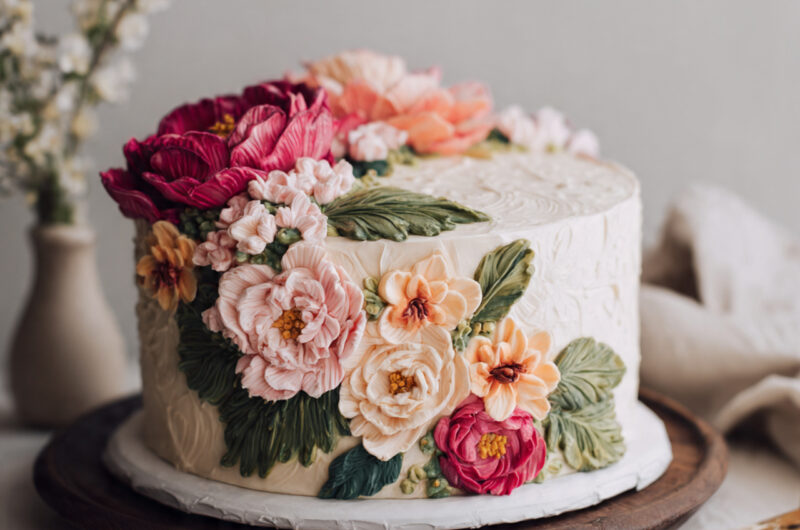
Soft Floral Cake with Whipped Cream and Edible Flowers
Course: Trending Cake4
servings15
minutes30
minutes280–310
kcal1
hour5
minutesA light, pillowy cake delicately flavored with rose water or lavender extract and finished with whipped cream and a scatter of edible dried flowers. Perfect for birthdays, afternoon tea, or any moment that deserves something quietly beautiful.
Ingredients
For the Cake:
2 cups all-purpose flour
1½ tsp baking powder
Pinch of salt
½ cup unsalted butter, softened
1 cup granulated sugar
2 large eggs, at room temperature
1 cup whole milk
1 tsp pure vanilla extract
1 tsp rose water or lavender extract
For the Topping:
1 cup whipped cream or frosting
2–3 tbsp edible dried flowers (rose petals, lavender, or mixed)
Directions
- Preheat oven to 180°C (350°F). Grease and flour an 8-inch round cake pan.
- Whisk flour, baking powder, and salt together in a bowl. Set aside.
- Beat softened butter and sugar until pale and fluffy, about 3–4 minutes.
- Add eggs one at a time, beating after each. Stir in vanilla and floral extract.
- Alternately add flour mixture and milk, starting and ending with flour. Mix gently until just combined.
- Pour batter into prepared pan. Tap lightly to release air bubbles.
- Bake 25–30 minutes until golden and a toothpick comes out clean. Cool completely before decorating.
- Spread whipped cream over cooled cake. Scatter edible flowers over the top and serve.