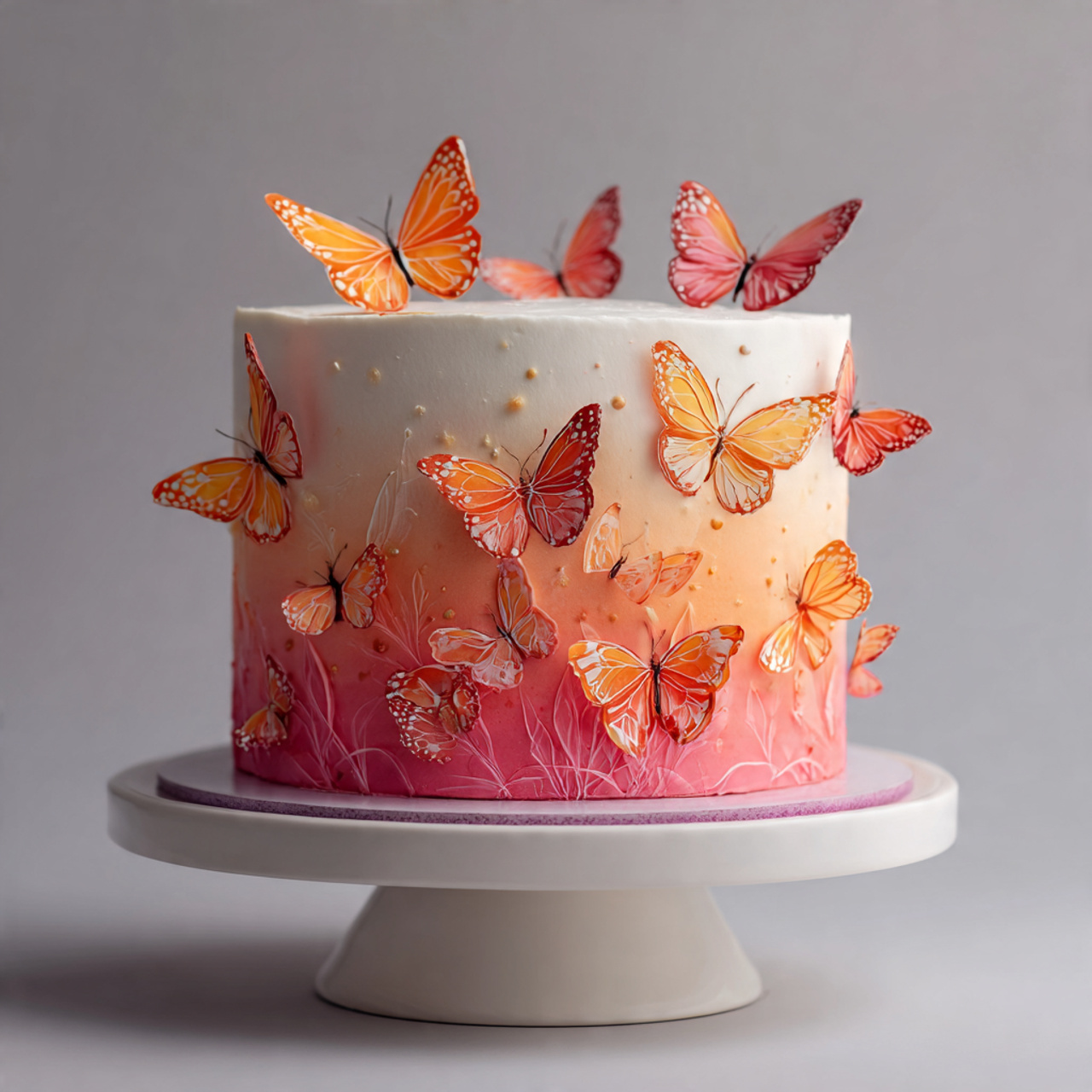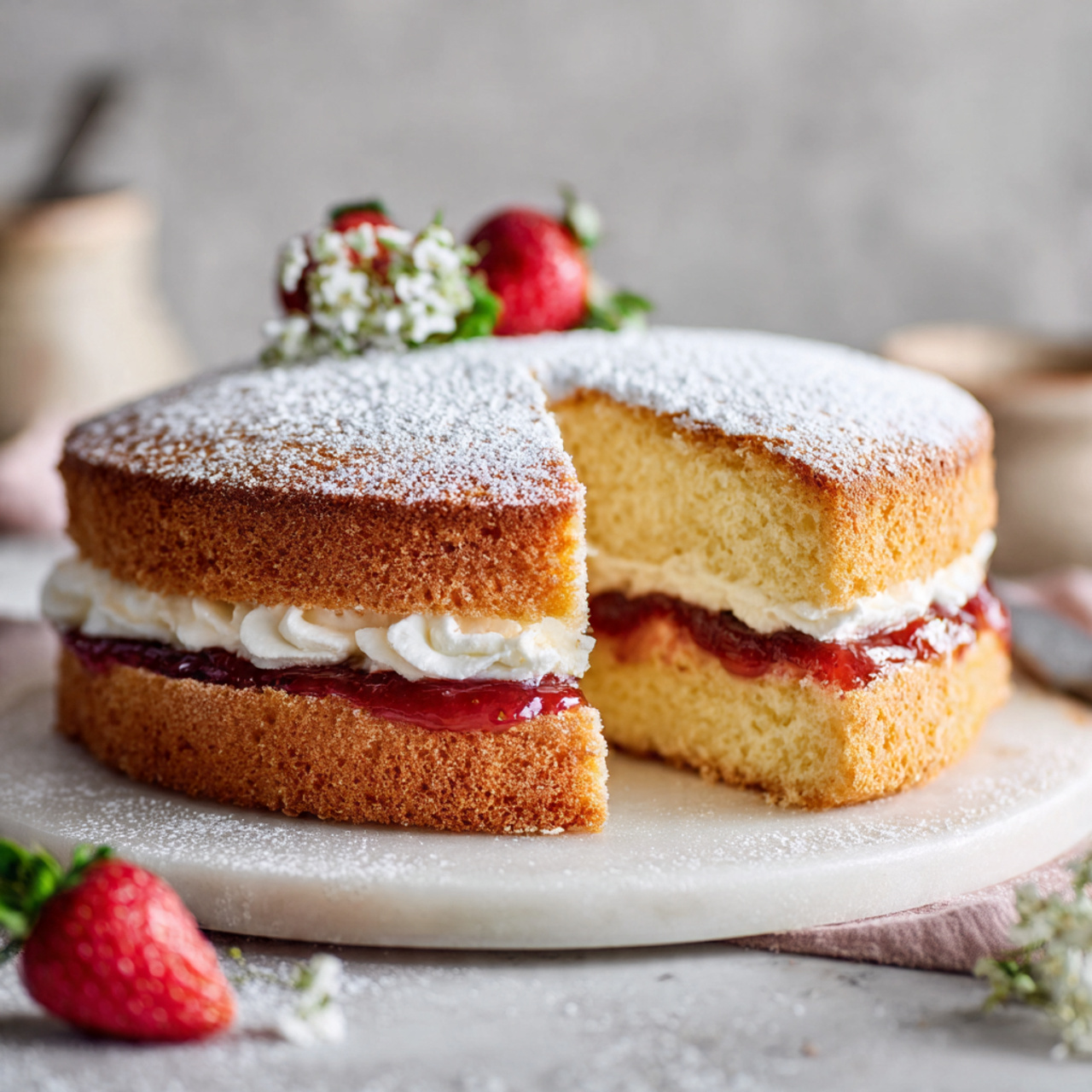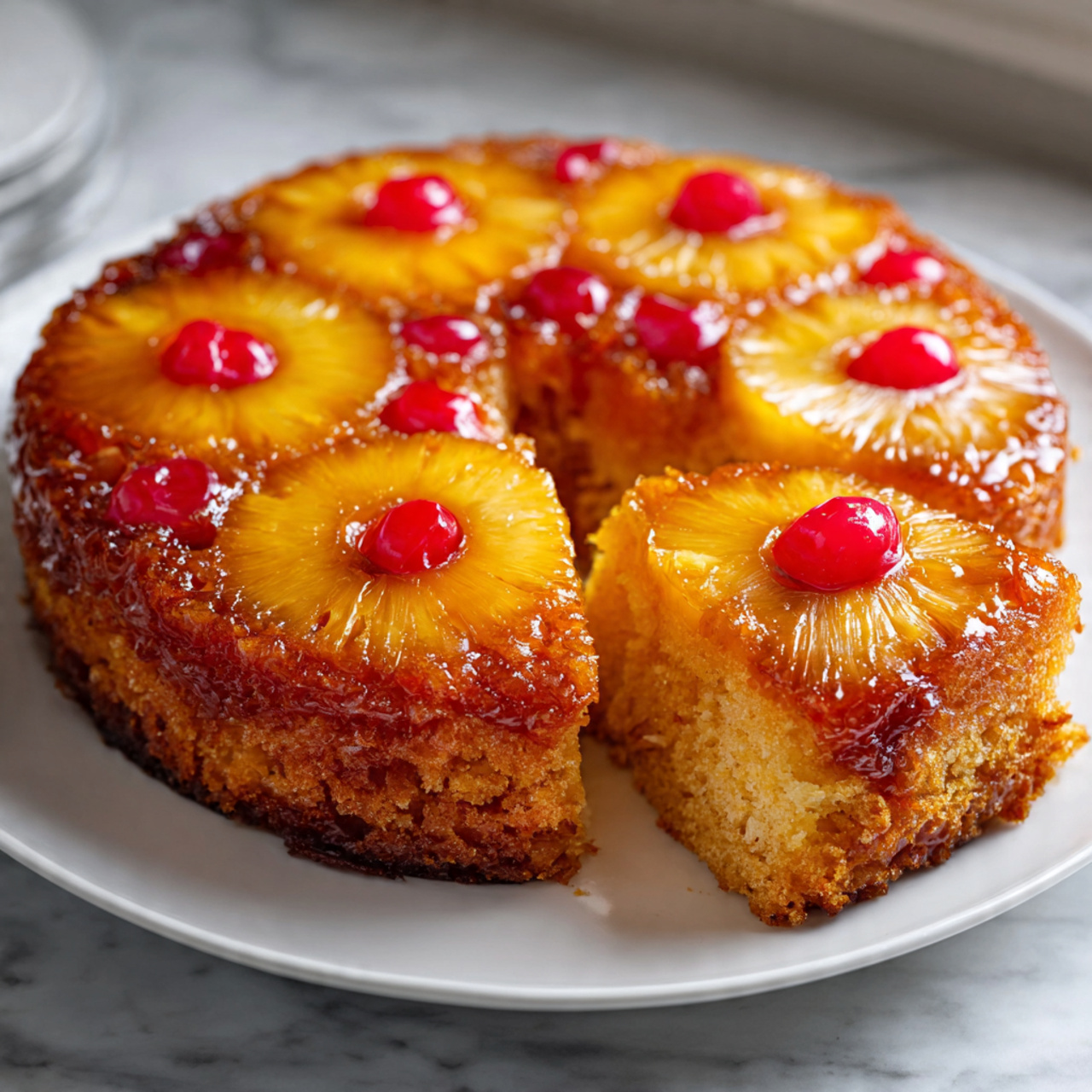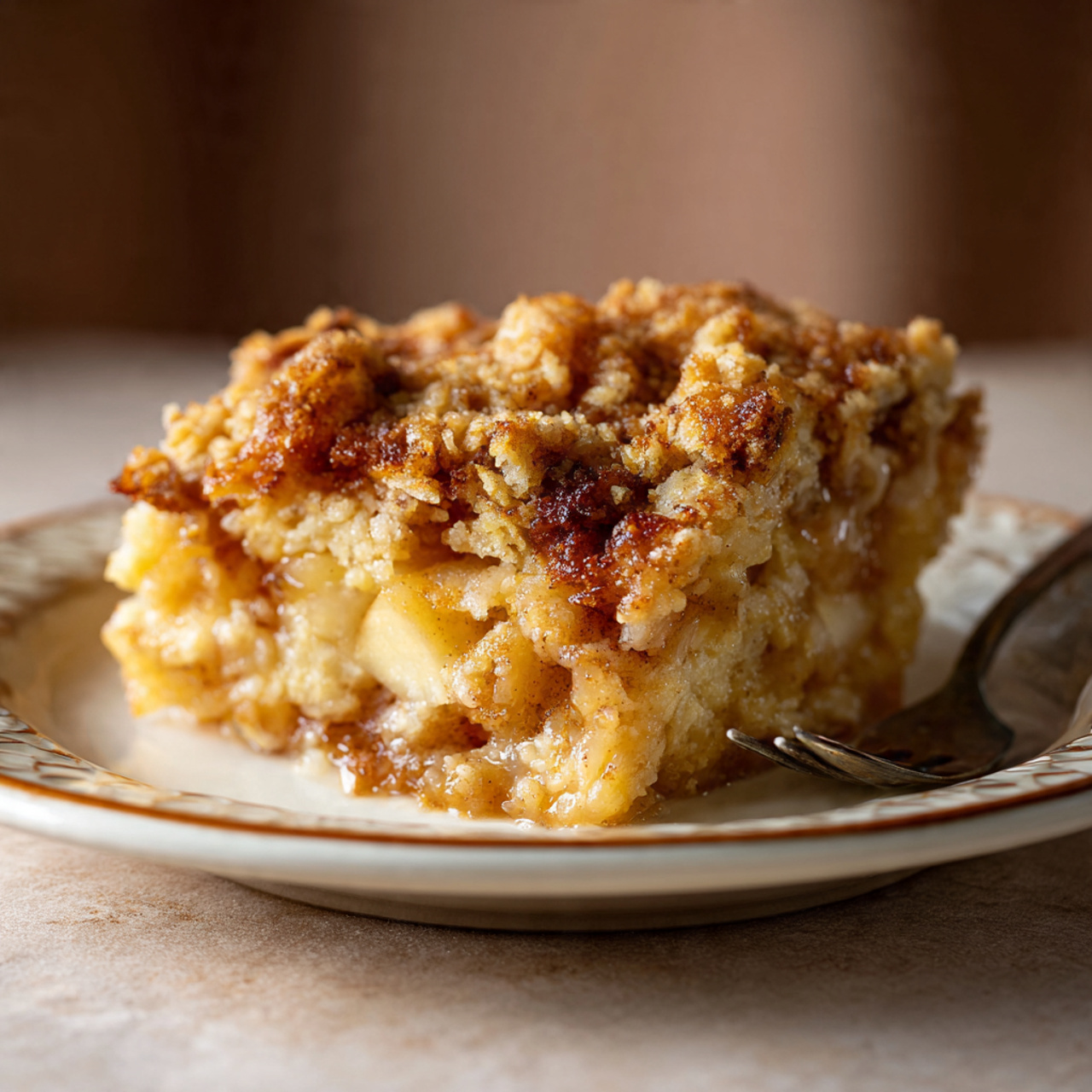
The Most Stunning Vintage Cake That Turns Every Celebration Into a Memory
Most home bakers run into the same heartbreaking problem with vintage-style cakes: the piping. You’ve spent an hour whipping the buttercream, your layers are perfect, and then the rosettes start sliding, the shell borders lose their definition, or crumbs pull straight through the final coat and ruin the whole look. This Vintage Cake recipe takes that frustration off the table entirely — with a buttercream formula that holds its shape beautifully and a crumb-coat technique that gives you a clean, flawless canvas every single time.
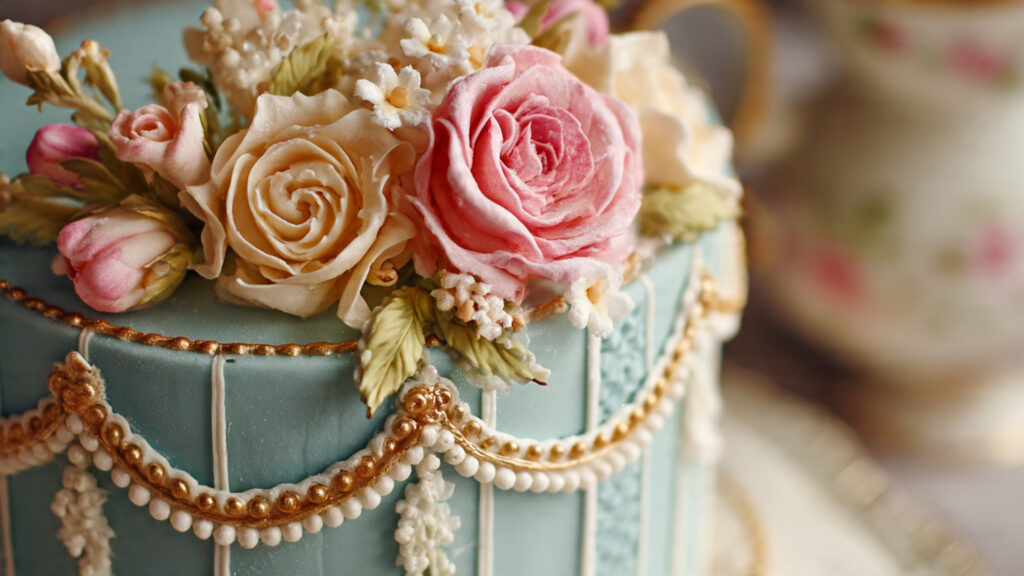
Once you get there, the reward is something truly worth savoring. Each layer is a soft, golden sponge with a fine, tender crumb that practically melts the moment it hits your tongue. The buttercream is silky and just sweet enough — rich with vanilla, smooth under a spatula, and firm enough to hold every swirl and piped shell border in place. The whole cake carries that warm, nostalgic scent of butter and vanilla that fills the kitchen as you assemble it, and the first slice reveals those clean layered interiors that look just as beautiful as the outside.
This is the kind of cake that earns its place at a birthday dinner, a bridal shower table, or an intimate afternoon tea where presentation genuinely matters. It’s the classic decorated birthday cake that photographs beautifully and makes guests pause the moment it’s set down in front of them. If you’ve ever admired a retro layer cake in an old bakery window or a vintage cookbook photo and thought you could never recreate that magic at home — this recipe is here to prove otherwise.
Why You’ll Love This Recipe
It Looks Like It Came Straight From a Bakery Window
There’s something about pastel piping, delicate rosettes, and shell borders that makes a Vintage Cake instantly show-stopping. This recipe walks you through the exact techniques — from crumb coat to final decoration — that give you that professional, old-fashioned finish right in your own kitchen. No piping experience is required to walk away with results that genuinely impress.
The Texture Is Perfectly Soft and Tender
Every layer of this cake bakes up with a fine, even crumb that’s moist but never dense or gummy. The key is in the creaming method and alternating the wet and dry ingredients in stages — two steps that work together to give the sponge that classic, pillowy texture that holds up beautifully under all that frosting.
The Buttercream Is Beautifully Versatile
This buttercream is smooth enough to spread in a perfectly flat final layer and stiff enough to hold piped decorations without sagging. You can tint it any pastel shade you love with a touch of gel food coloring, and it takes on a completely different personality depending on the filling you choose — light and floral with lemon curd, sweet and fruity with strawberry jam, or pure and classic with just vanilla.
It’s Made for Every Kind of Celebration
Whether you’re baking for a birthday, an anniversary, or a summer bridal shower, this Vintage Cake adapts effortlessly. It’s elegant enough for formal occasions and relaxed enough for a casual family gathering. The layers can be prepped a full day ahead, which makes the whole decorating process feel far less rushed on the day.
It’s Beginner-Friendly With the Right Guidance
The base recipe is genuinely simple — creamed butter, eggs, flour, milk, and vanilla. The decoration is where the magic happens, and every step here is broken down so that even a first-time cake decorator can produce something beautiful. With a few basic piping tips and a little patience, the results will surprise you.
Ingredients
For the Cake
- 2 ½ cups all-purpose flour
- 2 ½ tsp baking powder
- ½ tsp salt
- 1 cup unsalted butter (softened to room temperature)
- 1 ¾ cups granulated sugar
- 4 large eggs (room temperature)
- 1 tbsp vanilla extract (pure, not imitation)
- 1 cup whole milk (room temperature)
For the Buttercream Frosting
- 1 ½ cups unsalted butter (softened)
- 4–5 cups powdered sugar (sifted for the smoothest finish)
- 2–3 tbsp heavy cream (add gradually to control consistency)
- 1 tsp vanilla extract
- Gel food coloring (pastel shades — rose, lavender, and mint are classic Vintage Cake choices)
For the Optional Filling
- Strawberry jam
- Lemon curd
- Raspberry preserves
The buttercream ties everything together — its richness balances the tender sweetness of the sponge, while the filling adds a fruity brightness that keeps every bite interesting without overpowering the classic flavor profile.
How to Make Vintage Cake — Step-by-Step
Step 1: Prep Your Pans and Oven
Preheat your oven to 350°F (175°C). Grease two 8-inch round cake pans generously and line the bottoms with parchment paper — this is what guarantees your layers release cleanly without any tearing. In a medium bowl, whisk together the flour, baking powder, and salt until everything is evenly combined, then set it aside.
Step 2: Cream the Butter and Sugar Until Pale and Fluffy
Add your softened butter and granulated sugar to a large mixing bowl and beat them together on medium-high speed for a full 3 to 4 minutes. You’re looking for the mixture to turn noticeably paler and fluffy — almost like whipped cream in texture. This step builds the lightness into your finished cake, so don’t be tempted to rush it. Don’t worry if it looks a little grainy at the very start — it will come together beautifully the longer you mix.
Step 3: Add Eggs and Vanilla, Then Build the Batter
Add the eggs one at a time, beating well after each addition to keep the mixture smooth and cohesive. Stir in the vanilla extract. Now, alternate adding the flour mixture and the milk — three additions of flour and two of milk, beginning and ending with the flour. Mix on low speed just until each addition disappears into the batter. Overmixing at this stage develops too much gluten and is the fastest route to a tough, dense sponge, so stop as soon as everything is just combined.
Step 4: Bake Until Golden and a Toothpick Comes Out Clean
Divide the batter evenly between your prepared pans and smooth the tops gently with a spatula. Bake for 25 to 30 minutes, until the tops are lightly golden and a toothpick inserted into the center comes out with just a few moist crumbs — not wet batter. Don’t worry if the layers dome slightly during baking; you’ll level them before assembling. Let the cakes cool in their pans for 10 minutes, then transfer to a wire rack to cool completely before any frosting touches them.
Step 5: Make the Buttercream
Beat the softened butter on medium-high speed for 2 to 3 minutes until it’s pale and fluffy on its own. Gradually add the sifted powdered sugar one cup at a time, mixing on low after each addition. Add the heavy cream one tablespoon at a time until the frosting reaches a smooth, spreadable consistency — then mix in the vanilla and beat on high for one final minute until glossy. It should hold a stiff peak when you lift the beater. Don’t worry if it looks very stiff at this stage — it will soften naturally as you work with it at room temperature.
Step 6: Assemble, Fill, and Apply the Crumb Coat
Once your layers are completely cool, level them with a serrated knife if needed. Place the first layer on your serving plate or cake board, spread your chosen filling evenly across the top, and set the second layer on top. Apply a thin, even crumb coat — just enough buttercream to seal in any loose crumbs — all the way around the outside of the cake. Refrigerate for 20 to 30 minutes until the crumb coat is firm to the touch. This one chilling step is what makes a smooth, pristine final layer possible.
Step 7: Final Coat and Vintage Decoration
Apply a generous, even final layer of buttercream using a bench scraper or offset spatula, smoothing the sides as you turn the cake. Transfer your tinted buttercream to piping bags fitted with star and shell tips. Pipe decorative shell borders along the base and top edge, add rosettes across the surface, and finish with swirls and patterns that give your Vintage Cake its signature old-school character. Pastel sugar pearls or a cherry on top are a beautiful, traditional finishing touch.
Perfecting This Recipe
- Cream the butter for the full 3 to 4 minutes. This might feel like a long time, but proper aeration in this step is what gives the sponge its light, delicate crumb — set a timer and let the mixer run.
- Room temperature ingredients are non-negotiable. Cold butter won’t cream properly, and cold eggs can cause the batter to break. Pull everything out of the fridge at least an hour before you start.
- Level your cake layers before assembling. A flat surface makes spreading filling and applying the crumb coat far easier and gives you the clean horizontal slices that vintage-style cakes are known for.
- Chill the cake between every frosting stage. After the crumb coat, and again after the final smooth layer if you’re working in a warm kitchen — a chilled cake holds piped decorations far more crisply than a warm one.
- Sift the powdered sugar before it goes into the buttercream. Lumps in un-sifted sugar will show up in your piped borders, and a silkier frosting makes the whole decorating process easier.
- Add cream to the buttercream gradually. Going too thin too fast is easy to do and hard to undo. Start with one tablespoon, check the consistency, and add from there.
Common Mistakes to Avoid
- Skipping the crumb coat. A crumb coat isn’t just helpful — it’s essential. Without it, loose crumbs will pull into your final layer of frosting and show through every piped rosette and border.
- Using butter that’s too warm in the buttercream. If the butter is too soft, the frosting turns greasy and loses its structure, making clean piped shapes nearly impossible. Your butter should be soft enough to press with a finger but still cool to the touch.
- Overmixing the batter once the flour is added. After the flour goes in, mix only until just combined. Working the batter too much develops gluten and turns your light, tender sponge into something dense and rubbery.
- Decorating on a warm or room-temperature cake. Even slightly warm cake will soften your buttercream on contact and cause decorations to slide. Make sure the crumb coat is completely chilled before you apply the final layer, and the finished cake is cool before you begin piping.
- Reaching for liquid food coloring. Liquid dye thins the frosting and compromises its piping consistency. Gel food coloring delivers vivid, true pastel tones without changing the texture of the buttercream at all.
Visit Also: Spiderman Cake
Add Your Touch
- Swap the filling for a thin layer of dark chocolate ganache for a more indulgent, unexpected flavor contrast beneath the classic pastel exterior.
- Replace ½ cup of the all-purpose flour with unsweetened cocoa powder for a chocolate sponge version that wears vintage decoration beautifully.
- Add 1 teaspoon of pure almond extract alongside the vanilla for a subtle, floral note that feels especially fitting for bridal shower and anniversary presentations.
- Stir lemon zest or finely grated orange zest into the batter for a citrus-forward version that pairs perfectly with lemon curd filling.
- Use three 6-inch pans instead of two 8-inch pans for a taller, more dramatic Vintage Cake with an extra sponge layer and even more room for filling.
- For a lighter frosting option, fold stabilized whipped cream into a smaller amount of buttercream — it’s less sweet, cloudlike in texture, and still pipes well when chilled.
What to Serve With This
- Hot Earl Grey tea or jasmine tea — the floral notes complement the vanilla and buttercream in a way that feels genuinely elegant.
- Fresh strawberries, raspberries, or blueberries on the side to cut through the sweetness and add a natural color contrast to the plate.
- A scoop of vanilla bean ice cream alongside each slice for an especially indulgent dessert moment.
- Sparkling lemonade or elderflower cordial for a non-alcoholic option that feels celebratory and sophisticated at a bridal shower or afternoon tea.
- Champagne or prosecco for the main event — the bubbles and gentle acidity are a lovely contrast to the richness of the buttercream frosting.
Storing and Serving
Fridge Cover the decorated cake loosely with a dome or plate tent, or wrap individual slices tightly in plastic wrap. It keeps well in the refrigerator for up to 5 days. Allow each slice to come to room temperature for 20 to 30 minutes before serving — cold buttercream is firm and loses some of its creaminess right from the fridge.
Freezer Unfrosted cake layers freeze beautifully for up to 2 months. Wrap each cooled layer tightly in plastic wrap, then again in foil, and freeze flat. Thaw overnight in the refrigerator before assembling. A fully decorated Vintage Cake can also be frozen for up to one month — freeze it unwrapped until solid, then wrap carefully to protect the piped decorations.
Reheating This cake is best served at room temperature and doesn’t require any reheating. Simply allow refrigerated slices to rest at room temperature for at least 20 minutes before serving.
Make-Ahead Tip You can bake both cake layers a full day ahead and store them wrapped at room temperature overnight. Prepare the buttercream and assemble the following day, then decorate fresh for the best-looking results. A crumb-coated, assembled cake (without final piping) can be refrigerated overnight and decorated the morning of your event.
Servings This recipe makes approximately 10 to 12 generous slices from two 8-inch layers.
Nutrition (Approximate Per Serving)
- Calories: 450
- Total Fat: 24g
- Saturated Fat: 15g
- Carbohydrates: 57g
- Sugar: 42g
- Protein: 5g
- Sodium: 180mg
Nutritional values are approximate and may vary based on specific ingredients and brands used.
Chef’s Helpful Tips
- Bring your ingredients to room temperature well ahead of time. Cold eggs and cold butter both cause distinct problems in this recipe — give yourself at least an hour of lead time before you begin mixing.
- Line your pans with parchment paper, always. Even well-greased pans can hold onto delicate sponge layers. Parchment guarantees a clean, damage-free release every single time.
- Use a bench scraper to get perfectly smooth sides. Hold it flush against the cake while slowly rotating a turntable — this is the single most effective technique for achieving the flat, clean-sided finish that vintage decoration needs as its base.
- Chill your piping bag if the buttercream starts to soften mid-decoration. Pop the filled bag in the refrigerator for 5 to 10 minutes and it will firm right back up, giving you crisp, defined borders and rosettes.
- Trim domed layers with a serrated knife before stacking. Flat layers make for a more stable, even cake — and those trimmings are the baker’s private reward for all that hard work.
Frequently Asked Questions
Q1. Can I make this Vintage Cake ahead of time for a party? Yes, and it actually works better that way. Bake the layers one day ahead, wrap them tightly in plastic wrap, and store at room temperature overnight. Assemble and decorate the following day — the crumb settles and the flavors deepen beautifully after a short rest. Just pipe the final decoration the day of serving for the sharpest-looking results.
Q2. What’s the best substitute for whole milk in this recipe? 2% milk works without any noticeable change in texture or flavor. For a slightly richer sponge, buttermilk is a wonderful swap — it adds a gentle tang and tends to make the crumb just a touch more tender. Avoid skim milk, as the lower fat content can lead to a drier, less flavorful cake.
Q3. I’ve never piped frosting before — can a beginner still pull this off? Absolutely. The star tip and shell tip are the most beginner-friendly piping tips available, and a few practice passes on a sheet of parchment paper will build your confidence quickly. The beauty of old-fashioned cake decorating is that slight imperfection is part of the charm — handmade-looking rosettes are exactly what makes a Vintage Cake feel genuine and warm rather than stiff and machine-perfect.
Q4. Can I make this gluten-free? Yes. Substitute the all-purpose flour with a 1:1 gluten-free flour blend designed specifically for baking. The texture may be slightly denser and the layers a touch more delicate to handle, but the flavor holds up very well. Make sure your baking powder and vanilla extract are also certified gluten-free.
Q5. Can I freeze the cake once it’s fully decorated? You can, with a little extra care. Place the decorated cake in the freezer unwrapped until all the piping is completely solid — about 2 hours. Then wrap it gently in plastic wrap followed by foil to protect those decorative details. It will keep for up to one month. Thaw overnight in the refrigerator and bring fully to room temperature before serving.
Conclusion
There’s something deeply special about a Vintage Cake — not just the way it looks on a table, but the way it makes everyone around that table feel. The pastel piping, the clean layered slices, the soft buttery crumb: they carry a sense of intention and care that guests notice before they even pick up a fork. This recipe takes an afternoon, and every minute of that time shows in the result.
Whether you’re recreating a childhood birthday memory, presenting something beautiful at a bridal shower, or simply giving someone you love a reason to feel celebrated, this is the recipe to reach for. Make it your own — change the colors, try a new filling, add your own piping flourishes — and don’t be afraid to let it show that it was made by hand. The best Vintage Cakes have always been the ones made with heart.
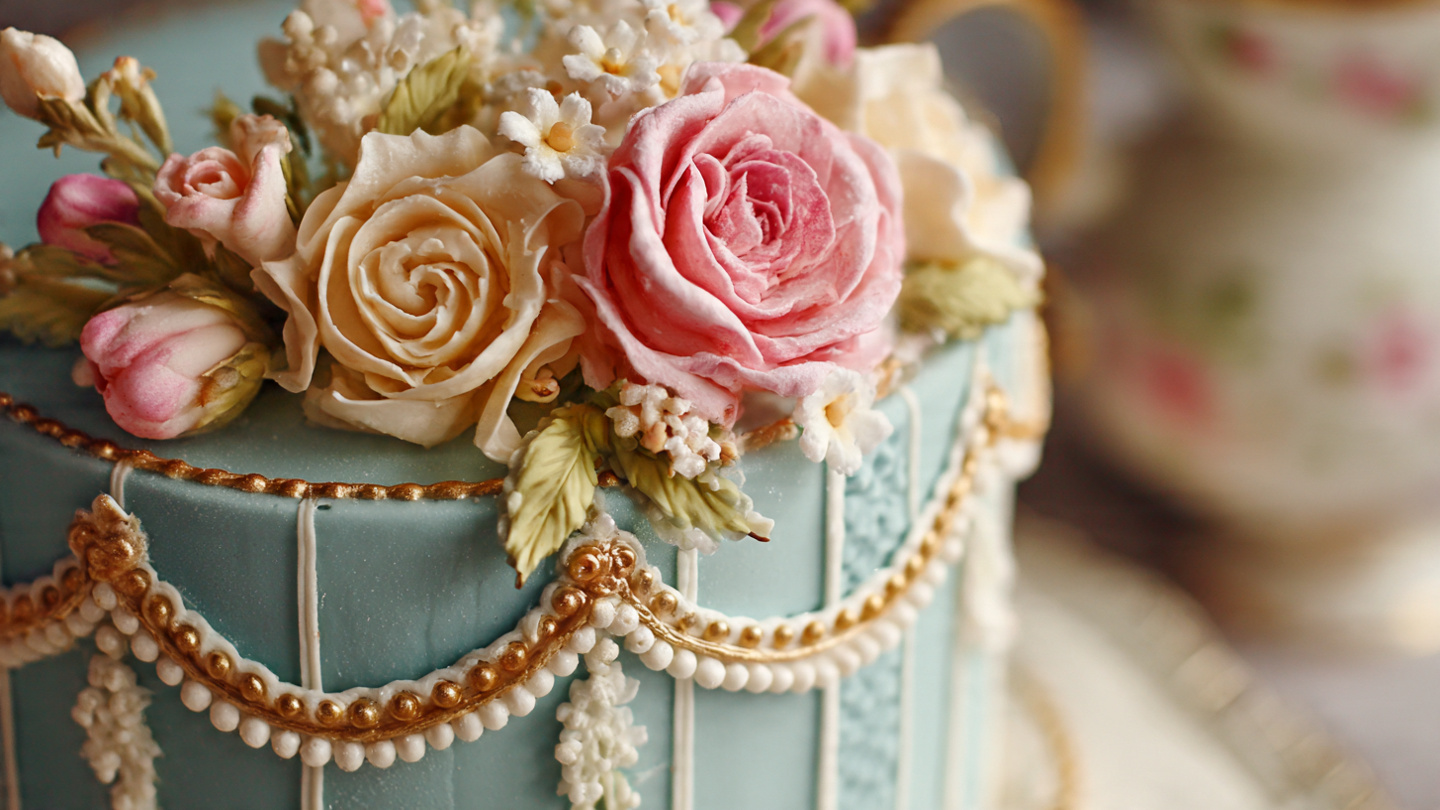
Vintage Cake with Classic Buttercream Piping
10-12
servings25
minutes30
minutes450
kcal2
hoursA soft, golden layer cake with silky vanilla buttercream and delicate vintage-style decoration — the perfect showstopper for birthdays, bridal showers, and every special celebration in between.
Ingredients
For the Cake:
2 ½ cups all-purpose flour
2 ½ tsp baking powder
½ tsp salt
1 cup unsalted butter, softened
1 ¾ cups granulated sugar
4 large eggs
1 tbsp vanilla extract
1 cup whole milk
For the Buttercream Frosting:
1 ½ cups unsalted butter, softened
4–5 cups powdered sugar, sifted
2–3 tbsp heavy cream
1 tsp vanilla extract
Gel food coloring (pastel shades)
For the Optional Filling:
Strawberry jam, lemon curd, or raspberry preserves
Directions
- Preheat oven to 350°F (175°C). Grease and line two 8-inch round cake pans with parchment paper.
- Whisk together flour, baking powder, and salt. Set aside.
- Beat butter and sugar on medium-high for 3–4 minutes until pale and fluffy.
- Add eggs one at a time, beating after each. Stir in vanilla.
- Alternate adding flour mixture and milk in three and two additions, beginning and ending with flour. Mix until just combined.
- Divide batter evenly between pans. Bake 25–30 minutes until a toothpick comes out clean.
- Cool in pans for 10 minutes, then transfer to a wire rack and cool completely.
- For buttercream: beat butter until pale and fluffy. Gradually add powdered sugar. Mix in cream and vanilla. Beat on high until smooth and glossy.
- Level layers if needed. Add filling, stack, and apply a thin crumb coat. Chill 20–30 minutes.
- Apply the final buttercream layer. Pipe borders, rosettes, and shell details. Add finishing decorations.