The Fluffiest Homemade Cake Recipe That Comes Out Perfect Every Single Time
Most homemade cakes end up too dense, too dry, or sunken right in the middle — and the culprit is almost always one of a few small, completely fixable mistakes. This homemade cake recipe walks you through exactly where things tend to go wrong and how to sidestep every one of those pitfalls, so your cake comes out tall, soft, and genuinely moist from the very first time you make it.
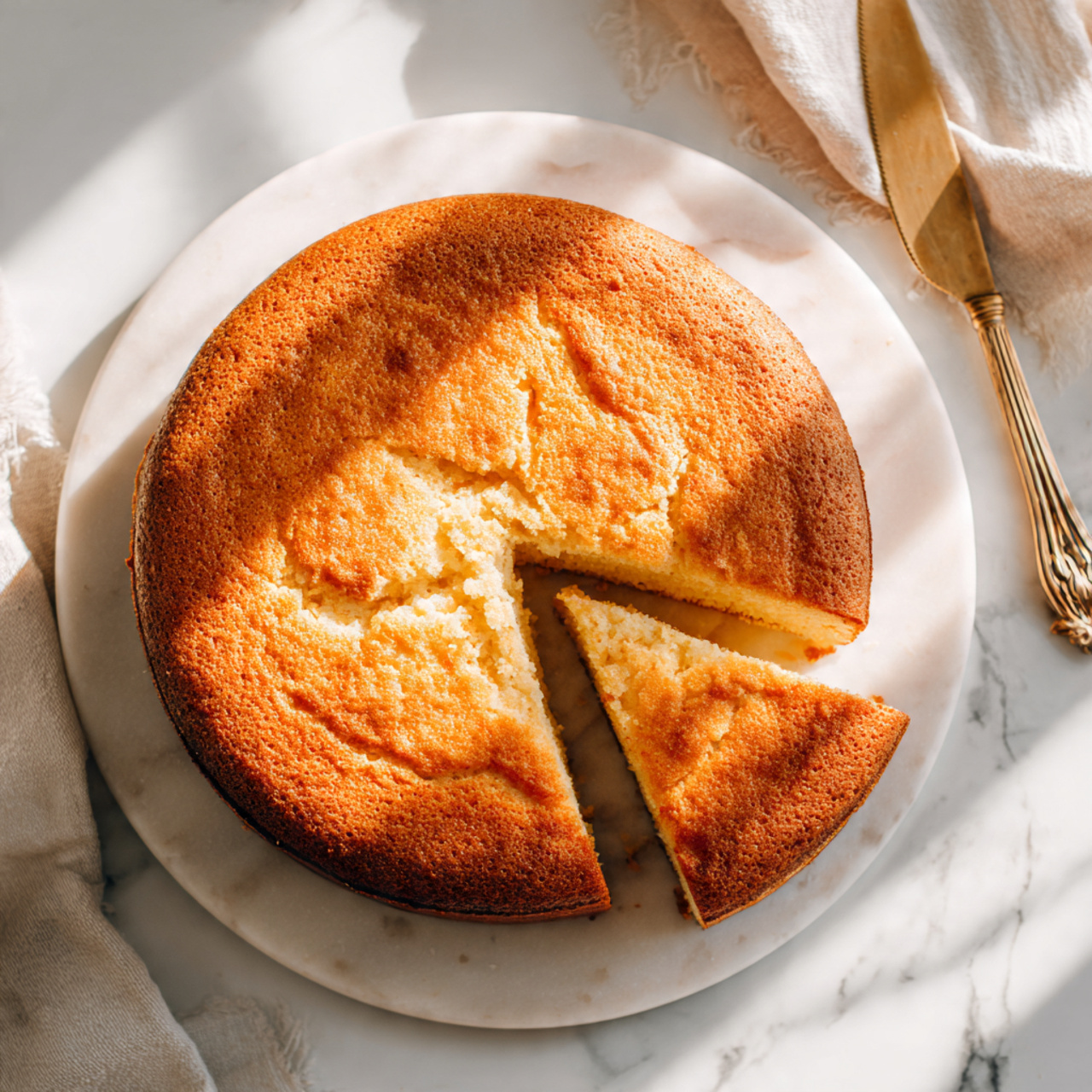
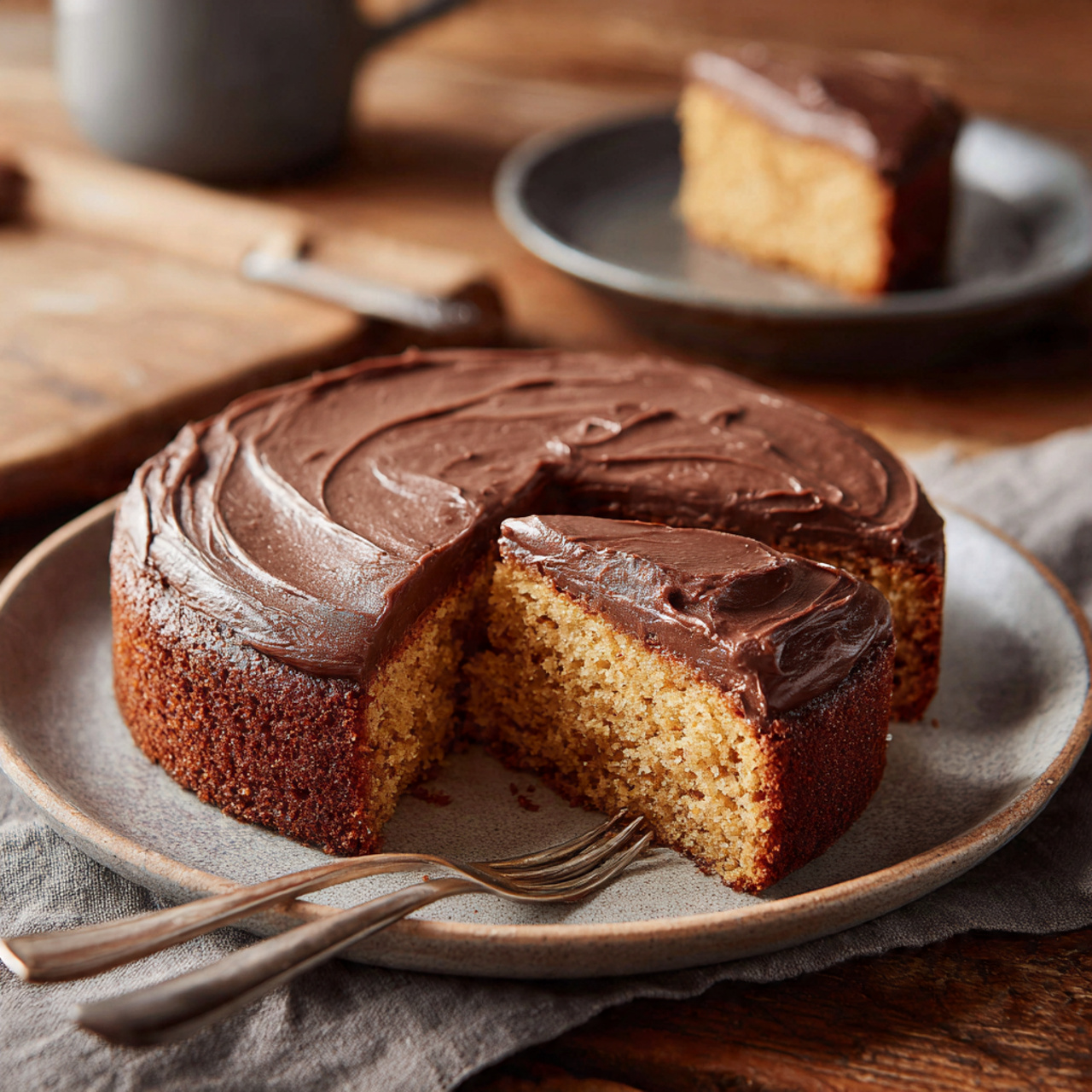
Picture a slice with a golden, lightly springy top and a crumb so tender it practically dissolves before you’ve finished chewing. There’s that warm, buttery vanilla scent drifting through the kitchen the whole time it bakes, and when you finally cut into it, the interior is pale gold all the way through — no gummy center, no dry edges, no collapse. The frosting is silky-smooth and just sweet enough, spreading clean and staying exactly where you put it.
This is the cake for birthday celebrations, Sunday family dinners, holiday gatherings, and the kind of rainy afternoon when you simply need something homemade in the oven. It works beautifully as an easy cake recipe from scratch for first-time bakers and holds up just as well as the go-to classic for anyone who wants something reliable and endlessly adaptable. Let’s get started.
Why You’ll Love This Recipe
The Texture Is Genuinely Hard to Stop Eating
This cake bakes up with a crumb that’s airy and light without being fragile, and moist without ever tipping into dense. Every slice holds together beautifully and has that soft, cloud-like quality that makes people go back for just one more piece.
A Flavor That Feels Warm and Exactly Right
Real butter and good vanilla create something deeply comforting without being cloying. It’s the kind of classic, crowd-pleasing flavor that tastes exactly the way homemade cake should — the sort of thing everyone reaches for seconds of before they’ve even thought about it.
Approachable Enough for Any Skill Level
No stand mixer, no pastry training, and no special equipment required. The steps are clear and logical, and each one tells you exactly what to look for along the way. This is one of the most beginner-friendly easy cake recipes from scratch you’ll find.
A Canvas for Whatever You’re Craving
Lemon, chocolate, marble, berry, almond — the base of this cake is genuinely versatile. Swap flavors, change the frosting, add a filling, or keep it simple and classic. It works beautifully every time.
It Tastes the Way Homemade Is Supposed to Taste
There’s a warmth and depth of flavor here that only comes from real ingredients and a little bit of care. A bakery-box cake is convenient. This is something else entirely.
Ingredients
For the Cake Batter
- 2½ cups all-purpose flour
- 2½ tsp baking powder
- ½ tsp salt
- 1 cup unsalted butter (room temperature — soft enough that your finger leaves a clean indent)
- 1¾ cups granulated sugar
- 4 large eggs (room temperature)
- 1 tbsp vanilla extract (pure, not imitation — the flavor difference is very noticeable)
- 1 cup whole milk (room temperature — cold milk tightens the batter and can affect the final crumb)
For the Buttercream Frosting (Optional)
- 1 cup unsalted butter (softened)
- 3–4 cups powdered sugar (sifted to prevent lumps)
- 2–3 tbsp whole milk
- 1 tsp vanilla extract
The butter and whole milk work together to create a crumb that stays moist and tender for days after baking. The vanilla ties all of it together and gives this moist vanilla cake its warm, signature richness that pairs perfectly with just about any frosting you choose.
How to Make a Homemade Cake — Step-by-Step
Step 1: Set Up for Success
Preheat your oven to 350°F (175°C). Grease two 8-inch round cake pans thoroughly and line the bottoms with circles of parchment paper. About 30 minutes before you begin mixing, take the butter, eggs, and milk out of the refrigerator — room temperature ingredients emulsify smoothly into each other and make a measurable difference in the texture of the finished cake.
Step 2: Whisk Together the Dry Ingredients
In a medium bowl, whisk the flour, baking powder, and salt together until evenly combined. This only takes about 60 seconds, but it ensures the baking powder is distributed throughout the batter so the cake rises evenly across the entire pan. Don’t worry if you’re nervous about measuring the flour exactly right — spoon it into your measuring cup and level the top with a straight edge for the best accuracy.
Step 3: Cream the Butter and Sugar
In a large mixing bowl, beat the room temperature butter and sugar together on medium-high speed for a full 3 to 4 minutes, until the mixture is noticeably paler, fluffier, and significantly increased in volume. This is the most important step in the recipe — you’re trapping air in the fat, and that air is what creates the lift. Add the eggs one at a time, beating well after each addition, then stir in the vanilla. Don’t worry if the batter looks slightly curdled or broken at this point — that’s completely normal, and it will smooth out once the flour is incorporated.
Step 4: Bring the Batter Together
With your mixer on low, add roughly a third of the flour mixture, then half the milk, then another third of flour, the remaining milk, and the final portion of flour — always starting and ending with flour. Mix only until the batter just comes together after each addition. The moment you no longer see streaks of flour is exactly when you stop. Overmixing is the primary reason homemade cakes turn out tough and dense rather than soft and tender, so gentle and patient is always the right call here.
Step 5: Bake to Golden Perfection
Divide the batter evenly between the two pans and smooth the tops. Bake for 25 to 30 minutes, until the tops are a warm golden color and a toothpick inserted in the center comes out clean. The edges will begin to pull slightly away from the sides of the pan, and the kitchen will smell unmistakably buttery and warm — those are your signs it’s ready. Let the layers cool in the pans for 10 minutes, then turn them out onto a wire rack and allow them to cool completely before frosting.
Step 6: Make the Frosting and Finish
Once both layers are fully cooled — completely, not just close — beat the softened butter for the frosting until it’s pale and creamy. Gradually add the powdered sugar, milk, and vanilla, mixing until the frosting is smooth and easily spreadable. Frost the top of the first layer generously, set the second layer on top, and frost the top and sides. Decorate however you like. This is your cake — make it yours.
Perfecting This Recipe
- Measure flour using the spoon-and-level method, not by scooping directly from the bag. Scooping compacts the flour and adds significantly more than the recipe calls for.
- If you’re unsure whether your butter is at the right temperature, it should leave a clean finger indent when pressed but shouldn’t look shiny or feel greasy.
- Always start and end the flour-milk alternation with flour — this keeps the emulsion stable and prevents the batter from curdling.
- Don’t open the oven door during the first 20 minutes. A sudden temperature drop before the structure sets is the most common reason cakes sink in the middle.
- Let the cake layers cool completely before frosting. Even a slightly warm layer will cause buttercream to slide and melt rather than hold its shape.
- If your layers bake up with a dome in the center, use a long serrated knife to level them before stacking — this makes the finished cake look far more even and professional.
Common Mistakes to Avoid
- Using cold butter: Cold butter won’t cream properly with the sugar, which means significantly less air incorporated and a noticeably denser cake. Set it out at least 30 minutes before you plan to start.
- Overmixing once the flour is added: After the flour goes in, the only goal is to combine — nothing more. Each extra beat builds more gluten, and that’s what turns a soft crumb into a tough, chewy one.
- Skipping the parchment paper: Even a well-greased pan can cause the cake to tear when it’s removed. Parchment paper costs almost nothing and guarantees a clean, intact release every time.
- Opening the oven too early: Peeking before the 25-minute mark lets heat escape at exactly the wrong moment and can cause the center to sink before it has a chance to set. Check through the oven window and trust the timer.
- Frosting a warm cake: This is one of the most common frustrations for home bakers. A cake that isn’t fully cooled will cause even the best buttercream to melt right off. Give it the time it needs — it’s worth it.
Visit Also: Strawberry Shortcake
Add Your Touch
- Add 2 tablespoons of fresh lemon zest and swap 2 tablespoons of the milk for fresh lemon juice for a bright, sunshine citrus version.
- Replace ½ cup of flour with unsweetened cocoa powder to turn this into a rich chocolate layer cake with the same pillowy texture.
- Fold in ½ cup of fresh blueberries, raspberries, or chopped strawberries gently just before dividing the batter for a beautiful fruity twist.
- Add 1 teaspoon of almond extract alongside the vanilla for a subtly nutty, elegant flavor that tastes like a classic wedding cake.
- Swap the buttercream for cream cheese frosting — tangier, richer, and a wonderful contrast to the sweetness of the cake itself.
- For a marble effect, divide the batter in half, stir cocoa powder into one portion, and swirl both together in the pans before baking.
What to Serve With This
Fresh strawberries or sliced peaches alongside each piece add a bright, juicy counterpoint to the richness of the buttercream. A generous scoop of vanilla ice cream melting against a slice is one of life’s genuinely simple pleasures. For a lighter pairing, a pot of strong black tea or a well-made coffee cuts through the sweetness beautifully. If you’re serving this at a gathering, a drizzle of warm salted caramel or chocolate ganache over the top turns a simple homemade cake into something that looks like it came from a bakery window.
Storing and Serving
Fridge Store the frosted cake covered in the refrigerator for up to 5 days. For the best texture and flavor, take individual slices out about 20 minutes before serving and let them come to room temperature — the butter softens back up and the crumb returns to its full softness.
Freezer Unfrosted cake layers freeze beautifully for up to 2 months. Wrap each layer tightly in plastic wrap, then in a layer of aluminum foil, and label with the date. Thaw overnight in the refrigerator before assembling and frosting.
Reheating This cake is best served at room temperature rather than reheated. If a slice has been refrigerated, letting it sit on the counter for 15 to 20 minutes is all it needs to return to its best texture.
Make-Ahead Tip Bake the cake layers up to one full day in advance and store them at room temperature, tightly wrapped in plastic. The buttercream frosting can be made up to 3 days ahead, kept in an airtight container in the refrigerator, and briefly re-whipped with a spoon or mixer just before using.
Servings This recipe yields approximately 12 slices from a two-layer 8-inch round cake.
Nutrition (Approximate Per Serving)
- Calories: 420
- Total Fat: 20g
- Saturated Fat: 12g
- Carbohydrates: 50g
- Sugar: 32g
- Protein: 5g
- Sodium: 120mg
Nutritional values are approximate and may vary based on specific ingredients and brands used.
Chef’s Helpful Tips
- Always bring your butter, eggs, and milk to room temperature before starting — cold dairy interferes with how the batter emulsifies and can result in an uneven texture no matter how carefully you mix.
- To check for doneness without a toothpick, press the center of the cake lightly with your fingertip. If it springs back immediately, it’s ready.
- For clean, professional-looking slices, run a sharp knife under hot water, wipe it completely dry, then slice. Repeat between each cut.
- Use high-quality pure vanilla extract rather than imitation — the depth of flavor it adds to this cake is unmistakable and worth the small extra cost.
- If your finished cake turns out denser than expected, check whether your baking powder is fresh. It expires, and old baking powder is one of the most overlooked reasons a cake falls flat.
Frequently Asked Questions
Q1. Can I make this homemade cake recipe ahead of time? Absolutely — this is actually a great make-ahead dessert. Bake the layers the day before, wrap them tightly in plastic, and store at room temperature overnight. If you’re working further ahead, freeze the unfrosted layers for up to 2 months and thaw them the day before you plan to frost and serve.
Q2. Can I substitute oil for the butter? You can, though you’ll notice a difference in both flavor and texture. Butter creates richness and a slightly more structured crumb. If you prefer oil, use ¾ cup of a neutral variety like canola or vegetable oil — the cake will be a touch more moist but milder in flavor.
Q3. Is this a good recipe for someone who’s never baked a cake before? It really is. Each step includes a clear visual or sensory cue so you know exactly what to look for rather than having to guess. As long as you measure carefully, use room temperature ingredients, and stop mixing when the flour disappears, this cake is forgiving and very learnable.
Q4. Can this batter be used for cupcakes? Absolutely. Fill lined muffin cups about two-thirds full and bake at 350°F for 18 to 22 minutes, checking with a toothpick at the 18-minute mark. This batter makes approximately 24 standard-size cupcakes.
Q5. Can I freeze this cake? Yes. Unfrosted layers freeze well for up to 2 months when wrapped tightly in plastic wrap and foil. Thaw in the refrigerator overnight before frosting. The fully assembled frosted cake can also be frozen, though the texture of the buttercream may be slightly different after it thaws.
Conclusion
A great homemade cake recipe earns its place in your kitchen not because it’s impressive or complicated, but because it works — every time, for every person at the table, for every occasion that deserves something made with care. It’s the cake that gets requested by name, the one you bring to gatherings and find yourself explaining to friends who want to know how you made it, the one that makes the whole house smell like something worth coming home to.
So preheat the oven, set out that butter, and go ahead. Fold in the berries, add the lemon, swirl in some chocolate, or keep it quiet and classic with nothing but good vanilla and smooth buttercream. Make it for someone’s birthday. Make it for a Tuesday. Then make it again, because this is exactly the kind of recipe that quietly becomes a tradition.
Fluffy Homemade Cake with Classic Buttercream
12
servings20
minutes30
minutes420
kcal1
hour30
minutesA tender, pillowy cake with rich vanilla flavor and a golden crumb — topped with silky smooth buttercream. Perfect for birthdays, celebrations, or any day that calls for something special and homemade.
Ingredients
For the Cake Batter:
2½ cups all-purpose flour
2½ tsp baking powder
½ tsp salt
1 cup unsalted butter, room temperature
1¾ cups granulated sugar
4 large eggs, room temperature
1 tbsp pure vanilla extract
1 cup whole milk, room temperature
For the Buttercream Frosting:
1 cup unsalted butter, softened
3–4 cups powdered sugar, sifted
2–3 tbsp whole milk
1 tsp pure vanilla extract
Directions
- Preheat oven to 350°F (175°C). Grease and line two 8-inch round cake pans with parchment paper.
- Whisk flour, baking powder, and salt in a bowl until combined. Set aside.
- Beat butter and sugar on medium-high for 3–4 minutes until pale and fluffy.
- Add eggs one at a time, beating after each. Mix in vanilla extract.
- Alternately add flour mixture and milk in three additions, beginning and ending with flour. Mix until just combined after each addition.
- Divide batter evenly between pans. Smooth the tops.
- Bake for 25–30 minutes, until tops are golden and a toothpick inserted in the center comes out clean.
- Cool in pans for 10 minutes, then transfer to a wire rack and cool completely.
- Beat frosting butter until creamy. Add powdered sugar, milk, and vanilla; beat until smooth and spreadable.
- Frost and stack cooled cake layers. Decorate as desired.
Notes
- Enjoy your soft and classic homemade cake!