The Softest Easy Homemade Cake Recipe You’ll Make Again and Again
Most homemade cakes Recipe come out dense, dry, or disappointingly flat — and nine times out of ten, it’s not the recipe. It’s the small things: cold butter that never properly creams, batter that gets beaten past the point of no return, or an oven door opened too soon. This easy homemade cake sidesteps every one of those pitfalls with a simple, forgiving method that delivers a beautifully soft crumb every single time.
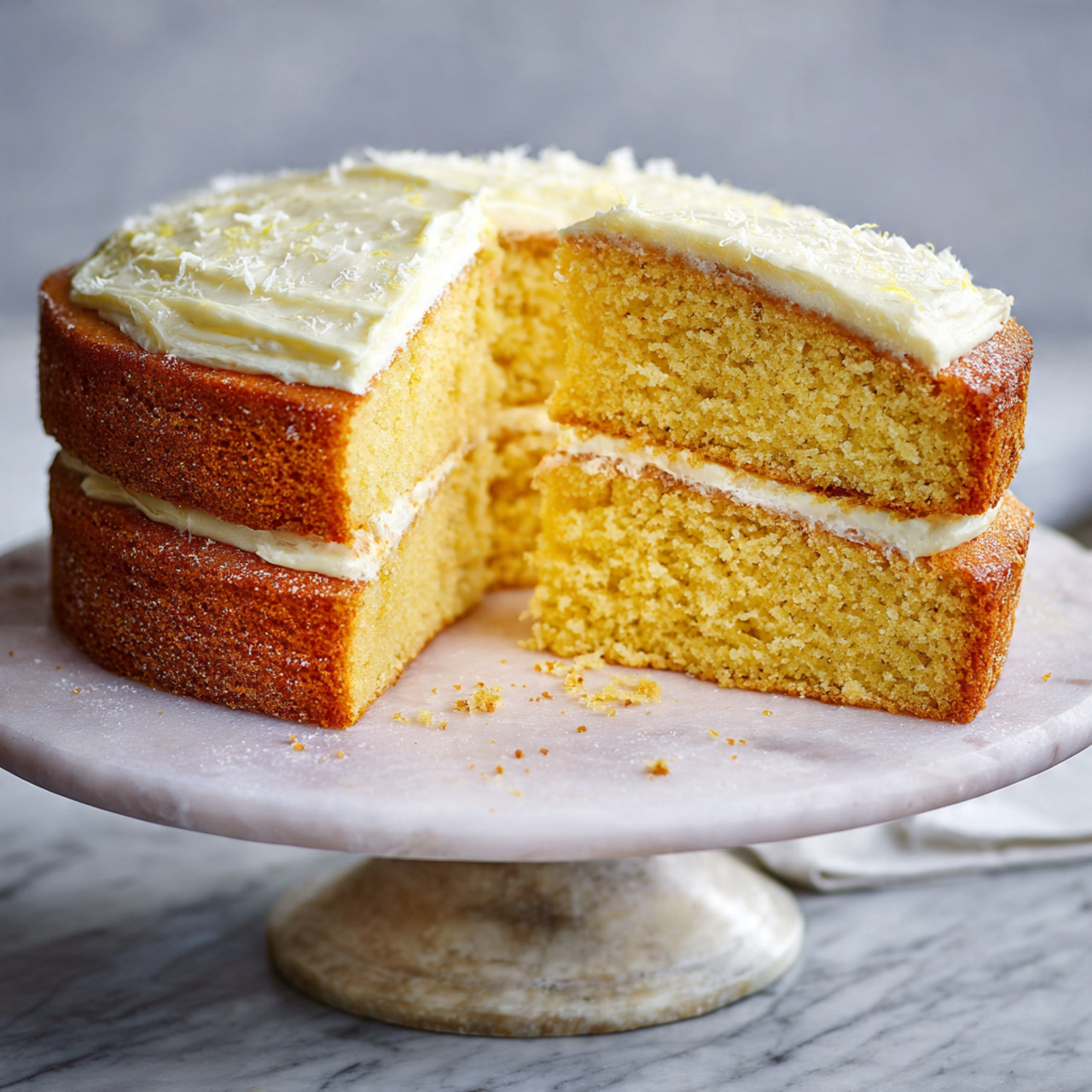
Close your eyes and picture it fresh out of the oven: golden on top, still warm in the center, with that gentle vanilla fragrance drifting through the kitchen. Each slice is pillowy and tender, with a flavor that’s quietly sweet — rich enough to feel like a treat, light enough that you’ll want a second piece without thinking twice. It tastes like something your grandmother might have made on a Sunday afternoon, and it feels just as good to eat.
This is the kind of cake that belongs at a birthday table, tucked into a lunchbox, or served alongside a cup of tea on a slow weekday morning. It’s the backbone of a simple cake recipe you can dress up with frosting and fruit or enjoy completely plain. Once it’s in your regular rotation, you’ll reach for it the way you reach for your favorite mug — automatically, comfortably, every time.
Why You’ll Love This Recipe
It Comes Together With What You Already Have
Every ingredient in this basic cake recipe lives in a standard pantry. Flour, sugar, butter, eggs, milk, baking powder, vanilla — no specialty items, no last-minute grocery runs. You can have batter mixed and in the oven within fifteen minutes of deciding to bake.
The Texture Is Genuinely Soft
This isn’t a dry, crumbly cake that falls apart when you fork it. Thanks to full-fat milk and properly softened butter, the crumb holds together beautifully while staying light and springy. It slices cleanly and stays moist for days.
It’s Forgiving for Beginners
You don’t need a stand mixer, a kitchen scale, or years of baking experience. If you can stir, you can make this. The steps are straightforward, and the recipe tolerates small variations without punishing you for them.
It Works for Every Occasion
Weeknight dessert? Yes. Last-minute birthday cake? Absolutely. Quiet afternoon bake just for yourself? That too. This everyday cake adapts to whatever the moment calls for — plain, frosted, layered, or served warm with a dusting of powdered sugar.
It Keeps Beautifully
Baked on Sunday, still soft by Wednesday. Store it covered in the fridge and it holds its texture without drying out. It freezes well too, which means baking once and having slices ready throughout the week is genuinely on the table.
Ingredients
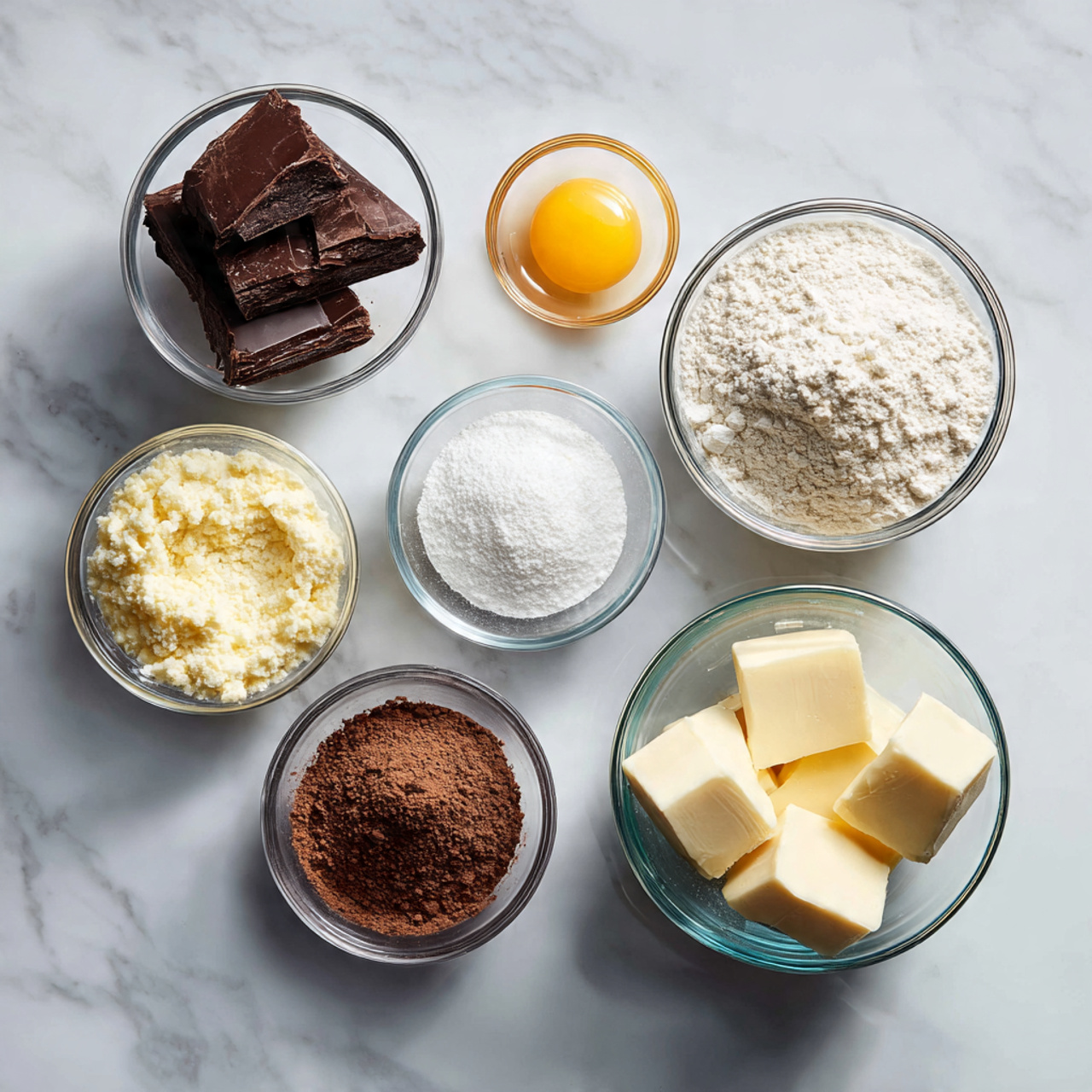
For the Batter
- 2 cups all-purpose flour
- 1 cup sugar
- ½ cup butter (softened to room temperature — not melted)
- 2 eggs (room temperature works best)
- 1 cup milk (whole milk gives the richest result, but 2% works fine)
- 2 teaspoons baking powder
- 1 teaspoon vanilla extract (pure vanilla, not imitation, makes a noticeable difference)
- ¼ teaspoon salt
These eight ingredients work together in a beautifully balanced way — the butter and eggs provide richness, the baking powder lifts the batter into a soft, airy crumb, and the vanilla ties every bite together with warmth.
How to Make Easy Homemade Cake — Step by Step
Step 1: Get Your Oven and Pan Ready
Preheat your oven to 180°C (350°F) and grease a medium-sized baking pan generously with butter, then dust it lightly with flour. This two-step prep keeps the cake from sticking and ensures it releases cleanly once it’s baked. Don’t worry if your flour dusting isn’t perfect — just tap out the excess and you’re good to go.
Step 2: Mix the Dry Ingredients
In a large bowl, whisk together the flour, baking powder, and salt until evenly combined. This step only takes a minute but it matters — distributing the baking powder evenly means your cake will rise uniformly rather than in lumps or domes. Set this bowl aside.
Step 3: Cream the Butter and Sugar
In a separate bowl, beat the softened butter and sugar together until the mixture turns pale and looks noticeably fluffy — about two to three minutes by hand or one minute with a hand mixer. You’re looking for a creamy, almost whipped texture that holds its shape. Don’t worry if it takes a moment; cold butter won’t cream at all, so make sure yours is truly room temperature before you start.
Step 4: Add the Eggs, Milk, and Vanilla
Add the eggs to the butter-sugar mixture one at a time, mixing well after each addition. Then stir in the milk and vanilla extract until everything looks smooth and slightly airy. The batter may look a little loose at this point — that’s completely normal and exactly what you want before adding the flour.
Step 5: Fold in the Dry Ingredients
Gently fold the dry ingredients into the wet mixture using a spatula or wooden spoon. Stir only until the flour disappears and the batter looks thick and pourable with no dry streaks. Resist the urge to keep mixing — once the flour is in, overstirring is the fastest route to a dense, tough cake.
Step 6: Bake and Cool
Pour the batter into your prepared pan and smooth the top with a spatula. Bake for 30 to 35 minutes, until the top is a warm golden color and a toothpick inserted in the center comes out clean or with just a few moist crumbs. Let the cake cool in the pan for at least 10 minutes before slicing — this rest time lets the structure set and makes a world of difference in how cleanly it slices.
Perfecting This Recipe
- Butter temperature is everything. Softened butter — the kind that holds a fingerprint but doesn’t squish flat — creams with sugar in a way that builds the airy structure the cake needs. Take it out of the fridge 30 to 45 minutes before you start.
- Room temperature eggs incorporate more smoothly. Cold eggs can cause the batter to look curdled or lumpy. If you forgot to take them out early, just rest them in a bowl of warm water for five minutes.
- Fold gently once the flour goes in. The gluten in the flour develops quickly when agitated. A light hand here is the difference between a tender crumb and a dense one.
- Don’t open the oven in the first 20 minutes. The rush of cold air can cause the center to sink before the structure has set. Wait until at least the 25-minute mark before peeking.
- Let the cake cool before slicing. It’s tempting, but a warm cake cuts messily. Ten minutes in the pan followed by a few more on a rack makes cleaner slices possible.
- Check early, not late. Ovens vary more than most people realize. Start checking at the 28-minute mark rather than waiting the full 35.
Common Mistakes to Avoid
- Using melted butter instead of softened — Melted butter can’t trap air the way softened butter does during creaming, which results in a flatter, denser cake. Pull your butter out ahead of time and let it come to room temperature naturally.
- Overmixing the batter after adding flour — Once flour hits liquid, gluten starts forming. Too much stirring develops that gluten into something more bread-like than cake-like. Fold until just combined and stop.
- Skipping the pan prep — Butter alone isn’t enough to guarantee a clean release. The light flour coating creates a barrier that helps the cake slide out without tearing. Don’t skip this step.
- Cutting into the cake straight from the oven — The interior is still technically setting in those first few minutes out of the oven. Slicing too soon gives you a gummy, messy cut. Be patient — it’s worth it.
- Not checking doneness properly — Color alone can mislead you. Always use a toothpick: if it comes out clean or with just a crumb or two, the cake is done. Wet batter on the toothpick means it needs more time.
Add Your Touch
- Fold in a handful of chocolate chips, chopped walnuts, or dried cranberries before baking.
- Stir in the zest of a lemon or orange for a bright, citrusy version.
- Add ½ teaspoon of cinnamon or cardamom to the dry ingredients for a warm, spiced variation.
- Top with a simple vanilla buttercream or cream cheese frosting to turn it into a layer cake.
- Dust with powdered sugar just before serving for an understated, beautiful finish.
- Swap the milk for coconut milk and the vanilla for almond extract for something a little more unusual — in the best way.
Visit Also: Cake Ideas For Men
What to Serve With This
A strong cup of tea or black coffee — The mild sweetness of this moist cake pairs beautifully with something slightly bitter. It’s the kind of combination that feels deliberate without trying.
Fresh strawberries or sliced peaches — The natural acidity of the fruit cuts through the richness and makes the whole thing feel a little lighter.
A scoop of vanilla ice cream — Warm cake, cold cream. There’s nothing complicated about it, and nothing that needs to be.
A drizzle of honey or maple syrup — Simple, golden, and surprisingly good on a plain slice.
Whipped cream and a sprinkle of toasted coconut — For the times when you want something that looks like it took more effort than it did.
Storing and Serving
Fridge Store cooled cake in an airtight container or tightly wrapped in plastic for up to 4 days. Individual slices can be wrapped separately to make grabbing one easy without exposing the rest.
Freezer Wrap slices tightly in plastic wrap and place in a freezer bag. Freeze for up to 2 months. The texture holds well — just thaw at room temperature for about an hour before eating.
Reheating A slice reheats wonderfully in the microwave. Fifteen to twenty seconds on medium power is usually enough to bring the softness back without drying it out. Avoid overheating.
Make-Ahead Tip This cake actually improves overnight. The crumb settles and the flavor deepens. Bake it the day before an event, store it covered at room temperature or in the fridge, and frost or serve the next day.
Servings This recipe makes approximately 8 to 10 slices from a standard medium baking pan.
Nutrition (Approximate Per Serving)
- Calories: 255
- Total Fat: 11g
- Saturated Fat: 6.5g
- Carbohydrates: 36g
- Sugar: 19g
- Protein: 5g
- Sodium: 175mg
Nutritional values are approximate and may vary based on specific ingredients and brands used.
Chef’s Helpful Tips
- Bring your butter and eggs to room temperature before you start. It takes 30 minutes but makes a visible difference in the texture of the batter and the softness of the finished cake.
- Measure flour properly. Spoon it into the measuring cup and level it off — don’t scoop directly from the bag, which packs the flour and leads to a dry, heavy result.
- For cleaner slices, use a sharp knife and wipe it between cuts. A warm, damp cloth makes this easy and gives you bakery-worthy slices without the crumbles.
- If your cake domed in the center, let it cool completely before frosting. The dome often flattens slightly as it cools, and a thin layer of frosting evens the rest.
- If it came out too dense, the most likely culprits are cold butter, overmixed batter, or expired baking powder. Check your baking powder first — it loses strength over time and is the easiest fix.
Frequently Asked Questions
Q1. Can I make this easy homemade cake ahead of time? Yes, and it actually tastes better the next day. Bake it, let it cool completely, wrap it tightly, and store it at room temperature overnight or in the fridge for up to two days before serving. If you’re frosting it, add the frosting on the day you serve.
Q2. Can I replace the eggs in this recipe? You can. Use ¼ cup of plain yogurt or unsweetened applesauce in place of each egg. The texture will be slightly denser and a touch moister, but it still bakes up beautifully and holds together well.
Q3. Is this a good recipe for someone who doesn’t bake often? Honestly, it’s one of the best places to start. The steps are simple, the ingredients are things most people already have, and the method is forgiving enough that minor mistakes won’t ruin the outcome. If you can stir and set a timer, you can make this cake.
Q4. Can I bring this to a potluck or bake it ahead for an event? It’s a great potluck cake. Bake it the day before, store it covered, and transport it whole or already sliced. It holds its texture well without drying out, and it looks presentable without needing elaborate decoration.
Q5. Can I freeze individual slices? Absolutely. Wrap each slice tightly in plastic wrap, then place them in a zip-lock bag and freeze for up to two months. Thaw at room temperature for about an hour. They come out tasting just as good as fresh.
Conclusion
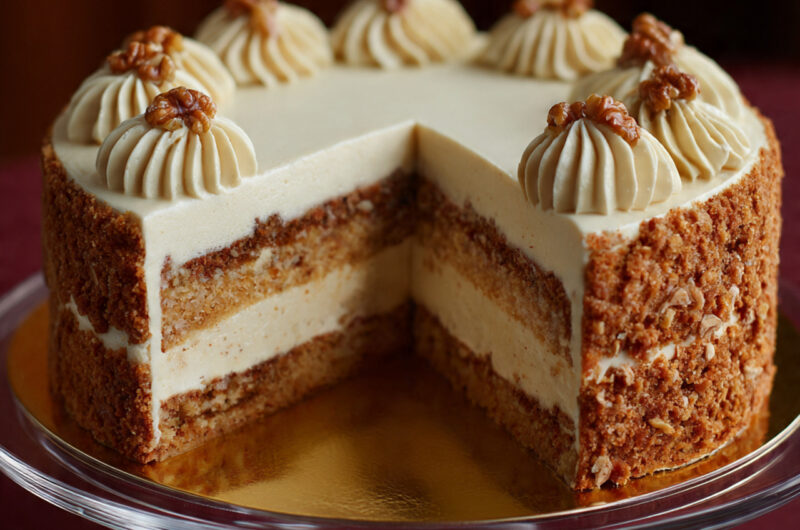
There’s something genuinely satisfying about pulling a warm, golden cake out of your own oven — especially when the recipe is as uncomplicated as this one. This easy homemade cake earns its place in your baking repertoire not because it’s flashy, but because it’s reliable, comforting, and endlessly adaptable. Dress it up for a birthday, keep it plain for a Tuesday evening, or freeze a few slices for a morning when you need something homemade without any effort. Either way, it delivers.
So go ahead and give it a try — and make it yours. Add the lemon zest, swap in almond extract, scatter some berries on top. The base is solid enough to carry whatever twist you bring to it. Once you’ve made it once, you’ll find yourself coming back to it the way you come back to all the best recipes: without even having to look it up.
The Softest Easy Homemade Cake Recipe
Course: Cake4
servings15
minutes35
minutes255
kcal1
hourA tender, lightly sweet cake made with pantry staples — soft enough for everyday baking and versatile enough for any occasion. Perfect plain, frosted, or served warm with a cup of tea.
Ingredients
Batter
2 cups all-purpose flour
1 cup sugar
½ cup butter, softened
2 eggs
1 cup milk
2 teaspoons baking powder
1 teaspoon vanilla extract
¼ teaspoon salt
Directions
- Preheat oven to 180°C (350°F). Grease and flour a medium baking pan.
- Whisk flour, baking powder, and salt together in a bowl. Set aside.
- Beat softened butter and sugar until pale and fluffy, about 2–3 minutes.
- Add eggs one at a time, mixing well after each. Stir in milk and vanilla until smooth.
- Fold dry ingredients into wet mixture until just combined — do not overmix.
- Pour batter into prepared pan and smooth the top.
- Bake for 30–35 minutes until golden on top and a toothpick inserted in the center comes out clean.
- Cool in pan for 10 minutes before slicing.