Beautiful Cake Decorating at Home — Beginner Techniques That Look Professionally Done
Most people’s first attempt at frosting a cake ends with tearing, crumbling, and a lopsided mess of buttercream that looks nothing like the photo they saved. The real culprit almost every time? Decorating a cake that’s still too warm — and skipping the crumb coat entirely. This guide walks you through every step to finally get that smooth, polished finish at home, even if you’ve never picked up a piping bag before.
Picture clean, velvety layers of buttercream so smooth you can barely see a brushstroke. A crisp edge that holds its shape for hours. Rosette piping so sharp and pillowy it looks like it came straight from a bakery window. The first time you nail a perfectly frosted cake, it’s one of those small joys that stays with you — and after that, you can’t stop wanting to try the next design.
Whether you’re making a birthday cake for someone you love, putting together a showstopper for the holiday table, or creating something beautiful just because you can, these cake decorating techniques will carry you. Once you have the basics of buttercream and beginner piping down, everything else falls into place naturally. Let’s get into everything you need to start decorating with confidence.
Why You’ll Love Cake Decorating
It Makes Any Homemade Cake Look Like It Came From a Bakery
You don’t need years of training to produce something genuinely beautiful. With just a bench scraper and a little chilling time, even a simple buttercream finish looks impressively polished. It’s one of those skills where the results always outpace the effort you put in.
The Techniques Are Surprisingly Beginner-Friendly
Most foundational methods — crumb coating, smoothing, basic piping — take less than an hour to learn and just a few practice rounds to feel comfortable. Even if your first cake isn’t flawless, it will still look far more intentional than anything store-bought.
Endless Styles to Match Any Occasion
From rustic naked cakes dusted with powdered sugar to elaborate fondant designs for themed celebrations, cake decorating grows right alongside your skill level. You can keep things wonderfully simple or go all out — either way, the result feels deliberate and considered.
It Adds a Personal Touch Nothing Else Can Replicate
No grocery store cake can recreate the warmth of something decorated by hand. A custom color palette, a piping pattern chosen specifically for the person, or fresh flowers picked that morning — these details are what make a homemade cake genuinely unforgettable.
It Opens the Door to a Home Baking Business
Once you get comfortable with cake decorating, you have a real, marketable skill. Many successful home bakeries started exactly like this — one birthday cake at a time, one happy customer leading to the next.
Ingredients (Tools You’ll Need)
Essential Tools
- Offset spatula (for spreading and smoothing frosting with control)
- Bench scraper (creates clean, straight sides without dragging)
- Piping bags — reusable or disposable, both work beautifully
- Basic piping tips: round, star, and leaf (the three you’ll reach for most)
- Cake turntable (optional, but it makes smoothing dramatically easier)
- Cake board (gives you a stable, professional-looking base)
- Gel food coloring (produces vibrant color without thinning your frosting)
For Your Frosting Base
- Buttercream (the most forgiving and beginner-friendly option by far)
- Fondant (for smoother, more polished themed designs — great once you’re ready)
Optional Advanced Tools
- Fondant smoother (for wrinkle-free fondant application)
- Cake leveler (ensures perfectly flat layers every time)
- Airbrush kit (for gradient shading and seamless color blending)
- Decorating stencils (for repeatable patterns with zero drawing skill required)
Together, these tools give you everything you need to move from basic frosting to detailed, layered designs at whatever pace feels right for you.
How to Make a Decorated Cake — Step-by-Step
Step 1: Cool and Level Your Cake
Before a single drop of frosting touches the cake, it needs to be completely cool — at room temperature, no shortcuts. Once cooled, use a serrated knife or cake leveler to trim the domed top flat. A level surface is everything; if the layers wobble at the start, they’ll wobble throughout. Don’t worry if your cut isn’t perfectly clean — frosting will cover everything beautifully.
Step 2: Apply the Crumb Coat
Spread a thin, uneven layer of frosting all over the cake. This crumb coat is meant to look rough — that’s the point. It locks in all loose crumbs so they don’t surface in your final layer. Once coated, slide the cake into the fridge for 20 to 30 minutes until the surface feels firm to the touch. Don’t worry if it looks a little scraggly; the next coat will transform it entirely.
Step 3: Add the Final Frosting Layer
Pull the chilled cake from the fridge and apply a generous second coat of frosting using your offset spatula. Work from the top down, pushing frosting outward toward the sides. Now hold your bench scraper flat against the side and rotate the turntable slowly — the scraper glides along, pulling away the excess and leaving a clean, even surface behind. The sides should look smooth and almost matte when you’re done.
Step 4: Smooth the Top
Use the edge of your offset spatula to sweep any overhanging frosting inward, creating a crisp, defined top edge. Work in small, light strokes from the outside toward the center. A warm spatula — just run it briefly under hot water and dry it — makes this step almost effortless. Don’t worry if it takes two or three passes; you can always add a little more frosting and try again.
Step 5: Add Decorative Details
Fit a piping bag with your chosen tip and practice a few lines on parchment paper first to get comfortable with the pressure you need. Then pipe borders, rosettes, shells, or any design you like along the edges or top of the cake. Finish with sprinkles, edible flowers, fresh fruit, or chocolate decorations — keeping the arrangement balanced and never overcrowded. The first time you step back and look at a finished cake, it genuinely feels like something worth being proud of.
Perfecting Cake Decorating
- Always work on a fully chilled crumb-coated cake — warm frosting creates drag and pulls instead of gliding cleanly across the surface.
- Use gel food coloring instead of liquid at every stage; it produces deep, vivid tones without altering your frosting’s consistency at all.
- Room-temperature buttercream spreads dramatically more evenly than frosting pulled cold from the fridge — let it sit for 15 to 20 minutes after mixing before you begin.
- Avoid overmixing buttercream, especially at the finish. Overworking it incorporates air and creates tiny bubbles that show up on your final surface.
- A steady, consistent rotation on the turntable while holding the bench scraper completely still is what creates that professional smooth look — it’s all in the spin.
- Practice any piping technique on parchment first. Once you find your pressure rhythm, transferring to the actual cake feels completely natural.
Common Mistakes to Avoid
- Decorating a Warm Cake — Warmth causes frosting to slide and crumbs to push up to the surface. A full cool-down is non-negotiable, no matter how eager you are to get started.
- Skipping the Crumb Coat — Without this foundational step, crumbs embed into your final layer and there’s no clean way to remove them afterward. Ten extra minutes here genuinely changes everything.
- Using Cold Frosting Straight From the Fridge — Cold buttercream tears the cake’s surface instead of gliding over it. Let your frosting come to room temperature before applying, and the spatula will move beautifully.
- Reaching for Liquid Food Coloring — Liquid coloring thins out buttercream and the resulting shades stay dull no matter how much you add. Gel coloring is concentrated, consistent, and made specifically for frosting.
- Overcrowding Decorations — It’s tempting to add everything at once, but less is almost always more elegant in cake decorating. Give each element room to breathe and the whole design reads as more polished and intentional.
Add Your Touch
- Tint frosting in graduated shades for an ombré effect — start pale at the base and deepen the color toward the top for something genuinely stunning.
- Swap plain white buttercream for a flavored version: brown butter, espresso, lavender, or citrus all add a completely unexpected dimension.
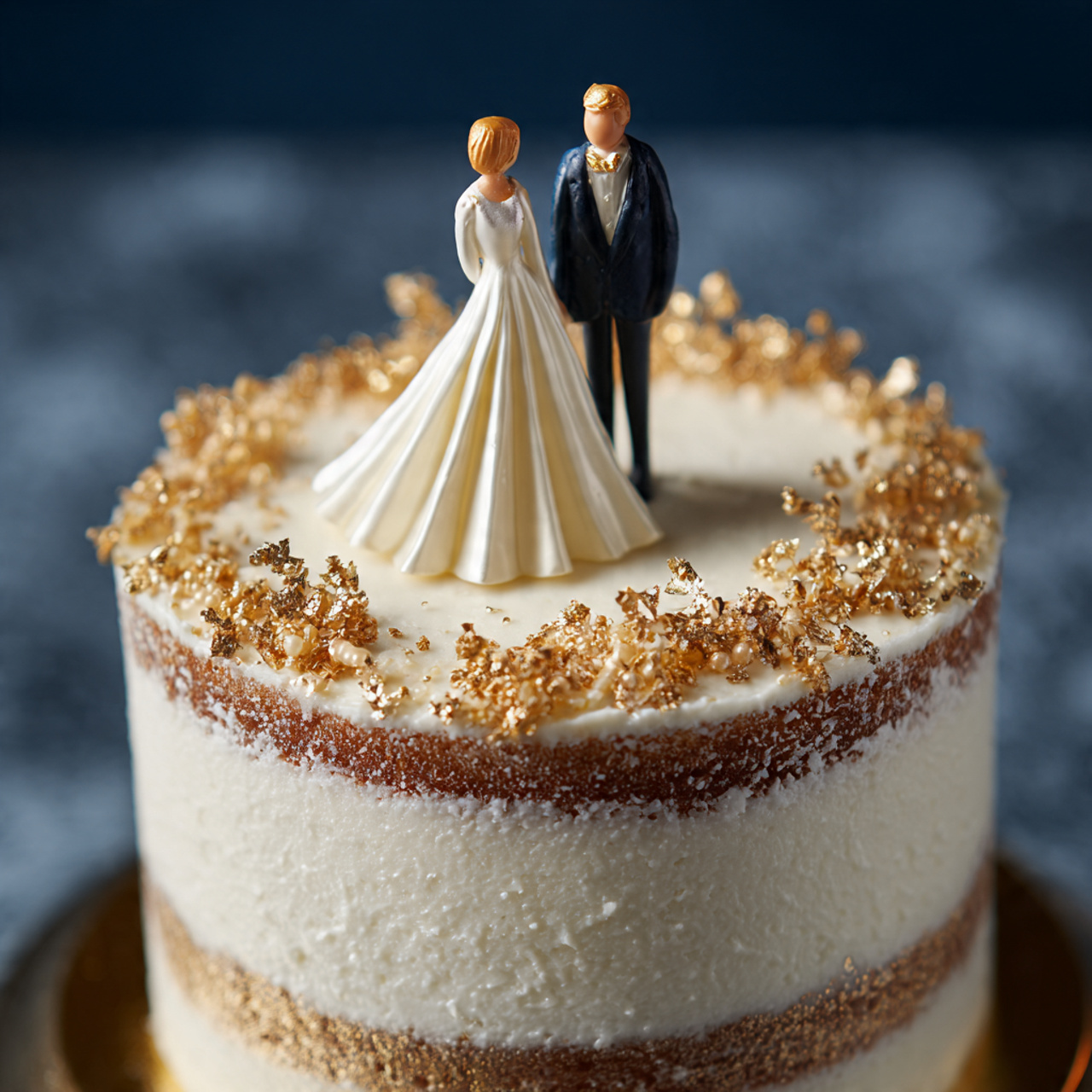
- Press edible gold leaf onto the sides for a luxurious, minimal finish that requires zero piping skill but looks impossibly elegant.
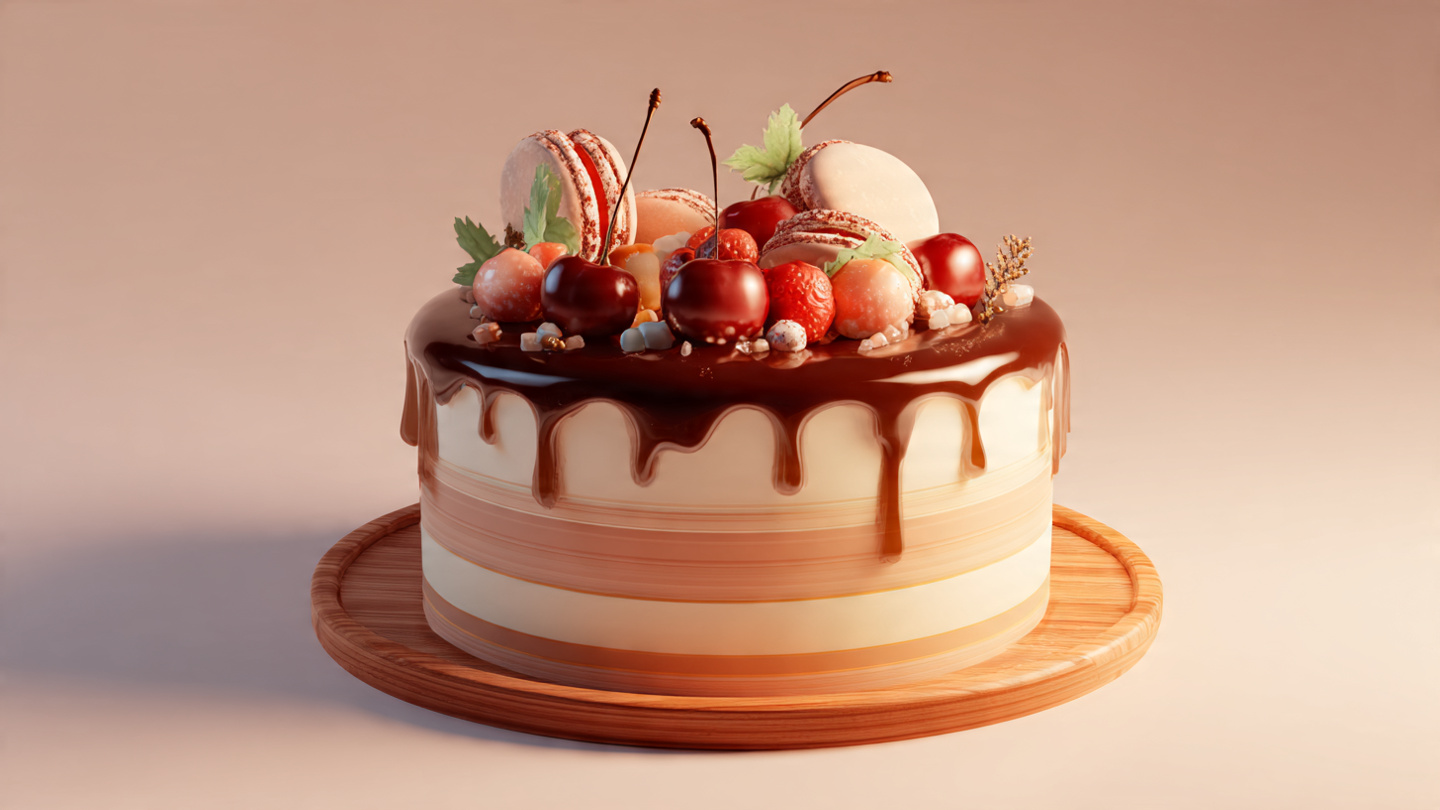
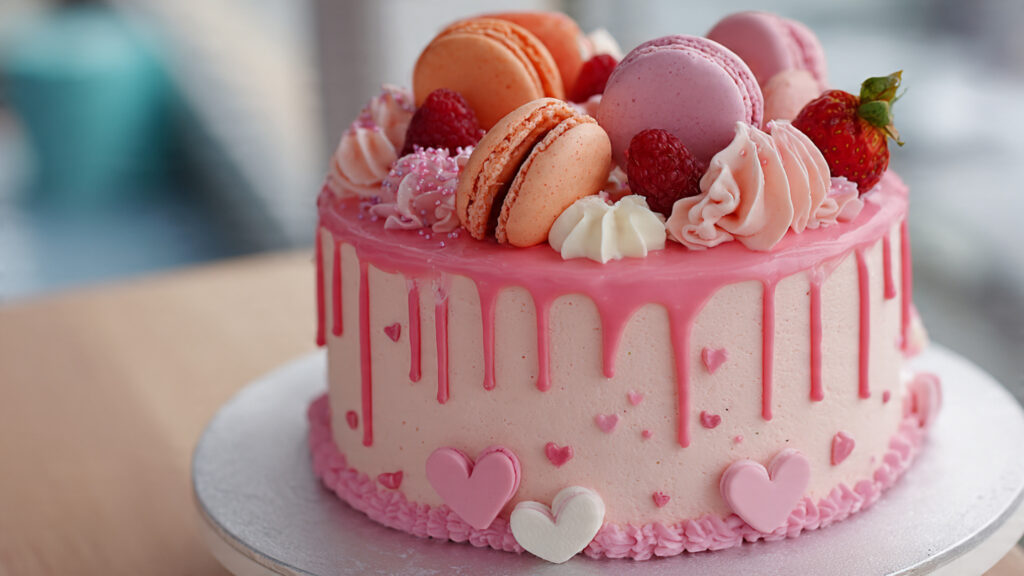
- Try the drip effect using slightly cooled ganache poured slowly around the top edge — it’s effortlessly trendy and surprisingly forgiving for beginners.
- Add seasonal character: dried citrus rounds and rosemary for winter, fresh berries and mint for summer, or caramel drizzle and crushed toffee for an autumn gathering.
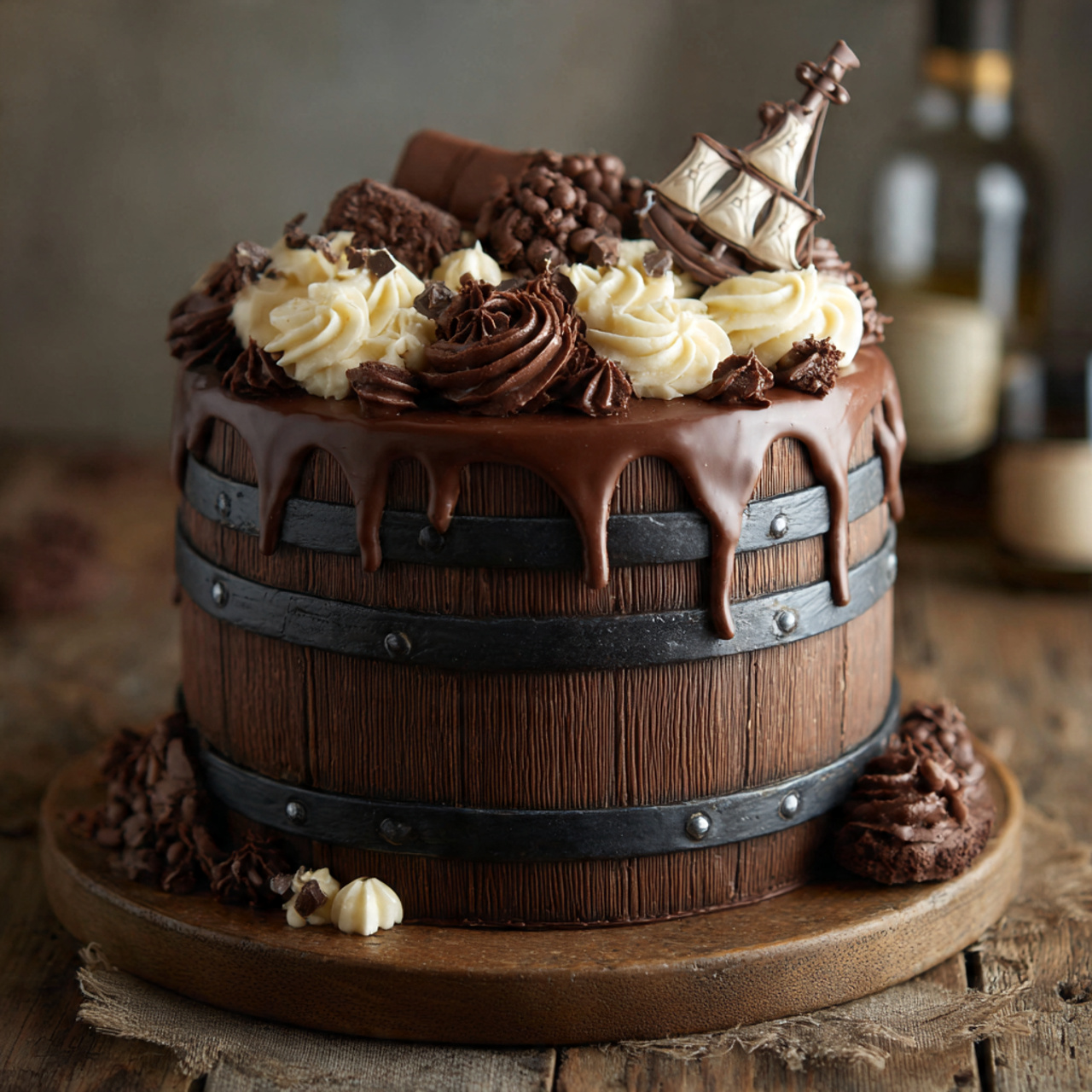
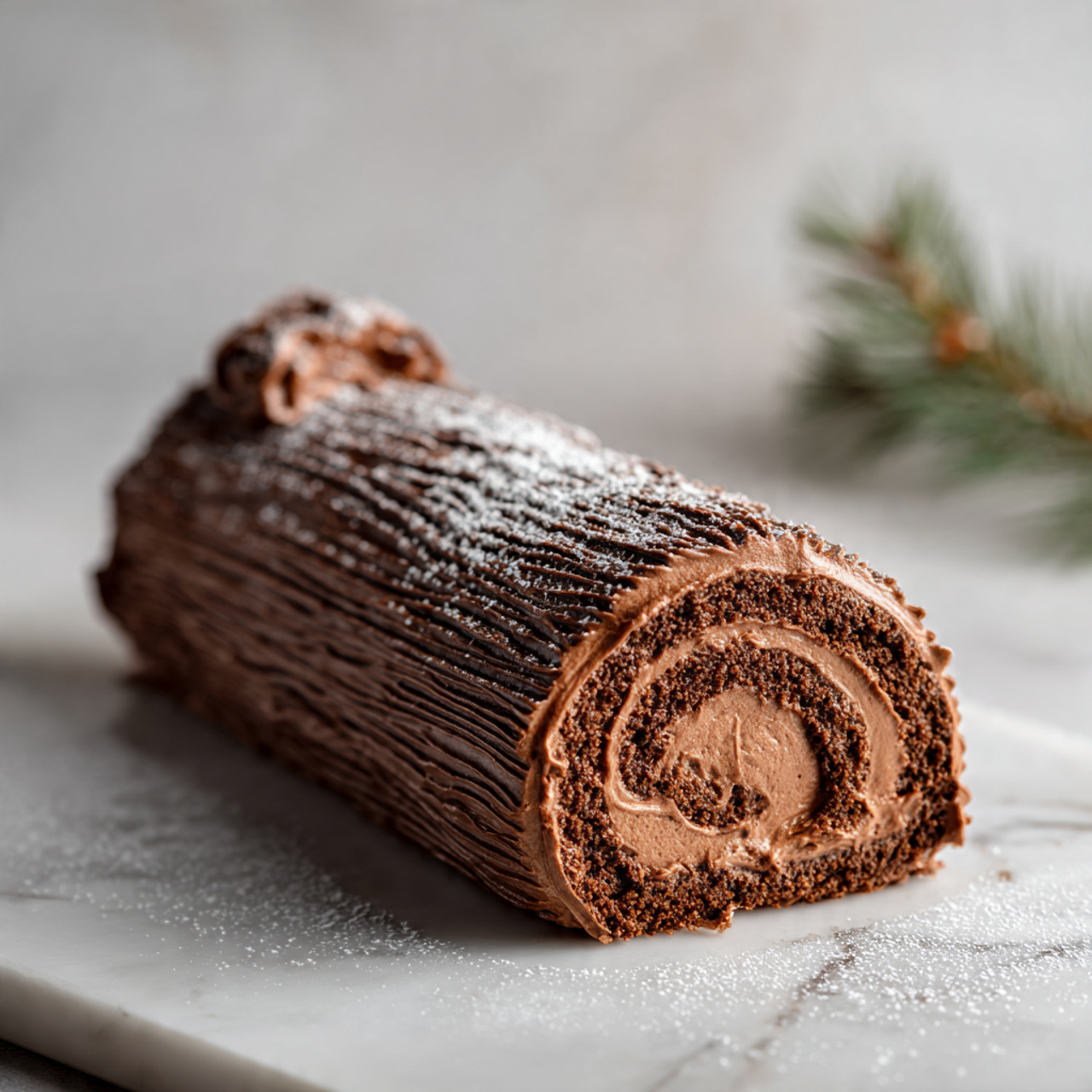
- Experiment with textured frosting techniques like combing, ruffling, or a wood grain effect — high-impact results that any beginner can achieve with a little patience.
Visit Also: Vintage Cake
What Cakes Work Best for Decorating
- Classic vanilla or white cake — Neutral, firm layers that hold up beautifully under frosting and won’t bleed color into light buttercream.
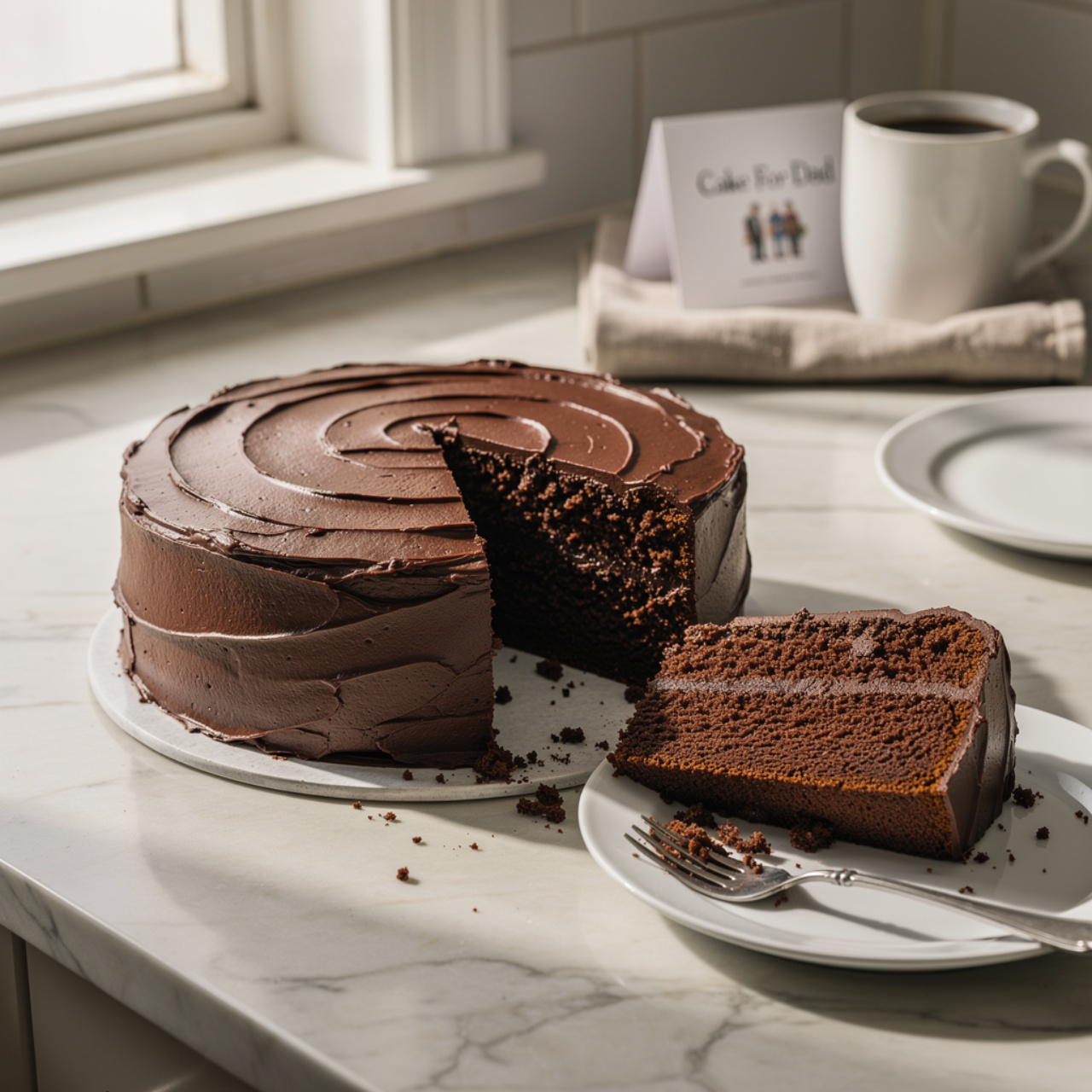
- Dense chocolate cake — Rich enough to support heavier fondant designs without crumbling under the weight.
- Lemon or funfetti cake — Light and soft, perfect for simple buttercream finishes that let the cake’s flavor shine through.
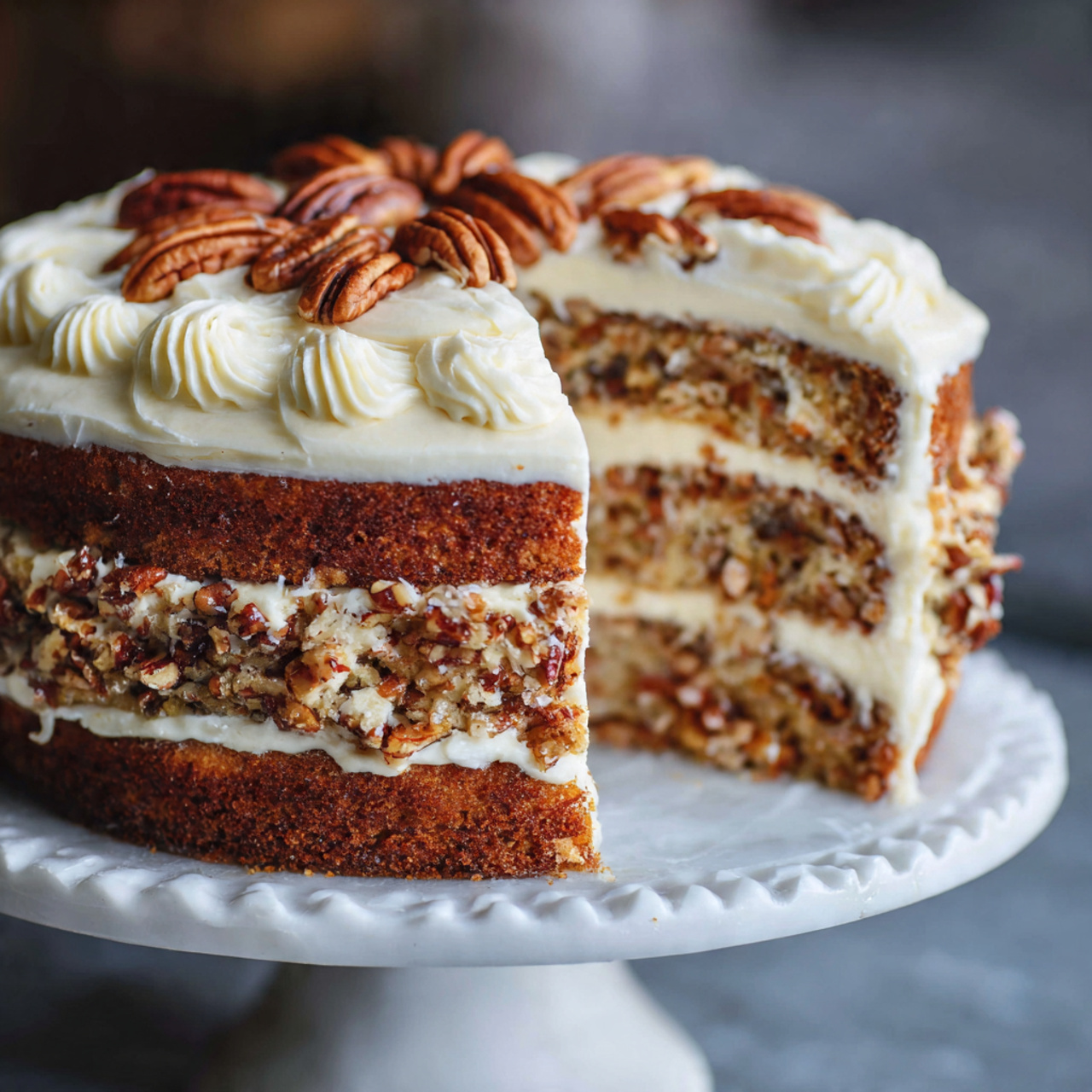
- Carrot cake — Naturally rustic and wonderfully suited to the naked cake style with cream cheese frosting and fresh herb garnish.
- Chiffon or sponge cake — An ideal base for drip cakes; the lighter texture catches ganache without collapsing.
Storing and Serving
Fridge Store decorated cakes in an airtight container or cake box for up to 3 to 5 days. Buttercream-frosted cakes hold especially well when kept cold and fully covered.
Freezer Undecorated cake layers freeze beautifully for up to 3 months — wrap each layer tightly in plastic wrap, then foil. Fully decorated cakes can be frozen short-term, though fondant details may show some condensation as they thaw.
Reheating Decorated cakes are best served at room temperature, not warmed. Remove from the refrigerator 30 to 60 minutes before serving so the frosting softens and the texture returns to its best.
Make-Ahead Tip Crumb-coated cakes can be refrigerated overnight and final-decorated the following day — the chilled surface actually makes the last layer smoother and easier to work with.
Servings One standard 8-inch two-layer round cake yields approximately 12 to 16 slices depending on how generously you cut.
Nutrition (Approximate Per Serving)
Since this is a decorating guide rather than a single recipe, values will vary based on the cake and frosting you use. As a general reference for a standard slice of buttercream-frosted vanilla cake:
- Calories: ~400
- Total Fat: 18g
- Saturated Fat: 10g
- Carbohydrates: 54g
- Sugar: 37g
- Protein: 4g
- Sodium: 220mg
Nutritional values are approximate and may vary based on the specific cake and frosting recipes used, as well as serving size.
Chef’s Helpful Tips
- Always use room-temperature butter for buttercream. Cold butter creates a lumpy, grainy texture that no amount of mixing will fully fix.
- If your frosting develops small air bubbles, switch your mixer to its lowest speed for the final two minutes — this works them out gently without deflating the whole batch.
- For ultra-clean slices, dip your knife in hot water and wipe it completely dry between each cut.
- Gel food coloring deepens as it rests — mix your shade, wait 10 minutes, then decide if it needs adjusting. It almost always looks more intense after sitting.
- If your cake layers slide during decorating, press a wooden skewer or dowel through the center to stabilize them before applying the final frosting coat.
Frequently Asked Questions
Q1. Is cake decorating something a complete beginner can really learn at home? Absolutely — cake decorating rewards patience far more than natural talent. Start with basic buttercream techniques using just a spatula and bench scraper, and you’ll produce a presentable, beautiful result even on your first try. The more you practice, the faster every aspect of cake decorating clicks into place.
Q2. What’s the difference between decorating with buttercream versus fondant? Buttercream is softer, more forgiving, and much easier to work with starting out — it’s also more popular with guests who simply prefer the taste. Fondant creates a smoother, more polished surface and holds detailed shapes better, making it the choice for sculpted or themed cakes. Start with buttercream and work toward fondant as your confidence grows.
Q3. How do I actually get smooth sides on a cake? The four-part answer: a chilled crumb coat, room-temperature final frosting, a bench scraper, and a rotating turntable. Hold the scraper still and let the turntable do the spinning — one slow, steady rotation is usually enough to clean up the sides completely and leave them looking professionally done.
Q4. Can I decorate a cake the day before the event? Yes, and this is honestly the smarter approach. A decorated cake that has rested overnight in the fridge will have set frosting, cleaner edges, and a more stable structure by the time it reaches the table. Bring it to room temperature for about an hour before serving.
Q5. Can fully decorated cakes be frozen? Undecorated cake layers freeze beautifully for up to three months. If you need to freeze a fully decorated cake, leave it uncovered in the freezer for one to two hours first so the decorations firm up, then wrap loosely in plastic wrap. Thaw overnight in the refrigerator — never at room temperature — for the cleanest result.
Conclusion
Cake decorating is one of those skills that quietly transforms the way you approach baking. What starts as a slightly messy first attempt at smoothing buttercream becomes, with a little time and practice, a craft you genuinely look forward to. The same tools, the same techniques, the same steady rotation of the turntable — and suddenly what comes out of your kitchen rivals what you’d find in any bakery window. That’s the quiet magic of it: cake decorating meets you exactly where you are, and then takes you somewhere much better.
Whether this is your very first time picking up a piping bag or you’re here to sharpen a technique you’ve been working on for months, the goal is the same — to make something that brings real joy to the table. Trust the process, let the crumb coat chill, practice those rosettes on parchment first, and enjoy every beautiful, imperfect step along the way. The cake you make is always worth it.